
Printable Potentiometric Ion‐Selective Electrodes Based on Carbon Fiber and Ti3C2Tx MXene Nanoflakes: Eliminating Complex Modifications (Small 8/2026)
Researchers led by Evgeny Smirnov have demonstrated printable potentiometric ion‑selective electrodes (ISEs) that combine carbon fiber substrates with Ti3C2Tx MXene nanoflakes. The MXene coating eliminates the need for multi‑step surface chemistries traditionally required for ISE fabrication. Comparative tests show MXene‑modified ISEs achieve higher sensitivity and lower detection limits than unmodified carbon‑fiber devices while remaining fully printable. The work positions these hybrid electrodes as low‑cost, flexible components for portable environmental and health monitoring platforms.

Defect Engineering in Large‐Scale CVD‐Grown Hexagonal Boron Nitride: Formation, Spectroscopy, and Spin Relaxation Dynamics
Hexagonal boron nitride (hBN) is a promising host for solid‑state quantum emitters, but scalable defect creation in large‑area CVD films has been elusive. Researchers demonstrated that ion, neutron, and electron irradiation can selectively generate negative boron‑vacancy (V_B⁻) defects, with defect...
Highly Selective Photocatalytic Degradation of Organic Pollutants by ZnO@C Core–Shell Nanoparticles Via Superoxide Radical Pathway
Researchers developed a two‑step synthesis of ZnO@C core‑shell nanoparticles that dramatically improve visible‑light photocatalytic degradation of organic dyes. The ultrathin carbon shell enhances light absorption, charge separation, and generates superoxide radicals as the primary reactive species. Compared with bare ZnO,...
Synergistic Integration of Quantum Materials with Smart Electrolytes for Next‐Generation Multifunctional Supercapacitors: Advances, Challenges, and Future Prospects
The integration of quantum materials with smart electrolytes is reshaping supercapacitor technology, delivering flexible, wearable devices with markedly higher energy density. Quantum dots, MXenes, MOFs, COFs, and TMDs provide quantum‑level charge storage, while stimulus‑responsive electrolytes add self‑healing and shape‑memory functions....

Advancements in Catalytic Technologies for Chemical Hydrogen Storage: Materials, Mechanisms, and Future Prospects
The review surveys recent catalytic breakthroughs for chemical hydrogen storage, focusing on liquid organic hydrogen carriers (LOHCs) and ammonia (NH3). It details advances in noble‑metal, transition‑metal, bimetallic and single‑atom catalysts that improve hydrogenation and dehydrogenation kinetics. The authors highlight persistent...
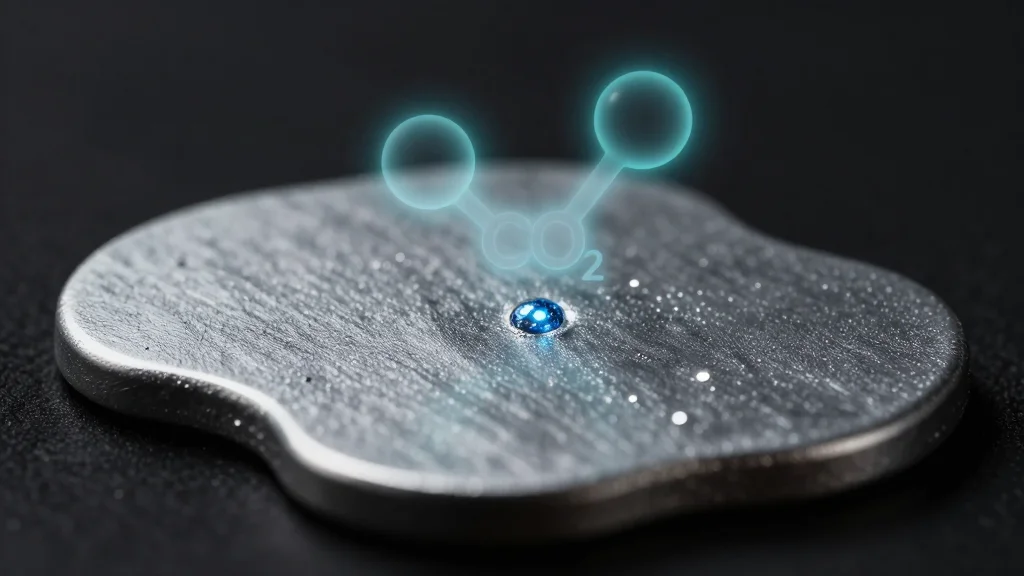
From Electronic Structure to Catalytic Function: Rare Earth–Driven Strategies for CO2 Electroreduction
The review highlights rapid progress in rare‑earth‑based electrocatalysts—single‑atom catalysts, alloys, and oxides—for electrochemical CO₂ reduction. By exploiting the 4f orbital flexibility and strong oxophilicity of rare‑earth elements, researchers have achieved higher activity, improved product selectivity, and longer catalyst lifetimes compared...

Recent Advances in Strong Metal‐Support Interaction Engineering for Dry Reforming of Methane Catalysts
The review details how strong metal‑support interactions (SMSI) are being engineered to create more stable and active catalysts for dry reforming of methane (DRM). It covers both non‑noble (Ni, Co, Fe) and noble (Rh, Ru, Pt) systems, highlighting oxide encapsulation,...

Design of Experiments (DoE)‐Optimized Polymeric Oxytocin Nanoparticles for Enhanced Nose‐to‐Brain Delivery
Researchers have engineered PEGylated PLGA nanoparticles encapsulating oxytocin for intranasal administration, aiming to improve nose‑to‑brain delivery for autism and related neuropsychiatric conditions. Using a design‑of‑experiments approach, the optimized formulation achieved ~93–116 nm particle size, low polydispersity, and drug loading of 2.8–3.5 %...

Negatively Charged Carbon Dot‐Linked Glycyrrhizic Acid Hydrogel Promoted Hemostasis, Immunoregulation and Re‐Epithelialization of Wound Closure
The study introduces a charred Trachyparcus‑derived carbon dot (CT‑CD) linked glycyrrhizic acid (GA) hydrogel, termed CT@GA‑gel, that forms at GA concentrations below 0.5 %. The negative surface charge of CT‑CDs enables low‑dose crosslinking, yielding an injectable, self‑healing, and adhesive dressing. Enhanced...

Laser‐Induced 3D Arch‐Bridged Solar Evaporator Based on Diradical‐Featured Photothermal Polymers for Highly Efficient Seawater Desalination
Researchers unveiled PSSe‑Se, a diradical‑featured conjugated polymer that absorbs across the solar spectrum and converts 32.04% of sunlight into heat. Leveraging this material, they fabricated a laser‑induced 3D arch‑bridged evaporator (LIBA‑Se) that reaches evaporation rates of up to 2.67 kg m⁻² h⁻¹ under...
Highly Transparent Lead Halides Bmpip2PbBr4 Single Crystals for X‐Ray Imaging and Versatile Ionizing Radiation Detection
Researchers have synthesized large, nearly self‑absorption‑free Bmpip2PbBr4 single crystals using solution‑cooling crystallization. The crystals exhibit 98.9% optical transparency, a photoluminescence quantum yield of 48.14% and a rapid 63.5 ns decay lifetime. Scintillation testing shows a light yield of 21,000 ± 800 photons MeV⁻¹ for...

High Thermoelectric Performance in High‐Entropy AgMnGePbSbTe5 With Pb Vacancies
Researchers introduced lead vacancies into the p‑type high‑entropy semiconductor AgMnGePbSbTe5, creating a nanostructured material that delivers a peak figure‑of‑merit (ZT) of 2.23 at 723 K and an average ZT of 1.31 from 303 K to 813 K. The vacancy‑induced rise in hole concentration...

Isotropic ZnSe Shell Growth for Uniform‐Shaped Green InP Quantum Dots With Tunable Size and Absorption
Researchers introduced a halide‑mediated, stepwise growth technique that produces isotropic ZnSe shells on indium phosphide quantum dots, yielding uniform, near‑spherical InP/ZnSe/ZnS nanocrystals. The method enables precise control of shell thickness from 1.75 nm to 5.5 nm, delivering particles up to 14 nm with...
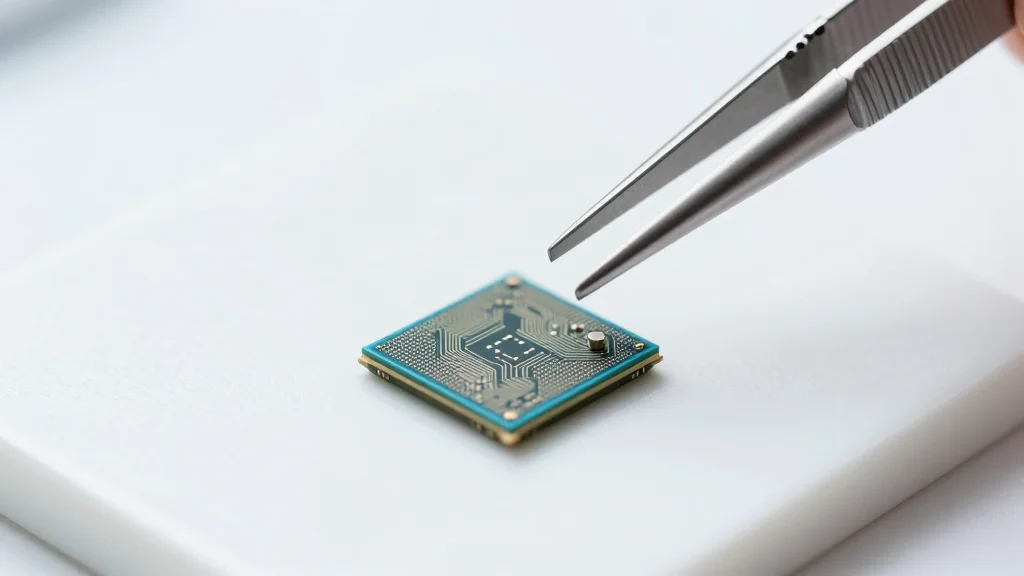
Green Fabrication of Synergistic Adsorption‐Photocatalysis Nanofiber Composite Membranes for Enhanced Dye Removal
Researchers have introduced a solvent‑free, three‑step method to produce ethanol‑soluble polyamide nanofiber membranes embedded with activated carbon, polydopamine and layered double hydroxides. The resulting hierarchical membrane merges adsorption with visible‑light‑driven photocatalysis, delivering rapid removal of both cationic and anionic dyes....
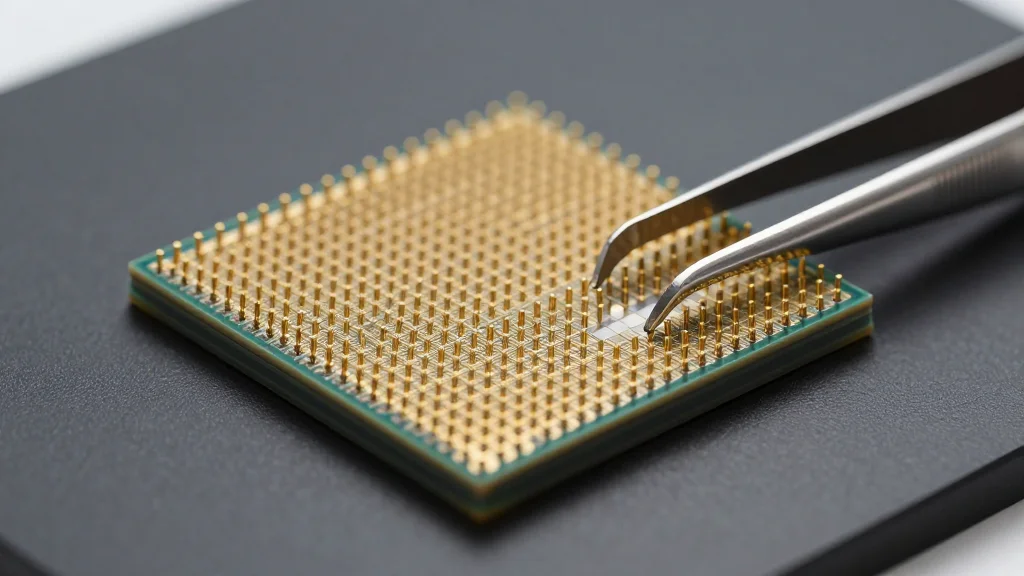
Exploration of Copper Halide Linear‐Array Detector Prototype for Security Checks
Researchers have demonstrated that Mn‑doped Cs3Cu2I5 functions as a high‑performance scintillator for X‑ray imaging, delivering a light output 1.35 × that of CsI:Tl and a detection limit of 33.1 nGy s⁻¹. The material shows negligible afterglow and a fast decay time of 46.4 µs,...
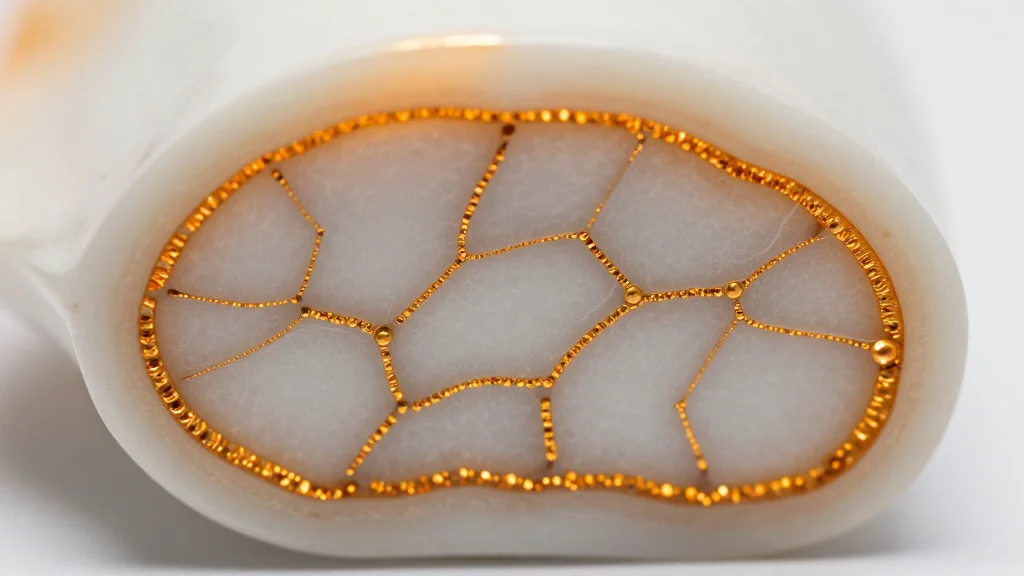
High Temperature Ni‐Diffusion Plaguing Ionic Conductivity of Solid Oxide Cell
Researchers discovered that the conventional 1400°C sintering step in solid oxide cell (SOC) manufacturing drives nickel atoms to migrate and accumulate at yttria‑stabilized zirconia (YSZ) grain boundaries. This Ni segregation, reaching up to 7 at.%, creates thick space‑charge layers that block...

Temperature‐Driven Reversible P‐to‐n Switching in Ionic Liquid‐Modified Single‐Walled Carbon Nanotube Thermoelectric Films for Flexible Waste Heat Recovery
Researchers have created binary single‑walled carbon nanotube (SWCNT) films modified with imidazolium‑based ionic liquids that autonomously switch their thermoelectric polarity from p‑type to n‑type as temperature rises. The switching temperature aligns with the anion’s molecular mass, occurring around 130 °C for...

Safe and Efficient CRISPR Genome Editing of Primary Human T Cells Using a Droplet‐Based Cell Mechanoporation Platform
The paper presents a microfluidic droplet mechanoporation platform that delivers macromolecules into primary human T cells with unprecedented efficiency and viability. It achieves ~98% delivery of 2000 kDa FITC‑dextran and ~99% mRNA transfection, enabling robust CAR‑T cell generation. CRISPR‑Cas9 ribonucleoproteins are...

Topography‐Free Dual‐Lubricant Patterned Slippery Surfaces for Programmable Droplet Control and High‐Performance Water Harvesting
Researchers have developed a topography‑free slippery liquid‑infused porous surface (HOIPS) that uses spatially patterned dual lubricants to create interfacial energy contrasts, directing droplet migration without external forces. By chemically fluorinating selected regions of a PTMSDPA polymer film and infusing fluorinated...

Bioinspired Dual‐Pathogen Defense Through Electrostatic‐Capturing and Light‐Burst Sterilization for Smart Screen Windows
Researchers have created an ambient‑light‑activated antimicrobial coating by integrating quaternary ammonium salts (QAS) with aggregation‑induced emission (AIE) photosensitizers onto nonwoven fabrics. The dual‑functional system first electrostatically captures pathogens and then uses light‑burst ROS generation to inactivate them, delivering >99.9% reduction...

Supramolecular Assemblies of Self‐Immolative Janus Dendrimers With Rapid Photodegradation Response
Researchers have engineered self‑immolative Janus dendrimers (SIJDs) that spontaneously assemble into uniform spherical nanoparticles. The dendrimers feature a hydrophilic phenolic‑acid side and a hydrophobic oligo(ethyl glyoxylate) tail bearing UV‑responsive end groups. Upon brief UV exposure, the hydrophobic segment undergoes rapid...

Nanostructure and Interface Engineering of Graphite Anodes for High‐Performance Potassium‐Ion Batteries: Mechanisms, Strategies, and Perspectives
The review examines graphite anodes for potassium‑ion batteries (PIBs), highlighting their promise due to low redox potential and cheap, stable structure. It details intrinsic challenges such as slow K⁺ diffusion, pronounced volume change, and unstable solid‑electrolyte interphase (SEI). The authors...
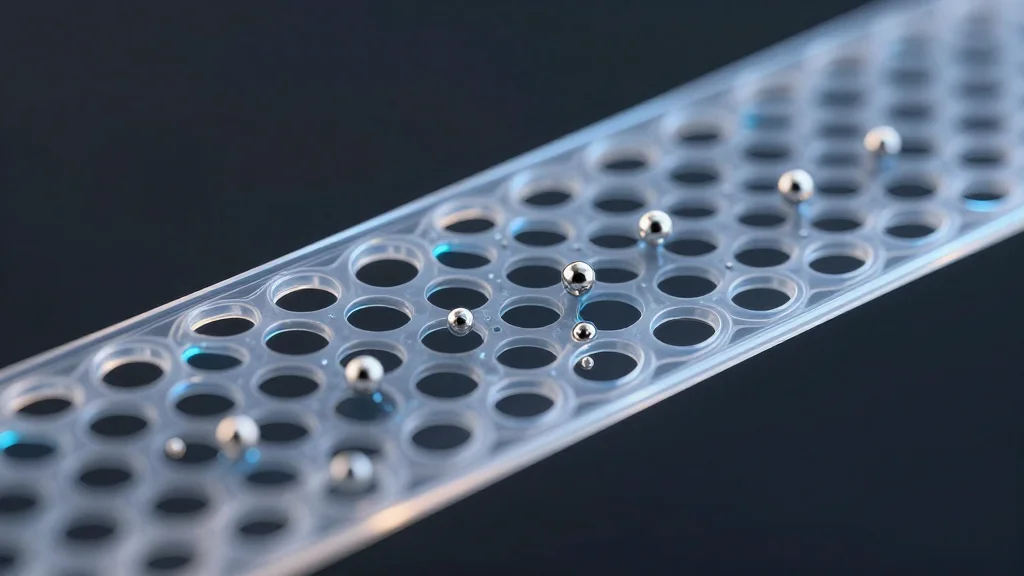
Acid Resistant and Highly Silver Selective Membranes Based on Charged Nanoporous 2D‐Materials
Researchers have created charged nanoporous 2D nanosheet membranes that selectively separate silver ions from other metals in waste electronics leachates. The membranes show unprecedented Ag selectivity, rapid separation within two minutes, and rare stability in acidic conditions. They also reveal...

Versatile Chitosan‐Based Hydrogel Dressings for Multi‐Scenario Wound Management
Researchers have engineered chitosan‑based hydrogel dressings that combine dynamic covalent and non‑covalent cross‑linking to deliver self‑healing, hemostatic, and antimicrobial functions. These smart hydrogels can release therapeutics on demand and respond to pH, temperature, or glucose cues, making them suitable for...

Dynamic Photovoltaic‐Electrolysis Coupling of Stable (>1000 H) CuP/CoF Catalysts with 6% Solar‐to‐Fuel Efficiency
Researchers introduced a dual‑functional CuP/CoF catalyst that maintains over 1000 hours of stable operation in anion‑exchange membrane electrolyzers, achieving 81.2% faradaic efficiency for nitrate‑to‑ammonia conversion at –0.3 V vs. RHE. Coupled with >25%‑efficient silicon PV modules, the integrated PV‑EC system produced ammonia...

Electrochemical Unzipping of Carbon Nanotubes in a Molten Salt
Researchers have demonstrated an electrochemical technique that unzips carbon nanotubes into graphene stacks within a molten CaCl2‑NaCl salt. The melt temperature governs the resulting architecture, producing few‑layer turbostratic graphene below 850 °C and Bernal‑type graphite above 900 °C, both with ultralow defect...

Finite Size‐Effects in Martensite Microstructure of Magnetic Shape Memory Films
Researchers examined epitaxially grown Ni‑Mn‑Ga magnetic shape memory films to reveal how finite dimensions influence ferroelastic martensite microstructures. By comparing constrained (substrate‑bound) and freestanding micro‑patterns, they showed that both retain the variant distribution of the continuous film. Film thickness emerged...
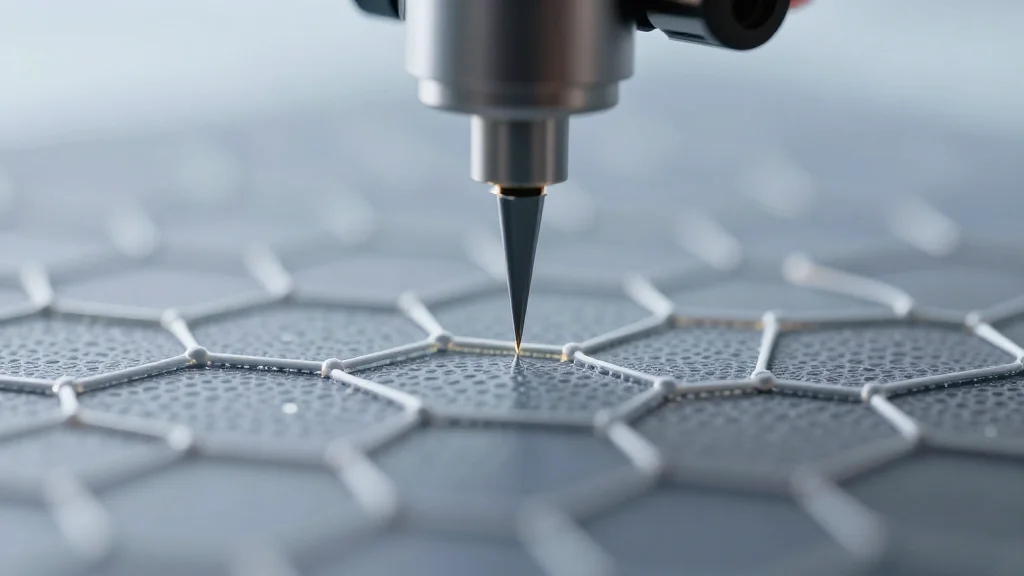
Beyond Imaging: Atomic Force Microscopy as an Integrated Tool for Nanomechanical Probing and Active Manipulation of Low‐Dimensional Materials
Atomic force microscopy (AFM) is emerging as a versatile platform for probing and manipulating the nanomechanics of one‑ and two‑dimensional materials. The review details AFM‑based techniques that quantify elastic modulus, strength, adhesion, friction, superlubricity and fatigue with piconewton force sensitivity...

Trapped Energy Level‐Assisted Ultrafast Interfacial Charge Transfer in S‐Scheme Heterojunctions
Researchers have boosted interfacial electron transfer in CdS/TiO2 S‑scheme heterojunctions by engineering oxygen‑vacancy trap states on fluorine‑doped TiO2 surfaces. In‑situ soft X‑ray absorption and femtosecond transient absorption spectroscopy revealed an ultrafast, trap‑assisted charge‑migration pathway that extends carrier lifetimes and suppresses...

Molecular Engineering of Functionalized Amino‐Acid Additives for Synergistic Stabilization of Zinc Metal Anode
Researchers introduced a molecular engineering approach to create multifunctional electrolyte additives that stabilize zinc metal anodes. By screening twenty functionalized amino acids, they designed N‑Glycyl‑L‑tyrosine (GT), which merges glycine’s carboxyl group and tyrosine’s phenolic hydroxyl and carbonyl groups. GT coordinates...

Ultrathin Freestanding MoSiN Nanocomposite Membranes as Efficient High‐Temperature Mid‐Infrared Thermal Emitters
Researchers have fabricated a freestanding 12 nm MoSiN nanocomposite membrane that combines intermetallic and dielectric phases to act as an efficient mid‑infrared emitter. The membrane exhibits metal‑like emissivity of 0.41 and retains structural integrity at temperatures up to 900 °C, while its...

Engineering Lattice Asymmetry via a Cs+‐Triggered Domino Effect for Ultra‐Broadband Visible Emission From a Single Sb3+ Luminophore
Researchers have shown that incorporating cesium ions into the layered perovskite derivative (C4H14N2S2)2Cs2InCl9 triggers a structural “domino effect” that breaks lattice symmetry. This asymmetry creates two inequivalent indium chloride octahedra, which, when doped with antimony (Sb3+), produce ultra‑broadband visible photoluminescence...

Polymer‐Coated Manganese Dioxide Nanoparticles for Foliar Mn Delivery: Mechanisms of Uptake and Metabolic Responses in Mn Deficient Barley
Researchers demonstrated that ~25 nm polyacrylic acid‑coated MnO₂ nanoparticles can rapidly penetrate barley leaves through stomata when applied as a foliar spray. Within two hours the particles dissolve, releasing Mn²⁺ that restores photosynthetic efficiency in Mn‑deficient plants without causing phytotoxicity, even...

Block Copolymer Particle‐Templated Cavitated Carbons Achieve Local Alkalinity for Enhancing Acidic Electrochemical CO2 Reduction
Researchers introduced a cavitated carbon particle (CCP) support for gold catalysts by exploiting interfacial instability in block‑copolymer particles. The resulting Au/CCP features ~130 nm internal cavities that concentrate OH⁻ ions, creating a locally alkaline microenvironment even when the bulk electrolyte is...

Engineered Nanofiber‐Based Nerve Guidance Conduit Facilitates the Restoration of Peripheral Nerve Injury Through Enhanced Vascularization
Researchers engineered a nerve guidance conduit (NGC) by coating electrospun polycaprolactone (PCL) nanofibers with endothelial cell‑derived matrix (ECd). The ECd@PCL scaffold provides oriented physical cues and bioactive signals that boost axonal extension in PC12 cells and improve intercellular communication in...

Unraveling Dynamic Interplay on Defective Indium Sites During CO2 Photoreduction
Researchers combined operando X‑ray photoelectron spectroscopy and infrared spectroscopy to map how CO₂ interacts with defective indium sulfide (In₂S₃) surfaces. Sulfur vacancies create electron‑rich indium sites that strongly adsorb CO₂, leading to sequential formation of *COOH and *CO intermediates under...

Interfacial Engineering for Enhanced Adhesion of Diamond Coatings
The review outlines the persistent adhesion challenges of thin‑film diamond coatings on non‑diamond substrates and details engineering approaches to overcome them. It highlights how thermal‑expansion mismatches, poor nucleation, and substrate degradation cause delamination. Strategies such as substrate roughening, interlayer insertion,...

Injectable Thermogel‐Loaded Bi2S3 Nanorods for Synergistic Photothermal Bacterial Elimination and Anti‑Inflammation to Remodel Periodontitis Microenvironment
Researchers have created an injectable, thermosensitive hydrogel (Bi2S3@Gel) loaded with bismuth sulfide nanorods that activates under near‑infrared light. The material delivers mild photothermal heating, amplifies reactive oxygen species, and depletes glutathione, achieving potent antibacterial action. At the same time, the...
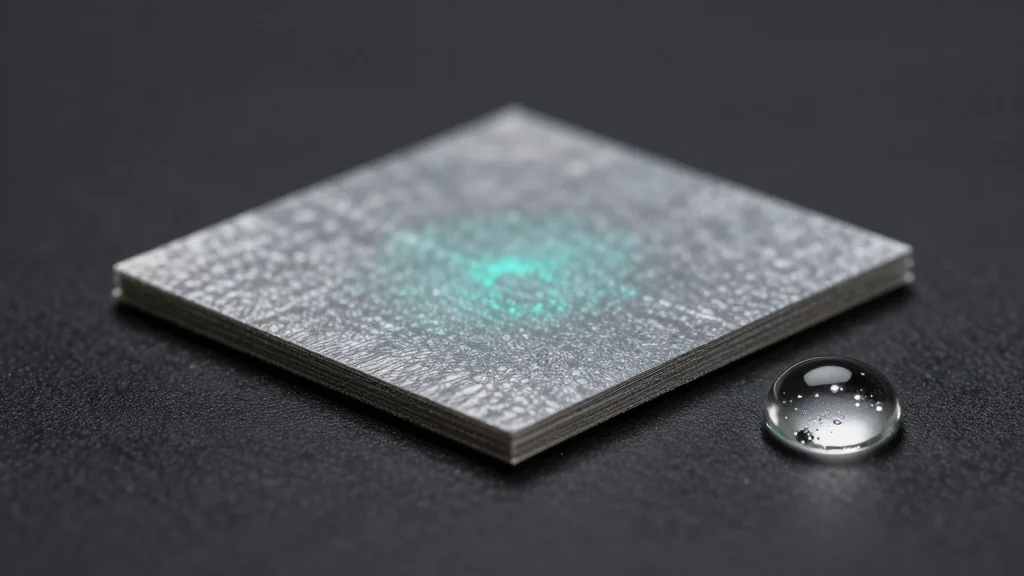
Ti3C2 MXene Nanosheets and K+/Strong Base Synergistically Regulated G‐C3N5 Jointly Construct a Novel Photogenerated Electron Capacitor for Efficient Photosynthesis of...
Researchers introduced a photo‑induced electron capacitor (MKCN) by self‑assembling Ti3C2 MXene nanosheets with potassium‑ and strong‑base‑treated nitrogen‑rich carbon nitride (g‑C3N5). The hybrid functions as a dual‑electrode system where g‑C3N5 generates electrons and MXene captures them, enabling spatial charge separation and...
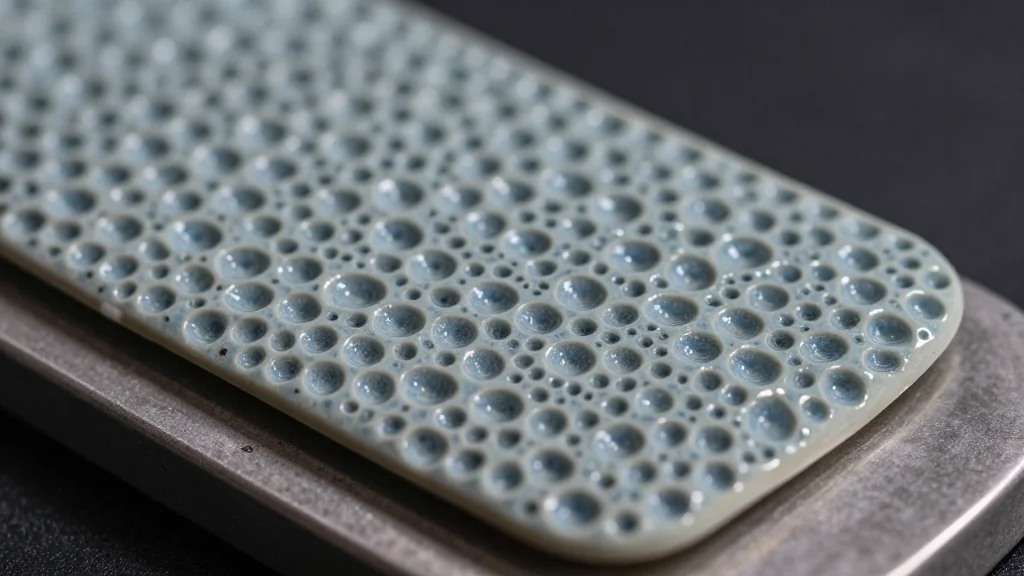
Enhancing Active Surface Area and Gas Diffusion Properties of Low‐Temperature Solid Oxide Fuel Cell Cathodes by Sputtering with Glancing Angle...
The research introduces glancing angle deposition (GLAD) to fabricate nanoporous La0.6Sr0.4Co0.2Fe0.8O3‑δ (LSCF) thin‑film cathodes for low‑temperature solid oxide fuel cells (LT‑SOFCs). By adjusting sputtering pressure and film thickness, the team achieved a nanocolumnar structure with 21.5% porosity, cutting polarization resistance...
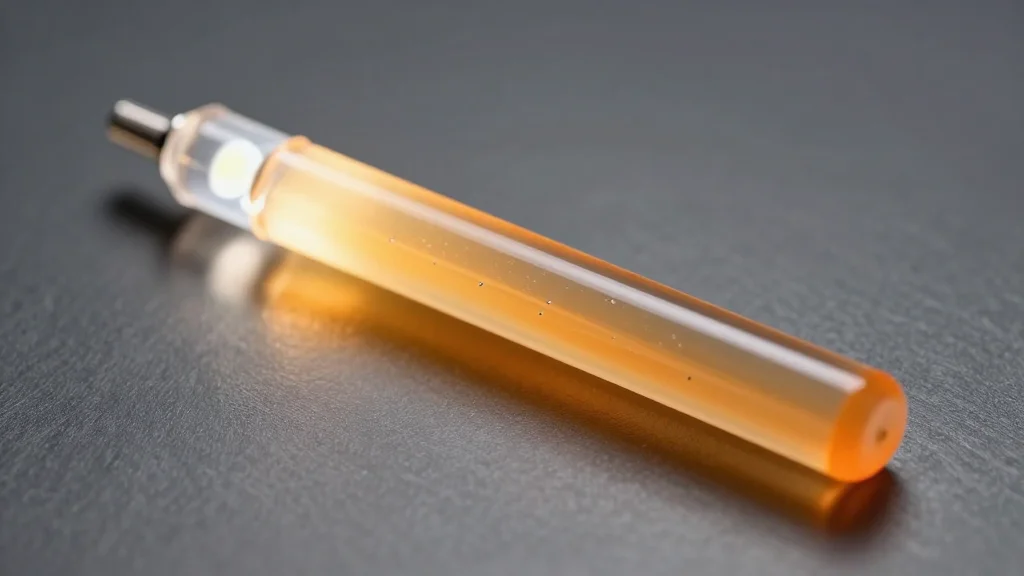
Cation‐Doped Ionic Thermoelectric Ionogels With Nonlinear Temperature‐Voltage Response Characteristics
Researchers developed a PVDF‑HFP‑based ionogel doped with various cations, achieving a thermopower of 23.7 mV K⁻¹ and a power density of 102.8 µW m⁻² K⁻². Precise temperature‑difference control induces a nonlinear temperature‑voltage response due to dynamic ion‑concentration reconstruction. An 18‑unit ionic thermoelectric device produced 2.09 V,...
The Next Frontier in Perovskite Stability: Operando Smart‐Responsive Materials Driving the Next Revolution
Researchers are integrating stimulus‑responsive materials into perovskite solar cells to turn external stressors—light, heat, humidity—into stabilizing actions. These operando smart‑responsive layers dynamically adjust their physicochemical state, curbing ion migration and extending device lifetimes. The review outlines recent mechanisms, from reversible...
Selection of Metal–Tellurium (M–Te) Alloy as Recyclable Controlled Te Precursors for Wafer‐Scale Synthesis of MxTey Thin Films
The study presents a confined tellurization technique that uses recyclable metal‑tellurium (M‑Te) alloys as controllable tellurium sources to grow wafer‑scale metal telluride (MxTey) films. Cohesive‑energy calculations and experiments identify Au‑Te and Ag‑Te alloys as optimal, delivering steady Te flux while...
Large‐Area Bi2O2Se Nanosheets With Enhanced Optoelectronic Performance for Flexible Electronics
Researchers have demonstrated atmospheric‑pressure chemical vapor deposition (APCVD) of large‑area Bi2O2Se nanosheets, achieving domain sizes up to 0.4 mm. The nanosheets exhibit high carrier mobility—110 cm² V⁻¹ s⁻¹ at room temperature and over 3700 cm² V⁻¹ s⁻¹ at 2.3 K—while maintaining structural integrity under repeated bending. Detailed experiments...

Ligand‐Driven Optimization of Iron Oxide Nanoprobes for In Vivo MRI Enhancement at Ultra‐High Field
Researchers developed a ligand‑driven method to fine‑tune T2 relaxivity of 12 nm iron‑oxide nanoparticles for ultra‑high‑field MRI. By exchanging five surface coatings—PAA, PMA, PMAO, citric acid and silica—they achieved up to a 333 mm⁻¹ s⁻¹ increase in r₂, with citric‑acid‑coated particles reaching record...

Oxygen Vacancy Shell Coupled Pt Clusters Engineering for Sunlight Driven Selective Decarboxylation of Amino Acids
Researchers have engineered a heterogeneous photocatalyst comprising a titanium‑dioxide core, an oxygen‑vacancy‑rich shell, and platinum nanoclusters. The Pt/TiO2@VO‑shell catalyst dramatically improves sunlight‑driven decarboxylation of L‑lysine, achieving 73.5% cadaverine selectivity and a productivity of 154.5 mM per gram, far surpassing conventional TiO2....
Excited‐State Dynamics in Lead Halide Perovskite Nanocrystals: Effects of Size, Shape, Doping, and Surface Modifications
The review surveys how size, shape, composition, surface ligands, metal‑ion doping, temperature, and heterostructure engineering influence the excited‑state dynamics of lead halide perovskite nanocrystals. It contrasts these perovskite NCs with traditional chalcogenide quantum dots, highlighting distinct defect states and relaxation...
Oxygen Vacancy‐Engineered High‐Entropy Oxide Nanozymes for Spatiotemporal Cascading Antifouling in Marine Environments
Researchers have engineered oxygen‑vacancy‑rich high‑entropy oxide nanozymes (Vo‑HEO) that mimic haloperoxidase activity to produce both hydroxyl radicals and long‑lived hypobromous acid (HOBr). The dual catalytic system delivers rapid oxidative damage at the surface while HOBr diffuses into bulk water, suppressing...
Harnessing the Heavy‐Atom Effect and Linkage Engineering in Isomorphic COFs for Enhanced H2O2 Photosynthesis
The research introduces a heteroatom‑tuned covalent organic framework (COF) strategy that dramatically boosts photocatalytic H2O2 synthesis. By incorporating sulfur atoms and optimizing linker geometry, the thiourea‑based COF‑127 delivers a record 6672 µmol g⁻¹ h⁻¹ production rate and an 11.03% apparent quantum yield without...

How PNIPAM Microgel Architecture Controls Pickering Foam Formation
Researchers examined how the internal architecture of poly(N‑isopropylacrylamide) (PNIPAM) microgels affects Pickering foam formation. They found that microgels with a distinct core‑shell structure generate larger foam volumes, smaller bubbles, and higher liquid fractions compared with less‑structured particles. Faster interfacial adsorption...