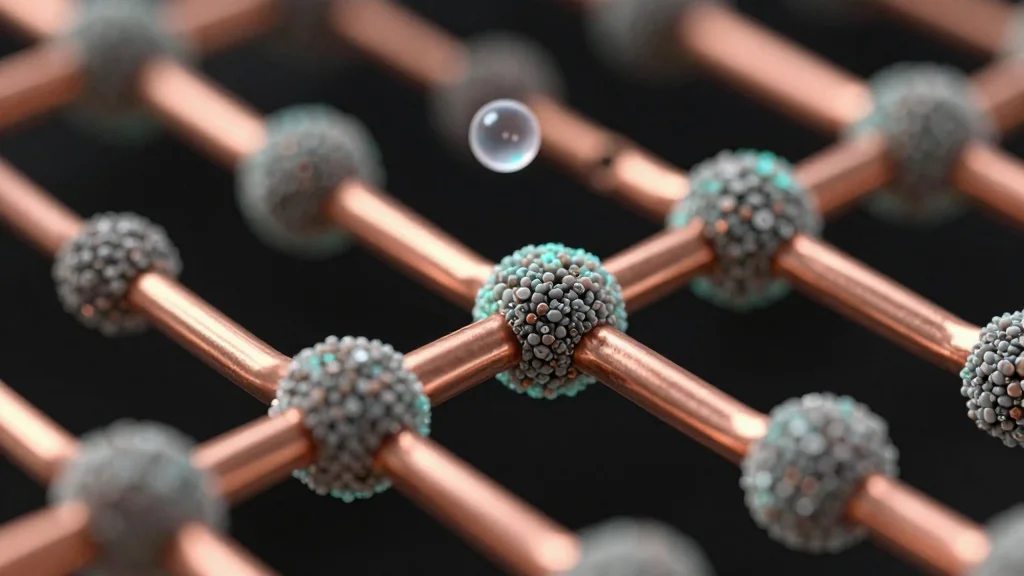
Cu–O–In Bridge Engineering in Cu2O/In2O3 Nanowires for Efficient CO2‐to‐CO Electroreduction
Researchers have engineered a Cu2O/In2O3 heterointerface within three‑dimensional copper foam nanowires, creating Cu–O–In bridges that precisely tune the d‑band centers of Cu and In sites. This electronic modulation boosts CO2‑to‑CO electroreduction, achieving over 90% Faradaic efficiency across a wide potential window and a peak efficiency of 95.8% at –0.67 V vs. RHE. The catalyst delivers a CO production rate of 1,035 µmol cm⁻² h⁻¹ and maintains performance for more than 130 hours. In situ Raman, FTIR and DFT analyses confirm that charge redistribution at the oxide‑oxide interface optimizes intermediate adsorption energies.
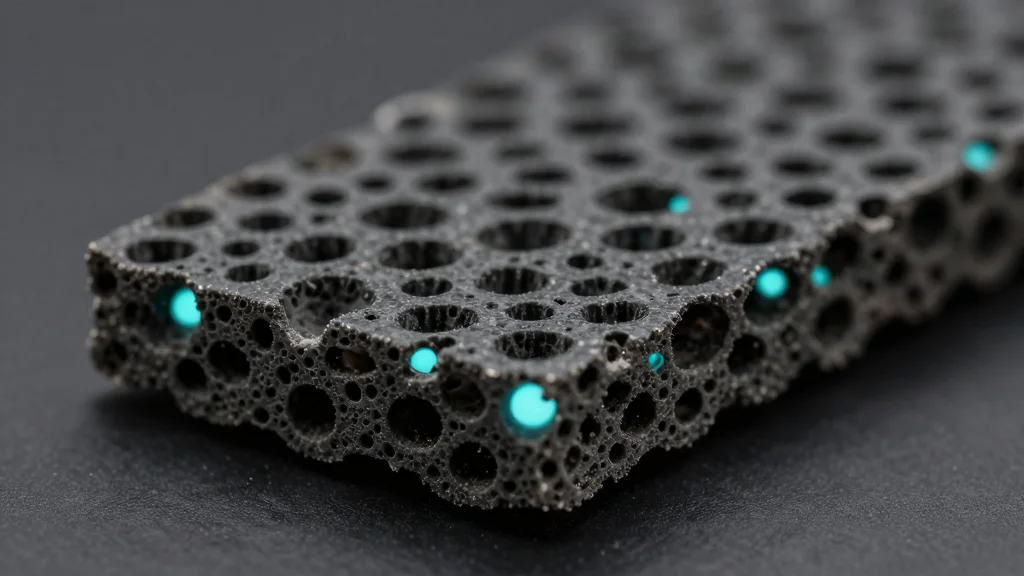
Microstructure‐Interface Modulation Boosts Sodium Storage Capacity and Stability of Hard Carbon
The researchers applied a synergistic microstructure‑interface modulation to resin‑derived hard carbon, introducing carbonyl groups for reversible Na⁺ adsorption and using carboxyl/phenolic hydroxyl groups to anchor Zn²⁺ ions that template a hierarchical pore network. Expanded interlayer spacing further speeds Na⁺ intercalation,...
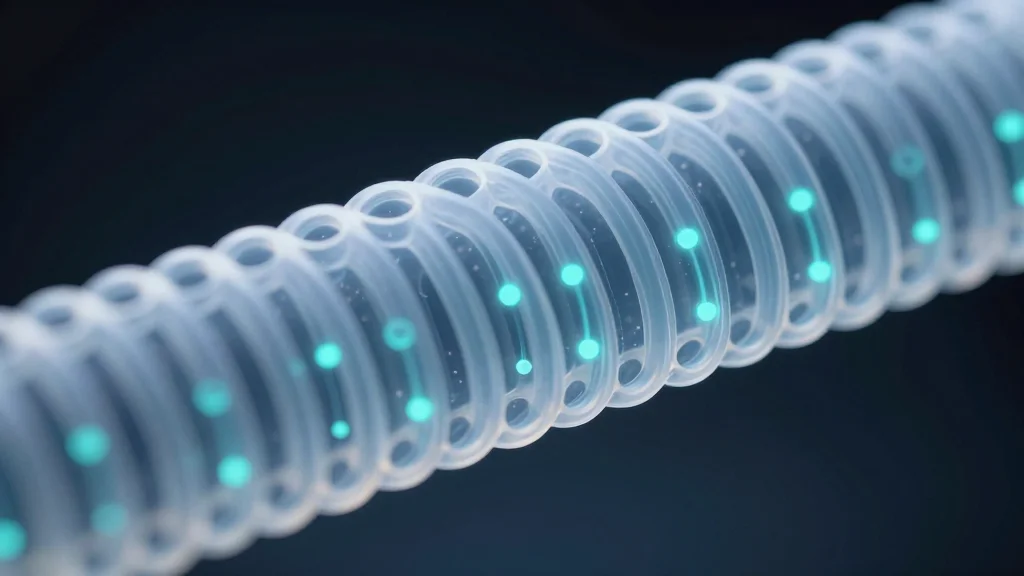
Bioinspired and Engineered Ion‐Selective Membranes Toward High‐Flux and High‐Selectivity Energy Devices
The review examines recent advances in ion‑selective membranes that aim to break the longstanding permeability‑selectivity trade‑off. By drawing inspiration from biological ion channels, researchers are engineering nanofluidic architectures, hybrid polymer‑nanomaterial composites, and AI‑assisted design tools to boost both ion flux...
Optimizing HostGuest Interaction Sites in Metal‐Organic Frameworks for Benchmark One‐Step Ethylene Purification
Researchers introduced three conformational isomeric Fe3‑based metal‑organic frameworks (SNNU‑705‑α/β/γ) that strategically combine open metal sites, aromatic rings, and amino Lewis basic sites to preferentially adsorb acetylene and ethane while weakly binding ethylene. This host‑guest interaction design enables a benchmark one‑step...

Synthesis of Zirconium Boron‐Oxo Clusters With Tunable Third‐Order Nonlinear Optical Response
Researchers have developed a modular synthesis route for zirconium boron‑oxo clusters (Zr‑BOCs) using in‑situ condensation of boron sources with dioxime ligands under pyrazole‑thermal conditions. The resulting planar Zr₂B₈O₁₀ cores feature d‑p‑π delocalization, and systematic ligand exchange with aromatic acids tunes...
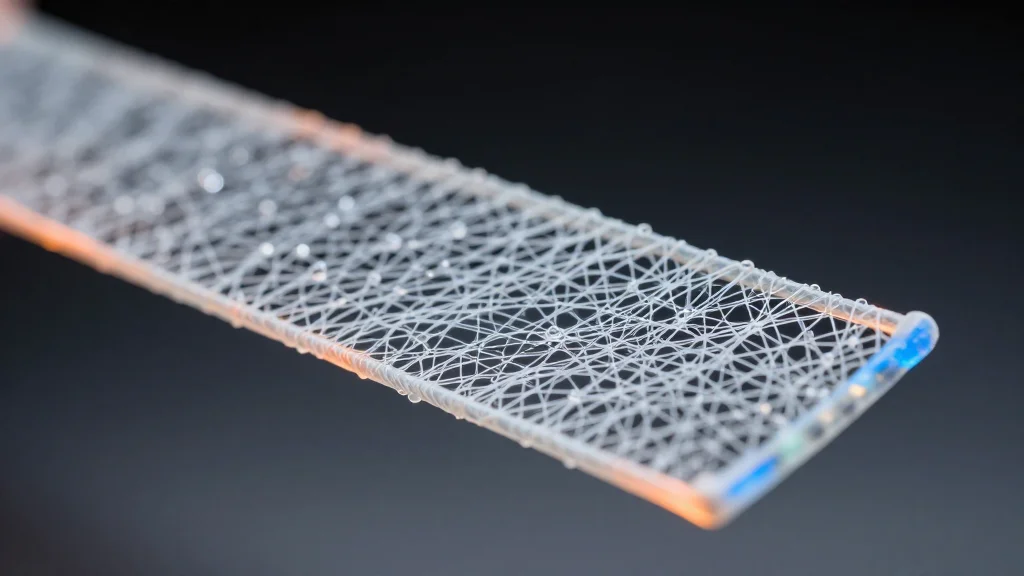
Self‐Lubricating Nanofiber/Hollow Microsphere All‐Ceramic Architecture for Robust Flexible Thermal Insulation
Researchers have created an all‑inorganic SiO2 composite membrane by electrospinning nanofibers embedded with hollow silica microspheres. The resulting self‑lubricating 3D architecture delivers an ultralow thermal conductivity of 31.39 mW m⁻¹ K⁻¹ while maintaining exceptional flexibility, surviving over 100 000 bending cycles at 99 % strain....
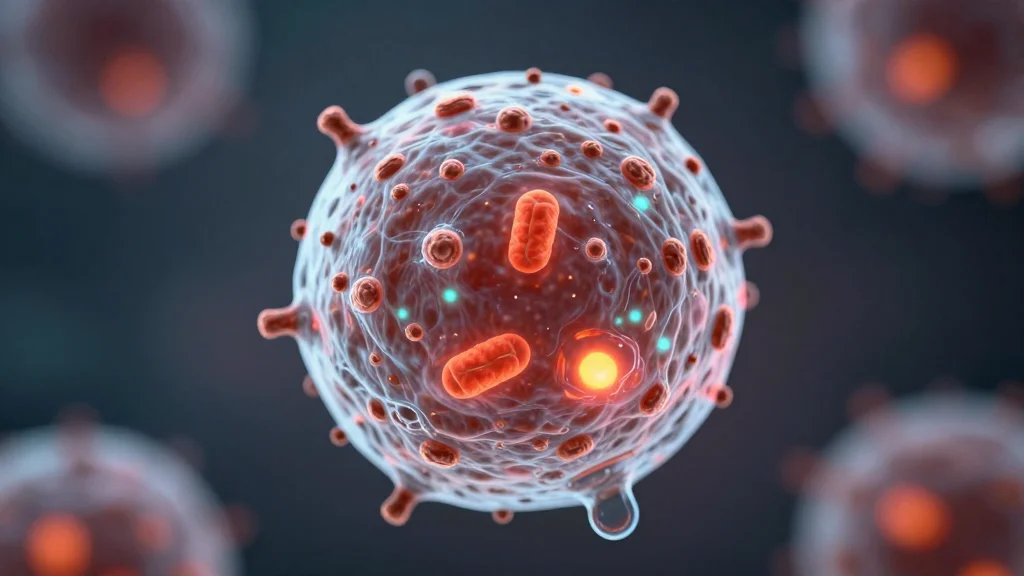
Dynamically Reprograms Mitochondrial Respiration to Augment Cuproptosis in Cancer Therapy
Researchers engineered a copper‑coordinated polymer that transports lactate oxidase into cancer cells, converting intracellular lactate to pyruvate. This metabolic shift elevates mitochondrial respiration, sensitizing tumors to copper‑driven cuproptosis. Simultaneously, copper triggers DLAT oligomerization and a Fenton‑like reaction, inducing ferroptosis. In...

Biomimetic, Hierarchical‐Porous Composite Aerogel Fiber with Spectral Selectivity and Water Microchannels for Synergistic Radiative‐Evaporative Passive Cooling Textile
Researchers have created structure‑engineered aerogel fibers (SAFs) that replicate desert animal hair, using a double‑diffusion wet‑spinning process and hollow glass microspheres. The fibers exhibit 96.1% emissivity in the atmospheric window and 92.3% solar reflectivity, while their 93.9% internal porosity enables...
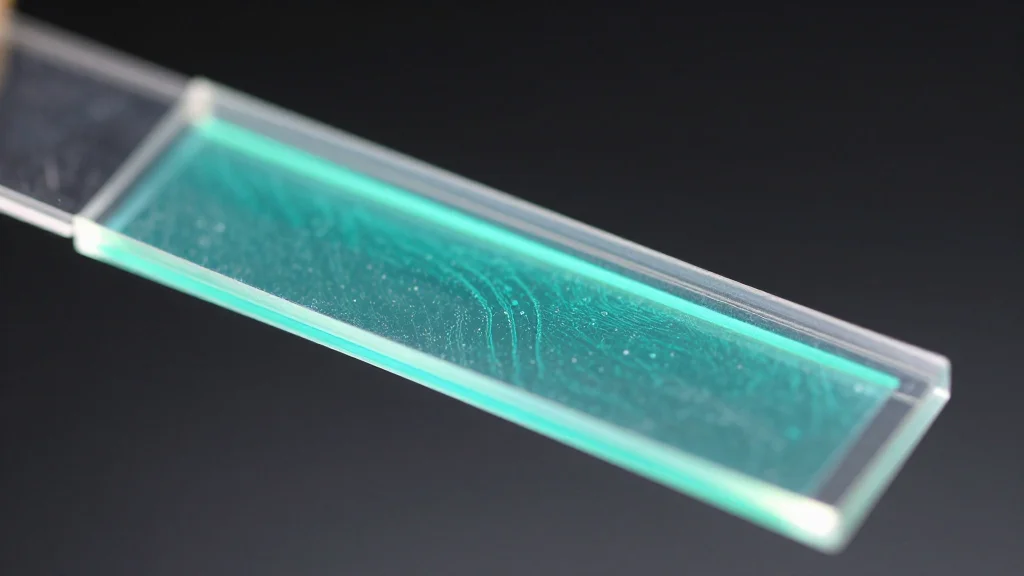
A Metal‐Free Phthalocyanine Additive for Defect Passivation and Processing Tolerance in High‐Efficiency Perovskite Solar Cells
Researchers have introduced CG-0, a fully substituted, metal‑free phthalocyanine, as a highly soluble additive for wide‑bandgap perovskite solar cells. The additive simultaneously promotes defect passivation, controlled crystallization, and remarkable processing tolerance, allowing ultra‑high doping levels up to 1.75 mM. Devices incorporating...

Asymmetric Metal Oxide Electrodes for High‐Efficiency Evaporation‐Induced Energy Harvesting
Researchers have built an evaporation‑driven energy generator using a montmorillonite clay membrane and surface‑modified graphitic carbon electrodes coated with TiO₂ and Co₃O₄ nanowires. Replacing traditional copper contacts with these metal‑oxide electrodes boosted power output by roughly 8,000 times. The device...

NBD Integrated and Vitamin B6‐Driven Charge‐Reversible Peptide‐Based Nanocarriers for Targeted Therapeutic Delivery
Researchers have engineered a phenylalanine‑tryptophan dipeptide nanocarrier functionalized with the fluorescent probe NBD and a vitamin B6‑derived pH‑responsive unit. The self‑assembled nanospheres load doxorubicin with high efficiency and undergo charge reversal at mildly acidic pH, triggering rapid drug release and nuclear...

Dual Therapeutic Effects of Ultra‐Small Platinum‐Selenium Nanoparticles on Oxalate‐Induced Acute Kidney Injury
Researchers synthesized ultra‑small platinum‑selenium (Pt‑Se) nanoparticles that effectively halt calcium oxalate (CaOx) crystal nucleation and growth, reducing crystal‑cell interactions and oxidative damage. In vitro assays demonstrated strong inhibition of CaOx crystallization, while a hyperoxaluria mouse model showed markedly lower renal...

Fluorescently Labeled Gradient Hydrogels Reveal Matrix‐Dependent Cell Responses to Substrate Stiffness
Researchers introduced a thermophoresis-based method to fabricate fluorescently labeled stiffness gradient hydrogels, enabling contactless stiffness mapping via standard microscopy. The technique leverages fluorescein isothiocyanate labeling, where fluorescence intensity reflects polymer concentration and thus stiffness. Experiments with gelatin methacryloyl (GelMA) and...
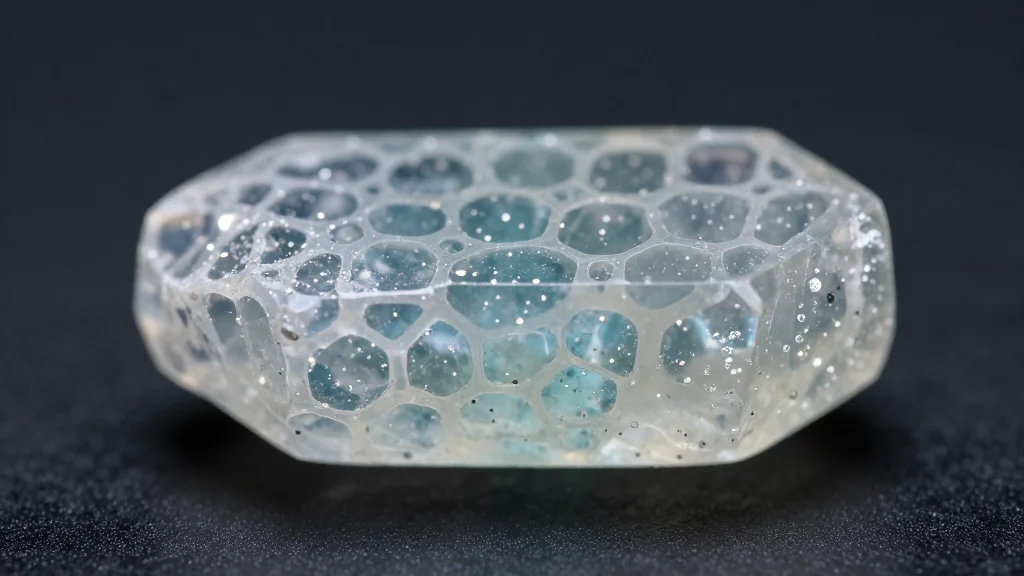
Synthesis of Atomically Dispersed Nickel Confined in Hierarchical MFI Zeolite
Researchers have developed a ligand‑protected in situ synthesis that embeds atomically dispersed nickel within hierarchical MFI zeolite. The tri‑functional template, combining quaternary ammonium heads and metal‑coordinated porphyrins, directs mesoporous architecture while suppressing nickel aggregation. The resulting catalyst displays uniformly distributed...

The Chemistry From Tin Iodide Molecular Inks to FASnI3 Nanocrystals
Researchers mapped how tin iodide (SnI2) complexes with two common Lewis bases—oleylamine and trioctylphosphine—affect the formation of tin halide perovskite nanostructures. In situ 119Sn NMR, UV‑Vis spectroscopy, and DFT calculations show that amine ligands bind more strongly than phosphines, and...

Structural Superlubricity and Triboelectric Nanogenerators in MEMS: Opportunities, Challenges, and Future Directions
The review spotlights structural superlubricity (SSL) and triboelectric nanogenerators (TENGs) as dual solutions to the chronic friction, wear, and power constraints of microelectromechanical systems (MEMS). It details the underlying mechanisms, material choices, and fabrication routes that enable near‑zero friction interfaces...

Sp‐Hybridized Carbon Modulates the Spin States of Ir Nanozyme for Efficient Oxygen Activation
Researchers engineered an Ir/GDY/CNT nanozyme where sp‑hybridized carbon (sp‑C) modulates iridium’s spin state from low‑spin to high‑spin. This creates a unique sp‑C‑O‑O‑Ir dual active site that accelerates oxygen activation, delivering a 6.2‑fold boost in oxidase‑like activity versus pristine Ir nanoparticles...
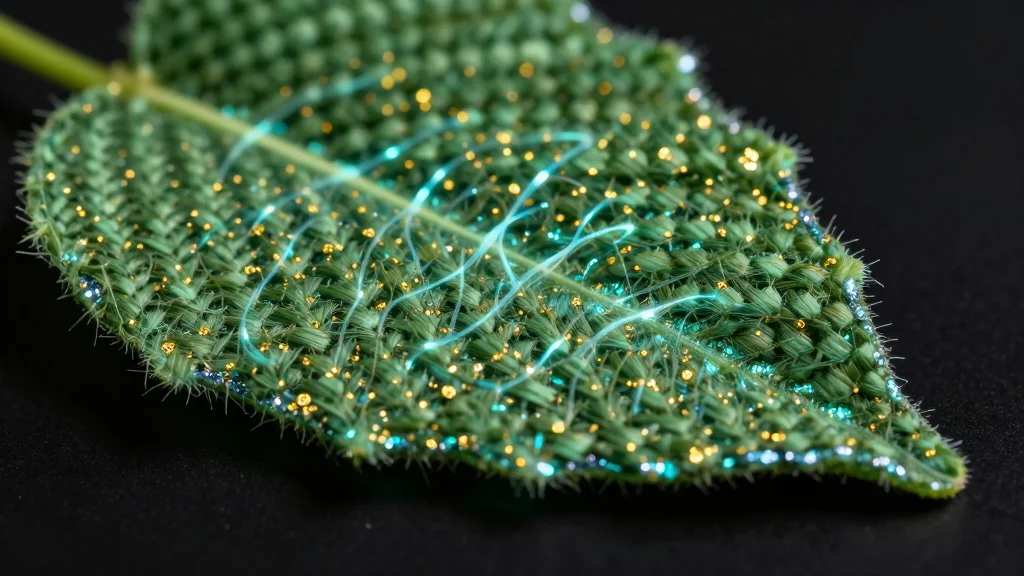
Bioinspired Multifunctional Carbon Platforms Decorated with MoS2/Au Nanohybrids for Integrated Antibacterial and Electromagnetic Shielding Performance
The study introduces a biomimetic carbon cloth platform patterned after Oxalis leaves and functionalized with MoS2 nanosheets and gold nanoparticles. This hierarchical structure delivers three synergistic effects: mechano‑bactericidal surface killing, photocatalytic sterilization under light, and reflection‑dominant electromagnetic interference (EMI) shielding...

Nanoplastics Impair GnRH Neuron Migration and Neuroendocrine Function: Emerging Players in the Pathogenesis of Reproductive Disorders
Researchers demonstrated that polystyrene nanoplastics (PS‑NPs) are internalized by gonadotropin‑releasing hormone (GnRH) neurons and disrupt their function. In hormone‑secreting GT1‑7 cells, PS‑NP exposure lowered GnRH release, while in migrating GN11 progenitors it impaired cell movement. Transcriptomic profiling identified altered expression...

Graphene Oxide Nanosheets as Direct Photosensitizers for Photodynamic Therapy in a Size‐Dependent Manner
Researchers discovered that graphene oxide (GO) nanosheets act as direct photosensitizers for photodynamic therapy (PDT) when their lateral size exceeds ~3.5 µm. Under near‑infrared (NIR) irradiation, large GO generates abundant reactive oxygen species (ROS), driving oral squamous cell carcinoma viability down...
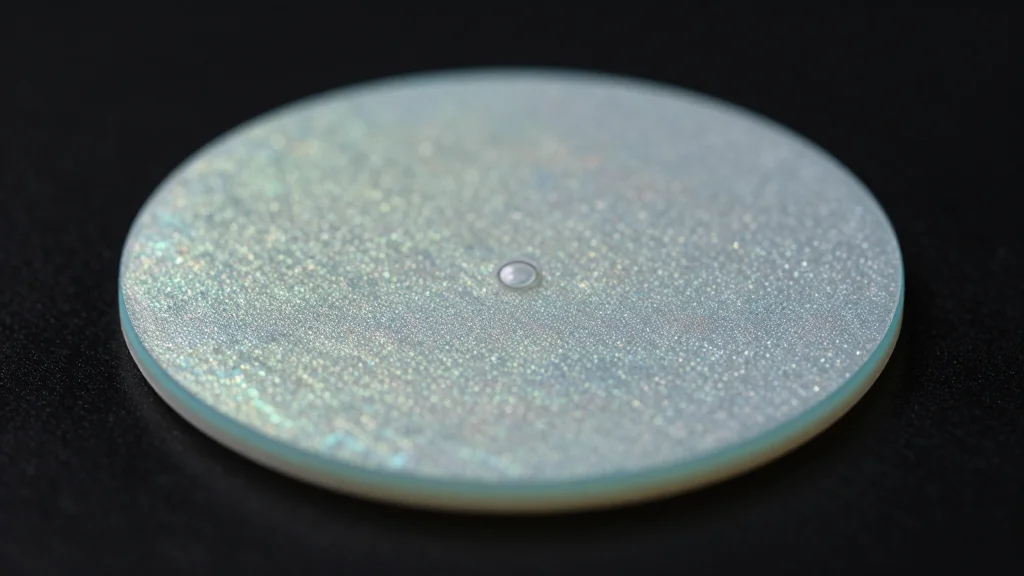
Short‐Range‐Engineered Nd‐Doped IrOx Enables Oxide Path Mechanism for High‐Performance PEM Water Electrolysis
Researchers have developed a neodymium‑doped amorphous IrOx catalyst that restructures the short‑range lattice to enable the oxide‑path mechanism for oxygen evolution. This design lowers the OER overpotential to 254 mV at 10 mA cm⁻² and sustains activity for 520 hours. In PEM water electrolyzers,...

Unveiling a Tetrahedrally Coordinated Cobalt‐Nucleotide Hydrogel as an Efficient Bifunctional Electrocatalyst for Alkaline Water Electrolysis
Researchers have created a cobalt‑adenosine monophosphate (CAH) hydrogel that functions as a bifunctional electrocatalyst for alkaline water electrolysis. The hydrogel delivers a cell voltage of 1.56 V at 10 mA cm⁻², outperforming the conventional IrO₂||Pt/C benchmark. Its performance stems from phosphate coordination, a...
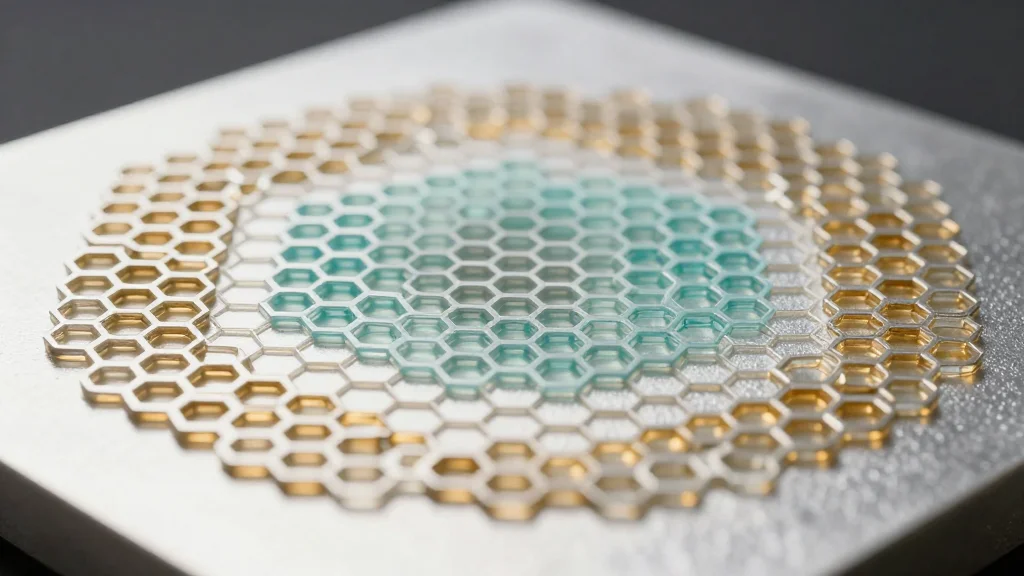
Electronic Structure Modulation via Composition‐Preserving Phase Transformations in Metal–Organic Assemblies on the Surface
The researchers observed a room‑temperature, composition‑preserving phase transformation in Ag‑carboxylate metal‑organic assemblies on Ag(111). Using scanning tunneling microscopy/spectroscopy and density functional theory, they identified three distinct hexagonal lattices that emerge stepwise. Geometric relaxation during the transformation strengthens metal‑molecule interactions, leading...
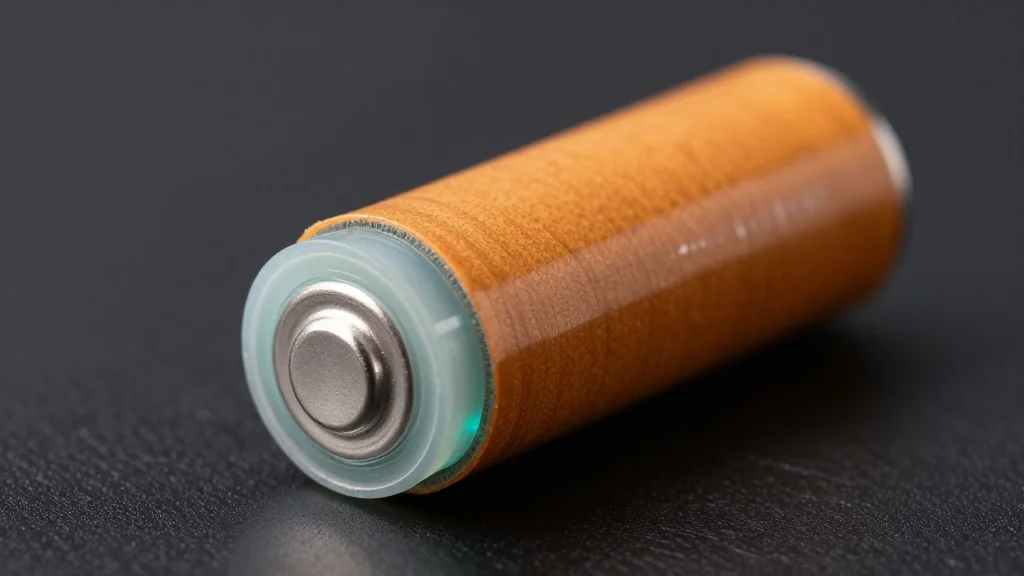
Interfacial and Kinetic Origins of Voltage Loss in Neutral Zinc‐Air Batteries
The study investigates neutral‑electrolyte zinc‑air batteries using ZnCl₂‑based gel polymer electrolytes and an OER‑biased Ni/Fe layered double hydroxide catalyst. While the cells demonstrate stable cycling for hundreds of hours, they operate at significantly reduced charge and discharge voltages compared with...
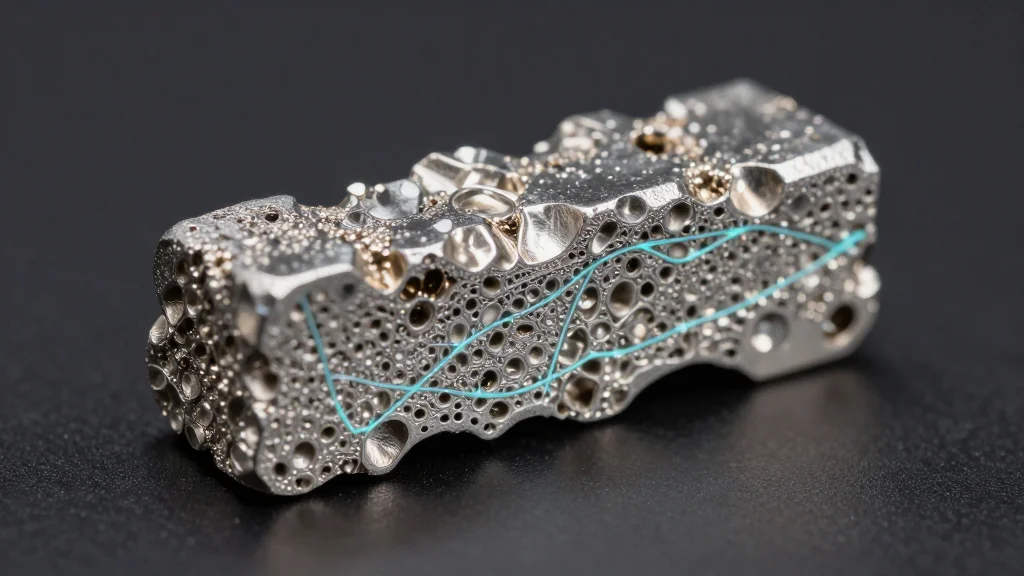
High Thermoelectric Performance Achieved in Nb0.8Ti0.2FeSb via PbI2‐Driven Multiscale Defect Engineering
Researchers introduced PbI2 into Nb0.8Ti0.2FeSb half‑Heusler alloys, forming a multiscale hierarchical microstructure during sintering. The engineered defects create a full‑spectrum phonon‑scattering network that cuts lattice thermal conductivity by 32% to 3.34 W m⁻¹ K⁻¹ at 973 K. Simultaneously, grain‑boundary barriers are lowered, boosting carrier...

Genetically Encoded Sterol‐Modification of a Synthetic Intrinsically Disordered Protein Drives Its Self‐Assembly Into Diverse Morphologies
Researchers engineered a mutant Hedgehog C‑terminal domain to covalently attach five distinct sterols to elastin‑like polypeptides, creating Sterol‑Modified Polypeptides (STaMPs). The sterol’s hydrophobicity (logD) dictates whether the resulting polymer remains monomeric or self‑assembles into spherical micelles. Sterol conjugation also shifts...

Zwitterionic Self‐Constraining Lubricant Coating for Prevention of Dust‐Induced Icing
Researchers have introduced a zwitterionic self-constraining lubricant (SCL) coating that merges the ionic liquid EMIES with a zwitterionic copolymer to combat dust‑induced icing. The embedded EMIES raises surface conductivity to about 2.04 S/m, dissipating static charge that would otherwise attract dust...

Solvent‐Regulated CPL Enhancement via Chiral Transfer in Efficient Luminescent Ionic Hydrogen‐Bonded Frameworks for Information Encryption
Researchers introduced a multistage chiral‑transfer strategy that leverages hydrogen‑bond bridges to build ionic hydrogen‑bonded organic frameworks (R/S‑iHOF‑40). The new material exhibits a record‑high circularly polarized luminescence quantum yield of 67.8%, far surpassing the 5.41% of the parent HOF. Structural analysis...

Nanomedicine Strategies for Autoimmune Diseases: Targeting and Reprogramming Macrophages
A recent review highlights nanomedicine approaches that target and reprogram macrophages to treat autoimmune diseases. By exploiting nanodrug platforms, researchers can deliver agents directly to pathogenic macrophages, minimizing systemic exposure. The strategy has shown efficacy across rheumatoid arthritis, inflammatory bowel...
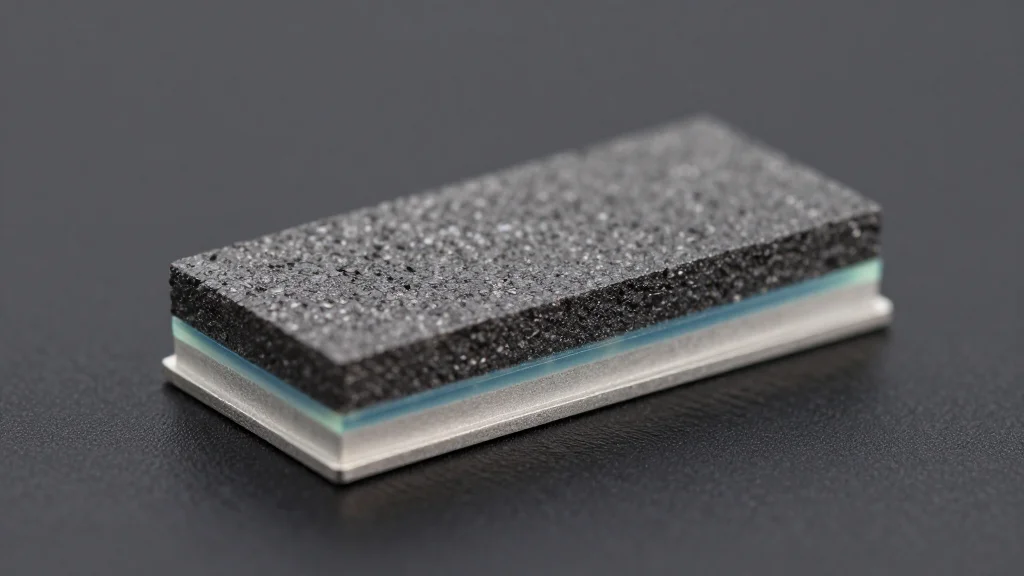
Bipolar Switching and Synaptic Behaviors Observed in Titanium‐Constrained Phase‐Change Heterostructures
Researchers introduced titanium interlayers into antimony‑telluride phase‑change memory, creating a bipolar PCRAM device that operates at roughly ±0.6 V. The titanium barrier curtails long‑range atomic migration, boosting endurance beyond 8 × 10⁴ cycles. The device reproduces key synaptic functions—potentiation, depression, and spike‑timing‑dependent plasticity....
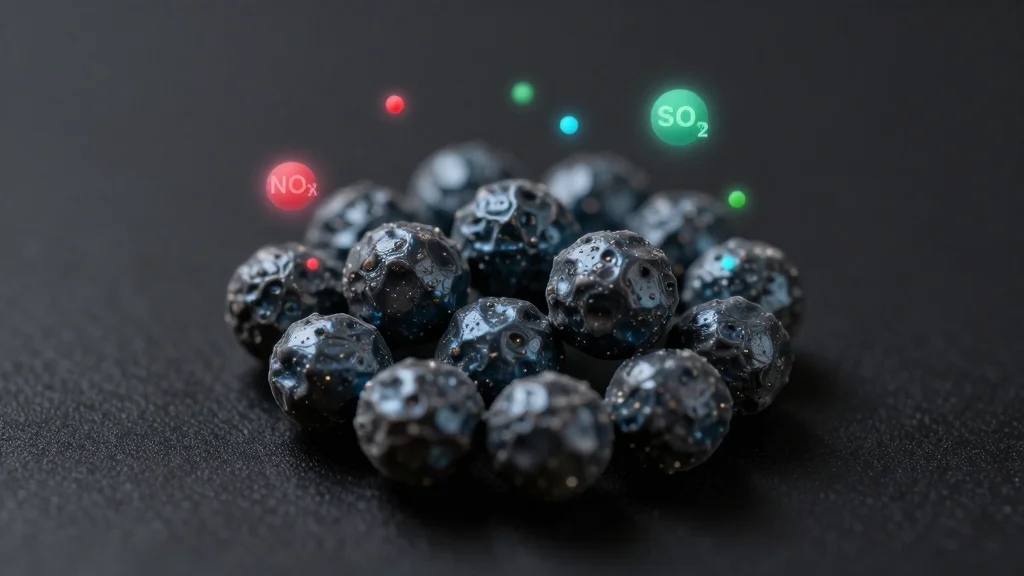
Recent Advancement of the Cobalt‐Based Catalysts for Gaseous Pollutants Emission Control
The review consolidates recent progress in cobalt‑based catalysts for mitigating a broad spectrum of gaseous pollutants, including NOx, VOCs, SO2, H2S, CO2 and O3. It establishes design principles that connect catalyst structure, defect chemistry, and redox behavior to pollutant‑specific performance....

Biomass‐Derived Carbon for Boosting Photocatalysis
Biomass‑derived carbon (BDC) is emerging as a sustainable electron‑acceptor material for high‑performance photocatalysts. The review categorizes BDC synthesis into bottom‑up hydrothermal carbonization of soluble carbohydrates and top‑down conversion of natural biomass into biochar, detailing how feedstock diversity shapes morphology and...

Laser‐Shocked RuO2–FeCo2O4 Interface for Ultralow‐Voltage Hydrazine Splitting and Autonomous Hydrogen Production
Researchers used a continuous‑wave CO₂ laser to synthesize a RuO₂–FeCo₂O₄ heterointerface in just two minutes, creating a bifunctional catalyst for both hydrogen evolution and hydrazine oxidation. The composite delivers an HER overpotential of 50 mV and a HzOR potential of –21 mV...
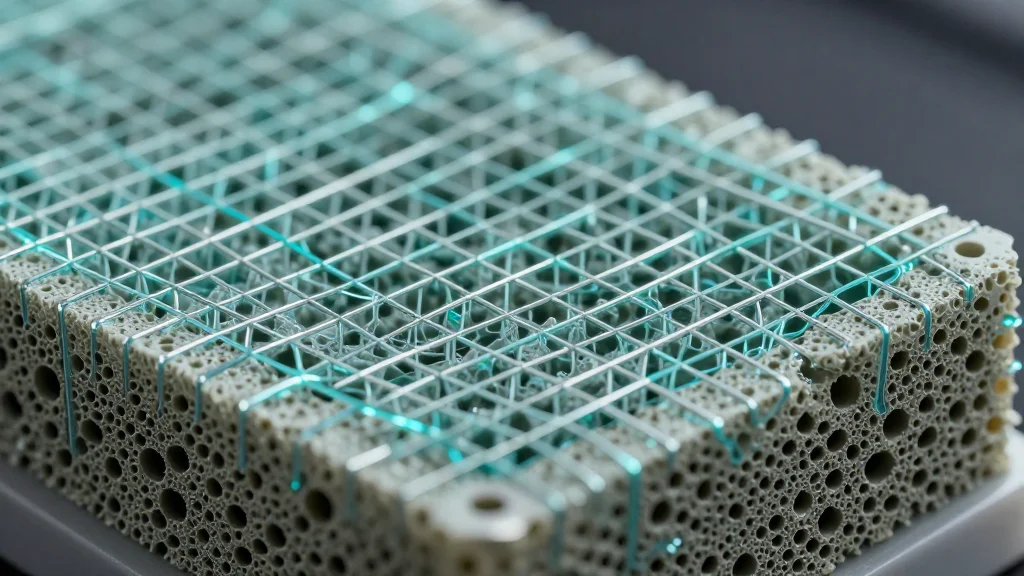
Research Progress on Nickel‐Based Materials in Supercapacitors: A Review of Electrode Materials and Device Properties
Recent research highlights nickel-based materials as promising electrodes for supercapacitors, combining high conductivity, reactivity, and specific capacity. The review details synthesis routes, multimorphological nanostructures, and synergistic material‑modification strategies supported by theoretical calculations. It also identifies persistent challenges such as complex...

Versatile Organic Materials Advancing Non‐Metal Ion Storage in Zinc Batteries
The review systematically surveys organic electrode materials for non‑metal ion storage in aqueous zinc batteries, categorizing small molecules, conjugated polymers, and covalent organic frameworks. It details how H⁺, NH₄⁺, and anionic carriers such as Cl⁻, CF₃SO₃⁻, and ClO₄⁻ interact with...

Carbon Nanotube Artificial Muscles Multistimuli Actuation Mechanisms and Emerging Applications
The review surveys carbon‑nanotube (CNT) artificial muscles, detailing their structural designs—from flat sheets to coiled yarns and core‑sheath hybrids—and the range of multistimuli actuation mechanisms they support. It contrasts voltage‑driven electrochemical actuation with thermal, photothermal, and solvent‑induced pathways, highlighting performance...
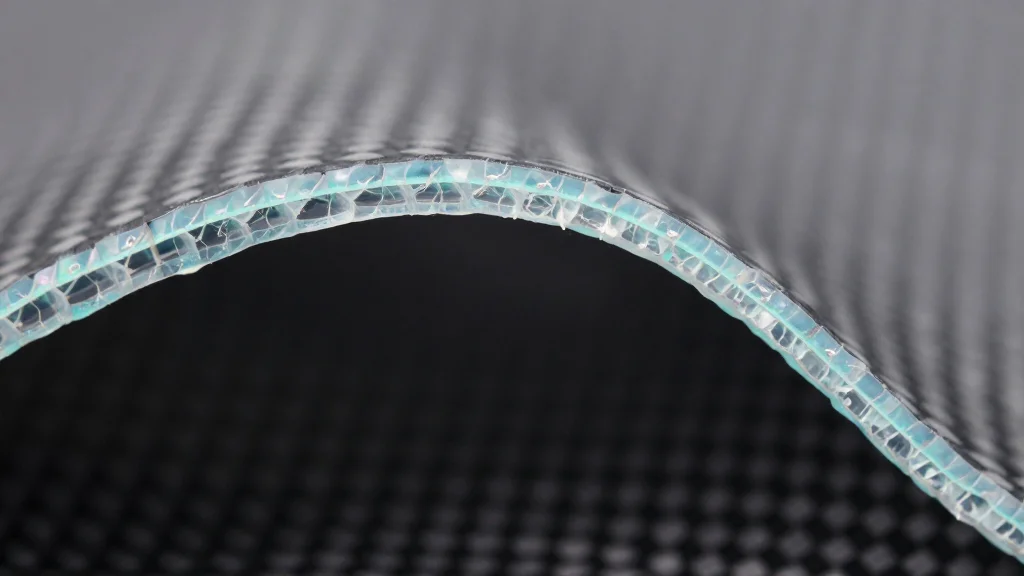
Establishing Hybrid Electrode Frameworks via Hierarchical Integration of MOFs and Conducting Polymers for Multidimensional Redox Synergy
Researchers have created a multidimensional hybrid electrode (mPFC) by integrating 2D Fe‑BTC metal‑organic framework nanosheets with a polyaniline‑poly(styrenesulfonate) (PANI:PSS) conducting polymer on flexible carbon cloth. The hierarchical architecture provides strong interfacial coupling and continuous ion/electron pathways, yielding a reversible capacity...

Defect Engineering in Large‐Scale CVD‐Grown Hexagonal Boron Nitride: Formation, Spectroscopy, and Spin Relaxation Dynamics (Small 8/2026)
Researchers led by Ivan V. Vlassiouk have demonstrated controlled creation of optically active defects in large‑scale chemical vapor deposition (CVD) grown hexagonal boron nitride (hBN). By using suspended hBN films and tuning the energy and type of bombarding particles, they...

Role of Defects on the Electrochemical Activity of ZnV2O4 Spinel Cathode for Secondary Zn‐Ion Batteries
Researchers investigated ZnV2O4 spinel cathodes for aqueous zinc‑ion batteries, revealing that the first charge induces a conversion to a Zn‑deficient, disordered vanadium oxide phase. This newly formed phase supports reversible Zn²⁺/H⁺ co‑insertion, improving ion diffusion and providing additional redox sites....
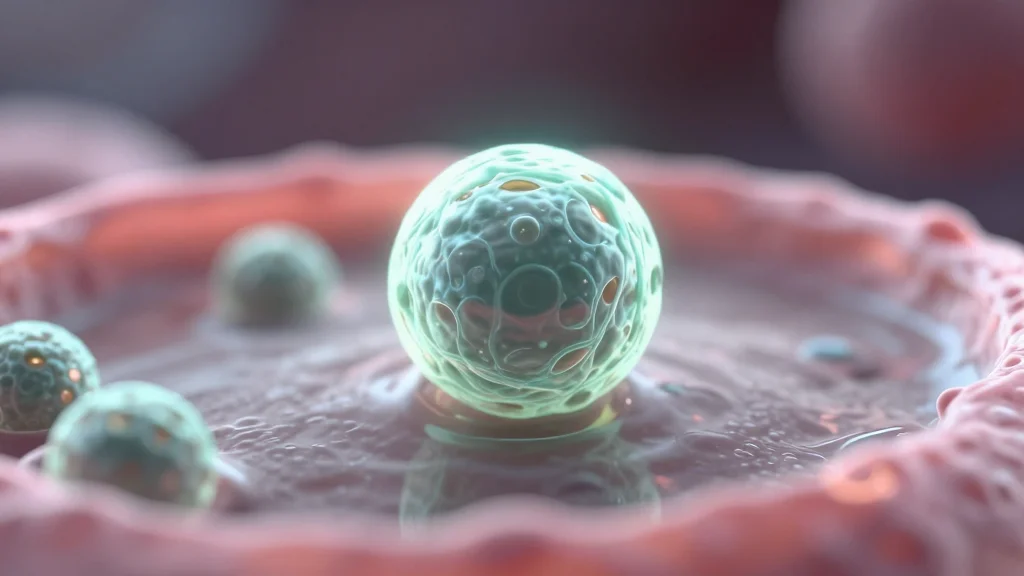
Multimodal Phototherapy‐ and Ferroptosis‐Enhanced Ga(III) Supramolecular Nanomicelle for Tumor Theranostics
Researchers have engineered a hierarchically assembled supramolecular nanomicelle with a gallium(III) core that integrates a metal–organic dye (Cy71‑Ga) and a camptothecin‑hyaluronate conjugate (CPT‑HA). The nanomicelle delivers targeted chemotherapy, photothermal/photodynamic therapy, and induces ferroptosis by downregulating xCT and CD98, while also...
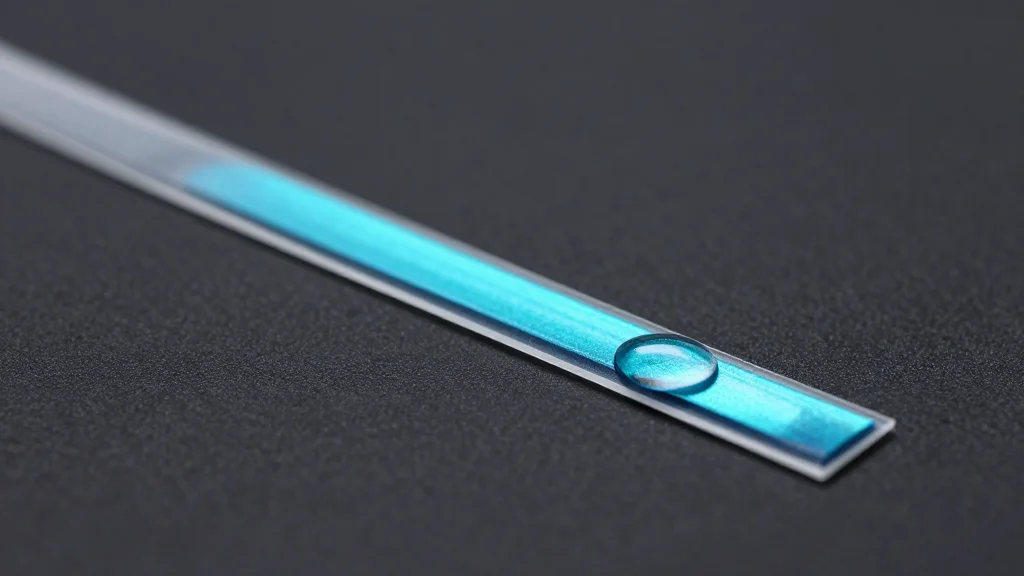
Printable Potentiometric Ion‐Selective Electrodes Based on Carbon Fiber and Ti3C2Tx MXene Nanoflakes: Eliminating Complex Modifications
Researchers have developed printable ion‑selective electrodes (ISEs) that replace traditional polyelectrolyte layers with Ti₃C₂Tx MXene nanoflakes on carbon fiber substrates. Two formats were demonstrated: MXene‑only electrodes on glass and screen‑printed MXene ISEs on flexible PVC, both targeting calcium‑ion detection. Tests...

Programmable Photothermal Upcycling of Mixed Polyesters via Light‐Intensity Gating on a Bifunctional Zn/Co‐ZIF‐C Catalyst
Researchers have engineered a bifunctional Zn/Co‑ZIF‑C catalyst that uses light‑intensity gating to depolymerize mixed polyester waste in a single reactor. By adjusting irradiation power, polycarbonate, PLA, and PET are selectively glycolysed at 420, 520 and 650 mW cm⁻², respectively, yielding high‑purity monomers....
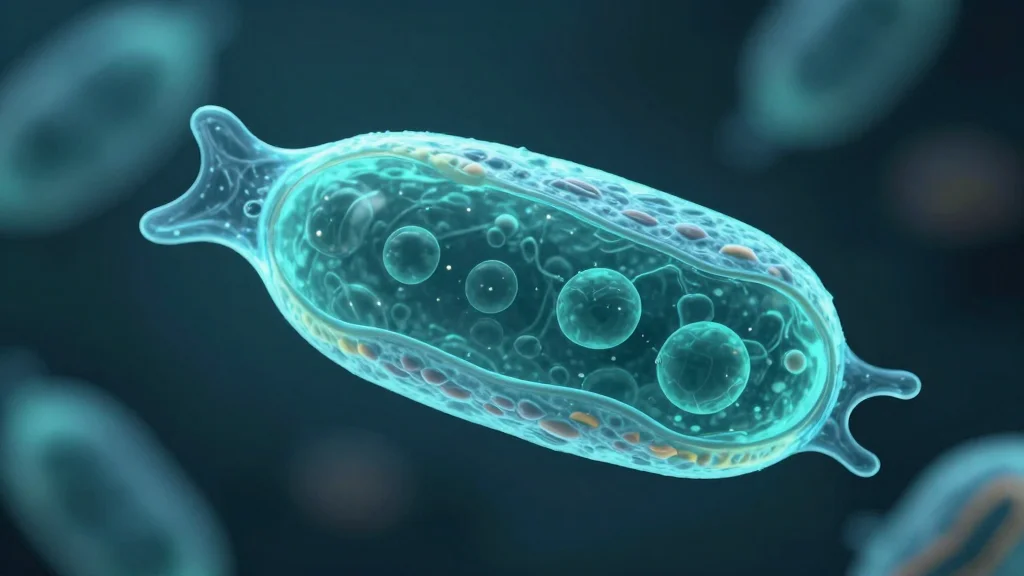
Delivery of Antisense Oligonucleotides Using the Nano‐Cell Vesicle Technology System (nCVTs) for Targeted Cancer Therapy
Researchers introduced Nano‑Cell Vesicle Technology (nCVTs), a hybrid system that merges cationic lipids with tumor‑derived cell membranes to ferry antisense oligonucleotides (ASOs) into cancer cells. The platform achieved superior cytoplasmic and nuclear delivery compared with conventional liposomes and free ASOs,...
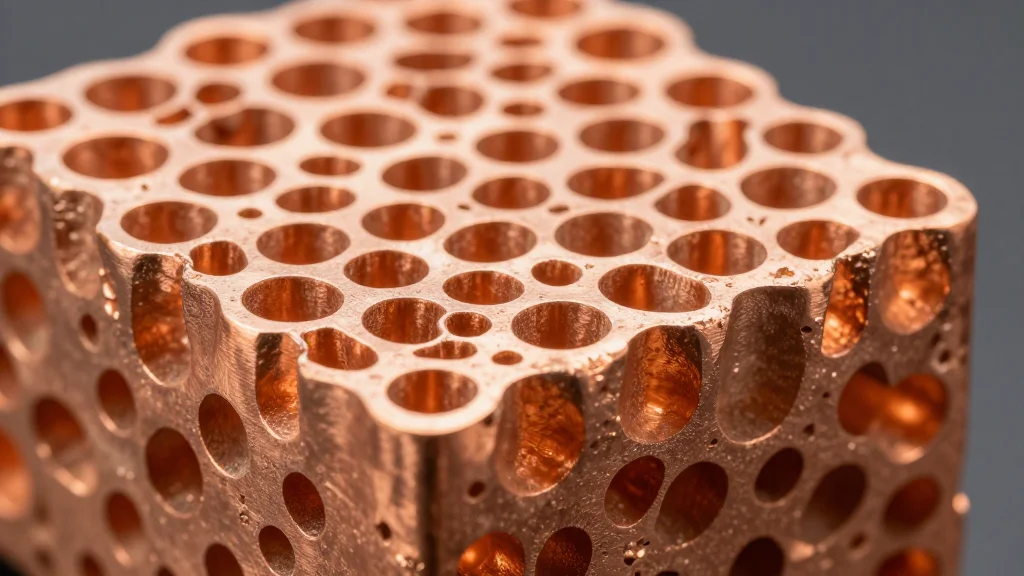
Engineering Hierarchically Nano‐Structured Cu Foams: Dynamic Hydrogen Bubble Templated Binder‐Free Freestanding Electrodes for Energy Applications
Researchers employed dynamic hydrogen bubble templating (DHBT) to fabricate binder‑free, freestanding copper foams with hierarchical porosity and surface nano‑structures. By adjusting deposition current density, waveform, stirring, temperature, and electrolyte composition, they systematically tuned pore size, density, thickness, and electrochemically active...
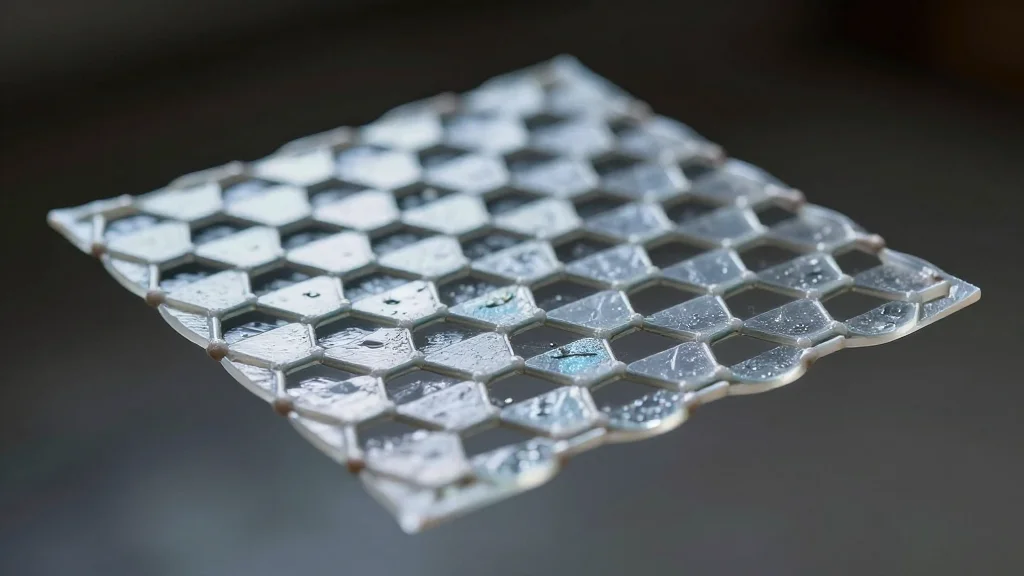
Atomic Structure Control of Graphene Oxide by Cascading Oxidation and Its Efficient Binding to Aromatic Compounds
Researchers introduced a cascading oxidation technique that produces low‑oxidation graphene oxide (LoxGO) using an oxidant‑to‑graphite ratio of just 0.5. The resulting material contains 41.8% graphitic regions and enlarged graphitic domains (~8.3 nm²) with virtually no holes. These structural advantages translate into...
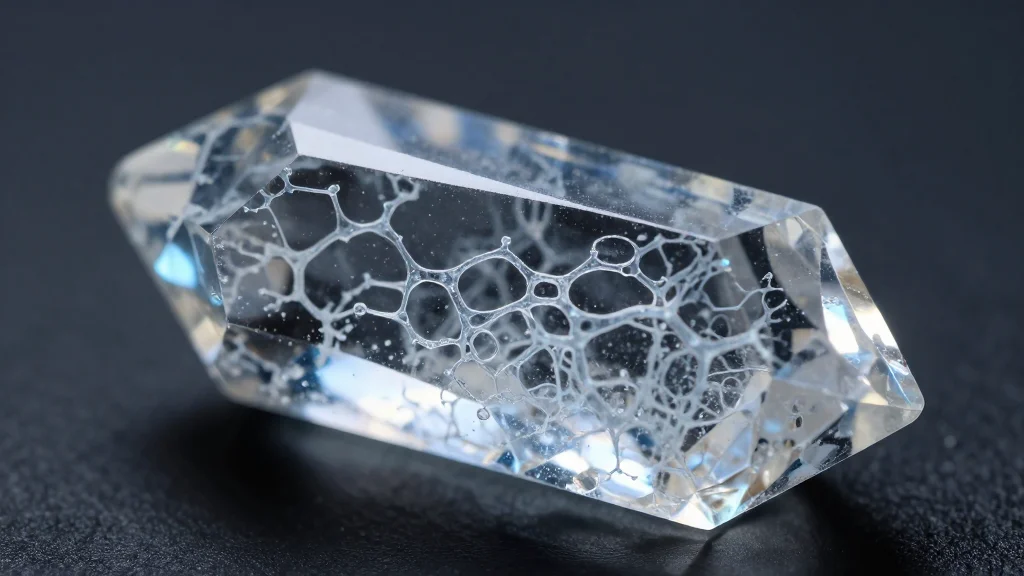
Water Confined in Sub‐Nanochannels of Supramolecular Crystals Exhibiting Ice‐Water‐Like Phase Transition Near Room Temperature
Two isomorphic supramolecular crystals, M(18-crown-6)3Al(ox)3·9H2O with M = K⁺ or NH₄⁺, display a room‑temperature ice‑water‑like phase transition within sub‑nanochannels. The transition is driven by rotational motion of crown‑ether rings and disordering of lattice water molecules, mimicking the hexagonal‑ice to liquid‑water transformation. Between...

CO2 Hydrogenation‐Induced Size‐Dependent Strong Metal‐Support Interactions in Platinum/Titanium Dioxide Catalysts
Researchers demonstrated that platinum nanoparticle size on rutile TiO₂ dictates the strength of strong metal‑support interactions (SMSI) during CO₂ hydrogenation. Larger ~7 nm Pt particles develop a mild electronic metal‑support interaction with discontinuous TiO₂₋ₓ encapsulation, preserving Pt–O–Ti interfacial sites, while smaller...

Mechanical Threshold‐Guided Harvesting of Microalgal Therapeutics via Designer Nanovesicles
Mechanical threshold‑guided harvesting enables controlled production of designer nanovesicles from microalgae while preserving native carotenoid profiles and boosting antioxidant capacity. The study links vesiculation efficiency to cellular elasticity, identifying critical thresholds of roughly 100 kPa (local) and 390 kPa (global) membrane rigidity....

Dual‐Function Interface Engineering of SnO2 Electron Transport Layers: Wettability Enhancement and Work Function Tuning for Efficient and Stable Perovskite Solar...
Researchers incorporated polyethyleneimine (PEI) into tin oxide (SnO2) electron transport layers to simultaneously improve surface wettability and lower the work function. The dual-function modification suppresses oxygen‑vacancy defects, creates interfacial dipoles, and aligns energy levels for better carrier extraction and uniform...

Photocatalysis‐Assisted Silver Reduction via ZnO Nanoparticles for High‐Resolution, Flexible, and Etch‐Free Printed Electronics
A new photonic‑assisted technique combines ultraviolet (UV) exposure and intense pulsed light (IPL) to produce highly conductive silver films on flexible substrates in seconds. Zinc oxide nanoparticles (ZnO NPs) act as photocatalysts under UV, accelerating Ag⁺ reduction and improving thermal...