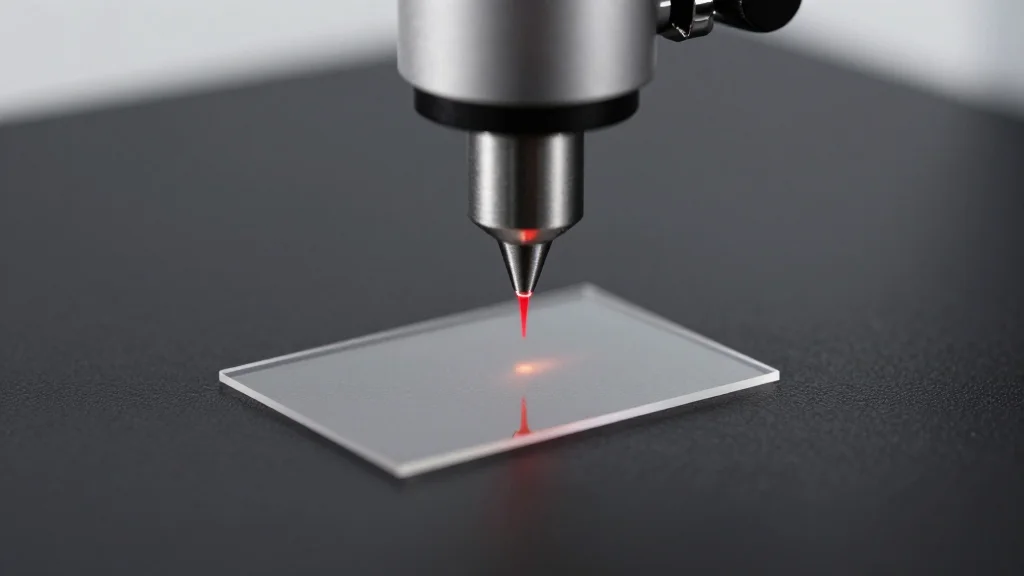
Localized Thermomechanical Measurements of Polymers and Blends with AFM‐IR
Researchers have introduced Photothermal Resonant Infrared Mechanical Analysis (PRIMA), a technique that couples chemistry‑selective infrared heating with atomic force microscopy nanomechanical measurements. The method demonstrates controlled melting of polyethylene glycol films and detection of glass‑transition temperatures in thickness‑confined poly(lactic acid) layers, with sensitivity to IR repetition rate. PRIMA also provides phase‑specific thermal characterization in a PLA‑nitrile butadiene rubber blend, achieving high spatial resolution without bulk material changes. This non‑destructive approach minimizes thermal drift and enables rapid, localized thermomechanical probing of heterogeneous polymer films.
High‐Voltage All‐Solid‐State Lithium Metal Batteries Mediated by the YF3 Strengthened Polycaprolactone Electrolytes
The study introduces a YF3‑reinforced polycaprolactone solid polymer electrolyte that dramatically improves ionic conductivity and oxidative stability for all‑solid‑state lithium metal batteries. Electron donation from PCL carbonyls to YF3 weakens Li‑polymer coordination while the Lewis‑acid YF3 enhances anti‑oxidation, delivering a...

Atomic‐level Geometric Engineering Modulating D‐s Hybridization of Ordered RuGa Intermetallic for Efficient Hydrogen Electrocatalysis
Researchers introduced an atomically ordered RuGa intermetallic that deliberately disrupts ruthenium’s geometric symmetry, weakening its hydrogen binding strength. This geometric engineering yields a catalyst that outperforms conventional Ru/C in both hydrogen oxidation (HOR) and evolution (HER), delivering a 1.02 mA cm⁻² exchange...

Clinically‐Relevant Static Magnetic Field Induces Release of Encapsulated Molecules From Magnetoliposomes
Researchers demonstrated that a clinically‑available 1.5 T static magnetic field can trigger the release of encapsulated molecules from magnetoliposomes (MLs). The study used citric‑acid‑stabilized Fe₃O₄ nanoparticles, with and without a chitosan coating, and monitored structural changes via SAXS and DLS. Fluorescence...
MXene‐Based Electromagnetic Interference Shielding Materials: A Leap From Fundamental Research to Intelligent Customization
MXene-based electromagnetic interference (EMI) shielding materials have progressed from laboratory research to intelligent, customizable devices. Recent composites achieve shielding effectiveness above 80 dB while weighing less than 0.1 g cm⁻³, and specific shielding effectiveness (SSE/t) surpasses 30,000 dB·cm²·g⁻¹. Integration of AI‑assisted design platforms and...

From Fundamental Understanding to Modification Strategies of Cobalt Molybdates in Electrocatalytic Oxygen Evolution Reaction
The review examines cobalt molybdate (CoMoO4) as a non‑noble metal catalyst for the oxygen evolution reaction (OER), highlighting its abundant resources, bimetallic synergy, and structural flexibility. It contrasts the adsorbate evolution mechanism with the lattice‑oxygen participation mechanism, showing how Mo⁶⁺...

Immiscible Binary Organic Phase‐Change Composites with Segregated H‐BN Networks for Advanced Thermal Management (Small 13/2026)
Researchers Donghun Lee and Chae Bin Kim have developed immiscible binary organic phase‑change composites that self‑assemble into segregated hexagonal boron nitride (h‑BN) networks via particle‑stabilized emulsification. The melt‑mixed architecture achieves a thermal conductivity of 20 W m⁻¹ K⁻¹ while maintaining shape stability above...
Impact of Additive‐Induced Electric Polarization on Solar Cell Performance: CsPbI3 as a Case Study
Researchers demonstrated that dipolar additives in CsPbI3 perovskite films simultaneously improve film uniformity and induce electric polarization. Using piezoresponse force microscopy and Kelvin probe force microscopy, they quantified the effective piezoelectric coefficient and surface potential shifts linked to additive‑driven dipoles....
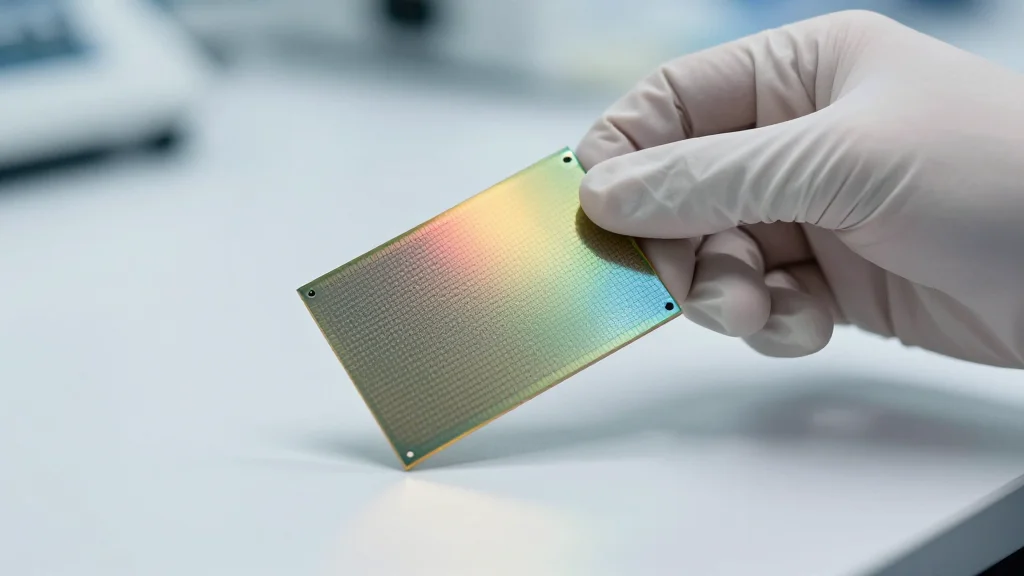
One‐Pot and Closed‐Loop Recycling of Biomass‐Derived Soft Electronics Toward Zero E‐waste (Small 13/2026)
Researchers Jin Kon Kim, Chungryong Choi and colleagues have unveiled a one‑pot, closed‑loop chemical recycling process for soft electronics built from biomass‑derived polymers. The technique fully disassembles devices, recovers all constituent materials, and enables re‑fabrication without any measurable loss of...
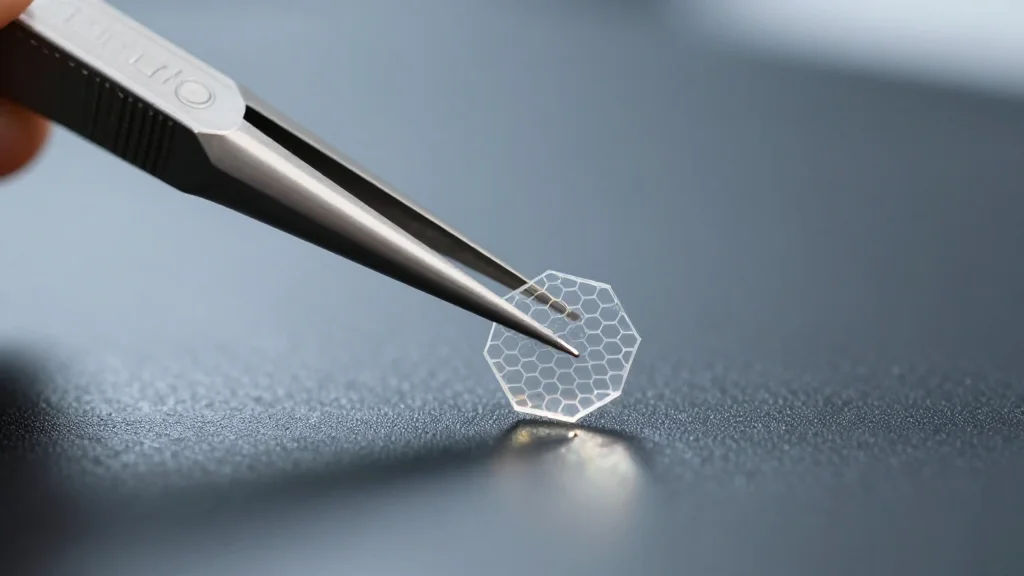
Confined Space in Hollow Micro/Nano Structures: Boosting Supercapacitor Performance to New Heights
The review highlights hollow micro‑ and nanostructured electrodes as “nanoreactors” that boost supercapacitor performance by regulating ion transport and stabilizing the electrode‑electrolyte interface. Confined space effects within these structures enhance specific capacitance, rate capability, and cycling durability. Machine learning is...
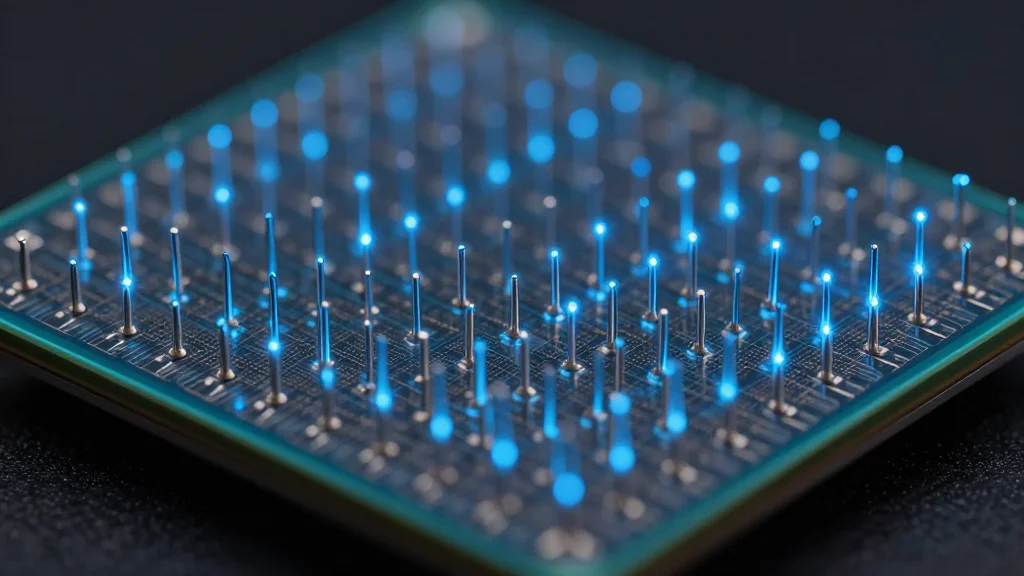
Monolithic 3D Nanoelectrode Arrays on CMOS Circuitry for Scalable, High‐Resolution Neural Recording
Researchers have developed a monolithic 3D nanoelectrode array (HD‑NEA) that integrates 26,400 vertical nanowire electrodes directly onto commercial CMOS chips. The low‑temperature wafer‑scale post‑fabrication process maintains circuit functionality while delivering uniform, high‑yield electrode performance across 4‑inch wafers. In vitro recordings...

Designing Polyethyleneimine‐Based Electrospun Fibers via Hydrogen Bonding Reconstruction for Enhanced Uranium Extraction From Seawater
Researchers have engineered a branched-linear electrospun fiber (PAN-bPEI-T/PVA) that combines hyper-branched polyethyleneimine with linear triethylenetetramine to harvest uranium from seawater. The fiber achieves a record uptake capacity of 806.4 mg U g⁻¹, more than 2.5 × the performance of conventional bPEI fibers, and maintains...
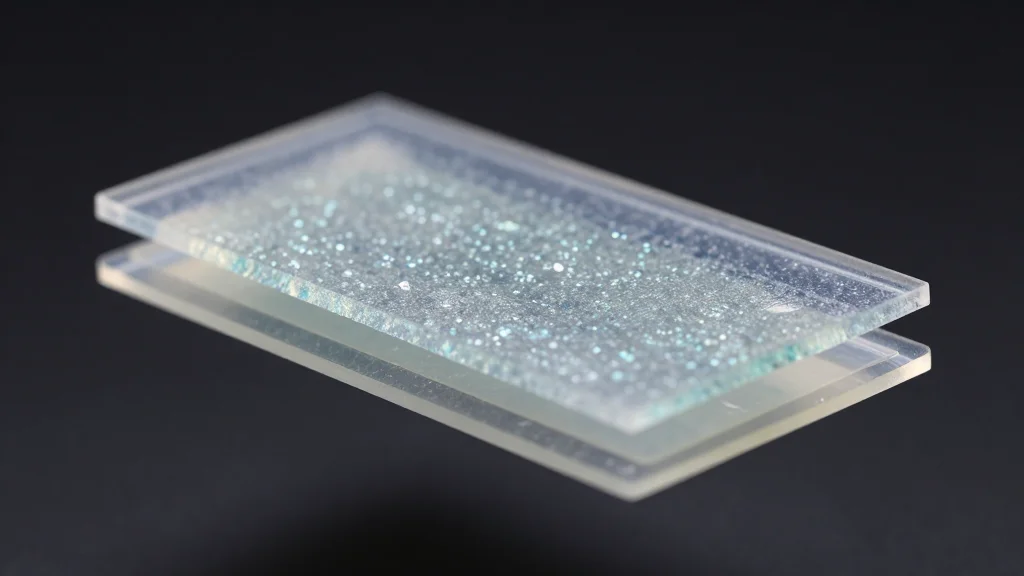
Single‐Crystal NCM‐Enabled Multifunctional Separator Design for High‐Performance Lithium‐SPAN Batteries
Researchers unveiled a trilayer composite separator (PP|SC‑NCM|PP) that integrates single‑crystal NCM811, BP2000 carbon, and Li‑Nafion to boost lithium‑sulfur (Li‑S) battery performance. The design creates dedicated Li⁺ transport channels, buffers localized electrons, and catalyzes solid‑state redox reactions within sulfurized polyacrylonitrile (SPAN)...
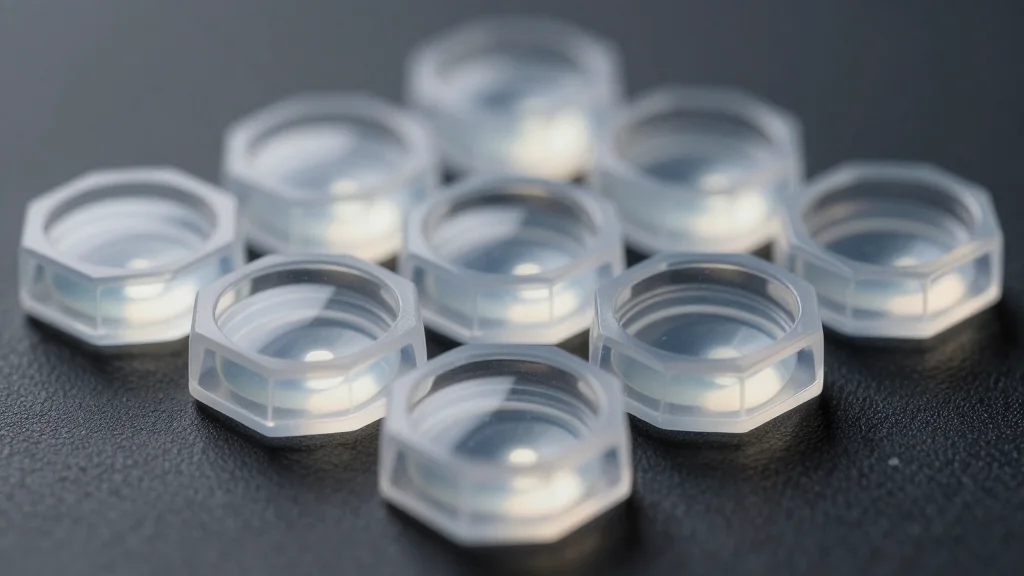
Direct Pattern‐to‐Curve PDMS‐Based Microstructures Fabrication via Thermal Air Expansion for Micro‐Optics
Researchers have unveiled a benchtop pattern‑to‑curve technique that converts SU‑8/silicon cavities into optical‑grade PDMS microlens arrays using isotropic thermal air expansion. By adjusting pre‑cure timing and cavity volume, the method delivers tunable focal lengths from 127 µm to 683 µm while maintaining...

Defect Engineering of Bi2S3‐x@PDA/CuS Z‐Scheme Heterojunction for Enhanced Sonodynamic and Chemodynamic Cancer Therapy
Researchers have engineered a sulfur‑vacancy‑rich Bi2S3‑x@PDA/CuS (BPC) nanocomposite that forms a Z‑scheme heterojunction and is further functionalized with hyaluronic acid (BPC@HA). The defect‑rich structure enhances charge separation, enabling efficient singlet‑oxygen generation under ultrasound and Fenton‑like hydroxyl‑radical production for chemodynamic therapy....
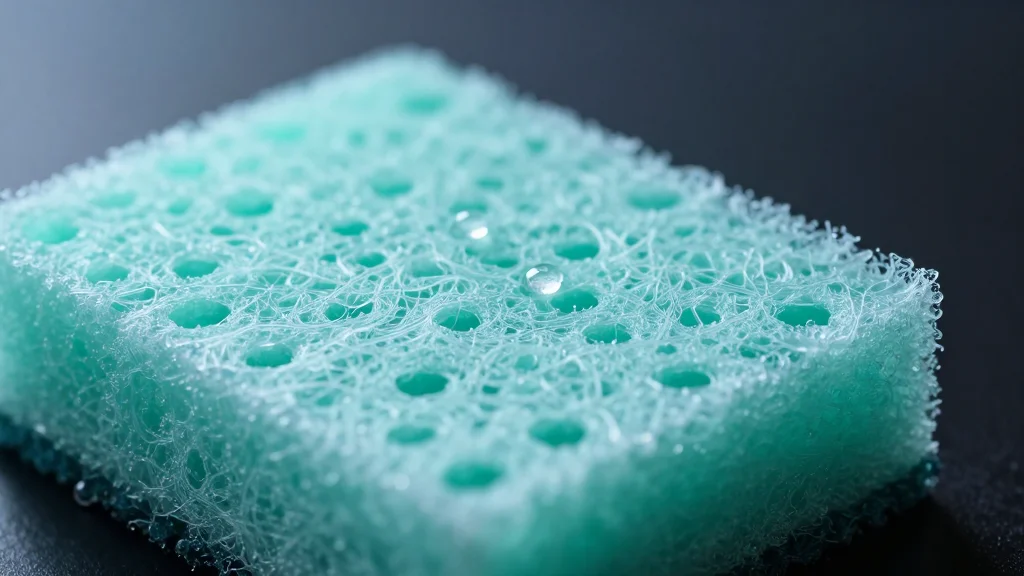
Metal‐Free Submicron‐Hollow‐Fiber Conjugated Polymer Sponges for Efficient Pollutant Removal and Thermal Insulation
Researchers have introduced a metal‑free conjugated polymer sponge fabricated via a single‑step, one‑pot Chichibabin condensation. The process yields submicron hollow fibers that spontaneously entangle into a porous monolith without templates or metal catalysts. This sponge demonstrates strong light absorption, high...
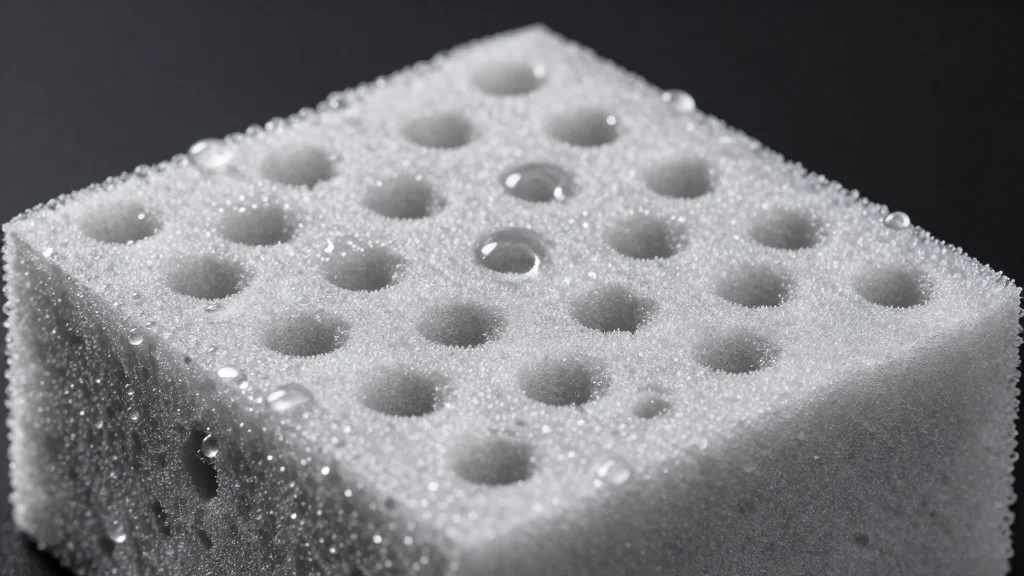
Super Moisture‐Sorbent Zwitterionic Polyelectrolyte Hydrogel for Ultra‐Efficient Atmospheric Water Harvesting
Researchers have created a zwitterionic polyelectrolyte hydrogel and integrated it onto porous anodized aluminum foam, forming the LC‑PIL‑SO3Li‑CNT@AAF composite. The material achieves a moisture uptake of 16.33 g per gram of hydrogel at 90 % relative humidity, a 322 % improvement over prior...

Deterministic Néel Vector Switching of Altermagnets Via Magnetic Octupole Torque
Researchers have demonstrated deterministic control of d‑d wave altermagnets by injecting a magnetic octupole current into an altermagnet/normal‑metal bilayer. The resulting magnetic octupole torque flips the Néel vector without any external magnetic field, converting inherently multidomain textures into a single‑domain...
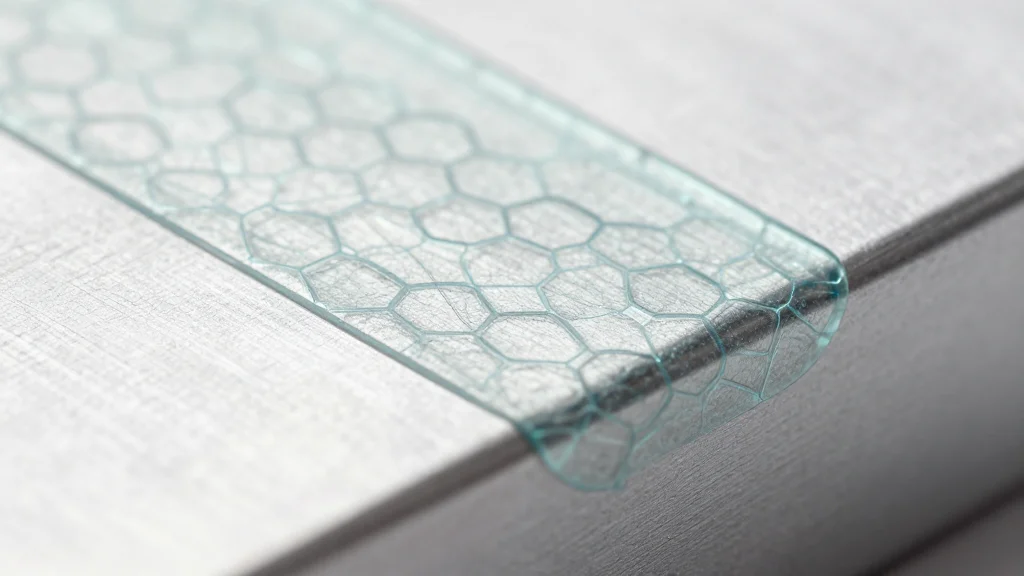
Ion‐Regulating SPEEK–BNNS Hybrid Interfaces Enabling Low‐Barrier Zn‐Ion Transport and Dendrite‐Free Zinc Anodes
Researchers introduced a scalable organic‑inorganic hybrid protective layer of sulfonated poly(ether ether ketone) (SPEEK) and boron nitride nanosheets (BNNS) for aqueous Zn‑ion batteries. The SPEEK‑BNNS interface regulates Zn2+ transport, lowers migration barriers, and mechanically suppresses dendrite formation. In symmetric cells...
Buckybowl‐Based Organic Single‐Crystal Photosynapses: Concave Architecture Inducing High Accuracy in Image Recognition
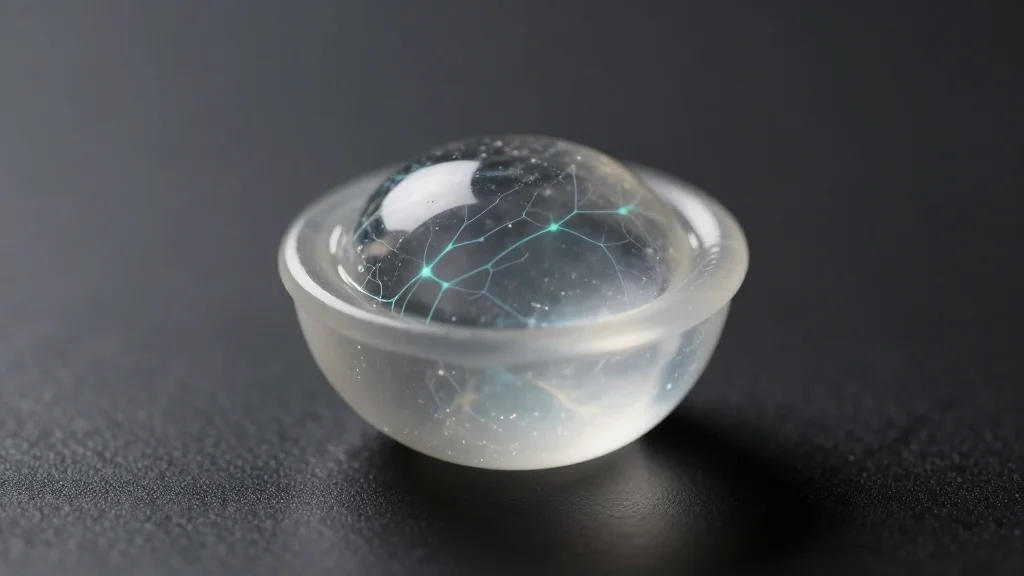
Researchers have created the first organic single‑crystal photosynaptic transistors using a hetero‑buckybowl molecule (3S‑2Me). The concave architecture enhances oxygen adsorption, inducing persistent photoconductivity that yields over 4000 seconds of non‑volatile current retention and linearly programmable multilevel conductance. These devices demonstrate typical...
Multi‐Bit Floating‐Gate Memory with an Ultrawide Programmable Window
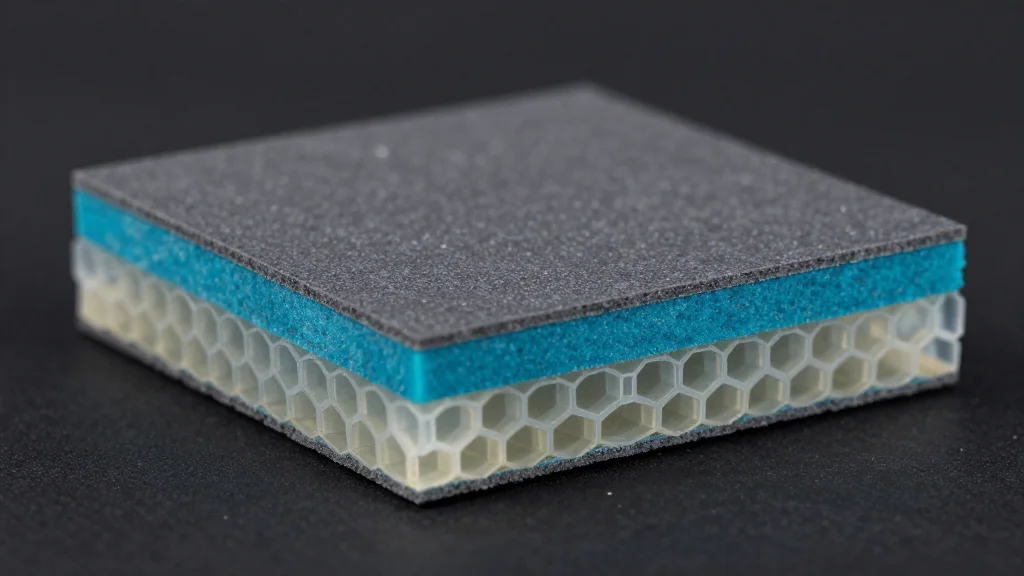
A MoTe₂/hBN/multilayer‑graphene van der Waals floating‑gate transistor achieves an ultrawide p‑type memory window of ~199 V with a 90.5 % window ratio and charge‑storage density exceeding 10¹³ cm⁻². The device switches in 50 ns, endures over 10⁶ cycles, and retains data for a projected ten years....
Pdδ+ Formation Induced by Electronic Metal‐Support Interaction Enables Efficient Continuous‐Flow Hydrogenation of Pyridine to Piperidine
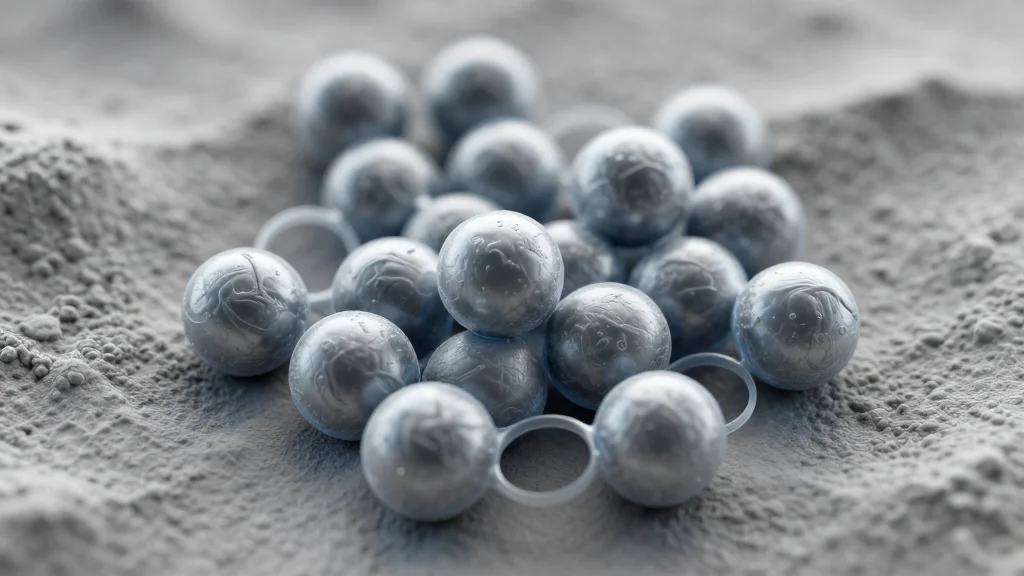
Researchers introduced a Pd/θ‑Al2O3 catalyst that leverages strong electronic metal‑support interaction (EMSI) to generate Pdδ+ sites, dramatically improving pyridine hydrogenation to piperidine. The catalyst delivers nearly complete conversion with >99% selectivity under mild continuous‑flow conditions (150 °C, 3 MPa, H2/oil = 300). It maintains...

Charge‐Tuning Ice Inhibition in Antifreeze Peptides
Researchers engineered a series of antifreeze peptides (AFPTs) with systematically varied charges on their non‑ice‑binding sites (NIBSs) to uncover how charge influences ice‑growth inhibition. They found that moderate net‑negative charges improve peptide adsorption onto ice via hydration‑mediated interfaces, while excessive...
Unraveling Transformation Pathways of Colloidal Semiconductor Perovskite Magic‐Sized Clusters at Sub‐Ambient Temperature
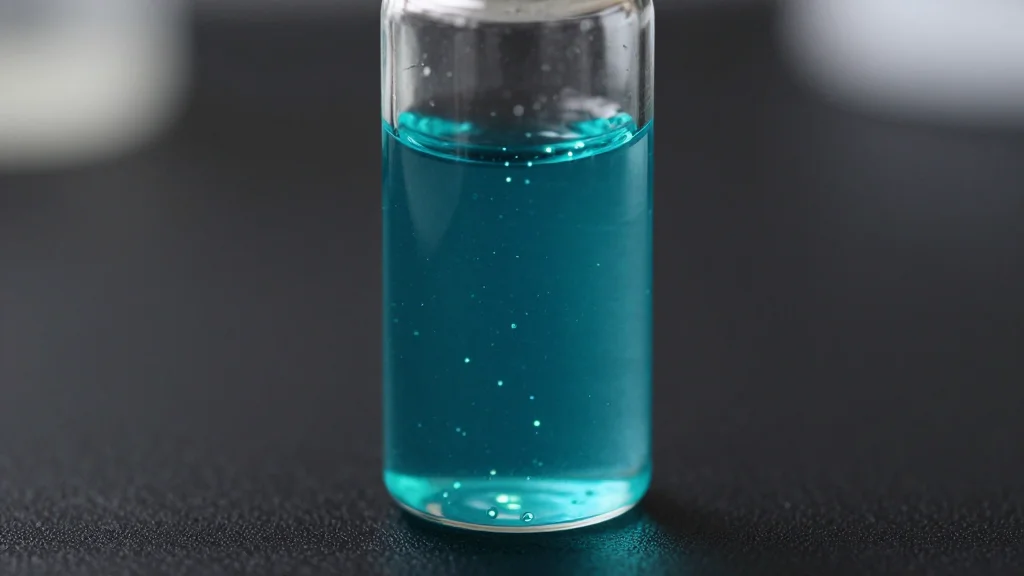
Researchers have mapped three transformation pathways for colloidal semiconductor perovskite magic-sized clusters (MSCs) at sub‑ambient temperatures. They demonstrate a direct thermally‑induced conversion (Pathway 3) and a precursor‑compound‑assisted route (Pathway 1) between binary PbBr₂ MSCs (≈390 nm absorption) and ternary CsPbBr₃ MSCs (≈415 nm absorption)....
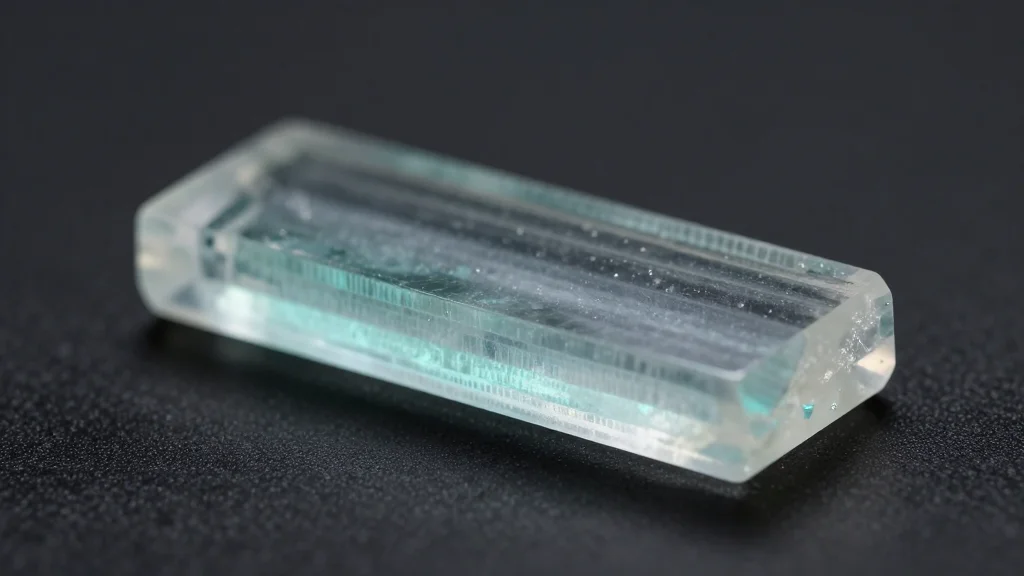
About Carrier's Self‐Trapping and Dynamical Rashba Splitting in the 2D Hybrid Perovskite (BA)2(MA)2Pb3l10
Researchers used time‑ and angle‑resolved photoelectron spectroscopy (tr‑ARPES) to probe carrier dynamics in the 2D hybrid perovskite (BA)2(MA)2Pb3I10. The measured effective masses are –0.18 m0 for holes and 0.12 m0 for electrons, and the Rashba spin‑orbit coupling is constrained to αC < 2.5 eV·Å. Photoexcitation...
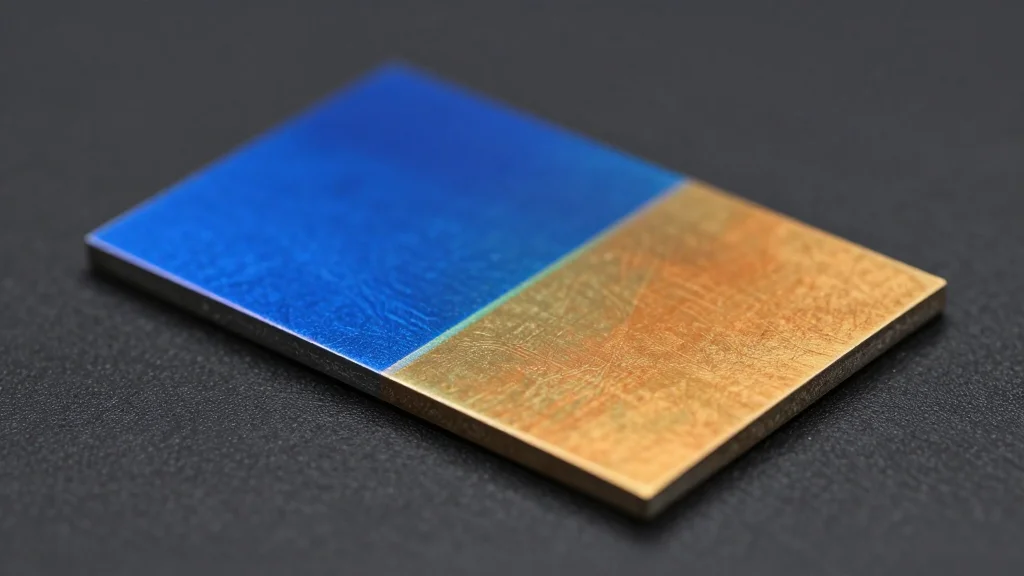
Property Explorations and Applications of 2D Transition Metal Dichalcogenides Through Phase Engineering
The review outlines recent advances in phase engineering of two‑dimensional transition metal dichalcogenides (2D TMDCs), highlighting how controlled synthesis and phase transitions unlock electronic, optical, and magnetic functionalities. It surveys direct growth techniques such as CVD, MBE, and colloidal routes...
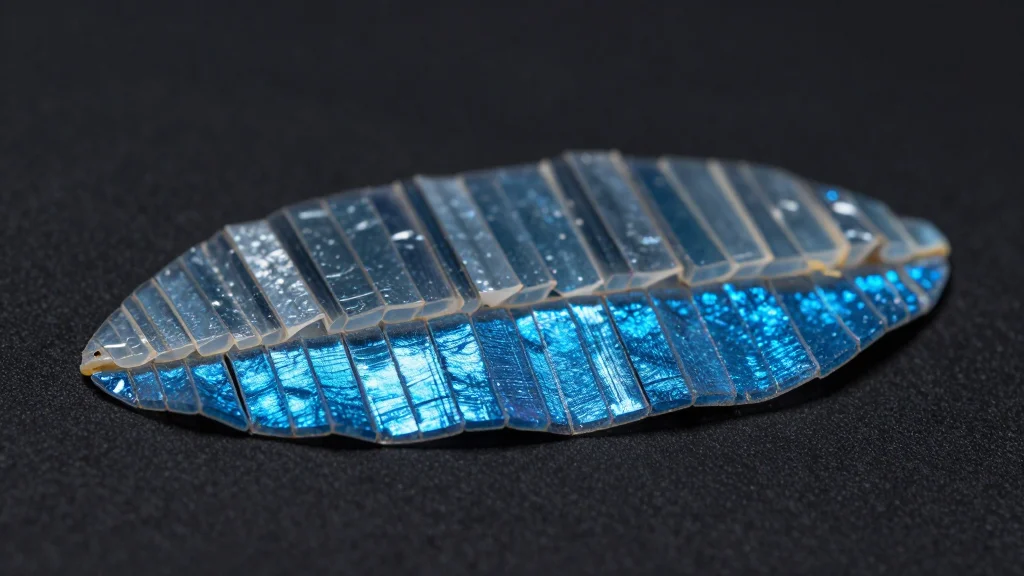
Synergistic Movement of the Dual‐Layer Photonic Guanine Crystal Arrays Reveals a Mechanism of Light Stimuli‐Responsive Structural Color Change in the...
The study uncovers that zebrafish skin changes from slate‑blue in darkness to bright‑blue in light due to coordinated movement of a dual‑layer guanine crystal reflector. The upper S‑iridophore layer contains inclined crystals while the lower L‑iridophore layer holds horizontal crystals,...
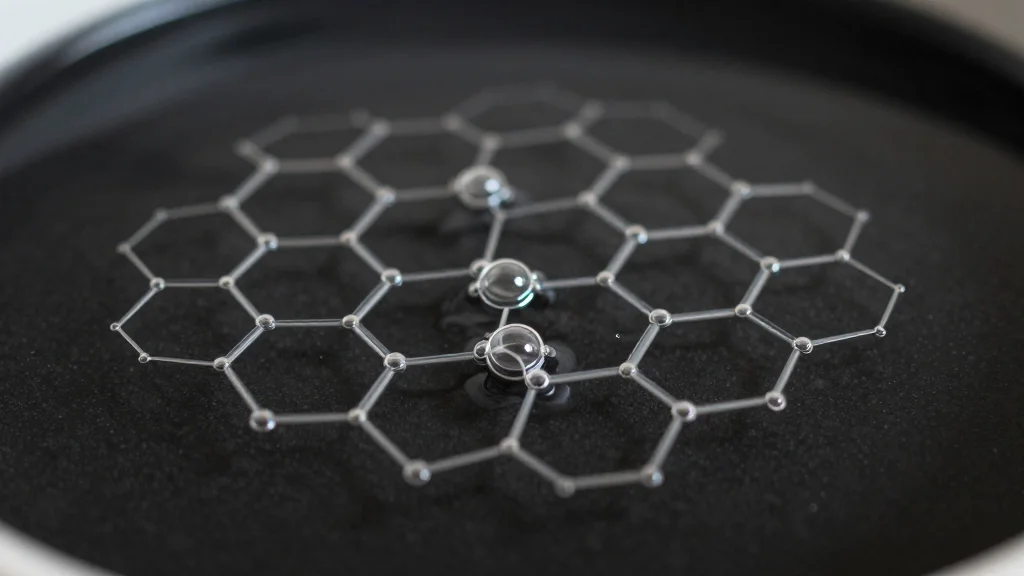
Ultraclean Self‐Assembly on Micro‐Bubble Lattice
Researchers have introduced an underwater micro‑bubble lattice that enables ultraclean self‑assembly of micro‑objects, eliminating residues during transfer. The water‑air interface of the bubbles provides capillary adhesion, preserving the original state of delicate particles. Numerical analysis identified wettability contrast and particle‑to‑bubble...

Sustainable All‐Inorganic Double Perovskite Memristors Enabling Synaptic Learning and Cognitive Emulation
Researchers have demonstrated lead‑free all‑inorganic double perovskite Cs2AgBiBr6 memristors that combine robust analog resistive switching with biologically relevant synaptic plasticity. The devices rely on reversible Ag⁺ ion migration to form filamentary conduction paths, as confirmed by impedance spectroscopy, c‑AFM, and...
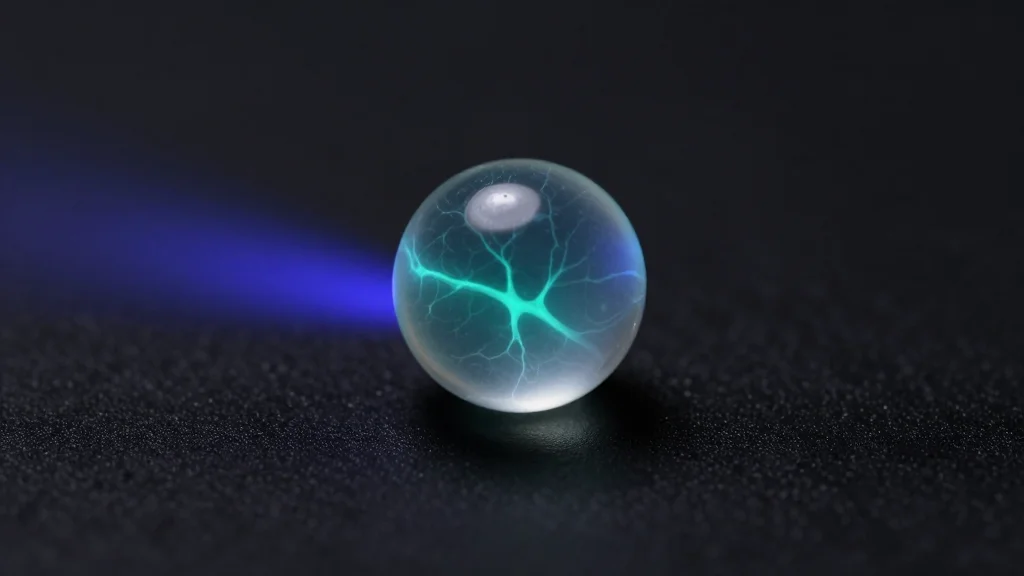
Photo‐Modulated Proton Transport in Merocyanine Metastable‐State Photoacid Based Polymers
Researchers have covalently incorporated a merocyanine metastable‑state photoacid into soft polymers, turning insulating matrices into light‑responsive, proton‑conducting materials. Upon illumination, the photoacid undergoes a reversible isomerization that releases protons and alters its charge, causing a measurable drop in conductivity. The...

Entropy‐Engineered Layered Double Hydroxide Derived High‐Entropy Alloy Cathodes for Zinc–Air Batteries Under High Depth‐of‐Discharge
Researchers have created a high‑entropy alloy (HEA) catalyst composed of Mn, Fe, Co, Ni, and Cu, derived from a layered double hydroxide precursor. The HEA nanoparticles are uniformly anchored on nitrogen‑doped carbon nanotubes via dicyandiamide‑assisted pyrolysis, yielding a single‑phase fcc...
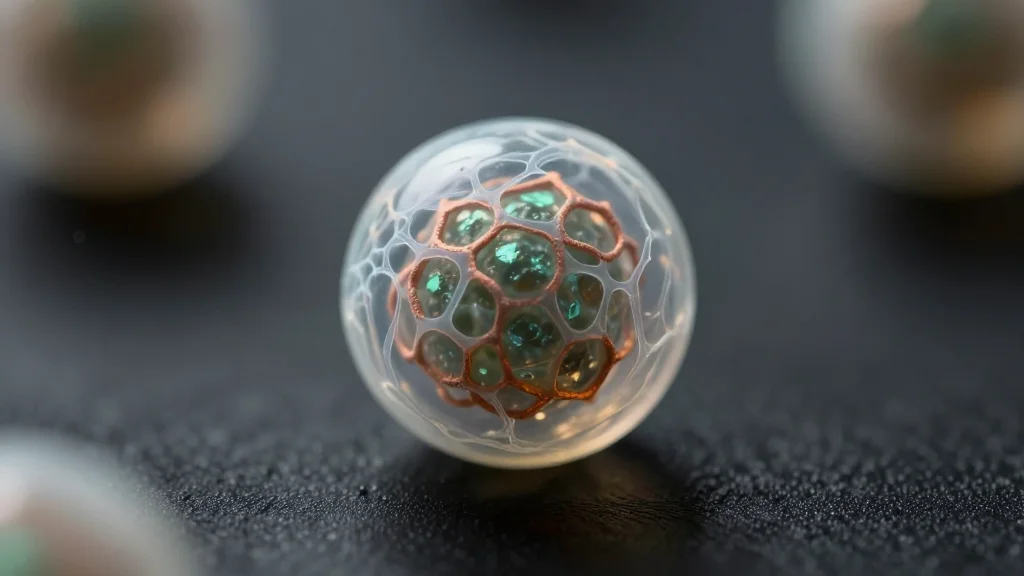
Engineered Nanoplatform with Dual Anti‐Inflammatory and Microbiota‐Modulating Actions for Targeted Therapy in Chronic Inflammatory Bowel Disease
The study introduces BG/SOD@ZIF‑zc, a multifunctional nanoplatform that encapsulates superoxide dismutase within a copper‑doped ZIF framework and coats it with bacterial ghosts for targeted delivery to the colon. The formulation retains SOD activity in the harsh gastrointestinal tract, efficiently scavenges...
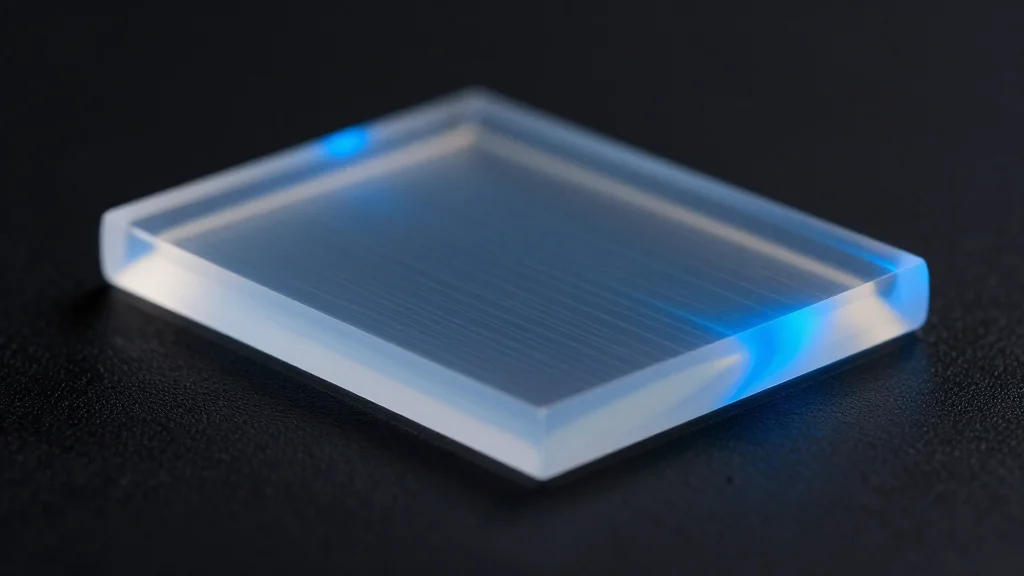
An Ultra‐Tough Fluorescent Elastomer Engineered Using Hierarchical Dynamic Interactions to Integrate Damage Detection and Protection
Researchers have created a poly(urea‑urethane) elastomer that simultaneously delivers ultra‑high toughness, strong mechanical strength, and bright blue fluorescence. By employing a double‑aggregation strategy and embedding La³⁺ ions, the material forms nine‑level hierarchical hydrogen‑bond networks that restrict molecular motion, boosting both...

Single‐Atom Ruthenium Sites on Cobalt‐Titanium Surfaces for Efficient and Selective Chloride Electrolysis
Researchers have created an electrocatalyst featuring ruthenium single‑atom sites anchored on a cobalt‑titanium oxide (Co₂TiO₄/Ti) support using a Ru‑EDTA precursor. The catalyst delivers an ultra‑low Ru loading (<0.1 wt %) yet achieves an overpotential of only 26.2 mV at 10 mA cm⁻² and a Tafel...
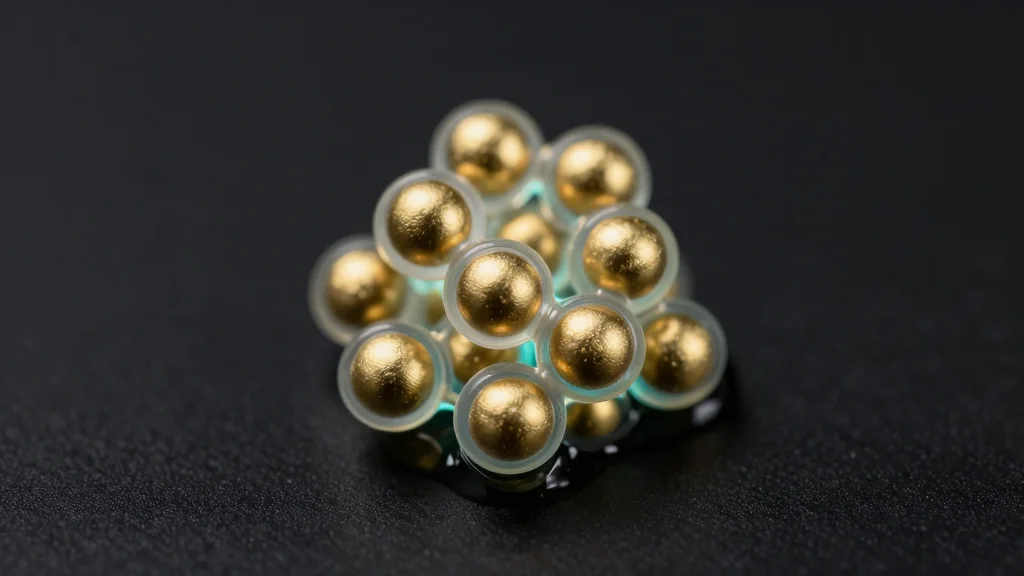
Unraveling Interband Hot‐Electron Transfer in Hydrogenated Au@Cu2O/TiO2 Heterostructure Nanocrystals for Enhanced Hydrogen Evolution
Researchers have engineered a hydrogenated Au@Cu2O/TiO2 nanocrystal featuring a core‑shell architecture and a Z‑scheme heterojunction that enables efficient interband hot‑electron transfer. The plasmonic Au core injects electrons into the Cu2O shell, while the TiO2 partner suppresses recombination, delivering a hydrogen...

Mn‐Doped Nickel Telluride Dirac Semimetals with Engineered Dirac Cones for Accelerated Energy Conversion: Synergistic Electron Transfer and Adsorption Optimization
Researchers synthesized Mn‑doped NiTe2 Dirac semimetals via a one‑step hydrothermal method, discovering that a 5% Mn substitution dramatically reshapes the Dirac cone and boosts Fermi velocity. The doping also raises the density of states near the Fermi level, accelerating interfacial...

Tailorable Curie Temperature in Zinc Ferrite Nanoparticles With Finely Tunable Induction Heating Profiles Between Room Temperature and 250°C
Researchers have developed a spray‑dry synthesis for zinc ferrite nanoparticles whose Curie temperature can be tuned from room temperature up to 250 °C. By adjusting zinc doping levels and post‑synthesis annealing, the induction heating profile is precisely controlled, while aqueous dispersions...

Geometrically Well‐Controlled Wireframe RNA Nanostructures With Bundled‐Helix Edges
Researchers have introduced a single‑stranded RNA origami platform that uses dual duplex bundles as wireframe edges, delivering markedly defined geometries. The approach enables the construction of intricate RNA polygons and grid lattices with high yield and structural fidelity. By bundling...

Mechanochemical Fullerene Nanoencapsulation in Amino‐Functionalized ZIF‐12 for Visible‐Light Disinfection of Waterborne Viruses and Bacteria
Researchers introduced a solvent‑minimized mechanochemical method to embed fullerene C₆₀ within amino‑functionalized ZIF‑12, creating a visible‑light‑driven bifunctional photocatalyst. The C₆₀@ZIF‑12‑NH₂ composite exhibits enhanced charge separation, generating hydroxyl radicals that efficiently inactivate bacteriophage P22 in saline water and eradicate E. coli and...

Covalent Functionalization of NiFe Layered Double Hydroxides Using Tris(Hydroxymethyl)Aminomethane
Researchers have covalently attached tris(hydroxymethyl)aminomethane (TRIS) to nickel‑iron layered double hydroxides (NiFe‑LDH), creating a more ordered crystal structure and enabling high‑temperature hydrothermal synthesis. The TRIS‑functionalized material forms stable, water‑based inks that allow binder‑free electrode fabrication. These electrodes deliver higher oxygen...
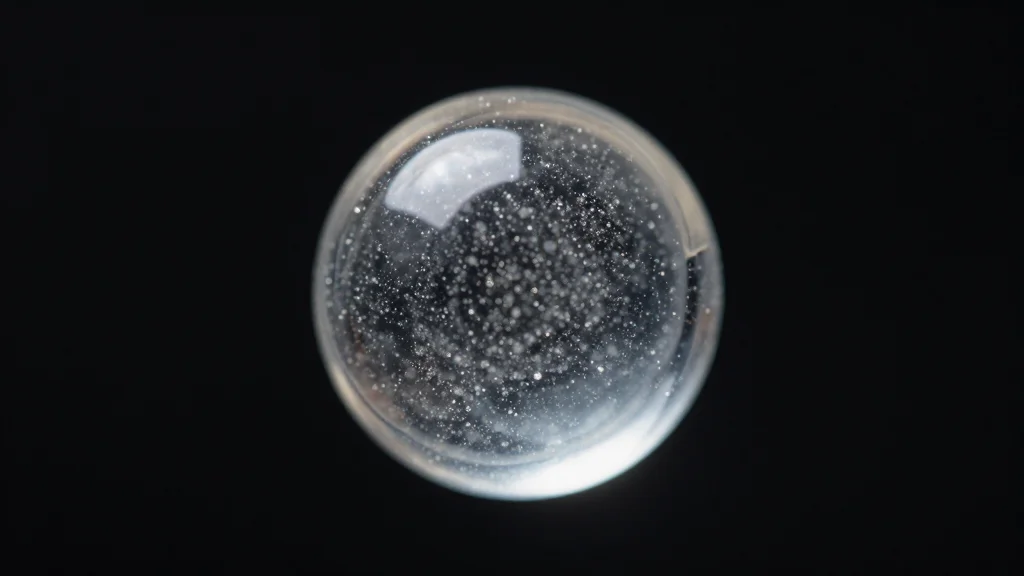
Combining Soft and Hard Properties: Synergistic Innovation of Magnetic Hydrogel Microrobots in Precision Medicine
Magnetic hydrogel microrobots (MHMs) are emerging untethered soft robots that combine magnetic actuation with responsive hydrogel matrices. Recent research highlights dual design strategies that integrate material optimization and functional integration, enabling precise, spatiotemporal control. Innovations in bionic structures and multimodal...
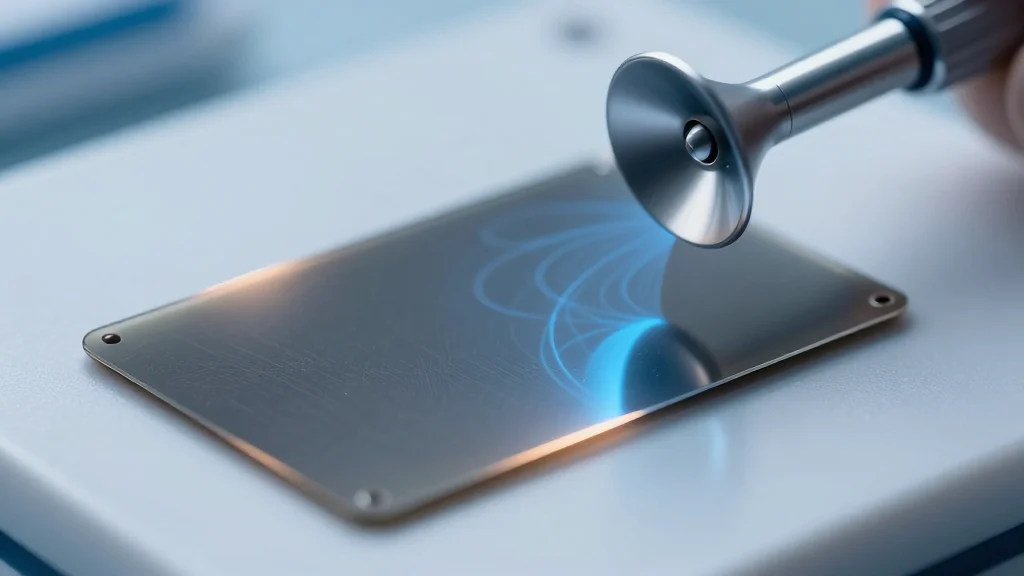
Photothermal‐Mediated Carrier Dynamics in Ti3C2Tx MXene Revealed by Time‐Resolved Terahertz Spectroscopy
Researchers used time‑resolved terahertz spectroscopy to uncover a universal photothermal‑mediated carrier relaxation mechanism in Ti3C2Tx MXene films. The slowest relaxation time scales linearly with film thickness, reflecting lattice cooling governed by thermal boundary conductance. By selecting substrates that alter interfacial...

Multi‐Walled Carbon Nanotubes Loaded with Nickel‐Manganese Bimetallic as Three‐Dimensional Particle Electrodes for the Removal of 2,2′‐bipyridine From Photovoltaic Copper Electroplating...
Researchers developed a three‑dimensional electrocatalyst composed of nickel‑manganese bimetallic particles supported on multi‑walled carbon nanotubes (Ni‑Mn@MWCNTs) to treat photovoltaic copper electroplating wastewater containing the toxic additive 2,2′‑bipyridine. Under optimal conditions—Ni:Mn ratio 2:1, 4 mA cm⁻² current density, 4 g L⁻¹ catalyst dosage, and 2 cm...
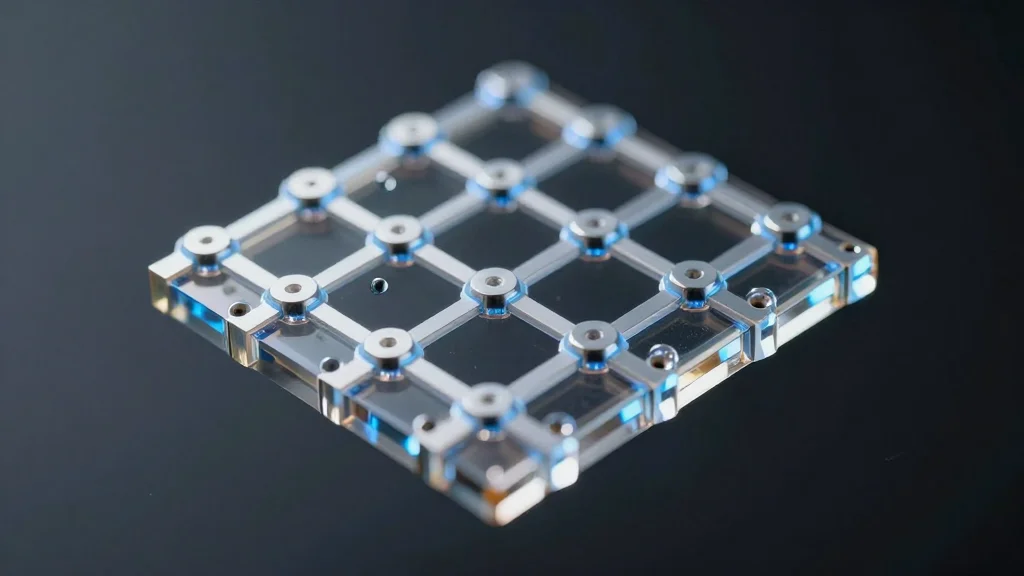
Multifunctional Roles of Vacancy Defects in Advancing Thermoelectric Materials
The review highlights vacancy engineering as a transformative strategy for thermoelectric (TE) materials, detailing how intentional vacancy creation can simultaneously tune electronic band structures, carrier concentrations, and phonon transport. It surveys state‑of‑the‑art characterization tools, computational predictions, and synthesis routes that...
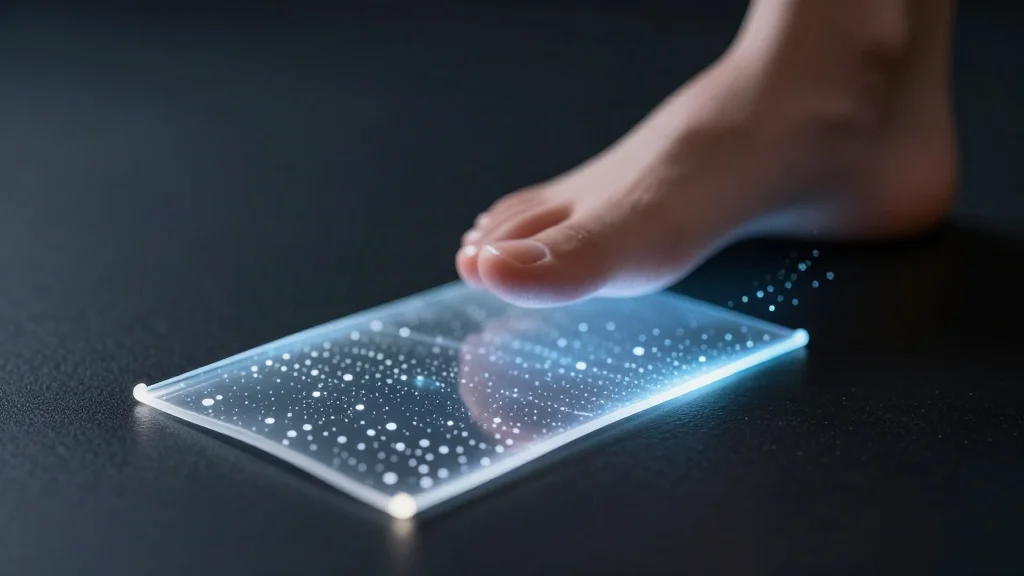
Chitosan‐Loaded Lead‐Free Sodium Bismuth Titanate Composite Flexible Triboelectric Nanogenerator for Energy Harvesting, Biomechanical Sensing, and Smart‐Path Touch‐Lighting for Safe Walking...
Researchers have developed a flexible triboelectric nanogenerator (TENG) using a sodium bismuth titanate (NBT) and chitosan composite film paired with PDMS. The lead‑free ferroelectric NBT particles enhance dielectric properties, delivering a peak voltage of 162.5 V, current of 4.1 µA and power...

Synchronous Polarization Switching at Sub‐Coercive Fields Through Stochastic Resonance in Ferroelectric Thin‐Film Capacitors
Researchers demonstrated that stochastic resonance can trigger synchronous polarization switching in a thin‑film lead zirconate titanate (PZT) capacitor using sub‑coercive voltage pulses. By tuning the noise level to satisfy the Kramers‑time condition, the device switches reliably at half the signal...

Recent Advances in Moisture‐Electric Nanogenerators: From Moisture‐Enabled Electrification to Practical Applications
Moisture‑electric nanogenerators (MEGs) harvest ambient humidity and convert it into electrical energy using specially designed hygroscopic materials. Recent research has introduced advanced moisture‑responsive composites that raise power output by an order of magnitude, bringing MEGs closer to practical deployment. The...
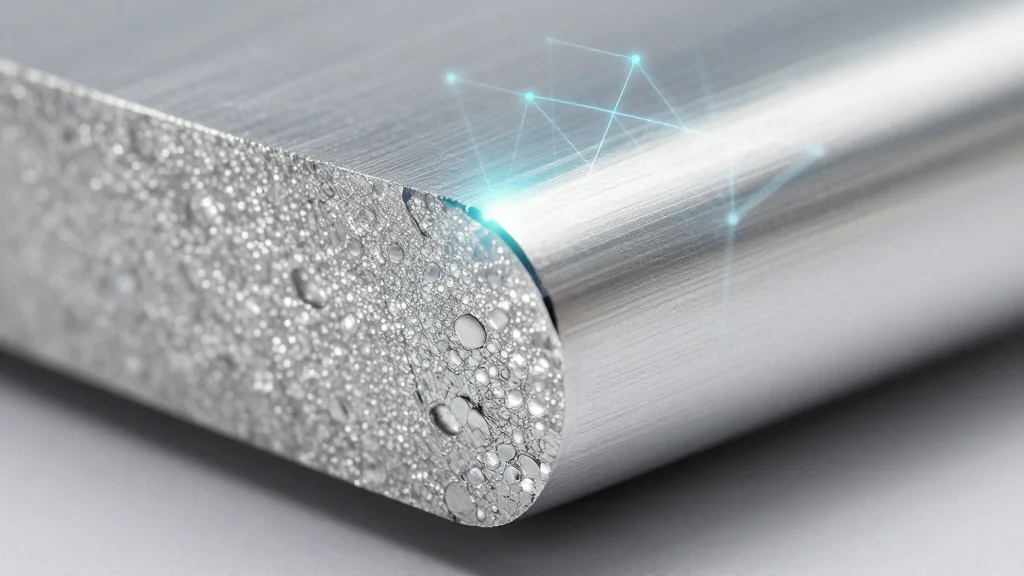
Computational Design of Thermally Stable Nanoprecipitates in Al‐Zn‐Mg Alloys: Insights From High‐Throughput DFT and Machine Learning
Researchers combined high‑throughput density functional theory with machine learning to screen transition‑metal additives for Al‑Zn‑Mg alloys. The study evaluated 21 candidates and identified nickel (Ni) as a superior stabilizer of the metastable η′ precipitate. Ni maintains high equilibrium solubility, enabling...
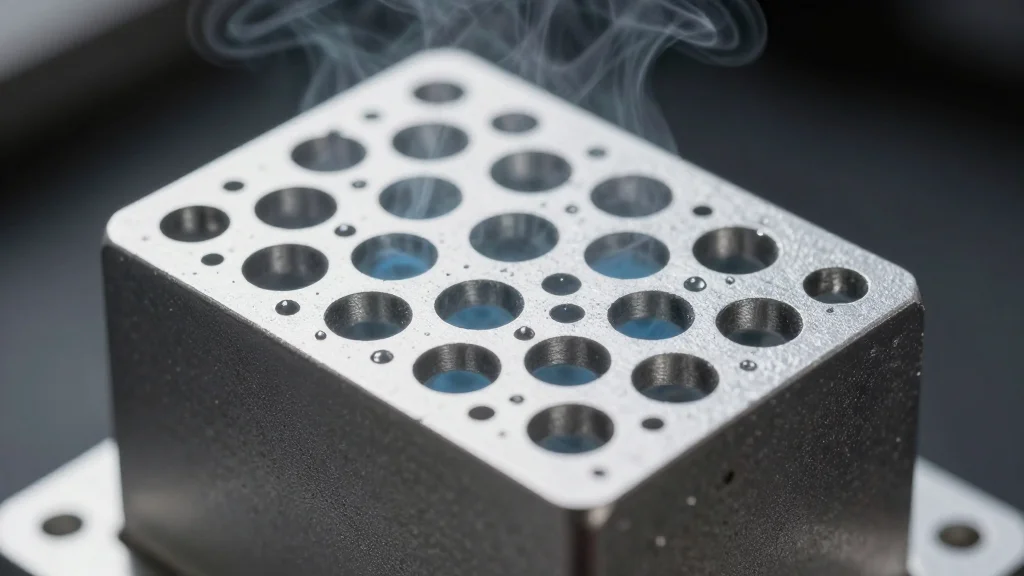
Construction of an Al‐Based MOF with Methyl‐Functionalized Microporous Nano‐Traps for Efficient Separation of SF6/N2
Researchers have engineered an aluminum‑based metal‑organic framework, NU‑62, that features methyl‑functionalized microporous nano‑traps for selective SF6 capture. The material exhibits a high SF6 uptake of 3.99 mmol g⁻¹ and an exceptional SF6/N2 selectivity of 209 at 298 K and 1 bar. Breakthrough experiments confirm...
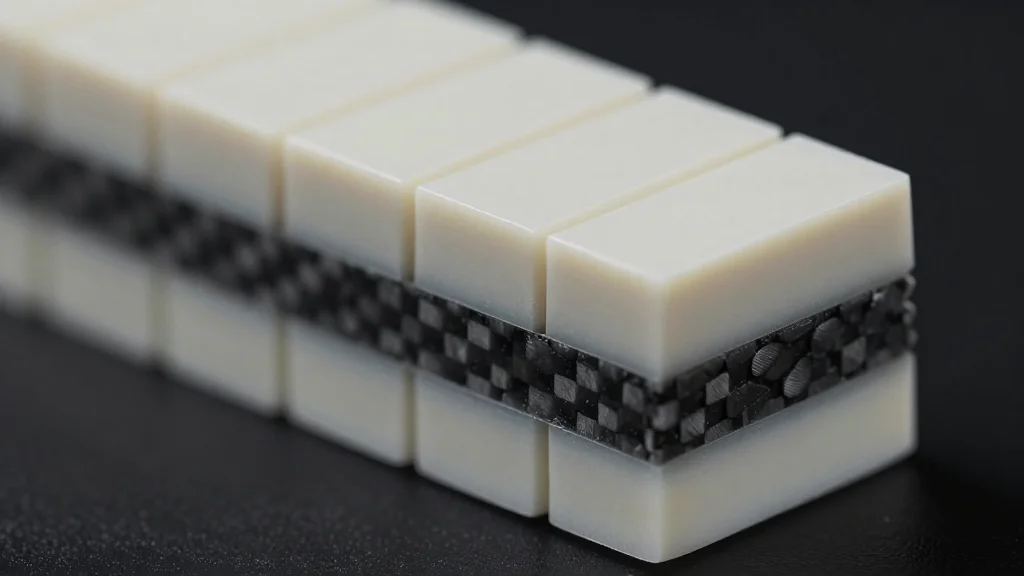
Bioinspired Integration of B4C/CNT: Laminated Composites With Nacre‐Like Mechanics for Lightweight Impact‐Resistant Systems
Researchers have created a bioinspired B4C/CNT laminated composite using in‑situ spark plasma sintering that mimics nacre’s brick‑and‑mud structure. The material achieves a low bulk density of 1.78 g/cm³ and a dynamic compressive strength of 1,098 MPa, delivering superior energy‑absorption performance. During high‑temperature...