
Bovine Serum Albumin Crosslinked Hydrogels with Enhanced Mechanical Properties for Skin Bioelectronics
A new protein‑crosslinking method incorporates modified bovine serum albumin (BSA) into hydrogel networks, delivering ultra‑stretchable, strongly adhesive, and conductive gels. Dual physical‑chemical bonds and the protein’s spring‑like secondary structures dramatically improve mechanical strength and energy dissipation. The abundant functional groups on BSA enhance adhesion to skin and device surfaces, enabling reliable skin‑mounted bioelectronics. Demonstrations include strain sensors, ECG/EMG monitoring, and electrical stimulation, highlighting the material’s potential for wearable health‑tech applications.
Plasma Enabled Synthesis of Dual Phase Alkali Metals (Li, Na, K) & Water Co‐Intercalated V2O5 3D TMO Clusters for High...
The study introduces a plasma‑assisted hydrothermal (PAHT) method that produces alkali‑metal and water co‑intercalated V₂O₅ cathodes in just 70 minutes. The resulting K‑WiVO material delivers a record 527 mAh g⁻¹ at 0.1 A g⁻¹ and maintains 94.5% of its capacity after 4,000 high‑rate cycles. Dual‑phase...

Filling a Gap in Materials Mechanics: Nanoindentation at High Constant Strain Rates up to 105 S−1
Researchers have unveiled a piezoelectric‑based nanoindentation platform that maintains constant indentation strain rates from 10¹ to 10⁵ s⁻¹, a five‑order‑of‑magnitude range previously inaccessible at the micro‑scale. The system captures precise load‑displacement data within ~150 µs, enabling accurate hardness extraction for single‑crystalline molybdenum,...

Coupling Hydrogen Spillover at Synergistic PtNi/NiInOx Interfaces with Urea Oxidation for Enhancing Water Splitting
Researchers engineered a Pt‑Ni alloy interfaced with NiIn‑based oxides to create a low‑work‑function junction that promotes hydrogen spillover. The catalyst delivers exceptional hydrogen evolution activity with only 1.6 wt % platinum, achieving a 13 mV overpotential at 10 mA cm⁻² and stable operation for over...

Rhodamine‐Functionalized Nanosensor for Multimodal, Ultrasensitive, and Stable Detection of Toxic Mercury Ions
Researchers have created a self‑assembled amphiphilic dual‑rhodamine B nanoprobe (DR) that forms 248 nm nanospheres for mercury(II) detection. The sensor delivers a rapid 12‑second fluorescence “turn‑on” and visible color change, achieving an ultralow detection limit of 0.19 nM. DR was integrated into...
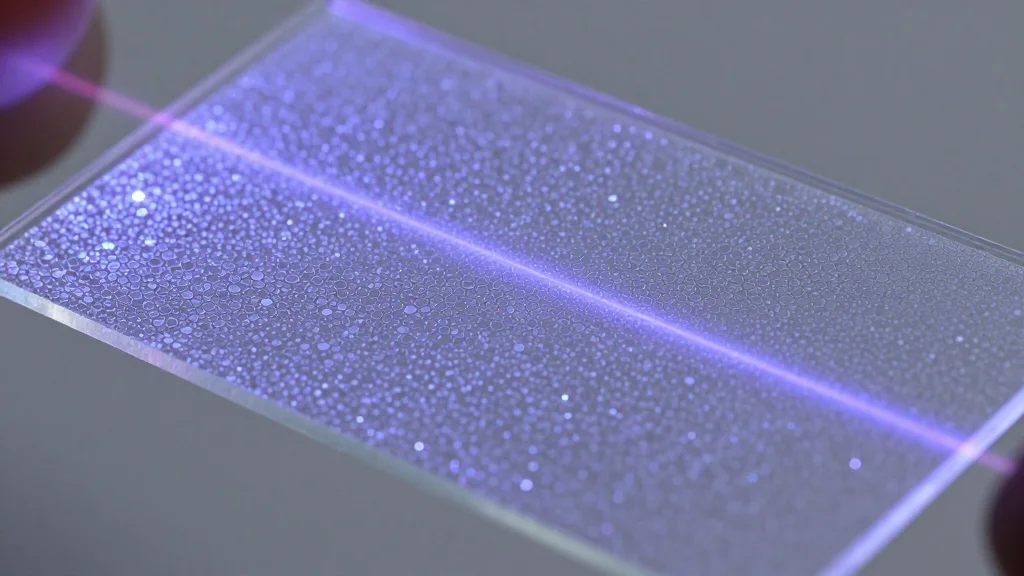
Chiral Lead‐Free Hybrid Organic‐Metal Halides for Thermally Switchable Nonlinear Optics (Small 19/2026)
Researchers have introduced chiral, lead‑free hybrid organic‑metal halides (HOMHs) that exhibit strong second‑harmonic generation (SHG) and reversible thermal switching. Using a solvent‑assisted drop‑casting technique guided by surface‑energy principles, they grew highly crystalline, orientation‑controlled microplates on substrates. The resulting HOMHs combine...

Thermocatalysts Through the Lens of Nanoscale Semiconductor Heterojunctions: Plasma‐Deposited CoO/WO3 Nanohybrid Films (Small 19/2026)
Researchers led by Jacek Tyczkowski have demonstrated that plasma‑deposited CoO/WO3 nanohybrid films create nanoscale semiconductor heterojunctions that dramatically reshape catalytic behavior in CO2 hydrogenation. By visualizing charge modulation at the individual nanoparticle level, the team showed that the CoO component...
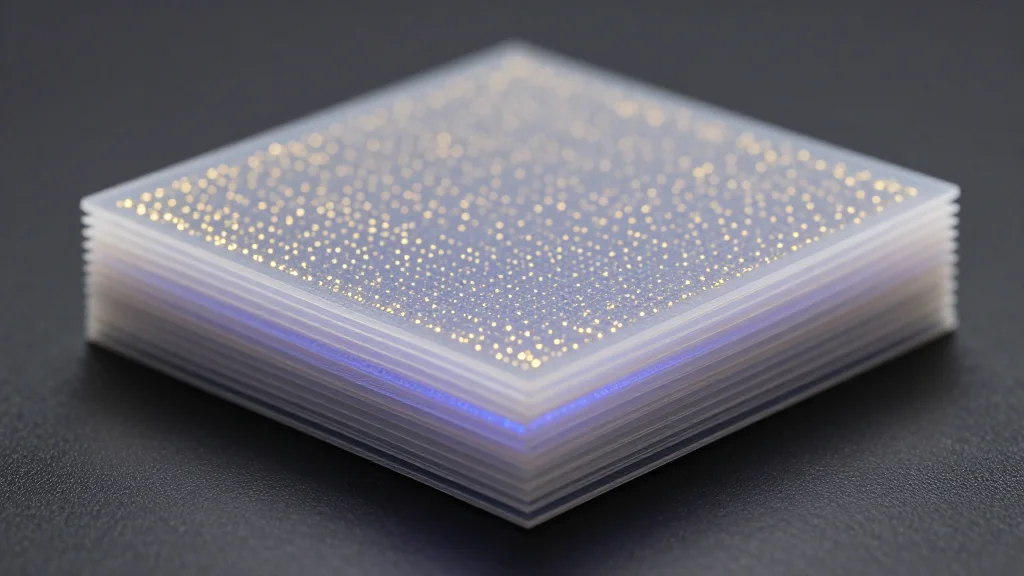
Vertically Stacked Paper‐Based Microarray Device for High‐Throughput SERS Detection of Two Cancer Biomarkers
Researchers have unveiled a vertically stacked paper‑based microarray device (µAPAD) that integrates the full immunoassay workflow for high‑throughput SERS detection of cancer biomarkers. The 16‑layer wax‑patterned platform ensures uniform nanotag distribution, cutting signal variation from 36.6% to 6.69% and enabling...
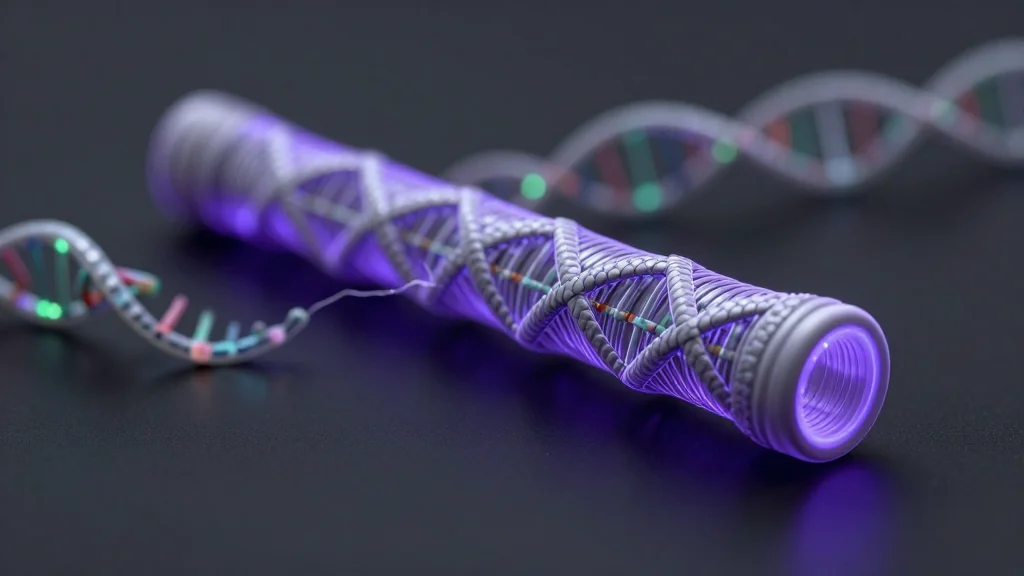
Near‐Infrared Photochemistry Harnesses Excitons for Selective Guanine Functionalization of Single‐Wall Carbon Nanotubes
Researchers have demonstrated that semiconducting single‑wall carbon nanotubes (SWCNTs) can act as their own photosensitizer under near‑infrared (NIR) illumination, producing singlet oxygen that selectively oxidizes guanine bases in the surrounding ssDNA corona. The resulting guanine peroxides react covalently with the...

Extrahepatic Gene Editing In Vivo Using Organic Solvent‐Free Lipid Nanoparticles
Researchers have unveiled a fully water‑based lipid nanoparticle (LNP) platform that eliminates cholesterol and PEG, using poly(2‑methyl‑2‑oxazoline) as a stealth polymer. The solvent‑free formulation enables efficient delivery of CRISPR‑Cas9 components, achieving robust gene editing in primary human immune cells and...
Electrospinning Spatial Building of a Secondary S‐Scheme Heterojunction in Cs3Bi2Br9@g‐C3N4−SnO2/PAN Nanofiber for Real‐Time Monitoring Photocatalysis
Researchers have created a flexible core‑shell nanofiber (Cs3Bi2Br9@g‑C3N4–SnO2/PAN) using coaxial electrospinning that incorporates a dual S‑scheme heterojunction. The architecture widens visible‑light absorption and markedly suppresses charge recombination, delivering >97 % degradation of Rhodamine B and 99.5 % degradation of tetracycline within 50 minutes. The...

Bioinspired Anti‐VEGF Peptide Nanoparticle with Immune Regulating and Corneal Epithelium Penetration Capability for Corneal Neovascularization Therapy
Researchers have engineered a bioinspired nanoparticle that co‑assembles an anti‑VEGF peptide with copper ions, adds a ROS‑scavenging moiety and a cell‑penetrating peptide, and achieves deep corneal delivery. The formulation extends ocular residence to roughly 70 minutes and reaches 300 µm in a...

Large‐Scale Ferroelectric Ceramic Wafer Achieved by Sintering Strategies for Sensitive High‐Temperature Self‐Powered X‐ray Detection
Researchers have fabricated a large‑scale ferroelectric ceramic wafer (PNN‑PZT) using solid‑state sintering, achieving record‑high sensitivity for self‑powered X‑ray detection. At 150 °C the detector reaches 248 µC Gy⁻¹ cm⁻² sensitivity and a detection limit of 6.76 nGy s⁻¹, surpassing commercial amorphous selenium devices. The material exhibits...

Structural Design for Enhancing Performance of 1D Conductive Nanomaterial‐Based Stretchable Strain Sensors
The Small journal review outlines how structural design drives performance gains in stretchable strain sensors that incorporate one‑dimensional conductive nanomaterials such as carbon nanotubes and silver nanowires. It catalogs common architectures—ordered arrays, engineered cracks, wavy or wrinkled films, and mesh...

Vacancy‐Induced Z‐Contrast Anomaly in Self‐Assembled (Ti,V)O2 Heterostructure
Researchers used annular dark‑field scanning transmission electron microscopy (ADF‑STEM) to examine self‑assembled (Ti,V)O₂ heterostructures that form alternating Ti‑rich and V‑rich layers. Contrary to the expected Z‑contrast, the V‑rich layers appeared brighter despite Ti (Z=22) and V (Z=23) having nearly identical...

Solvent‐Induced Reverse‐Ostwald Ripening: Structure Conversion From Ag56 to Ag45 Clusters and Its Impact on Catalytic Reduction of 4‐Nitrophenol
Researchers have discovered a solvent‑induced reverse Ostwald ripening process that converts atomically precise silver clusters from Ag₅₆ to Ag₄₅ when exposed to pentane, while Ag₅₆ remains stable in dichloromethane. Structural analysis by ESI‑MS and single‑crystal X‑ray diffraction shows the Ag₄₅...

Cellulose Acetate Fibers With Infiltrated ZnO Nanocrystals: Activation of Antibacterial Properties Against Acne Vulgaris by Oxygen Plasma Treatment
Researchers created biodegradable cellulose acetate fibers infiltrated with up to 8 wt % zinc‑oxide nanocrystals using vapor‑phase infiltration and centrifugal spinning. A short oxygen plasma treatment converted the fibers from hydrophobic to hydrophilic, enabling Zn²⁺ release. Plasma‑modified fibers showed clear antibacterial activity,...

Carbon Shell‐Mediated Electronic Modulation of NiFe Alloy Electrocatalysts for Efficient CO2 Electroreduction
Researchers introduced a carbon‑coated NiFe alloy (NiFe@NC) that uses a thin carbon shell to electronically reconfigure the catalyst surface, facilitating CO desorption and suppressing hydrogen evolution. Density‑functional theory and in‑situ spectroscopy confirm the electronic reconstruction and protective role of the...

Quasi‐2D Chiral Perovskite Janus‐Structural Nanofiber Film With Tunable Spectrum and Energy‐Transfer‐Amplified Circularly Polarized Luminescence
Researchers have created a Janus‑type nanofiber film that couples chiral quasi‑2D perovskite nanosheets with achiral perovskite nanocrystals or dye molecules via efficient energy transfer. This architecture raises the photoluminescence quantum yield of the achiral component by four times and pushes...

Engineering Electronic Structure of Metal‐Based Catalysts Toward Selective Peroxymonosulfate Activation for Water Purification
The review examines how tailoring the electronic structure of metal‑based catalysts can make peroxymonosulfate (PMS) activation more selective and efficient for water purification. It surveys four primary modulation tactics—coordination‑environment control, metal doping, defect engineering, and electron‑buffering metal‑support interactions—linking each to...
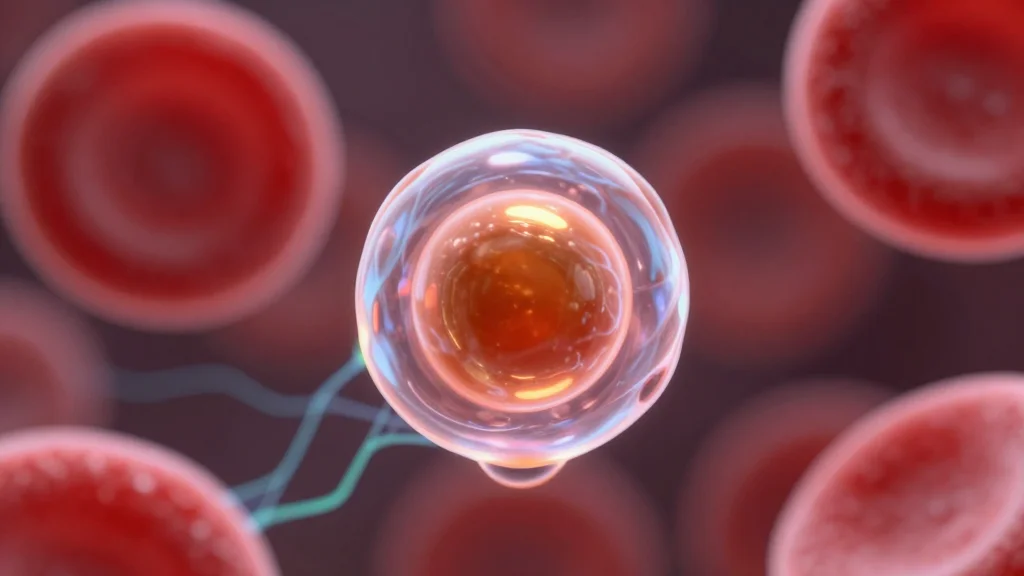
A Dynamic Yolk–Shell P–N Heterojunction With Coupled Shear Stress‐Triggered Tribo‐/Piezoelectric Effect for Catalytic Thrombolysis
Researchers introduced a yolk–shell BFO@tBT‑C nanoparticle that exploits shear stress at clot sites to trigger coupled tribo‑ and piezoelectric effects, generating reactive oxygen species for thrombolysis. The dynamic p–n heterojunction yields potentials 3.6‑ and 2.1‑fold higher than isolated triboelectric or...

In Situ Self‐Nanostructuring Enables Fast‐Recharging of an Aqueous‐Processed Organic Small Molecule Cathode
Researchers introduced 1,3,5‑tris(3‑vinyl‑10H‑phenoxazin‑10‑yl)benzene (V3PXZ) as an organic cathode that undergoes in‑situ electrochemical post‑crosslinking (IEPC) to form insoluble, non‑conjugated polymer networks. The IEPC process simultaneously creates high‑surface‑area nanostructures, enabling rapid ion transport and delivering 56 % of capacity in just 36 seconds (100 C)....
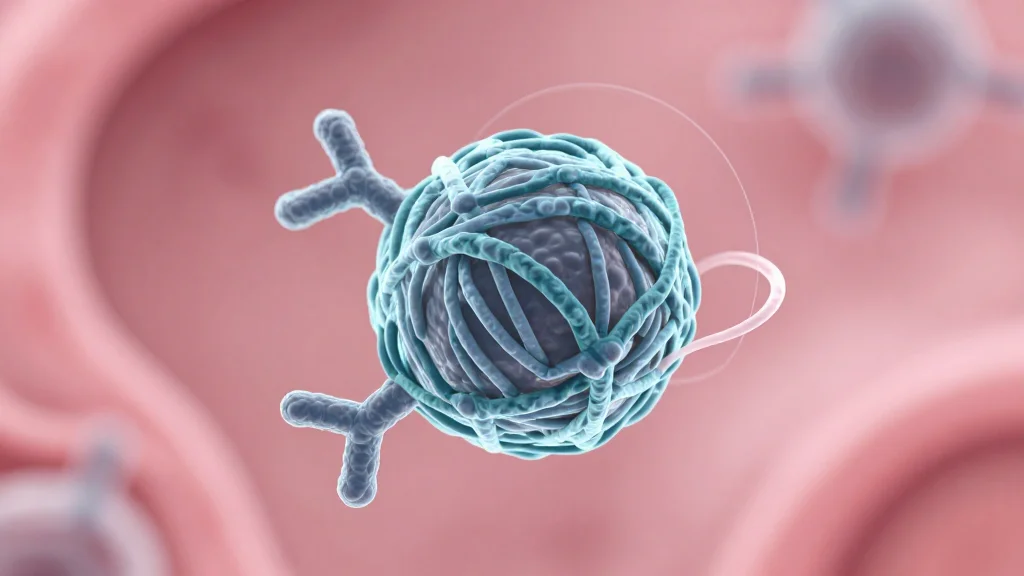
A Targeted Nanozyme for STING Activation Improves BiTEs Therapy Outcomes in Colorectal Cancer
Researchers engineered a tumor‑targeted nanozyme, MnO2‑dsDNA@BiTE/APT, that simultaneously delivers a double‑strand DNA STING agonist and a PD‑L1/CD3 bispecific T‑cell engager. The MnO2 carrier releases Mn2+ ions, activating the STING pathway, while the surface‑bound BiTE recruits T cells to cancer cells....

Supported Metal Centers in Oxygen Electrocatalysis
The review surveys recent progress in supported metal active centers for oxygen electrocatalysis, emphasizing single‑atom catalysts and their role in oxygen evolution and reduction reactions. It critiques the over‑broad use of the strong metal‑support interaction (SMSI) term, distinguishing multiple mechanisms...

Self‐Adaptive Infrared Vision via Neural‐Controlled Gain Compression in a Single Photodetector
Researchers have demonstrated a neuromorphic photodetector that mimics eye‑like gain control in the infrared‑polarization spectrum. The device uses a gate‑tunable Au/BP/PdSe₂ van der Waals heterostructure to achieve nonlinear gain compression via electrostatic barrier reconfiguration. Integrated with a neural‑network microcontroller, it autonomously adjusts...
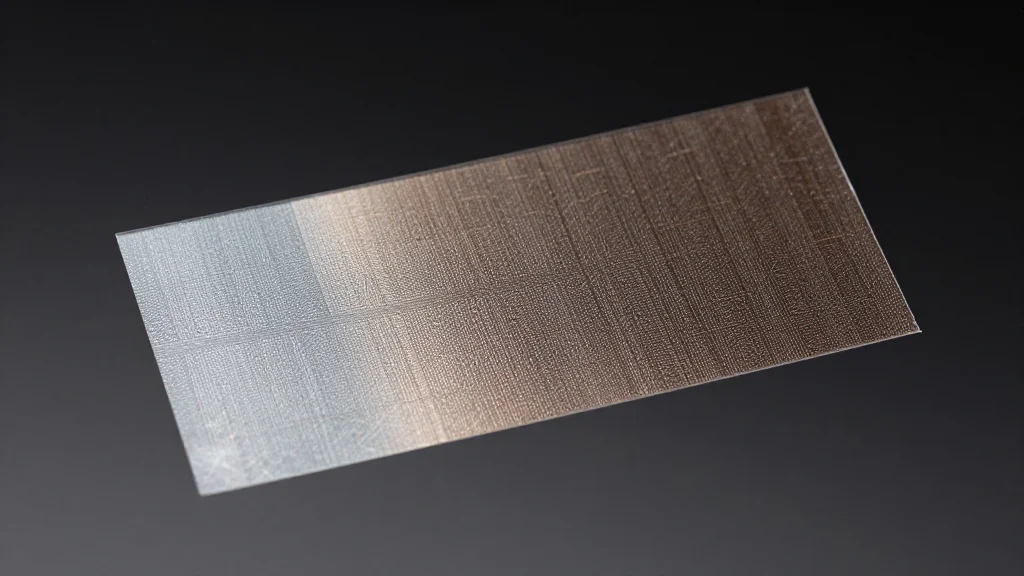
Mechanistic Insights and Scalable Fabrication of a Ni‐Based MOF Bistable Electrochromic Film Toward Energy‐Efficient Displays
Researchers have introduced a nickel‑based metal‑organic framework (Ni‑BPA) electrochromic film that switches rapidly between transparent and neutral dark‑brown states. The film, fabricated by electrostatic spray deposition, delivers 78% optical modulation at 490 nm and a coloration efficiency of 88.57 cm² C⁻¹. Strong hydroxide...

Strain‐Modulated Engineering of High‐Entropy Vanadium‐Based Chalcogenide for Sustainable Water Oxidation
Researchers have engineered a strain‑modulated high‑entropy vanadium‑based chalcogenide (VMoFeCoNi)Sx using an optimized solvothermal route, achieving a single‑phase pyrite structure with 0.67% compressive micro‑strain. The nanoflower/nanoflake catalyst exhibits exceptional oxygen evolution reaction (OER) activity in alkaline media, delivering overpotentials of 210 mV...
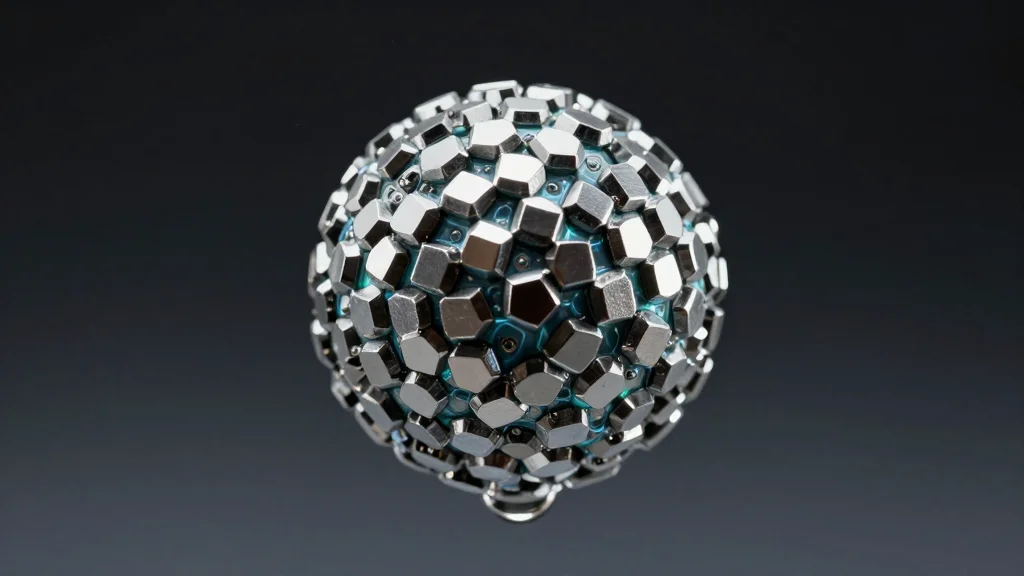
Emerging P‐Block Metal‐Based Electrocatalysts for Energy Conversion
The review highlights p‑block metal‑based electrocatalysts as sustainable alternatives to precious‑metal catalysts for energy‑conversion reactions such as CO₂ reduction, nitrogen reduction, and oxygen reduction. It details diverse architectures—single atoms, alloys, compounds, and doped systems—and explains how electronic tuning, oxophilicity, and...
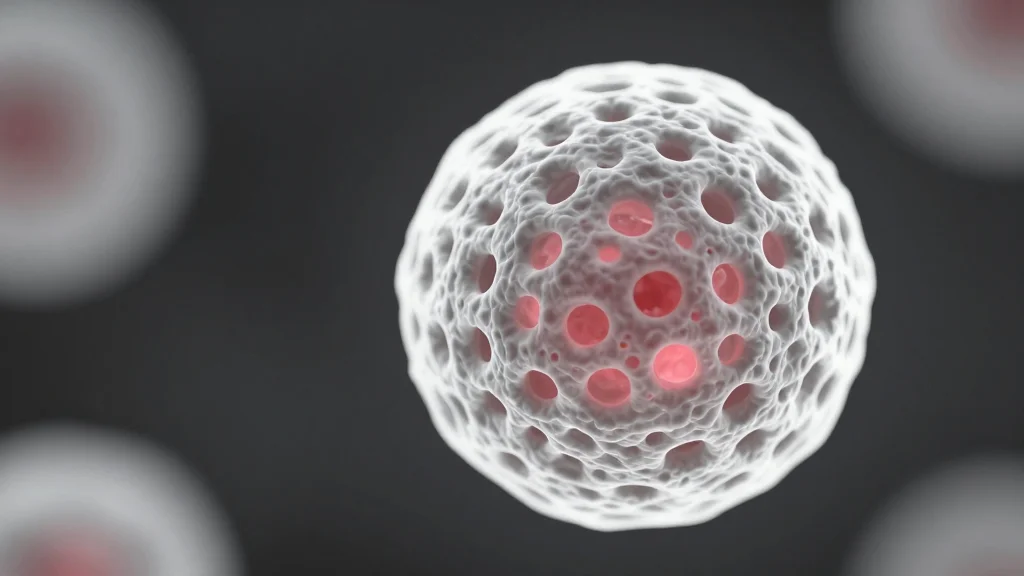
Mesoporous Silica Nanoparticles‐Based Formulations for Enhanced Oral Delivery of Peptide Drugs: A Case Study on Insulin
Researchers engineered mesoporous silica nanoparticles (MSN) to encapsulate insulin and co‑formulated them with succinylated β‑lactoglobulin into pH‑responsive tablets. Surface grafting with polyethylene glycol and phosphonate groups boosted insulin solubility by roughly 2.5‑fold and stabilized the particles in gastrointestinal fluids. The...
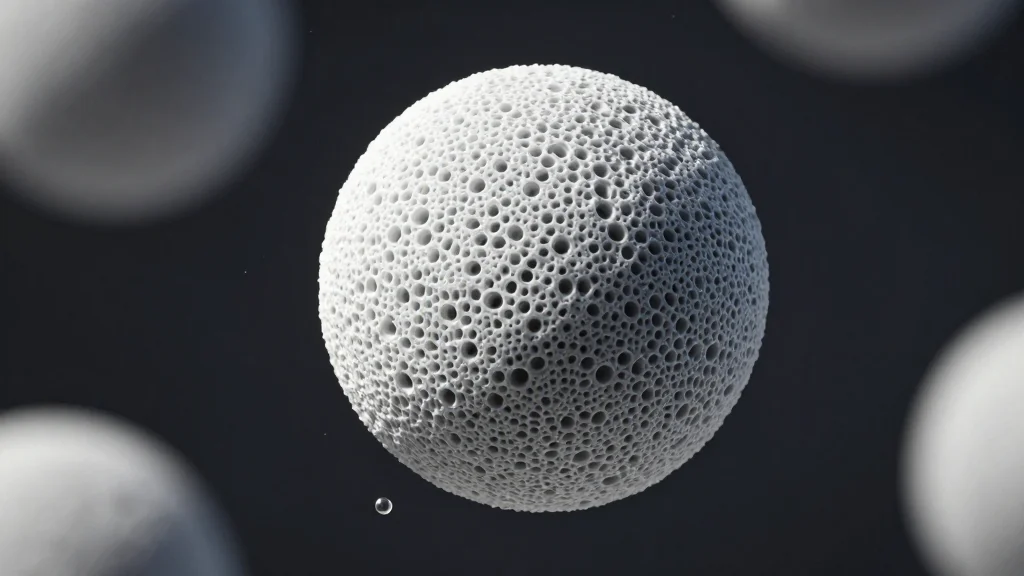
MOF‐on‐MOF Core–Shell Heterostructure With Synergistic Porous Interface for Highly Efficient Propane/Propylene Separation
Researchers have created a Ni‑MOF‑74@ZU‑609 core‑shell heterostructure that simultaneously delivers high propylene uptake and selectivity. Dynamic breakthrough tests show a record‑high selectivity of 5.51 and a capacity of 1.14 mmol g⁻¹ at 298 K and 1 bar, surpassing the performance of the individual parent...

Synthesis of Quantum Dot‐Integrated Silica–Silver Nanocomposites With Scattering and Plasmonic Effects for Enhanced Photoluminescence
The study demonstrates a solution‑phase synthesis of a quantum‑dot‑embedded silica‑silver nanocomposite (QASQ) that dramatically boosts photoluminescence. Acting as both an optical cavity and a scattering center, the QASQ‑integrated PDMS film delivers a 4.34‑fold increase in PL compared with conventional QD...
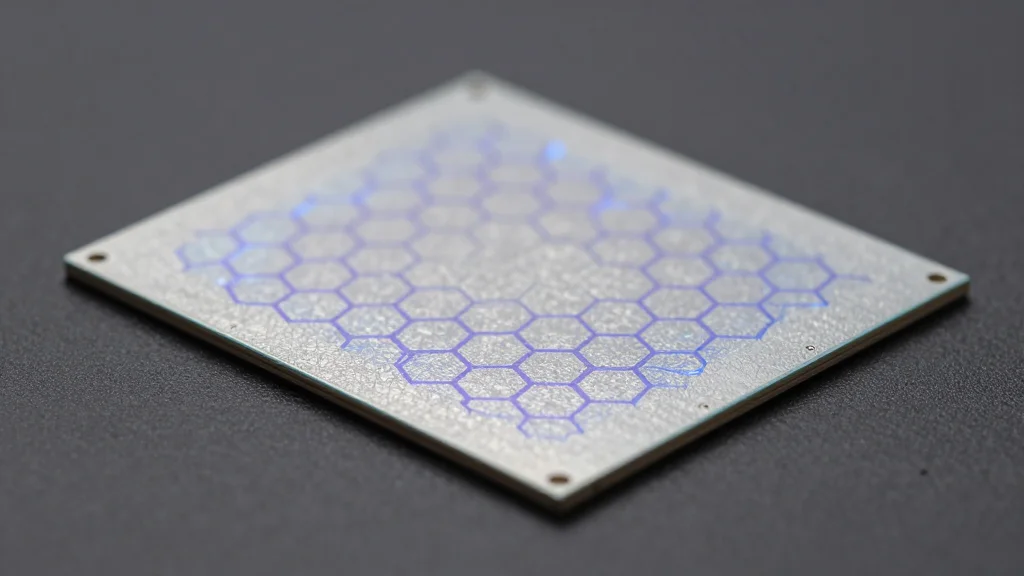
Enhanced Selectivity of Hydrogen Sulfide Gas by Hybrid Zeolitic Imidazolate Framework‐67/2D Platinum Diselenide‐Based Sensors Toward Wafer‐Scale Production
Researchers have created a hybrid gas sensor by coating platinum diselenide (PtSe2) with zeolitic imidazolate framework‑67 (ZIF‑67). The ZIF‑67 layer acts as a molecular filter, raising the H2S‑to‑NH3 response ratio from 1.06 to 10.9 and delivering a 163% signal at...

Active‐Site Engineering Enhanced PdRu Bimetallic Modified Hierarchical Mesoporous In2O3 Nanoflowers for Highly Efficient Assessment of Seafood Freshness
Researchers engineered PdRu‑modified hierarchical In2O3 nanoflowers to create a gas sensor that rapidly detects trimethylamine (TMA), a key indicator of seafood spoilage. The 3D mesoporous architecture accelerates TMA diffusion, while the PdRu bimetallic surface enhances oxygen spillover, lowering activation energy...

Mechanically Enhanced, Antibacterial, and Double‐Network Hydrogel Flexible Sensors for Sleep Apnea Monitoring
Researchers have engineered a multifunctional hydrogel sensor by integrating a polyvinyl alcohol/silk fibroin double network with tannic‑acid‑coated liquid metal droplets, copper particles, and an ethanol post‑treatment. The resulting material exhibits a tensile strength of 1.452 MPa—483% higher than pure PVA—alongside 700%...
Asynchronous Transition Across the Crystal‐Melt Interface Revealed by Machine Learning Potentials
The researchers applied a density‑functional‑theory‑trained machine‑learning potential to map the silicon crystal‑melt interface and discovered a broad (>12 Å) transition region where structural, thermodynamic and dynamic properties evolve at different rates. A sharp change in the local order parameter \(\bar q_6\)...

Orthogonal Tri‐Modular Coiled‐Coil Assembly for Programmable Multi‐Cargo Display on Escherichia Coli Nissle 1917
Researchers have engineered a tri‑specific scaffold cell (TriSC) platform in the probiotic strain *Escherichia coli* Nissle 1917 that uses three orthogonal coiled‑coil motifs to create a programmable, reversible surface. The system enables simultaneous, selective attachment of multiple nanobody cargos and...

Natural Superlattice 2D Materials‐based Volatile Memristor Promotes Artificial Nociceptor
Researchers have created a volatile memristor using the natural superlattice 2D material BiTiS3, which exploits interlayer coupling and sulfur‑vacancy‑induced lattice distortions to lower ion migration barriers. The device switches at low voltage within nanoseconds, as visualized by in‑situ conductive atomic...

Multifunctional Flexible Sensor with Bionic Micro‐Nano Hierarchical Structure for Dual‐Mode Pressure and Temperature Sensing
The study introduces a bioinspired multifunctional flexible sensor (BMF) that mimics ant, spider, mosquito and lotus leaf structures. Built from MXene‑coated melamine foam and CNT/PVDF nanofiber membrane, it delivers ultra‑high pressure sensitivity of 986.51 kPa⁻¹ across 0–200 kPa and temperature sensitivity of...
A Partially Stripped Succinonitrile Shield Rendering Air‐Stable Li5FeO4 Prelithiation Agent for Dendrite‐Free and Long‐Lifespan Lithium‐Ion Batteries
Researchers introduced a succinonitrile (SN) coating on Li₅FeO₄ (LFO) particles, creating an air‑stable prelithiation additive (LFO@SN). The SN layer suppresses surface alkalization, preserving a high initial charge capacity of 623.8 mAh g⁻¹ after one hour of ambient exposure. In electrolyte, the coating...
Research Progress of Porous Framework‐Based Triplet–Triplet Annihilation Upconversion Materials
The review surveys porous‑framework‑based triplet‑triplet annihilation upconversion (TTA‑UC) materials, emphasizing metal‑organic frameworks (MOFs) and porous aromatic frameworks (PAFs). It explains how these scaffolds improve oxygen resistance and enable solid‑state upconversion. The article details structure‑performance relationships, recent efficiency breakthroughs, and applications...

Toward All 2D‐Based Printed Raindrop Triboelectric Nanogenerators
Researchers have demonstrated a fully 2D‑material raindrop triboelectric nanogenerator (RD‑TENG) fabricated using a low‑cost liquid‑liquid interface deposition method. Conductive contacts consist of graphene–single‑walled carbon nanotube hybrids, while transition metal dichalcogenide nanosheets, particularly medium‑sized MoS₂, act as the active triboelectric layer....
Sustainable Terephthalic Acid Modified Polyimide Binder for Enhanced Li‐Ion Storage in Silicon Nanoparticles (Small 17/2026)
Researchers Yuan Qiao and Ali Reza Kamali introduced a green, scalable polyimide binder modified with terephthalic acid for silicon anodes in lithium‑ion batteries. The binder reinforces electrode integrity, accelerates lithium‑ion kinetics, and boosts both capacity and long‑term cycling stability. Full‑cell...

Strategic Screening of Dopants for Na0.67Ni0.33Mn0.67O2 Cathodes: A Computational Roadmap for Sodium‐Ion Battery Innovation
Researchers used machine‑learning potentials and density‑functional theory to evaluate six dopants—Mg2+, Al3+, Ti4+, Zr4+, Nb5+ and Mo6+—in the P2‑type, cobalt‑free Na0.67Ni0.33Mn0.67O2 (NNMO) cathode. The study shows that high‑valence dopants (Zr, Nb, Mo) mainly reinforce bulk structural stability while preserving energy...
Toward All 2D‐Based Printed Raindrop Triboelectric Nanogenerators (Small 17/2026)
Researchers have demonstrated fully printed triboelectric nanogenerators (TENGs) built from two‑dimensional (2D) materials. The devices combine solution‑processed graphene‑carbon‑nanotube interdigitated electrodes with transition‑metal‑dichalcogenide nanosheet triboelectric layers, both deposited via interfacial deposition. Systematic tuning of printing parameters revealed clear structure‑property‑function relationships, enabling...
NQO1‐Responsive Prodrug for in Cellulo Release of Cytochalasin B as Cancer Cell‐Targeted Migrastatic (Small 16/2026)
Researchers introduced BQTML‑CB, an NQO1‑responsive prodrug that releases cytochalasin B inside tumor cells, disrupting actin filaments and halting migration and proliferation. The design exploits the enzyme NQO1, overexpressed in many aggressive cancers, to achieve tumor‑selective activation while sparing NQO1‑deficient cells and...

Bioengineered Bacterial Vesicles and Biomimetic Hybrids Eliminate Biofilms and Balance the Gut Microbiome
Researchers have engineered biomimetic nanocarriers that combine liposomal structures with Myxobacteria outer‑membrane vesicles (OMVs) to deliver antibiotics. The hybrid carriers achieve higher drug loading and can penetrate intracellular Gram‑negative pathogens, while native OMVs avoid immune clearance and sustain extracellular exposure....

Π–Π Stacking‐Assisted Self‐Assembly Fabricates Highly Uniform PANI@RGO Cathodes Toward High‐Performance Aqueous Zinc‐Ion Batteries
Researchers introduced an N‑methyl‑2‑pyrrolidone (NMP)‑mediated self‑assembly method that leverages π–π stacking to fabricate highly uniform polyaniline/reduced graphene oxide (PANI@RGO) composite gels with up to 85 % polyaniline loading. The resulting M‑PANI@RGO‑85 % cathode exhibits a specific surface area of 189.55 m² g⁻¹ and mesopores...
From Membrane Composition to Antimicrobial Strategies: Experimental and Computational Approaches to AMP Design and Selectivity
The review highlights how bacterial membrane composition critically shapes the activity of antimicrobial peptides (AMPs) and outlines experimental and computational strategies for their rational design. By examining case studies, it maps structure‑activity relationships that govern membrane disruption versus intracellular targeting....
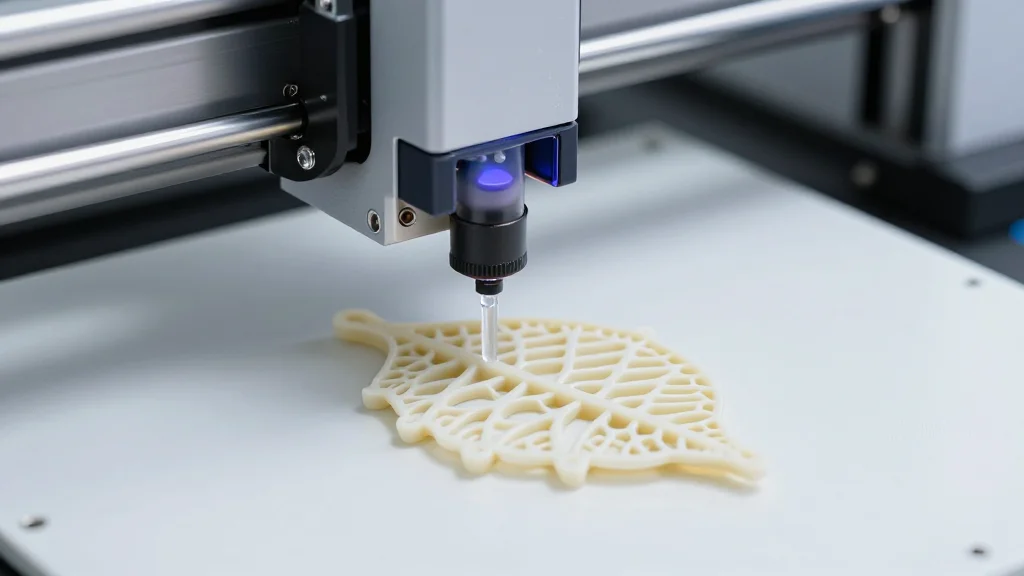
Hybrid 3D Bioprinting of Sustainable Biomaterials for Advanced Multiscale Tissue Engineering
A new review outlines recent progress in hybrid 3D bioprinting that combines inkjet, extrusion, and vat photopolymerization to fabricate multiscale tissue constructs using sustainable, renewable biomaterials. The authors highlight how integrating multiple printing modalities overcomes single‑technique limitations, enabling nano‑ to...
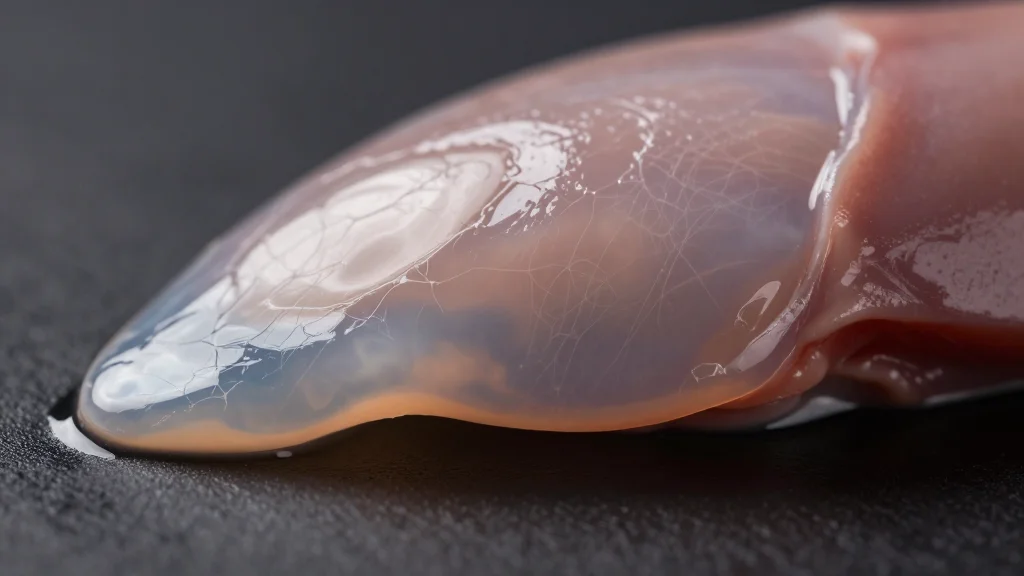
Suckerin Colloids and Hydrogels With Low Immunogenicity as Resorbable and Hemostatic Tissue Adhesives for Wound Healing
Researchers have engineered recombinant suckerin‑12 colloids and hydrogels that act as wet‑resistant tissue adhesives. The materials exhibit stronger adhesion than traditional mussel‑derived proteins and outperform fibrin glue in hemostasis, cell proliferation, and wound closure in animal models. Low cytotoxicity, minimal...