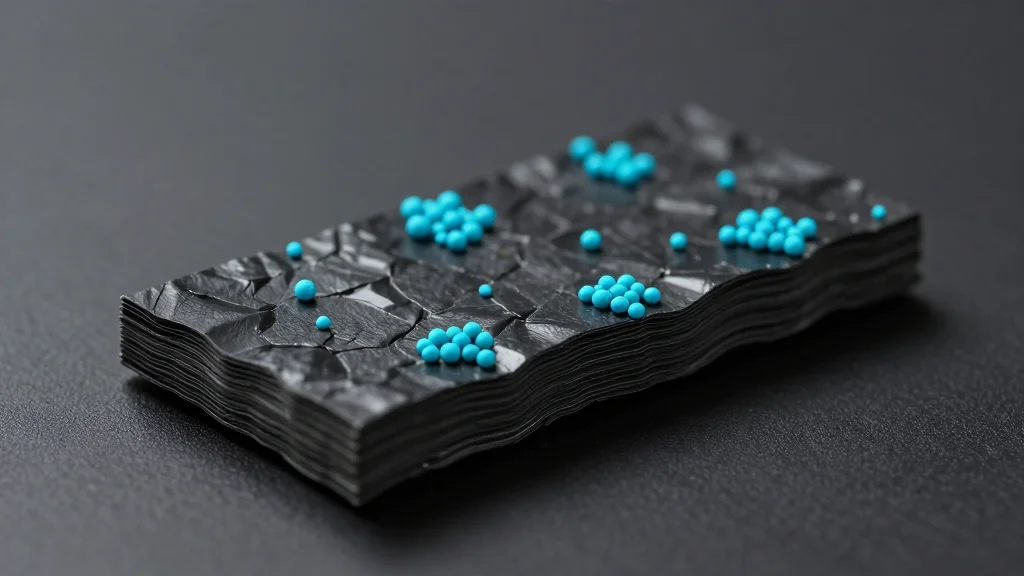
Controlled Triazine‐Based Covalent Functionalization of Black Phosphorus for Degradable Hybrid Materials
Researchers have introduced a scalable triazine‑based covalent functionalization method for black phosphorus (BP) nanosheets, achieving controlled P‑N surface chemistry with higher grafting density using a phase‑transfer catalyst. Optimized mechanochemical production and exfoliation generate high‑quality BP sheets, which are functionalized via nitrene‑mediated 2+1 cycloaddition of 2‑azido‑4,6‑dichloro‑1,3,5‑triazine. The resulting triazine groups enable subsequent nucleophilic aromatic substitution, creating a versatile platform for post‑modification. BP conjugated with sulfated polyglycerol demonstrates potent in‑vitro antiviral activity against RSV and HSV‑1 at low µg/mL concentrations.

Thermally Induced Supramolecular Polymorphism Strategy Enables Fabrication of Emissive Tunable Gold Nanoclusters Assemblies
Researchers introduced a thermally induced supramolecular polymorphism strategy that lets a single batch of thiosalicylic‑acid‑protected gold nanoclusters (AuNCs) emit multiple colors. At 298 K, Zn²⁺‑mediated co‑assembly yields kinetically trapped nanospheres that glow yellow. Raising the temperature to 358 K reorganizes the structure...
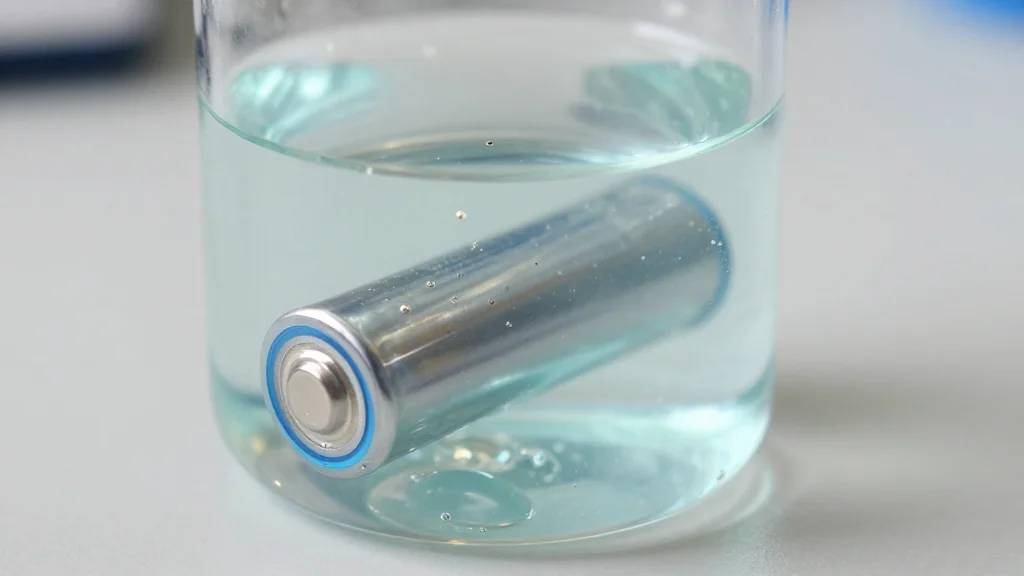
Beyond DESs: Aqueous Redox‐Active Amino Chloride Salts for Efficient Hydrometallurgical Recycling of Lithium‐Ion Batteries
Researchers introduced aqueous amino chloride solutions as a new class of lixiviants for lithium‑ion battery recycling. Hydroxylammonium chloride (HACl) in water leaches NMC111 at room temperature, achieving about 65 % metal recovery in just one minute. The rapid performance stems from...
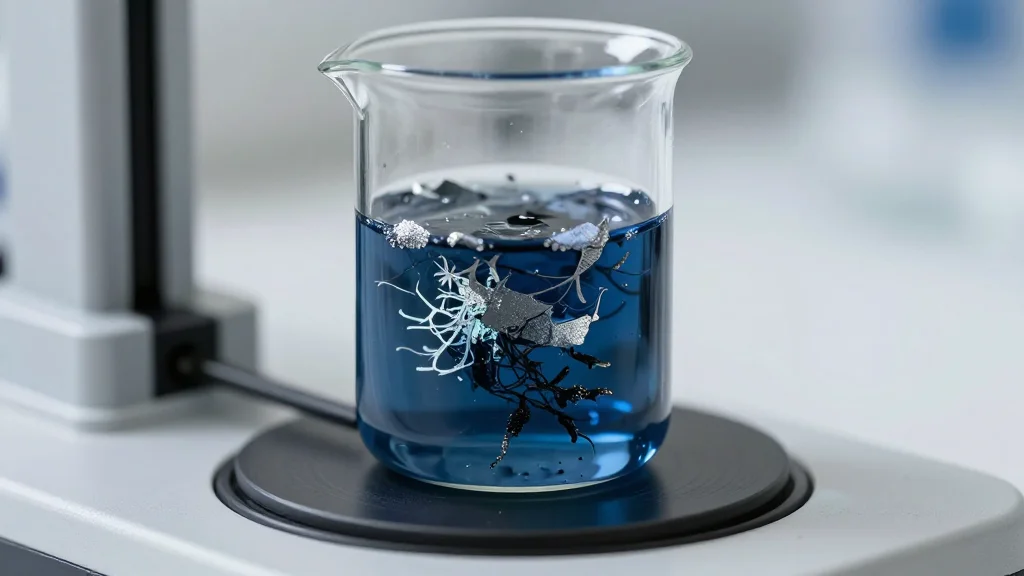
Vibrational Exfoliation of 2D Materials
Researchers have introduced a vibrational exfoliation technique that can process liquid‑phase dispersions of 2D materials at concentrations up to 1000 mg mL⁻¹ without losing yield. By accelerating the mixture to 100 g, particles fold, fracture and peel, producing few‑layer graphene and other layered...

Impacts of Fluorination at the Ortho‐Position of Carboxy Groups on Tetrakis(biphenyl)ethene‐Based Hydrogen‐Bonded Framework
Researchers engineered a hydrogen‑bonded organic framework (HOF) using a tetraphenylethene derivative called F‑CBPE, which features ortho‑positioned fluorine atoms on its carboxy groups. The fluorine induces a twisted arm conformation, leading to a non‑interpenetrated sql‑type sheet network (F‑CBPE‑1) that contrasts with...

Radiation‐Based 3D Dual‐Mode Thermal Management Devices: Advances in Active/Passive Switching for Energy‐Saving Applications
Researchers are advancing 3D dual‑mode thermal management devices that can switch between solar heating and radiative cooling via structural deformations such as axial loading, flipping, and bending. Unlike traditional 2D films, these 3D systems enable reversible, active or passive control,...

Strain‐Field‐Induced Bandgap Opening in Bilayer Graphene
Researchers have shown that periodic in‑plane strain fields generated by a graphene/organic‑2D‑crystal/graphene sandwich can open a bandgap of up to 50 meV in bilayer graphene while keeping the lattice intact. The gap stems from bond‑length modulation at domain boundaries rather than...

Nanoengineered Micellar Hydrogel with Controllable Strain‐Dependent Behavior for Brain Slice‐Like Tissue Patch Bioprinting
Researchers have created a nanoengineered chitosan micelle‑crosslinked hydrogel (CDP) that can be tuned to three distinct rheological states for extrusion‑based bioprinting. By balancing dynamic covalent crosslinks with shear‑induced micelle stacking, the CDP‑II formulation tolerates up to 200% strain while maintaining...
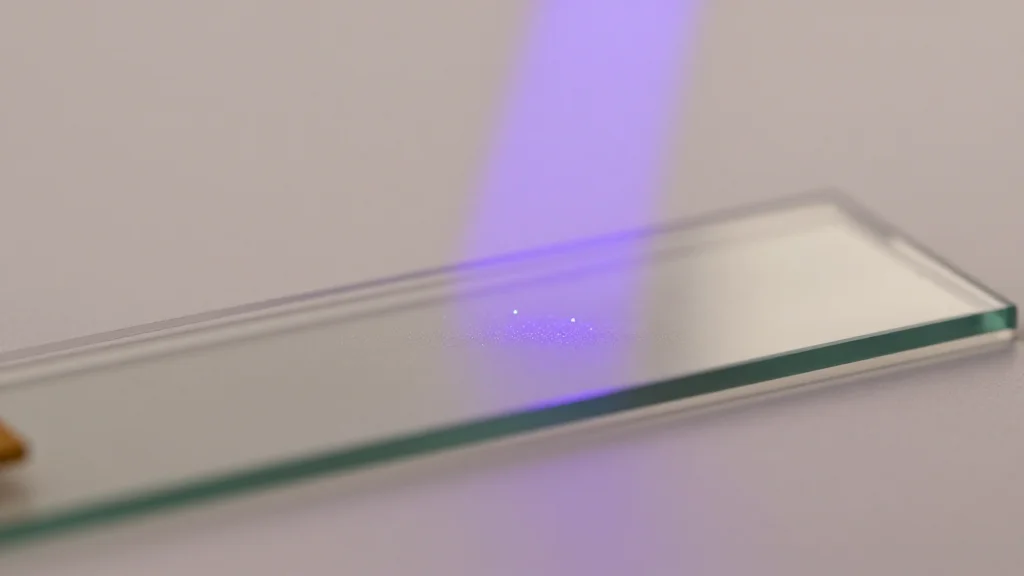
A Targeting Light‐Management Strategy Affords Ultraviolet‐Stable and Efficient Perovskite Solar Cells
Researchers introduced a novel light‑management molecule, Rhodamine B‑acylhydrazine (RhBH), into inverted perovskite solar cells. The RhBH‑Pb2+ chelate down‑converts harmful ultraviolet photons into visible light while simultaneously passivating intrinsic defects. This dual action enabled a record non‑encapsulated power conversion efficiency of...
Promoting Electroreduction of Nitrate to Ammonia in Neutral Media via the Synergistic Effect of Atomically Dispersed Fe, Cu, and Pd...
Researchers have engineered a single‑atom catalyst (Fe/Cu/Pd‑N‑C) that delivers exceptionally high ammonia Faradaic efficiencies—98% at 0.5 M, 95% at 0.1 M, and 82% at 0.01 M nitrate—in neutral‑pH electrolytes. The catalyst’s three metal sites work in tandem: Cu atoms reduce nitrate to nitrite,...

Emulsion Gel for Intestine‐Specific Enzyme‐Triggered Release of Probiotics
Researchers have created a water‑in‑oil jammed Pickering emulsion gel (JPEG) that encapsulates probiotics, protecting them from the acidic environment of the stomach and releasing them only in the intestine. The probiotics‑loaded JPEG (PL‑JPEG) exhibits shear‑thinning behavior, high stability against pH,...
Low‐Temperature Construction of a Ti–O–C‐Linked S‐Scheme Heterojunction for Efficient Visible‐Light Photocatalytic Redox Reactions
Researchers have introduced a low‑temperature, green synthesis method to build a Ti‑O‑C‑linked S‑scheme heterojunction by grafting yeast‑derived carbon dots onto uncalcined anatase TiO2 at 40 °C. The resulting Y‑CD/UC‑TiO2 composite exhibits visible‑light photocatalytic rates for Rhodamine B degradation and Cr(VI) reduction that...

Crown Ether‐Based Co‐Self‐Assembled Monolayer Enhances the Interaction with Perovskite for High‐Performance Solar Cells
Researchers introduced a crown‑ether‑functionalized self‑assembled monolayer (SAM) that co‑assembles with Me‑4PACz to form a dense mixed interfacial layer on inverted perovskite solar cells. The crown ether selectively binds undercoordinated Pb²⁺ ions, passivating defects and suppressing non‑radiative recombination. This molecular engineering...

On‐Chip Evaluation of Red Blood Cell Deformability Through Transit Velocity Index in Hematological Diseases
Researchers have introduced a microfluidic platform that measures red blood cell (RBC) deformability using a transit velocity index (V^ε=0.5) derived from capillary‑like constrictions. The index reliably tracks stiffness changes when RBCs are chemically stiffened with diamide, confirming its sensitivity. Applying...
In Situ AlNi Derived From Ni/Dual‐Phase TiO2 for Hydrogen Storage Enhancement of MgH2
Researchers introduced a dual‑phase TiO₂‑supported nickel catalyst (Ni/Dp‑TiO₂) into an Al‑alloyed magnesium hydride (Mg₉₀Al₁₀) matrix, creating an in‑situ AlNi/Dp‑TiO₂ phase that dramatically improves hydrogen storage. The modified material absorbs 4.28 wt% H₂ at 150 °C and releases 3.86 wt% at 250 °C within 2,500 seconds,...
Wafer‐Scale Deterministic Fabrication of Axis‐Ratio–Engineered Silicon Nanoparticles for On‐Resonance Electric–Magnetic Dipole Interference
Researchers introduced a wafer‑scale top‑down process that produces silicon nanoparticles with exceptional uniformity (1.7‑2.4% coefficient of variation) and deterministic axis‑ratio control. At an axis‑ratio of roughly 2.1, electric and magnetic dipole resonances overlap, delivering near‑Kerker forward scattering with a forward‑to‑backward...
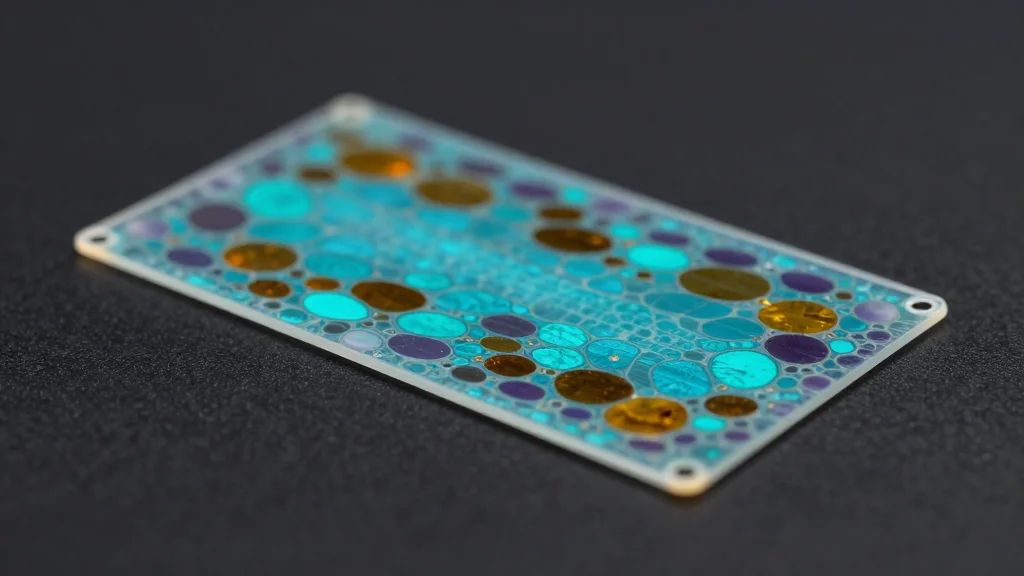
Enhanced Exciton Dissociation and Charge Transport Through Fine Morphology Tuning for Efficient Ternary Photovoltaics
Researchers applied a morphology‑guided composition strategy to a PM6:D18:BTP‑4F ternary organic photovoltaic blend, optimizing the donor‑acceptor ratio to 0.8:0.2:1.4. The resulting active layer exhibits a π‑π stacking distance of ~3.66 Å, a face‑on molecular orientation, and continuous interpenetrating networks, which accelerate...

Selective Solar CO2 Conversion Into Ethanol Using Atomic‐Scale Copper Clusters Anchored Π‐extended Poly(heptazine Imide)
Researchers have engineered atomic‑scale copper clusters anchored on a π‑extended poly(heptazine imide) framework to achieve selective solar conversion of CO₂ into ethanol. The catalyst, termed Cu/C‑K‑PHI, delivers a production rate of 18.98 µmol g⁻¹ h⁻¹ and reaches 77.01 µmol g⁻¹ after four hours, with near‑perfect...

Realizing Ultrahigh Fatigue Resistance in Carbon Nanotube Aerogel by Homogeneous‐Phase Hybrid Core‐Sheath Structure
Researchers introduced a tree‑inspired fabrication method that coats carbon nanotube (CNT) aerogels with a homogeneous‑phase organic‑inorganic sheath. The hybrid core‑sheath structure eliminates fatigue cracks, allowing the aerogel to survive over one million compression cycles at 50% strain while retaining less...

Vapor Phase Infiltration Modulating Microwave Absorption of Conductive Polymers: Frequency Tunability and Polarization Enhancement
Researchers applied vapor phase infiltration (VPI) to embed Ti‑based nanodomains within PEDOT:PSS‑coated polypropylene foams, creating hybrid structures that dramatically increase permittivity and polarization loss. By varying VPI cycles and exposure times, the team achieved fine‑tuned dielectric properties, shifting the microwave...

Lentinan‐Enhanced Mn3O4 Nanoparticles for Neuroinflammation Relief and Parkinson's Disease Treatment
Researchers have engineered a lentinan‑coated manganese oxide (Mn3O4@LNT) nanoparticle that can circulate long‑term and cross the blood‑brain barrier (BBB). Proteomic analysis revealed that the LNT coating reshapes the particle’s protein corona, enhancing BBB traversal and brain accumulation. In cellular and...

Electronic Structure Modulation via Composition‐Preserving Phase Transformations in Metal–Organic Assemblies on the Surface (Small 23/2026)
Researchers led by Emiko Kazuma reported a stepwise, composition‑preserving phase transformation of metal‑organic assemblies on a silver (Ag 111) surface. The study shows that while the molecular building blocks remain unchanged, the electronic structure can be systematically tuned through the transformation....
![Record‐Low Compressibility in [N(C2H5)3CH3]FeCl4 Expands Phase Engineering Horizons in Hybrid Molecular Ferroelectrics (Small 23/2026)](https://hixhlmpcokxhartfkpyi.supabase.co/storage/v1/object/public/images/thumbnails/b68b977ca85b75d5d128cd649054a615.webp)
Record‐Low Compressibility in [N(C2H5)3CH3]FeCl4 Expands Phase Engineering Horizons in Hybrid Molecular Ferroelectrics (Small 23/2026)
Researchers have identified the hybrid organic‑inorganic ferroelectric [N(C2H5)3CH3]FeCl4 as the most compressible molecular ferroelectric ever recorded. In situ diamond‑anvil cell measurements reveal that the material’s compressibility is governed by the halide component of its inorganic sublattice. The lead‑free compound demonstrates...

Reductive Transformation of ALD TeO2 Into Continuous and Impurity‐Free Tellurium Films
Researchers have unveiled a reductive transformation that converts atomic‑layer‑deposited TeO₂ into continuous, impurity‑free tellurium films. The self‑limiting process uses in‑situ generated TeH₂ from Te(SiMe₃)₂ and NH₃, eliminating oxygen from both bulk and interface while preserving conformality even at sub‑5 nm thicknesses....

Scalable Flow Reactors for Stable Biofilm Formation and Continuous Whole‐Cell Catalysis
Researchers have unveiled a modular, scalable microfluidic reactor that uses flow‑induced deposition to form robust E. coli biofilms directly from suspended cells. By coupling pillar‑based designs with computational fluid dynamics, the team mapped microscale flow features that drive cell attachment,...

Laser‐Assisted In Situ Fabrication of rGO/Bi2O3 Nanocomposites for Heavy Metal Sensing
Researchers have demonstrated a single‑step CO₂ laser process that simultaneously reduces graphene oxide and forms Bi₂O₃ nanoplatelets, creating flexible rGO/Bi₂O₃ nanocomposite electrodes. The laser‑engineered electrodes exhibit excellent stripping voltammetric performance for trace Pb(II), Cd(II) and Cu(II), achieving detection limits as...

Spatially Controlled Capture and Site‐Resolved Analysis of Single Extracellular Vesicles
Researchers have introduced an array‑based platform that captures single extracellular vesicles (EVs) in optically resolvable nanowells and couples it with mask‑gated fluorescence analysis. A PDMS translation step clears excess particles, delivering >99 % capture at predefined locations and low‑background, site‑specific signals....
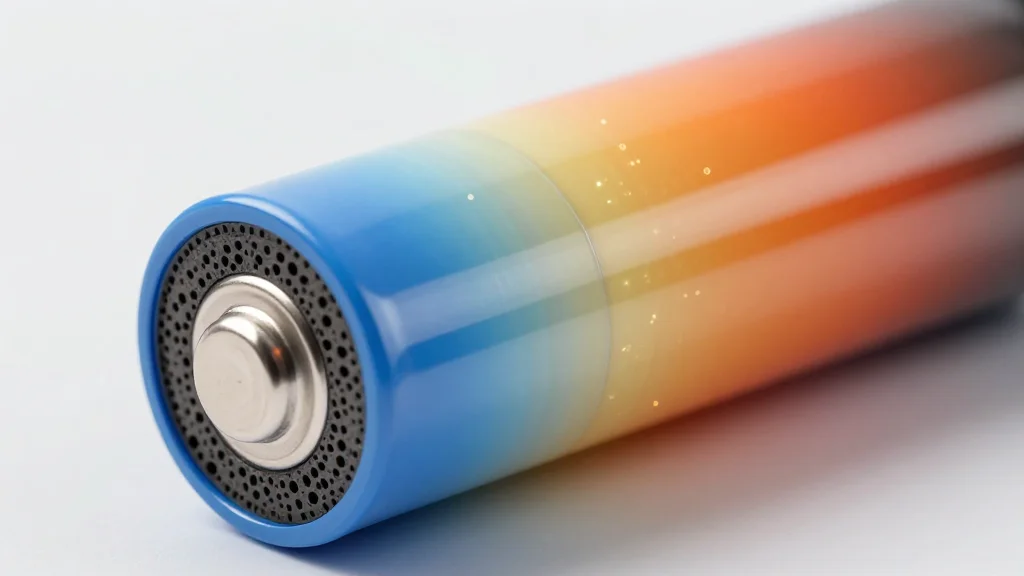
Decoupling Kinetic and Shuttle Limitations in Li─S Batteries Enabled by Temperature Responsive Functional Interlayer
Researchers have introduced a temperature‑responsive Ti3C2Tx MXene interlayer for lithium‑sulfur batteries that adapts its function across −10 °C to 55 °C. At low temperatures it catalyzes Li2S nucleation, boosting redox kinetics, while at high temperatures it strongly binds polysulfides to suppress shuttle....

Interfacial Nano‐Pitting and In Situ Sulfate‐Directed Growth of Na2.85V2(PO4)2.85(SO4)0.15 Nanodots on MWCNT for Ultrafast Sodium‐Ion Storage
Researchers introduced an ultracentrifugation‑assisted phosphate‑sulfate pretreatment that nano‑pits multi‑walled carbon nanotubes, creating confined sites for in‑situ growth of Na2.85V2(PO4)2.85(SO4)0.15 nanodots. The resulting nanodot‑carbon interface delivers strong electronic coupling and short sodium‑ion pathways, enabling capacitor‑like storage at ultrafast rates up to...

High Loading and Morphology Transformation in Boron Dispersed Copper Electrocatalyst Enables Efficient Nitrate to Ammonia Conversion
Researchers have engineered a boron‑nanosheet dispersed copper nanorod (BS‑CuNR) electrocatalyst that maintains activity at an unprecedented loading of 35 mg cm⁻². The hybrid architecture creates abundant active sites and superior ion‑electron transport, delivering a current density of –450 mA cm⁻² and 91.9% Faradaic efficiency...

Scalable Aluminum‐Doped Zinc Oxide Transparent Electrodes via Spatial ALD for High‐Efficiency Perovskite Modules
Researchers used spatial atomic layer deposition (ALD) to create aluminum‑doped zinc oxide (AZO) transparent electrodes with atomic‑level dopant control. By tuning the Al:Zn cycle ratio to 2.4‑4.2% Al, the films achieved a sheet resistance of 3.3 Ω/sq, 90% optical transmittance and...

Fluidic‐Enabled Formation of EGaIn Capsules and Droplets With Tunable Surface Chemistry and Electromechanics
Researchers have developed a microfluidic platform that produces eutectic gallium‑indium (EGaIn) droplets and capsules with programmable size, shape, and surface chemistry. By adjusting the acidity of the ethanol suspending fluid, the process yields either oxide‑stabilized capsules or non‑oxidized liquid droplets,...

B, N, and O Co‐Doped Nanoporous Activated Carbon With High Surface Area and Hierarchical Porous Structure for Enhanced Li‐Ion Battery...
Researchers introduced a solid‑state co‑activation method that blends boric acid, sucrose and aminoguanidine with potassium citrate to produce boron‑, nitrogen‑ and oxygen‑doped nanoporous activated carbon. The resulting material exhibits a high surface area and hierarchical pore network, enabling a symmetric...

Upcycled Manganese Slag Enables Self‐Regenerating Pyrrole‐N Catalysis for Precision, Singlet Oxygen‐Driven Antibiotic Detoxification by Peroxydisulfate Activation
Researchers have upcycled hazardous electrolytic manganese slag residue (EMSR) into a pyrrolic‑N‑rich carbon catalyst (L‑EMSR) that activates peroxydisulfate to generate singlet oxygen for selective antibiotic degradation. Low‑temperature anaerobic pyrolysis at 200 °C produces a metal‑free activator that removes 10 mg L⁻¹ tetracycline in...

Revealing the Intrinsic Electronic Structure of 2D MoS2 Buried Beneath Thick Dielectric Overlayer via Hard X‐ray Photoelectron Spectroscopy
Researchers applied hard X‑ray photoelectron spectroscopy (HAXPES) to molybdenum disulfide (MoS2) capped with a 20‑nm AlOx dielectric, mimicking real‑device heterostructures. Using a Cr‑Kα source, HAXPES achieved more than twice the information depth of conventional Al‑Kα XPS, allowing access to deeper...

A Hybrid Solid‐State Battery with a Panoramic‐Scale Stack of Bulk Electrodes and a Thin‐Film Electrolyte
Researchers have created a hybrid all‑solid‑state battery that combines a thin‑film electrolyte with a bulk anode and a thick cathode sheet. The sputtered Li6.4La3Zr1.4Ta0.6O12 film, 2.5 µm thick, achieves room‑temperature conductivity of 1.91 × 10⁻² mS cm⁻¹. The densified anode, pressed to 9 % porosity, pairs...

Highly Efficient Hydrogen Peroxide Production Over S‐Scheme G‐C3N4/COF Heterojunction Through Dual‐Channel Photocatalysis
Researchers have developed a plasma‑assisted S‑scheme heterojunction of graphitic carbon nitride (g‑C3N4) and a triazine‑based covalent organic framework (COF) that photocatalytically generates hydrogen peroxide under visible light. The dual‑channel design simultaneously drives oxygen reduction and water oxidation, delivering a production...

Capture, Confine, Characterize: High‐Throughput Dielectrophoresis‐Based Single‐Cell Microfluidics Platform to Analyze Mammalian and Yeast Cells Using Raman Spectroscopy
Researchers unveiled the Microfluidic Dielectrophoretic Arresting System (MiDAS), a compact microelectrofluidic platform that uses dielectrophoresis to trap single mammalian cells, yeast, beads, and water‑in‑oil droplets at high throughput. The device features interchangeable trap geometries—20 µm for cells and beads, 40 µm for...

Maternal Bisphenol S Exposure Impairs Testicular Development and Sperm Function in Male Offspring by Disrupting the Immune‐Endocrine Network
A new mouse study shows that maternal exposure to bisphenol S (BPS) at environmentally relevant doses (3‑300 µg/kg) disrupts testicular development and sperm function in male offspring. Integrated transcriptomic and molecular analyses reveal activation of immune and inflammatory pathways alongside suppression of...
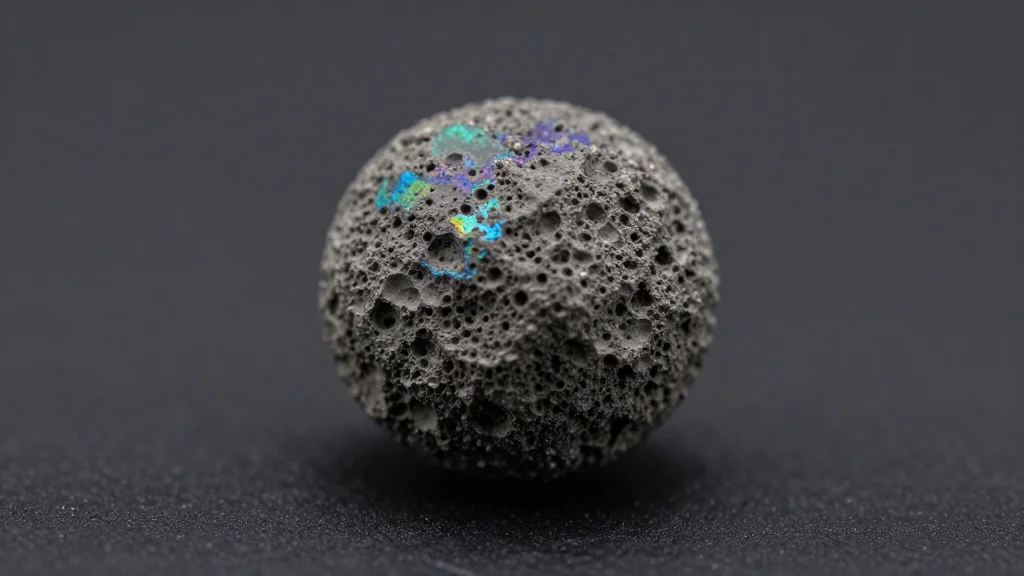
Elucidating and Quantifying Parasitic Reactions on Manganese Oxide Electrodes for Acidic Oxygen Evolution Reaction Using In Situ Spectroscopic Techniques
Researchers have introduced an in‑situ UV‑vis spectroscopy technique that distinguishes Mn2+, Mn3+, Mn4+ and MnO4− ions during acidic oxygen evolution reaction (OER). Combined with electron microscopy and spectroscopy, the study maps the valence changes and structural degradation of manganese oxide...
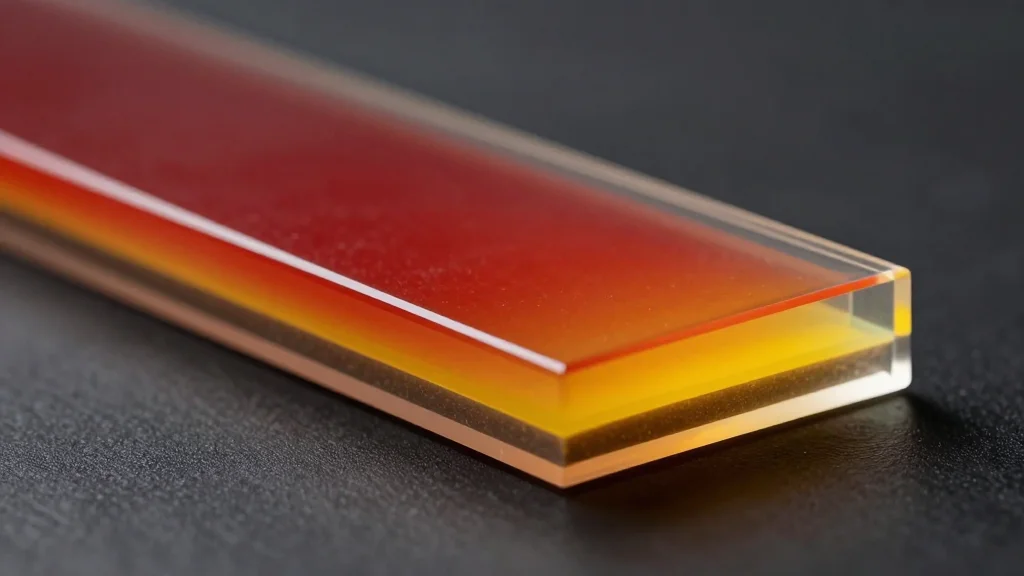
Revisiting the Photoelectric Conversion Mechanism in Hydrothermally Deposited Sb2(S,Se)3 Solar Cells
Researchers have uncovered a new photoelectric conversion mechanism in hydrothermally deposited Sb2(S,Se)3 solar cells. Annealing drives selenium into the CdS buffer, forming a gradient‑bandgap Cd(S,Se) layer that, together with Sb2(S,Se)3, creates a V‑shaped mixed absorber. This structure separates electron‑hole pairs...
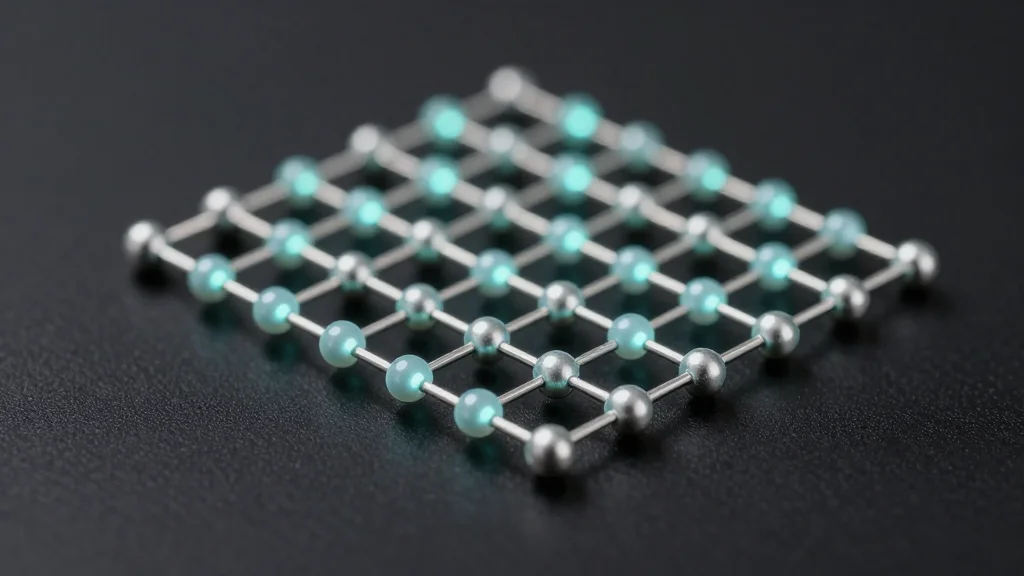
Surface Modulation, Optics, and Electrochemical Hydrogen Evolution Studies on CdS‐Ag2S Superlattice Heterostructures
Researchers synthesized CdS‑Ag2S superlattice heterostructures using two ligand‑mediated routes, producing random ODA‑capped quantum‑dot assemblies and ordered DDT‑capped nanorod arrays. Electron microscopy and X‑ray spectroscopy confirmed distinct domain ordering, which altered charge carrier recombination lifetimes. The ordered DDT‑capped superlattices displayed faster...

Thermoresponsive Complex Coacervates as Advanced Carriers for Cell‐Laden Liquid‐Core Capsules for Biomedical Applications
Researchers have engineered a thermoresponsive complex coacervate that can be injected and solidify at body temperature, serving as a carrier for liquid‑core capsules loaded with human adipose‑derived stem cells. The material shows shear‑thinning flow, a rapid sol‑gel transition at 37 °C,...

Electrochemiluminescent COFs and HOFs as Porous Material Engineering Systems for Bioanalysis and Environmental Monitoring
The review outlines how covalent organic frameworks (COFs) and hydrogen‑bonded organic frameworks (HOFs) are reshaping electrochemiluminescence (ECL) biosensing. COFs contribute robust, high‑surface‑area, π‑conjugated networks that accelerate charge transfer, enabling ultra‑sensitive detection of biomolecules, toxins and pesticides. HOFs, built from reversible...

Bioadhesive Scaffold for Dual Delivery of Methotrexate‐Loaded Liposomes and Chondrogenic miRNA in Advanced Rheumatoid Arthritis Therapy
Researchers have engineered a bioadhesive scaffold that couples inflammation‑responsive methotrexate‑loaded liposomes with miRNA‑140‑bearing nanoparticles to treat advanced rheumatoid arthritis. The scaffold, composed of collagen, polydopamine‑modified hyaluronic acid and PEGDE cross‑linker, adheres to joint tissue, releases methotrexate when matrix metalloproteinases are...

Tumor Microenvironment‐Responsive Dual‐Enzymatic Flasklike Nanobots for Enhanced Chemotherapy
Researchers have engineered a flask‑shaped nanobot (GC‑M@FPNbot) that harnesses glucose oxidase and catalase to self‑propel in response to tumor‑specific proton and hydrogen peroxide gradients. Loaded with doxorubicin, the bots exhibit chemotactic motion that enables deep penetration of extracellular matrix and...

High‐Performance Electrocatalytic Carbon Dioxide Reduction to Formic Acid on Cypress‐Like Enzyme‐Antimony‐Bismuth Biohybrid
Researchers have created a cypress‑like biohybrid catalyst that couples carbonic anhydrase enzyme with antimony‑decorated bismuth to electrochemically reduce CO2 into formic acid. The enzyme acts as a CO2 shuttle, concentrating the gas at the electrode surface, while antimony tunes the...
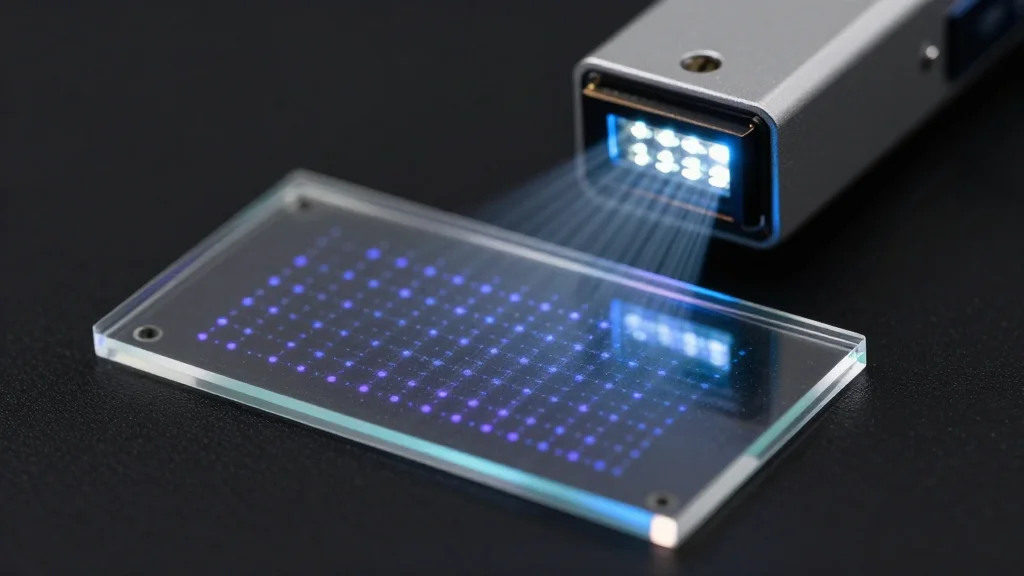
Light‐Guided Molecular Patterning for High‐Throughput Single‐Molecule Mechanical Characterization (Small 21/2026)
Researchers led by Wesley P. Wong have introduced a light‑guided molecular patterning technique that arranges UV‑responsive oligonucleotides on solid substrates using a digital micromirror device (DMD). The method projects programmable UV illumination without photomasks, delivering precise spatial control. This approach...

Multimodal Analysis of the Early Stage of Amyloid Formation via Graphene Liquid Cell Electron Microscopy
Researchers have combined graphene liquid‑cell transmission electron microscopy (GLC‑TEM) with semi‑ensemble and time‑sequential analyses to watch amyloid‑β oligomer formation in real time. The multimodal approach reveals that early‑stage aggregates exist in a kinetic quasi‑equilibrium, where rapid association‑dissociation events keep population...

Synergistic Polysulfide Regulation by Nanodiamond and Sulfur Iodide on Cathode for Achieving Long‐Cycling Na–S Batteries
Researchers have created a sulfur‑iodine‑carbon‑nanotube/nanodiamond (SIC/ND) composite cathode for sodium‑sulfur batteries. The design uniformly coats sulfur iodide on a conductive CNT framework while embedding nanodiamonds for mechanical support and catalytic activity. The cathode delivers a specific capacity of 1,096.7 mAh g⁻¹ after...