
Macrophage‐Inspired Nanomedicines: Harnessing Innate Biology for Precision Therapy
The review outlines macrophage‑inspired nanomedicines that exploit three delivery platforms—whole macrophage carriers, macrophage‑membrane‑coated nanoparticles, and macrophage‑derived exosomes. By leveraging the cells’ natural homing, barrier‑penetrating and immunomodulatory traits, these systems aim to improve targeting of cancers, atherosclerosis and other inflammatory diseases. The article surveys engineering tactics such as genetic modification, biomimetic coating and payload optimization that enhance therapeutic performance. It concludes that despite strong preclinical data, the field’s biggest obstacle is scaling production and meeting rigorous safety standards for clinical use.

Modulating C─F Bonds of Fluorinated Graphite via Compounding Graphene Oxide for High‐Energy/Power Lithium Batteries
Researchers have introduced a graphene‑oxide‑assisted liquid‑phase exfoliation technique to modify fluorinated graphite, producing a GO‑FG composite for lithium primary batteries. The method weakens C‑F bonds and opens the layered structure, promoting uniform LiF formation during discharge. The optimized material achieves...

The Catalytic Activity and Micro‐Mechanisms of Reducible Metal Oxide Nanozymes in Relation to Their Antibacterial Efficacy
A recent review examines reducible metal‑oxide nanozymes (rNZs) as enzyme‑mimicking catalysts for antibacterial applications. It highlights how crystal facet orientation, oxygen‑vacancy density, and exposure to ionizing radiation jointly tune catalytic performance. The authors argue that these atomistic features enable rNZs...
Furin‐Mediated Intracellular Aggregation of Radioactive Molecules for Enhanced Radionuclide Imaging and Tumor Therapy
Researchers have engineered a furin‑responsive radioactive probe, RVRR‑TPE, that self‑assembles into nanoparticles inside furin‑positive cancer cells. The molecule couples a furin‑cleavable Arg‑Val‑Arg‑Arg peptide, an aggregation‑induced emission fluorophore (tetraphenylethene), and a phenol group for iodine‑125/131 labeling. In mouse models, the 125I/131I‑labeled...
Recent Advances in Topological Materials for Photodetection
Recent research shows topological insulators, semimetals and superconductors enable photodetectors with broadband response from visible to terahertz, high carrier mobility, ultrafast speeds, and potential room‑temperature operation. The review catalogs photoresponse mechanisms, device architectures, and performance metrics such as responsivity exceeding...
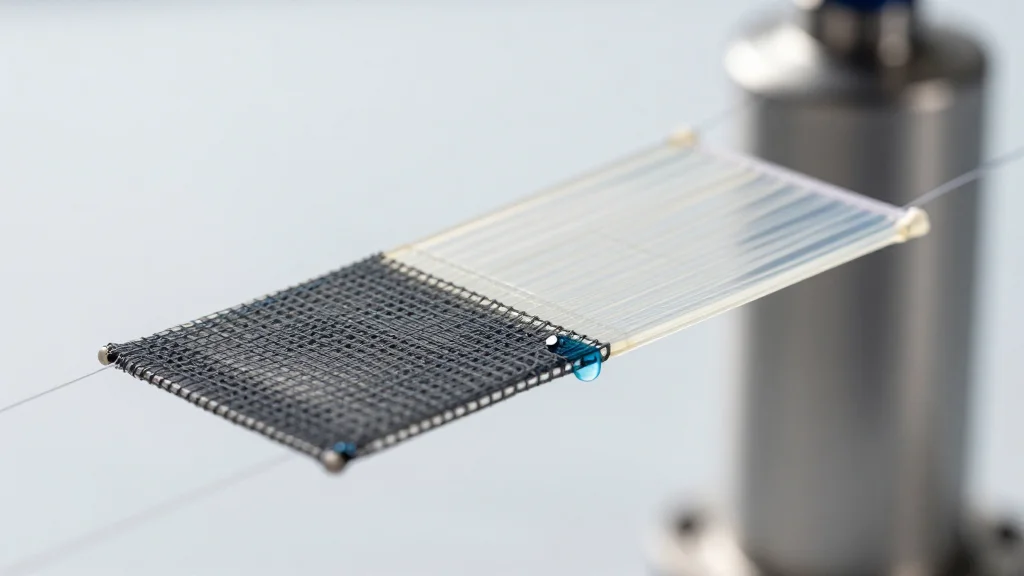
Large Language Model‐Guided Design of Anti‐Swelling Hybrid Dual Network Membranes for Long‐Duration Alkaline Zinc Iron Flow Batteries
Researchers used a large language model (LLM) to screen crosslinkers and engineer a hybrid dual‑network (H‑DN) membrane that integrates a chemically crosslinked polysulfone network within a sulfonated poly(ether ether ketone) (SPEEK) matrix. The resulting membrane reduces swelling by 68%, achieves...
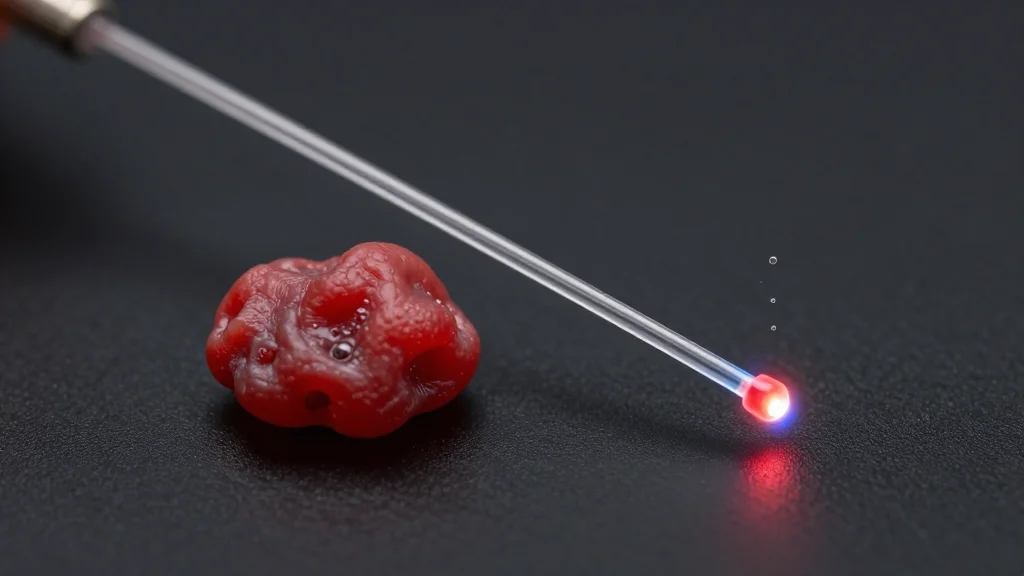
Hierarchically Multifunctional Fiber‐optic Theranostic Probe for Cancer Photothermal‐photodynamic Synergism
Researchers have created a hierarchically multifunctional fiber‑optic probe that simultaneously measures dissolved oxygen and delivers combined photothermal‑photodynamic therapy. The three‑layer architecture isolates an Ru(dpp) oxygen sensor, an ICG photosensitizer, and a CaO2@LA oxygen‑generating layer, eliminating optical crosstalk and counteracting tumor...
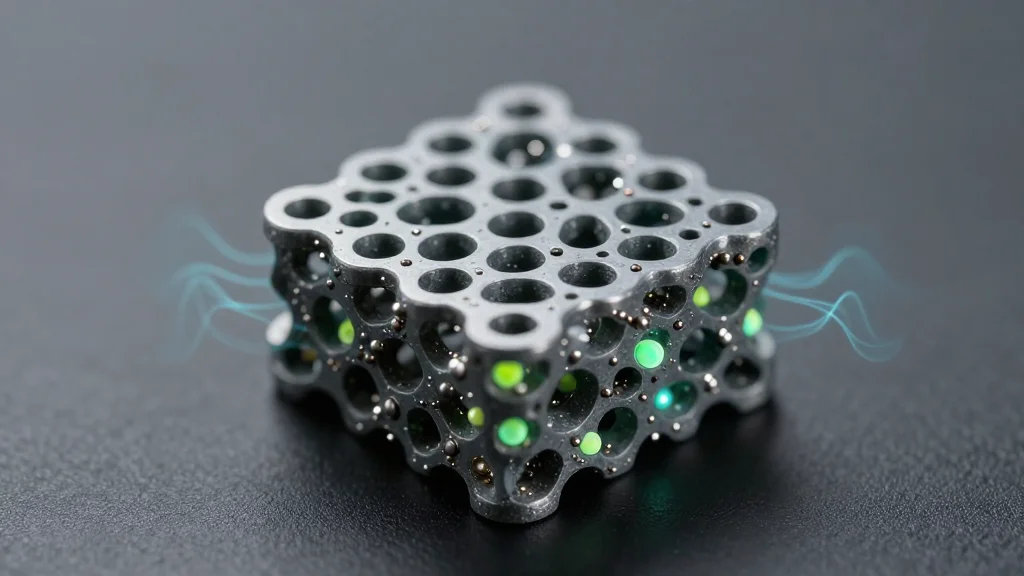
MOF‐on‐MOF‐Derived CeO2/Fe@C Composites for Tunable Low‐Frequency Electromagnetic Wave Absorption
The study introduces a MOF‑on‑MOF derived CeO2/Fe@C composite (CFC) that shifts electromagnetic wave absorption into the low‑frequency 2‑8 GHz band. By growing a UiO‑66@MIL‑88B precursor and applying temperature‑programmed pyrolysis, the researchers produced CFC‑2, which delivers a minimum reflection loss of –62.2 dB...
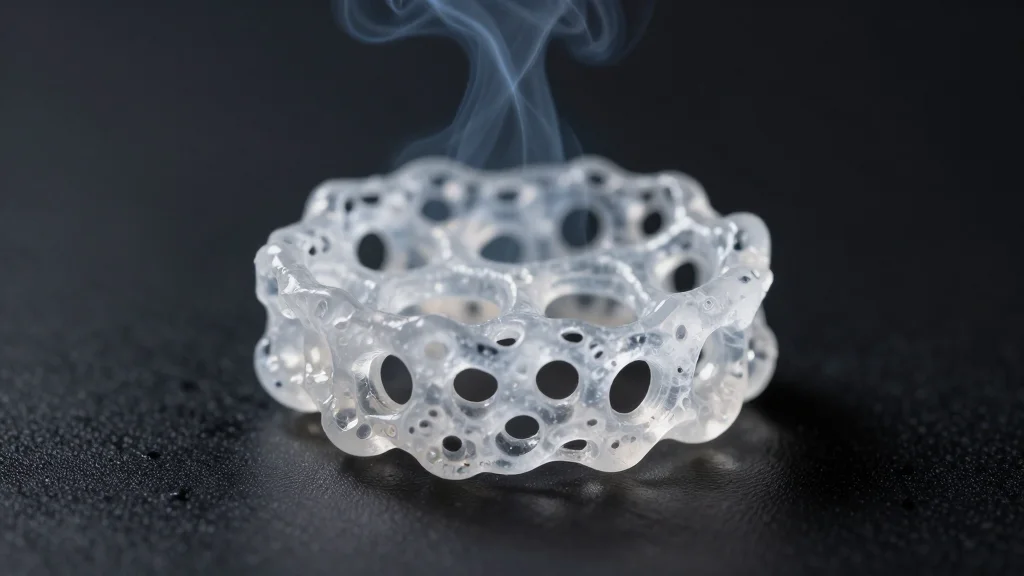
Adaptive Structural Reconfiguration in Ether‐Incorporated Covalent Organic Frameworks Enables Efficient Iodine Capture
Researchers designed two ether‑embedded covalent organic frameworks (F‑TEA and F‑BEA) and compared them with a rigid, ether‑free counterpart (R‑TPA) to assess iodine adsorption. The flexible COFs showed superior vapor capture, with F‑TEA outperforming F‑BEA, which in turn exceeded R‑TPA. However,...

Fluorinated Amphiphilic Dendrimer to Improve PET Imaging of Cancer
Researchers engineered a fluorinated amphiphilic dendrimer nanocarrier radiolabeled with gallium‑68 to serve as a PET imaging agent. Fluorination lowered liver retention, accelerated renal clearance, and refined biodistribution, producing markedly higher tumor uptake in mouse models of glioblastoma and pancreatic adenocarcinoma....
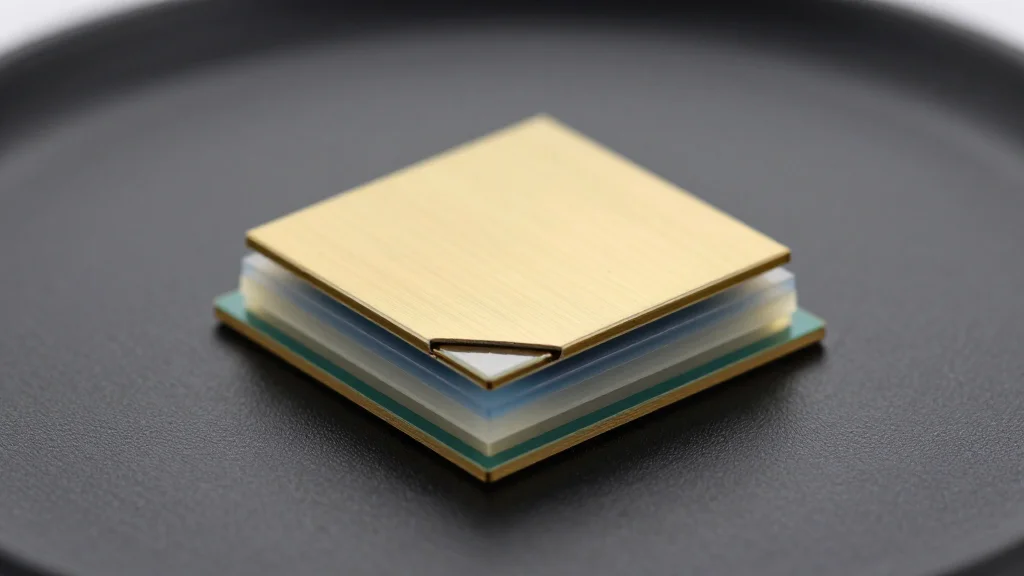
Interface‐Selective Charge Transport Enables Self‐Powered Vertical WSe2/Perovskite Photodetector Arrays
Researchers have demonstrated a vertical Au/WSe2/MAPbBrI2/ZnO/ITO heterojunction that operates as a self‑powered photodetector array at zero bias. By inserting a ZnO electron‑transport layer, the device suppresses dark current, enhances carrier separation, and stabilizes operation. The resulting array shows uniform pixel‑to‑pixel...

Molecular Design Opening Multiple Charge Transfer Pathways in Oxygen‐Bridged Boron Emitters for High‐Efficiency Pure Violet Organic Light‐Emitting Diodes
Researchers have engineered two oxygen‑bridged boron thermally activated delayed fluorescence (TADF) emitters—BOID‑Cz‑Si and BOBF‑Cz‑Si—by integrating indole and benzofuran donor units. The compounds deliver pure violet light near 400 nm with a narrow 25 nm full width at half‑maximum and photoluminescence quantum yields...

Topological Quantum Materials in Sustainable Energy Conversion: Catalysis and Thermoelectrics
The review surveys recent advances in topological quantum materials (TQMs) for sustainable energy conversion, emphasizing their symmetry‑protected surface states that boost carrier mobility. It highlights how Weyl and chiral semimetals excel in hydrogen and spin‑selective oxygen evolution catalysis. The paper...
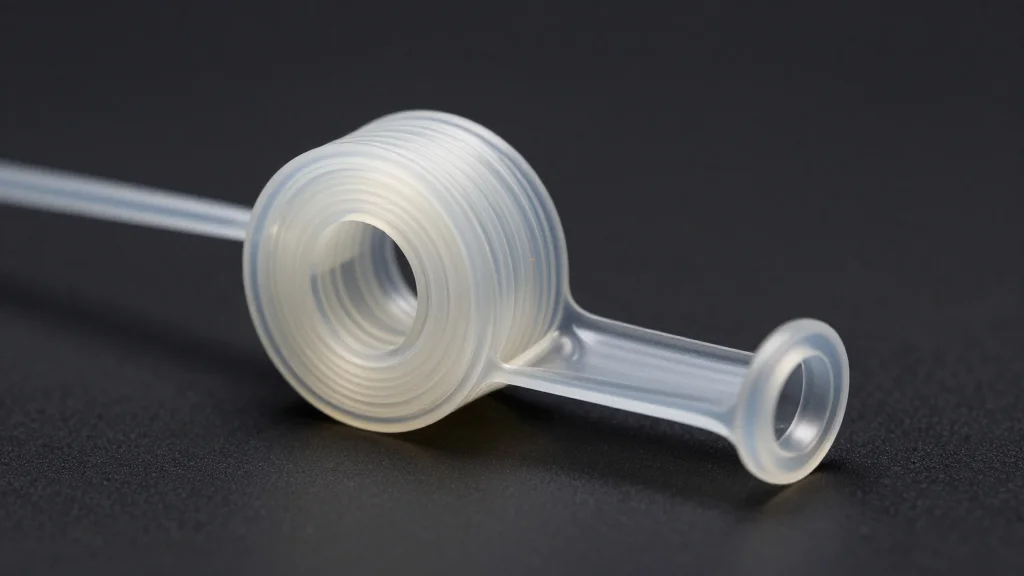
A Review of Fiber‐Shape Rolled Dielectric Elastomer Actuators: A Pivotal Pathway in Advancing Bionic Actuation
The paper reviews fiber‑shaped rolled dielectric elastomer actuators (RDEAs), highlighting their bionic motion that closely imitates natural muscle movement. It details common physical configurations, core actuation mechanisms, and the influence of geometric parameters on strain, force, and energy density. Practical...

Enhancing the Chemical Reactivity of Graphene Through Substrate Engineering
A recent review outlines how substrate engineering—through strain and charge doping—can markedly boost graphene’s chemical reactivity. Strain introduced by nanoparticles, oriented metal crystals, or stretchable polymers creates lattice distortions that facilitate covalent functionalization. Charge doping via metal orbital hybridization or...
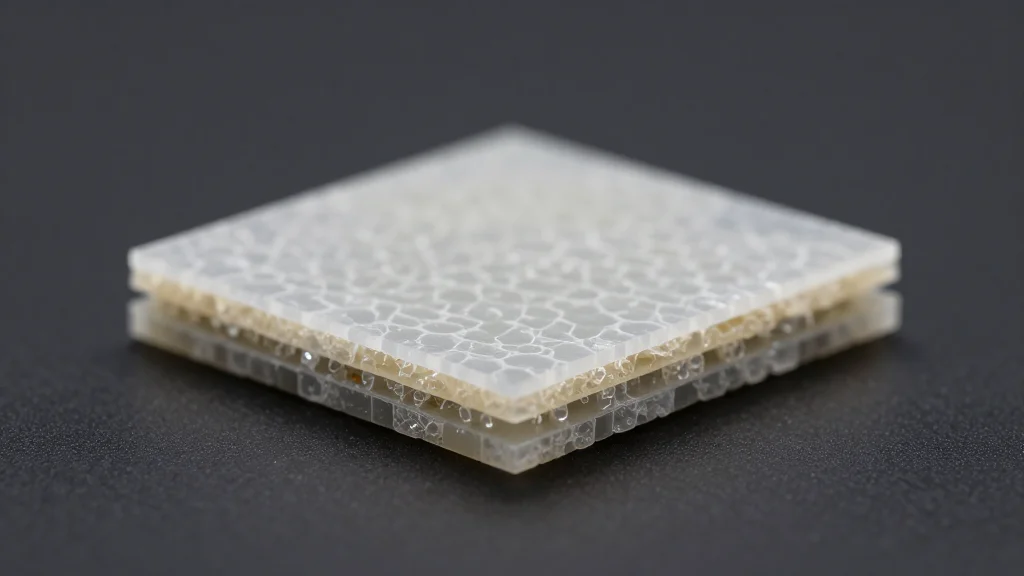
Electronic Devices Based on Heterostructures of 2D Materials and Self‐Assembled Monolayers
A new review details the rapid progress of electronic devices built from heterostructures of two‑dimensional materials (2DMs) and molecular self‑assembled monolayers (SAMs). It categorizes three architectures—vertical tunneling, horizontal conducting, and hybrid superlattice devices—and explains their structures, operating mechanisms, and performance‑regulating...
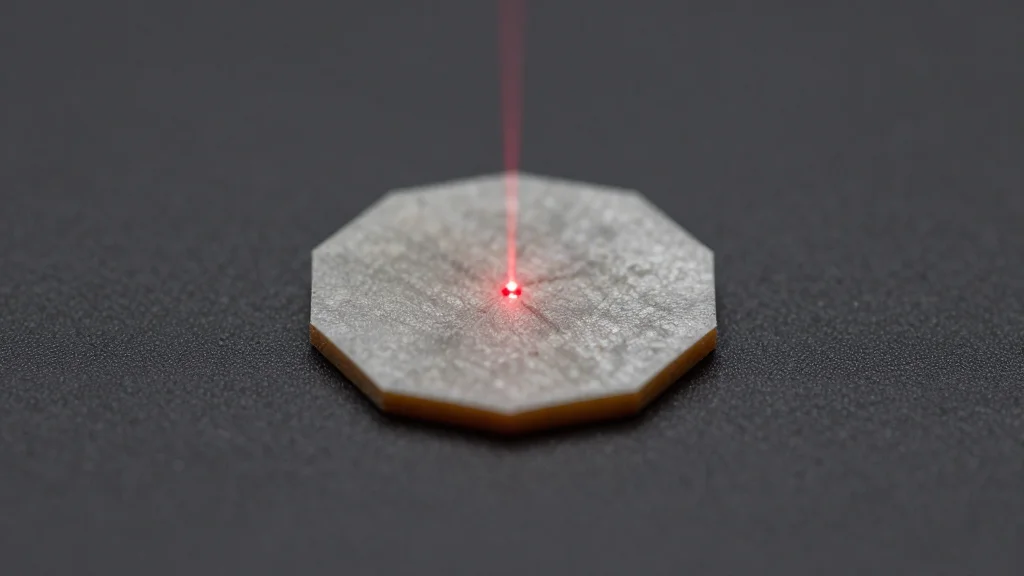
Revealing Intrinsic Functionalization, Structure, and Photo‐Thermal Oxidation in Hexagonal Antimonene (Small 25/2026)
Researchers used colloidal synthesis to produce thiol‑functionalized β‑antimonene hexagons and probed them with a laser. Raman thermometry revealed that heating and surface oxidation depend on flake thickness, while the attached thiols preserve the crystalline core. This controlled oxidation creates well‑defined...
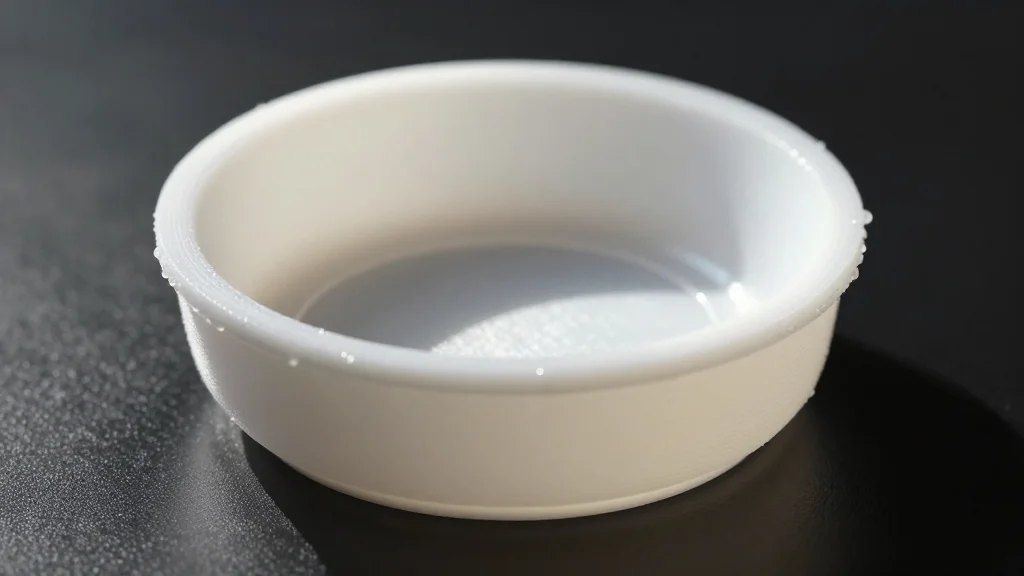
Rational Design of a High Performance Three‐Dimensional Printed Concave Photoreactor for Sunlight‐Drivable Micropollutant Removal From Water
Researchers have 3D‑printed a concave photoreactor that boosts light capture through multiple internal reflections. When paired with a single‑atom Cr‑doped Bi3O4Br/PVDF photocatalytic membrane, the system degrades antibiotics ranging from 100 ng/L to 10 mg/L. In laboratory trials it achieved 99.9% tetracycline removal...

Sodiophilic and Electron‐Insulating Interphase for Stable Solid‐State Sodium Metal Batteries
Researchers have engineered a dual‑component Na3Sb/NaF interphase that forms in situ on NASICON‑type solid electrolytes, delivering both electron insulation and strong sodiophilicity. The interphase blocks electron leakage, improves Na‑metal wetting, and accelerates Na⁺ transport, cutting interfacial resistance to 4.7 Ω·cm². Symmetric...
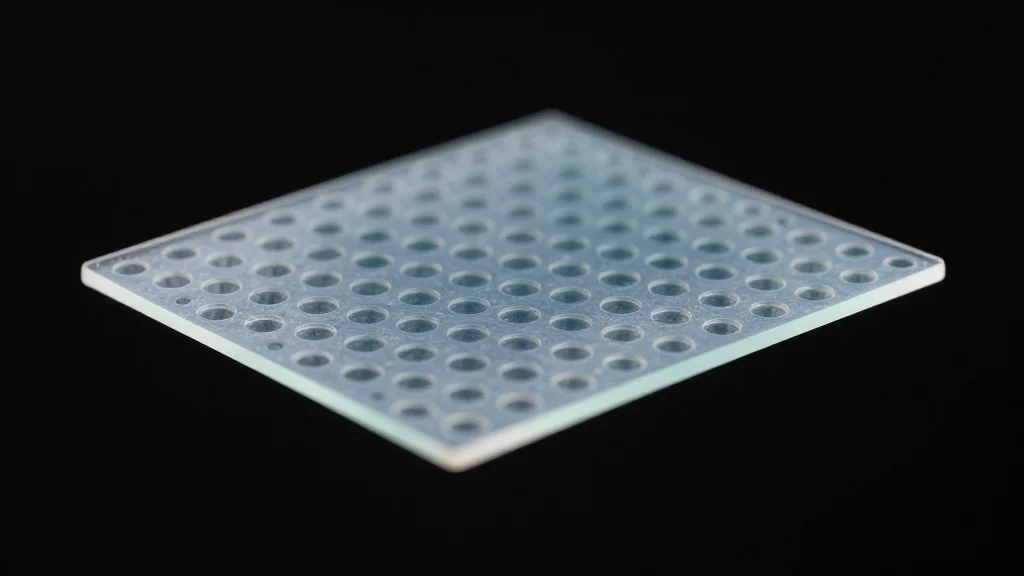
Light‐Responsive Block Copolymer Nanosheets With Well‐Ordered and Switchable Channels
Researchers have developed light‑responsive polystyrene‑b‑poly(4‑vinylpyridine) (PS‑b‑P4VP) nanosheets that switch from a solid, non‑porous state to a hexagonally ordered porous structure when exposed to visible light. The transition is driven by proton release from a spiropyran photoacid (SPPA) and reverses in...

Solvent‐Free Preparation of Pharmaceutically Active Diindolylmethane Derivatives by Stable Triple‐Interpenetrated Heterometallic‐Organic Frameworks With Sc‐Pd/Pt Synergistic Sites
Researchers reported a one‑pot synthesis of triple‑interpenetrated heterometallic‑organic frameworks (HMOFs) containing Sc‑Pd or Sc‑Pt synergistic sites. The resulting ScPd‑INA, ScPt‑INA and ScPt‑MCA catalysts achieved up to 99% conversion in solvent‑free Friedel‑Crafts alkylation of diindolylmethane (DIM) precursors. Single‑crystal X‑ray diffraction confirmed...
Manipulating Buried Interface via Aromatic Amino Acid Derivatives for Wide‐Bandgap Perovskite Solar Cells and Tandem Devices
Researchers introduced an aromatic amino‑acid derivative, N‑benzoyl‑(2R,3S)‑3‑phenylisoserine (NBP), between the Me‑4PACz hole‑transport layer and wide‑bandgap perovskite. The molecule forms electrostatic and π‑π interactions that passivate Pb²⁺ and iodine vacancies, suppress phase segregation, and improve energy‑level alignment. Devices incorporating NBP achieved...
An Intimate Heterojunction Architecture: Linear Conjugated Polymer Confinement Within Covalent Organic Framework Pores for Enhanced Photocatalytic Hydrogen Peroxide Production
Researchers have engineered a covalent organic framework (COF) that encapsulates linear conjugated polymers (LCP) within its pore channels, forming an internal heterojunction. This COF@LCP hybrid dramatically boosts photocatalytic hydrogen peroxide production, delivering a 209% increase over pure COF and a...
Confinement at Defect Sites Dissociates Ionic‐Liquid Pairs for Brain‐Like Organic Computing
Researchers have integrated a benzoic‑acid‑modified MIL‑125‑NH2 metal‑organic framework (BA‑MOF) with the ionic liquid EMIMTFSI into organic electrochemical transistors (OECTs). The intentional defect sites in the porous MOF bind the ionic liquid, suppressing ion diffusion and promoting ion‑pair dissociation, which raises...
Electric Field–Driven Nanoreactor Strategy for Rapid Fabrication of CRO Photocathodes Toward Efficient Photoelectrochemical Hydrogen Evolution
Researchers have introduced an electric‑field‑driven nanoreactor strategy that rapidly assembles ultrathin conjugated reticular oligomer (CRO) films on conductive substrates. The method uses cetylpyridinium bromide (CPB) as both surfactant and charge carrier, eliminating the need for acid catalysts and enabling deposition...

Metal and Covalent Organic Frameworks for Photocatalytic Conversion of N2‐to‐NH3: Mechanisms, Materials, and Perspectives
The review surveys recent progress in metal‑organic frameworks (MOFs) and covalent organic frameworks (COFs) as photocatalysts for converting nitrogen to ammonia using sunlight. It details how high surface area, tunable porosity and engineered active sites improve N₂ adsorption, charge separation,...
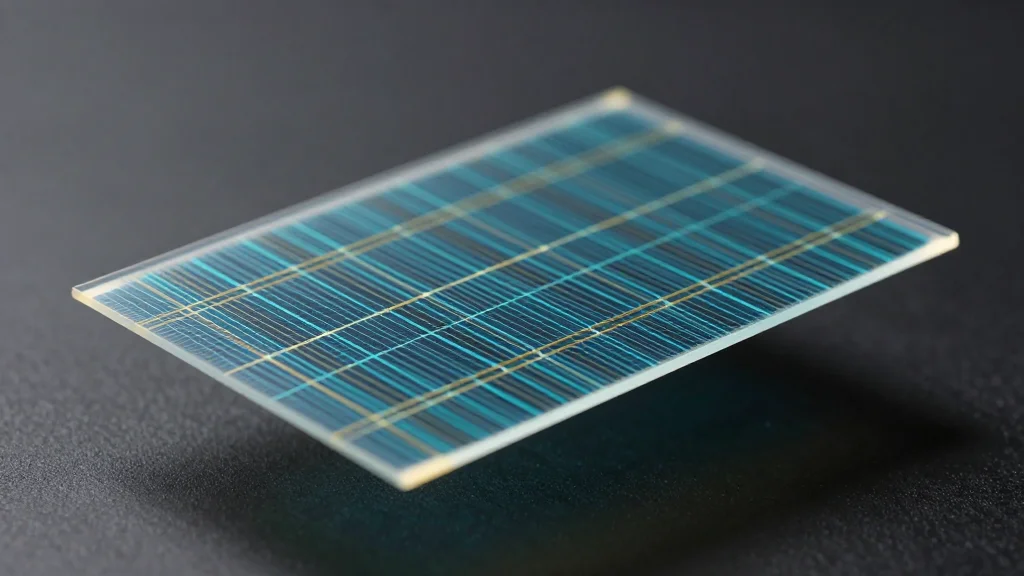
Crystallization Kinetics Directed by Additive Symmetry for Morphology Control in High‐Efficiency Organic Solar Cells
Researchers discovered that the symmetry of solid‑state additives can steer crystallization kinetics in PM6:Y6 organic solar cells. Four dibromonaphthalene isomers were tested, and the symmetric 2,6‑DBN enabled balanced ordering during annealing, improving π–π stacking and reducing energetic disorder. This kinetic...

Zn‐Na Alloy Interphase Engineering for Fast Kinetics and High Performance in Sodium‐Ion Batteries
Researchers have introduced a dual‑additive electrolyte that creates a NaZn13‑rich alloy interphase on hard‑carbon anodes, dramatically lowering sodium‑ion migration barriers. Zn(OTf)2 decomposes to form this conductive SEI layer, while NaSO2CF3 serves as a sacrificial sodium source that compensates irreversible capacity...
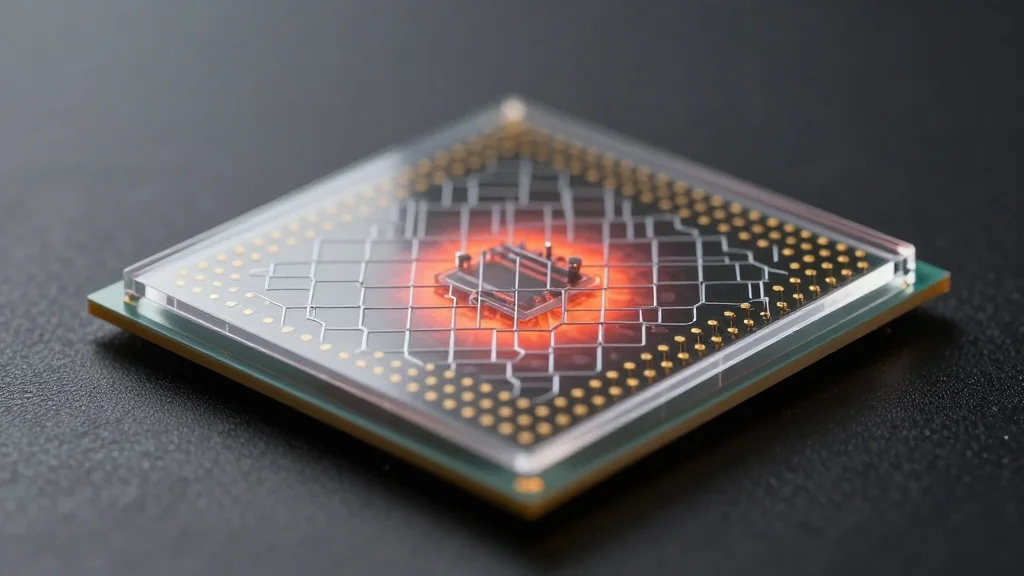
In Vitro Reconstruction of Axonal Heat Sensing with a Photothermal Nerve‐on‐a‐Chip
Researchers unveiled a photothermal nerve‑on‑a‑chip that couples graphene‑based microheaters with microelectrode arrays to deliver millisecond‑scale, localized heat to sensory axons while recording extracellular action potentials. The system captured rapid, reproducible heat‑evoked firing in rat dorsal root ganglion neurons and revealed...
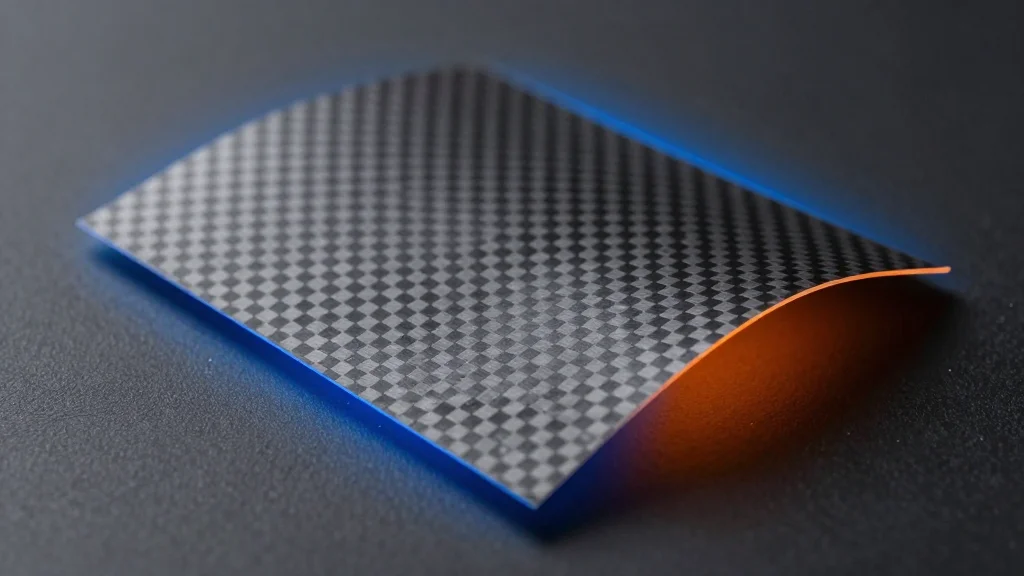
Bionic Engineering Strategy for Preparing Flexible Carbon Paper From Waste Polypropylene: Excellent Electromagnetic Shielding Performance and Multifunctional Integration
Researchers have developed a flexible carbon paper (PP‑CP) from recycled polypropylene using a bionic “brick‑mortar” design. The heterogeneous swelling process creates an interpenetrating network that delivers a conductivity of 7,735 S m⁻¹. The material achieves an average electromagnetic interference shielding effectiveness of...
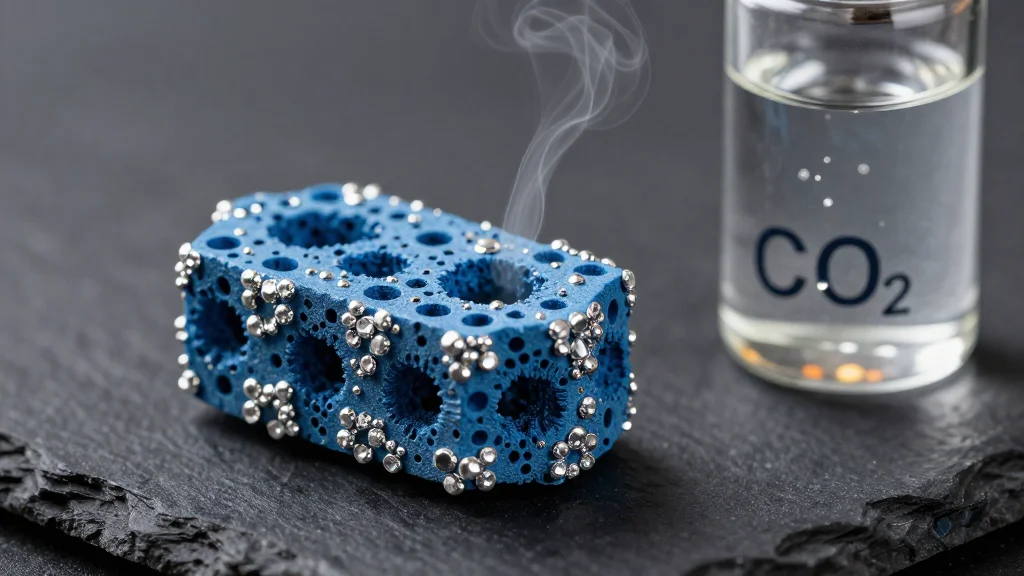
Coordination‐Modulated MOF‐Derived Electrocatalysts for Enhanced C─C Coupling in CO2 to C2H4 and C2H5OH Conversion
The review outlines mechanistic pathways for electrochemical CO₂ reduction to ethylene and ethanol using MOF‑derived electrocatalysts. It integrates studies of *CO intermediates, in‑situ spectroscopy of dynamic active sites, and DFT calculations of energy barriers. Future directions include machine‑learning‑guided MOF screening,...

Inkjet‐Printed Physical Unclonable Functions For Secure Authentication
Researchers have introduced a low‑cost, inkjet‑printed physical unclonable function (PUF) that can be mass‑produced on paper and similar substrates. The technique exploits the inherent randomness of ink droplet placement to generate unique optical patterns, which are captured by a simple...

The Built‐in Electric Field in Bimetallic System Promotes the Efficient Thermal Decomposition of Ammonium Perchlorate
Researchers have engineered a three‑dimensionally ordered macroporous (3DOM) CeO₂/Co₃O₄ catalyst that dramatically accelerates the thermal decomposition of ammonium perchlorate (AP). The optimal 3DCe/0.9Co composition lowers AP’s high‑temperature decomposition point by roughly 30 % and cuts the activation energy. Electron transfer from...
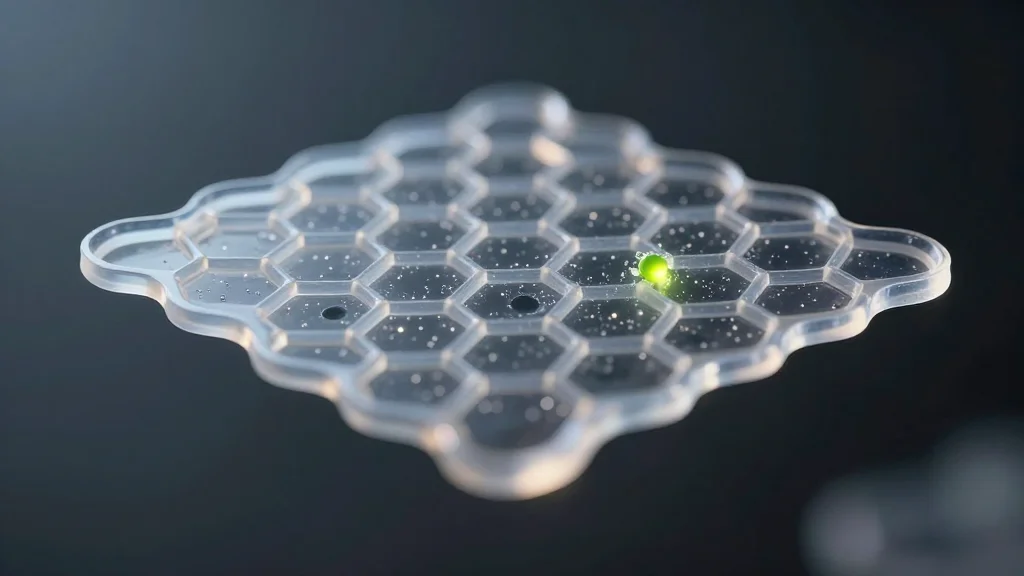
Sulfur‐Vacancy‐Derived Lewis Acid Sites in 3R‐Phase ZnIn2S4 Nanosheets for Efficient Uranium Extraction From Wastewater
Researchers engineered two‑dimensional 3R‑phase ZnIn2S4 nanosheets with abundant sulfur vacancies, creating Lewis‑acid sites that bind uranyl ions and accelerate charge separation. The resulting photocatalyst achieves an unprecedented uranium uptake of 1320 mg per gram of material in high‑concentration wastewater, far surpassing...
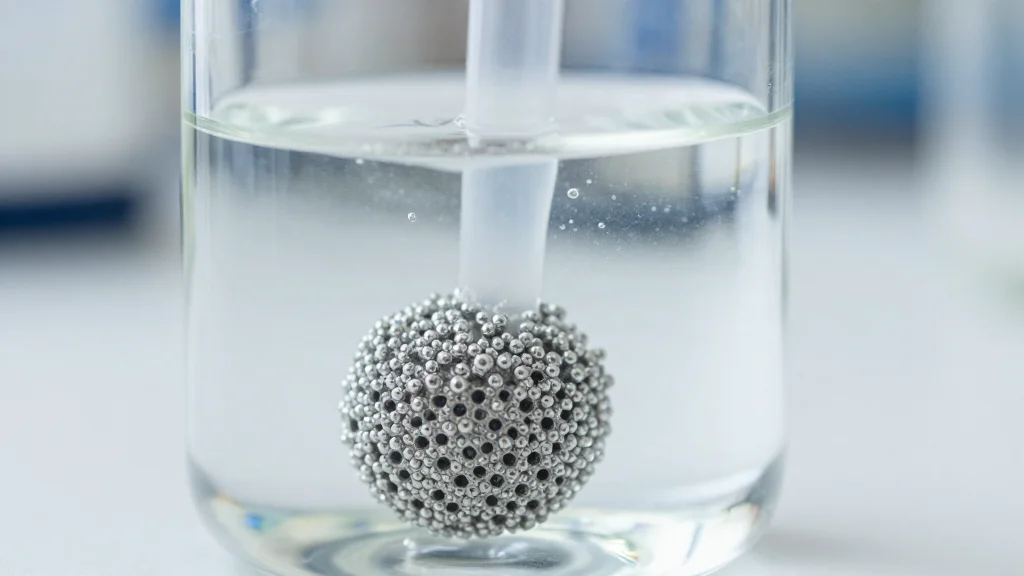
Doping‐Engineered Fe‐Co Tandem Sites Balance Hydrogen and Nitrite Intermediates for Efficient Nitrate to Ammonia Conversion at Low Potential
Researchers have developed an iron‑cobalt tandem electrocatalyst (FeCo/C‑0.5) that converts nitrate to ammonia with 98% selectivity and 89.7% Faradaic efficiency at just –0.33 V vs. RHE. The catalyst balances active hydrogen and nitrite intermediates, suppressing the competing hydrogen evolution reaction while...

Tumor/Lymph Node Dual‐Targeting Ultrasonic Nanoconverter Orchestrates Spatiotemporal ROS Regulation for Dual‐Zone Programmed Sono‐STING Immunotherapy
Researchers have engineered a dual‑targeting ultrasonic nanoconverter (OPD@PSF) that co‑delivers the sonosensitizer protoporphyrin IX and the STING agonist Vadimezan to breast tumors and their draining lymph nodes. High‑power ultrasound at the tumor site generates abundant reactive oxygen species, inducing immunogenic...
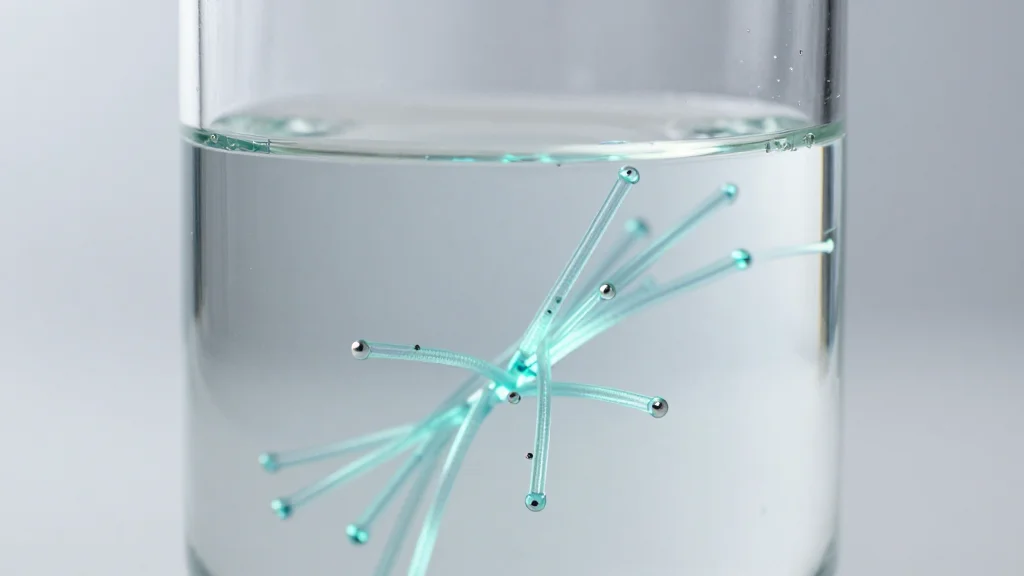
Identifying the Synergistic Role of Graphitic Nitrogen and Cobalt Nanoparticle in Electron Transfer Pathway Toward Fenton‐Like Catalysis
Researchers synthesized a carbon‑nanotube catalyst (CoN/C‑8) that integrates graphitic nitrogen and beads‑on‑string cobalt nanoparticles to activate peroxymonosulfate (PMS) for water decontamination. Electrochemical tests, COMSOL simulations, and density functional theory reveal that graphitic nitrogen forms an electron‑transfer highway, shifting the primary...
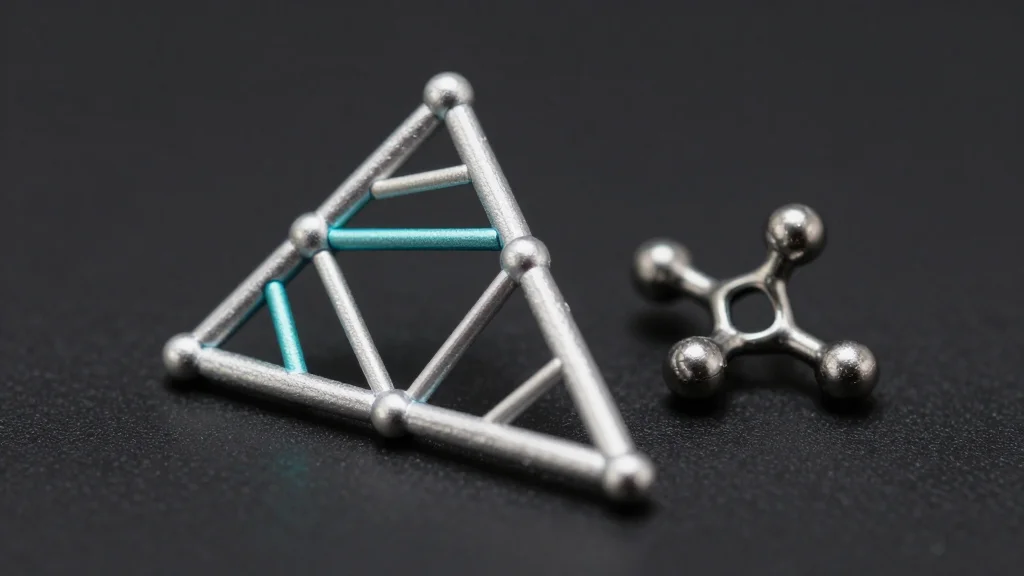
Global Quantitative Analysis of Ligation Reactions in Self‐Assembled DNA Nanostructures at the Single‐Nick Level
Researchers have mapped ligation efficiency at 64 individual nick sites on DNA origami using quantitative PCR, revealing that ligase activity is higher at trapezoid edges than interior positions. Docking simulations closely match experimental yields, indicating that variations in enzyme docking...
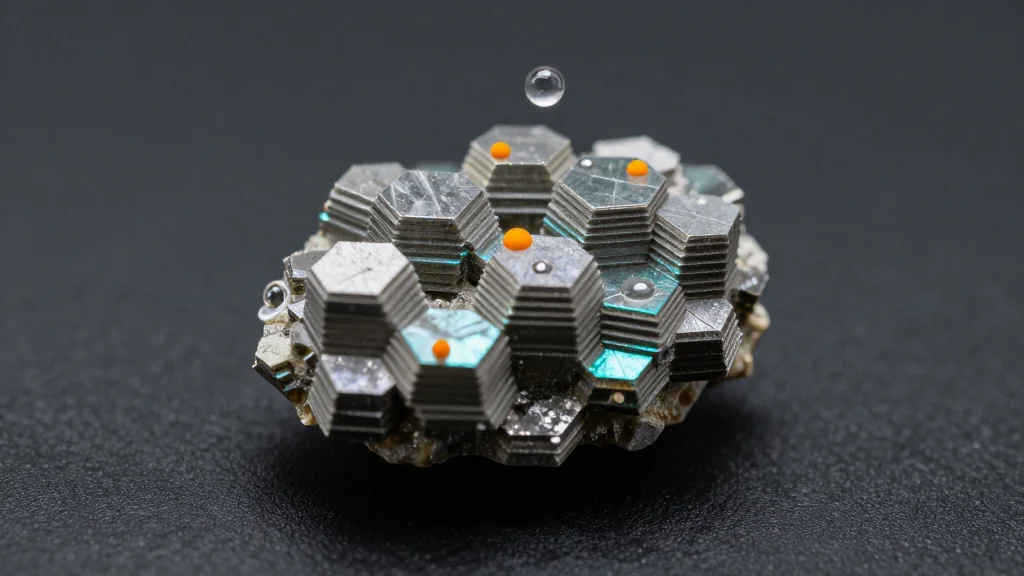
Local Electronic Environment Regulation of Crystalline/Amorphous NiSe/NiFe(OH)x Heterostructure Enhancing Catalytic Activity of Alkaline Oxygen Evolution Reaction
Researchers have engineered a crystalline NiSe/amorphous NiFe(OH)x heterostructure that dramatically improves alkaline oxygen evolution reaction (OER) performance. The catalyst achieves an ultralow overpotential of 233 mV at a current density of 100 mA cm⁻², and retains 93.7% of its activity after 250 hours at...
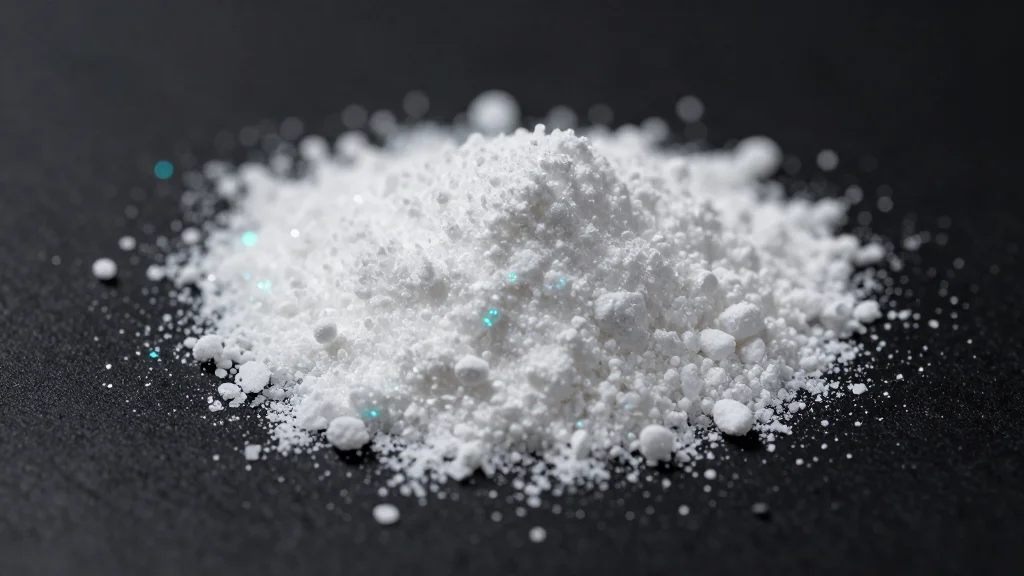
Interfacial Topology Engineering of Self‐Derived TiO2 Shells for Nucleation‐Controlled Fast Kinetics in MgH2
Researchers have developed a solvent‑free mechanochemical method that forms a high‑coverage TiO₂ nanolayer directly on magnesium hydride particles. The TiO₂ shell creates favorable band alignment, polarizing electrons and weakening Mg‑H bonds, which lowers the dehydrogenation activation barrier to 81 kJ mol⁻¹. This...
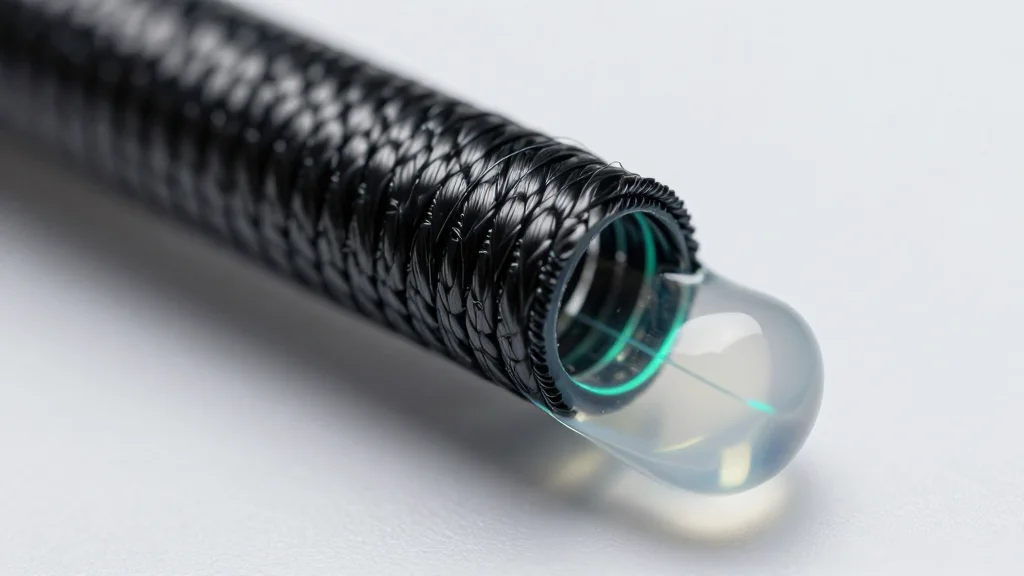
All‐Solid‐State Electrochemical Artificial Muscles Enabled by Magnetically Aligned Ionic Liquid Crystal Elastomers
Researchers have created an all‑solid‑state electrochemical artificial muscle by embedding carbon‑nanotube (CNT) coiled fibers in a magnetically aligned ionic liquid crystal elastomer (LCE). Magnetic field orientation produces ion‑transport channels that boost ionic conductivity to 47.5 mS m⁻¹, a three‑fold increase over polydomain...
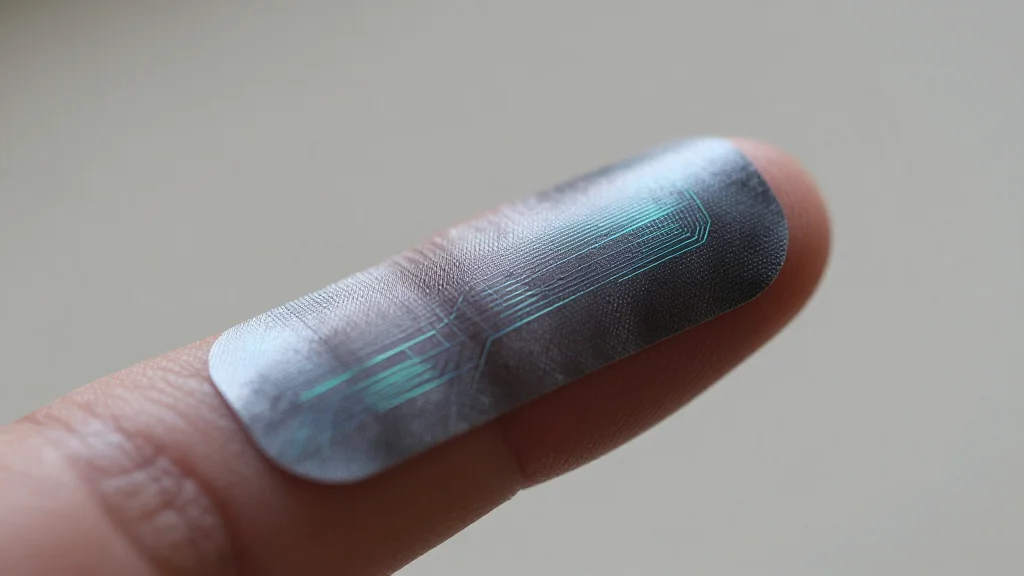
Laser‐Induced Graphene for Pressure and Strain Sensors: Fabrication, Performance Optimization, and Applications
Laser‑induced graphene (LIG) has become a cornerstone for flexible pressure and strain sensors since its 2014 debut, thanks to its superior electrical conductivity and mechanical resilience. The reviewed paper dissects sensing mechanisms, outlines fabrication routes—including precursor selection and laser‑parameter tuning—and...
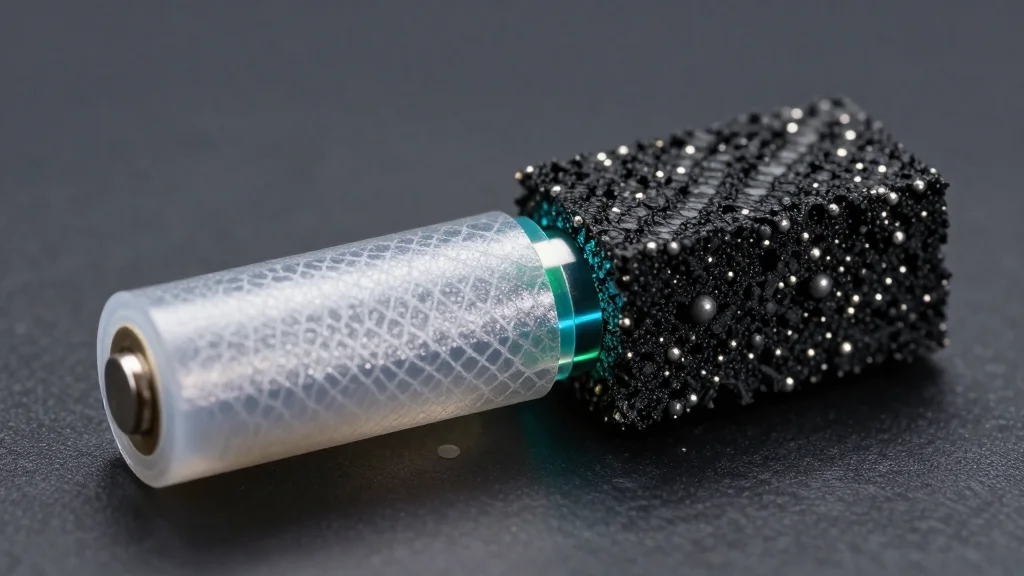
Advanced Separator Engineering with MOF and Carbon Nanofiber Cathode for Suppressed Polysulfide Shuttling in Li–S Batteries
Researchers introduced a dual‑functional system for lithium‑sulfur batteries that pairs an indium‑doped CuCo metal‑organic framework (In‑doped CuCoMOF) coated separator with a heteroatom‑doped Co‑nanoparticle porous carbon nanofiber (Co@PCNF) cathode. The MOF layer chemically adsorbs lithium polysulfides and accelerates their conversion, while...
Achieving Excellent Electrochemical Stability of Li‐rich Mn‐Based Cathode by One‐Step Decanoic Acid Treatment Under Ambient Atmosphere
Researchers introduced a one‑step decanoic acid (DA) treatment performed in ambient air to modify the surface of Li‑rich Mn‑based cathodes (LLMO). The DA coating creates a thin, stable cathode‑electrolyte interphase and introduces surface oxygen vacancies that suppress side reactions and...

Atomic Step–Terrace Ordering Enables Unprecedentedly Low Pop‐in Stress Scatter in GaN (0001)
Researchers used catalyst‑referred etching (CARE) to create GaN (0001) surfaces with atomically flat step‑terrace topography. Nanoindentation on these surfaces produced pop‑in events at the theoretical strength of 16.15 GPa with an unprecedented stress scatter of only 2.3%. By contrast, conventional as‑received...

Engineering of Multiple Heterointerfaces in N, S‐Codoped Hollow Cu/Cu2S/C Nanoboxes for Superior Electromagnetic Attenuation
Researchers have engineered N,S‑codoped hollow Cu/Cu2S/C nanoboxes (H‑Cu/Cu2S@NSC) using Cu2O templates, creating a structure that combines interior cavities, multiple heterointerfaces, and heteroatom‑doped carbon shells. The synergistic effect of the hollow architecture and Cu/Cu2S, Cu/C, and Cu2S/C interfaces dramatically improves electromagnetic...
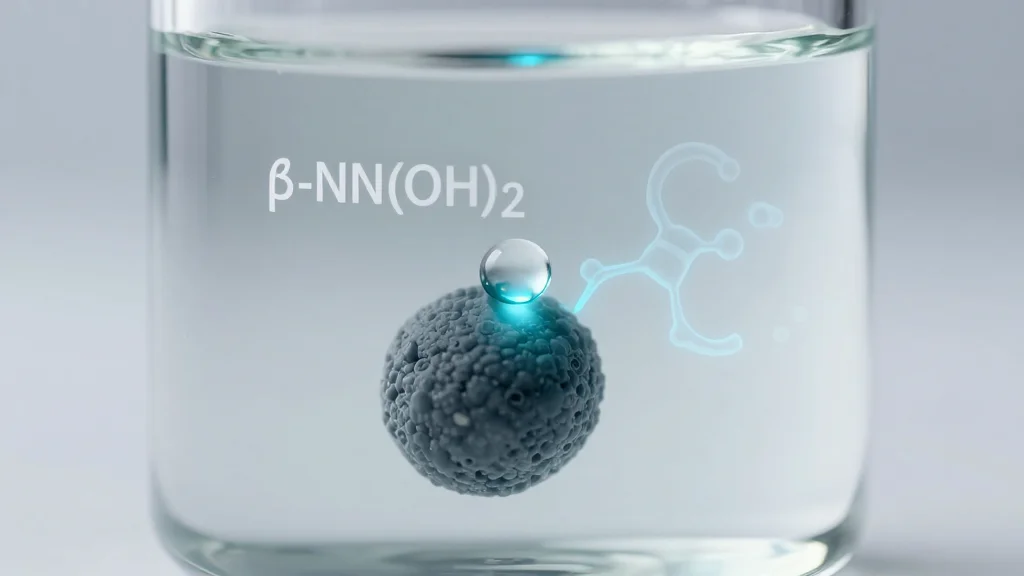
Boric Acid‐Coordinated Electrooxidation of Glycerol to Hydroxypyruvic Acid and Coupling With Hydroxylamine Reduction to Serine
Researchers introduced a boric‑acid coordination method that selectively oxidizes glycerol on β‑Ni(OH)₂ to hydroxypyruvic acid (HPA) with 47.5% Faradaic efficiency. The protected glycerol molecule leaves one –OH group free for oxidation, improving selectivity versus conventional electro‑oxidation that over‑cleaves C‑C bonds....

Bifunctional Molecular Bridge with Tunable Dielectric Constant for Air‐Processed Perovskite Solar Cells
Researchers introduced bifunctional molecular bridges—ethanolamine sulfate (EAS) and ethanolamine phosphate (EAP)—to simultaneously passivate defects and provide dielectric screening at the SnO2/perovskite interface of air‑processed perovskite solar cells. The dual‑function strategy regulates crystallization, reduces residual stress, and improves carrier dynamics, delivering...

A Bifunctional Ferroelectric Catalyst Enabling Simultaneous Photoelectrochemical Water Oxidation and Two‐Electron Oxygen Reduction
Researchers have created a bifunctional ferroelectric catalyst, Ba0.7Sr0.3TiO3 (BSTO), that can be applied to both the photoanode and cathode of a photoelectrochemical (PEC) cell. When coated on α‑Fe2O3, TiO2 or BiVO4 photoanodes, BSTO’s ferroelectric polarization adjusts band bending, markedly improving...
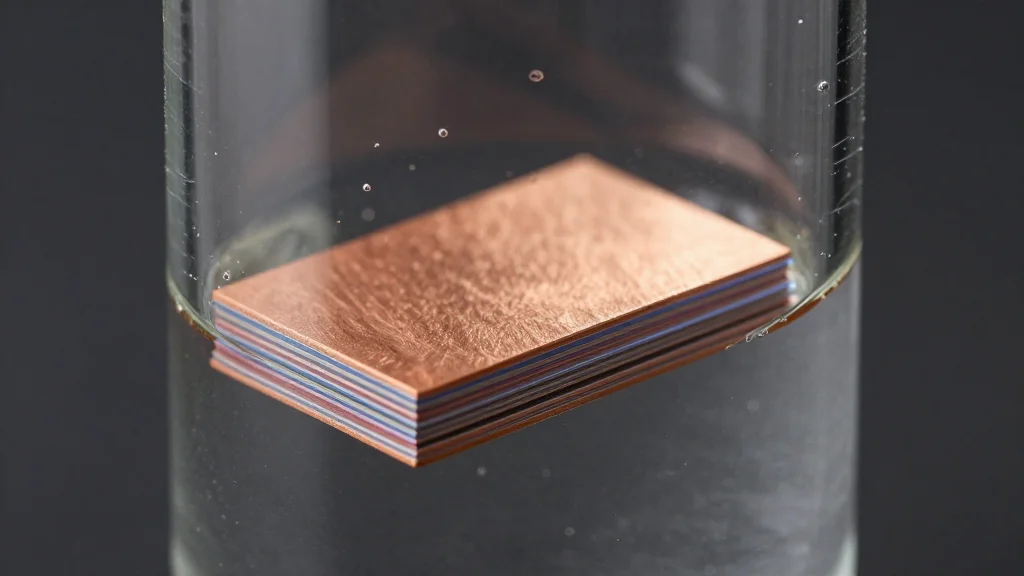
Defect‐Rich RuCu Multilayered Nanosheets for Effective Alkaline Hydrogen Electrocatalysis
Researchers have created defect‑rich RuCu multilayered nanosheets (RuCu MNSs) that serve as highly active, durable catalysts for alkaline hydrogen oxidation (HOR) and hydrogen evolution (HER). The RuCu MNSs/C catalyst delivers a mass activity of 4.91 A mg⁻¹ at 50 mV vs RHE, far...