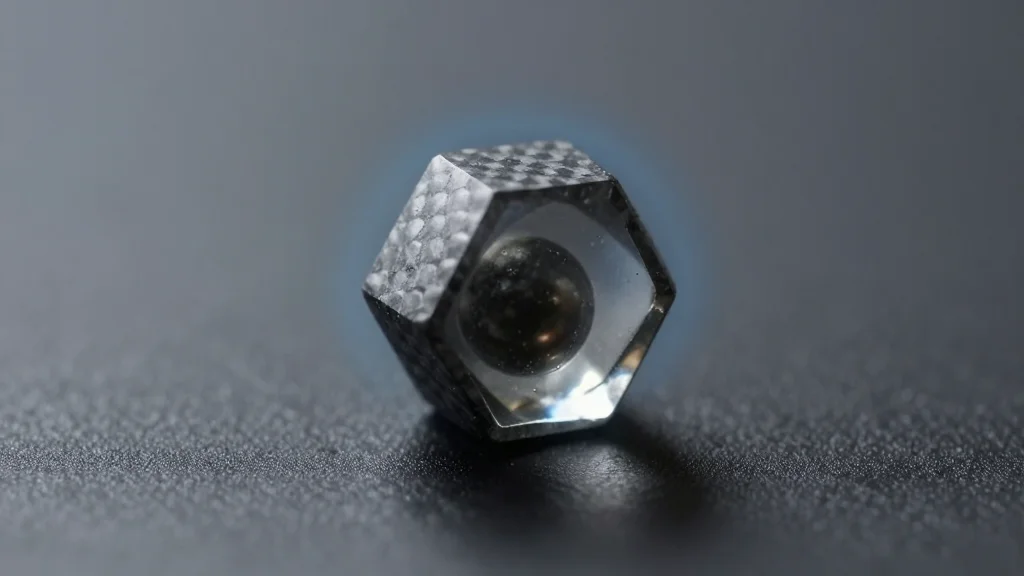
Yolk‐Double‐Shell ZnPS3/NC@C Polyhedra Engineered via Kirkendall‐Effect‐Driven Etching for Superior Sodium Storage
Researchers have engineered a yolk‑double‑shell ZnPS3/N‑doped carbon@carbon polyhedron using a MOF‑mediated Kirkendall‑effect etching strategy. The design creates a conductive N‑doped carbon matrix and an outer carbon shell that together accommodate volume change and suppress polysulfide dissolution. As a sodium‑ion battery anode, the material delivers a reversible capacity of 925.7 mAh g⁻¹ at 0.1 A g⁻¹ and retains 96.9 % of its capacity after 2,000 cycles at 2.0 A g⁻¹. The work demonstrates a scalable pathway for high‑performance conversion‑alloying anodes.
Delocalized Electronic States Induced by Phosphorus Doping Suppress Charge Recombination in Cu2ZnSnS4 Photocathodes
Researchers introduced phosphorus (P) doping into kesterite Cu2ZnSnS4 (CZTS) to delocalize its electronic states, dramatically improving electron transport. The doped CZTS-P photocathode, paired with a CdS layer, generated a stable photocurrent of −29.34 mA/cm² at 0 V versus the reversible hydrogen electrode...

Highly Selective Electroreduction of CO2 to Formate Over Intermetallic Ag3Sn Catalysts
The study identifies the ordered intermetallic phase Ag3Sn as the key active site for electrocatalytic CO₂ reduction to formate, achieving a 92.3% Faradaic efficiency at –1.0 V vs. RHE and outperforming pure Ag and SnO₂ benchmarks. Combined density‑functional theory and experimental...
Synergistic Tip Effect Suppression and Solvation Regulation for High‐Performance Aqueous Zinc‐Ion Batteries
Researchers introduced sodium anthraquinone-2,6-disulfonate (A26DA) as a π-conjugated sulfonate additive for aqueous zinc‑ion batteries. The A26DA²‑ anion tightly coordinates Zn²⁺, reshaping its solvation sheath and suppressing water activity, which leads to uniform, dendrite‑free zinc plating. Consequently, the modified Zn anode...
Revisiting Deep Delithiation of LiNi0.8Mn0.1Co0.1O2 (NMC811) Cathode Materials
Researchers found that a small amount of Li/Ni antisite disorder (~2%) in NMC811 cathodes suppresses the formation of the O1 phase during deep delithiation, leading to markedly better cycling stability at 4.8 V. In contrast, nearly defect‑free NMC811 readily transforms from...
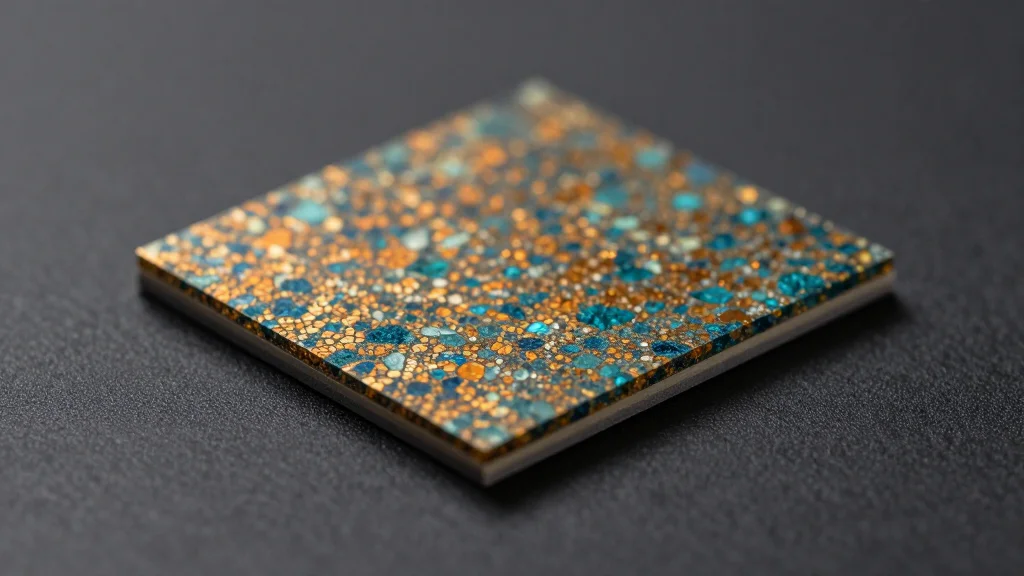
Inherent Compositional Heterogeneity in Alloyed Perovskite Photovoltaics
Alloyed perovskite solar cells promise broader band‑gap tuning and improved stability, but their film‑formation process inherently generates compositional heterogeneity. Nanoscale clusters and microscale phase‑separated domains arise during nucleation and crystallization, introducing deep trap states and lattice stress. These inhomogeneities degrade...

Cellulose Nanocrystal/Zn‐MOF Nanocarriers for Enhanced Foliar Adhesion, pH‐Responsive Release, and Efficient Pesticide Delivery
Researchers have engineered a cellulose nanocrystal (CNC) and zinc‑based metal‑organic framework (ZnMOF) nanocarrier that encapsulates the insecticide acetamiprid. The hybrid carrier delivers a pH‑responsive release—up to 85.9% at pH 5—while dramatically improving leaf wettability, adhesion (28.9 mg cm⁻²), UV stability (65.1% gain) and...
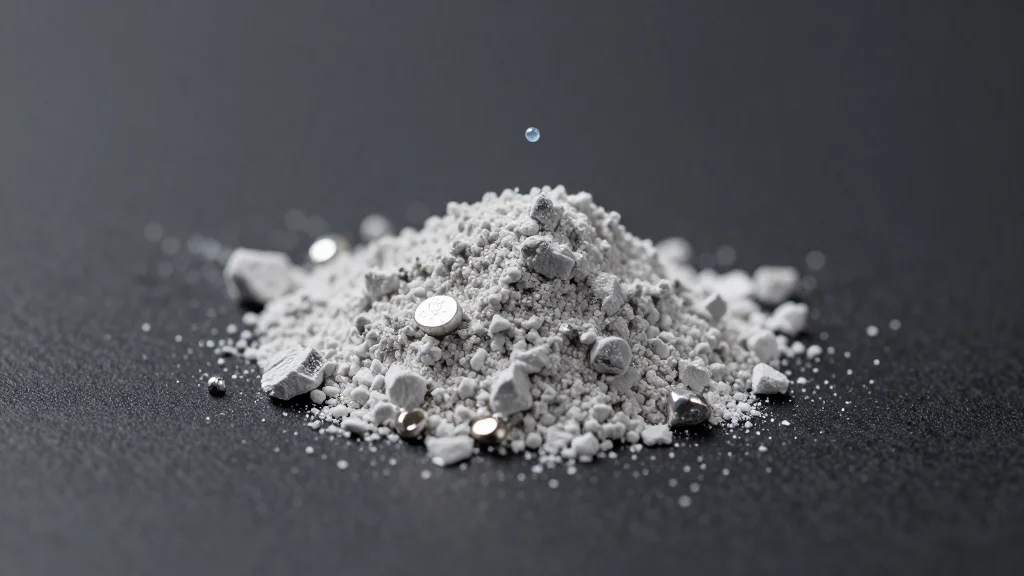
Single‑Atom‑Induced Electronic Polarization at Adjacent Cluster Promotes Efficient Hydrogen Storage in Magnesium Hydride
Researchers have engineered a niobium single‑atom/cluster composite (NbSA/AC) on magnesium hydride (MgH₂) to boost hydrogen storage performance. The catalyst enables MgH₂ to release roughly 4 wt% hydrogen at just 175 °C, surpassing traditional Nb single‑atom or cluster catalysts. Computational analysis shows that...
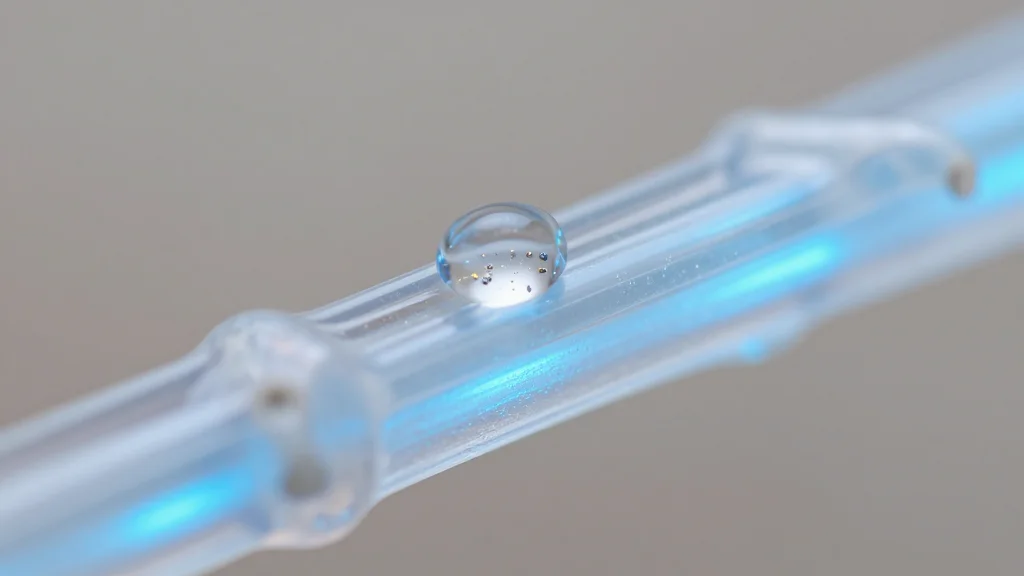
Sustaining Radicals in Aqueous Media Through Formation of a Trigger‐Inclusive Microenvironment in Hydrogen‐Bonded Frameworks for Antibacterial Activity
Researchers engineered hydrogen‑bonded organic frameworks (HOFs) with high‑aspect‑ratio 1D channels to trap both a radical‑generating trigger and the resulting radicals. The elongated channels act as diffusion barriers while extensive π‑π stacking delocalizes electrons, jointly extending radical lifetimes to over 30...
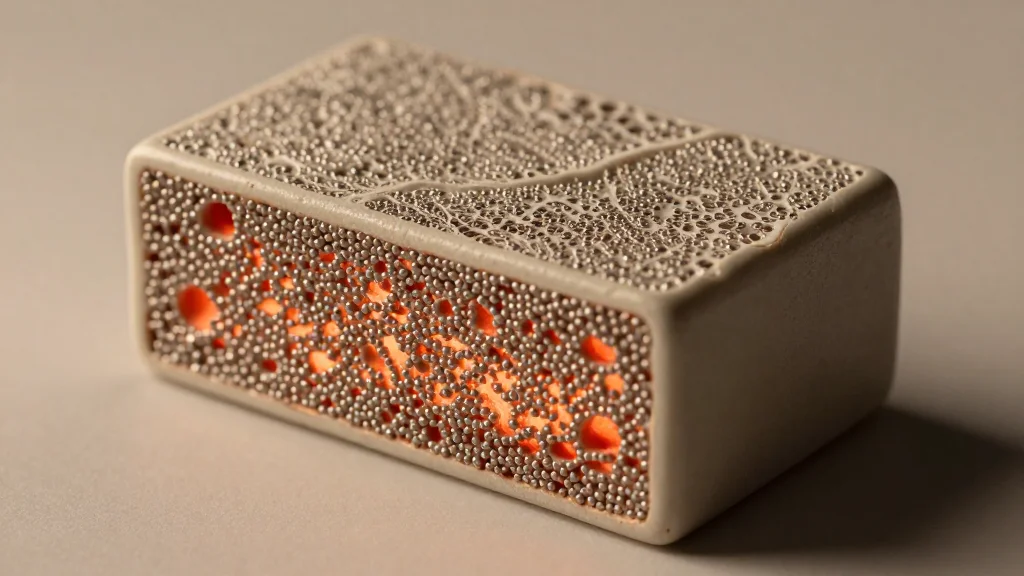
Engineering NiO Particle Size in Hydrogen Electrode Functional Layers for Enhanced Performance of Protonic Ceramic Electrochemical Cells
The study examined how nickel oxide (NiO) particle size in hydrogen electrode functional layers (HEFLs) influences the performance of protonic ceramic electrochemical cells (PCECs). Using nano‑sized NiO particles produced a denser electrolyte membrane and finer, more uniform microstructures after reduction,...
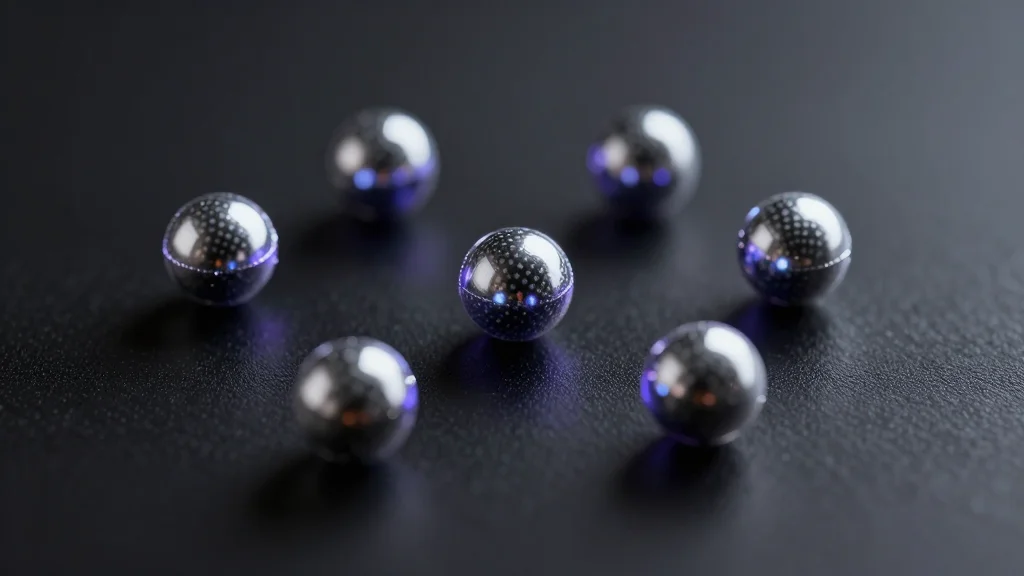
Nanoscale Dielectric Gene Dual‐Regulations in High‐Entropy Materials for Enhanced Electromagnetic Wave Absorption Over Low‐Mid Frequency
Researchers have demonstrated a dual‑regulation approach that fine‑tunes nanoscale dielectric properties in high‑entropy alloy (HEA) nanoparticles. By simultaneously refining grain size and inducing lattice distortion, the Mn‑doped carbon‑coated HEA (Mn‑HEA@C) boosts both conductive and polarization losses, shifting electromagnetic wave absorption...

A Multimodal Variable‐speed Microrobot With Asymmetric Multilayer Structure for Moving Agility and Adaptability
Researchers have unveiled a soft piezoelectric microrobot that uses an asymmetric multilayer structure to achieve multimodal locomotion with variable speeds. By tuning the driving frequency, the robot switches between distinct gaits, reaching 20.6 and 43.2 body lengths per second in...

Catalysis‐Derived Robust Solid Electrolyte Interphase for Stable SiO Anode
Researchers introduced a catalytic interfacial engineering approach that decorates silicon monoxide (SiO) particles with nickel nanoparticles and nitrogen‑doped carbon. The Ni sites catalyze fluorinated electrolyte decomposition, forming a dense LiF‑rich solid electrolyte interphase (SEI) that tolerates volume change and improves...
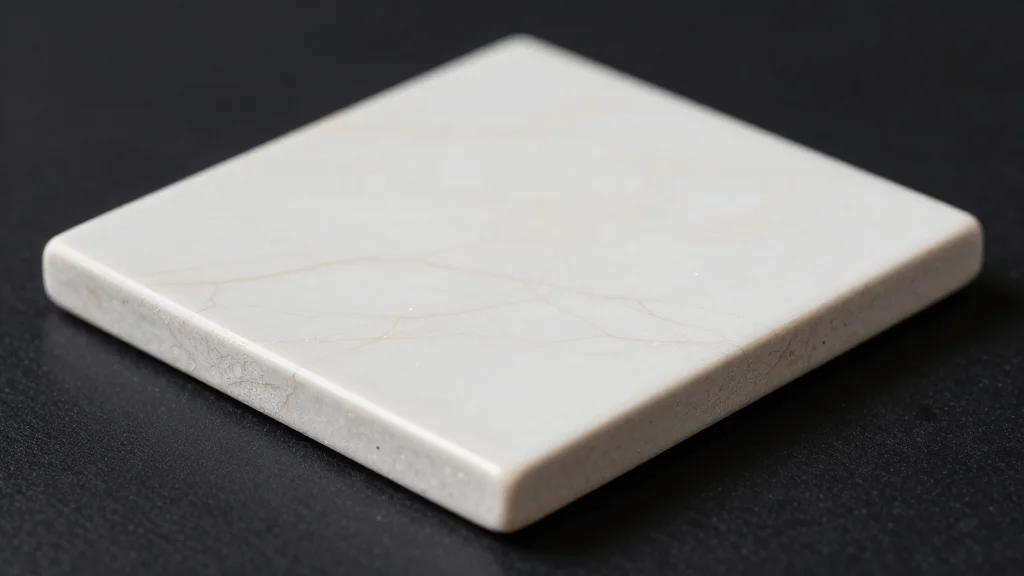
Synergistic Domain and Defect Engineering Enables Giant Electrostrain With High Piezoelectric Sensitivity in Lead‐Free Ferroelectrics
Researchers demonstrated a synergistic electromechanical design for potassium‑sodium niobate (KNN) lead‑free ceramics that couples hierarchical domain architectures with defect‑mediated internal bias fields. By partially substituting Nb5+ with Sb5+, they simultaneously tuned phase composition, domain configuration, and defect chemistry. The resulting...

Liquid Crystal Induced Large‐Area Continuous Covalent Organic Framework Films for High‐Performance Humidity Sensors
Researchers have introduced a liquid crystal‑assisted method to fabricate large‑area, continuous covalent organic framework (COF) films, overcoming the fragility and harsh conditions of traditional synthesis. The resulting humidity sensors exhibit a rapid 4.45‑second response and 1.95‑second recovery across a 15‑90%...
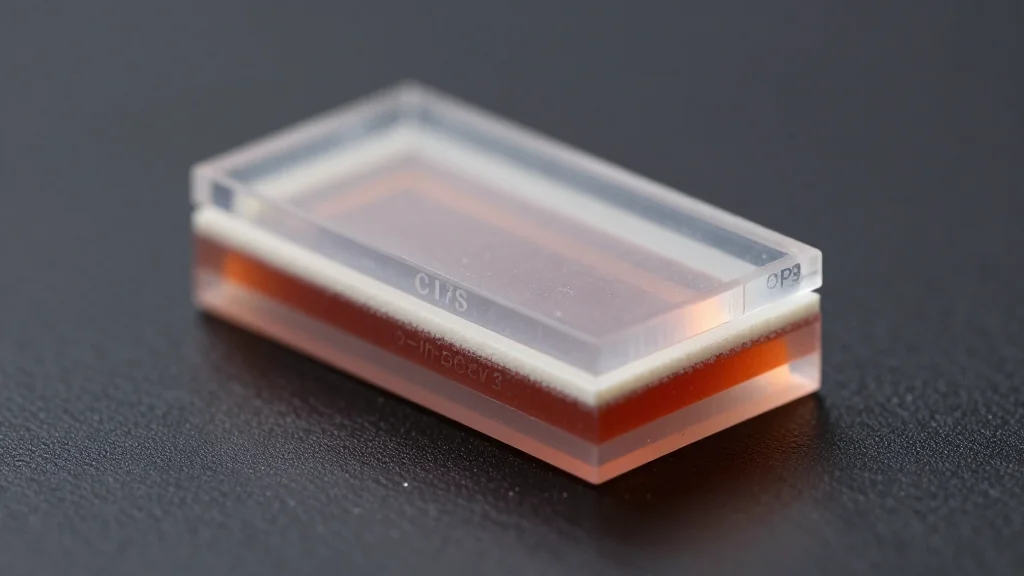
Unified Steep‐Slope Switching and Non‐Volatile Memory in a Complementarily Stabilized Van Der Waals Ferroelectric Transistor
Researchers have unveiled a van der Waals ferroelectric negative‑capacitance transistor (FeNC‑FET) that merges sub‑60 mV/dec steep‑slope switching with intrinsic non‑volatile memory in a single device. The innovation relies on a CIPS/h‑BN/α‑In₂Se₃ trilayer gate stack, where CIPS supplies a stabilized negative‑capacitance state,...
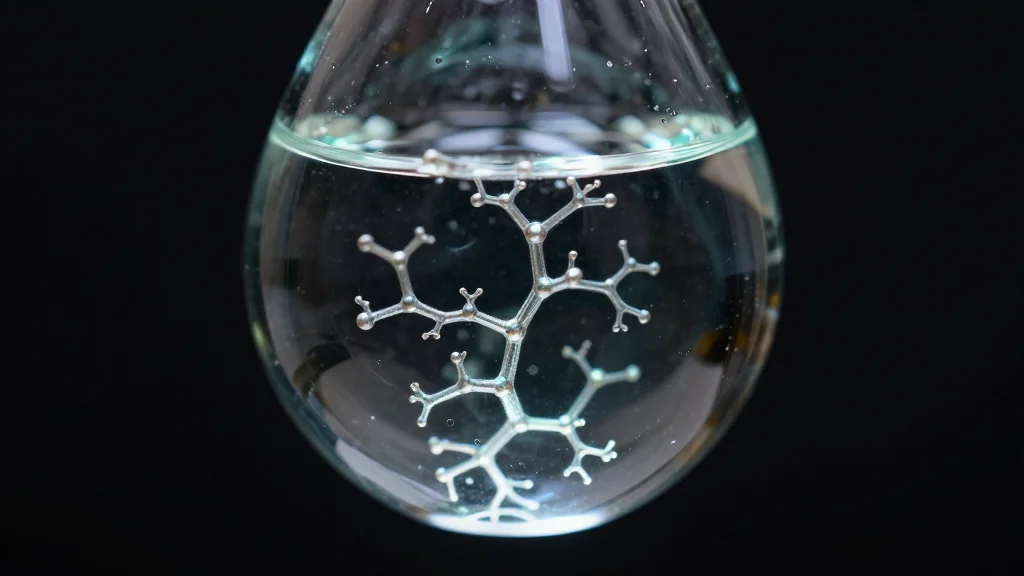
Dynamic CoOOH@Co Reconstruction Activates Laser‐Decorated Pd Sites for High‐Selectivity Nitrate‐to‐Ammonia Electrocatalysis and Zn–Nitrate Batteries
Researchers used pulsed laser irradiation in liquids to fabricate palladium‑decorated cobalt nanodendrites (Pd/Co NDs) that dynamically reconstruct into a Pd/CoOOH@Co architecture during alkaline nitrate reduction. This surface transformation activates isolated Pd sites, delivering a record 92.35% Faradaic efficiency for ammonia...
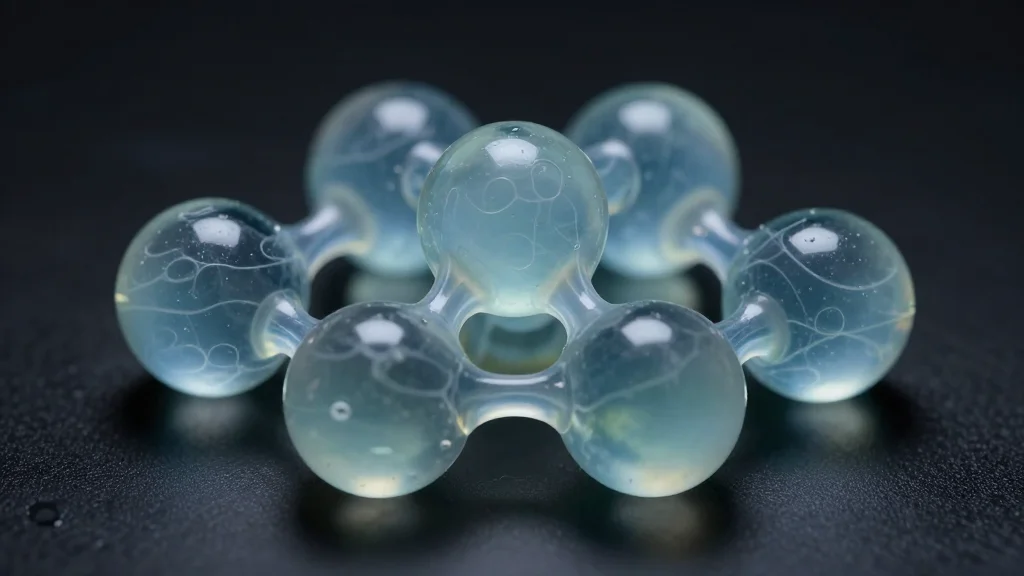
Bottom‐Up Assembly of Amorphous Metal–Organic Frameworks From Proton Conductive Metal–Organic Polyhedra
Researchers introduced a bottom‑up strategy to build amorphous metal‑organic frameworks (aMOFs) using rhodium‑based metal‑organic polyhedra (MOPs) as predefined nodes. By crosslinking these MOPs with flexible ditopic linkers, the resulting aMOFs retain sulfonate functionality and achieve proton conductivities up to 4.8 mS cm⁻¹...

Reconfigurable Nanogap SERS for Multiscale Molecular Sensing on Curved Surfaces
Researchers have unveiled a reconfigurable surface‑enhanced Raman scattering (SERS) platform that uses gold‑coated shape‑memory polymer nanopillars embedded with silver nanoparticles. By compressing the pillars or applying a laser, the vertical Au‑Au nanogaps can be switched between wide and narrow states,...

Autonomous and Communicative Microcapsule Systems for Life‐Like Homeostatic pH Regulation
Researchers have created a dual‑microcapsule system that mimics biological homeostasis by generating programmable pH oscillations through antagonistic enzymatic feedback. The urease and esterase capsules are fabricated in defect‑free, epoxy‑coated microfluidic channels, yielding monodisperse particles with adaptive shell permeability. Mixed populations...
Boron‐Tuned Covalency Enables Durable and High‐Performance Perovskite OER Catalysts
Researchers introduced boron into the perovskite Sr2(FeCo0.6Mo0.4)O5+δ, creating a catalyst that delivers a 300 mV overpotential at 10 mA cm⁻² and a 67 mV dec⁻¹ Tafel slope. The material maintains activity for over 140 hours in 1 M KOH, outperforming conventional Pt/C + RuO₂ benchmarks. Spectroscopic and DFT analyses...

Efficient, Patternable Full‐Color Perovskite Quantum Dot LEDs via Defect‐Passivating Film‐State Ligand Engineering
Researchers unveiled an advanced film‑state ligand exchange process (A‑FLEP) that combines polarity‑controlled ligand solutions with multi‑ligand passivation to suppress surface defects in perovskite quantum dots (PeQDs). The technique delivers record external quantum efficiencies of 21.44% for green, 13.23% for red,...
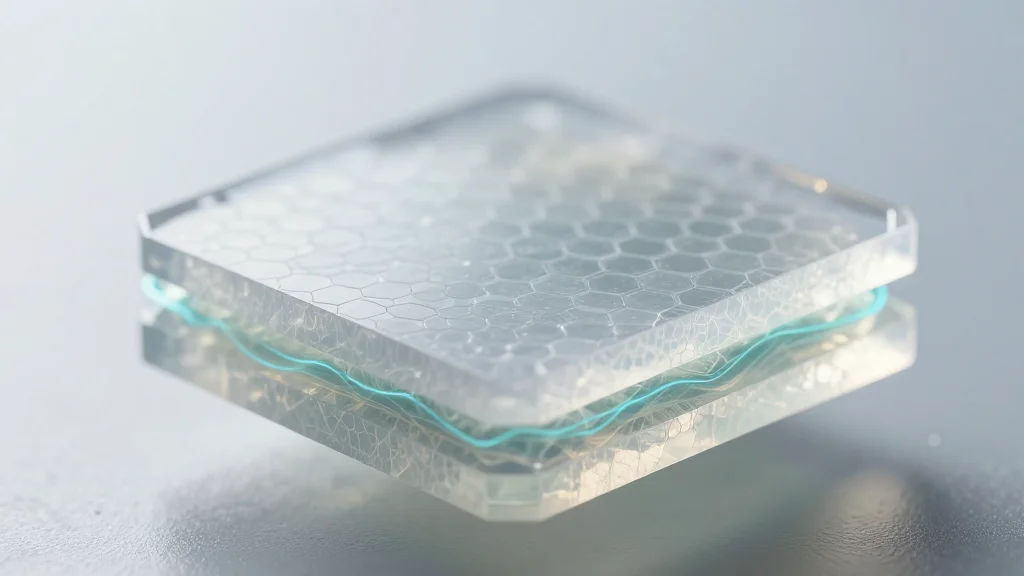
Sliding‐Ferroelectric hBN Bilayer Controlled Carrier Lifetimes in TMD Heterostructures
Researchers demonstrated that the sliding‑ferroelectric state of bilayer hexagonal boron nitride (hBN) can act as a non‑volatile control knob for charge dynamics in van der Waals heterostructures. By toggling the hBN stacking between non‑polar AA′ and ferroelectric AB/BA configurations, the interfacial potential...
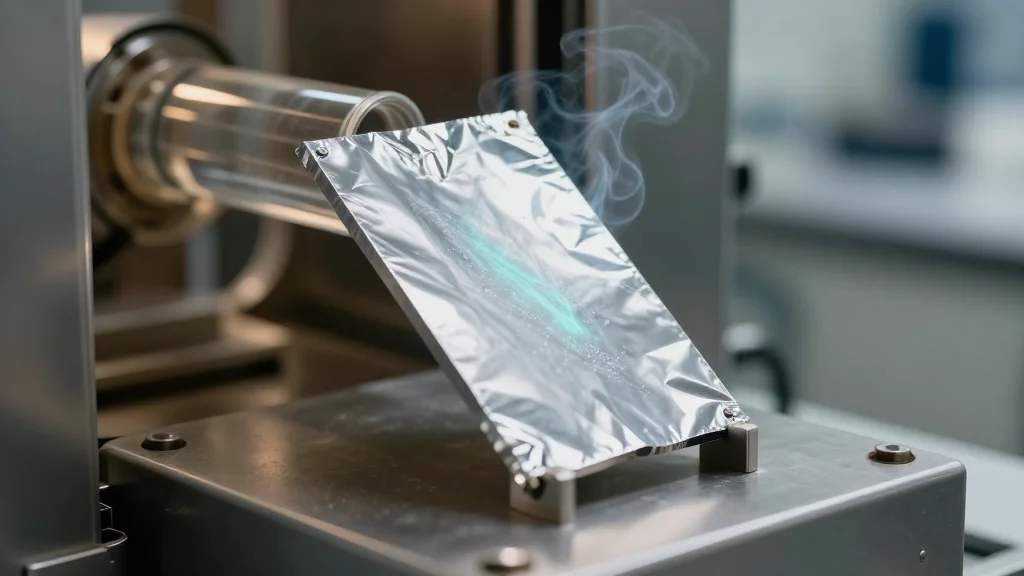
Computational Modeling and Experimental Validation of Variabilities in Chemical Vapor Deposition of Graphene on Metals
Researchers combined transient 3‑D CFD with Raman and SEM mapping to examine how substrate inclination reshapes near‑wall transport in low‑pressure chemical vapor deposition of graphene on metal foils. Experiments at four tilt angles (9°, 21°, 33°, 45°) revealed that the...

Super‐High Sodium‐Ion Conductivity of Na2.9Sb0.9W0.1S4 at Low Pressures by Systematic Pressure and Temperature Treatments
Researchers applied a two‑step thermo‑mechanical protocol—high‑pressure compaction up to 664 MPa followed by annealing at 250 °C under 97 MPa—to the sulfide electrolyte Na2.9Sb0.9W0.1S4. The treatment induced a tetragonal‑to‑cubic phase transition and delivered a record sodium‑ion conductivity of 44.7 mS cm⁻¹ at pressures as low...

Reconstruction of Interfacial Charge Topology in S‐Scheme Heterojunction for Enhanced CO2 Photoreduction
Researchers integrated plasmonic gold nanoparticles with a Cs3Bi2Br9 quantum‑dot/BiOCl S‑scheme heterojunction, fundamentally reshaping its interfacial charge topology. The Au‑decorated ternary catalyst achieved a CO evolution rate of 115.4 µmol g⁻¹ h⁻¹, 57.7 times higher than pristine BiOCl and 2.3 times above the binary S‑scheme counterpart....

Microporous Self‐Assembled Pd(II) Tetrahedral Cages for Rapid and Reversible Multi‐Phase Sequestration of Iodine and Methyl Iodide
Researchers have unveiled a series of palladium‑based, self‑assembled tetrahedral coordination cages (C1‑C4) that capture iodine, polyiodides, and methyl iodide across vapor, water, and organic phases. The cages demonstrate record‑high uptake—up to 3.78 g g⁻¹ in vapor and 3.52 g g⁻¹ in aqueous media—and rapid...

Transparent SilMA Hydrogel: Priming Microstructure Regulation for Real‐Time Cell and Organoid Visualization
Researchers have introduced a transparent silk fibroin hydrogel (TSFH) that leverages glutaraldehyde‑mediated crosslinking to inhibit the random‑coil‑to‑β‑sheet transition that normally causes opacity. The method preserves micropore walls at 400–800 nm, a size that aligns with visible‑light wavelengths and dramatically reduces light...
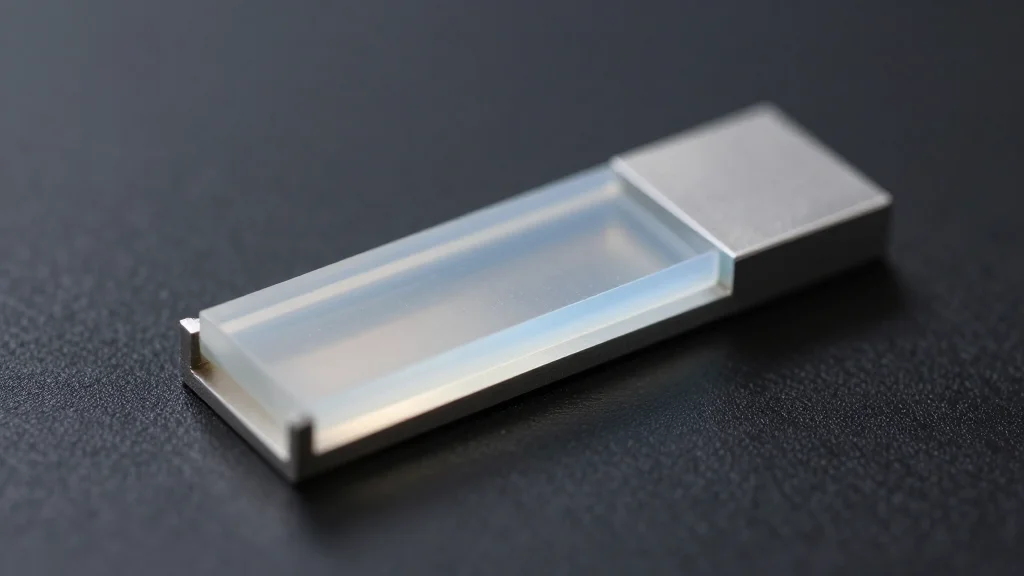
Sub‐Nanometer Ferroelectric Tunnel Junctions With Record‐High On‐Current Density Through Synergistic Microwave Annealing and High‐Field Activation
Researchers have demonstrated a sub‑nanometer ferroelectric tunnel junction (FTJ) that delivers a record‑high on‑state current density exceeding 10⁵ A cm⁻² at just 0.4 V. By combining aggressive device area scaling with low‑temperature microwave annealing, the interfacial layer was thinned from 0.94 nm to 0.41 nm,...
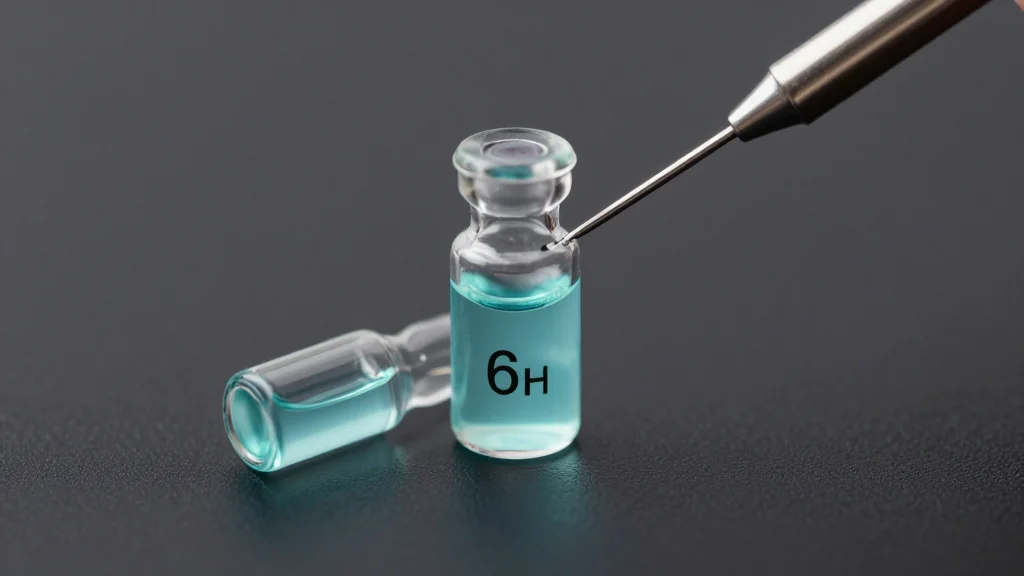
Gallium‐Containing Agents for Tumor Diagnosis and Therapy: Current Status and Future Prospects
Gallium-based agents are emerging as powerful tools in tumor theranostics, combining diagnostic precision with therapeutic action. 68Ga-labeled PET probes have become routine for detecting prostate, neuroendocrine and other cancers, while gallium therapeutics target DNA metabolism, tumor immunity and angiogenesis. The...
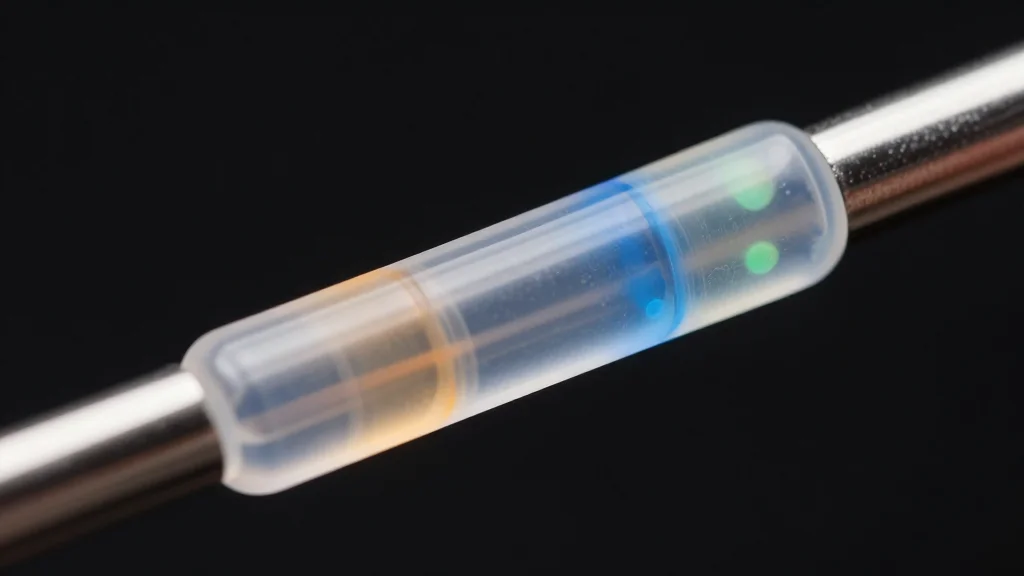
Field‑Programmable Biofunctional Films: From Assisted Fabrication to Integrated Diagnostic‐Therapeutic Devices
Field‑programmable biofunctional films (FPBFs) are thin‑film platforms that can be programmed to react to a range of physical fields—thermal, mechanical, electrical, optical, magnetic and acoustic. Recent advances in single‑ and multi‑field‑assisted fabrication have expanded their structural tunability and functional density,...

A Monocyte‐Targeted Nanoplatform for Phagocytosis Activation and Ferroptosis Inhibition in Intracerebral Hemorrhage
Researchers have engineered a monocyte‑targeted nanoplatform (mPDA@DFO‑CpG‑N1) to accelerate hematoma clearance after intracerebral hemorrhage (ICH). The system combines a high‑affinity aptamer for selective monocyte delivery, a TLR9 agonist that overrides CD47‑SIRPα inhibition, and the iron chelator deferoxamine to block ferroptosis....

Synergistic Regulation of Excited‐State Electrons Enables Sunlight‐Driven C─Br Bond Activation Through In Situ Polymerized Polyoxometalate‐Gold Nanocluster Assemblies
Researchers have engineered a ternary gold supercluster photocatalyst, AuSCs@SiW9@PDA, that integrates glutathione‑protected gold nanoclusters, a Keggin‑type polyoxometalate (SiW9), and a polydopamine (PDA) matrix. SiW9 acts as an electron sink while PDA enhances solar light absorption and interfacial charge transport, collectively...
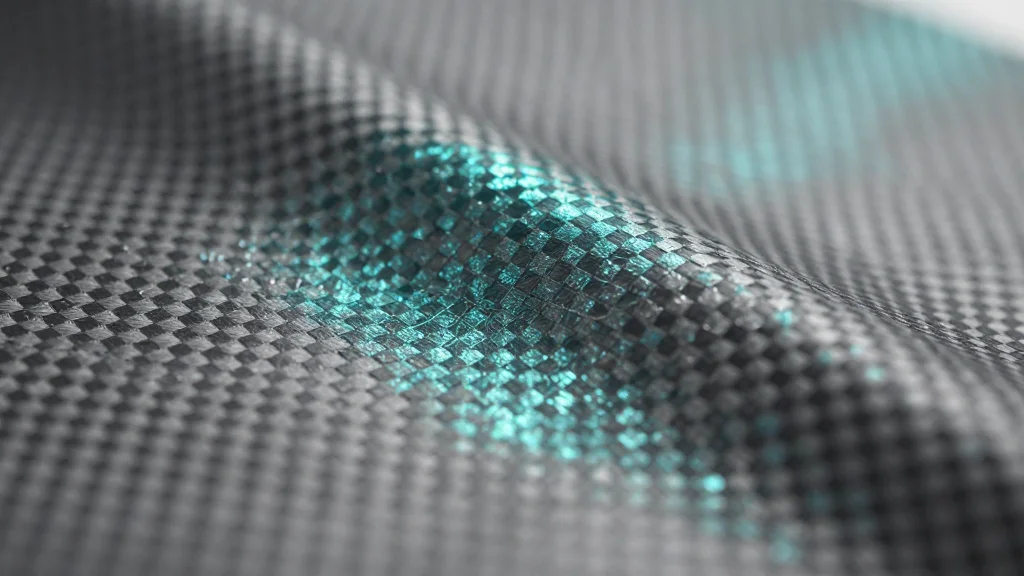
Interfacial Charge Redistribution–Driven Two‐Electron Conversion in Ni0.85Se@Mo‐Doped NiCo‐LDH for High‐Power Electrochemical Energy Storage
Researchers engineered a hierarchical Ni0.85Se core coated with a Mo‑doped NiCo‑LDH shell on hydrophilic carbon cloth, creating a heterostructure that leverages interfacial charge redistribution and oxygen‑vacancy defects. This electronic modulation accelerates ion and electron transport, unlocking a two‑electron redox pathway...
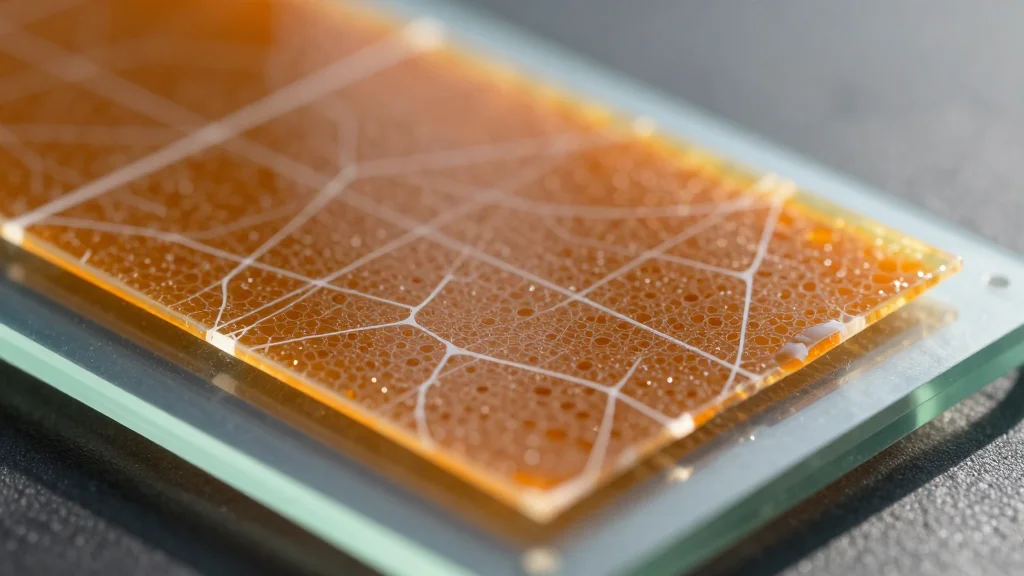
Toward Stable and Efficient Perovskite Solar Cells: Unlocking the Potential of Porous PbI2 Scaffolds via Two‐Step Sequential Deposition
A new review highlights porous PbI2 scaffolds as a game‑changer for perovskite solar cells fabricated via two‑step sequential deposition. By tailoring porosity through solvent engineering, molecular additives, ionic liquids, sacrificial templates, and interfacial modifications, the PbI2 layer becomes highly permeable,...
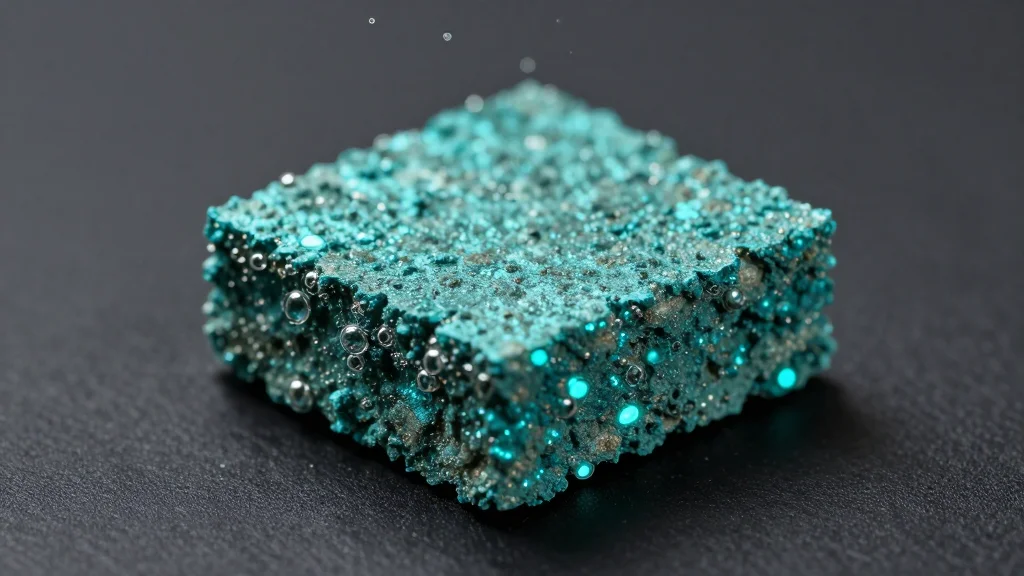
Vacancy‐Engineered Interfacial Electrons Modulation in NiCo Hydroxide/MoS2 Heterostructures for Boosted OER Electrocatalysis
Researchers engineered NiCo hydroxide/MoS2 heterostructures with either molybdenum or sulfur vacancies to probe interfacial electron dynamics. Mo‑vacancy samples dramatically improved charge transfer, lowering the oxygen evolution reaction (OER) overpotential to 256 mV at 10 mA cm⁻² and delivering a Tafel slope of 68.5 mV dec⁻¹....

Electrostatically Guided Covalent Architectures for Stable Hydrogen Evolution at Ampere‐Level Current Densities in Acidic Media
Researchers have developed a catalyst that anchors Mo2C nanoclusters onto nitrogen‑doped carbon nanotubes (NCNTs) via strong Mo‑C and Mo‑N covalent bonds formed through electrostatically guided self‑assembly and carbonization. The resulting porous, conductive network delivers overpotentials of 256 mV at 500 mA cm⁻² and...
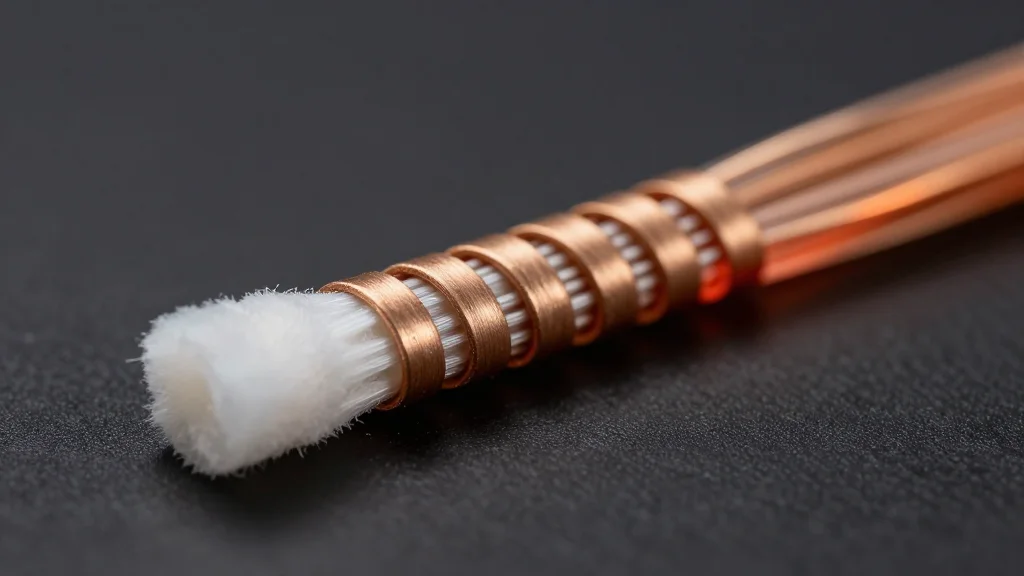
Construction of Ti3C2Tx MXene Composite PI Nanogel Fiber With Excellent Infrared Stealth Performance
Researchers have created a composite fiber that merges polyimide aerogel fibers with a MXene‑tannic acid coating, delivering both thermal insulation and low infrared emissivity. The material achieves a thermal conductivity of 0.084 W·m⁻¹·K⁻¹ and an emissivity of 0.17, keeping a 200 °C...
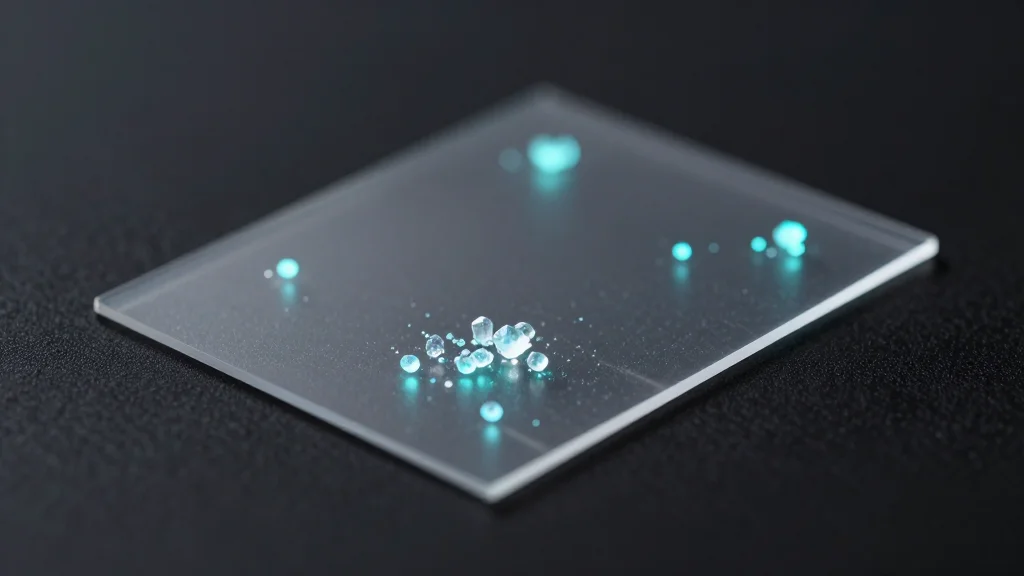
Ultralong Room‐Temperature Phosphorescent Coatings Enabled by Coronene Aggregates in Specialty Epoxy Resin: Wide‐Range Excitation From Violet to Green Light
Researchers have developed a room‑temperature phosphorescent (RTP) coating by embedding UV‑irradiated coronene aggregates into a specialty epoxy resin. The resulting films can be excited across a wide visible spectrum—from violet to green light—and exhibit afterglow durations up to 90 seconds and...
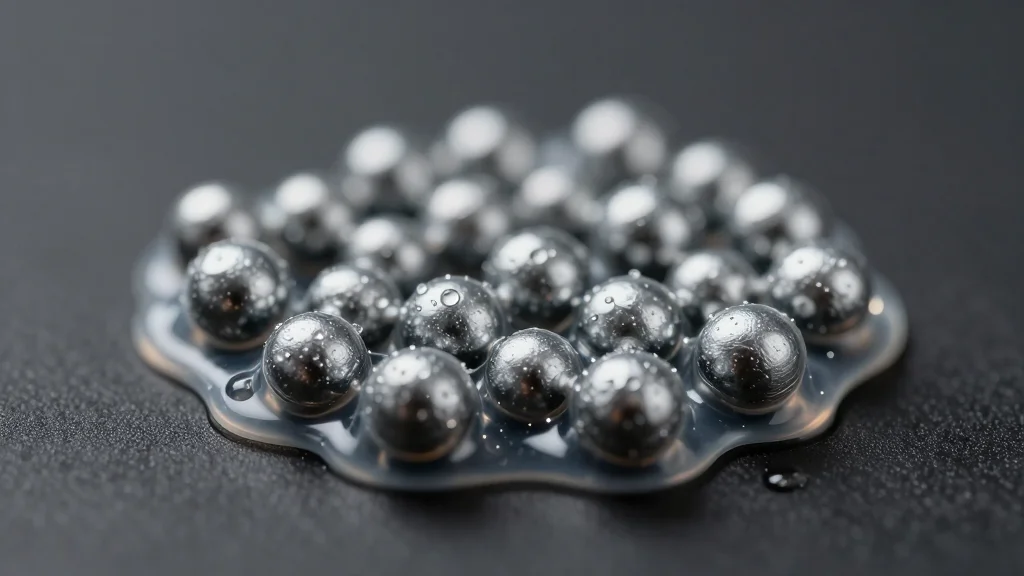
Multi‐Scale Water Modulation for Regulating Water Reactivity and Suppressing Nanoscale Zero‐Valent Iron (nZVI) Corrosion
Researchers unveiled a multi‑scale water‑modulation strategy that uses a hydrophilic polysaccharide network to reconfigure water’s molecular states and dramatically curb corrosion of nanoscale zero‑valent iron (nZVI). By converting roughly 45% of free water into bound and intermediate water, the thermodynamic...

Tailoring the Melting and Glass Transition Behavior of Zeolitic Imidazolate Frameworks via Ammonium Halide Salts
Researchers demonstrated that inorganic ammonium halide salts can act as modifiers for zeolitic imidazolate frameworks (ZIFs), dramatically lowering both melting and glass‑transition temperatures. The salts infiltrate the crystal lattice, disrupt Zn‑N coordination, and form Zn‑halide bonds, enabling the melt‑processing of...

Electric‐Eel‐Inspired Ionic Power Source Microneedles With Self‐Reporting Structural Colors for Wound Healing
Researchers have engineered ionic power source microneedles (IPSMs) that combine electric‑eel‑inspired ion transport with chameleon‑like structural colors for wound care. The three‑layer device creates an internal K⁺‑driven electric field, delivering electrical stimulation that accelerates tissue repair. Integrated silver nanoparticles provide...
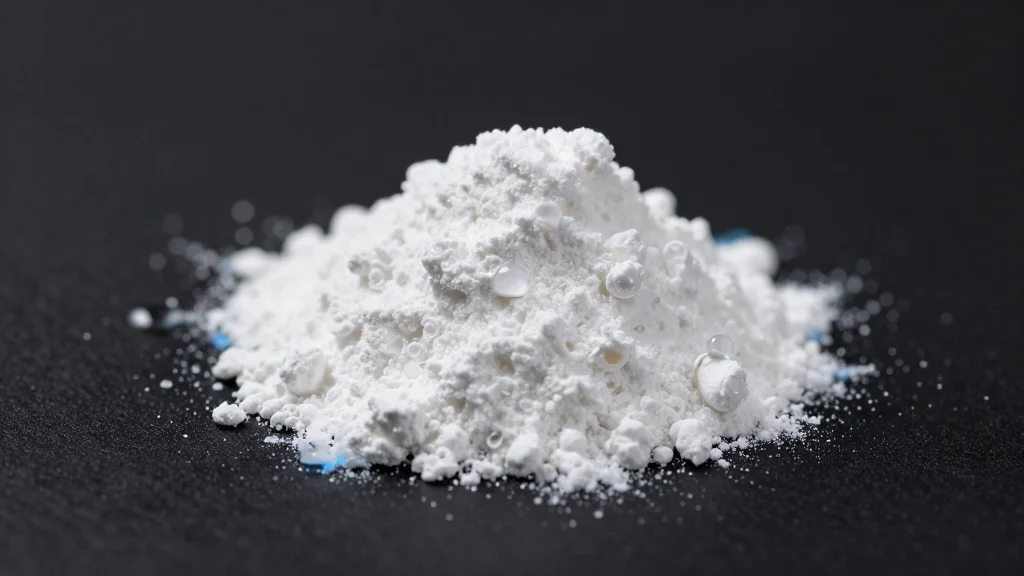
Covalent Organic Frameworks with Intrinsic Pendant Aldehydes for Efficient Nitrate Electroreduction
Researchers have engineered a covalent organic framework (COF) named PEPy-2CHO‑TTA that retains pendant aldehyde groups within its pores. These aldehydes form a confined hydration network, enabling localized proton transfer and overcoming the proton scarcity that hampers nitrate reduction in alkaline...
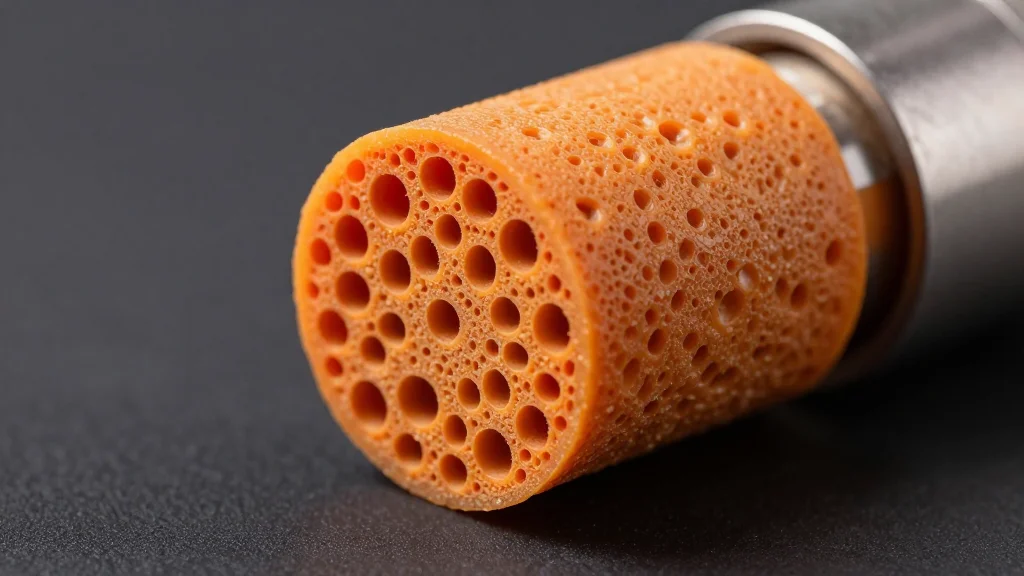
Pore Structure Engineering in Solid Oxide Cell Electrodes: Formation Mechanisms, Characterization Techniques, and Performance Implications
Solid oxide cells (SOCs) are emerging as reversible power‑to‑fuel converters, and the porous architecture of their electrodes dictates gas transport, reaction sites, and mechanical stability. This review catalogs five primary pore‑formation strategies—particle stacking, pore‑former templating, freeze‑casting, phase‑inversion, and 3D‑printing—detailing how...

Lewis Acid–Base Coordination‐Driven Interface Passivation Using 3‐Hydroxyflavone for Inverted Perovskite Solar Cells
Researchers introduced a 3‑hydroxyflavone (3‑HF) interfacial layer that forms Lewis acid‑base coordination bonds with Pb²⁺, dramatically reducing defect recombination in inverted perovskite solar cells. The treatment lifted small‑area device efficiency to a record‑setting 26.6% power conversion efficiency. When scaled to...

Mechanochemical Transformation From Zigzag‐Type Layered/Phenakite to Disordered Rocksalt in Mn‐Rich Cathodes for Li‐Ion Batteries
Researchers used mechanochemical activation to transform a Mo/F‑doped layered/phenakite precursor into a Mn‑rich disordered rocksalt (DRX) cathode for lithium‑ion batteries. The DRX structure enhances cation mobility and structural reversibility, delivering a high reversible capacity of 297.9 mAh g⁻¹. Mo and fluorine co‑doping...

Qualitative Evaluation of the Magnetocrystalline Anisotropy in Spinel Ferrite Nanoparticles Using Polarized Neutron Powder Diffraction
Researchers used polarized neutron powder diffraction (PNPD) to qualitatively assess magnetocrystalline anisotropy in cobalt‑doped spinel ferrite nanoparticles. By refining local magnetic susceptibility tensors and magnetization ellipsoids, they showed that a higher cobalt fraction (x = 0.61) yields a larger intrinsic anisotropy than...

Enhancing Longevity and Efficiency of Iron‐Chromium Flow Batteries Through Bromide‐Bridged by Solvation Restructuring Under Wide‐Temperature Operation
The researchers engineered a bromine‑bridged solvation architecture that anchors onto electrode surfaces, dramatically speeding electron transfer in iron‑chromium flow batteries (ICFBs). This restructuring stabilizes Cr³⁺, expands the iron redox potential window, and boosts ionic conductivity, delivering an energy efficiency of...
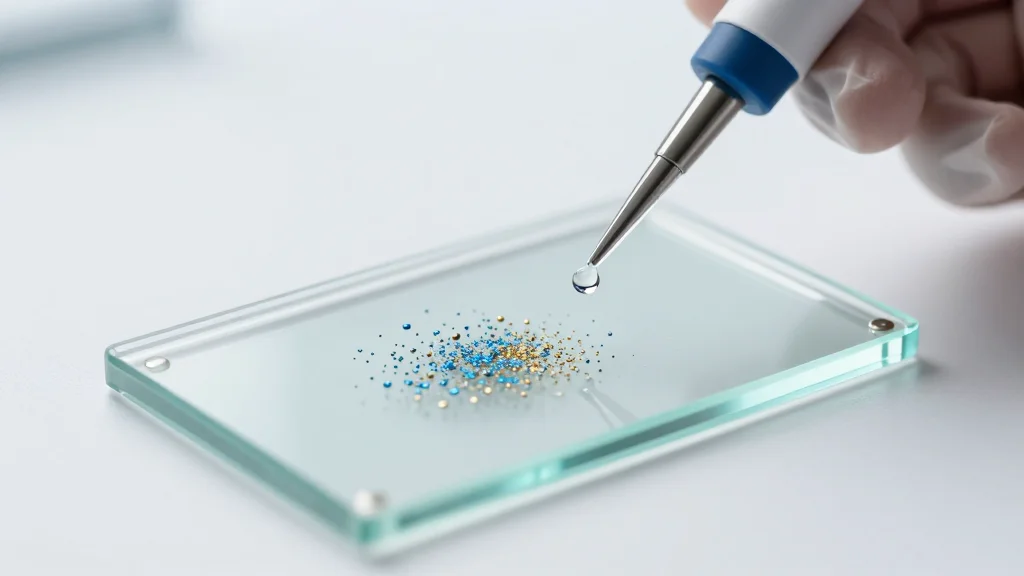
Manipulating Charge‐Mechanical Coupling to Achieve Superior Ductility and High Thermoelectric Properties in Layered Bismuth Telluride
Researchers have identified a charge‑mechanical coupling mechanism that dramatically improves ductility of p‑type Bi0.5Sb1.5Te3 while preserving thermoelectric performance. By lowering carrier concentration, van der Waals forces weaken, interlayer spacing expands, enabling compressive strain >90% and bending strain 26%. The optimized...
Peptide‐Ligand Cooperative Interplay Drives Gold Nanoparticle Encapsulation by Protein Cages
The study shows salt-dependent binding energetics and cooperative peptide‑ligand interactions drive gold nanoparticle encapsulation by encapsulin protein cages. Experiments varying salt, ligand functionalization, and loading peptides combined with molecular dynamics reveal three regimes of nanoparticle‑protomer binding free energy. Ligands boost...