
Chloride Ion‐Specific Etching‐Driven Synthesis of Porous Cobalt‐Doped FeOOH Anodes for Robust Ni‐Fe Batteries
Researchers introduced a chloride‑ion‑assisted etching technique to grow cobalt‑doped FeOOH porous nanosheets directly on iron foam, creating a high‑surface‑area anode for nickel‑iron batteries. The resulting electrode achieves an areal capacity of 1.4 mAh cm⁻² at 4 mA cm⁻² with 94 % coulombic efficiency over 1,000 cycles. When paired with a sulfur‑doped Ni‑Mn hydroxide cathode, the full cell delivers 0.9 mAh cm⁻² at 10 mA cm⁻², outperforming most aqueous battery platforms. This approach demonstrates that targeted ion‑driven etching can revitalize legacy battery chemistries.

Sonocatalytic Eradication of Hepatocellular Carcinoma by Tailoring Structural Defects of Black Indium Oxide Sonocatalysts and Leveraging Apoptosis/Ferroptosis‐Hybridized Pathways
Researchers engineered palladium‑integrated indium oxide with abundant structural defects to create a high‑performance sonocatalyst for hepatocellular carcinoma. The Pd component provides catalase‑like and peroxidase‑like activities, relieving tumor hypoxia and increasing hydroxyl‑radical generation under ultrasound. This dual action triggers a synergistic...
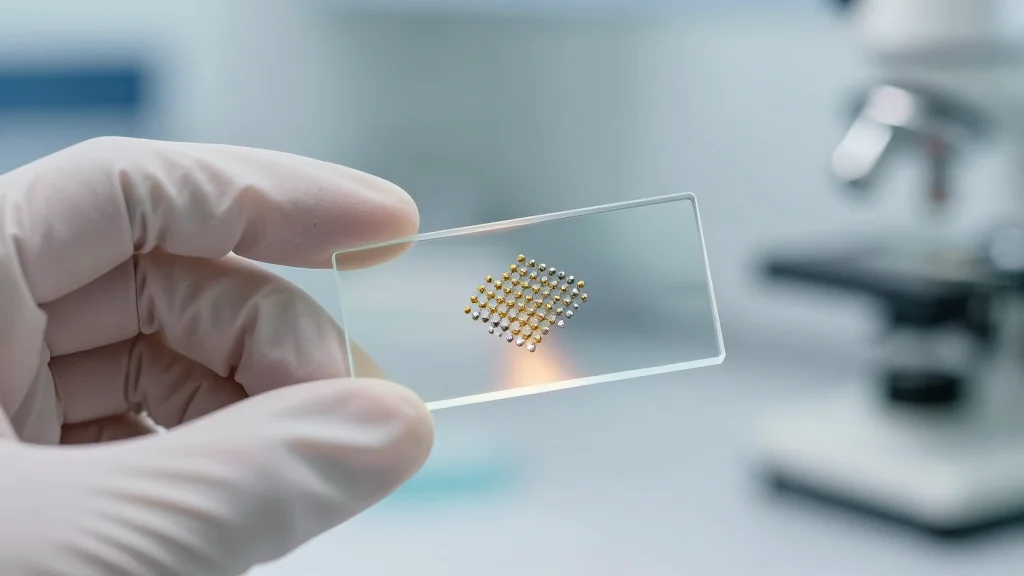
Structure‐Interface Synergistic Cu–Zn Hybrid Films for High‐Efficiency Thermal Management and Photothermal Conversion
Researchers have developed a multiscale Cu–Zn hybrid film that combines structured metal interfaces with polymer composites to achieve both high optical absorption and efficient heat transport. The electrodeposited Cu–Zn nanostructures form continuous thermal pathways along flake edges, delivering in‑plane thermal...

Electronic Structure Engineering in MXene SACs: Unveiling the Role of Mixed Termination for ORR/OER Bifunctionality
Researchers engineered Ti2COXClY MXene single‑atom catalysts to probe how mixed O and Cl surface terminations affect the oxygen reduction and evolution reactions. By systematically varying the O/Cl ratio on a Ti2C substrate, they demonstrated that the adsorption energy of the...

Enriched Localized Electron Confined Ultrafine Pt NPs Sites for Selective Catalytic Hydrogenation in Sulfur‐Containing Feedstocks
Researchers have developed an electronic confinement strategy that embeds ultrafine platinum nanoparticles within multilayer graphene enriched with localized electrons and encapsulated by cobalt particles. The Pt/Co@NC catalyst delivers a reaction rate of 33.1 mol p‑CAN gPt⁻¹ h⁻¹ and a turnover frequency of 6,449 h⁻¹ for...

AI‐Guided Design of pH‐ and Redox‐Responsive Lignin@GO@ZIF‐8 Nanocarriers for Targeted Co‐Delivery of 5‐Fluorouracil and Metformin in Prostate Cancer Therapy
Researchers employed an AI‑guided workflow to engineer pH‑ and redox‑responsive Lignin@GO@ZIF‑8 nanocarriers that co‑deliver 5‑fluorouracil and metformin for prostate cancer treatment. Machine‑learning models, particularly XGBoost trained on 500 formulation data points, achieved R² values of 0.86‑0.89 for predicting drug loading,...
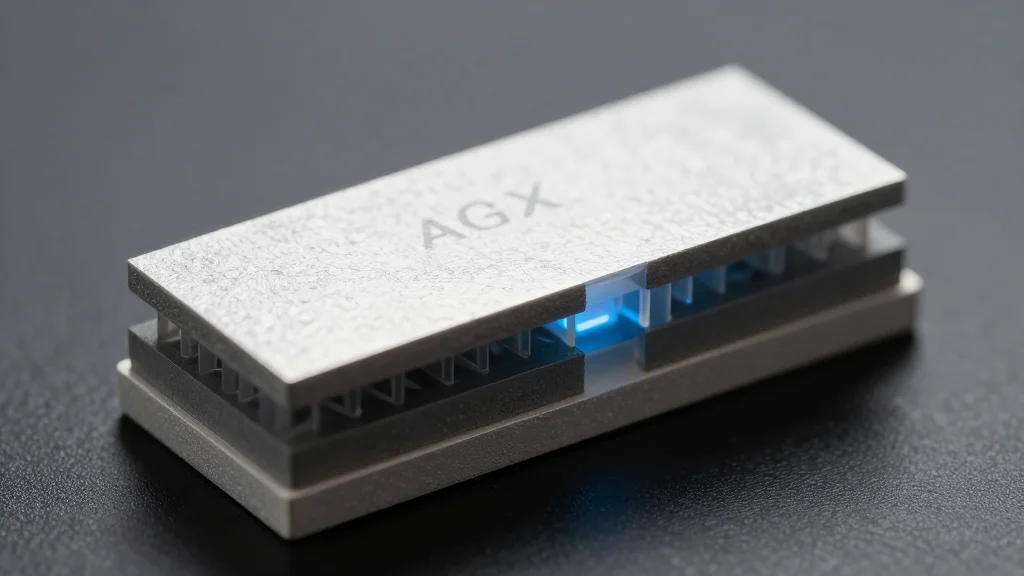
Transition Between Digital Switching and Analog Synapse in AgOx/SnSe2 Memristor Through Thickness Engineering
Researchers demonstrated that an AgOx/SnSe2 memristor can toggle between digital and analog operation simply by varying the AgOx layer thickness. A 75 nm thick AgOx film produces abrupt, high‑contrast switching with an ON/OFF ratio above 10⁶, sub‑10 mV/dec subthreshold swing, and 5,000‑second...

Structured Selective Activation for Bubble‐Controlled High‐Rate Alkaline OER
Researchers engineered a nickel‑iron (NiFe) electrode with selective activation and structured geometry to control bubble dynamics in alkaline oxygen evolution. The device combines micromilling, PTFE coating, and electrodeposition, creating deactivated regions that channel electrolyte and guide bubbles unidirectionally. This design...

Direct Printing of Electronics on Flexible Porous Substrates
The study introduces Drop Impact Printing (DIP), a nozzle‑free method that deposits highly concentrated inks onto untreated porous substrates such as paper in a single pass. By ejecting microdroplets through a sieve‑impact mechanism, DIP limits lateral spread and solvent penetration,...
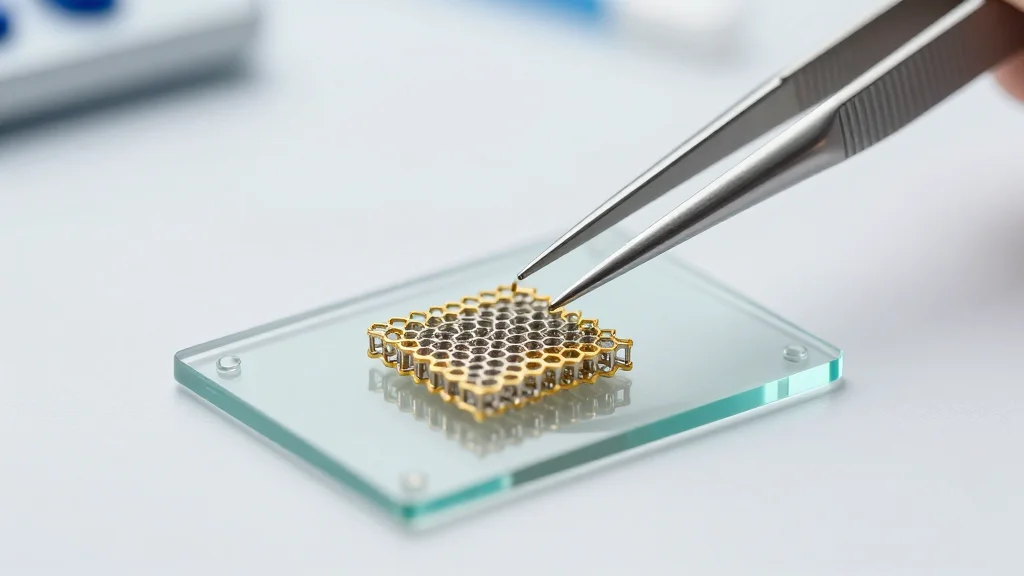
Nanointerface‐Guided Pt Deposition on Co‐Mn Oxide‐SnO2 Supports for High ORR Durability and Activity
Researchers introduced a nanointerface‑guided catalyst where platinum nanoparticles are deposited on a cobalt‑manganese oxide (CMO) coated tin‑oxide support. The electroless‑plated Pt‑CMO‑SnO2/KB catalyst delivered 1.97‑times higher mass activity than conventional Pt/C and retained 33% more activity after voltage cycling. Microscopy and...
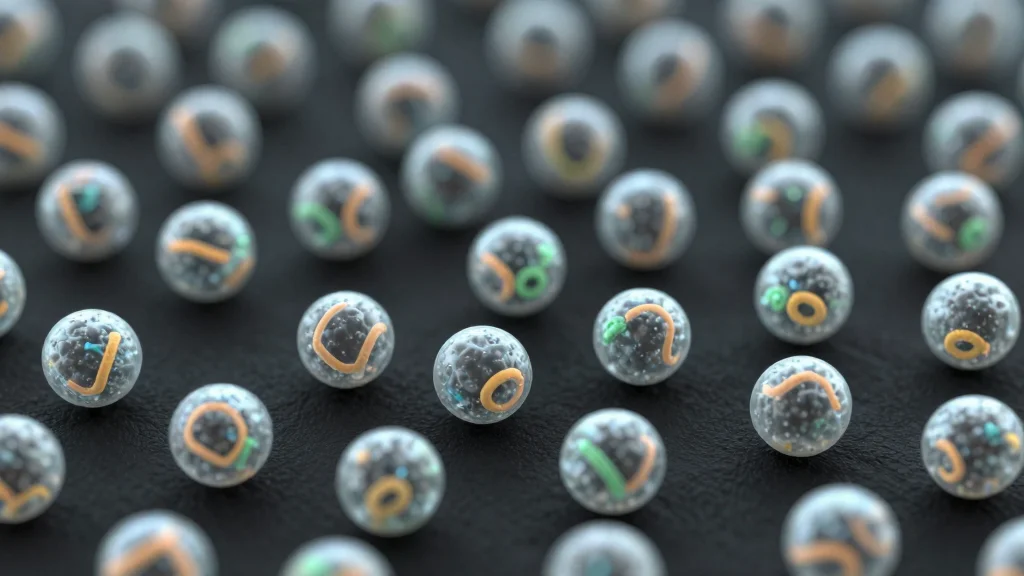
Regulation and Synthesis of Mixed‐Ligand Titanium–Oxide Nanoparticles for 12 Nm Nanolithography
Researchers have developed titanium‑oxide nanoparticles functionalized with a mixed aromatic ligand shell containing benzoic acid and fluorobenzoic acid. The fluorinated mixed‑ligand design yields a characteristic particle size of 12 nm and achieves line‑width roughness (LWR) of about 1.3 nm in electron‑beam lithography...
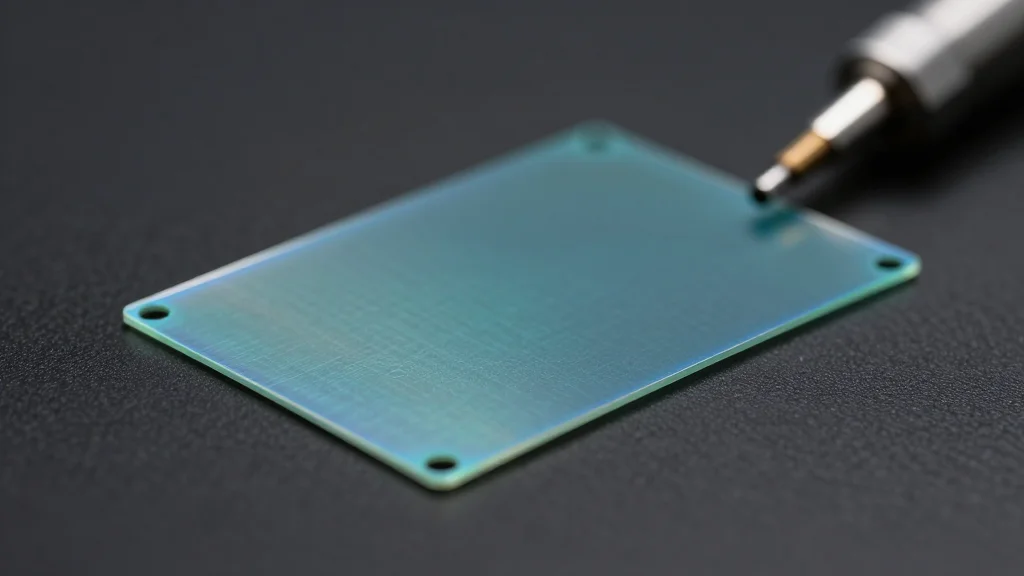
2D TMD‐Based Backplane Circuitry for Large‐Area Electronics
The review highlights 2D transition‑metal dichalcogenides (TMDs) as a promising platform for backplane circuitry in next‑generation large‑area electronics. It outlines recent advances in CVD synthesis of film‑type TMDs and their integration with low‑temperature, large‑area processes such as printing and vapor...
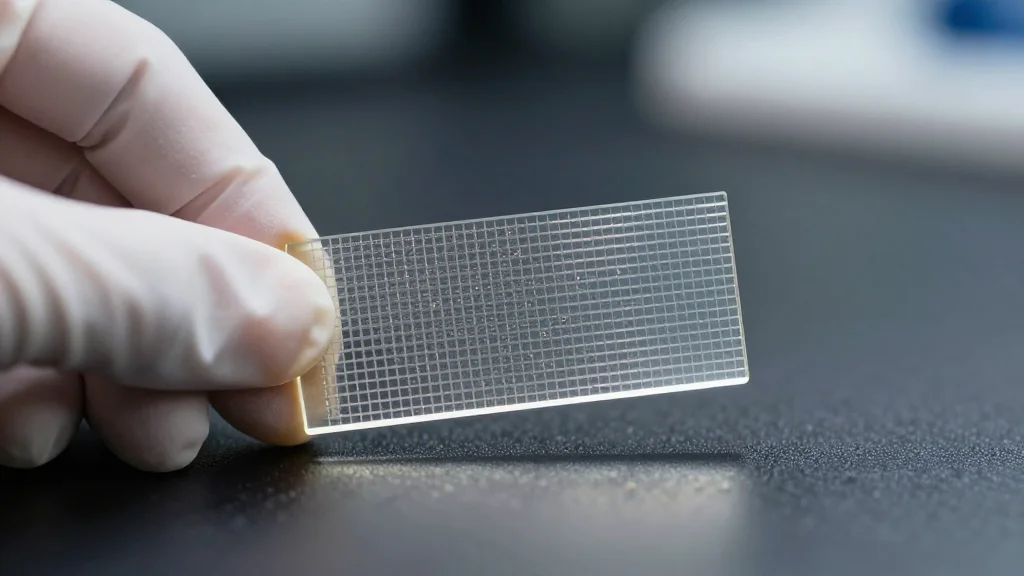
Role of NaF in Attenuating Interfacial Instability of Lithium Metal Anode: A Strategy to Modulate SEI for Enabling Dendrite Free...
Researchers demonstrate that a sodium fluoride (NaF) coating forms an artificial solid electrolyte interphase (SEI) on lithium metal anodes, directing Li⁺ transport and producing smooth, dendrite‑free deposition. In Li||Li symmetric cells the NaF‑modified electrodes sustain over 500 cycles at 1 mA cm⁻²...

Entropy Engineering Accelerating the Phase Transformation Dynamics of Phosphate Cathode for Ultra‐High Rate Capability
Researchers applied entropy engineering to a NASICON‑type sodium‑ion cathode, creating Na3.5V1.35Mn0.5Al0.05Ni0.05Zr0.05(PO4)3/C (NVMANZP). The multi‑cation substitution transforms the native biphasic reaction into a solid‑solution‑like mechanism, lowering the Na⁺ migration barrier and suppressing Mn³⁺ Jahn‑Teller distortion. As a result, NVMANZP delivers 118.3 mAh g⁻¹...
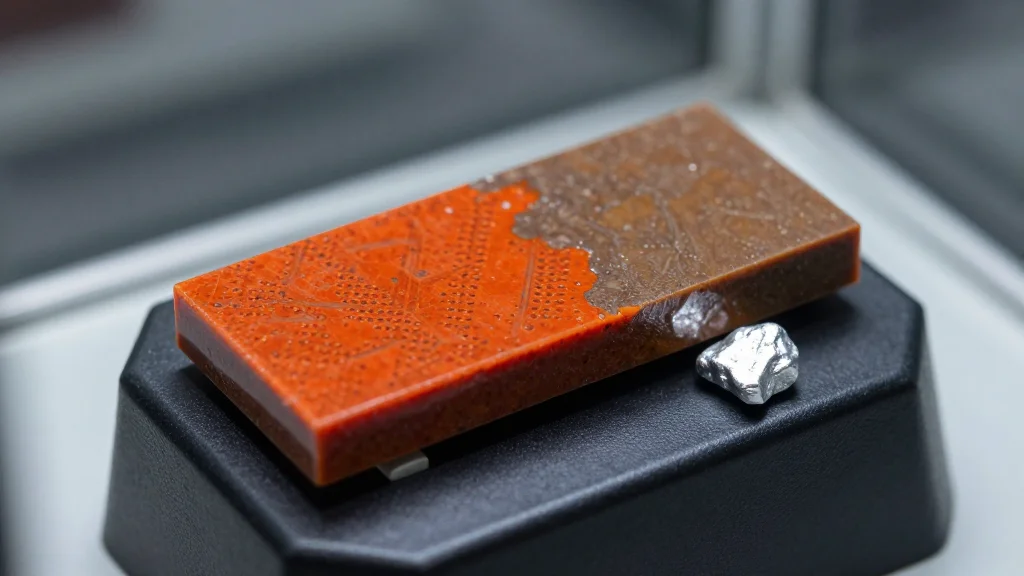
Topotactic Phase Transition in Epitaxial La0.7Sr0.3MnO3‐δ Films Induced by Oxygen Getter Assisted Thermal Annealing
Researchers report a straightforward thermal vacuum annealing process that uses bulk aluminum as an active oxygen getter to trigger a topotactic phase transition from perovskite to brownmillerite in epitaxial La0.7Sr0.3MnO3‑δ thin films. X‑ray diffraction confirms the structural conversion, while SQUID...

Engineering M13 Filamentous Phages to Target Dendritic Cells and Elicit Anti‐Tumour Immunity
Researchers have engineered an M13 filamentous phage vector, termed SCP, that simultaneously displays dendritic‑cell targeting peptides and SpyCatcher proteins for antigen conjugation. In vitro, SCP activates dendritic cells, increasing co‑stimulatory markers and inflammatory gene signatures, which translates into enhanced cytotoxic...

Probing a Reactive Alkyne Center Aligned via a Triphenylmethane Tripod on Au(111) for Electric Field‐Induced Chemistry by STM and TERS
Researchers demonstrated a triphenylmethane‑based molecular tripod that anchors a terminal alkyne upright on Au(111), creating a reactive center aligned with intense electric fields generated by an STM tip. Low‑temperature STM and tip‑enhanced Raman scattering (TERS) verified the vertical orientation and...

Isolated Iodine Single Atoms Regulating the In‐Plane Electronic Structure of G‐C3N4 for Enhanced CO2 Photoreduction
Researchers have anchored isolated iodine atoms onto ultrathin graphitic carbon nitride (g‑C3N4), creating a single‑atom catalyst that stabilizes the material and accelerates in‑plane charge separation. The C‑I covalent bond acts as a direct hole‑transfer channel, while orbital hybridization with CO2...

External Electric Field‐Assisted TS Vacancy Mediation for Accelerating Dipole Polarization to Enhance Electromagnetic Attenuation
Researchers have introduced an external electric field (EEF)‑assisted synthesis to steer vacancy creation in ternary sulfides, enabling precise reconstruction of defect states and electronic structures. The applied field reduces migration barriers for Cu2+ and Co2+ ions while partially mobilizing S2−,...
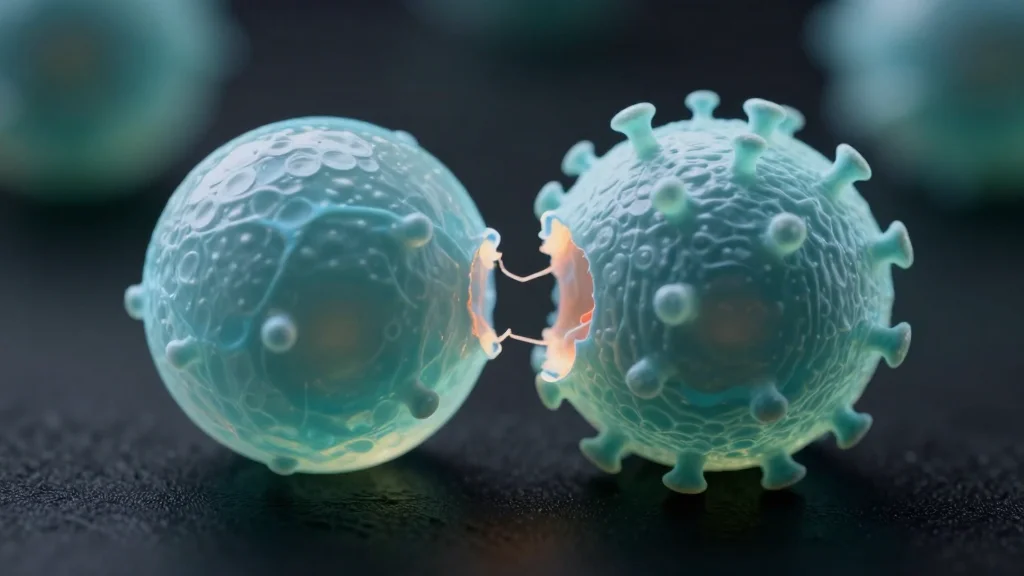
Novel Wide‐Spectrum Virucidal Lipid Nanoparticles
POSTAN is a novel lipid‑based nanoparticle that acts as a broad‑spectrum virucidal agent. Composed of polyoxyethylene sorbitan oleate and sodium taurodeoxycholate, it mimics host heparan sulfate and lipid rafts to disrupt viral envelopes. In cell cultures and mouse models, POSTAN...

Coherent Spin Waves in Curved Ferromagnetic Nanocaps of a 3D‐Printed Magnonic Crystal
Researchers have demonstrated a fully three‑dimensional magnonic crystal fabricated by two‑photon lithography and coated with a 30‑nm nickel film. Using an on‑chip microresonator, they detected coherent spin‑wave modes at 14 GHz and 24 GHz that follow the face‑centered cubic geometry of the...

Photocatalytic Acetic Acid Production with High Selectivity From Conversion of CH4 and CO Under Mild Conditions
Researchers have engineered a photocatalyst comprising WO3 nanosheets decorated with oxygen vacancies and palladium nanoparticles that converts methane and carbon monoxide into acetic acid. Under visible‑light irradiation at room temperature and ambient pressure, the catalyst delivers a production rate of...

Cationic Covalent Organic Framework‐Based Membranes for High‐Performance Zn/Br2 Redox Flow Batteries
Researchers integrated a cationic covalent organic framework (EB‑COF) into Nafion membranes to tackle the long‑standing trade‑off between ion conductivity and polybromide shuttle in Zn/Br₂ redox flow batteries. The EB‑COF introduces surface –CHO and –NH₂ groups that create extensive water networks,...
Bimetallic 2D Metal Organic Frameworks for High Selective Ethylene Glycol Electrooxidation
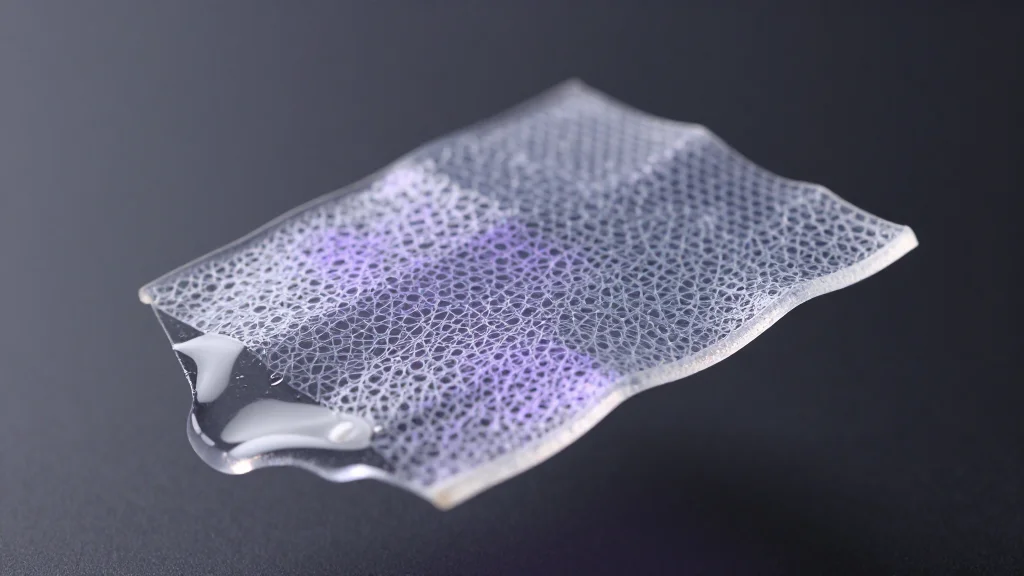
Researchers have transformed waste polyethylene terephthalate (PET) into ultrathin 2D Co‑Ni metal‑organic framework (MOF) nanosheets that act as highly active electrocatalysts for ethylene glycol oxidation (EGOR). Incorporating nickel generates high‑valence cobalt sites, lowering the EGOR onset potential and strengthening oxygen‑species...

A Non‐Volatile, Low‐Voltage, Stretchable Transparent Dielectric Heater for Real‐World Autonomous Thermal Management Platform (Small 7/2026)
Researchers Jin Woo Bae et al. present a non‑volatile, low‑voltage dielectric heater that is both stretchable and transparent, enabling wearable thermal management in harsh, cold environments. The device uses a sandwich‑structured dielectric heating layer that activates autonomously when ambient temperature drops below a...

Sorting‐Free Carbon Nanotube Synaptic Transistors
Researchers have demonstrated unsorted carbon nanotube (UCNT) transistors gated by an ion‑gel that achieve efficient conductance modulation without any sorting steps. The devices deliver an ON/OFF current ratio of about 25 and exhibit linear potentiation across 50 conductance states together...

Tailoring High‐Entropy Oxide via Grain Boundary Engineering to Establish Adjacent Asymmetric Redox Sites for Full‐Spectrum Photothermal Catalytic CO2 Reduction
The researchers applied grain boundary engineering to (CoCrFeMnNi)3O4 high‑entropy oxide nanosheets, creating adjacent asymmetric Fe‑Vo‑Cr‑O redox sites that simultaneously activate water and bind CO2. Electronic redistribution at the boundaries produces electron‑deficient Fe Lewis‑acid sites for proton generation and electron‑rich Cr‑O...
Revealing Cycling‐Induced Evolution of Intact Sodium Metal Battery Interfaces Using Cryo‐Focused Ion Beam Cross‐Sectioning and Electron Microscopy
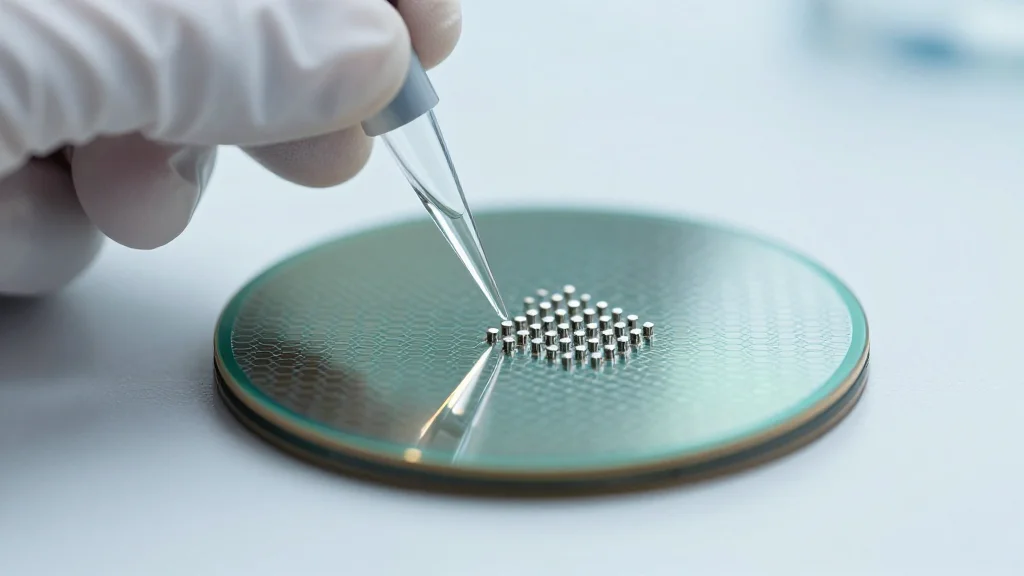
The researchers present a full‑cell cryogenic focused ion beam (cryo‑FIB) technique that slices intact sodium‑metal batteries, allowing simultaneous observation of anode, cathode and separator interfaces. By comparing ethylene carbonate/diethyl carbonate (EC/DEC) and diglyme electrolytes, they show that carbonate solvents trigger...

Ion Migration Control in Lead‐Free Halide Perovskite Transistors for Logic and Neuromorphic Circuits
Lead‑free tin halide perovskite field‑effect transistors (PeFETs) are emerging as a versatile platform for both logic and neuromorphic computing. Compared with lead‑based perovskites, Sn‑based materials exhibit higher vacancy migration barriers, reducing unwanted ion drift and improving logic stability. The review...
Novel Wide‐Spectrum Virucidal Lipid Nanoparticles (Small 7/2026)
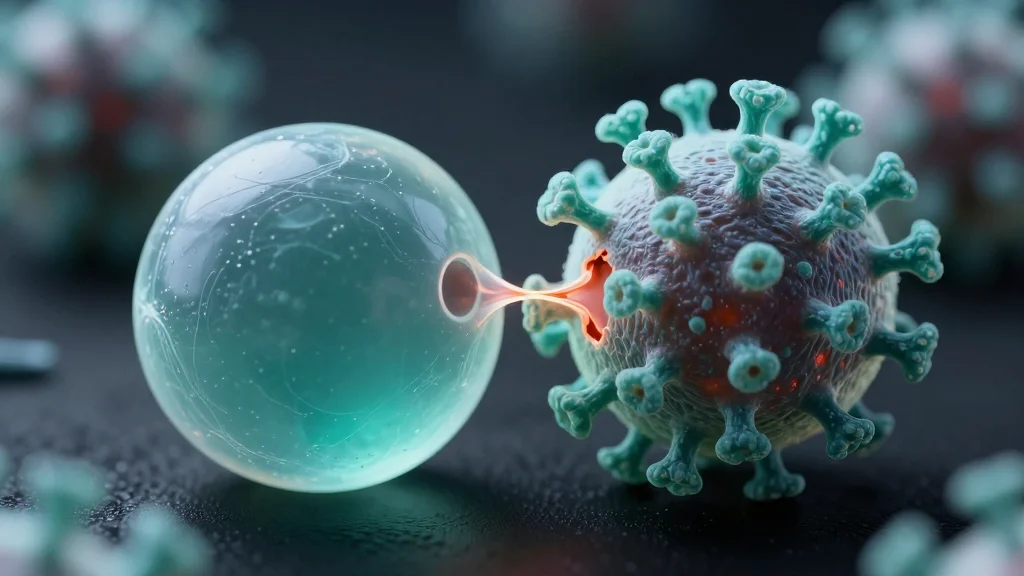
Researchers Yugo Araújo Martins, Caroline Tapparel and colleagues introduced POSTAN, a lipid‑based nanoparticle that mimics heparan sulfate proteoglycans and viral lipid rafts. By exploiting the same entry pathways viruses use, POSTAN physically disrupts viral envelopes, halting replication. The platform showed...

Bandgap Engineering On Demand in GaAsN Nanowires by Post‐Growth Hydrogen Implantation
Researchers demonstrated post‑growth hydrogen implantation to raise the bandgap of GaAsN core‑shell nanowires by up to 460 meV, a shift far beyond what is achievable in planar epilayers. The process forms nitrogen‑hydrogen complexes that push the bandgap toward the GaAs value...

The State‐of‐the‐Art Two‐Dimensional Heterostructure Engineering on MXenes and Metal Chalcogenides for Boosting Lithium‐Ion Storage Properties
The review highlights recent progress in two‑dimensional MXene/metal‑chalcogenide heterostructures for lithium‑ion batteries, detailing synthetic routes, interfacial coupling mechanisms, and performance gains. By combining MXenes’ metallic conductivity with the high capacity of sulfides, selenides, and tellurides, these composites achieve markedly higher...
Carbon‐Bifunctionalized Mo2N Coupled Atomic Pb Sites for Efficient Nitrogen Reduction
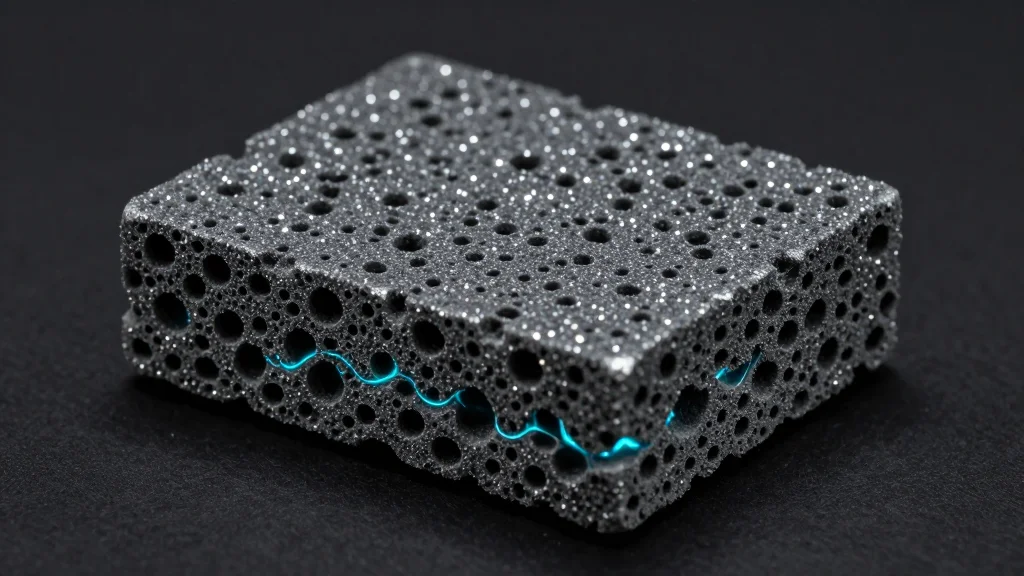
Researchers introduced a carbon‑bifunctionalized Mo2N electrocatalyst embedded in a porous Pb‑nitrogen‑carbon matrix with atomically dispersed Pb sites, fabricated via a one‑step carbonitridation process. Interstitial carbon generates nitrogen vacancies that boost N₂ adsorption, while atomic Pb weakly binds H* to suppress...
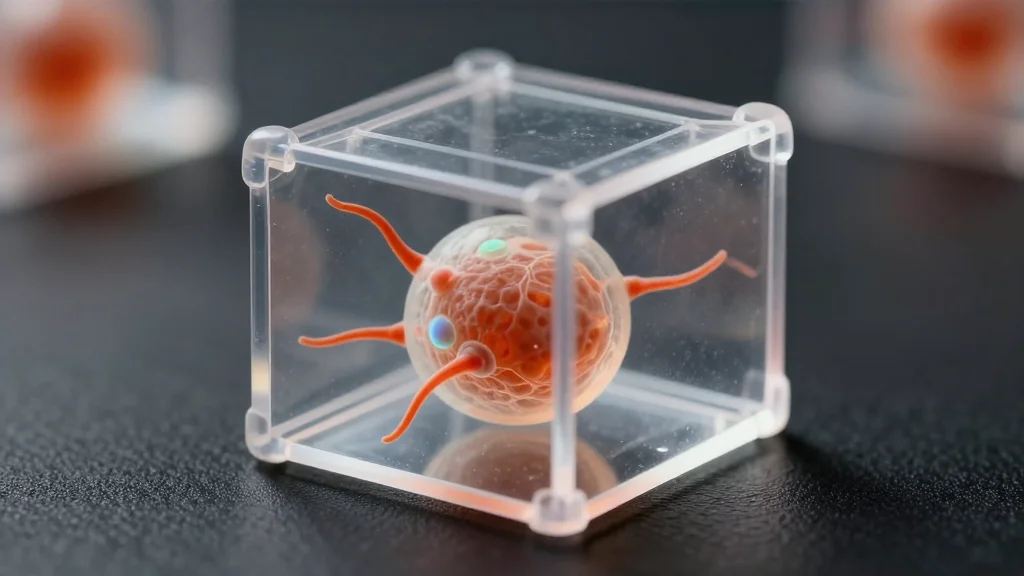
Two‐Photon Polymerized 3D Geometries to Study Single‐Cell Mechanotransduction and Force Generation in Mesenchymal Stromal Cells
Researchers introduced a two‑photon polymerization direct‑laser‑writing platform that fabricates microscale 3D cages to confine single mesenchymal stromal cells. The cages enable nanometer‑scale traction‑force measurements while independently controlling cell volume and shape. Experiments showed that pure 3D geometry triggers vertical actin...

Emerging Strategies for Sustainable Nitrogen Activation to Ammonia
The review surveys six cutting‑edge pathways—electrocatalysis, photo/photoelectrocatalysis, non‑thermal plasma, lithium‑mediated reduction, mechanochemistry, and microdroplet catalysis—for converting nitrogen to ammonia under mild conditions. It links molecular mechanisms to interface engineering, benchmarking, and system‑level sustainability, exposing common bottlenecks such as low selectivity...
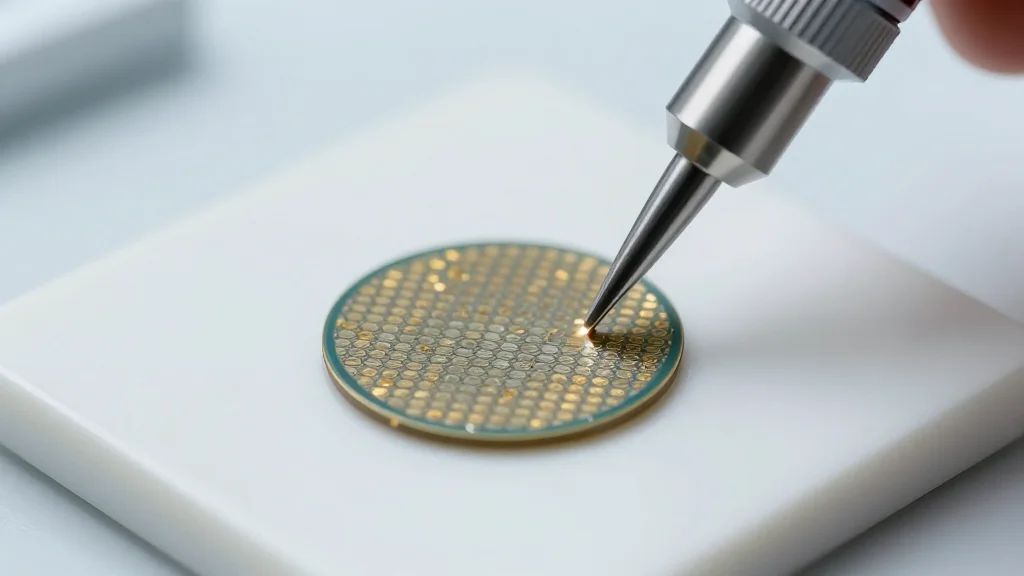
Weak‐Interaction‐Driven Self‐Positioning for Multi‐Site Modification in Perovskite Solar Cells
Researchers introduced a weak‑interaction‑driven self‑positioning strategy that enables multi‑site modification of n‑i‑p perovskite solar cells without extra deposition steps. Metal phthalocyanine modifiers dissociate during film formation, causing alkali metal ions to migrate to the SnO2/perovskite interface while ligands enrich the...

Evolution of Curvatures Between Lamellar and Bicontinuous Phases: Formation of Saddle‐Shaped Hierarchical Lamellar Structures in Binary Self‐Assembly System
Researchers have identified a novel saddle-shaped hierarchical lamellar (saddle‑SML) phase that exhibits negative Gaussian curvature while retaining lamellar topology. The phase emerges in a binary self‑assembly system of polystyrene‑b‑poly(acrylic acid) block copolymer and the surfactant stearyltrimethylammonium bromide. Competing electrostatic screening...

Multiphysics Insights Into Carrier‐Ion Interactions and Electrochemical Reactions in Perovskite/Silicon Tandem Solar Cells
Perovskite/silicon tandem solar cells promise efficiencies beyond single‑junction silicon, but mobile ions trigger electrochemical reactions that erode performance and stability. Researchers built a self‑consistent multi‑physics model linking carrier transport, ion migration, and Butler‑Volmer kinetics to capture these effects. Simulations show...

Dynamic Self‐Switching Electronic State of Pt Sites for Boosting Bifunctional Hydrogen Electrocatalysis and Low‐Temperature Energy Conversion
Researchers introduced a Pt/WO3 catalyst that dynamically switches its electronic state via proton‑driven phase changes between WO3 and HxWO3. This reversible transition toggles Pt sites from electron‑deficient to electron‑rich, lowering the hydrogen evolution reaction (HER) barrier to 0.327 eV and the...

Lithium Extraction in Confined Channels
A recent review spotlights confined‑channel membranes as a breakthrough for sustainable lithium extraction from aqueous sources, including low‑grade seawater. By engineering sub‑nanometer pathways, these membranes achieve high lithium selectivity through size exclusion, pore‑wall interactions, and specific chemical affinities. The paper...

Spectrally Engineered Hierarchical Nanocomposite Enabling Full‐Spectrum Solar‐Thermal Conversion and Dynamic Anti‐/De‐icing in Harsh Environments
Researchers have created a spectrally engineered nanocomposite (PBMI‑PANI‑Cu@PZS) that converts the entire solar spectrum into heat, reaching a 65.1 °C temperature rise under one‑sun illumination. The material combines UV‑to‑visible Stokes shifting, plasmonic copper nanorods, and near‑ and far‑infrared absorbers to achieve...

Dual‐Role of Heteroatom (N, Co) Co‐Doped Ti3C2Tx MXene in Hydrogen Evolution Reaction and Energy Storage
Researchers co‑doped Ti3C2Tx MXene with nitrogen and cobalt, creating a MX–N–Co electrode that simultaneously improves electrochemical capacitance and hydrogen evolution reaction (HER) performance. Cobalt contributes enhanced conductivity and catalytic sites, while nitrogen adjusts the electronic structure to accelerate HER kinetics....

Construction of Cu2O@CuO Sea‐Urchin‐Like Heterojunction Materials for Enhancing Zinc Storage
Researchers synthesized a sea‑urchin‑like Cu2O@CuO heterojunction using a deep eutectic solvent (K2CO3‑EG DES) that serves as solvent, morphology assistant, and reducing agent. The heterointerface accelerates Zn²⁺ ion diffusion and provides extra electromotive force, as confirmed by DFT and SECCM mapping...

Bimetallic Active Sites Accelerate Electrons Transfer for Photo‐Thermal Catalytic CO2 Reduction
Researchers engineered bimetallic Fe–Ni active sites on a CaFeO3 perovskite to create a photo‑thermal catalyst that dramatically improves CO2 conversion. The Fe‑decorated Ni particles shift Ni’s 3d orbitals lower, accelerating electron transfer and favoring a formate‑dominated pathway. This catalyst achieved...

Fern‐Leaf‐Inspired Multifunctional Flexible Strain Sensors for Motion Monitoring, Information Communication and Health Alert
Researchers have developed a high‑performance flexible strain sensor inspired by fern leaves, employing reverse‑molding and film deposition to create hierarchical veins and a deep W‑shaped groove. The design generates staggered cracks and serpentine conductive paths, delivering a sensitivity of up...

Rationally Designed Oxidase‐Mimicking Nanozymes for Correlating Drug Resistance and Cellular Senescence with Total Antioxidant Capacity
Researchers engineered a core‑shell MnO2@ZIF-67 nanozyme that exhibits markedly superior oxidase‑like activity, achieving a 26% higher maximum reaction velocity and a 46% lower Km than bare MnO2. The nanozyme enables ultrasensitive detection of cellular antioxidants such as ascorbic acid, glutathione...

Large‐Area Atomically Thin WS2 Enables Exceptionally Scratch‐Resistant Silica Glass
Researchers have demonstrated that a large‑area, single‑layer WS2 film grown by chemical vapor deposition can dramatically improve the scratch resistance of silica glass. Atomic‑force microscopy tests show a roughly 95% reduction in nanoscale friction, effectively eliminating abrasive wear while maintaining...

Magnetron Sputtered Metallic Thin Films as Li‐Ion Battery Anodes
The review evaluates how magnetron sputtering advances metallic thin‑film anodes for Li‑ion batteries, targeting three core barriers: slow Li‑ion kinetics, pronounced volume expansion, and low initial Coulombic efficiency (ICE). It details nanostructure engineering, hybridization, and alloying strategies applied to Si,...

Accelerating the Exploration of Top Interface Passivators via Machine Learning for High‐Performance Perovskite Solar Cells
Researchers introduced a machine‑learning workflow that rapidly screens 162 ammonium‑salt molecules for perovskite surface passivation. The approach uses architecture‑specific models—XGBoost for n‑i‑p and RDKit‑SVR for p‑i‑n—to predict power‑conversion efficiency gains with low error. SHAP analysis revealed concentration, molecular weight, surface...

Self‐Powered Neuromorphic Touch Sensors Based on Triboelectric Devices: Current Approaches and Open Challenges
The review examines how triboelectric nanogenerators (TENGs) can power neuromorphic tactile sensors, mimicking human touch. It categorizes four coupling architectures—ex situ, discrete circuit, direct gating, and monolithic—and two operational modes, displacement-driven and pulse-driven. The authors detail neuromorphic functions achieved, including...