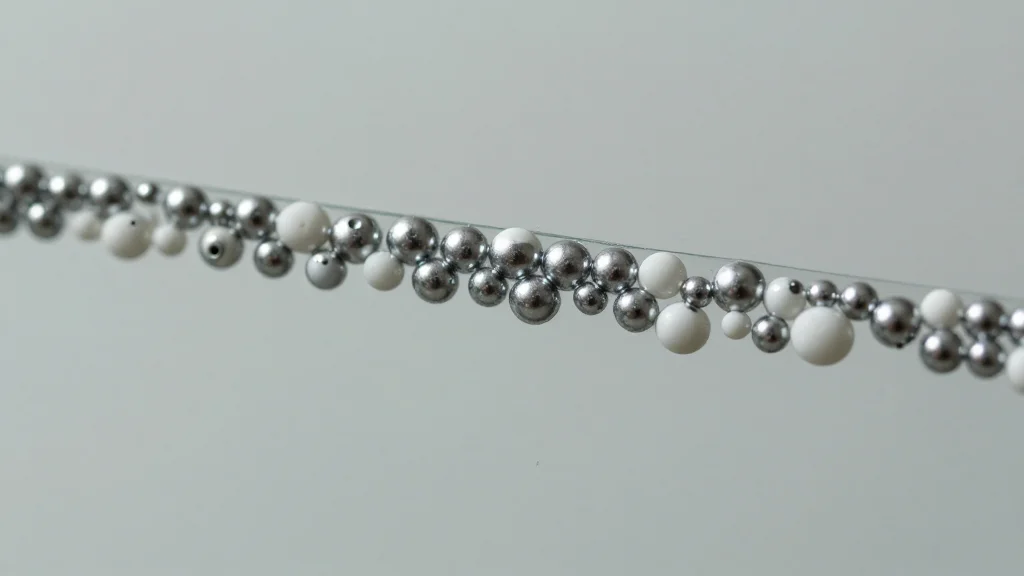
From Passive to Active: Self‐Propelled Colloids in Coatings Formulation and Film Formation
Researchers introduced self‑propelled Janus colloids into coating formulations to overcome passive transport limits during drying. By tuning the balance between fuel depletion and evaporation rates, the active particles accumulate at both the top and bottom interfaces of the film. The particles exhibit an orientational bias at the surface, favoring sub‑equatorial alignment. This proof‑of‑concept demonstrates a new active‑matter route to engineer coating microstructure.
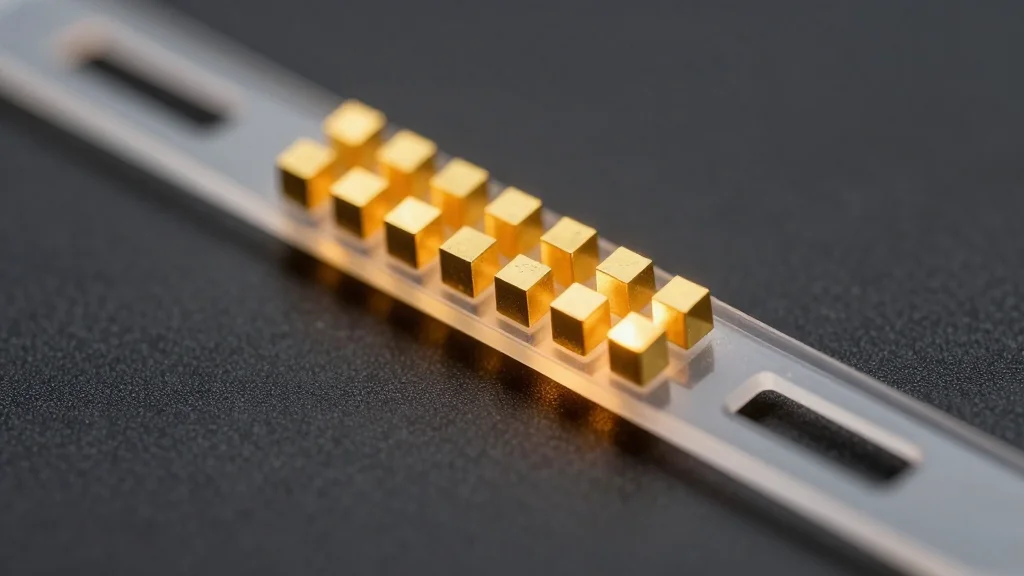
Approaching Gold‐Standard Sensitivity in a Portable and Versatile Gold Nanoprisms Thermoplasmonic Platform for Lateral Flow Detection of Biomolecules
The study introduces a thermoplasmonic lateral flow assay that leverages gold nanoprisms activated by near‑infrared laser to deliver ultrasensitive detection of biomarkers and viral RNA. ThermoLFIA achieved clinically relevant detection of gastrointestinal cancer markers, surpassing traditional ELISA performance. ThermoOLFA detected...
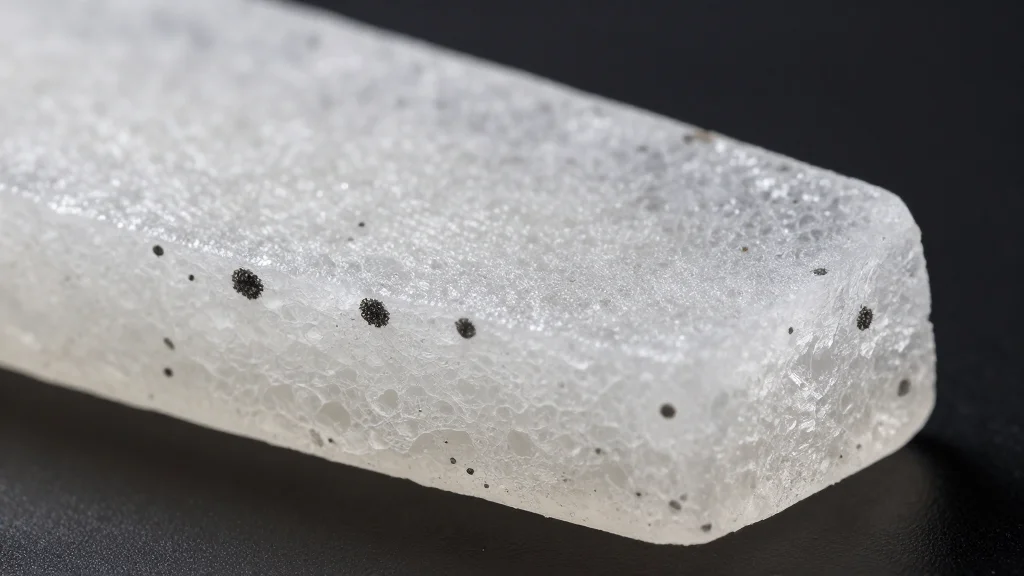
SiO2/SiC Composite Aerogels: Controlled Fabrication, Structure–Property Relationships, and Multifunctional Applications
A new review details the rapid progress of SiO2/SiC composite aerogels, highlighting sol‑gel, carbothermal reduction, freeze‑casting, CVD and electrospinning as primary synthesis routes. By integrating the low‑density, high‑porosity nature of SiO2 aerogels with the mechanical robustness and high‑temperature stability of...
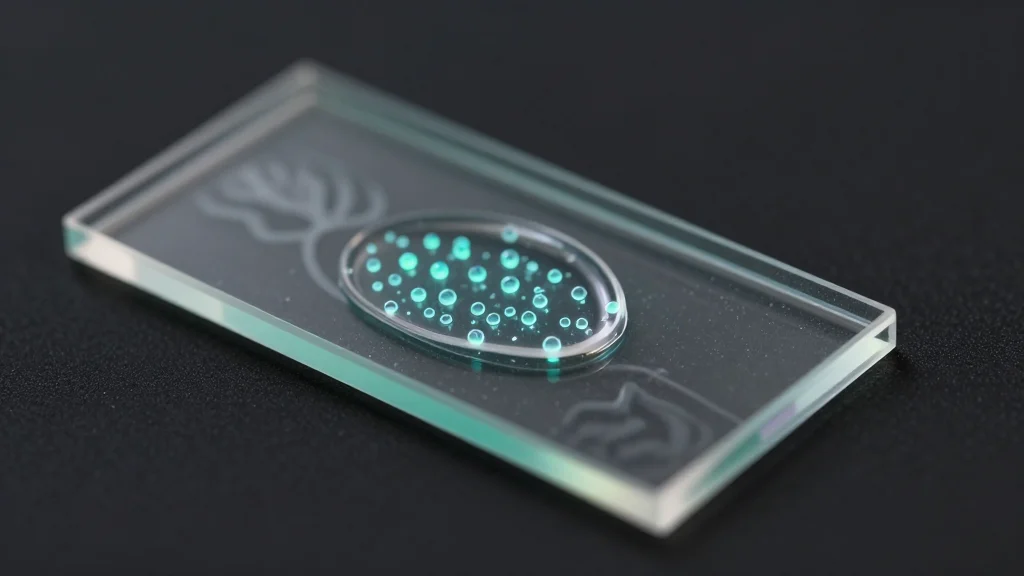
Exosomes in Glioma: Integrating Molecular Mechanisms with Diagnostic and Therapeutic Potential
Glioma‑derived exosomes act as molecular couriers that remodel the tumor microenvironment, driving angiogenesis, immune evasion, and neuronal dysfunction. The review details how proteins such as VEGF and ADAMTS1, as well as non‑coding RNAs, reprogram endothelial cells, astrocytes, and neurons to...
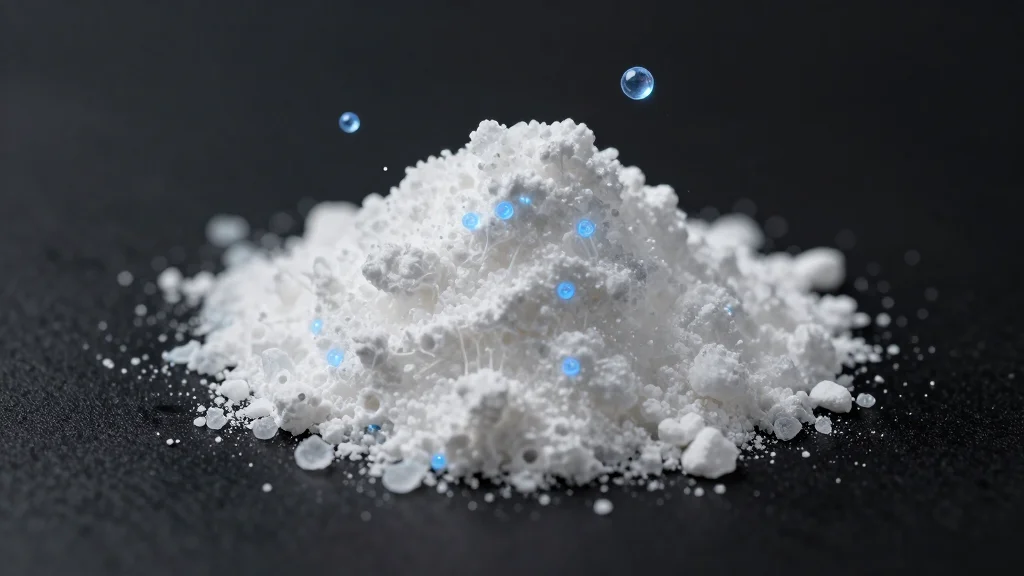
Functional Chain Engineering in MOFs: Balancing Pore Size and Affinity for Noble Gas Separation
Researchers introduced a mixed‑ligand series of metal‑organic frameworks (ML‑xC8) by substituting IRMOF‑1’s terephthalic acid with bulky C8 alkoxy linkers. Increasing the C8BDC fraction systematically reduced pore size, with the 80 % C8BDC composition (ML‑80C8) delivering the optimal environment for xenon capture....

Zn‐Electrochromic Device with Hierarchical Aerogel and Phase‐Change Material Enables Dynamic Infrared Camouflage at Extreme Temperatures
Researchers have created a solid‑state Zn‑based electrochromic device that integrates a polyimide aerogel and a phase‑change composite, delivering dynamic infrared camouflage at temperatures up to 250 °C. The architecture provides record‑high emissivity contrast of 0.63 in the 3‑5 µm band and 0.71...
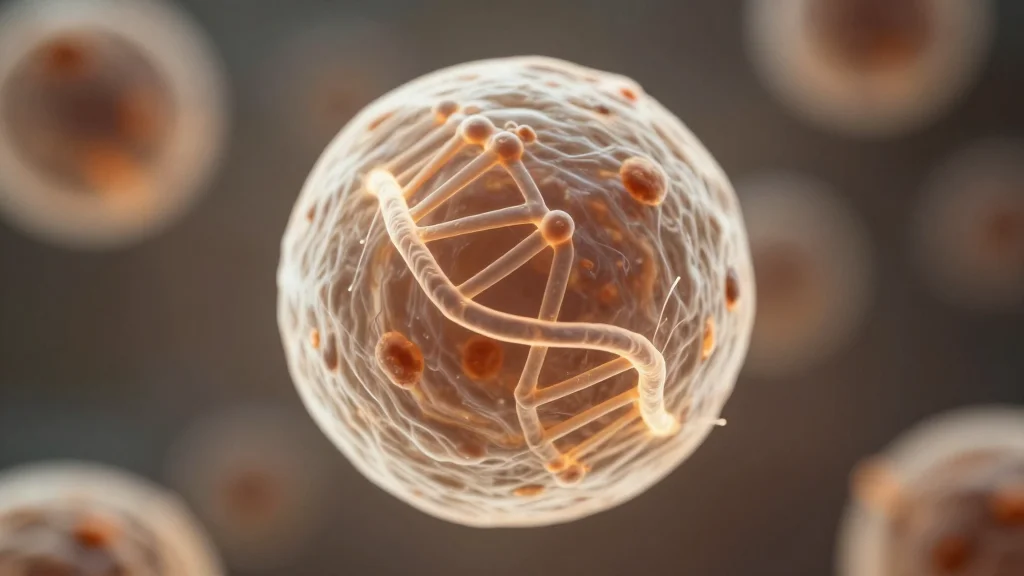
DNA Framework Nucleator‐Enabled Intelligent Hydrogel Interfaces on Living Cells
Researchers introduced a DNA framework nucleator (DFN) that creates ordered hydrogel interfaces on living cell membranes. The rigid tetrahedral DNA scaffold directs localized branched hybridization chain reactions, delivering an ATP‑responsive hydrogel with ~90.7% efficiency—2.9‑fold higher than flexible dsDNA nucleators. The...
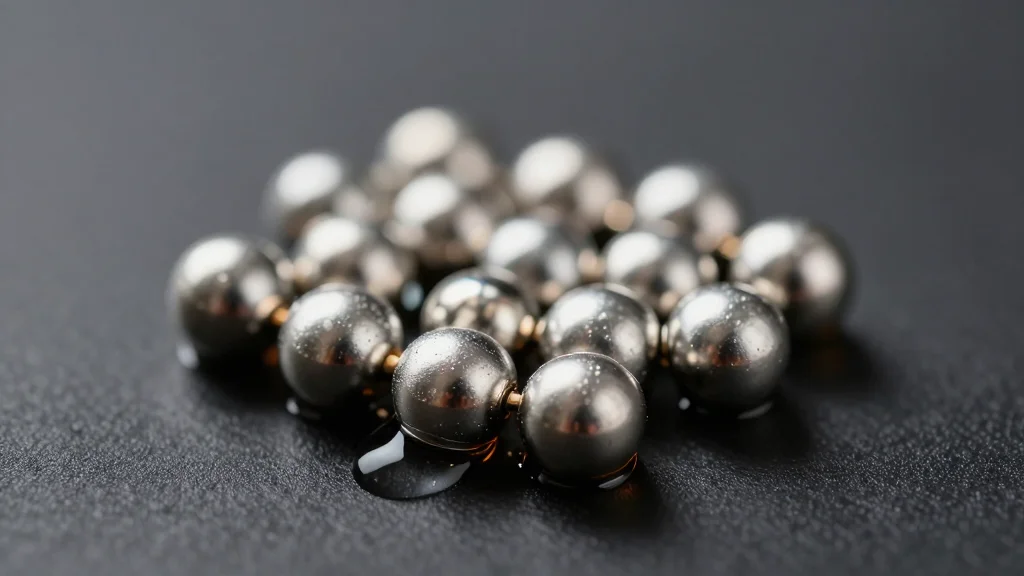
Interface‐Defect‐Rich In‐Mo Codoped Pd Metallene for Enhanced C1 Selectivity During Electrocatalytic Ethanol Oxidation
Researchers have created an indium‑molybdenum co‑doped palladium metallene with abundant interface defects using a simple wet‑chemical route. The catalyst delivers a record 73.68% C1‑selectivity for ethanol oxidation, translating to a mass activity of 4,274 mA mg⁻¹—about 12 times higher than commercial Pd/C....
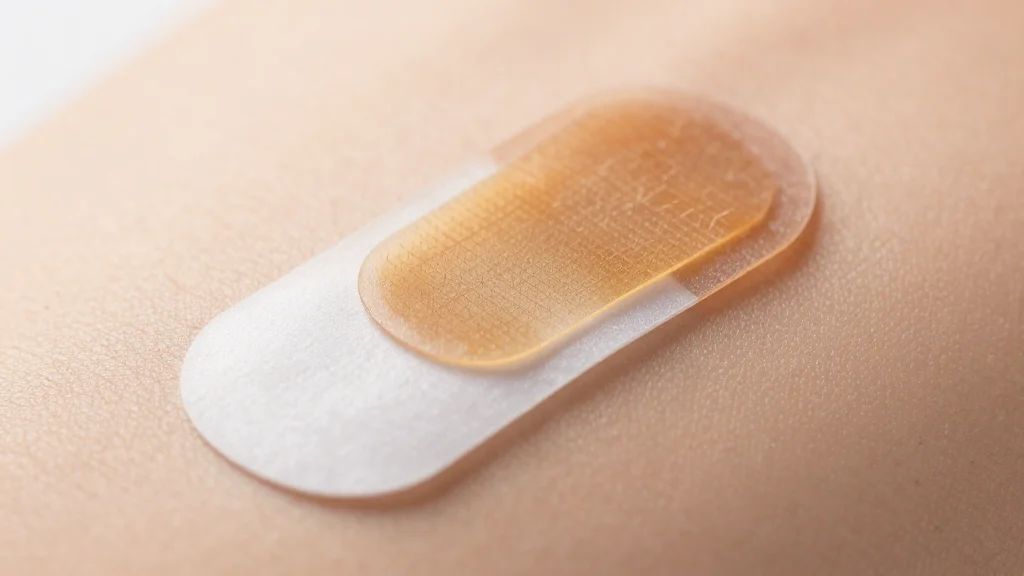
Innovative Microneedle Patches for Psoriasis Treatment: A Dual Approach With Methotrexate‐Zinc and Difelikefalin for Enhanced Therapeutic Outcomes
Researchers have engineered a dual‑layer microneedle patch that co‑delivers methotrexate‑zinc (MTX‑Zn) and difelikefalin (DFK) for psoriasis. The MTX‑Zn component provides sustained anti‑inflammatory and antibacterial action, while DFK offers immediate antipruritic relief. In an imiquimod‑induced mouse model, the combined patch markedly...
Engineering Proton‐Deficient Micro‐Environments on Co‐cluster/Atom Ensembles for Efficient Cyclooctasulfur Electrosynthesis From Sulfur Dioxide
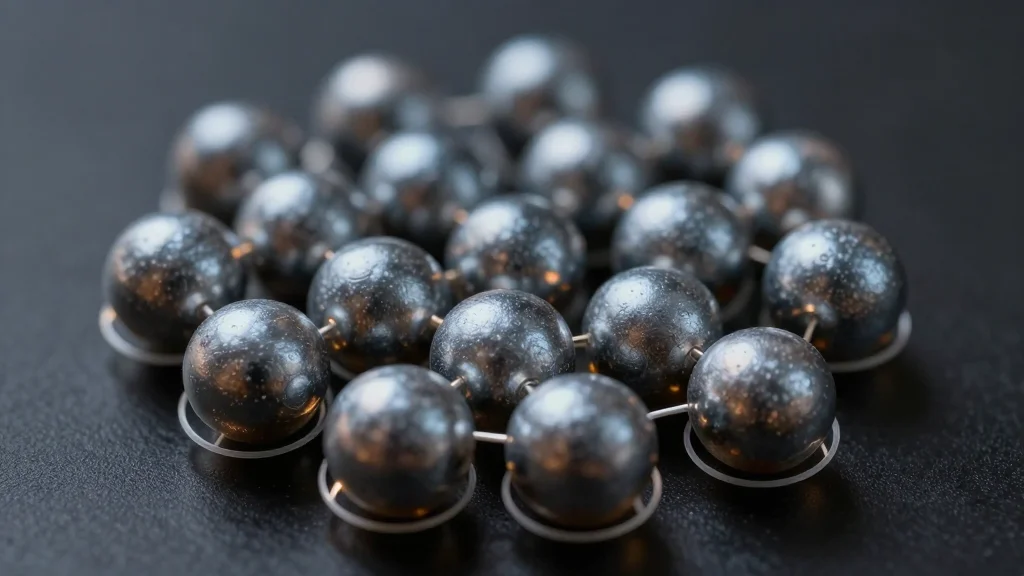
Researchers have engineered dense cobalt‑cluster/atom ensembles that create a proton‑deficient micro‑environment, enabling highly selective electrocatalytic conversion of sulfur dioxide to cyclooctasulfur. The CoC/SA‑NC catalyst achieved a Faradaic efficiency of 87 % and a production rate of 2,802 µmol S₈ per mg of catalyst...

Differentiated Adsorption Modulation of Microdose Additive Enhances Stability and Kinetics in Zinc‐Ion Batteries
Researchers introduced a micro‑dose of biomass‑derived polydextrose (PD) as an electrolyte additive for aqueous zinc‑ion batteries. PD adsorbs strongly on the zinc anode surface while remaining inert to Zn²⁺ ions in the bulk electrolyte, preserving the Zn(H₂O)₆²⁺ solvation shell and...
1D Fully Sp2 Carbon‐Linked Covalent Organic Frameworks for Powerful Photoreduction of CO2
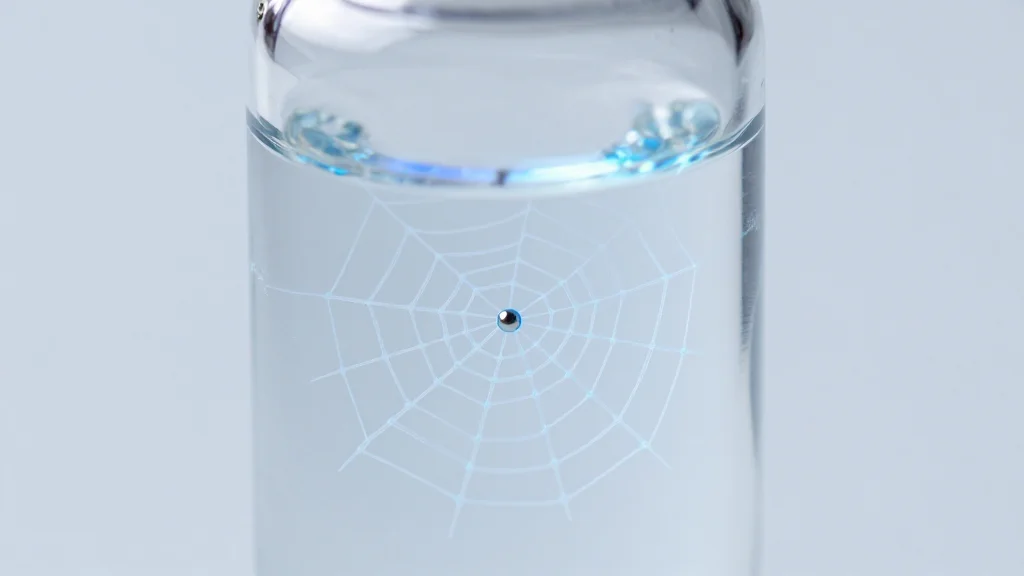
Researchers have synthesized 1D fully sp2 carbon‑linked covalent organic frameworks (COFs) via Knoevenagel condensation, creating vinylene‑linked macrocycles connected by carbon‑carbon bonds. The COFs exhibit rapid photoinduced charge transfer and abundant active sites, achieving CO2‑to‑CO photocatalytic rates of 3,536 µmol g⁻¹ h⁻¹, which surge...
Intrinsic Manipulation of Interfacial Water in Titanium Carbide MXene via Carbon Vacancy Engineering for Superior Pseudocapacitive Storage
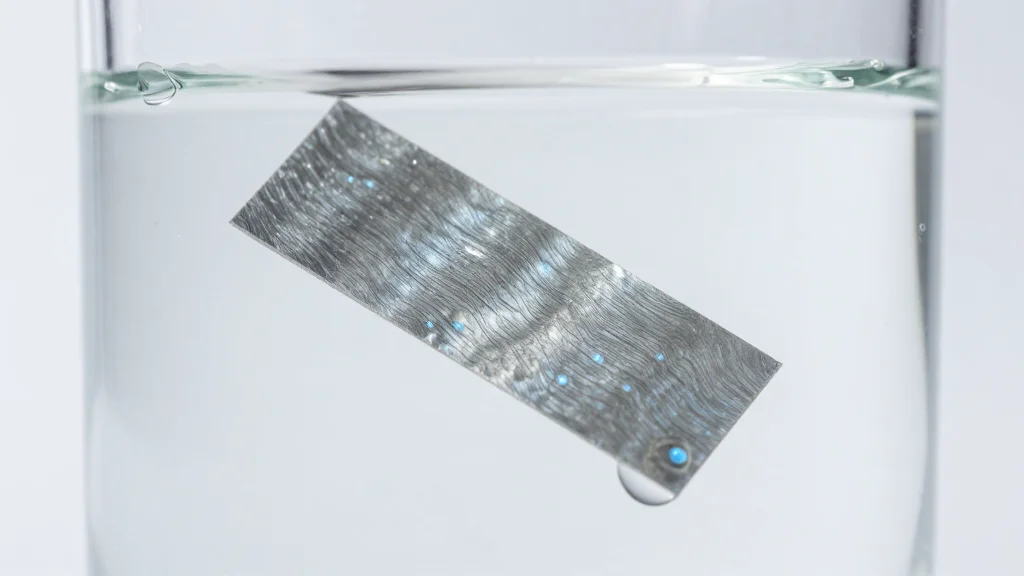
Researchers introduced carbon vacancies into Ti3C2Tx MXene to polarize surface oxygen groups, strengthening hydrogen‑bonding with interlayer water. This intrinsic engineering created a thermally stable “active and fixed” interlayer architecture that markedly improved pseudocapacitive performance. The vacancy‑engineered Ti3C1.7 electrode reached 348 F g⁻¹...

Shallow Zirconia Diffusion Synergistically Enhances Surface Charge Transport in Ge‐Doped Hematite for Efficient Photoelectrochemical Water Splitting
Researchers introduced a dual co‑doping strategy—germanium (Ge) during nucleation and shallow zirconium (Zr) diffusion during sintering—to overcome hematite’s intrinsic low conductivity and surface recombination. Ge increases bulk electron density, while Zr forms a gradient near the surface that lowers charge‑transfer...
Composite Separator with Superior Thermal Shrinkage Resistance for the Safety of Lithium Metal Batteries
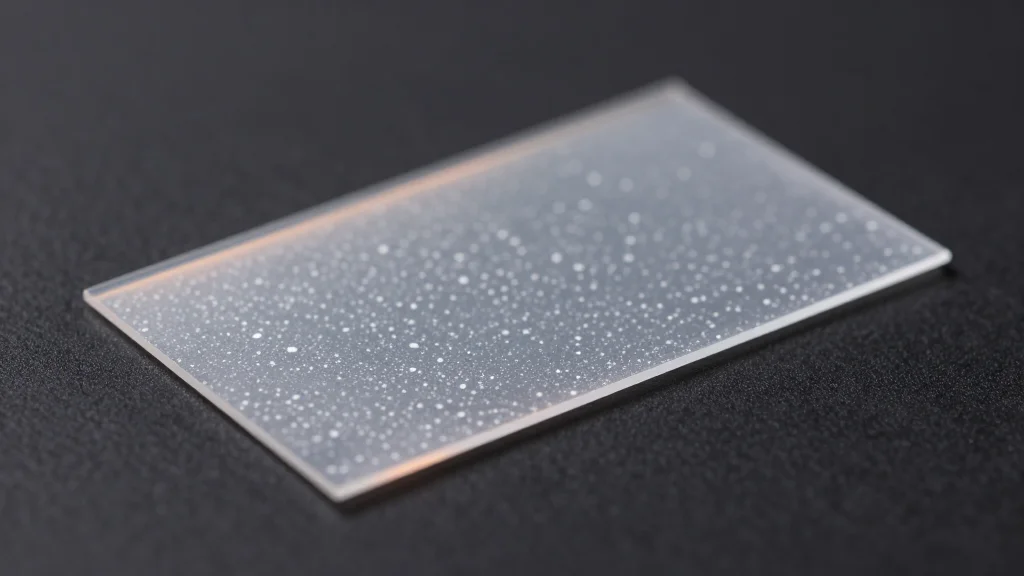
Researchers have developed an Al2O3‑coated composite separator (LSO‑Al2O3@PE) that uses lithium polysilicate as an inorganic binder, delivering virtually zero thermal shrinkage at 200 °C. The separator also provides thermal shutdown and acid‑impurity scavenging, enhancing safety during overheating. Electrochemical tests show Li|LSO‑Al2O3@PE|LiFePO4...