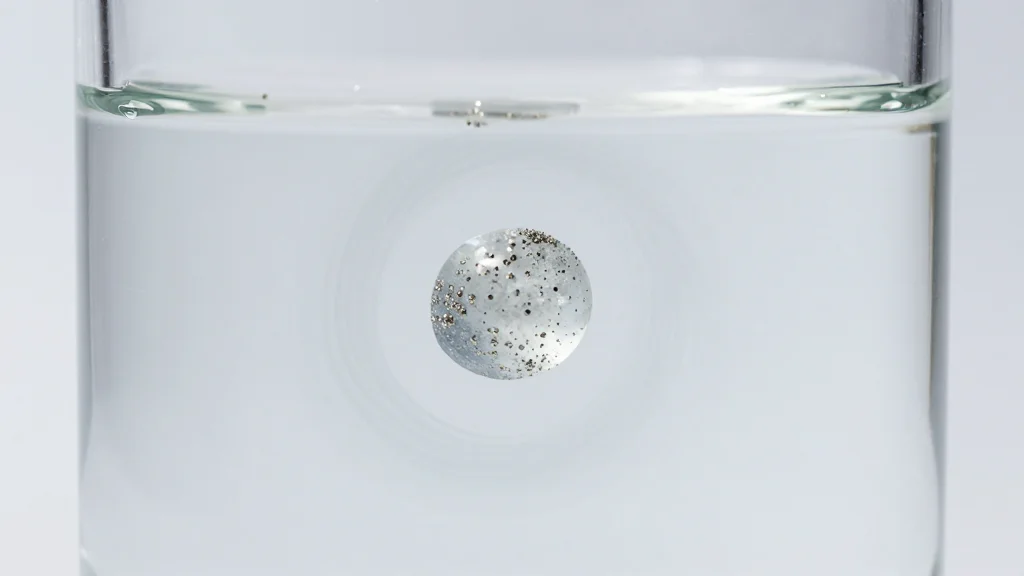
Macroscopic Convective Fluid Flows Arising From Binding of Ions and Small Molecules to Proteins
Researchers demonstrate that binding of ions or small molecules to immobilized proteins can generate macroscopic convective fluid flows. The study shows that nickel binding to urease displaces structured water from the protein’s hydration shell, creating local density differences that drive buoyancy‑ and diffusion‑driven flow. Experimental measurements combined with computational modeling reveal sustained, directional flow patterns and high selectivity for specific metal ions such as nickel. The mechanism opens avenues for flow‑based biosensing and bioresponsive devices that convert molecular binding events into observable motion.

Advanced Aqueous Zinc‐Ion Battery Cathode With an Ultra‐Flat Discharge Plateau Enabled via Synergistic Crystallization and Host‐Guest Recognition
Researchers have introduced a template‑assisted anthraquinone cathode (T‑RAQ) for aqueous zinc‑ion batteries using an 18‑crown‑6 (18C6) co‑crystallization method. The engineered crystal structure delivers an ultra‑flat discharge plateau with voltage variation under 1 mV for 90% of the charge‑discharge curve and a...
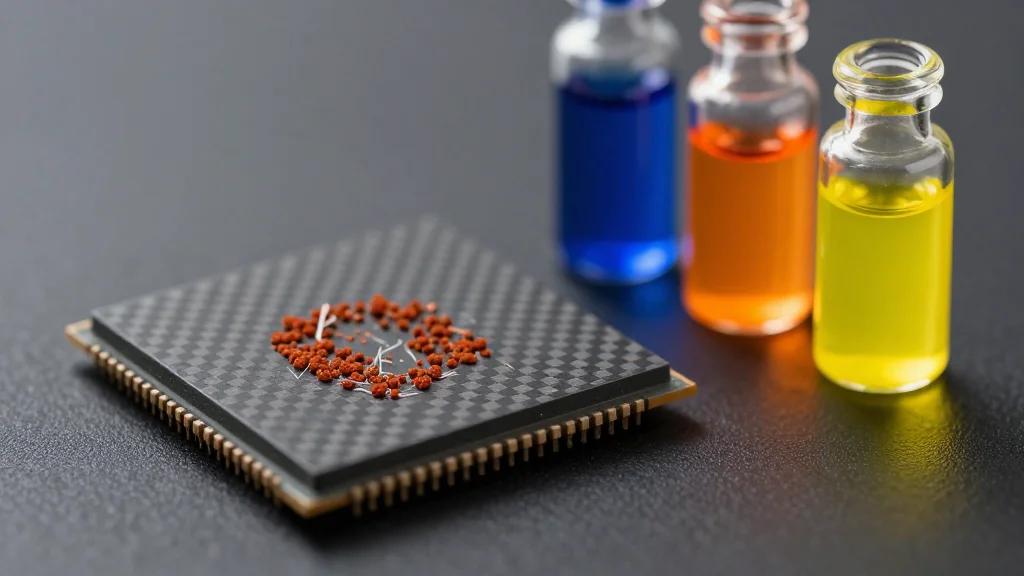
Electrochemical Monitoring of Synthetic Dyes in Water Using Modified Electrodes With Perovskite Oxides Integrated Halloysite Nanotubes Composites
Researchers developed a screen‑printed carbon electrode modified with FeTiO3 perovskite oxide and halloysite nanotubes to electrochemically detect three common synthetic dyes—Indigo Carmine, Sunset Yellow, and Tartrazine. The sensor, fabricated via a green ultrasonication method, delivers a wide linear range of...
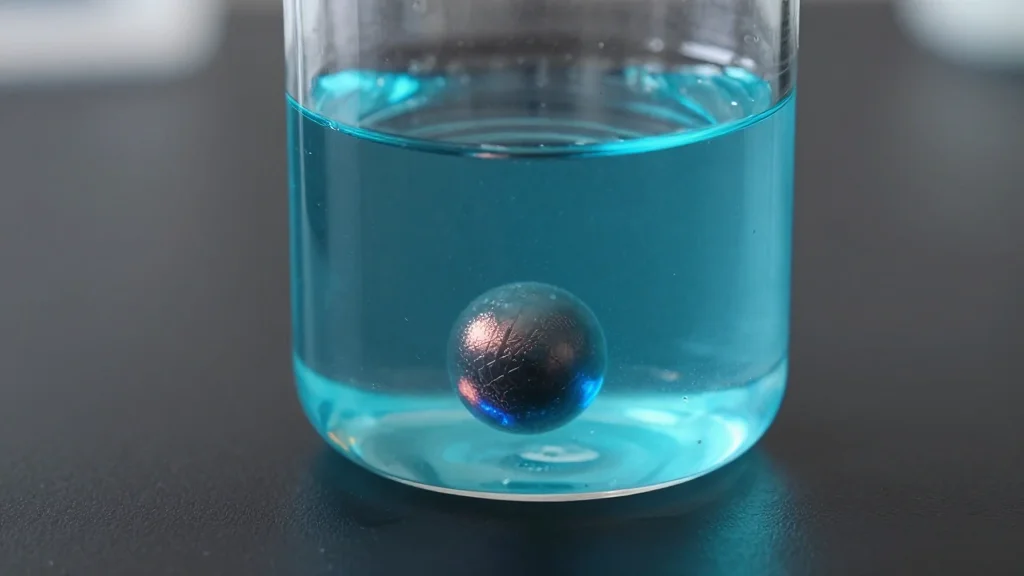
Selective Removal and Recovery of Cu2+ From Complex Water via Asymmetric Electrochemical Separation System
Researchers have created an asymmetric electrochemical separation system that uses a hollow mesoporous carbon sphere–covalent organic framework (HMCS@COF) composite as the cathode to selectively extract copper ions from complex wastewater. The optimized HMCS@COF‑1 delivers 97% removal of Cu²⁺ at 1.2 V,...

Unlocking the Potential of Organic Cathode in Aqueous Zinc‐Ion Batteries Through Composite Engineering
Researchers have created a PTO@CMK-3 composite that pairs the organic molecule pyrene‑4,5,9,10‑tetrone (PTO) with mesoporous carbon CMK‑3, dramatically improving aqueous zinc‑ion battery (AZIB) performance. The composite delivers more than 90 mAh g⁻¹ after 2,000 charge‑discharge cycles at 0.1 A g⁻¹ and retains 62% of...

K+‐Intercalation Engineering of 1D Ultrathin K0.25IrO2 Electrocatalyst for Industry‐Level Proton Exchange Membrane Water Electrolysis
Researchers have engineered a potassium‑intercalated 1D K0.25IrO₂ electrocatalyst that restructures the IrO₂ lattice and directs epitaxial growth via cysteamine. The new material delivers an ultralow oxygen‑evolution overpotential of 237 mV at 10 mA cm⁻² and achieves a cell voltage of 1.70 V at 2 A cm⁻²...

Synthesis of a Library of Transition Metal Sulfide@MoS2 Core@Shell Nanostructures via Post‐Synthetic Cation Exchange
Researchers have introduced a post‑synthetic cation‑exchange route that transforms Ag2S@MoS2 nanocrystals into a library of transition‑metal sulfide@MoS2 core‑shell heterostructures. The process separates MoS2 shell growth from core composition, enabling single‑metal sulfide, heterostructured, and solid‑solution cores while preserving a monolayer MoS2...
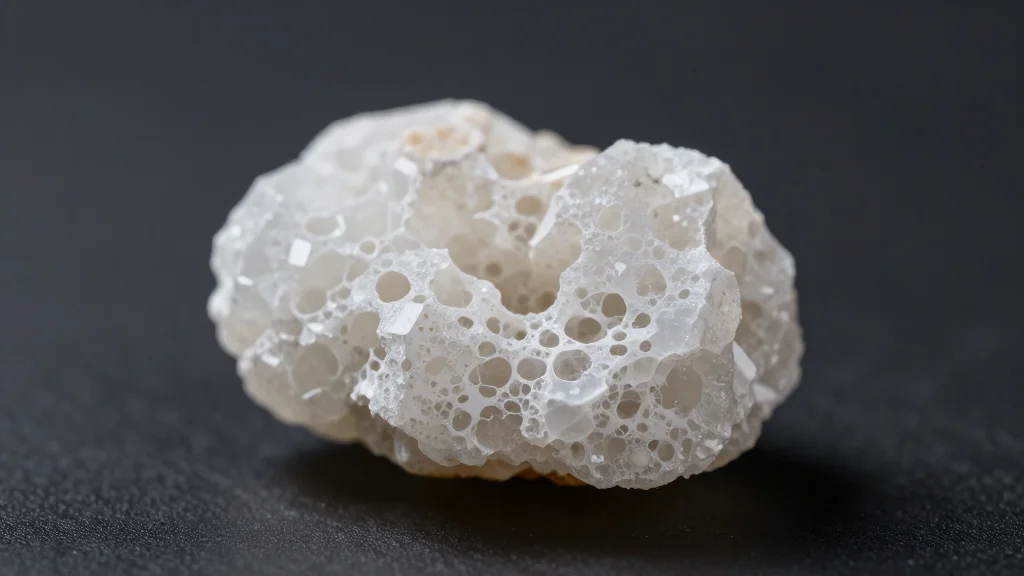
Silanol Networks Control Methanol Reactivity in Nano‐ and Micron‐sized Silicalite‐1
Researchers have shown that silanol groups in pure‑silica MFI zeolite (silicalite‑1) are not inert defects but active participants in methanol conversion. By comparing micron‑sized (Sil1_micro) and nano‑sized (Sil1_nano) crystals, in‑situ FTIR and operando studies revealed distinct hydrogen‑bonding networks that dictate...
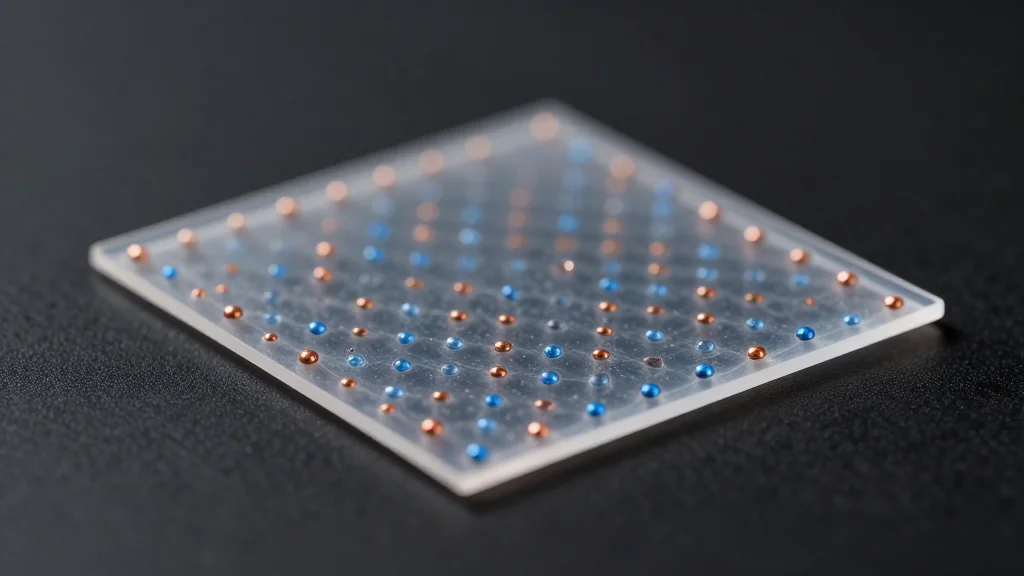
Copper‐Zinc Bimetallic Two‐Dimensional Conjugated Coordination Polymers for Highly‐Selective Electrochemical CO2 Reduction to Ethanol
Researchers have introduced a two‑dimensional conjugated coordination polymer (2D c‑CP) that embeds spatially separated Cu and Zn S4 active sites. The BHT‑Cu0.8‑Zn0.2 variant delivers a Faradaic efficiency of 92.3 % for electrochemical CO₂‑to‑ethanol conversion at a current density of 126.7 mA cm⁻². The...
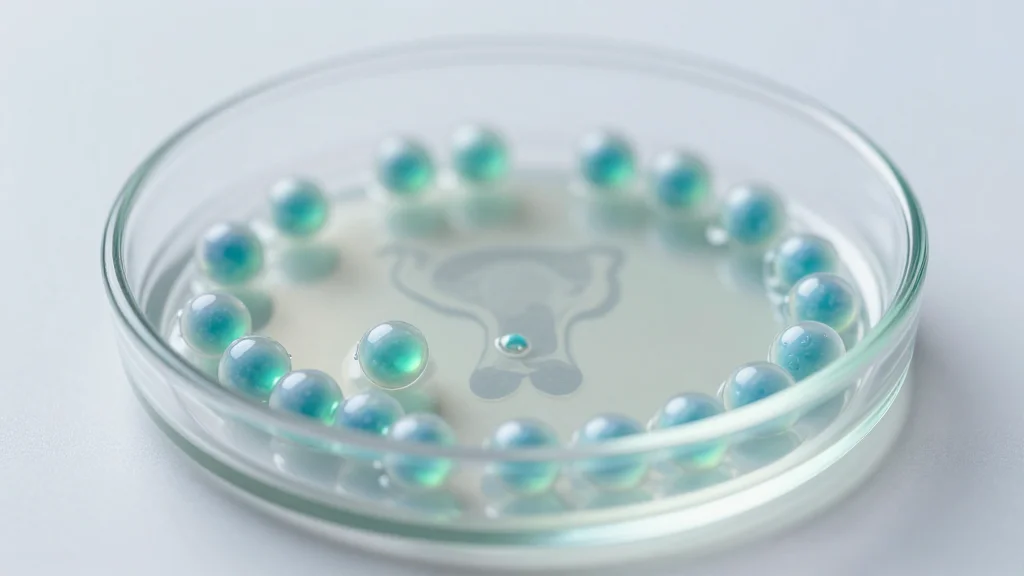
Nanoscale Drug Delivery Systems for Ovarian Cancer: Targeting Strategies, Theranostic Platforms, and Translational Challenges
A new review maps the evolution of nanoscale drug delivery systems (DDS) for ovarian cancer, shifting focus from blunt chemotherapy to precision nanomedicine. It outlines three core design strategies—active targeting, microenvironment‑responsive release, and theranostic integration—across carriers such as liposomes, polymeric...
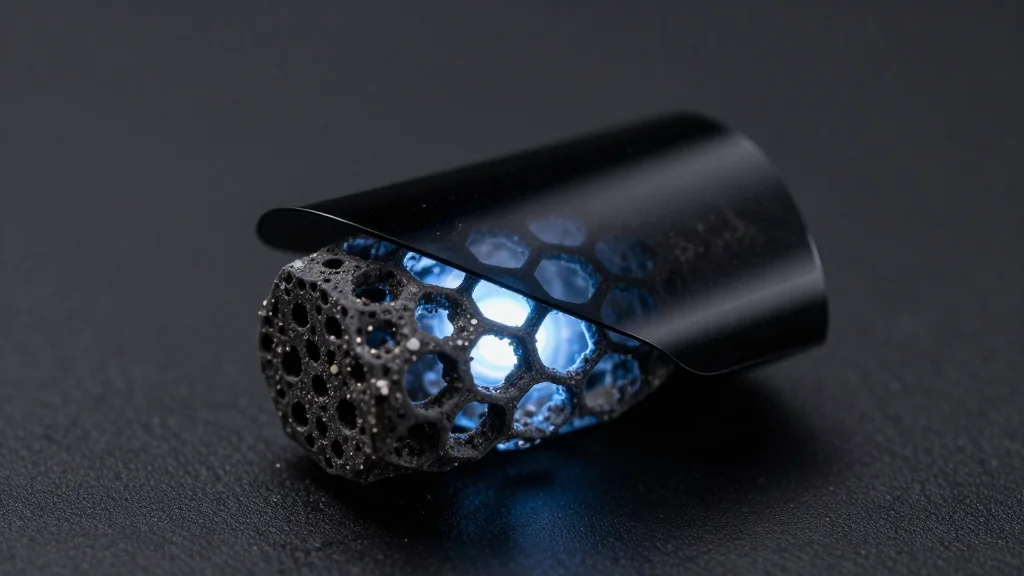
Alkynyl‐Bipyridine–Based Conjugated Microporous Polymer Anode for Lithium Storage
Researchers have synthesized a novel alkynyl‑bipyridine conjugated microporous polymer (Alk‑Bpy‑CMP) featuring regular hexagonal pores and abundant active sites for lithium‑ion storage. The material delivers a specific capacity of 674 mAh g⁻¹ after 100 cycles at 0.1 A g⁻¹, and when encapsulated with reduced graphene...

An Anthracenyl‐Functionalized Boron Dipyrromethene Based Glutathione‐Responsive Nanoplatform for Efficient Photodynamic Therapy Enhanced by Perfluorooctanoic Acid
Researchers introduced enBDP‑F nanoparticles that combine a heavy‑atom‑free BODIPY photosensitizer with perfluorooctanoic acid (PFOA) to overcome photodynamic therapy (PDT) resistance. The particles disassemble in glutathione‑rich tumor microenvironments, releasing PFOA to boost oxygen levels and depleting GSH to suppress antioxidant defenses....
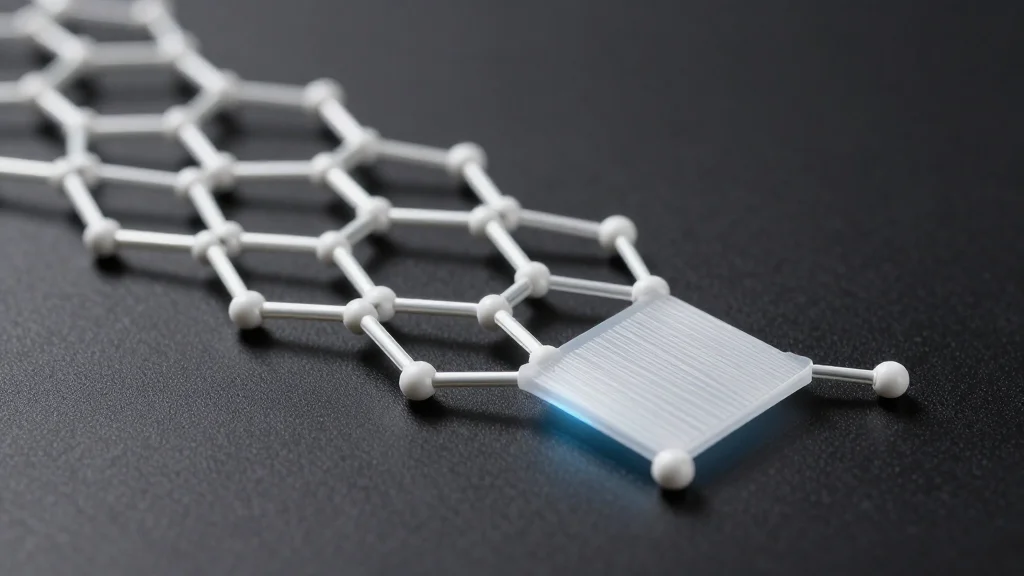
From Atoms to Autonomy: The Carbon Revolution in Triboelectric Nanogenerators Toward Self‐Powered Electronics
The review maps carbon‑based materials to triboelectric nanogenerator (TENG) performance, linking dimensionality—from quantum dots to graphene, carbon nanotubes, and porous carbon—to charge generation, transport, and trapping. Atomic‑scale features such as functional groups, defects, and morphology are shown to dictate macroscopic...

Ultrasensitive Detection of Neurofilament Light in Plasma Using F(Ab’)2‐Modified Graphene Field‐Effect Biosensor
Researchers have created a graphene field‑effect transistor (GFET) biosensor modified with F(ab’)2 antibody fragments to detect neurofilament light (NfL) in plasma. The fragment‑based design reduces Debye screening, delivering a 114% sensitivity boost and a five‑fold lower limit of detection (0.18 pg/mL)...
Electrolyte‐Induced Interfacial ZnMn2O4 Formation on MnO2@MOF‐5 Cathodes for Ultra‐Stable Aqueous Zinc‐Ion Batteries
Researchers leveraged the confined induction capability of MOF‑5 to generate an in‑situ, reversible ZnMn2O4 interphase on MnO2@MOF‑5 cathodes for aqueous zinc‑ion batteries. The ZnMn2O4 layer stabilizes the δ‑MnO2 host, improves Zn2+ transport, and prevents structural collapse. Electrochemical testing showed a...

A Photothermally Triggered Cascade Nanodelivery Platform for On‐Demand Nitric Oxide Release in Targeted Hepatocellular Carcinoma Therapy
Researchers have engineered a gold nanocage‑based nanoplatform (GIL9R) that co‑encapsulates indocyanine green and L‑arginine and is surface‑functionalized with the HCC‑targeting peptide 9R‑P201. Upon near‑infrared irradiation, the platform produces localized heat, reactive oxygen species, and catalyzes nitric‑oxide release, delivering combined photothermal,...
Layered Graphene/Hydrogel‐Based Multi‐Modal Sensors Enabled by Ion‐Electron Synergistic Conduction
Researchers have fabricated stretchable multi‑modal sensors by laminating chemical vapor deposition graphene onto hydrogel layers, exploiting ion‑electron synergistic conduction. The resulting composite delivers low skin interfacial impedance (≈28.7 kΩ at 100 Hz), 95 % self‑healing efficiency, and a wide sensing range up to...

Interfacial Plating Driving Convection‐Like Motion of a Sandwiched Nanocrystal
Researchers demonstrated that nanoscale copper, silver and aluminum crystals confined between two plates move in a closed‑loop fashion when exposed to extreme axial temperature gradients of about 108 K m⁻¹. Atoms migrate along the surface from the hot side to the cold...

Hyperbranched Biorefinery Molecule‐Regulated Switchable Adhesion and Noninvasive Healing
Researchers have created a reversible biomedical adhesive using a hyperbranched polysaccharide produced via microbial fermentation. The nanoconfined structure supplies abundant dynamic disulfide bonds, delivering both high adhesive strength and a broad, controllable adhesion range (296 N/m down to 17 N/m). In animal...
Lattice Oxygen‐Mediated Defect and Strain Regulation of SnO2 via Water‐Soluble Tb2O3 for High‐Performance Perovskite Solar Cells
Researchers introduced water‑soluble terbium oxide (Tb2O3) nanocrystals into chemical‑bath‑deposited SnO2 electron‑transport layers (ETLs) before annealing. The lattice oxygen from Tb2O3 passivates SnO2 oxygen vacancies, reduces surface roughness, and relieves tensile strain during thermal cycling. These improvements enable perovskite solar cells...

Tailoring Surface Chemistry for Robust and Ambient‐Stable Sodium Layered Oxide Cathodes
Researchers introduced a synergistic niobium‑titanium (Nb‑Ti) surface modification for Na2/3Mn2/3Cu1/3O2 layered cathodes, creating a robust defense barrier that curtails irreversible oxygen redox and transition‑metal dissolution. Multimodal characterizations and theoretical calculations confirm that the Nb‑Ti layer stabilizes the lattice, raises degradation...

Asymmetrical FeN4‐O‐FeO4 Dual‐Atom Sites in Fe─N─C for Robust pH‐Universal Oxygen Reduction Reaction Catalysis
Researchers have engineered an asymmetric FeN4‑O‑FeO4 dual‑atom configuration within Fe‑N‑C catalysts, breaking the traditional symmetric electronic distribution of Fe‑N4 sites. This structural tweak creates a dumbbell‑shaped active site that channels electron flow from FeN4 through a bridged oxygen to FeO4,...

Cuttlefish Ink‐Derived Melanin/MXene Composites: Boosting Stability and Unleashing Synergistic Photothermal‐Mechanical Antimicrobial Effects Against Biofilms
The researchers present CI@MXene, a core‑shell nanohybrid that encapsulates natural cuttlefish ink melanin within MXene nanosheets, creating a protective barrier that stops oxidation and reduces cytotoxicity. Under near‑infrared light the composite delivers mild photothermal therapy—keeping skin temperature below 45 °C—while preserving...
Deciphering Emergent Oxyhalide Solid‐State Electrolytes for Next‐Generation All‐Solid‐State Lithium Metal Batteries
All‑solid‑state lithium metal batteries (ASSLMBs) are emerging as a safer, higher‑energy alternative to conventional lithium‑ion cells, but their commercial rollout hinges on solid‑state electrolytes (SSEs) that combine high ionic conductivity with stability. Halide‑based SSEs have attracted attention for their excellent...

Mechanistic Insights Into In‐Phase SrTiO3(110)/ZnIn2S4(102) S‐Scheme Heterojunctions for Multifunctional Hydrogen Evolution
Researchers engineered an in‑phase SrTiO3(110)/ZnIn2S4(102) facet‑rich heterojunction that aligns oxide and sulfide interfaces for superior charge separation via an S‑scheme pathway. The optimized 7.5 wt.% ZnIn2S4‑SrTiO3 (7.5ZIS) composite delivers a ten‑fold increase in photochemical hydrogen evolution, achieving a 35.7% apparent quantum...
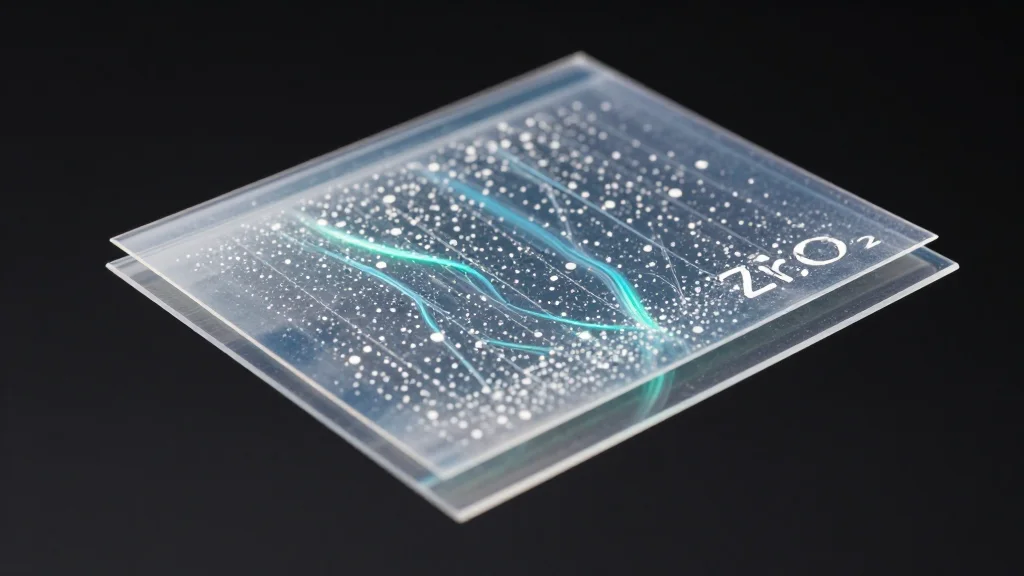
Topological Engineering of Filler Distributions in Dielectric Composites to Boost High‐Temperature Capacitive Energy Storage Performance
Researchers engineered the spatial distribution of ZrO2 fillers in a five‑layer poly(m‑phenylenetisophthalamide) (PMIA) dielectric film, creating a built‑in electric field that repels charge carriers. This topological approach reduced leakage current by two orders of magnitude compared with uniform films. The...

Copper‐Activated Dynamic Lattice Adaptation and Bond Reinforcement for Enhanced Sodium Storage of Prussian Blue Analogs Cathode
Researchers introduced Cu2+ ions into a Prussian blue analog (PBA) cathode, creating a dynamically adaptable lattice that cuts the Na+ migration energy barrier. The Cu‑N coordination bonds reinforce the metal‑ligand framework, delivering markedly better rate capability and cycling stability. The...

Defects That Magnetize Beyond Monolayer PtSe2
Researchers have demonstrated that complex point defects—specifically a platinum vacancy paired with a PtSe antisite—can revive and enhance magnetism in bilayer PtSe2, which is normally quenched by interlayer coupling. The defect configuration generates magnetic moments up to 3.16 µB and produces...
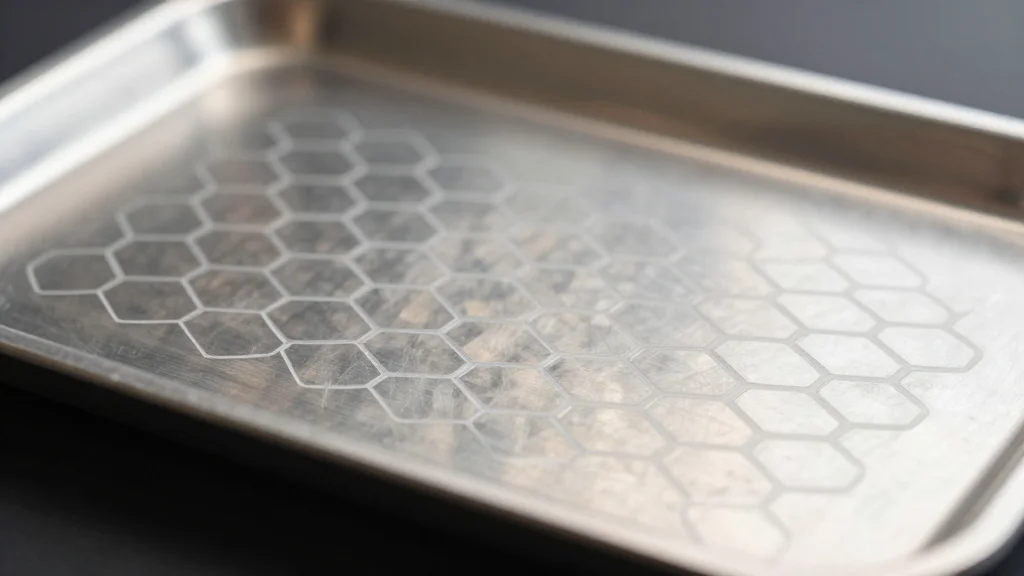
On‐Surface Synthesis of B3N3‐Substituted Two‐Dimensional Covalent Organic Frameworks with Distinct Pore Sizes and Kagome Band Structures
Researchers have achieved on‑surface synthesis of single‑layer, B3N3‑substituted two‑dimensional covalent organic frameworks (COFs) on Ag(111) and Au(111) substrates under ultra‑high vacuum. Multi‑method characterization—including STM, bond‑resolved AFM and photoemission spectroscopy—reveals a non‑planar, chiral lattice with kagome topology. By varying the spacer...

Liquid Biopsy Differentiation of Pancreatic Cancer From Non‐Cancerous Pancreatic Disease Using Dielectrophoresis‐Recovered Nanoparticles Carrying Cell‐Free DNA and Protein Biomarkers (Small...
Researchers led by Stuart D. Ibsen have unveiled a microfluidic chip that uses dielectrophoretic forces to pull extracellular‑vesicle nanoparticles out of undiluted plasma. The captured vesicles carry cell‑free DNA and protein biomarkers that together distinguish pancreatic cancer from non‑cancerous pancreatic...
External Stimuli‐Activable Single‐Atom Nanozymes for Bioapplications
The review outlines how single‑atom nanozymes (SANs) can be engineered to respond to external stimuli such as light, ultrasound, and magnetic fields. It details electronic‑structure tuning and synthesis routes that amplify catalytic activity and enable on‑demand activation. Case studies demonstrate...

Recent Advances in Lithium Metal Anodes with Liquid Electrolytes: Interfacial Interaction‐Driven Assembly for Dendrite Suppression and Long‐Term Stability (Small 29/2026)
Researchers Yongmin Ko, Jinhan Cho and colleagues reported a new interfacial interaction‑driven assembly method that modifies both the lithium‑metal electrode and its separator. The approach creates a homogenized Li‑ion flux, enabling uniform lithium plating and eliminating dendrite formation. Laboratory tests...

Dynamic Interactions of Micro‐ and Nanoparticles for Generating Random Patterns in Physically Unclonable Functions
The paper reviews solution‑processed micro‑ and nanoparticle assemblies as a practical source of random patterns for physically unclonable functions (PUFs). It details how coating methods and interparticle forces generate entropy, enabling both optical and electrical PUF designs. The authors highlight...

Oriented Nano‐Homogeneous Biomimetic Scaffolds Regulate Cell Alignment and Promote Endogenous Bone Regeneration
The researchers engineered a radially oriented, nano‑homogeneous scaffold using directional freeze‑casting, combining tunicate nanocellulose, carbon nanotubes, chitosan, and in‑situ hydroxyapatite. The scaffold delivers >98% photothermal antibacterial activity against Staphylococcus aureus and markedly improves cell adhesion, alignment, and proliferation compared with...

Hydroxide‐Based Catalysts for Alcohol Electrooxidation: From Fundamentals Understanding to Catalyst Design Strategies
The review consolidates fundamental concepts of alcohol electrooxidation and outlines how layered hydroxide electrocatalysts can be engineered for superior performance. It details direct and indirect oxidation pathways, active‑site formation, and product distribution across diverse substrates. Emphasis is placed on the...

Emerging Nanoreactors for Precision Disease Treatment: From Principles to Biomedical Applications
Nanoreactors—engineered nanostructures that emulate cellular compartments—are reshaping precision nanomedicine. By confining reactants, integrating synergistic catalytic sites, and responding to physiological cues, they dramatically accelerate therapeutic reactions and enable controlled drug release. Recent advances span organic, polymeric, and organic‑inorganic hybrids, showing...

Application of Hydrogel in the Capture and Detection of Circulating Tumor Cells
The review details how hydrogel‑based platforms are reshaping circulating tumor cell (CTC) capture and detection. Hydrogels provide a three‑dimensional porous matrix that enhances cell infiltration, biocompatibility that preserves CTC viability, and tunable chemistry for affinity‑driven targeting. By coupling these materials...
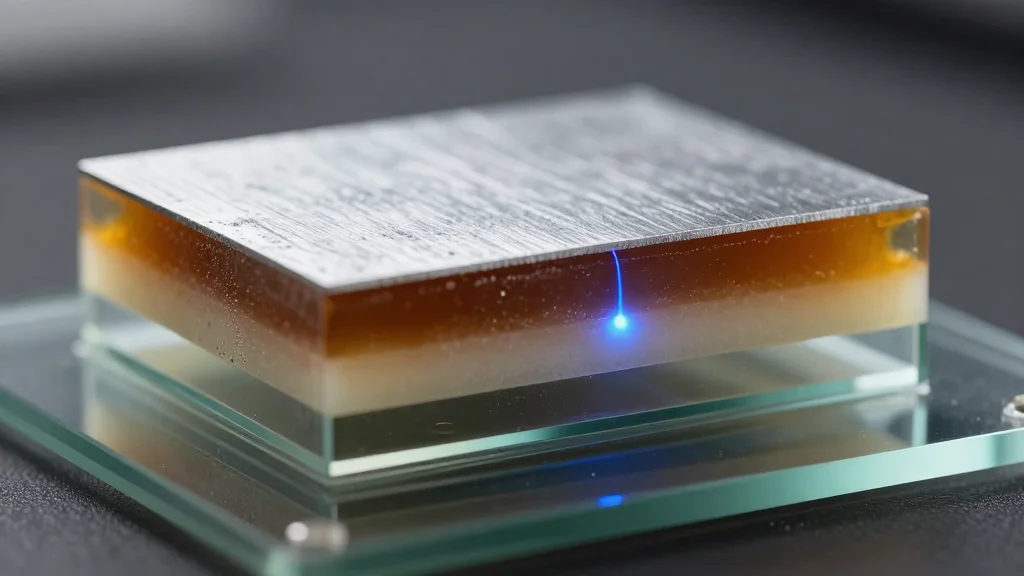
The Role of Interfacial Energetics and Defects on The Efficiency of Tin Perovskite Solar Cells
Researchers performed layer‑resolved spectroscopy on FASnI3 tin perovskite solar cells, directly mapping band structure and interfacial losses. They found that the Bathocuproine (BCP) buffer layer forms a hybrid energy level with silver, raising open‑circuit voltage. Time‑resolved surface photovoltage revealed ultrafast...
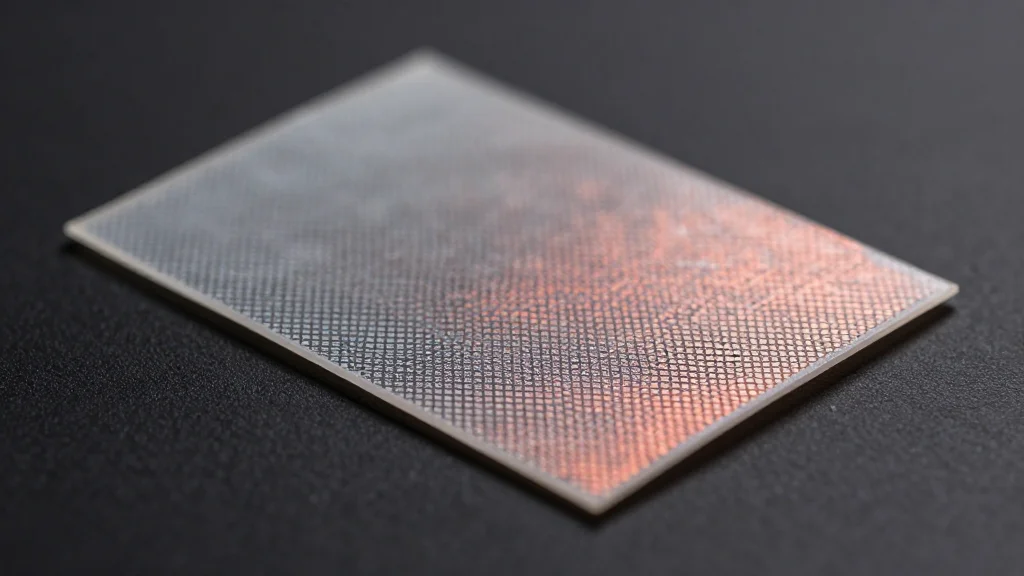
Ultra‐stable Flexible Thermal Sensing Operating From 20 to 1273 K Enabled by the Directly Grown Mo2C Patterns on Flexible Substrates
Researchers introduced an inkjet‑printing and hydrogen‑assisted reduction technique to directly grow molybdenum carbide (Mo2C) patterns on flexible mica substrates at 750 °C, removing the need for photolithography or transfer steps. The resulting sensors operate stably across a temperature span of 20 °C...

Visualizing Metal Nanoparticle Electrochemical Dissolution Atom by Atom
Researchers employed identical‑location annular dark‑field scanning transmission electron microscopy (IL‑ADF‑STEM) to capture atom‑by‑atom snapshots of gold nanoparticle dissolution on carbon electrodes in chloride solution. By measuring integrated image intensities, they quantified atom loss and gain for the same particle over...

Synergistic Dual‐Passivation of Grain Boundaries and Buried Interface for High‐Efficiency and Stable Perovskite Solar Cells
Researchers introduced a synergistic dual‑passivation method that treats perovskite grain boundaries with N,N‑dimethyldipropyltriamine (DMDPTF) while modifying the SnO2 electron‑transport layer with cobalt acetate (Co(OAc)2). The combined approach boosts crystal quality and suppresses interfacial defects, delivering a champion power conversion efficiency...

Linkage Engineering in Porous Aromatic Frameworks for Recyclable Iodine Adsorption and Applications in Iodine‐Mediated Organic Reactions
Researchers introduced a linkage‑engineering strategy for porous aromatic frameworks (PAFs) that precisely tunes iodine capture and release. The carbon‑carbon‑linked TPM‑TTA variant delivers the highest surface area (1,086 m² g⁻¹) and record iodine uptakes of 3.27 g g⁻¹ from vapor and 6.93 g g⁻¹ from KI/I₂ solution,...
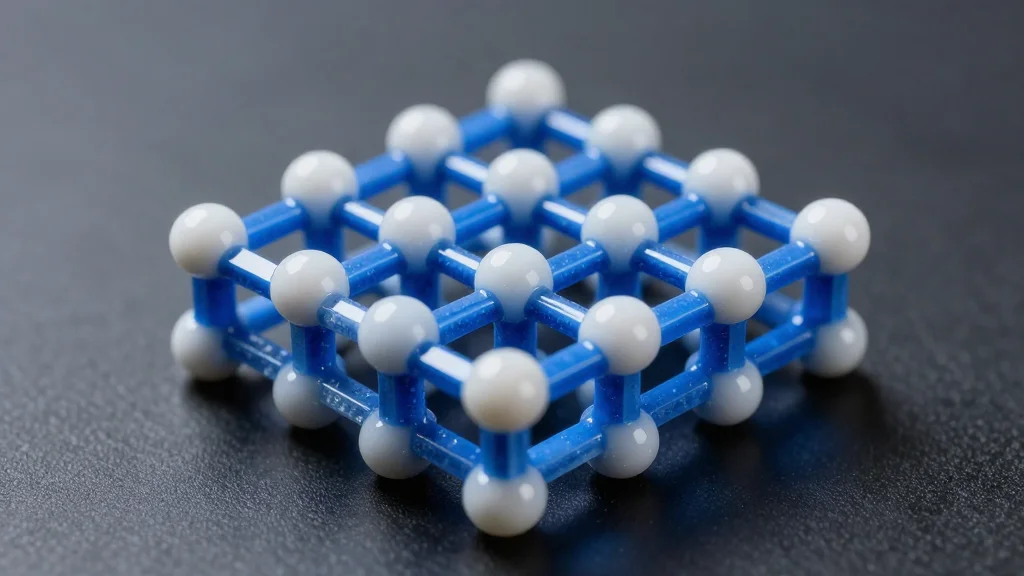
Ammonium‐Anchored Mn‐Based Prussian Blue Analogues via Hydrogen Bonding for Robust Sodim‐Ion Battery Cathodes
Researchers have introduced a hydrogen‑bond anchoring technique that inserts tetrahedral NH4+ ions into the A‑site cavities of manganese hexacyanoferrate (MnHCF) Prussian blue analogues. The N‑H···N hydrogen bonds stabilize the framework at the molecular level, suppressing Jahn‑Teller distortion and preventing the...

Molecular‐Level Engineered Approach Induces Built‐in Electric Field Modulation in G‐C3N4/CoMoS2 Heterojunction for Enhanced Hydrogen Generation via Urea Oxidation
Researchers engineered a g‑C3N4/CoMoS2 heterojunction electrocatalyst that leverages an intrinsic electric field to accelerate urea oxidation and hydrogen evolution. The built‑in field creates electrophilic g‑C3N4 and nucleophilic CoMoS2 sites, promoting rapid C‑N bond cleavage. In 1 M KOH with 0.33 M urea...

Recent Advances in Hydrogel Electrolytes for Flexible Zinc Ion Batteries and Capacitors
Researchers highlight hydrogel electrolytes as a game‑changer for flexible zinc‑ion batteries and capacitors. The paper outlines how dendrite growth, corrosion, and hydrogen evolution undermine zinc anodes, and reviews self‑healing, extreme‑environment‑tolerant, and conductive‑network hydrogels that mitigate these issues. It details mechanisms...
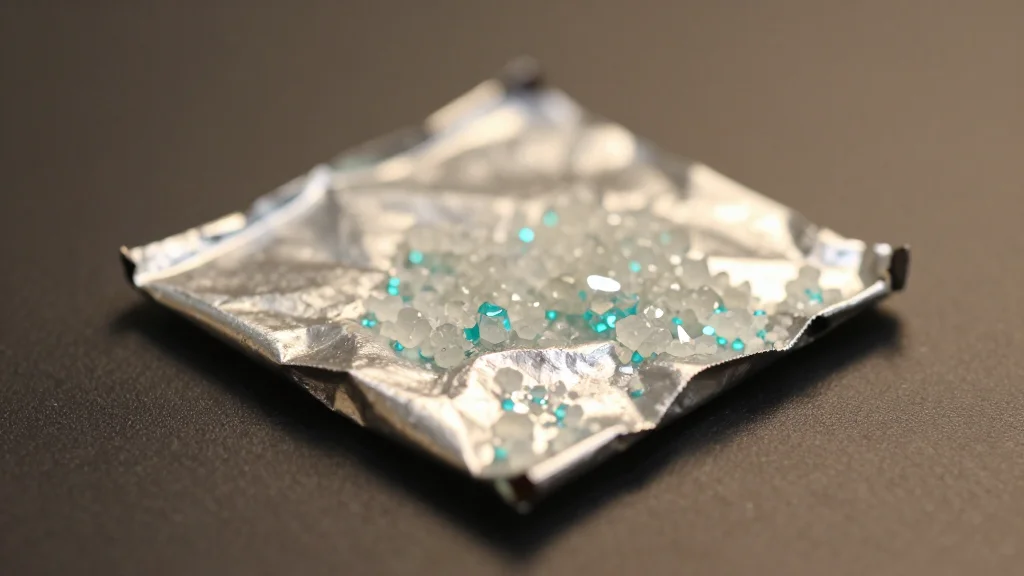
Coupling Dead‐Lithium Reactivation and Interfacial Stabilization for Long‐Life Lithium Metal Batteries
Researchers introduced a multifunctional Li3Bi‑LiI composite interphase that forms in situ when BiI3 reacts with lithium metal. The LiI component dissolves during cycling, triggering a reversible I⁻/I₃⁻ redox that reactivates electrochemically dead lithium, while Li3Bi provides mechanical robustness and uniform...

Advanced High‐Entropy Biomaterials (HEBs)
The review outlines high‑entropy biomaterials (HEBs), a class of substances that blend five or more elements in near‑equiatomic ratios. Their four core effects—high entropy, severe lattice distortion, sluggish diffusion, and the cocktail effect—produce tunable mechanical strength, corrosion resistance, and multifunctionality....

Supramolecular Chiral Assembly of Open‐Shell Quinoids With Chiral Additives and Their Spin‐Dependent Transport in Magneto Field‐Effect Transistors
Researchers blended open‑shell quinoid molecules with the chiral additive 1,1'-binaphthyl-2,2'-diamine (BN) and used thermal annealing to form stable co‑crystals. The process amplified the supramolecular chirality thirty‑fold, achieving an absorption dissymmetry factor (g_abs) of 1.23 × 10⁻². These chiral, spin‑bearing assemblies were incorporated...
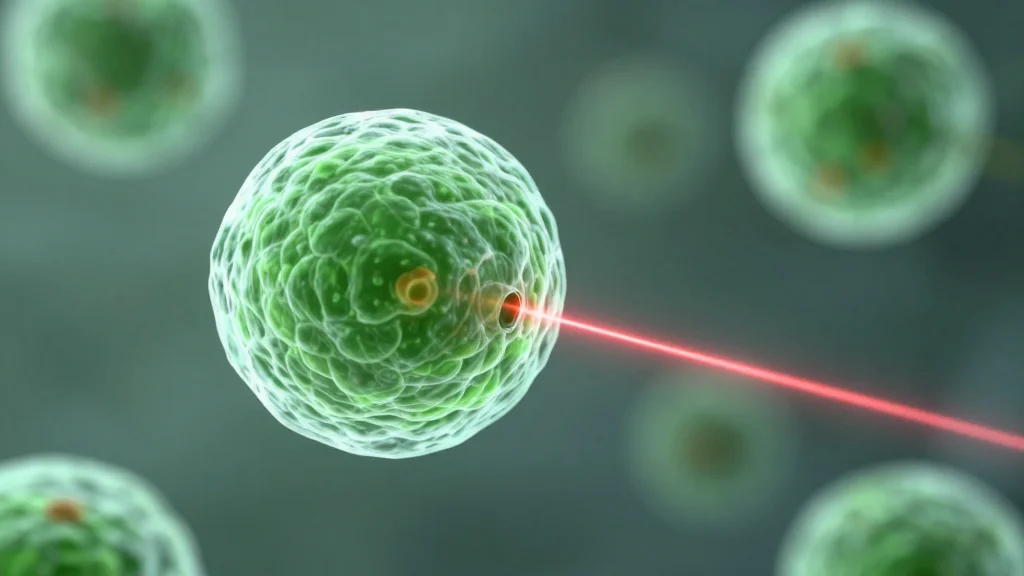
Mitochondria‐Targeted Zwitterionic Nanogels Trigger Photopyroptosis for Enhanced Cancer Therapy
Researchers have engineered zwitterionic PODMMA nanogels that naturally home to mitochondria, eliminating the need for additional targeting ligands. When loaded with the photosensitizer temoporfin, the nanogels deliver the drug directly to mitochondrial membranes and, upon 640 nm laser activation, generate a...

Defect Diamond‐Like D10 Metal Indium Selenium With Strong Second‐Harmonic Generation and Enhanced Laser‐Induced Damage Threshold
Researchers have synthesized two defect‑diamond‑like d10 chalcogenides, ZnIn2Se4 and CdIn2Se4, as promising infrared nonlinear optical (NLO) materials. Both crystals exhibit strong second‑harmonic generation (SHG) efficiencies—2.7× and 1.3× that of the benchmark AgGaS2 (AGS)—and achieve phase‑matching thanks to enhanced birefringence. Infrared...