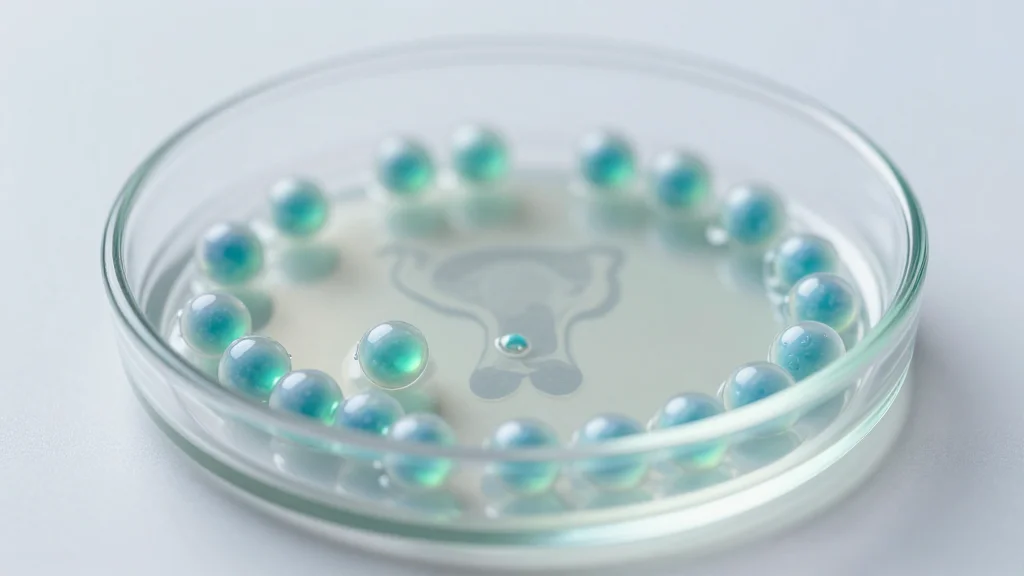
Nanoscale Drug Delivery Systems for Ovarian Cancer: Targeting Strategies, Theranostic Platforms, and Translational Challenges
Why It Matters
Nanotech DDS could dramatically improve survival by delivering drugs directly to ovarian tumors while sparing healthy tissue, a breakthrough for a disease with high mortality. Overcoming the highlighted translational gaps is essential for moving these promising technologies from lab to clinic.
Key Takeaways
- •Active targeting improves drug accumulation in ovarian tumors
- •Microenvironment-responsive DDS release drugs at acidic peritoneal sites
- •Theranostic platforms combine therapy with real-time imaging
- •Manufacturing scalability and biosafety hinder clinical adoption
- •Preclinical models often fail to predict human outcomes
Pulse Analysis
Ovarian cancer remains the deadliest gynecologic malignancy, largely because it is diagnosed late and quickly spreads throughout the peritoneal cavity. Conventional chemotherapy delivers cytotoxics systemically, resulting in modest tumor concentrations and severe off‑target toxicity. Nanoscale drug delivery systems promise to overturn this paradigm by concentrating therapeutics at the tumor site, reducing systemic exposure, and enabling simultaneous diagnostic imaging—a concept known as theranostics. This convergence of therapy and monitoring is especially valuable for a disease where early response assessment can guide surgical and adjuvant decisions.
The review highlights three design pillars that drive the next generation of ovarian‑cancer nanomedicines. Active targeting leverages ligands such as folate or antibodies to home in on tumor‑specific receptors, boosting intracellular drug uptake. Microenvironment‑responsive carriers exploit the acidic, enzyme‑rich peritoneal milieu to trigger on‑site drug release, enhancing efficacy against disseminated lesions. A diverse toolbox—including liposomes, polymeric and inorganic nanoparticles, hydrogels, and biologically derived exosomes—offers flexibility to match each strategy to clinical needs, such as intraperitoneal infusion after debulking surgery or sustained release for residual disease.
Despite compelling preclinical data, translation to patients stalls on several fronts. Biological heterogeneity across patients limits the universal applicability of a single targeting ligand, while concerns over long‑term biosafety of inorganic nanomaterials slow regulatory approval. Scaling up reproducible manufacturing under Good Manufacturing Practice (GMP) conditions remains costly and technically demanding. Moreover, current animal models often fail to recapitulate human peritoneal spread, leading to over‑optimistic efficacy signals. Addressing these gaps—through standardized safety testing, scalable production pipelines, and more predictive patient‑derived models—will be critical for bringing nanotech‑enabled precision therapies to the bedside and improving outcomes for women battling ovarian cancer.
Nanoscale Drug Delivery Systems for Ovarian Cancer: Targeting Strategies, Theranostic Platforms, and Translational Challenges
Comments
Want to join the conversation?
Loading comments...