Furin‐Mediated Intracellular Aggregation of Radioactive Molecules for Enhanced Radionuclide Imaging and Tumor Therapy
Why It Matters
Prolonged intratumoral retention overcomes a major limitation of current radiopharmaceuticals, potentially enhancing diagnostic precision and therapeutic outcomes across diverse cancers.
Key Takeaways
- •Furin‑cleavable RVRR‑TPE forms intracellular nanoparticles in cancer cells
- •125I/131I labeling enables SPECT imaging and radionuclide therapy
- •In vivo, probe suppresses growth of furin‑positive HCT116 tumors
- •Aggregation‑induced retention may broaden radiopharmaceutical applications
Pulse Analysis
Radiopharmaceuticals have become indispensable for precise cancer diagnosis and treatment, yet their clinical utility is hampered by rapid systemic clearance and fleeting tumor residence. By targeting the protease furin—overexpressed in many aggressive malignancies—researchers designed RVRR‑TPE, a modular construct that merges a furin‑specific peptide substrate with a hydrophobic tetraphenylethene fluorophore exhibiting aggregation‑induced emission (AIE). The phenol moiety enables straightforward labeling with iodine isotopes (125I for imaging, 131I for therapy), creating a versatile platform that can be tailored to both diagnostic and therapeutic needs.
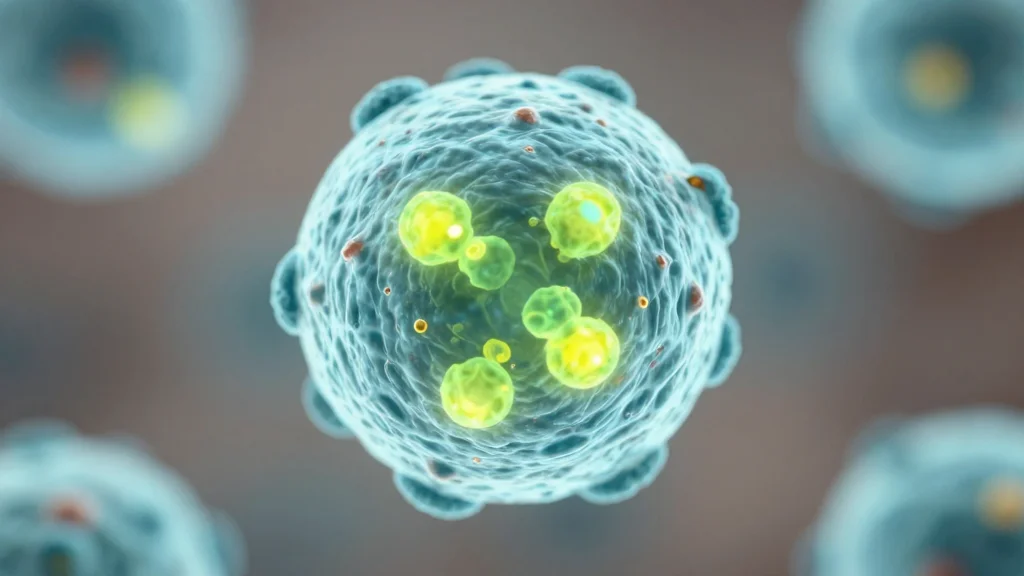
The key innovation lies in the probe’s enzyme‑triggered self‑assembly. Upon cleavage by intracellular furin, the hydrophobic TPE segments aggregate, forming nanometer‑scale particles that become trapped within the cancer cell cytoplasm. This aggregation not only amplifies the AIE signal for clearer SPECT imaging but also prolongs radionuclide retention, delivering a sustained therapeutic dose. Preclinical studies demonstrated robust tumor localization and a marked reduction in growth of furin‑positive HCT116 colon tumors, outperforming conventional small‑molecule radiotracers that are quickly washed out.
Beyond the immediate experimental results, the furin‑mediated aggregation strategy could reshape the radiopharmaceutical landscape. By converting a fleeting molecular probe into a retained nanoparticle only within target cells, the approach promises higher tumor‑to‑background ratios, lower systemic toxicity, and the flexibility to pair diagnostic isotopes with therapeutic ones in a single molecular framework. As the oncology community seeks more personalized and effective theranostic agents, platforms like RVRR‑TPE may accelerate the pipeline from bench to bedside, attracting interest from biotech firms and imaging equipment manufacturers alike.
Furin‐Mediated Intracellular Aggregation of Radioactive Molecules for Enhanced Radionuclide Imaging and Tumor Therapy
Comments
Want to join the conversation?
Loading comments...