
Enhancing Oxidase‐Catalyzed Biosensing via Hydrophobic ZIF‐7 Nanomaterials: A Micro‐Triphase Interface Approach
The study introduces ZIF-7 nanoparticles as hydrophobic oxygen reservoirs in a solid–liquid–air triphase enzyme electrode, boosting oxidase‑catalyzed biosensing. By releasing pre‑stored O₂, the system raises Vmax 21‑fold and widens the glucose linear range from 2 mM to 20 mM, a ten‑fold improvement over conventional diphase designs. The approach is generalizable to other biomolecule detections and offers a practical solution to oxygen limitation in electrochemical sensors.

Multimodal Analysis of the Early Stage of Amyloid Formation via Graphene Liquid Cell Electron Microscopy (Small 21/2026)
Jong Min Yuk and colleagues used graphene liquid‑cell electron microscopy to watch amyloid‑β oligomers form in real time. By coupling semi‑ensemble population analysis with sequential single‑particle tracking, they captured rapid association‑dissociation cycles and a quasi‑equilibrium distribution of transient assemblies. The...

Single Cu Atom Sites on Co3O4 Activate Interfacial Oxygen for Enhanced Reactivity and Selective Gas Sensing at Low Temperature
Researchers have anchored atomically dispersed copper atoms (1.42 wt.%) onto Co3O4 nanoparticles, creating Cu–O–Co interfacial linkages that dramatically lower the temperature needed to activate lattice oxygen. This structural tweak yields more than a twenty‑fold increase in low‑temperature formaldehyde sensing compared with...

Strong Ligand Coordination Enabled Multiphase Ceramic Nanofibers for Simultaneously Enhancing Structural Stability and Infrared Reflection
Researchers introduced a carboxylic‑acid ligand coordination method that stabilizes reactive zirconium and titanium sols for electrospun ceramic nanofibers. The resulting multicomponent fibers embed a zirconia buffer between an alumina matrix and infrared‑reflective titania, delivering exceptional mechanical robustness and infrared reflectivity....

Extracellular Fluorescence Recording of BacFlash Dynamics Reveals Two Distinct Modes of Proton Extrusion
Researchers have introduced an extracellular, label‑free fluorescence imaging technique to monitor BacFlash, a transient bacterial process involving rapid proton extrusion, membrane depolarization, and ROS generation. By trapping individual Escherichia coli cells in femtoliter microwells with minimal buffering, they measured an...
Bifunctional Structural Regulation of Polymer Composites for High‐Efficiency Electromagnetic Wave Absorption and Heat Dissipation
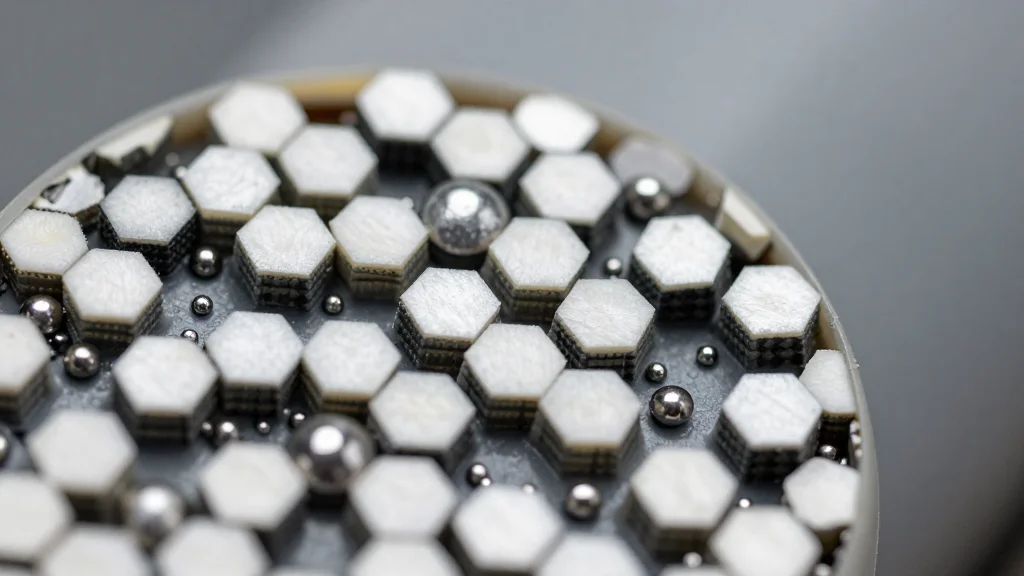
Researchers have created a 3D bifunctional polymer composite that integrates a continuous boron nitride (BN) network with segregated electromagnetic wave‑absorbing (EMA) units. By selectively placing carbon fiber and carbonyl iron within a styrene‑butadiene‑styrene matrix, the material achieves a thermal conductivity...

Efficient Harvesting of Irregular and Low‐Frequency Mechanical Energy via Hybridized Electromagnetic‐Triboelectric Systems
The review introduces a hybrid electromagnetic‑triboelectric nanogenerator (HE‑TENG) that merges the high‑current output of electromagnetic generators with the high‑voltage, low‑frequency efficiency of triboelectric nanogenerators. By coupling these mechanisms, the system achieves a broadband frequency response and superior conversion efficiency for...

Broad‐Salinity Osmotic Energy Harvesting From Composition Tuned Laminar Membranes
Researchers introduced composition‑tunable Ti3C2Tx/DAS laminar membranes that adjust interlayer channel size and fixed charge density by varying DAS content. This dual control enables optimal reverse electrodialysis (RED) performance across a wide salinity range of 0.05 M to 5 M. Low DAS fractions...

Vitamin C‐Derived Oxygen‐Functionalized Carbon Dots as a Novel Modulator for Regulating Zn2+ Deposition and Stabilizing Aqueous Zinc‐Ion Batteries
Researchers have developed vitamin C‑derived oxygen‑functionalized carbon dots (VC‑CDs) that act as multifunctional modulators for aqueous zinc‑ion batteries. The negatively charged VC‑CDs preferentially adsorb onto the zinc anode, creating a uniform electric field that guides even Zn²⁺ deposition while their...

Embedded Epitaxial Growth of RuOx on Co3O4 With Strong Interaction for Efficient and Robust Acidic Water Oxidation
Researchers introduced a two‑step drop‑casting method to embed RuOx on Co3O4, creating a dual‑oxide hetero‑interface with strong Co‑O‑Ru electronic coupling. This intimate interface accelerates electron transfer, suppresses high‑valence Ru formation, and shifts the oxygen evolution reaction (OER) mechanism toward the...

Hollow ZnCdS/CuInS2 S‑Scheme Heterojunction for Superior Photothermal‐Assisted Photocatalytic Coupled H2O2 and Benzaldehyde Production
Researchers have engineered a hollow ZnCdS/CuInS2 S‑scheme heterojunction that couples photocatalytic hydrogen peroxide generation with selective oxidation of benzyl alcohol to benzaldehyde. The hollow nanobox architecture provides broad‑band light absorption and a moderate photothermal effect that locally raises temperature, speeding...

Synergistic Bimolecular Engineering Enables Homogeneous and Multifunctional Surfaces for High‐Performance Inverted Perovskite Solar Cells
Researchers introduced a synergistic bimolecular engineering (SBE) approach that combines choline chloride and phenethylammonium iodide to form a uniform one‑dimensional perovskite layer on inverted perovskite solar cells. The hydrogen‑bonded interaction decouples defect passivation from charge‑transport limitations, raising open‑circuit voltage and...

Anode‐Free Lithium Batteries Enabled by Solid Polymer Electrolytes
Anode‑free solid polymer electrolytes (AF‑SPEs) replace the traditional lithium metal anode with a bare current collector, using ultrathin polymer membranes to boost cell‑level energy density. Recent research outlined in the review shows how polymer chemistry, interfacial engineering, and lithium‑inventory management...

Jointly Enhanced Nitrate and Water Activation by Precisely Ligand Substituent Regulation in Bimetallic Cluster for Highly Efficient Ammonia Electrosynthesis
Researchers introduced a bimetallic Cu4Pt2 cluster whose activity is tuned by precise ligand substituent changes. The CF3‑Cu4Pt2 variant delivers a Faradaic efficiency of 91.84% and an ammonia yield of 13.65 mg NH3 per mg catalyst per hour at –0.5 V versus RHE. Dual...

Iron‐Based Metal‐Organic Framework MIL‐100(Fe) Regulates Keloid Scarring in a Humanized Keloid Model
The study shows iron‑based metal‑organic framework MIL‑100(Fe) nanoparticles are highly biocompatible, rapidly taken up by keloid fibroblasts, and selectively inhibit the TGF‑β/SMAD pathway, reducing collagen I, collagen III, and P4HA1 expression. In vitro experiments maintained >90% cell viability and curtailed...

High‐Performance Flexible Porous Solar Evaporator via High Internal Phase Emulsion Templating Method With In Situ Polymerized Carboxylated Carbon Nanotubes
Researchers have created a flexible porous solar evaporator using a high internal phase emulsion (HIPE) templating method that copolymerizes styrene and 2‑ethylhexyl acrylate while embedding carboxylated carbon nanotubes (CCNTs). The optimized scaffold balances tensile strength and elongation, achieving a record...

PH‐Controlled Synthesis of SnO2 Electron Transport Layers for High‐Efficiency and Stable Perovskite Solar Cells
Researchers demonstrated that the pH used during SnO₂ synthesis dramatically shapes its surface chemistry and, consequently, perovskite solar‑cell performance. Acidic SnO₂ (AC‑SnO₂) bears carboxyl groups that form strong hydrogen bonds with FA⁺ but accelerate iodide oxidation, while alkaline SnO₂ (AL‑SnO₂)...

Synergistic Enhancement of Optical Anisotropy in Nitrate Sulfamate for UV Applications: Role of Functional Group Alignment and Hydrogen Bond Network
Researchers synthesized four novel nitrate sulfamate crystals using a design strategy that orders cation sites and creates a three‑dimensional hydrogen‑bond network. This structural control aligns NO3 and SO3NH2 groups in parallel, boosting birefringence to >0.1 at 546 nm for K2(NO3)(SO3NH2), Rb2(NO3)(SO3NH2)...
Design and Application of a Photo‐Thermal Dual‐Curable Resin for Architected Microwave Absorbers in the X‐Band via DLP Printing
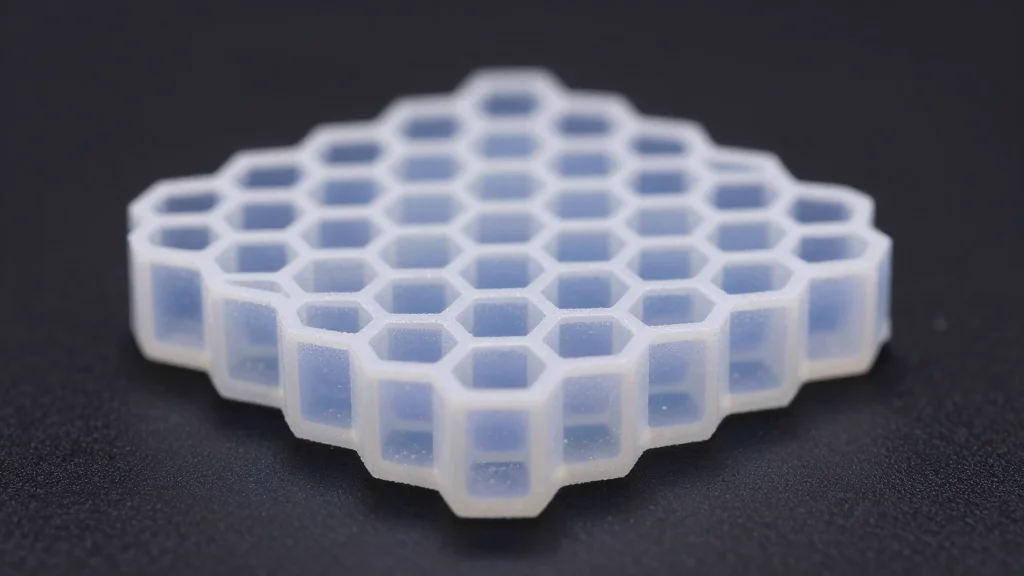
Researchers have engineered a photo‑thermal dual‑curable resin that can be shaped by DLP 3D printing and then thermally post‑cured, delivering a low dielectric constant (ε′<3.0), ultra‑low loss (tan δ<0.01), glass transition above 200 °C and tensile strength over 80 MPa. The resin was...

Bidirectional All‐Optical Synapses for Neuromorphic Computing and Vision
Researchers have created a bidirectional all‑optical synapse using a carbon‑dot hybrid (CDH) that responds to both ultraviolet and infrared light. The dual‑photon approach enables controllable exciton release and phosphorescent emission, delivering true optical potentiation and depression. Leveraging this capability, the...

Photothermal‐Enhanced Vapor‐Phase Photocatalytic Hydrogen Evolution
The article reviews photothermal‑enhanced vapor‑phase photocatalytic hydrogen evolution, highlighting how vapor‑phase systems overcome liquid‑phase limitations by removing ionic interference and mass‑transport constraints. It introduces a slippery catalyst surface strategy that enables rapid condensate removal and sustained vapor access to active...

Group‐III Nitride‐Based Wide‐Spectrum Multifunctional Synapses for Encrypted Light Communication and Image Recognition
Researchers have engineered InGaN core‑shell nanorod synapses that combine wide‑spectrum photodetection with stable photo‑electric memory. The devices achieve a peak responsivity of 31.47 A/W and sub‑250 µs response times under 810 nm illumination, while delivering tunable synaptic plasticity at 365 nm UV light. By...

Shape‐Memory Collagen/Silk‐Fibroin Scaffold for Dura Sealing and Skull Base Regeneration
Researchers have engineered an injectable, shape‑memory scaffold combining collagen, silk‑fibroin and α‑tricalcium phosphate for skull‑base reconstruction. The composite features a silk‑fibroin‑rich outer layer that creates a watertight seal against cerebrospinal fluid, while an inner α‑TCP layer encourages bone growth and...
Methoxyl‐Substitution of Phenylethylammonium Strengthened 2D/3D Heterogeneous Structures for Inverted Perovskite Solar Cells with Enhanced Efficiency and Stability
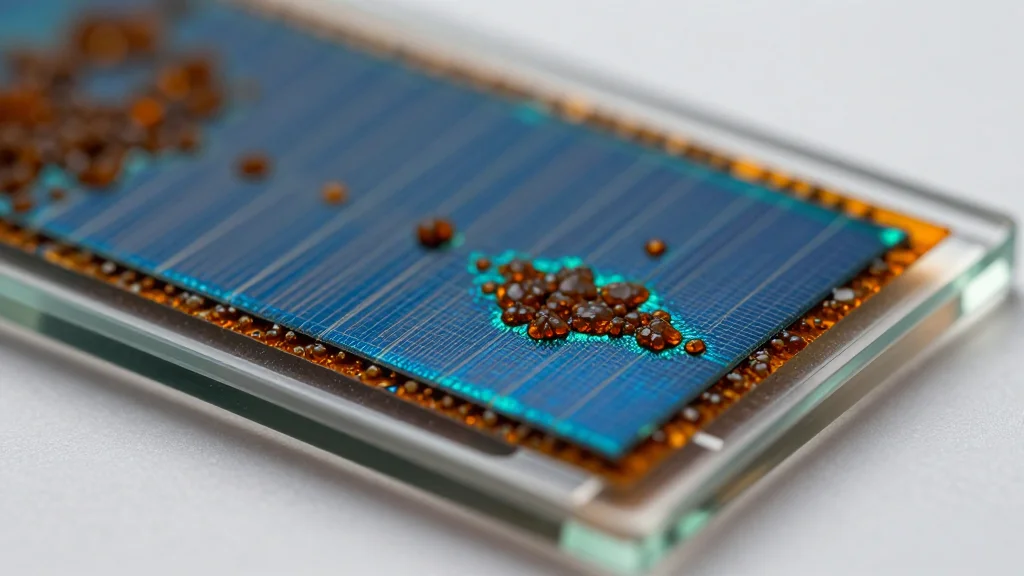
Researchers introduced p‑methoxyphenethylammonium chloride (MeO‑PEACl) into formamidinium‑based perovskite inks, creating a buried two‑dimensional/three‑dimensional (2D/3D) heterostructure in inverted solar cells. The methoxy‑substituted cation reduces solubility, stabilizes the α‑phase during anti‑solvent dripping, and wraps 3D grains with a thin 2D layer. This...

Tripodal Carboxylate Bridge Enables Buried Interface Passivation Toward High‐Performance and Durable Perovskite Solar Cells
Researchers introduced nitrilotriacetic acid trisodium (NTANa), a tridentate, non‑planar carboxylate, to simultaneously passivate Sn4+ and Pb2+ defects at the buried SnO2/perovskite interface of perovskite solar cells. The tripodal geometry enables dual‑sided coordination, strengthening electronic coupling and optimizing energy‑level alignment. Devices...

Unlocking Fast Na+ Transport in Sodium Iron Sulfate Via Coupled Electronic–Ionic Modulation
Researchers have introduced an isovalent Zn substitution at the Fe site of alluaudite‑type sodium iron sulfate, preserving its crystal framework while reshaping the electronic structure. The Zn‑induced redistribution of Fe–O states and site‑specific Na–O coordination lowers the Na+ migration barrier,...

Spectroscopic Signatures of Doping in Thin Films of Semiconducting Single‐Walled Carbon Nanotubes
The review details how chemical, electrochemical and electrostatic doping modifies the optical and Raman signatures of semiconducting single‑walled carbon nanotube (SWCNT) thin films. Doping introduces holes or electrons that shift visible‑to‑far‑infrared absorption, near‑infrared fluorescence, electroluminescence and Raman modes. These spectroscopic...

Ultratough Organic–Inorganic Bicontinuous Network Hydrogel via Crosslinking Liquid‐Like Inorganic Ionic Clusters With Polymer Chains
Researchers have created an ultratough hydrogel by crosslinking liquid‑like calcium‑phosphate clusters with polyvinyl alcohol (PVA) chains, forming an organic‑inorganic bicontinuous network. The resulting PVA/CPC hydrogel exhibits a tensile strength of 32.9 ± 4.7 MPa and a toughness of 108 ± 19 MJ m⁻³, outperforming most high‑performance hydrogels....
A Highly Adhesive Binder Enables Sulfide‐Based All‐Solid‐State Batteries with High Cycling Stability at Low Stack Pressure
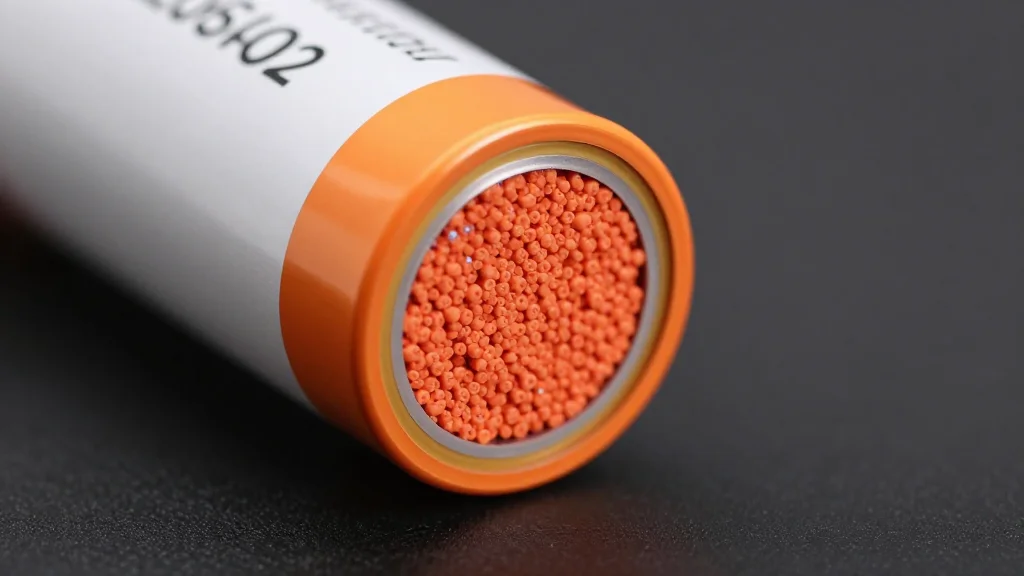
Researchers used click chemistry to add hydroxyl groups to a commercial polystyrene‑b‑polybutadiene‑b‑polystyrene (SBS) binder, creating a highly adhesive SBS‑Click binder for sulfide‑based all‑solid‑state lithium‑ion batteries. The modified binder forms hydrogen bonds with both the LiNi0.9Co0.06Mn0.04O2@Li3BO3 cathode and the sulfide electrolyte,...

Dual‐Modified Cellulose Nanofiber Membranes with Boosted Surface Charge for High‐Performance Osmotic Energy Conversion
Researchers introduced a dual‑modified strategy that merges small‑molecule functionalization with polymer grafting to produce cellulose nanofiber membranes bearing opposite, highly amplified surface charges. The enhanced charge and engineered nanochannels boost ion selectivity, delivering power densities up to 5.1 W·m⁻² (negative) and...

A Phenothiazine‐Derived Organic Cathode for High‐Capacity Aqueous Aluminum Batteries
Researchers introduced a phenothiazine‑derived organic cathode—methylene blue (MB)—for aqueous aluminum batteries. The MB cathode enables reversible co‑insertion of one Al³⁺ ion coordinated with two OTF⁻ anions, cutting the desolvation penalty that hampers inorganic cathodes. It achieves 138.8 mAh g⁻¹ at 50 mA g⁻¹ and...

Rejuvenation of Mechanical Fatigue Resistance in 2D Ferroelectric CuInP2S6 by Reversing Ionic Motion
Researchers demonstrated that the two‑dimensional ferroelectric CuInP2S6 (CIPS) can withstand mechanical stresses up to 7 GPa for more than ten million loading cycles, far surpassing conventional ferroelectric oxides. Cyclic loading induces Cu⁺ ion aggregation, which creates lattice disorder and fatigue. Applying...

A Bifunctional Nitrogen‐Doped Electrode with High Catalytic Activity and Stability for Energy‐Efficient V3.5+ Electrolyte Production and High‐Performance Vanadium Redox Flow...
Researchers introduced a surface‑architecting method using polyaniline self‑assembly to create a nitrogen‑doped carbon nanofiber network on graphite felt (NGF). In a flow electrolyzer, the NGF electrode reduced energy consumption per unit conversion by 60.25% relative to untreated felt and 41.63%...

Recent Challenges and Optimization Strategies of Thick Electrodes in High‐Energy‐Density Batteries
The paper reviews the performance and mechanical hurdles of thick electrodes used in high‑energy‑density batteries, highlighting sluggish ion transport, severe polarization, and cracking risks. It consolidates five optimization pathways—tortuosity reduction, pore‑structure engineering, thermodynamic tuning, advanced dry/wet fabrication, and crack‑suppression techniques....

Molecular Engineering‐Regulated Donor‐Acceptor 1D Covalent Organic Frameworks with Bipolar Redox‐Active Centers for High‐Performance Organic Li‐Ion Battery Cathodes
Researchers have synthesized two donor‑acceptor type one‑dimensional covalent organic frameworks (1D COFs) with bipolar redox‑active centers and integrated them onto carbon nanotubes (CNT) to form dendritic core‑shell composites. Molecular engineering narrowed the energy gap, boosting electronic conductivity, while in‑situ CNT...

Sulfur‐Vacancy Anchoring Suppresses Dynamic Surface Reconstruction in Ni‐Doped ZnS Nanospheres to Trigger the Lattice Oxygen Mechanism
Researchers have shown that sulfur vacancies in nickel‑doped zinc sulfide nanospheres suppress dynamic surface reconstruction during the oxygen evolution reaction (OER). The vacancies limit metal dissolution and promote formation of a Ni‑Zn(OH)2/ZnS heterojunction, which weakens Zn‑O bonds and activates the...

Sulfur‐Vacancy Anchoring Suppresses Dynamic Surface Reconstruction in Ni‐Doped ZnS Nanospheres to Trigger the Lattice Oxygen Mechanism (Small 20/2026)
Researchers demonstrated that sulfur vacancies in nickel‑doped ZnS nanospheres act as anchoring centers, limiting uncontrolled surface reconstruction during oxygen evolution reaction (OER). This controlled reconstruction triggers the lattice‑oxygen mechanism (LOM), delivering higher catalytic activity than conventional pathways. The study clarifies...

Modular Donor‐Acceptor Diradicaloids Based on an Electron Deficient N‐Heteroacene Acceptor
Researchers have introduced a modular donor‑acceptor‑donor (D‑A‑D) platform for organic diradicaloids, using an electron‑deficient 6,7,8,9‑tetrachloro‑thiadiazolo‑phenazine core flanked by thiophene‑based donors. Systematic variation of the donor length and conjugation tunes the singlet‑triplet energy gap, diradical character (y) and related optoelectronic properties....

Wireless Self‐Powered Triboelectric‐Based Sensor for Real‐Time Quantitative Monitoring of Gas‐Liquid Mixed Flow
A novel wireless, self‑powered sensor uses a dual‑electrode gas‑liquid electricity generator (GLEG) to harvest energy from high‑speed mixed flows and deliver real‑time liquid‑flow measurements via a mobile app. The triboelectric nanogenerator converts mechanical motion into electricity, eliminating the need for...

Self‐Assembled Carrier‐Free Nanomedicines Potentiate Chemo‐Photothermal Immunotherapy by Overcoming Prostaglandin E2‐Mediated Immunosuppression
Researchers have created a carrier‑free nanomedicine that self‑assembles indocyanine green, paclitaxel and celecoxib to treat triple‑negative breast cancer (TNBC). The formulation delivers combined chemo‑photothermal therapy while inhibiting the COX‑2/PGE2 inflammatory axis that fuels immunosuppression. In preclinical models, the nanomedicine markedly...

Programmable Biohybrid Probiotics with Long‐Term Storage Stability for Enhanced Intestinal Microbiota Regulation and Ulcerative Colitis Treatment
Researchers unveiled a multilayer encapsulation platform that merges a metal‑polyphenol network, silica shell, and iron‑based metal‑organic framework to shield the anaerobic probiotic Bifidobacterium longum. The system achieved a 41‑fold boost in aerobic storage stability and an 871‑fold increase in gastric...

Highly Reproducible Synthesis of PbS Quantum Dots With In Situ Halide Passivation for Short‐Wave Infrared Imaging Chips
Researchers have introduced a highly reproducible method for synthesizing lead‑sulfide (PbS) quantum dots using ethyl ziram as the sulfur precursor. The process yields self‑terminated growth, delivering monodisperse particles with superior surface passivation and photoluminescence quantum yields. Integrated into short‑wave infrared...

Polymer‐Based Prism‐Free Nanograting SPR Imaging Enables Multiplexed Detection and Single‐Step Aptamer Binding Kinetics (Small 20/2026)
Researchers led by Chia‑Fu Chou have unveiled a prism‑free, polymer‑based nanograting surface plasmon resonance imaging (SPRi) platform that operates with normal‑incidence optics and camera detection. The disposable chip integrates a custom microarrayer, enabling multiplexed biomolecular analysis in a single run....

NPM1 Undergoes Salt‐Dependent Reentrant Phase Separation Driven by IDR Conformational Plasticity and Electrostatic Crosstalk
Researchers have uncovered that nucleophosmin 1 (NPM1) exhibits a salt‑dependent reentrant liquid‑liquid phase separation driven by its intrinsically disordered region (IDR). Using single‑molecule FRET and molecular dynamics, they showed low ionic strength keeps the IDR compact, suppressing intermolecular contacts, while intermediate...
Revealing the Impact of Phase Transition on N = 1 2D Perovskite Photodetectors With Intrinsically Tunable Narrowband Detection
Researchers have engineered n=1 2D perovskite (PEA)2PbBrxI4-x photoconductors that deliver tunable narrowband detection from 400 to 520 nm and a record specific detectivity of 2.11×10^11 Jones at 20 V. The study identified two distinct stacking phases and showed that halide mixing induces phase...

Mitigating Mn‐Driven Interfacial Instability in LiMn0.5Fe0.5PO4 Cathodes for Lithium‐Ion Batteries via Surface‐Intensive Ta Doping
Researchers introduced surface‑intensive tantalum (Ta) doping into LiMn0.5Fe0.5PO4 (LMFP) cathodes, exploiting Ta’s low diffusivity to enrich particle surfaces. The Ta‑enriched layer elongates Li‑O bonds, widens Li⁺ pathways, and raises the near‑surface Mn²⁺ fraction, suppressing Mn³⁺‑driven degradation. Electrochemical testing showed Ta‑doped...
Ultra‐Low‐Power and Reconfigurable Optoelectronic Memtransistor Based on Vertical Nb‐WSe2/Te Van Der Waals Heterostructure
Researchers have demonstrated an ultra‑low‑power optoelectronic memtransistor built from a vertical Nb‑doped WSe₂/Te van der Waals heterostructure. The device emulates short‑ and long‑term synaptic plasticity under light stimulation, consuming less than 1 attojoule per spike—four orders of magnitude below biological synapses. It can...

Quinoxaline‐6,7‐dicarboxylate‐based Photothermal Polymers Inspired Multifunctional Hydrogels for High‐Efficient Solar‐Driven Water Purification
Researchers have created three new conjugated polymers that serve as photothermal agents in a hydrogel platform. The optimized polymer PDPP‑SeQ delivers a photothermal conversion efficiency of 26.71 % and enables a water evaporation rate of 10.18 kg m⁻² h⁻¹, the highest reported for organic...

Freeze‐Drying Tumor Tissues Derived Bio‐Patches With Hair Melanin Nanoparticles Integration for Wound Healing
Researchers have created a freeze‑dried bio‑patch from decellularized colon tumor tissue that incorporates hair‑derived melanin nanoparticles. The patch preserves extracellular matrix proteins, growth factors, and collagen while adding antioxidant and photothermal antibacterial functions. In vitro tests show enhanced cell migration,...

Boosting Activity and Stability for the Alkaline Hydrogen Oxidation Reaction via Surface Reconstruction of Cu‐Ni Core–Shell Electrocatalysts Through Oxygen Intercalation
Researchers have developed a surface‑reconstruction method that uses nitric‑acid etching to modify Cu‑Ni core‑shell electrocatalysts for the alkaline hydrogen oxidation reaction (HOR). The process removes a Ni‑rich surface layer, intercalates oxygen into the top ~10 atomic layers, and redistributes Cu,...