
Biodegradable Polymers for Application as Robust Immunomodulatory Biomaterial Carrier Systems
Biodegradable polymers are emerging as versatile carriers for immunotherapeutic agents, offering tunable degradation, enhanced antigen presentation, and intrinsic immunomodulatory properties. The review evaluates synthetic and natural polymers such as PLGA, PBAEs, Ace‑DEX, chitosan, alginate, and hyaluronic acid, highlighting their formulation considerations and environmental impact. By contrast to non‑degradable materials, these carriers enable controlled release and safer clearance, supporting more effective and sustainable drug development. The authors argue that careful polymer selection can optimize efficacy across diverse disease indications.
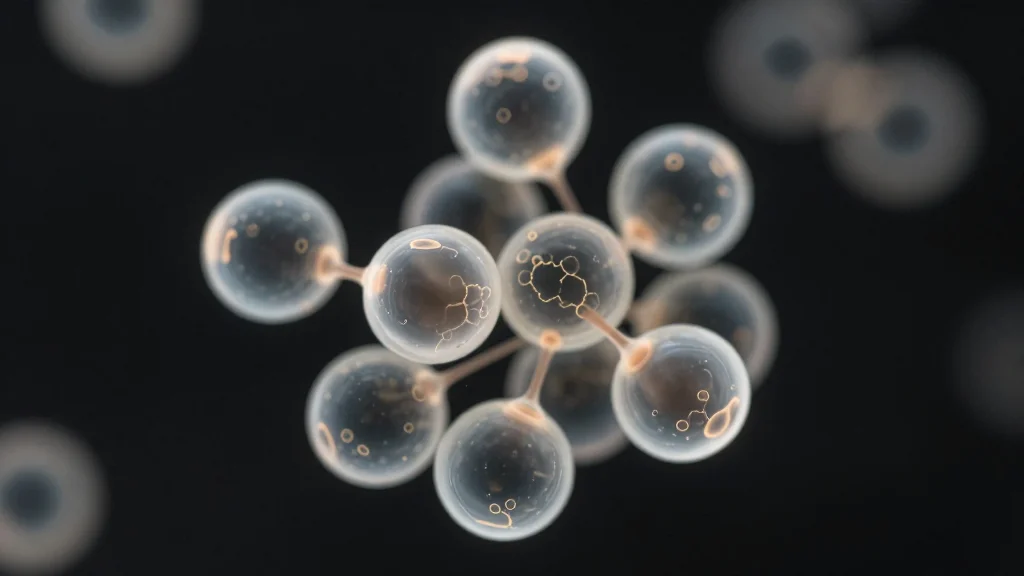
Nature Inspired Delivery Vehicles for CRISPR‐Based Genome Editing
The review surveys nature‑inspired nanocarriers—viral vectors, extracellular vesicles, liposomes, lipid nanoparticles, and engineered membrane particles—as delivery platforms for CRISPR genome editors. It details how these systems improve editing specificity, lower immunogenicity, and surmount cellular barriers that have limited therapeutic rollout....
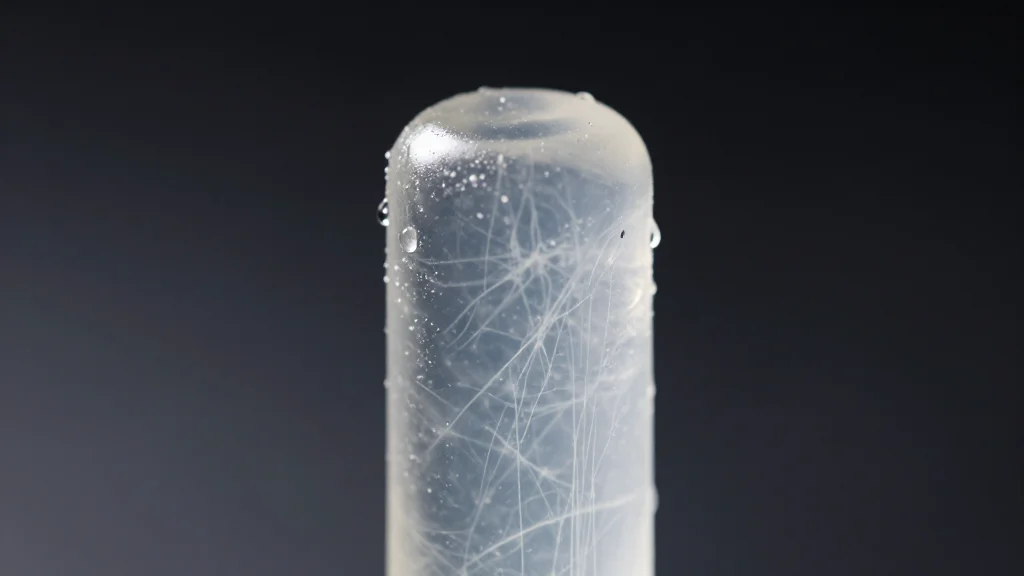
Novel Passive Adsorption‐Based Double‐Network Composite Hydrogel for Atmospheric Water Harvesting
Researchers have created a novel double‑network composite hydrogel (PVA/HPC@SHM) that combines a polyvinyl alcohol/hydroxypropyl cellulose matrix with a super‑hygroscopic filler. The material exhibits a 121% increase in compressive strength and a 36% boost in toughness compared with pure PVA hydrogel....

Ni‐Atom Induced Interface Water Reorientation Around Ru Clusters for Alkaline Hydrogen Evolution Reaction
Researchers introduced single Ni atoms into Ru clusters supported on nitrogen‑boron doped carbon to manipulate interfacial water structure for alkaline hydrogen evolution. The Ni atoms shift the charge distribution of Ru, causing K⁺·H₂O hydrate molecules to reorient and bind more...

Wafer‐Scale Self‐Limiting Epitaxy of Bernal‐Stacked Single‐Crystal Boron Nitride
Researchers have demonstrated wafer‑scale epitaxial growth of single‑crystal Bernal‑stacked boron nitride (bBN) bilayers using flow‑modulated metal‑organic chemical vapor deposition on Ni(111)/sapphire. Monoatomic Ni step edges direct AB stacking, creating a self‑limiting bilayer with uniform thickness across the wafer. The resulting...

Chiral‐Induced Spin‐Polarized Molecular Switching in a Magneto‐Controlled 2D System Using Electrical Readouts
Researchers have engineered a chiral two‑dimensional germanane platform by covalently attaching cysteine molecules, creating a spin‑filtering material that exhibits reversible bistable quantum states. When paired with a ferromagnetic electrode, the system’s spin polarization can be switched by an external magnetic...

E‐Beam‐Mediated Rapid Synthesis of Graphite/Diamond Heterojunctions via (111) Facet‐Dirven Global Graphitization
Researchers have introduced a catalyst‑free, electron‑beam technique that rapidly converts diamond into graphite, forming in‑situ graphite/diamond heterojunctions. By targeting the (111) crystallographic facet, the process triggers a global graphitization pathway rather than traditional nucleation‑and‑growth. The method works on both polycrystalline...

Skin‐Structure‐Inspired Hierarchical Metafabric for Multifunctional Personal Thermal and Moisture Management
Researchers introduced a skin‑structure‑inspired hierarchical metafabric that combines electrospun polyamide nanofibers with electrosprayed functional nanospheres. The composite achieves 97.3% solar reflectance, 91.3% infrared emissivity, and a 7.3 °C temperature drop under identical test conditions, surpassing traditional cotton fabrics. Simultaneously it delivers...
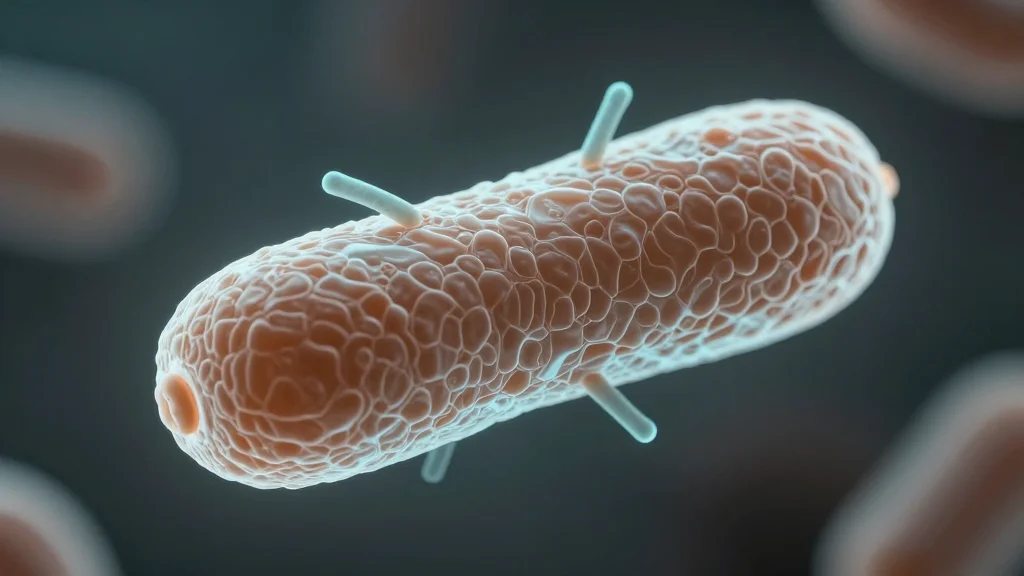
Inter‐Crystal Spacing of Implantable Polymeric Surfaces as a Key Suppressor of Microbial Adhesion.
The researchers demonstrated that repeated shape‑memory polymer (SMP) recovery aligns surface crystals and compresses amorphous gaps, dramatically reducing bacterial adhesion. In vitro assays with Escherichia coli, Pseudomonas aeruginosa and Staphylococcus aureus showed progressive detachment as programming cycles increased. An SMP...

Recent Advances in Chemical Vapor Deposition of Two‐Dimensional Magnetic Oxides
Recent advances in chemical vapor deposition (CVD) have enabled scalable production of two‑dimensional magnetic oxides with tunable magnetic properties. The review classifies these oxides by structural dimensionality and composition, and details vapor‑phase techniques such as additive‑assisted growth, confined epitaxy, and...
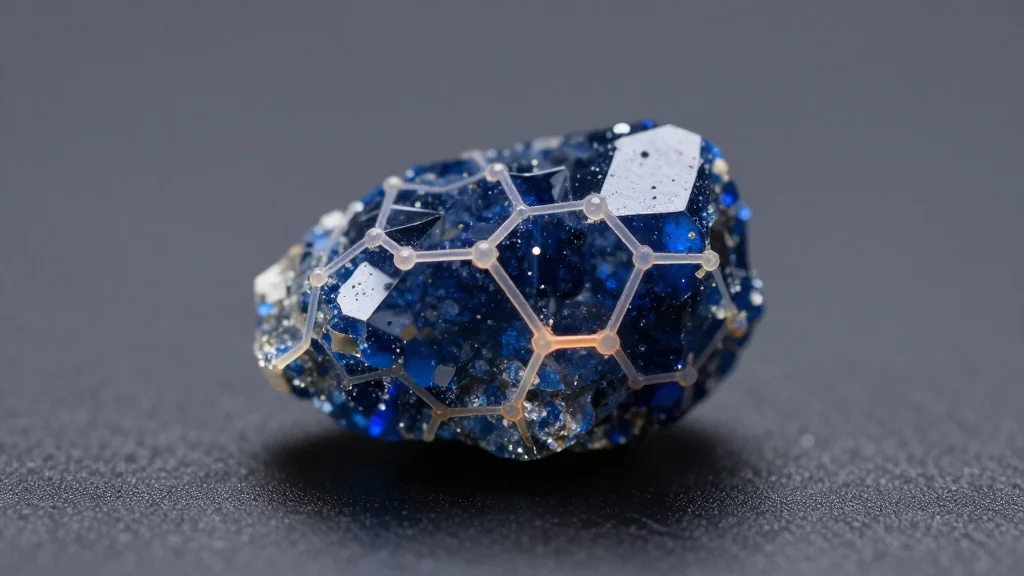
Semiconducting Covalent Organic Frameworks as Functional Dopants for Efficient Perovskite Solar Cells
Researchers introduced pyrene‑based covalent organic frameworks (PyCOFs) as bulk dopants for formamidinium lead iodide (FAPbI3) perovskite solar cells. The COFs feature π‑conjugated linkages and Lewis‑basic groups (–C≡N, –C═N–, –SH) that coordinate with undercoordinated Pb2+ sites, passivating deep traps without altering...
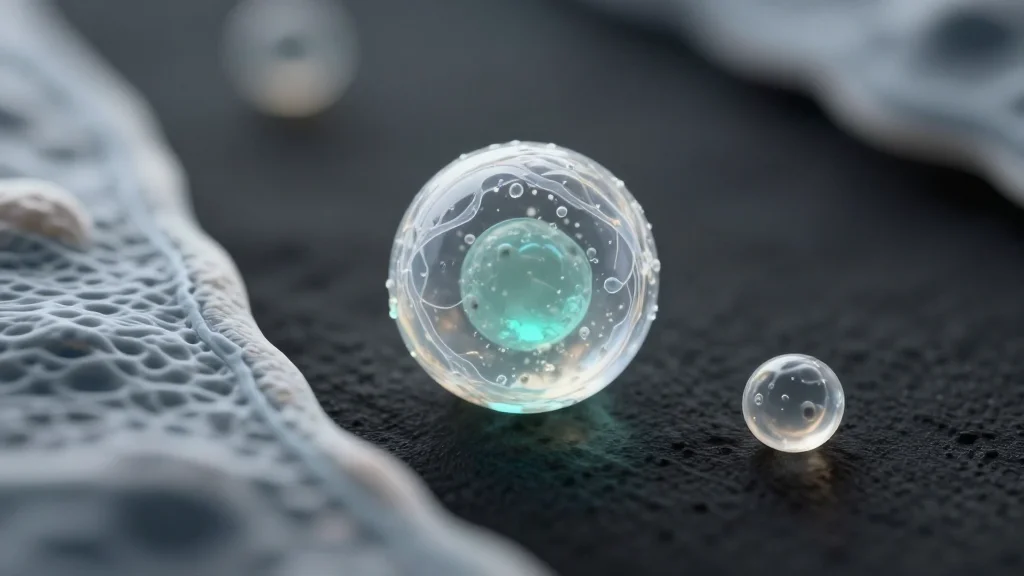
FAST‐CRISPR: Fusogenic Association and Secured Transfection of CRISPR/Cas9 Ribonucleoproteins Using Lipid‐Silica Hybrid Nanoparticles for Therapeutic Genome Editing
Researchers introduced FAST‑CRISPR, a lipid‑silica hybrid nanoparticle that fuses directly with cell membranes to deliver CRISPR/Cas9 ribonucleoproteins. By combining a 1:1 weight ratio of cationic DOTAP and ionizable DODMA lipids with large‑pore silica cores, the platform achieves high RNP loading...

Emerging Atomically Engineered RuNi‐Zn‐ZIF‐8 Catalyst for Remarkably High Electrocatalytic Nitrate Reduction to Ammonia and Electrocatalytic Oxygen Evolution Reaction
Researchers have engineered a RuZn‑based carbon‑nitrogen framework decorated with atomically dispersed nickel and minor Ni clusters, creating a bifunctional electrocatalyst for nitrate reduction to ammonia and oxygen evolution. The catalyst delivers an ammonia yield of 10,199 µg h⁻¹ mg⁻¹ cat with 84% Faradaic...

A Red Brick‐Derived Fe2P‐Based Cocatalyst Sheet Enables Monolithic Photocatalysts for Efficient Solar Hydrogen Production
Researchers have converted common red brick into a Fe2P‑based cocatalyst sheet that serves as a scaffold for semiconductor particles, creating monolithic photocatalysts for solar water splitting. The CdS‑Fe2P/RB monolith delivers a visible‑light hydrogen evolution rate of 7.7 mmol g⁻¹ h⁻¹ and an apparent...

A Balloon Electrochemical Sensor for Conformal Interfacing With Intestinal Wall and Real‐Time Monitoring of Serotonin Release
Researchers have created a balloon‑shaped electrochemical sensor using gold nanotubes that expands to conform to the soft curvature of the intestinal lumen. The device is inserted endoluminally, inflates to mimic physiological distension, and records real‑time serotonin (5‑HT) release from the...

Iron Incorporation‐Induced Phosphorus Vacancies in MoP: A Dual‐Functional Strategy Toward Efficient Solar Driven Hydrogen Production
Researchers introduced iron atoms into molybdenum phosphide (MoP) to generate phosphorus vacancies, forming a dual‑functional catalyst for solar‑driven hydrogen production. The Fe substitution replaces Mo sites, creating electron‑trapping vacancies while Mo atoms serve as hole traps, markedly improving charge separation....

FAST‐CRISPR: Fusogenic Association and Secured Transfection of CRISPR/Cas9 Ribonucleoproteins Using Lipid‐Silica Hybrid Nanoparticles for Therapeutic Genome Editing (Small 15/2026)
Researchers at UNIST and collaborators introduced FAST‑CRISPR, a lipid‑silica hybrid nanoparticle system designed to ferry CRISPR/Cas9 ribonucleoproteins into cells. The platform leverages a fusogenic lipid coating that promotes rapid endosomal escape, securing high‑efficiency genome editing while preserving RNP integrity. Preclinical...
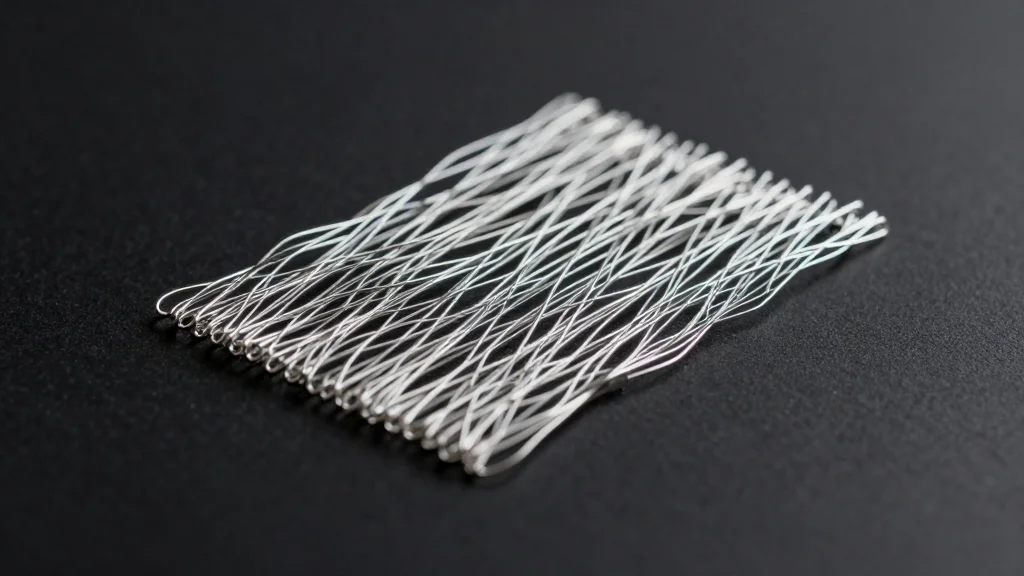
Mechanically Responsive Microwave Absorption and Shielding in Hierarchical Heterogeneous Architectures for Electromagnetic Interference Protection
Researchers have created a mechanically responsive composite (FPCEL) that combines Fe3O4‑functionalized cellulose nanofibers, polypyrrole, liquid metal, and Ecoflex silicone. The hierarchical, asymmetric architecture yields strain‑dependent microwave absorption and shielding, shifting from reflection‑dominated to absorption‑enhanced behavior as the material is stretched...
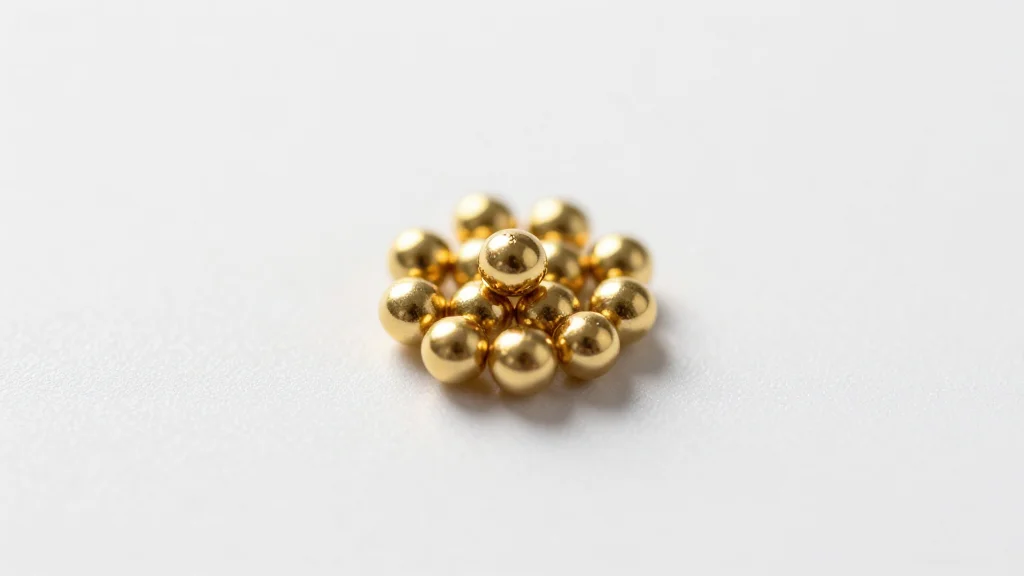
Formation Mechanism of BN Flakes on MWCNTs
Researchers have developed a CVD method to coat multi‑wall carbon nanotubes (MWCNTs) with hexagonal boron nitride (h‑BN) flakes, creating a three‑layer heterostructure of CNT core, coaxial BN nanotubes, and outer BN flakes. Experiments and molecular dynamics simulations reveal a two‑step...

Photoluminescence Enhancement in Erbium Nanoparticles via Controlled Phase Transformation
Erbium nanoparticles produced by pulse laser ablation in liquid were thermally annealed from 200 °C to 1000 °C. At 600 °C the mixed cubic‑monoclinic structure fully converts to a pure cubic Er₂O₃ phase, eliminating surface hydroxyl groups and compacting the particles. This structural...

Plasmon‐Exciton Interaction Induced Efficient Charge Separation in Cu2‐xS‐CsPbBr3 Heterostructure
Researchers synthesized a Cu2‑xS–CsPbBr3 heterostructure that leverages plasmon‑exciton coupling to improve charge separation. Femtosecond transient absorption studies show plasmon‑induced hot‑hole transfer from Cu2‑xS to the perovskite valence band under both 400 nm and 800 nm excitation, while 400 nm also drives hot‑electron transfer...
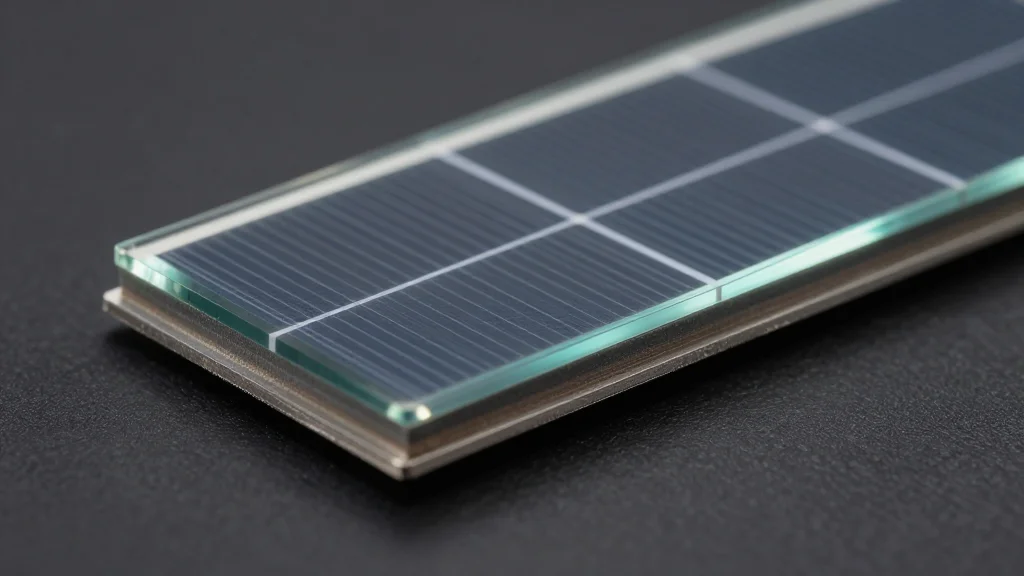
Dual‐Functional ITO Interlayer for Effective Defect Passivation and Cationic Composition Engineering in Kesterite Solar Cells
Researchers introduced a thin indium tin oxide (ITO) interlayer at the back contact of Cu2ZnSn(S,Se)4 (CZTSSe) solar cells to tackle interdiffusion and absorber defects. The ITO acts as a diffusion barrier during early selenization, then self‑sacrifices to release Sn and...
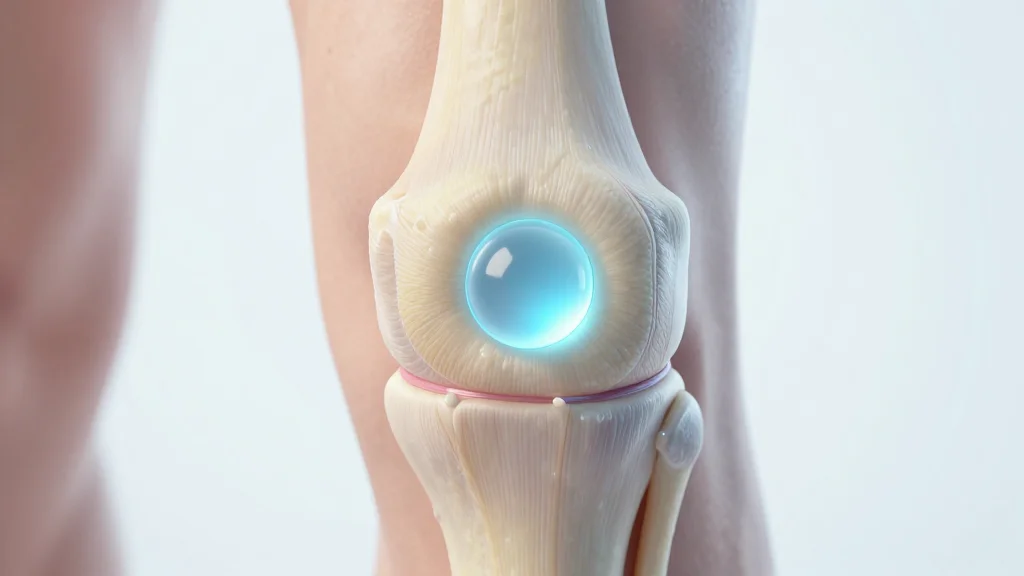
Intra‐Articular Injectable Hydrogel Microsphere‐Based Drug Delivery System for Osteoarthritis Treatment
Osteoarthritis incidence is climbing as populations age and obesity spreads, intensifying health and economic pressures. Conventional treatments merely decelerate disease progression and often entail systemic side effects or surgical risks. Emerging hydrogel microsphere platforms create a biomimetic joint microenvironment, offering...

Short‐Range Order and LixTM4−x Probability Maps for Disordered Rocksalt Cathodes
Researchers used Monte Carlo simulations with a simplified cluster model to map short‑range order (SRO) in cation‑disordered rocksalt (DRX) cathodes. They discovered that the probability of forming Li₄ tetrahedral clusters is governed primarily by nearest‑neighbor pairwise SRO, and that this SRO...

Water Drops Sliding Over Arrays of Janus Micropillars With Hydrophilic Tops: A New Mechanism of Drop Charging
Researchers have engineered arrays of Janus micropillars—hydrophilic tops paired with hydrophobic sidewalls—to reveal a novel drop‑charging mechanism. When a water droplet slides across these structures, it leaves microscopic satellite droplets that evaporate within a second, creating charge separation within the...
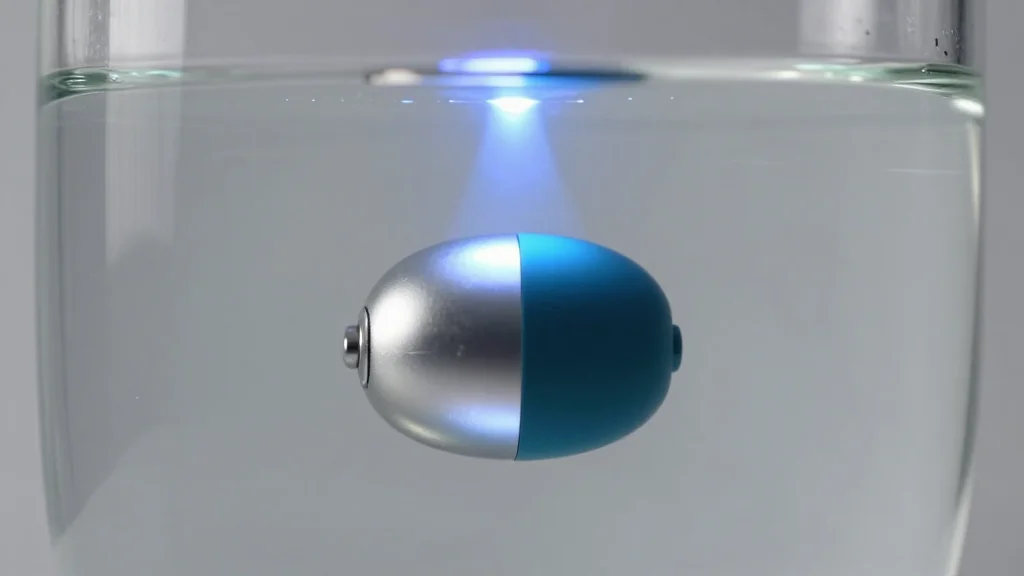
Silver‐enhanced Photoresponsive G‐C3N4/Ag Janus Microrobots With Negative Photogravitaxis Efficient Antibiotic Degradation
Researchers have created silver‑enhanced g‑C3N4/Ag Janus microrobots that move upward against gravity when illuminated, a behavior termed negative photogravitaxis. The silver coating improves charge carrier separation, suppressing recombination and boosting photocatalytic activity. This three‑dimensional propulsion increases mass transfer, enabling the...

Additive‐Free Edge‐Functionalized Graphene Dough
Researchers have introduced an additive‑free, edge‑functionalized graphene (EFG) dough synthesized directly from graphite via selective oxidation and physical exfoliation. The resulting few‑layer nanoplatelets retain defect‑free basal planes, exhibit carboxylate and phenolic edge groups, and achieve a high conductivity of 900 S cm⁻¹....
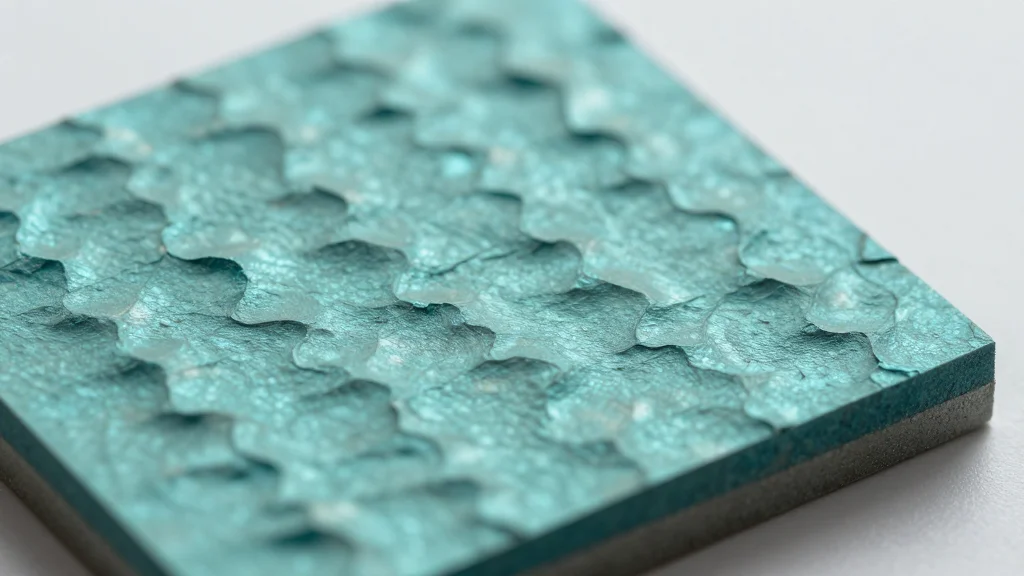
Impact of Sapphire Substrate Reconstruction on the Structural, Electronic, and Photonic Properties of MoS2
The paper investigates how sapphire substrate reconstruction during metal‑organic CVD at 1 000 °C alters the structural, electronic, and photonic behavior of monolayer MoS₂. Elevated temperature induces step‑bunching on the sapphire surface, creating local charge‑doping variations and strain that broaden Raman peaks...

Cation Group‐Driven Dual‐Track Regulation Enables Dendrite‐Free and Low‐Temperature Zn‐Ion Hybrid Supercapacitors
Researchers introduced a cationic PDAC hydrogel electrolyte that immobilizes chloride anions, forming highly selective Zn²⁺ transport channels while simultaneously guiding (002)-oriented zinc deposition. The electrolyte achieves 5.3 mS cm⁻¹ ionic conductivity at –50 °C and a Zn²⁺ transference number of 0.87, delivering 98 %...
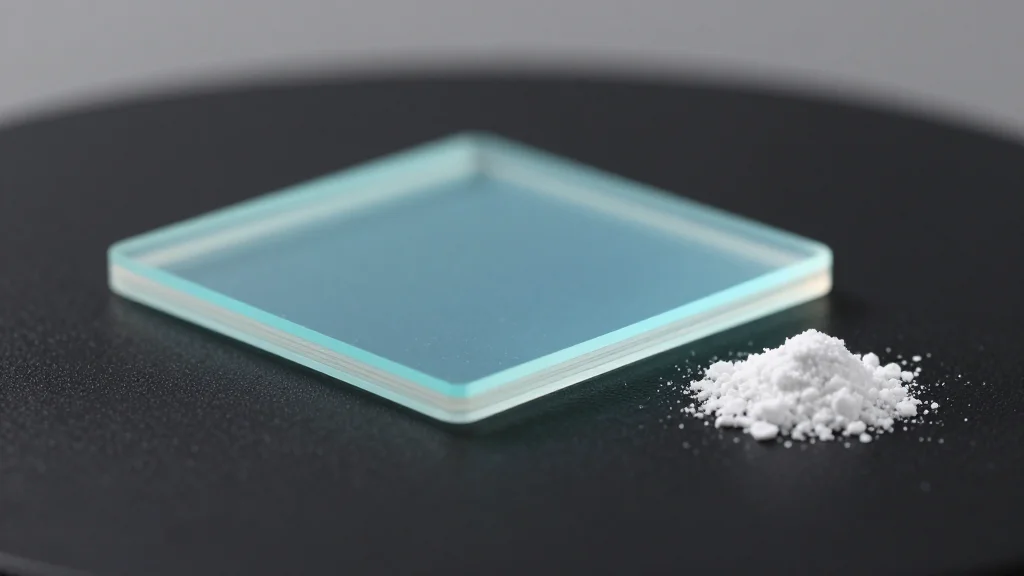
Conjugated N‐Type Diradical Semiconductor Empowers High‐Performance TiO2‐Based Perovskite Solar Cells
Researchers have introduced IDT‑R, an n‑type conjugated diradical semiconductor, to modify TiO₂ electron transport layers in perovskite solar cells. The material simultaneously passivates surface defects and raises intrinsic conductivity, addressing the long‑standing performance gap between TiO₂‑ and SnO₂‑based devices. Devices...

Anode‐Free Cell Concepts: Critical Analysis and Development of Practical Batteries
Anode‑free batteries (AFBs) remove the traditional lithium‑metal anode, promising higher energy density, lower cost, and improved sustainability. The recent perspective reviews advances in both liquid and solid electrolyte AFBs, detailing plating/stripping mechanisms, degradation pathways, and performance metrics. It highlights critical...

Photothermally Triggered Intratumoral In Situ Drug Synthesis: A Smart Nanoplatform for NIR‐Controlled Precise Activation of Antitumor Precursors
Researchers have engineered an iron‑doped mesoporous silica nanoplatform (FOBA) that, when exposed to 808 nm near‑infrared light, uses the Y6 photothermal converter to heat and trigger a PEG gate, creating a transient solvent that enables in‑situ synthesis of the cytotoxic agent...
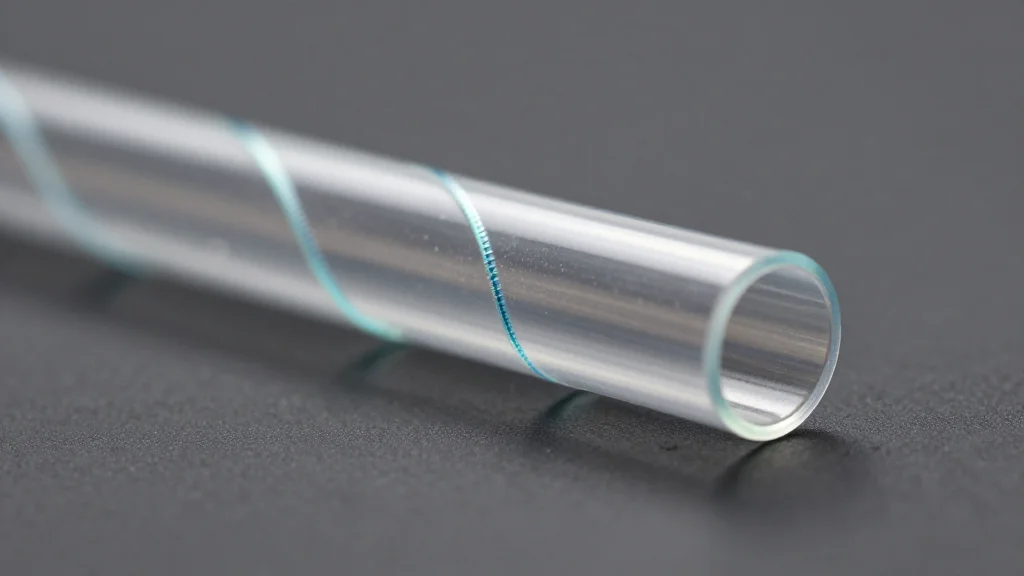
Controlled Formation of Carbon Nanotubes and Nanotube Junctions From Bilayer Graphene
Researchers used a scanning transmission electron microscope to cut twisted bilayer graphene ribbons, triggering a spontaneous transformation into chiral carbon nanotubes (CNTs) and complex junctions. Ribbons narrower than roughly 4 nm reliably roll into tubes, while wider ribbons remain flat, a...

A Recyclable Magnetic Nanosystem Enable Circulatory Antibacterial Strategy for Static and Dynamic Blood Disinfection
Researchers have engineered a recyclable magnetic nanosystem (Fe3O4/CeO2@BP) that integrates black phosphorus with iron oxide and cerium oxide to achieve rapid, ROS‑driven antibacterial activity in blood. The material can be magnetically retrieved, enabling repeated use across at least 20 disinfection...
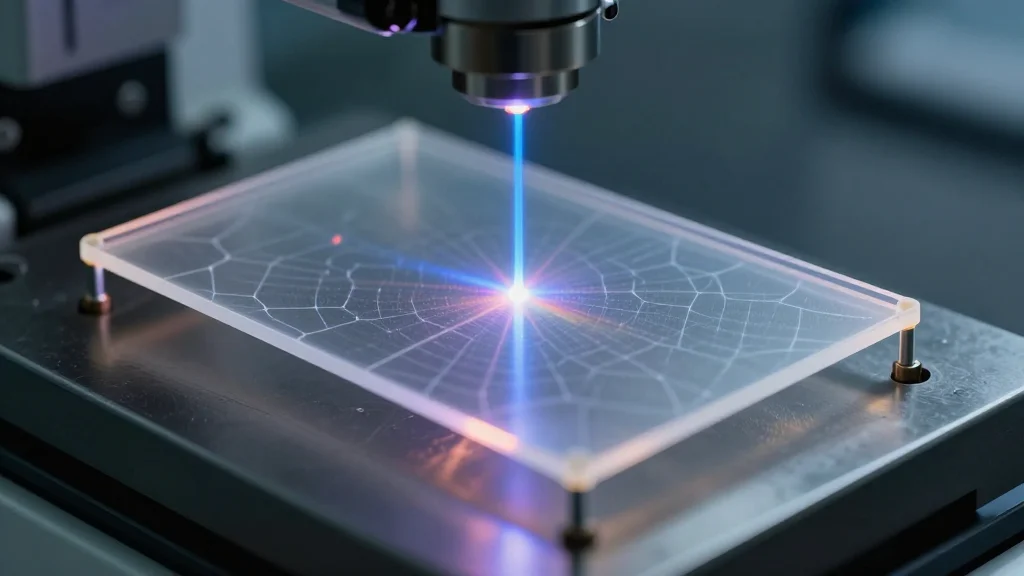
Standardized Elemental Composition Analysis of Graphene‐Related 2D Materials (GR2M) With SEM/EDS and XPS Works Reliably
A systematic study demonstrates that energy‑dispersive X‑ray spectroscopy (SEM/EDS) can reliably quantify the oxygen‑to‑carbon (O/C) ratio and trace metal impurities in graphene‑related 2D materials (GR2M). The researchers validated SEM/EDS results against X‑ray photoelectron spectroscopy (XPS) across multiple excitation settings and...

Synergistic Catalysis at Zn–Mn Dual‐Atoms Sites for Efficient Electrocatalytic Oxidation of Formaldehyde
Researchers have engineered a Zn‑Mn dual‑atom catalyst (ZnMn‑N8) that dramatically improves electrocatalytic oxidation of formaldehyde in a gas‑solid system. The material achieves 63.8% HCHO decomposition with 92.3% CO₂ selectivity, surpassing many liquid‑phase catalysts. Advanced microscopy and X‑ray spectroscopy confirm atomic‑scale...
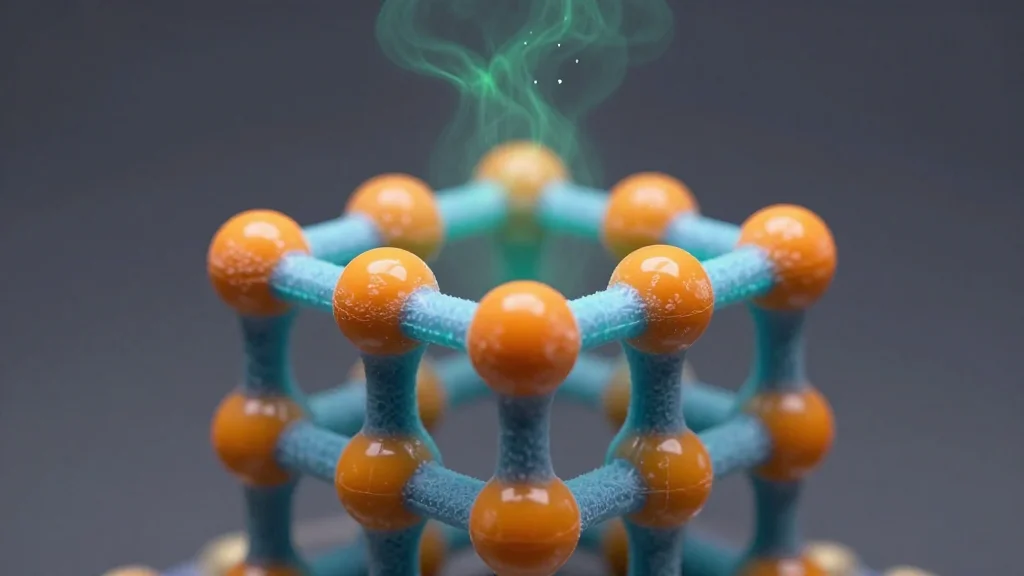
Engineering the Electronic Microenvironment with Bromine Functionalization for High‐Selectivity Photocatalytic CO2 Reduction
The research presents a surface bromine modification for the covalent organic framework TzPm‑COF, creating TzPm‑COF‑2Br with a tuned donor‑acceptor architecture. This brominated COF delivers a CO evolution rate of 155 µmol g⁻¹ h⁻¹ and 99.4 % selectivity under visible light, a 2.7‑fold increase over...

Intrinsically Chiral Excimers: Water‐Compatible Trityl‐Based Nanoparticles as Tailored Dual Emitters of Circularly Polarized Luminescence in the Vis or NIR Regions...
Researchers led by Imma Ratera have engineered water‑compatible chiral organic nanoparticles using a brominated trityl radical. These particles convert unpolarized light into circularly polarized luminescence (CPL) without the need for external polarizing filters. By adjusting radical concentration, the system switches...
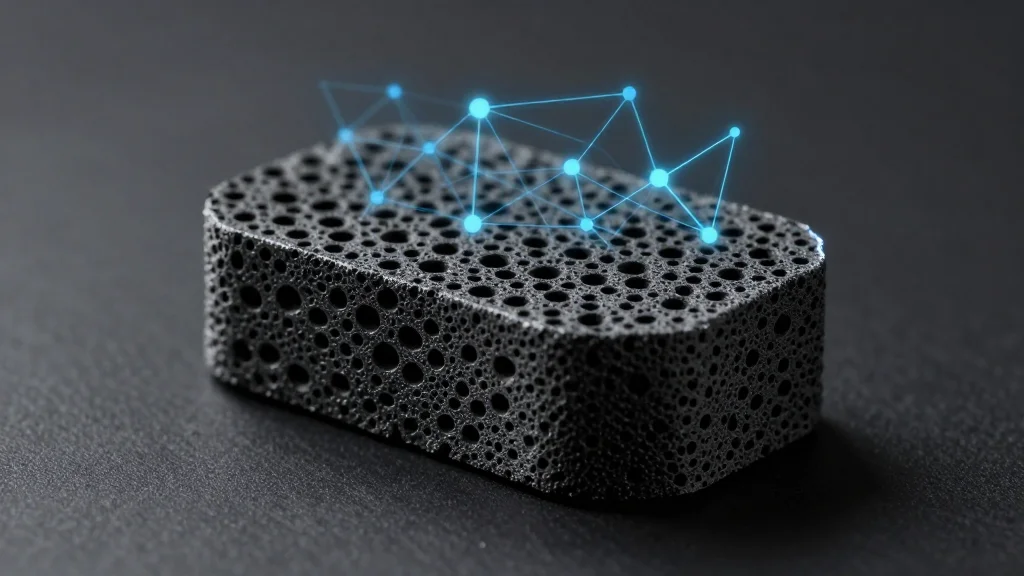
Machine Learning‐Assisted Tailoring of Pore Structures in Coal‐Derived Porous Carbons for Enhanced Performance
Researchers introduced a machine‑learning‑assisted workflow that predicts and tailors pore‑structure parameters of coal‑derived porous carbons. By linking precursor chemistry and synthesis conditions to specific surface area and total pore volume, the method streamlines material design. Validation on coal‑based activated carbon...

Engineering Grain Architecture in Epitaxial Aluminum on Miscut Substrates Toward Various Clean Limits and Giant Superconductivity Modulation
Researchers demonstrated that tilting GaAs substrates—a miscut angle—allows precise control over the grain architecture of epitaxial aluminum films without changing growth conditions. Adjusting the miscut produces twinned grains, polycrystalline regions, or micrometer‑scale single crystals, directly influencing surface roughness and electron...

“Dual‐Hit” Photothermal and Immunogenicity Activation by Structurally Simple Carbon Dots‐Doped Hydrogel
The study introduces a structurally simple oxaliplatin‑loaded polymeric hydrogel doped with carbon quantum dots that delivers a “dual‑hit” photothermal‑immunotherapy. Laser irradiation first generates localized photothermal ablation and simultaneously triggers oxaliplatin release, inducing immunogenic cell death. This cascade activates a systemic...
0D/2D Nanomaterials Heterostructures for High‐Performance Photodetectors: Combining Quantum Dots With 2D Materials
The review highlights the rapid emergence of 0D/2D heterostructures that combine quantum dots with atomically thin 2D crystals for photodetector applications. Quantum dots contribute size‑tunable optical absorption, while 2D layers offer high carrier mobility and mechanical flexibility. Recent demonstrations show...

Arginine Polymerization Boosts Anti‐Inflammatory Effects and DNA Nanostructure‐Assisted siRNA Delivery in Acute Respiratory Distress Syndrome
Researchers discovered that polymerizing arginine amplifies its anti‑inflammatory activity, with longer polyarginine chains upregulating IL‑4 expression. An arginine trimer (3R) can self‑assemble DNA nanotubes without magnesium, serving both as a cell‑penetrating prodrug and a delivery scaffold for p65 siRNA. The...

Micro‐Corrugated Hydrogel Electrodes for High‐Performance Biofuel Cells via Capillary Force and Ligand Exchange‐Induced Metal Nanoparticle Assembly (Small 14/2026)
Researchers Jongkuk Ko, Jinhan Cho, Cheong Hoon Kwon and colleagues report a micro‑corrugated hydrogel electrode that powers an enzymatic biofuel cell without external mediators. The electrode is formed by capillary‑force‑driven patterning and ligand‑exchange‑induced assembly of TOA‑Au nanoparticles, creating a conductive,...

Unravelling Electronic Structure and Molecular Vibrations of Proteins in Virus Using Novel Correlated Plasmon‐Enhanced Raman Spectroscopy With Machine Learning
A novel correlated plasmon‑enhanced Raman spectroscopy (CP‑ERS) platform, built on highly oriented single‑crystalline gold quantum‑dot chips, enables direct, non‑destructive probing of electronic structure and molecular vibrations in dengue virus proteins. The technique reveals previously unseen quasielastic and inelastic Raman scatterings...

Preemptive Thermochromic Smart Coating for Visual Friction Damage Recognition and Corrosion Protection in Offshore Structures
Researchers have developed a sandwich‑structured thermochromic smart coating that visually signals friction‑induced heating on offshore steel cables by fading from blue to colorless. The coating incorporates silica‑encapsulated TC@SiO2 microcapsules between polyurea and epoxy layers, delivering a wear rate of 5.86 × 10⁻⁵ mm³·N⁻¹·m⁻¹...
Valorization of Plastic Waste Into Hydrogen: Ni–Co/Al2O3–ZrO2 Nanocatalyst for Efficient Steam Reforming of Low‐Density Polyethylene (LDPE)
Researchers demonstrated a solvent‑assisted steam reforming process that converts low‑density polyethylene into hydrogen using a 20 wt % Ni–Co/Al₂O₃–ZrO₂ nanocatalyst. By dispersing LDPE in ethylene glycol, the method achieved 95 % feed conversion and a 92.7 % hydrogen yield under optimal conditions (S/C 9, 500 °C,...
Low‐Voltage, High‐Sensitivity NIR Ambipolar Organic Phototransistor Based on a Non‐Fullerene Acceptor
Researchers have created a low‑voltage near‑infrared (NIR) organic phototransistor using the non‑fullerene acceptor Y6 as an ambipolar channel and an Al2O3 gate dielectric modified with an ODPA self‑assembled monolayer. Interface engineering with the ODPA SAM enhances Y6 film crystallinity, reduces...
Diamine Grafting of Pyrazole‐Based MOF‐303 for Diluted‐Source CO2 Capture
Researchers grafted ethylenediamine onto the pyrazole‑based MOF‑303 via pyrazole deprotonation, creating the amine‑functionalized MOF‑303#EDA. The material captures 0.71 mmol g⁻¹ CO₂ at 298 K and 450 ppm, and reaches 2.5 mmol g⁻¹ at 0.15 bar. Breakthrough experiments demonstrate stable cyclic performance, confirming its suitability for point‑source capture....

Selective Lipoprotein Removal Enables High‐Purity EV Isolation From Plasma via Aptamer‐Based Mesh Filtration
Researchers introduced ApoFilter, an aptamer‑functionalized mesh filtration system that selectively removes plasma lipoproteins while allowing extracellular vesicles (EVs) to pass. The platform targets ApoA1 and ApoB100, depleting over 99% of HDL and (V)LDL within a minute using gravity‑driven flow. Integrated...