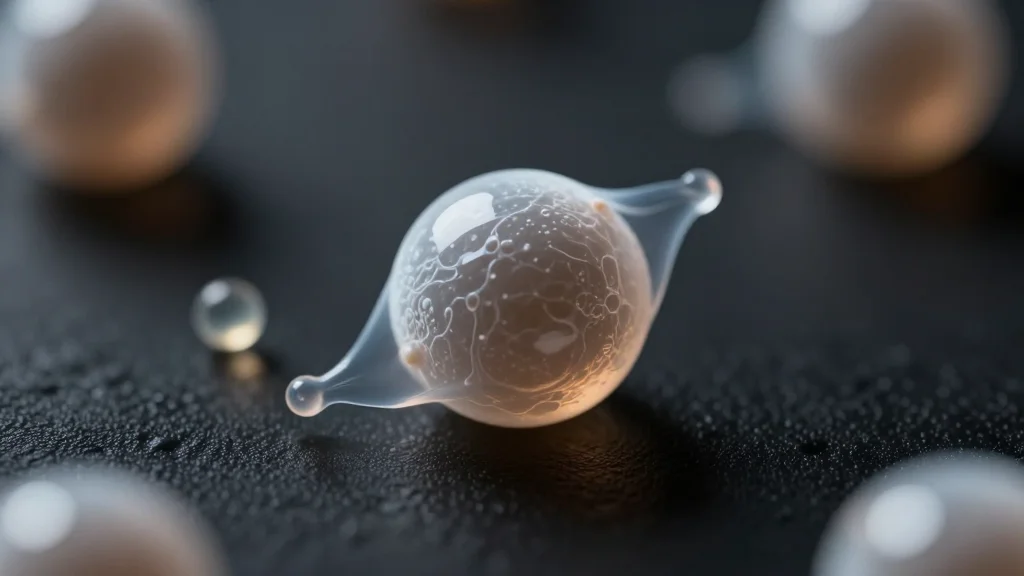
Macrophage Phenotype–Dependent Protein Corona Formation Governs Ligand Accessibility and Immune Clearance of Biomimetic Nanoparticles
Researchers coated magnetic silica nanoparticles with membranes from naïve (M0), classically activated (M1) and alternatively activated (M2) macrophages to study phenotype‑dependent protein corona formation. Proteomic analysis showed M0‑derived membranes adsorbed the fewest opsonins (C3, IgG, IgM) and triggered the lowest complement activation. In vivo, M0‑coated particles exhibited reduced hepatic clearance and significantly longer blood circulation than M1 or M2 counterparts. The study highlights source‑cell phenotype as a critical factor shaping corona composition and nanocarrier fate.
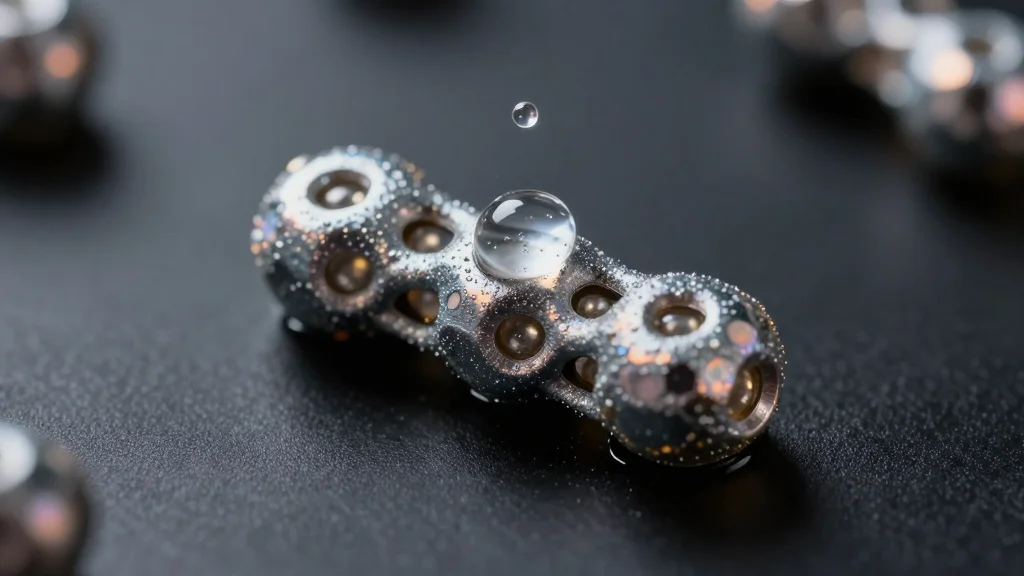
Multi‐Metallic Organic Framework‐Based Composites as Electrocatalysts
The review highlights multi‑metallic organic framework (MMOF) composites as a versatile platform for electrocatalysis, emphasizing how coupling metal, carbon, and multi‑partner components creates synergistic active sites, conductivity, and stability. It surveys recent heterostructures applied to water splitting, oxygen reduction, and...
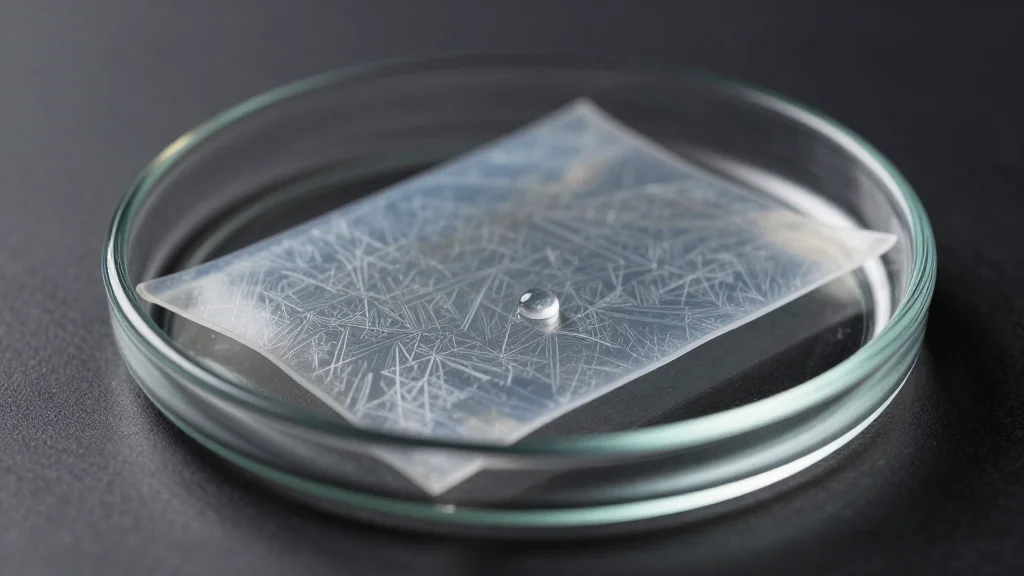
Reversible Bond Dynamics Enable Crystallinity‐Healed COF Membranes for Selective Ion Transport
Researchers unveiled a “make‑then‑heal” strategy for covalent organic framework (COF) membranes that separates film formation from crystallization. After interfacial polymerization, an acid‑catalyzed hydrothermal step triggers reversible bond exchange, dramatically improving order. The healed TpPa‑SO3H membrane shows a 25‑fold rise in...
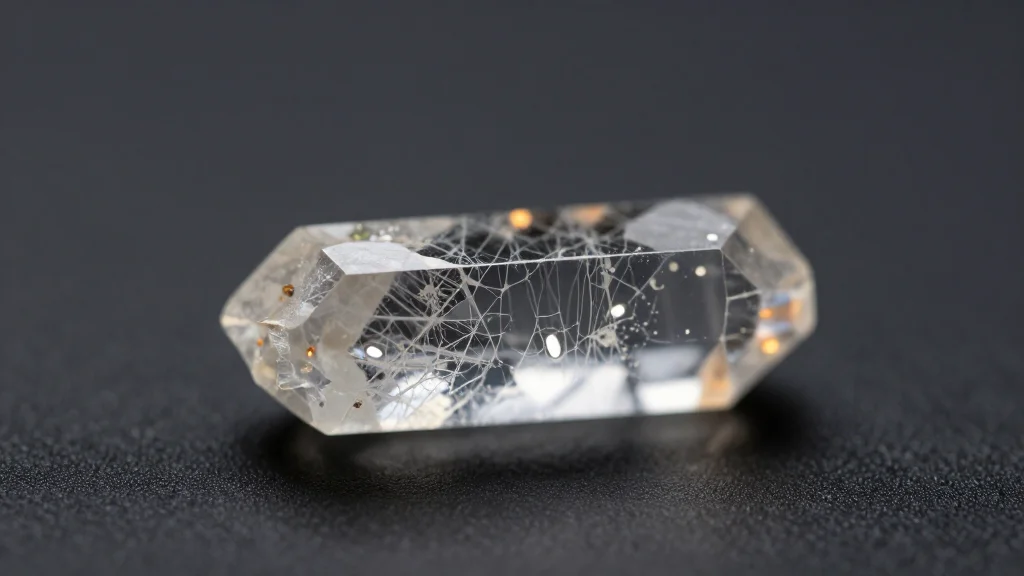
Suppressing Intrinsic Ge Vacancies Enables High Thermoelectric Performance in Rhombohedral GeTe
Researchers combined high‑energy ball milling with low‑temperature annealing to curb intrinsic germanium vacancies in rhombohedral GeTe. The treatment fragments and then re‑dissolves Ge secondary phases, while Bi/Sb co‑doping trims carrier concentration and lattice thermal conductivity. These synergistic steps lift the...
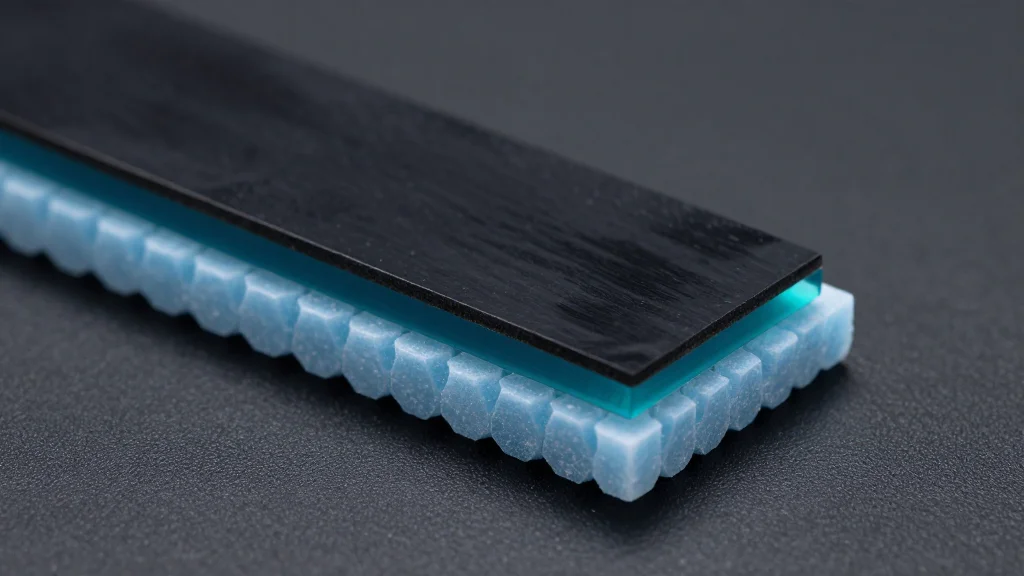
Direct Write, Read, and Erase of a Vertical Heterostructure of Graphene–Monolayer Electrolyte–H‐BN Using Electric Force Microscopy
Researchers have demonstrated a vertical heterostructure where a monolayer electrolyte is sandwiched between hexagonal boron nitride and multilayer graphene. The bistable ions in the electrolyte allow electric‑force microscopy to write, read, and erase non‑volatile doping states in graphene, achieving sheet...
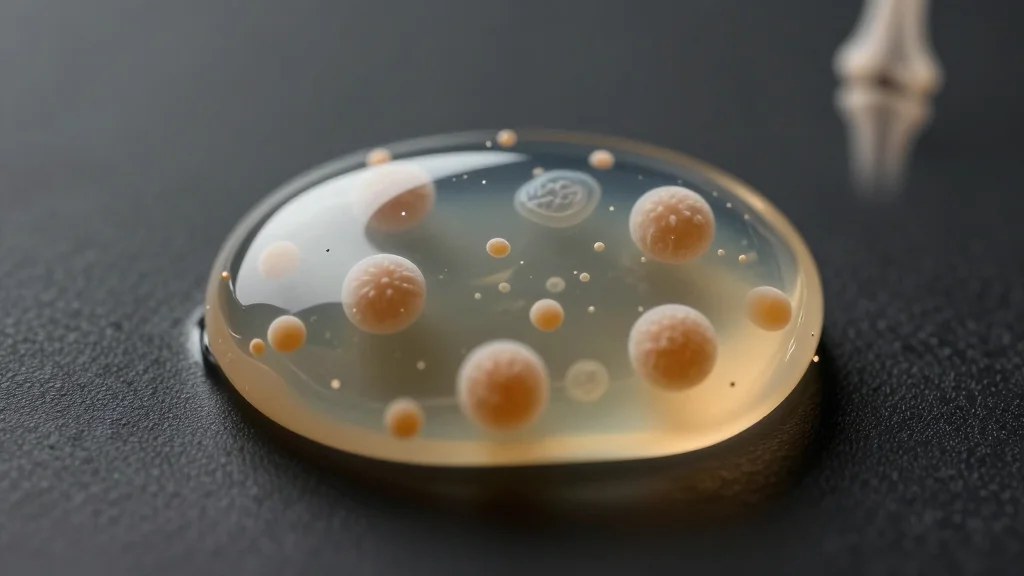
A Quercetin Nanocarrier‐Loaded Dual Network Injectable Hydrogel for Mesenchymal Stem Cells (MSCs) Delivery Targeting Osteoarthritis
Researchers have created an injectable dual‑network hydrogel composed of gelatin methacrylate and κ‑carrageenan that embeds quercetin‑loaded PLGA nanoparticles for mesenchymal stem cell (MSC) delivery in osteoarthritis (OA). The antioxidant hydrogel scavenges reactive oxygen species, reprograms M1 macrophages to an anti‑inflammatory...
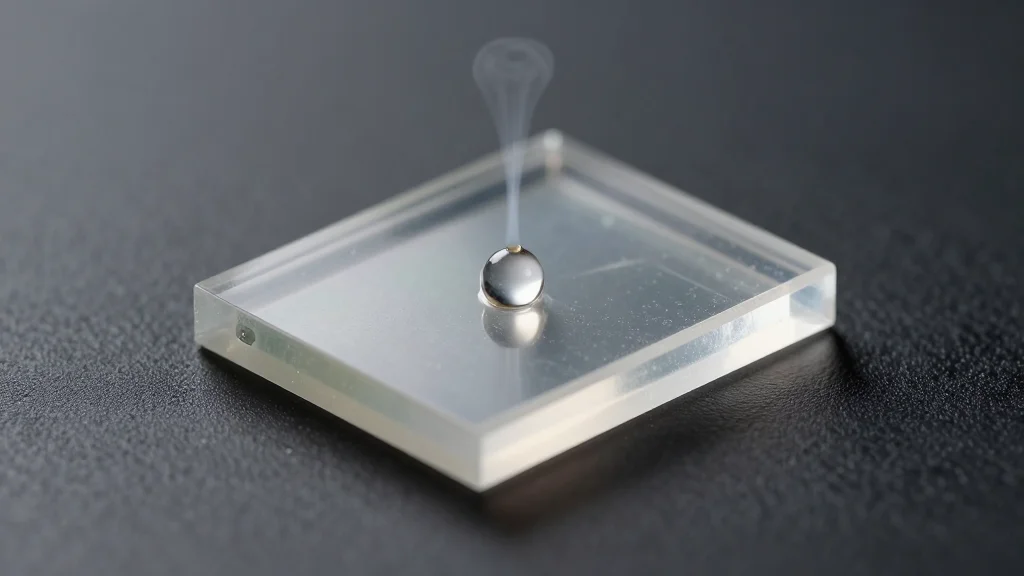
A Liquid Ge(IV) Precursor for Low Temperature Plasma Enhanced Atomic Layer Deposition of Germanium Oxide Thin Films
Researchers have introduced a liquid germanium(IV) precursor, Ge(DMP)4, featuring the 3-(N,N-dimethylamino)propyl ligand. The compound combines high volatility, exceptional thermal stability, and non‑pyrophoric handling, enabling plasma‑enhanced atomic layer deposition (PEALD) of germanium oxide from 40 °C to 240 °C. Across this wide temperature...

Intermingled Coordination Environments Enable Defect‐Engineered Metal–Polyphenol/G‐Quadruplex Hydrogel for Enhanced N2‐to‐NH3 Photoconversion
The researchers confined a Bi3+–caffeic acid complex inside a guanosine monophosphate‑based G‑quadruplex hydrogel, generating intermingled metal‑catechol and metal‑phosphate coordination sites that produce defect‑rich heterojunctions. This biomimetic matrix mimics ion‑channel pathways, boosting charge transport and nitrogen diffusion. Under visible‑light irradiation the...
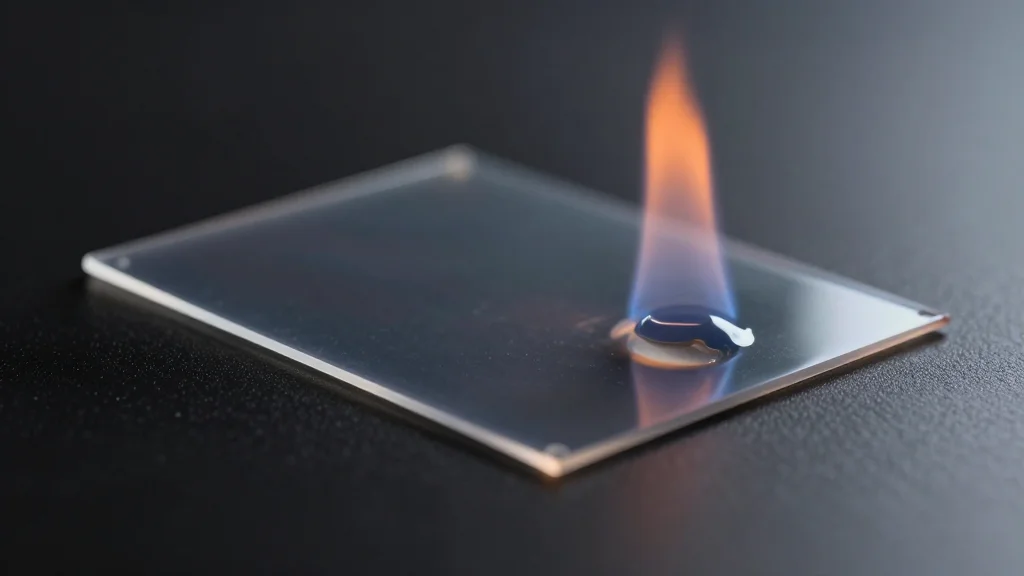
Liquid‐Processed 2D Aromatic Amorphous Carbon: Defect Engineering and Universal Transport Scaling
Researchers have introduced a deterministic method to convert liquid‑processed graphene oxide into a quasi‑amorphous 2D carbon, termed quenched reduced graphene oxide (qRGO), by applying rapid thermal quenching. The kinetic control of oxygen removal creates a distorted sp2 aromatic network with...
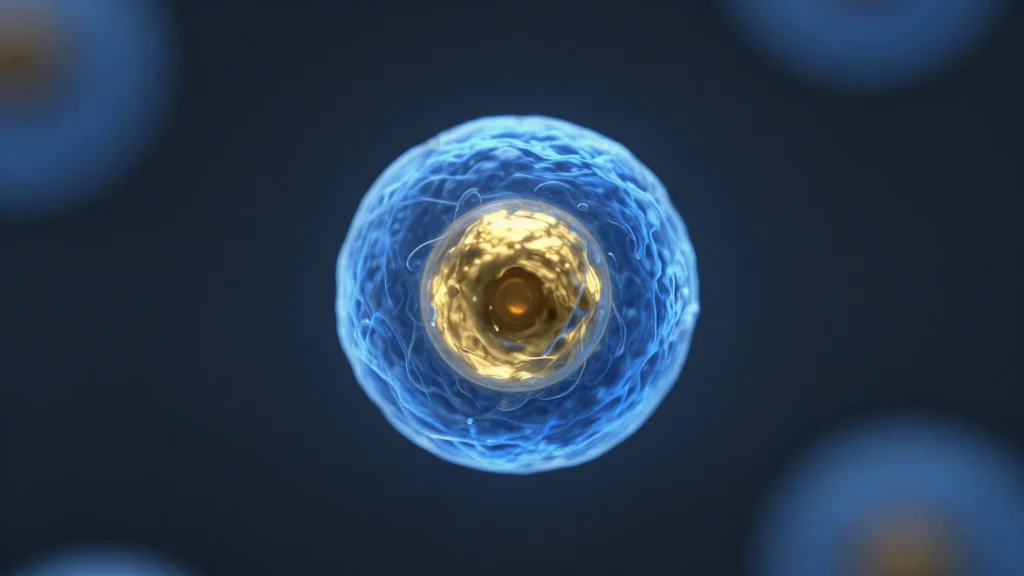
Gold@MnFe‐Prussian Blue Analog Yolk@Shell Nanoparticles for Light‐Triggered and pH‐Sensitive Drug Release
Researchers have engineered Au@MnFe‑Prussian Blue Analog yolk‑shell nanoparticles that combine a hollow cavity with a functional shell for biomedical use. The synthesis creates a ~75 nm interior, achieving roughly 50% loading efficiency for the chemotherapeutic doxorubicin. Partial etching and redeposition of...
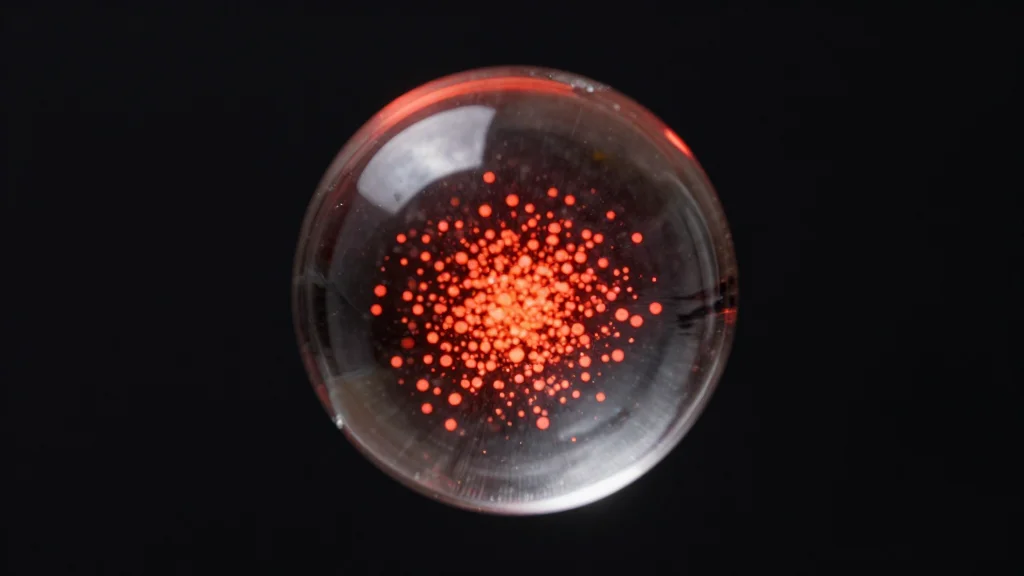
Achieving High‐Efficiency Type I Multimodal Photosensitizers via a Synergistic Rigidity‐Flexibility Strategy for Hypoxia‐Resistant Tumor Therapy
Researchers introduced a donor‑acceptor (D‑A) molecular design that couples a rigid coplanar backbone with flexible side chains, dramatically raising near‑infrared molar extinction and fluorescence brightness. The resulting phenothiazine‑based photosensitizer, EL‑TPO2F, also exhibits strong type‑I reactive oxygen species (ROS) production and...

Single‐Particle Kinetics Unravel Aperture‐Size Dominance in Hot‐Carrier Transfer and Product Desorption for Photocatalytic Reactions in Plasmonic Nanocavities
Researchers tuned gold nanocup cavity apertures from 35 to 67 nm to study plasmonic photocatalysis. The medium‑size aperture (~58 nm) delivered the highest turnover rate of 0.59 s⁻¹, outperforming smaller and larger apertures by 2.8‑8.4×. Single‑particle kinetic imaging showed that this optimum arises...
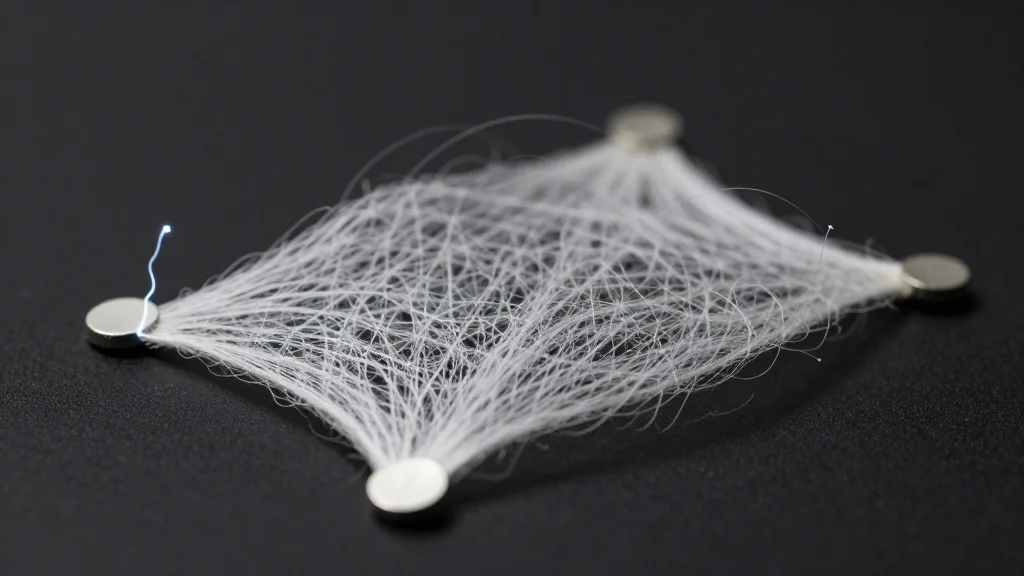
Recycled Thermocol Nanofibers Based Smart Triboelectric Nanogenerators for AI‐Assisted Switching
Researchers transformed waste expanded polystyrene (EPS) into electrospun nanofibers and used them as the tribonegative layer in a triboelectric nanogenerator (TENG). The nanofibrous architecture delivers an open‑circuit voltage of about 159 V, a short‑circuit current of 22 µA, and a peak power...

Light‐Controlled Exposure/Blockage of Permanent Cavities in Metal‐Organic Cages‐Based Type II Porous Liquids
Researchers have created the first type II porous liquid whose permanent cavities can be exposed or blocked with light. By attaching azobenzene ligands to a charged metal‑organic cage (MSA) and dissolving it in the bulky ionic liquid P6,6,6,14Cl, they achieved a...
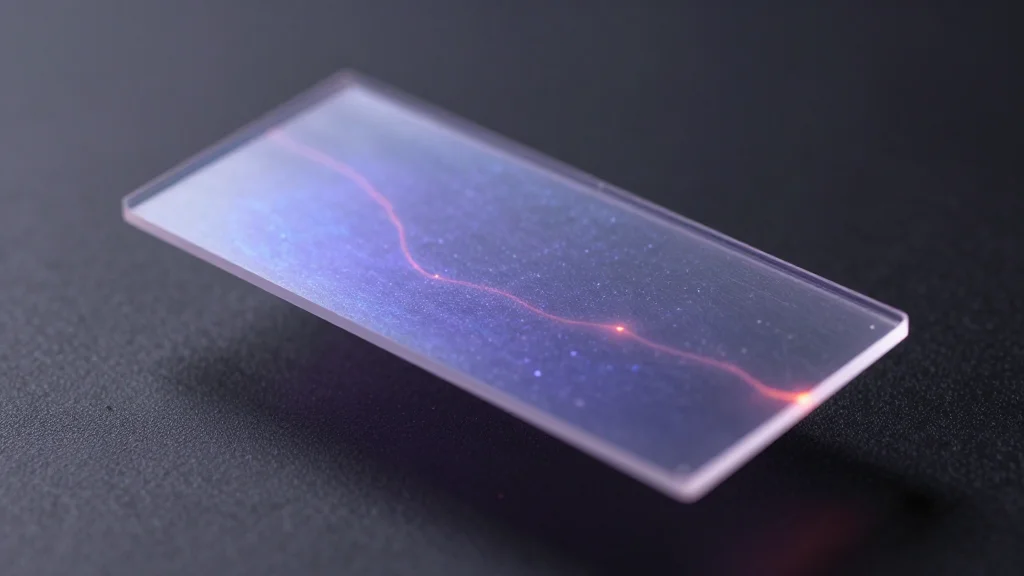
Study on the Plasma‐Induced Synthesis of P‐Ru‐Co(OH)2@PCC for the Electrochemical Reduction of Nitrate
A plasma‑assisted micro‑modulation technique restructures Ru‑doped Co(OH)₂ nanosheets, creating oxygen vacancies and lowering metal oxidation states. These changes boost hydrogen adsorption and nitrate binding, dramatically improving nitrate‑to‑ammonia electrocatalysis under neutral pH. The resulting P‑Ru‑Co(OH)₂@PCC catalyst achieves a record ammonia yield...
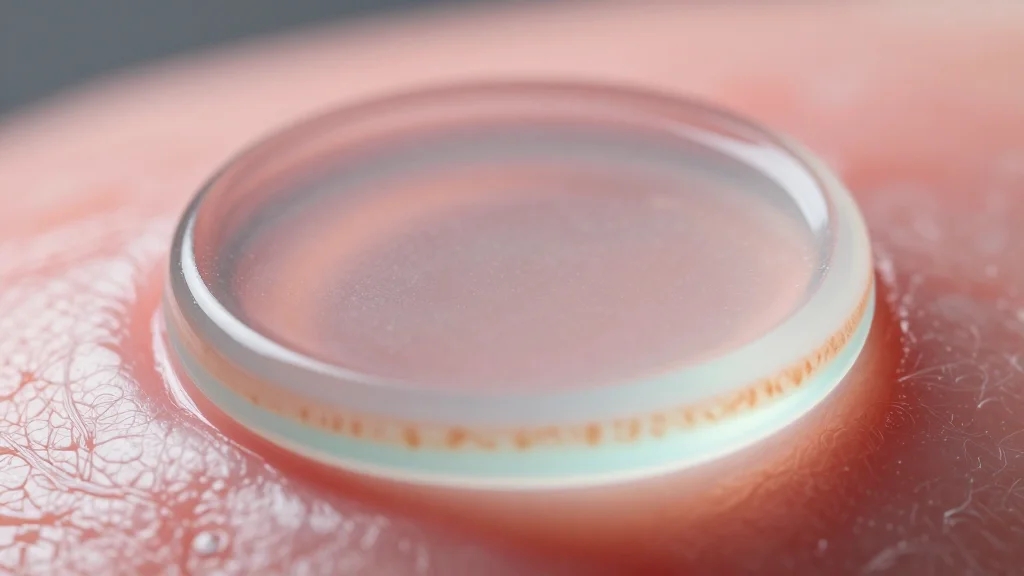
An Oral Mucosa‐Inspired Wet‐Adhesion Janus Hydrogel With Asymmetric Bifunctionalities of Antifouling/Antioxidant for Treating Oral Ulcer in Diabetes
Researchers have engineered a wet‑adhesion Janus hydrogel (WAJH) that mimics oral mucosa to treat diabetic oral ulcers. The hydrogel features an antifouling agar/polyacrylamide layer and a tannic‑acid‑rich adhesive layer, delivering adhesion energies of 15 J m⁻² and 316 J m⁻² respectively. Its antioxidant tannic...
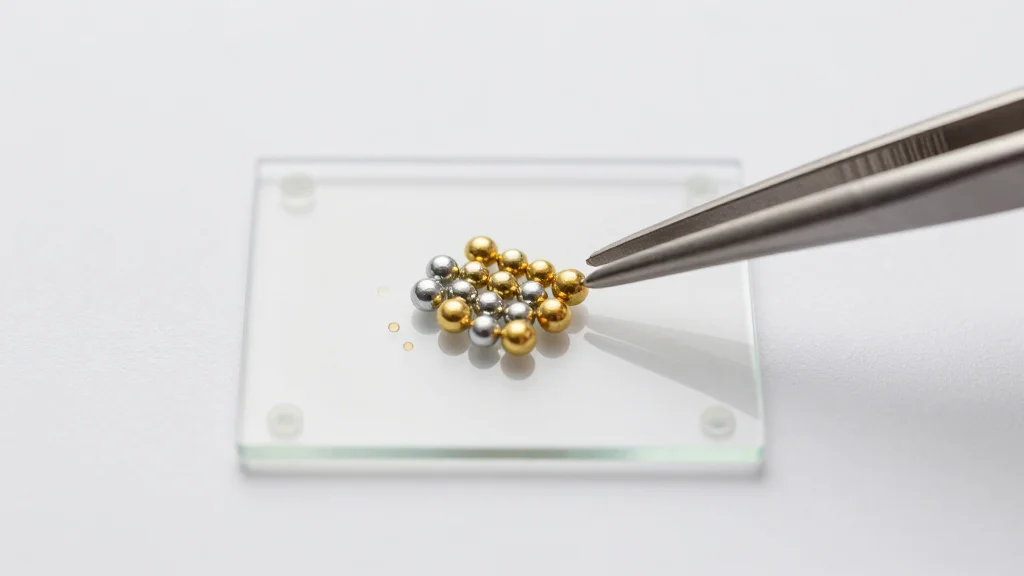
Sequential Optimization of Multivariate Metal–Organic Framework Based Biocatalysis
The study introduces a sequential Latin hypercube sampling‑coupled Bayesian optimization (LHS‑BO) workflow that simultaneously designs multivariate zirconium‑based enzyme‑@‑MOF (E‑MOF) biocomposites and tunes the downstream glucose oxidase–horseradish peroxidase (GOx‑HRP) cascade. Optimized E‑MOFs ZG67 and ZH16 deliver encapsulation efficiencies above 90%, retain...

Size‐Transformable Supramolecular Nanoprodrugs Enable Redox Imbalance Amplification and Cholesterol Modulation to Boost Multidimensional Tumor Immunotherapy
Researchers have engineered a tumor‑targeting, tumor‑microenvironment‑responsive supramolecular nanoprodrug that switches size to enhance deep tumor penetration. The nanoprodrug simultaneously induces redox imbalance—accumulating reactive nitrogen species and depleting glutathione—to amplify ferroptosis, while depleting cholesterol to rejuvenate exhausted T cells. This multidimensional...

PH‐Responsive Nanoparticle‐Coated Calcium Phosphate Granules for Bone Cancer Therapy
Researchers have engineered β‑tricalcium phosphate (β‑TCP) granules coated with selenium‑doped mesoporous silica nanoparticles (SeMIA) linked via pH‑responsive imine–alendronate bonds. The imine linkers remain stable at physiological pH but cleave in the mildly acidic osteosarcoma microenvironment, releasing nanoparticles that selectively kill...
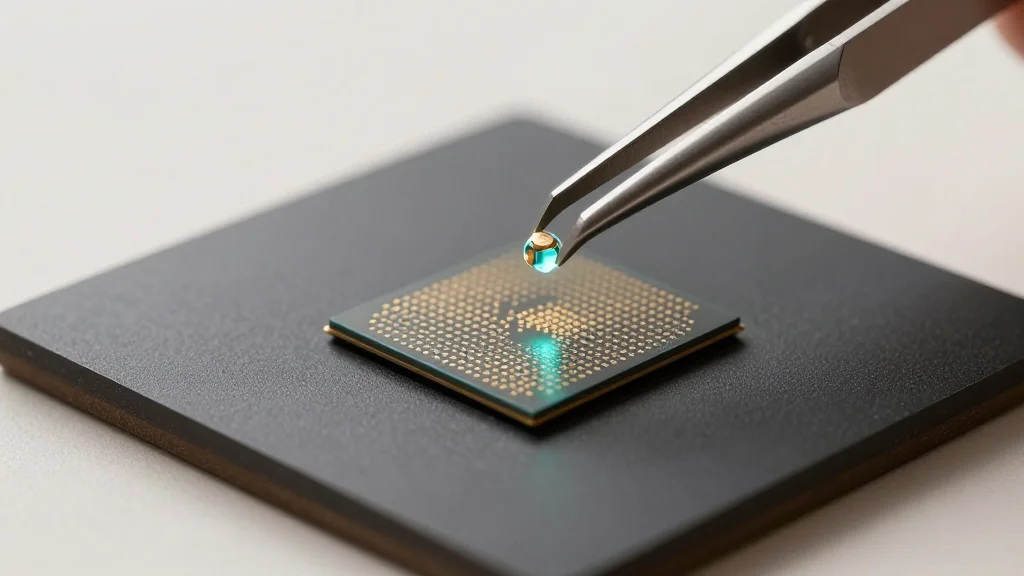
Dual‐Gradient Structure of Component and Channel Size in Co–Ni Hydroxides Boosts Conductivity and Suppresses Self‐Discharge for High‐Performance Supercapacitors
Researchers introduced a one‑step electrodeposition method that creates NiCo‑LDH nanosheet arrays featuring simultaneous composition and channel‑size gradients. The dual‑gradient architecture dramatically improves intrinsic electrical conductivity, cycling stability, and self‑discharge resistance. Electrochemical testing shows 2200 F g⁻¹ at 1 A g⁻¹, 88% capacity retention after...
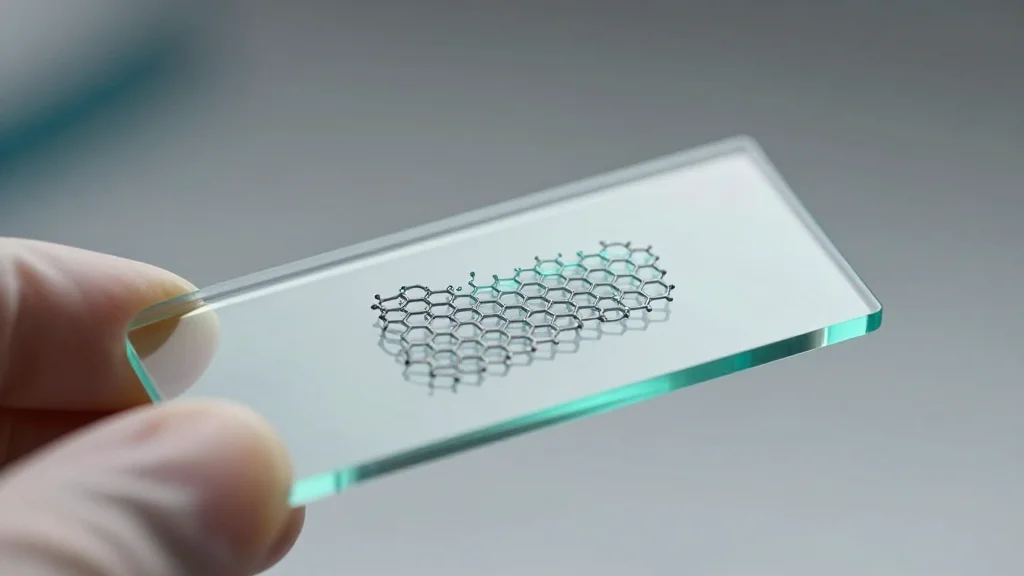
Suspendable and Scalable Ultrasound‐Actuated ZnO‐Nanosheet‐Based Piezoelectric Microdevices for Wireless Electrical Stimulation of Cells
Researchers have created subcellular-sized, silicon‑based microdevices that incorporate ZnO nanosheets to act as piezoelectric generators. When deformed by cellular forces or external ultrasound within the biomedical range, these nanostructures produce localized electrical potentials that depolarize cell membranes and trigger calcium...
Tailoring Coordination and Pore Structure of MOF‐Derived Co Single‐Atom Catalysts Anchored on Graphene for Rechargeable Zinc–Air Batteries
Researchers introduced a dual‑engineering approach that combines polymer encapsulation with a wavy graphene oxide substrate to produce cobalt single‑atom catalysts derived from MOFs. The polymer layer generates mesopores, while the curved graphene modulates the Co‑Nx coordination, creating defect‑rich Co‑N3 sites....
Irrelevant Role of Level‐Electrode Coupling Asymmetry in Driving Rectification in Molecular Tunnel Junctions: Decisive Experimental Evidence From Junctions with Dissimilar...
Researchers used conducting‑probe atomic force microscopy to build molecular tunnel junctions with symmetric alkane‑ and oligophenyl‑dithiol molecules sandwiched between dissimilar metal electrodes (Ag, Au, Pt). Despite pronounced electrode‑molecule coupling asymmetry, the devices exhibited negligible current rectification. The study examined both...
Spatiotemporal Co‐Delivery of Hydrogen and Magnesium via Microneedle Patches for Neuroinflammation Modulation After Spinal Cord Injury: A Multi‐Modal In Vivo...
Researchers introduced a microneedle patch (MN‑Mg) that simultaneously delivers hydrogen gas and magnesium ions directly into the injured spinal cord. The hydrogen component rapidly scavenges reactive oxygen species, cutting oxidative stress by roughly 55%, while the magnesium release sustains microglial...
Multidimensional Oriented Piezoelectric Conduits for Peripheral Nerve Defect Regeneration
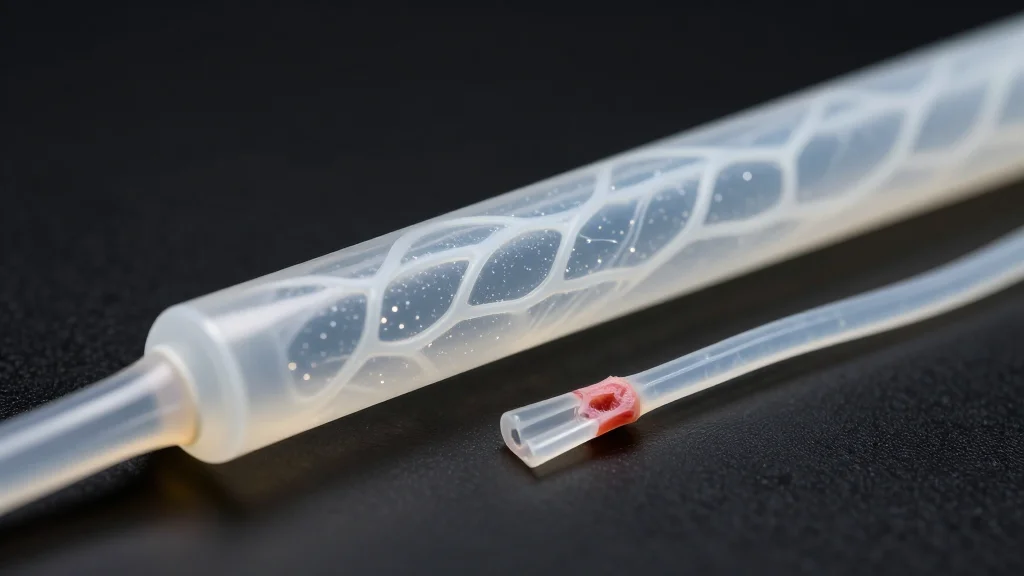
Researchers have created piezoelectric nerve guidance conduits (NGCs) that incorporate zinc oxide nanoparticles and multidimensional oriented structures. The conduits are fabricated by merging digital light processing (DLP) 3D printing with directional freezing, producing channels and micropores that align regenerating axons....

A Facile Magnetically‐Confined Plasma Strategy for Distinct Phase Modulation of Iron Nitride Nano‐Frameworks
Researchers have introduced a magnetically‑confined plasma technique that precisely modulates the crystal phase of iron nitride nano‑frameworks on iron substrates. By tuning the magnetic field strength, the process switches the nitride from orthorhombic Fe2N to trigonal Fe2N, while conventional plasma...
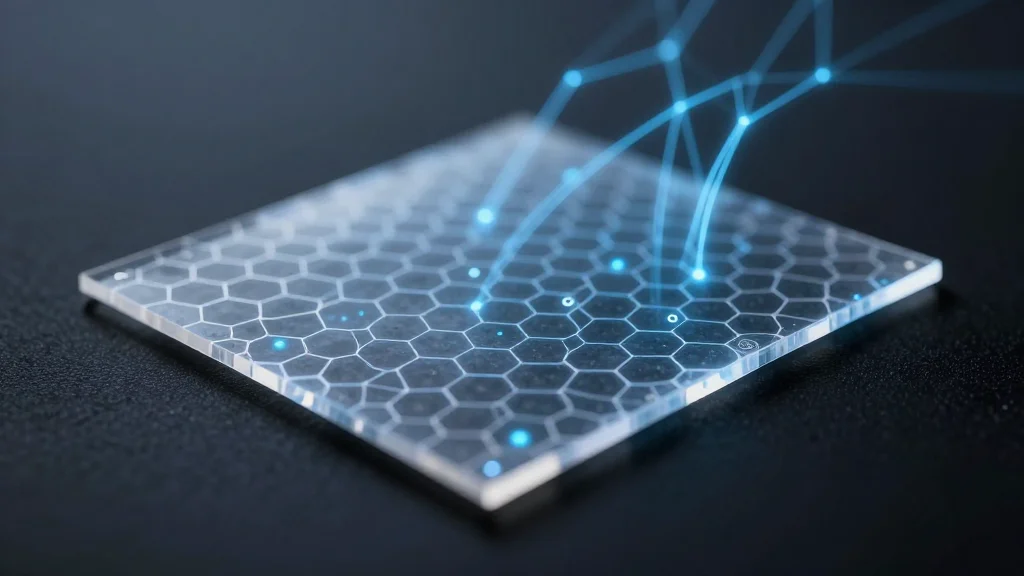
Large‐Scale Cooperative Sulfur Vacancy Dynamics in Two‐Dimensional Mos2 From Machine Learning Interatomic Potentials
Researchers applied two machine‑learning interatomic potentials to monolayer MoS2, achieving nanosecond‑scale molecular dynamics that accurately capture sulfur vacancy migration. The study demonstrates cooperative vacancy transport, cluster incorporation, and the emergence of line defects spanning tens of nanometres. Results align closely...
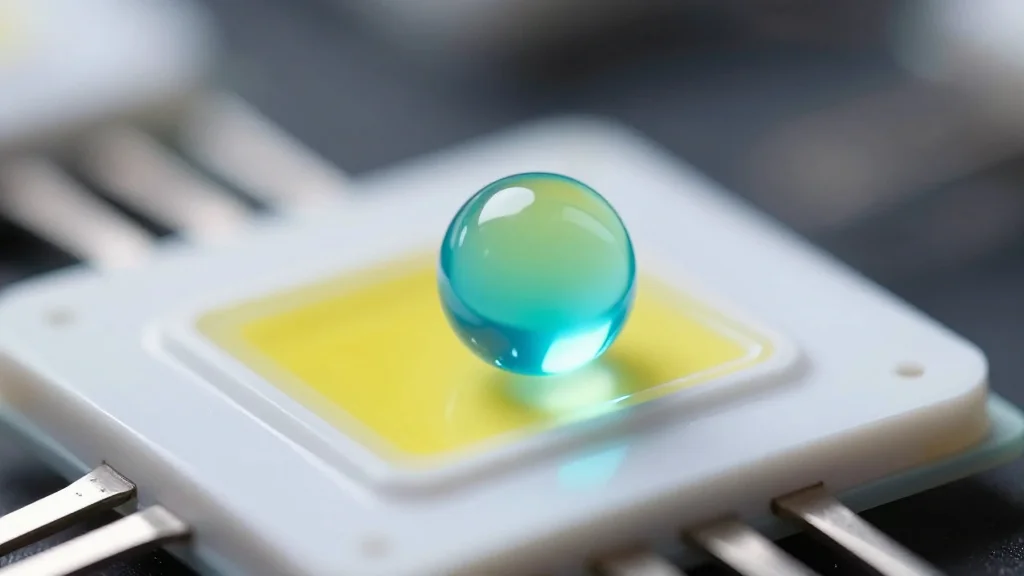
Blue‐Light‐Excited Cyan‐Emitting Carbon‐Dot‐Ormosil Gel for Blue‐Overshoot Mitigation and Cyan‐Gap Bridging in WLEDs
Researchers have created a carbon‑dot (CD)‑Ormosil gel that absorbs strongly at 450 nm and emits cyan light at 485 nm and 520 nm. The gel can be integrated with existing yellow phosphors in white LEDs to suppress the problematic blue‑overshoot and fill the...
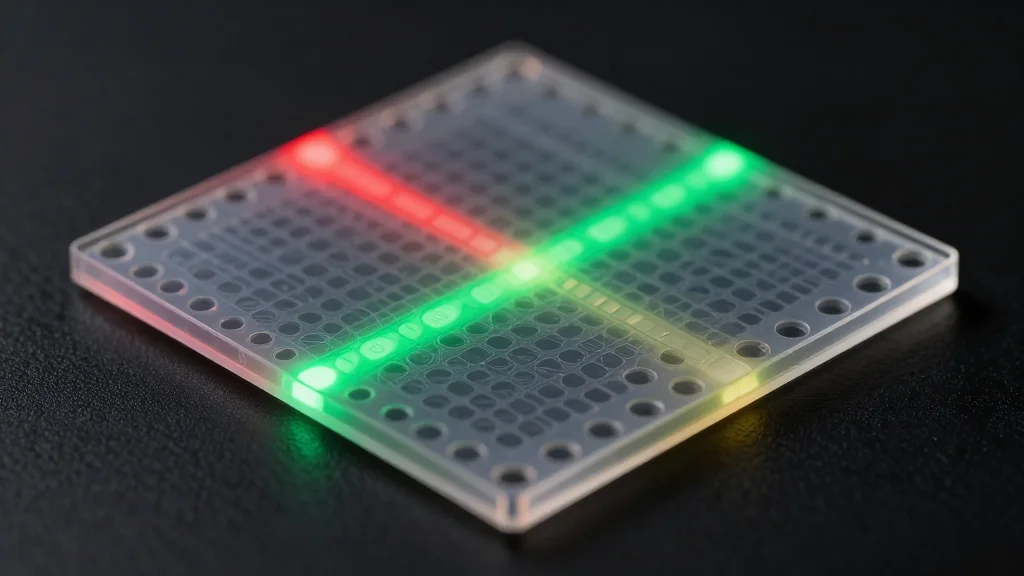
Polarization‐Dependent Elliptical and Rectangular Mie Voids
Researchers have introduced anisotropic low‑index voids—elliptical and rectangular—into high‑index materials to create polarization‑dependent Mie resonances. By varying void geometry, they achieve controlled spectral shifts and distinct optical modes for each polarization state. The effect is demonstrated through nanoscale color printing...
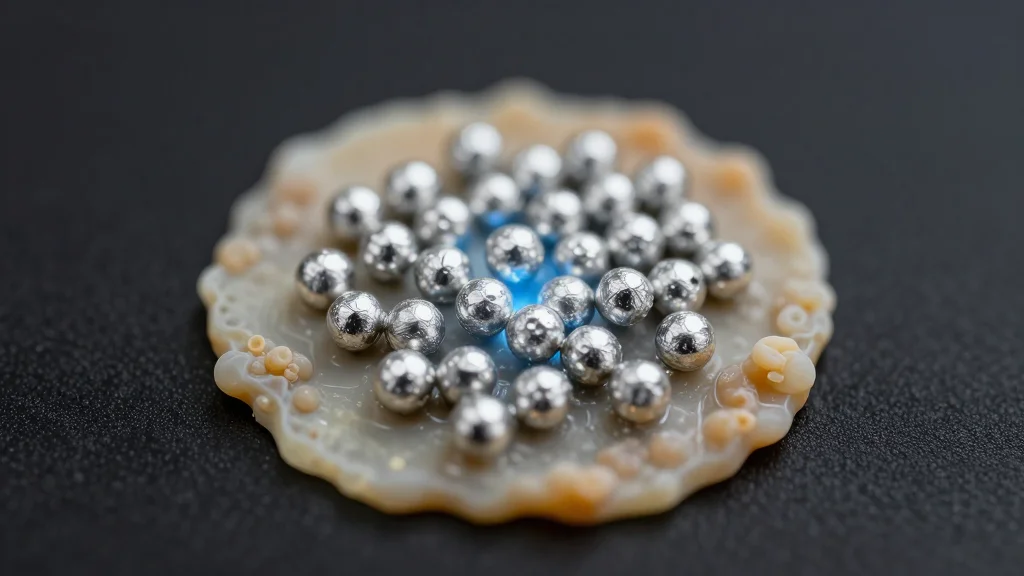
Mechanistic Insights Into Cathode Degradation During Startup‐Shutdown of PEM Water Electrolysis and Mitigation via Semi‐Embedded Pt/CeOx
Researchers identified cathode degradation in PEM water electrolyzers during startup‑shutdown cycles, where cathode potential spikes to ~1.0 V causing carbon corrosion and Pt agglomeration. They demonstrated that commercial Pt/C suffers rapid performance loss under realistic cycling. A semi‑embedded Pt/CeOx catalyst was...
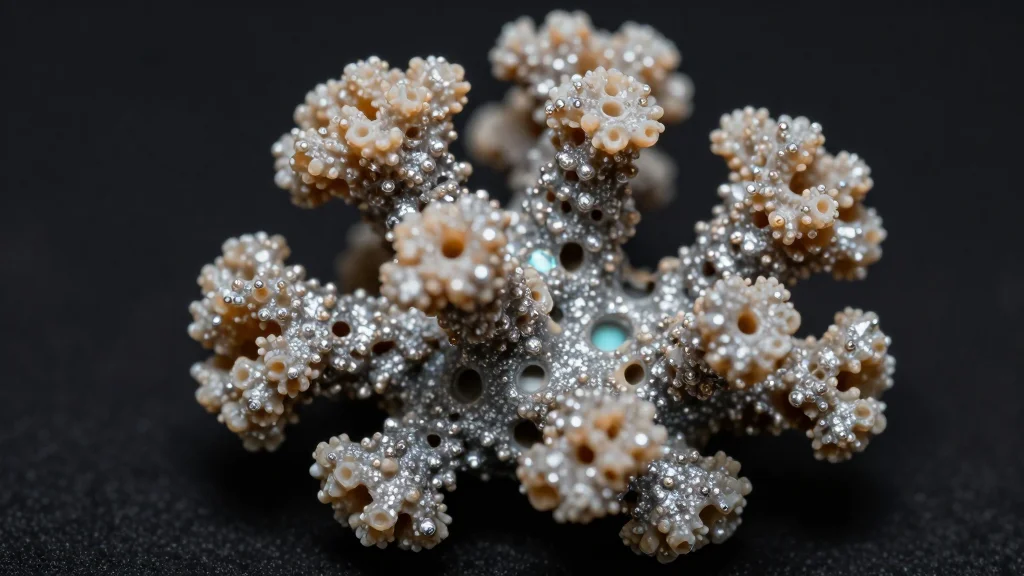
Defect‐Morphology Dual Strategy to Achieve Coral‐Like La1‐xNi0.5‐yFe0.5O3‐δ/NiO Bifunctional Catalysts for High‐Performance Li‐O2 Batteries
Researchers introduced a dual‑strategy design—La‑site deficiency and EDTA‑driven morphological control—to synthesize coral‑like La1‑xNi0.5‑yFe0.5O3‑δ/NiO composites for Li‑O2 batteries. The deficiency generates in‑situ NiO phases and tunes oxygen‑vacancy concentrations, while the chelating agent creates a three‑dimensional porous network that accelerates ion diffusion....
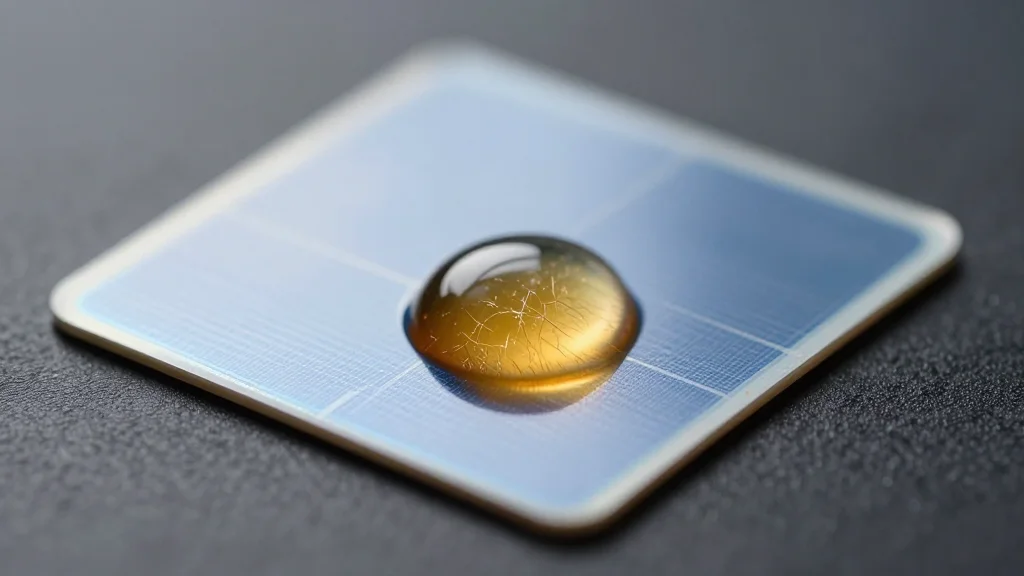
Natural Green Antioxidant Proanthocyanidin Enhances the UV/Oxidation Resistance of Perovskite Solar Cells Through Buried Interface Modification Strategy
Researchers introduced natural grape‑seed proanthocyanidins (OPC) at the TiO₂/perovskite buried interface of perovskite solar cells, employing a combined antioxidant, passivation, and UV‑protection strategy. The hydrogen‑bond network created by OPC reduces defect states on the electron‑transport layer, suppresses carrier recombination, and...
![Record‐Low Compressibility in [N(C2H5)3CH3]FeCl4 Expands Phase Engineering Horizons in Hybrid Molecular Ferroelectrics](https://hixhlmpcokxhartfkpyi.supabase.co/storage/v1/object/public/images/thumbnails/107965387dfea3a80d86633fe165031c.webp)
Record‐Low Compressibility in [N(C2H5)3CH3]FeCl4 Expands Phase Engineering Horizons in Hybrid Molecular Ferroelectrics
Researchers report that the lead‑free hybrid ferroelectric [N(C2H5)3CH3]FeCl4 (EMAFC) exhibits a bulk modulus of 42 GPa, the lowest compressibility recorded for any molecular ferroelectric. The material remains structurally stable and mechano‑chromic up to 51.5 GPa, undergoing a reversible P63mc‑to‑P1 phase transition at...
A Perspective on Commercializing Perovskite Solar Cells: Unlocking Opportunities in Niche Applications
Perovskite solar cells have reached certified efficiencies above 25 percent, rivaling silicon panels, but commercialization remains constrained by scaling, stability, and cost challenges. The article outlines strategies such as tandem architectures and targeting niche markets—like building‑integrated photovoltaics and aerospace—to leverage perovskite’s...

Incoherent‐Light‐Excitable Lanthanide Upconversion Enabled by Highly Hydrophilic and Photostable Dye Sensitization
Researchers introduced a one‑step coating method that transforms dye‑sensitized lanthanide upconversion nanoparticles (dsUCNPs) from hydrophobic, photolabile probes into highly hydrophilic, photostable agents. By applying unsaturated fatty acid salts—particularly sodium linolenate—the particles gain superior water dispersibility and a photobleaching half‑life 87...

Spontaneously Formed Orientation Polarization Thin Films for Engineering Organic‐Organic Interfaces
Researchers have demonstrated that vacuum‑deposited thin films of specially designed polar molecules can spontaneously develop orientation polarization (SOP) by tilting their permanent dipoles against the substrate. By incorporating multiple fluoroalkyl substituents, the molecules achieve extreme structural asymmetry, producing a record‑high...
Structure‐Property‐Application Correlations of Early Transition Metal Chalcogenides: A Dichalcogenide‐Centered Perspective
Early transition metal (ETM) chalcogenides display a broad structural palette, from disulfides to polychalcogenides, enabling tunable electronic, catalytic, and memory functionalities. The review adopts a dichalcogenide‑centered lens to link crystal polymorphism with performance in 2‑D devices, phase‑change memory, and energy...

Hierarchically Structured Artificial SEI with Interlayer Electronic Coupling for High‐Performance Aqueous Zinc Batteries
Researchers introduced a hierarchically structured artificial solid‑electrolyte interphase (SEI) called ZnO@MX‑DE for aqueous zinc‑ion batteries. The engineered petalosphere heterostructure creates interlayer electron coupling that directs Zn²⁺ transport while repelling SO₄²⁻, dramatically improving ionic conductivity and Zn²⁺ transference. Laboratory tests showed...
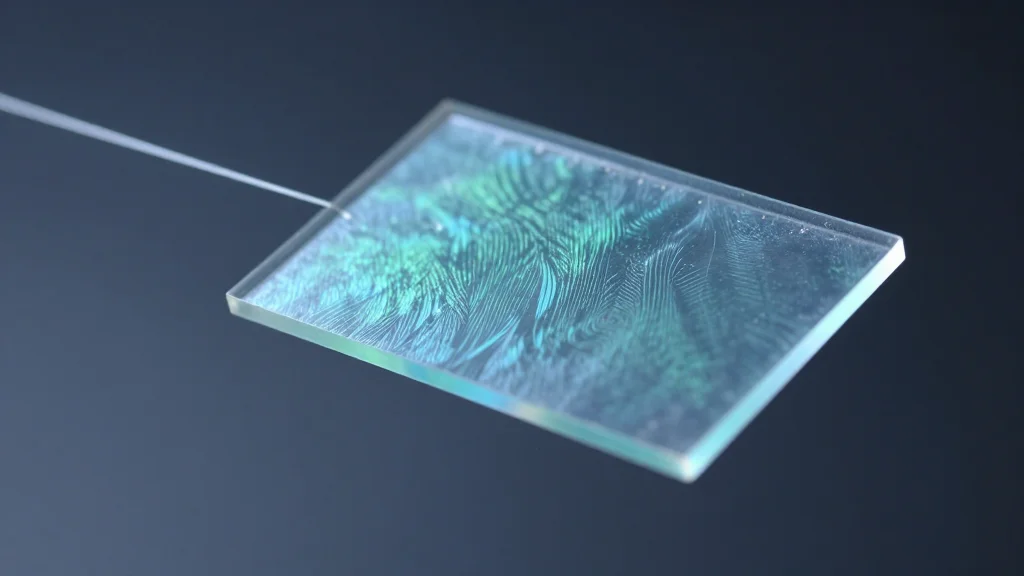
Colloidal Quasi‐2D Cs2AgBiBr6 Double Perovskite Nanosheets: Synthesis and Application as High‐Performance Photodetectors
Researchers have developed a colloidal synthesis route for quasi‑2D Cs2AgBiBr6 double‑perovskite nanosheets, achieving lateral dimensions up to 1.4 µm and thickness of only a few nanometers. By fine‑tuning ligand chemistry and reaction temperature, they obtained high‑purity nanosheets suitable for optoelectronic integration....
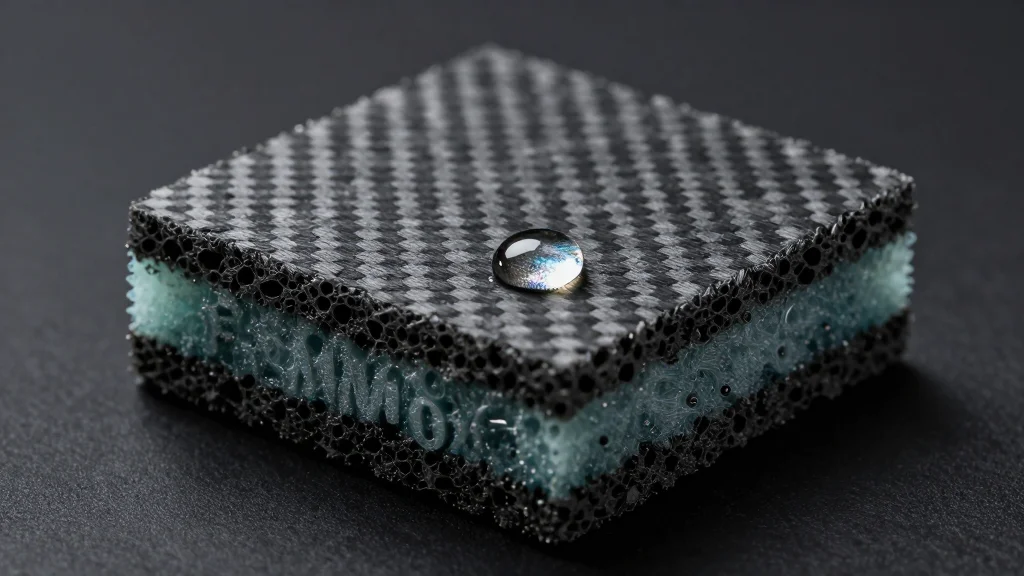
Orbital‐Hybridization‐Driven N‐Fe‐Mo Interatomic Charge Bridges at Amorphous FeMoOx/Porous Carbon Nitride Interface Boosting Peroxymonosulfate Activation in Fenton‐like Reaction
Researchers engineered an amorphous FeMoOx/porous carbon nitride interface featuring N‑Fe‑Mo interatomic charge bridges via orbital hybridization. This design accelerates electron transfer to peroxymonosulfate, dramatically lowering the Fe(III)→Fe(II) reduction barrier and favoring singlet oxygen generation. In a continuous‑flow test, the catalyst...
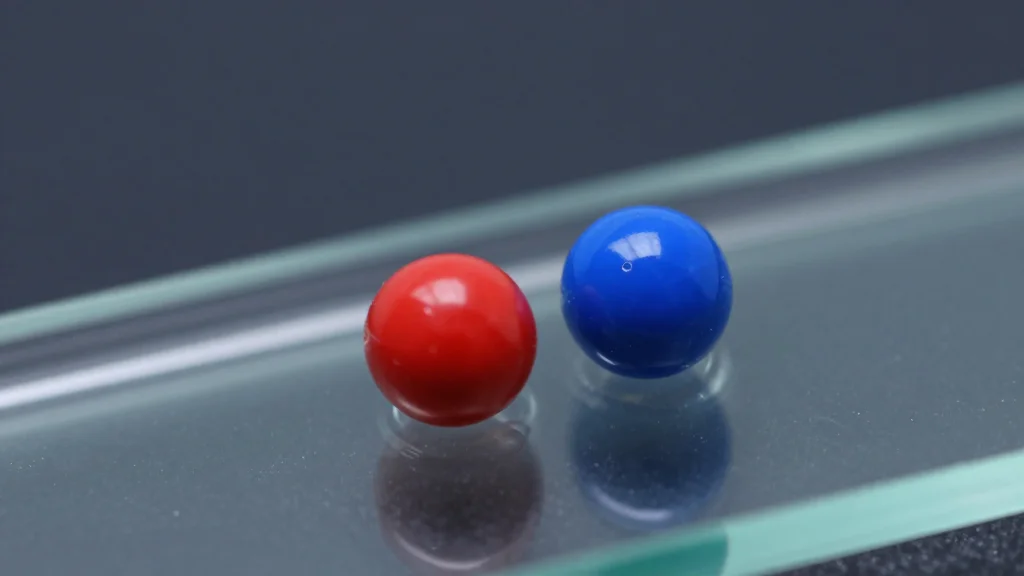
Separation of Magnetic Microparticles With Different Molecular Surface Functionalizations by Close‐to‐Surface Traveling‐Wave Magnetophoresis
Researchers demonstrated that magnetic microparticles (MPs) driven by traveling‑wave magnetophoresis exhibit velocity differences when transported close to a substrate. The velocity disparity arises from surface‑functionalization‑dependent drag forces, as distinct polymer coatings (COOH vs COOH/NH2) change the average particle‑wall separation. Experiments...
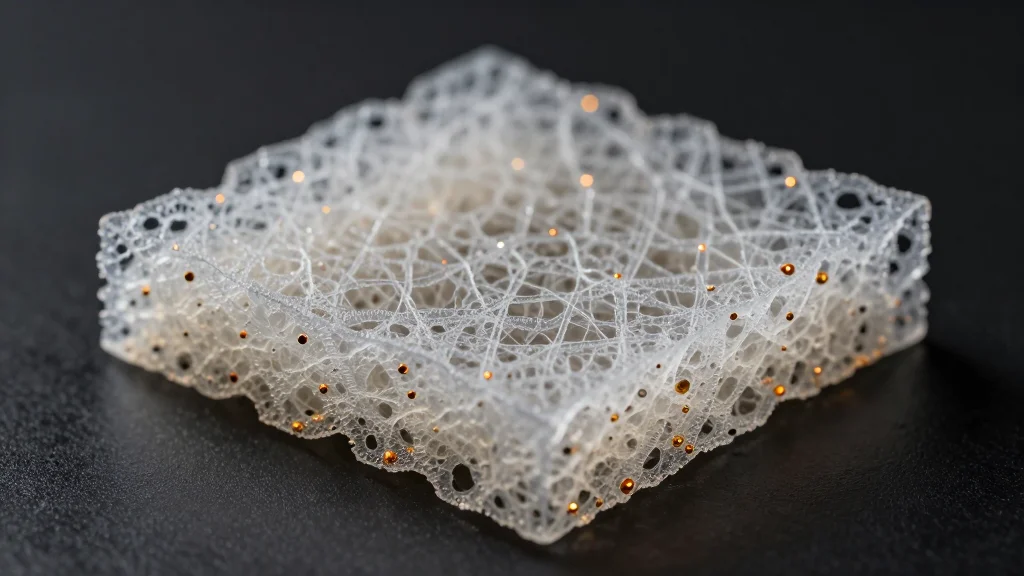
High‐Density Co and N Dual‐Doping in Self‐Supporting 3D Graphene Aerogel for Synergistically Enhanced Supercapacitor Performance
Researchers introduced a one‑step hydrothermal method to co‑dope cobalt and nitrogen into a three‑dimensional graphene aerogel, creating a self‑supporting Co‑NGA electrode. The dual‑doping and porous architecture deliver a record specific capacitance of 2092 F/g at 1 A/g, far surpassing undoped graphene aerogels....
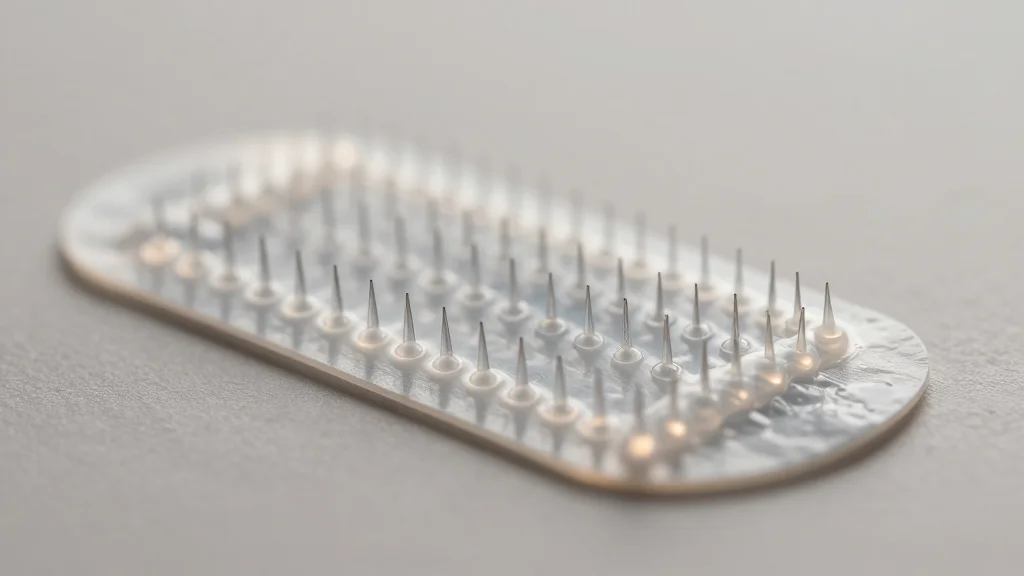
Hybrid Cryomicroneedles Enhance DC Vaccine Efficacy and Function as Non‐Typical Artificial Tertiary Lymphoid Structures to Provide Neuroprotective Immunity in Spinal...
Researchers have engineered hybrid cryomicroneedle patches (pG/DL@npDC‑cryoMNs) that embed a neuroprotective dendritic cell vaccine within a methacrylated decellularized lymph‑node matrix and porous GelMA hydrogel. The device rapidly releases viable npDCs, triggers a strong CD4⁺ T‑cell response, and forms a non‑typical...
Designing a Silicon/Iron Selenide Heterojunction as Liquid and All‐Solid‐State Lithium‐Ion Battery Anodes Displaying Excellent Performances
Researchers have engineered a silicon‑iron selenide heterojunction anode (Si@FeSe@C) featuring a robust Fe–Se–Si interfacial bond and an external carbon coating. The material delivers 1,092.8 mAh g⁻¹ after 100 cycles at 0.2 A g⁻¹ and sustains Coulombic efficiencies above 99.6% for 500 cycles at 1.0 A g⁻¹....
Ionic Polyimine Nanocomposite Membranes with Bidirectionally Tunable Mechanics for Flexible Electronics
Researchers have created ionic polyimine nanocomposite membranes reinforced with inorganic conductive nanofillers (iCONs) via in‑situ polymerization. By varying iCONs loading, the membranes’ mechanics can be tuned bidirectionally—from highly flexible (76 % elongation) to rigid (8.56 MPa tensile strength). A wearable sensor built...
Inverse High‐Entropy Design Enables Superior Energy Storage in Moderate and High Electric Fields
Researchers introduced an inverse high‑entropy design by embedding ferroelectric BaTiO3 into the quasi‑linear ceramic Bi1/6Na1/6Sr1/6Ca1/6Li1/6La1/6TiO3 matrix. This approach creates a weakly polar tetragonal phase that boosts polarization while maintaining breakdown strength. The resulting composites achieve recoverable energy densities up to...
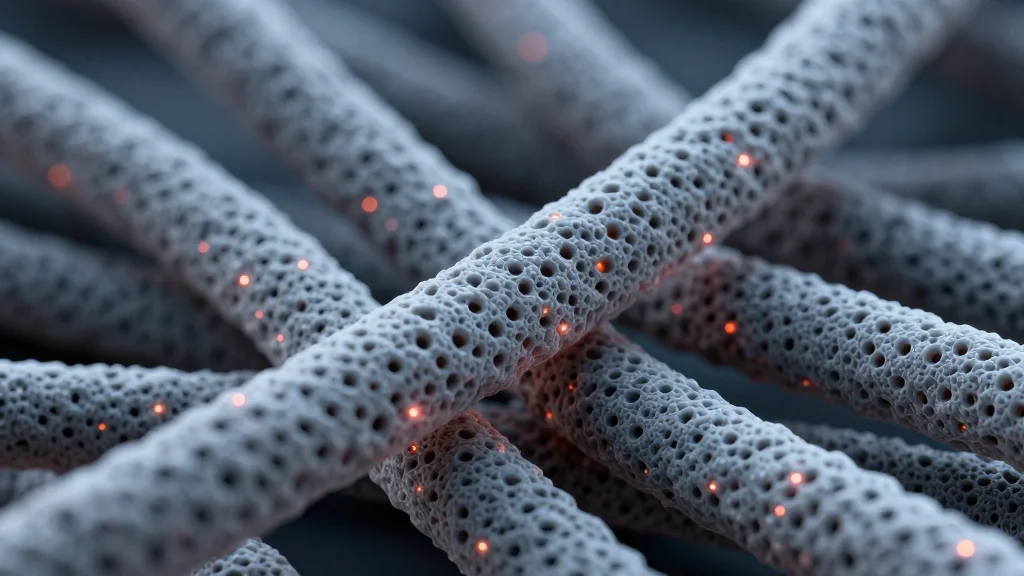
Atomically Dispersed Co Anchored Into Highly Nitrogen‐Doped One‐Dimensional Mesoporous Carbon with Large Pore Size for Ultra‐Stable Potassium‐Ion Storage
Researchers introduced a cobalt single‑atom‑doped, nitrogen‑rich mesoporous carbon anchored on carbon nanotubes (Co‑NMC@CNTs) using a tetraethyl orthosilicate‑mediated co‑assembly route. The composite exhibits a large 23.7 nm mesopore size, robust one‑dimensional structure, and 13.6 at% nitrogen doping, which together lower potassium‑ion diffusion barriers....
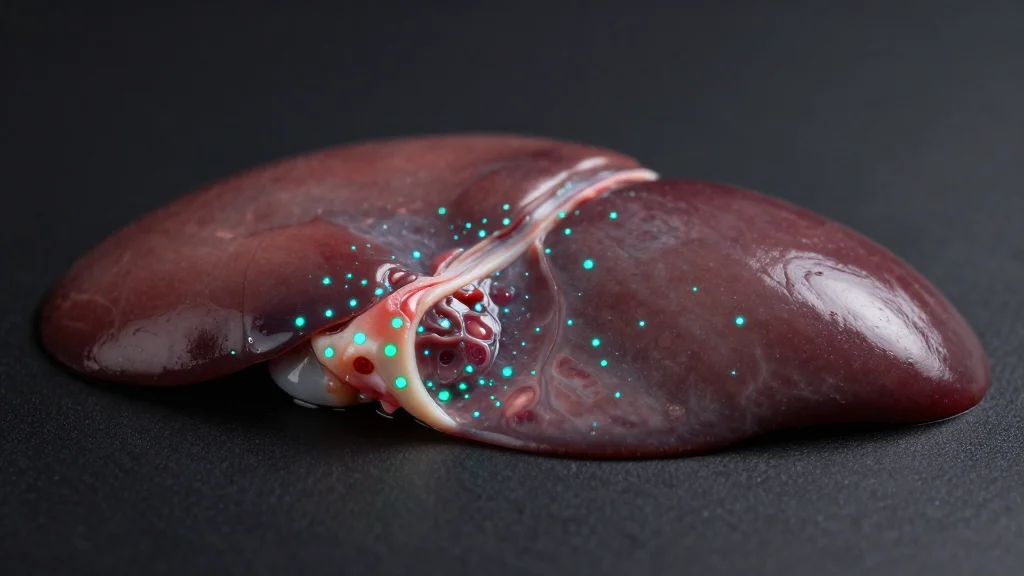
Exposure to Grilled Lamb‐Borne Carbon Quantum Dots Induces Intrahepatic Cholestasis by Activating the Intestinal Microbial‐Derived Lipopolysaccharide‐TLR4 Pathway
Researchers discovered that carbon quantum dots (CQDs) released from grilled lamb accumulate in mice after nine weeks of oral exposure at 25 mg kg⁻¹, damaging liver and intestinal barriers. The CQDs elevate gut‑derived lipopolysaccharide, triggering the intestinal LPS‑TLR4‑MyD88 signaling cascade and hepatic...

Advanced Photoporation: Micro‐Nanostructures for Size‐Specific Highly Efficient Biomolecular Delivery
Photoporation is emerging as a versatile, non‑viral platform for intracellular delivery, and a new review proposes a size‑centric framework that categorises strategies by cargo dimensions rather than by laser or material type. The authors analyse how micro‑ and nanostructured substrates...
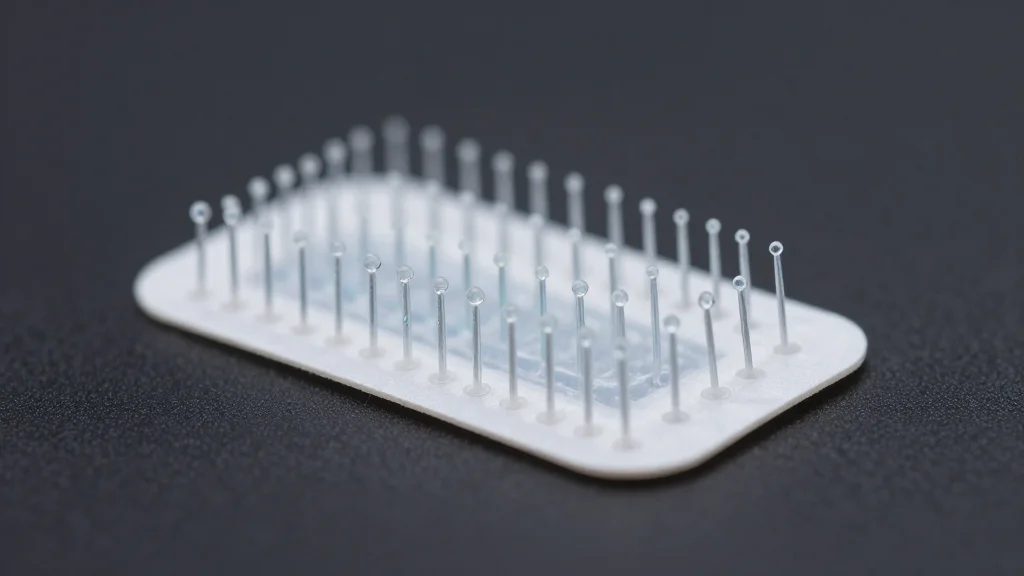
Biocompatible Glue‐Enabled Drug Localization and Mechanical Reinforcement of Lyophilized Microneedle Systems
The Lyophilized Microneedle System with Biocompatible Glue (LMS‑BG) integrates a porous, drug‑loaded microneedle tip with a biodegradable ethanol‑based glue to create a mechanically robust, ultra‑fast dissolving transdermal platform. In tests using lidocaine, the system dissolved 11‑times faster than conventional dissolving...