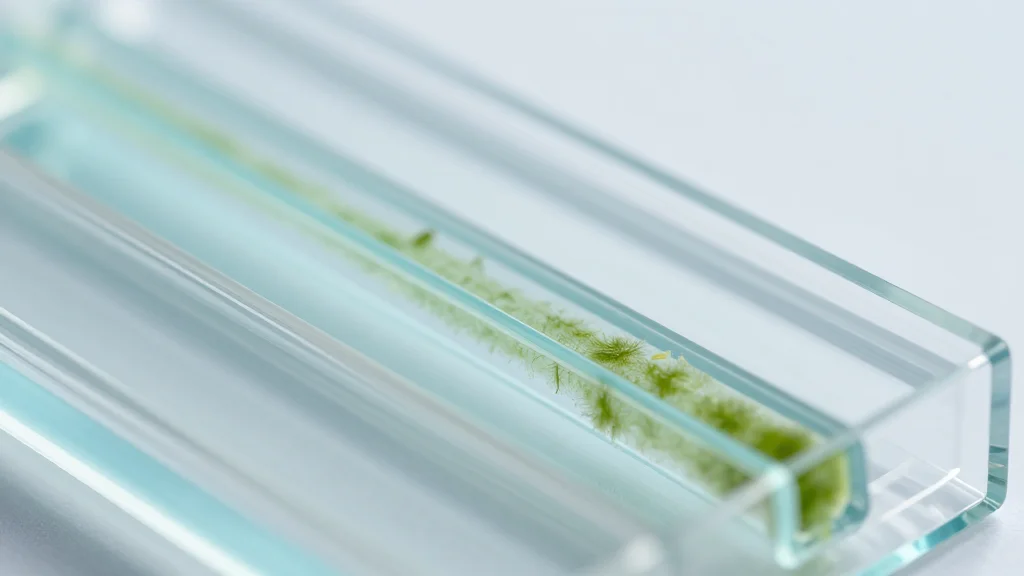
Scalable Flow Reactors for Stable Biofilm Formation and Continuous Whole‐Cell Catalysis
Why It Matters
The technology provides a reliable route to continuous biocatalysis, reducing downtime and biofilm replacement costs for industrial biotech processes. It also opens pathways for manufacturing living materials at scale.
Key Takeaways
- •Flow-induced deposition creates stable E. coli biofilms in microreactors
- •Computational simulations identify hydrodynamic features governing attachment and streamer formation
- •Extracellular DNA crucial for early biofilm matrix assembly
- •Scaled reactors maintain catalytic activity for at least 28 days
- •Platform enables continuous whole‑cell biocatalysis without frequent biofilm replacement
Pulse Analysis
Continuous whole‑cell biocatalysis has long been hampered by the difficulty of maintaining stable, productive biofilms. Traditional batch reactors require frequent inoculation and suffer from uneven substrate exposure, leading to inconsistent yields. By leveraging microfluidic architectures, the new platform creates a controlled flow environment where cells can attach and organize into resilient biofilm communities, addressing a critical bottleneck in industrial biotechnology.
The core innovation lies in the precise manipulation of microscale hydrodynamics. Using pillar‑based reactors and CFD modeling, researchers identified shear zones that promote cell deposition while preventing excessive detachment. Fluorescence microscopy revealed that extracellular DNA acts as a scaffold during the early stages, accelerating streamer formation and enhancing matrix cohesion. Enzymatic removal of this DNA delayed biofilm maturation, confirming its mechanistic role and offering a potential lever for tuning biofilm properties on demand.
From a commercial perspective, the ability to run a continuous process for 28 days without performance loss translates into significant cost savings and higher throughput. The modular nature of the reactors facilitates scale‑up, allowing manufacturers to transition from lab‑scale proof‑of‑concepts to pilot and production volumes with minimal redesign. Moreover, the platform’s compatibility with diverse microbial strains positions it as a versatile foundation for producing high‑value chemicals, pharmaceuticals, and even engineered living materials, heralding a new era of sustainable, on‑demand biomanufacturing.
Scalable Flow Reactors for Stable Biofilm Formation and Continuous Whole‐Cell Catalysis
Comments
Want to join the conversation?
Loading comments...