
Untangled From Boeing, Jeppesen ForeFlight Bets Big on AI
Jeppesen ForeFlight, recently spun off from Boeing and acquired by private‑equity firm Thoma Bravo, has been reshaping its business with layoffs and higher pricing for its flagship flight‑planning app. CEO Brad Surak says the next growth phase will hinge on building trust in artificial‑intelligence features rather than racing to market. The company serves more than 75% of global pilots, positioning it as a potential standard‑setter for AI in aviation. A successful rollout could solidify its role, while a failure would raise doubts about private‑equity stewardship of critical flight technology.
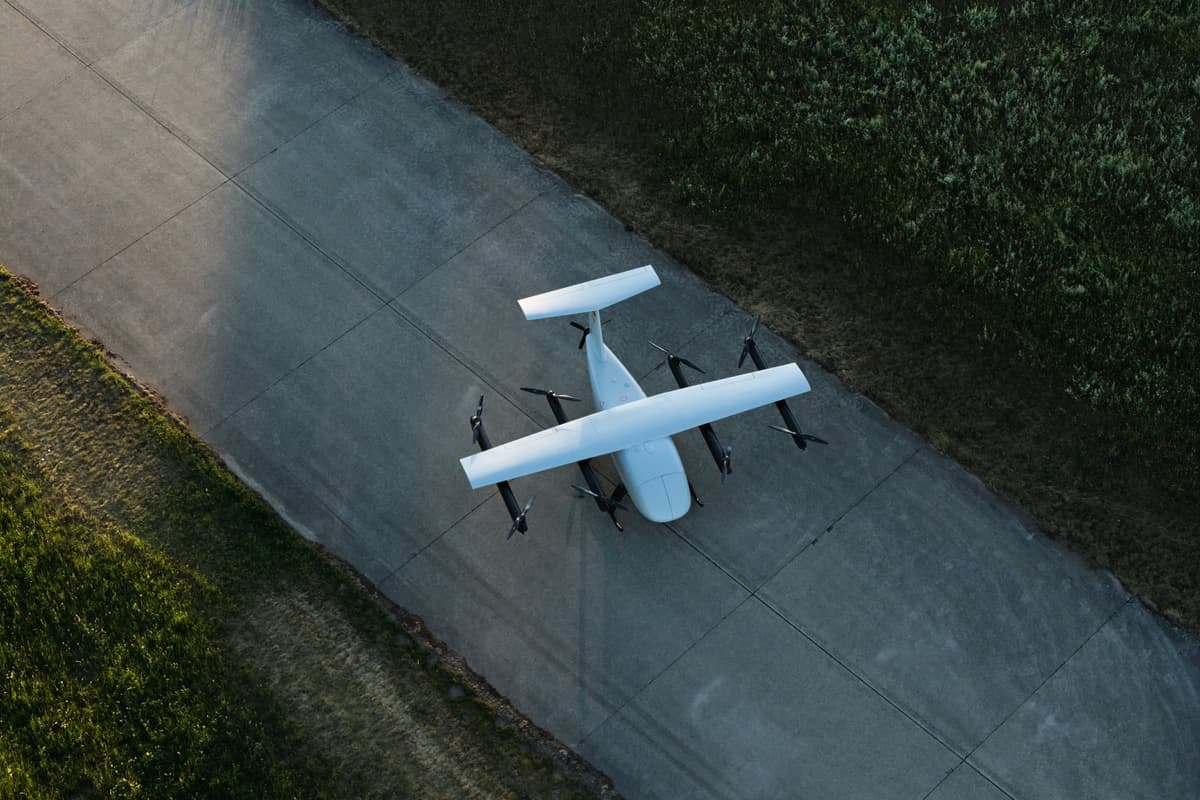
Germany Gives eVTOLs Another Look as ERC Unveils Heavy-Lift Cargo Drone
Germany’s flagship eVTOL firms Lilium and Volocopter collapsed in 2024 after missing government funding, prompting criticism of the country’s support for electric aircraft. At ILA Berlin, second‑wave developer ERC System announced a memorandum of understanding with defense contractor Rheinmetall and...

Special Report: The Reasons Spirit Airlines Failed Are Also Why United Wants American
United Airlines is showcasing a premium‑heavy Boeing 787‑9, dedicating two‑thirds of the cabin to first‑class and business seats, signaling a shift toward high‑yield travelers. At the same time, the U.S. aviation system is hitting capacity limits due to congested hub‑and‑spoke...

Boeing CEO Confirms TAC Report It Is Studying Hiking 737 Production to 70-Jet Monthly Rate
Boeing CEO Kelly Ortberg confirmed the company is studying a boost in 737 production to 70 jets per month, up from the current plan of 63. The study will assess supply‑chain constraints and manufacturing resilience, but no firm decision has...

Boeing Explores Hiking 737 Production Close to Rival Airbus’s Stratospheric Target
Boeing is evaluating a plan to lift 737 production to roughly 70 jets per month, surpassing its disclosed 63‑jet peak. The target would bring the U.S. maker close to Airbus’s 75‑jet monthly goal for the A320neo set for 2027. Both...

Boeing Delivers First iMTOW 787 with Handover to United Airlines
United Airlines took delivery of the first increased‑MTOW (iMTOW) Boeing 787‑9 on May 12, marking the start of a new delivery stream for the higher‑performance version. The aircraft, tail‑registered N81105, is already in revenue service, primarily on United’s San Francisco‑London and San Francisco‑Singapore...

Honeywell Aerospace’s Spin-Off Accelerates Its Supply Chain Strategy with Success on the Line
Honeywell Aerospace is set to launch its own public company on June 29, separating from the broader Honeywell conglomerate. CEO Jim Currier highlighted a new governance model where senior leaders sit within 150 feet of each other to accelerate decision‑making and tighten...

Whisper Aero Reveals ‘Stall-Proof Wing,’ Mach Industries Partnership
Whisper Aero unveiled its JetFoil "stall‑proof" wing at SAE AeroTech, presenting lab data that shows the wing maintains lift even as airspeed approaches zero. The design integrates high‑blade‑count electric ducted fans along the leading edge, delivering continuous lift with ultra‑low...

Another WWII Outpost Reemerges in the Pacific to Support Classified U.S. Missions
The U.S. Navy will reactivate Wake Island’s dormant World War II airfield, the first sustained presence since the 1940s, and station maritime patrol aircraft for classified missions supporting a forward‑deployed naval intelligence unit. This effort is part of a broader Pentagon...
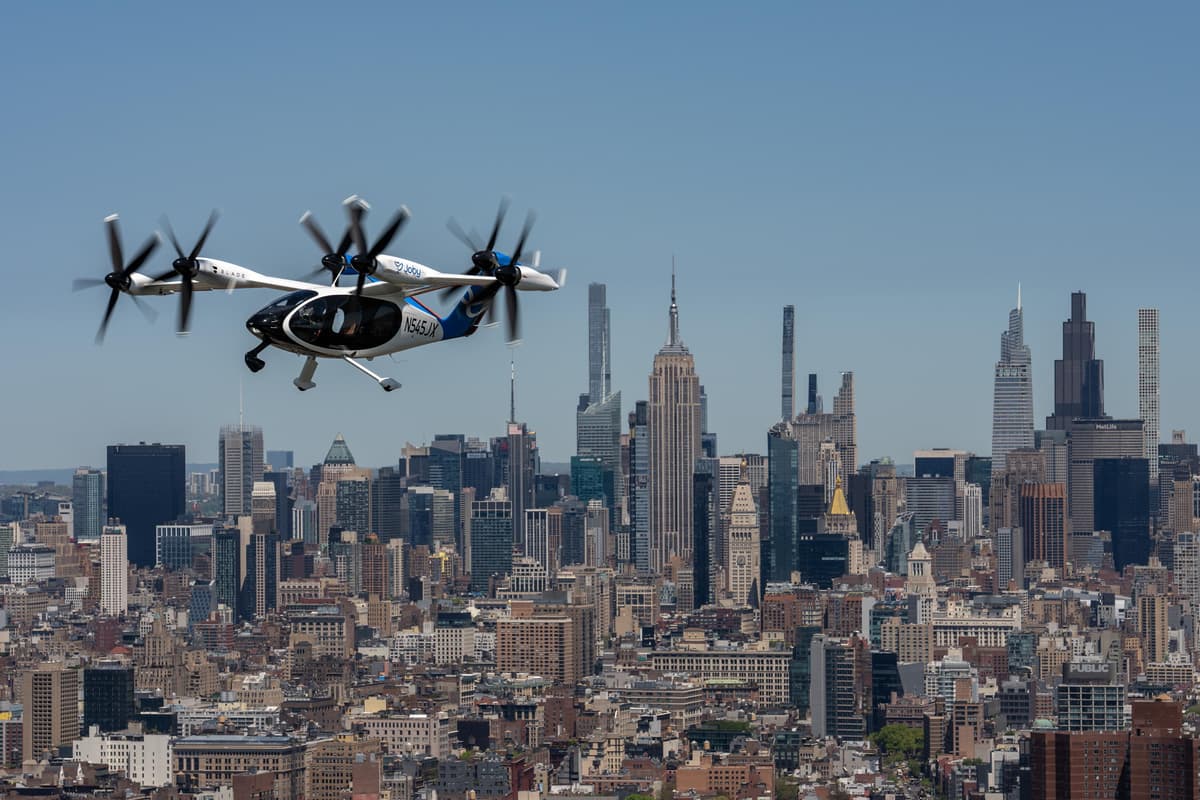
FAA Expects Commercial eVTOL Ops Under Integration Pilot Program
The Federal Aviation Administration announced that its three‑year eVTOL Integration Pilot Program (eIPP) will permit commercial passenger and cargo flights using advanced air‑mobility aircraft, potentially before full type certification is granted. While the FAA clarified that only certificated eVTOLs may...
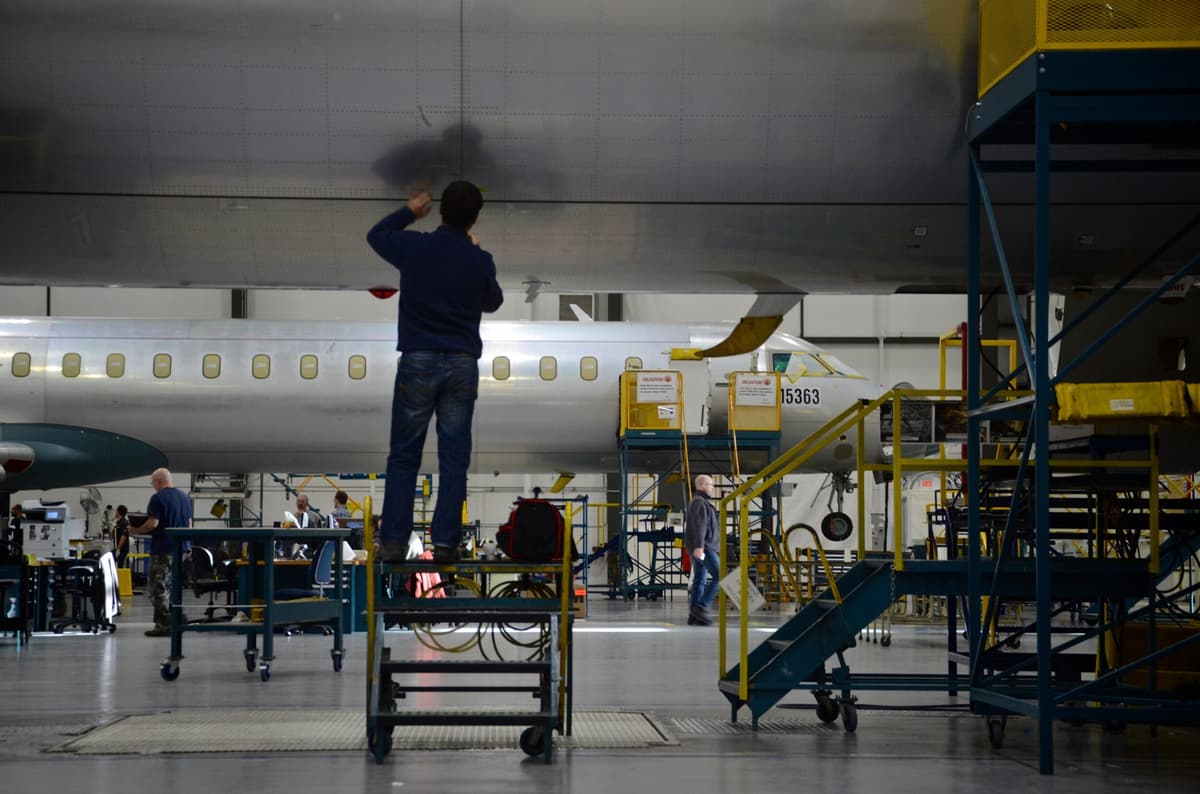
To Avoid Forced Retirement, MHI RJ Prepared to Retrofit CRJ Fleet with Traffic Awareness Tech
MHI RJ announced it will retrofit the North American CRJ regional jet fleet with ADS‑B In, a traffic‑situational‑awareness system that the FAA may soon require. The move aims to keep the out‑of‑production CRJ‑700/900 series operational and avoid forced retirements. The...
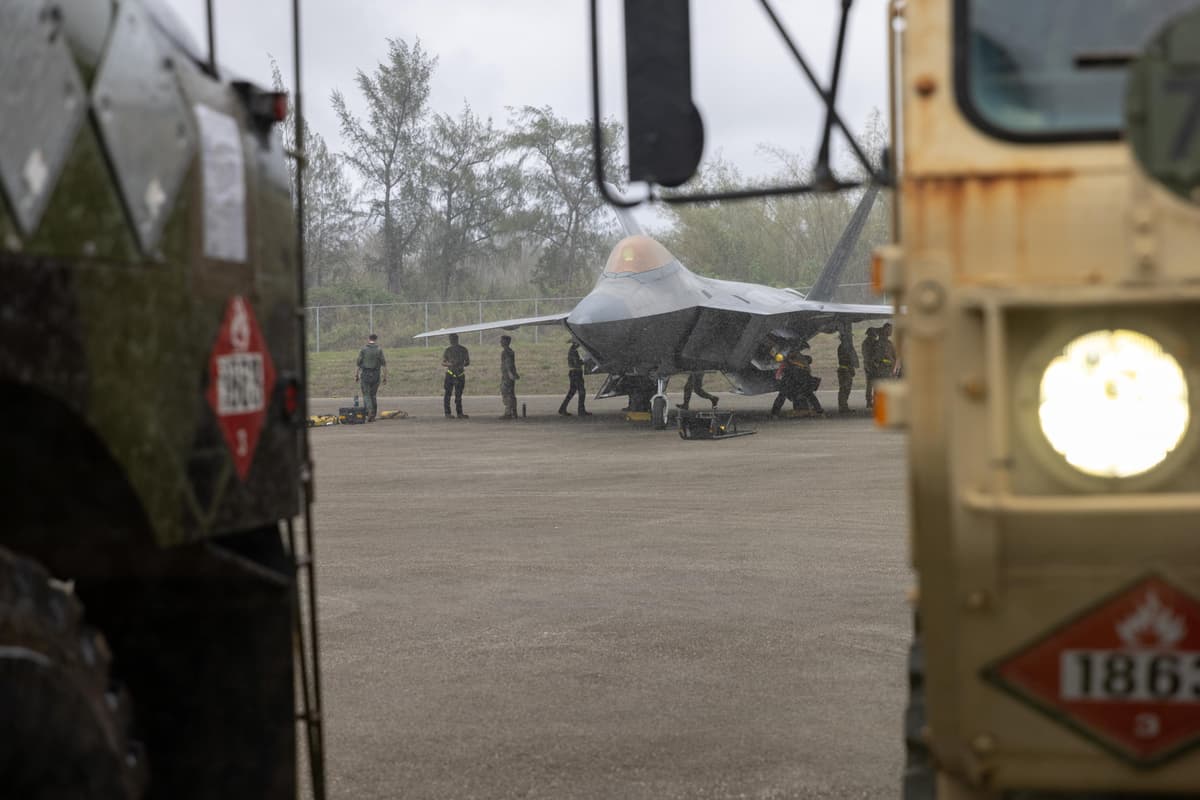
Historic Tinian Airfield Slated for Debut Flight Operations as Pentagon Expands Pacific Network
The U.S. Air Force will reactivate Tinian’s historic North Field on May 31, ending four years of construction and vegetation clearing. The multi‑million‑dollar project restores the World‑War‑II airstrip that has lain dormant for nearly 80 years. A 250‑person detachment will support...

FAA Details First Official Response to D.C. Crash Safety Recommendations
The Federal Aviation Administration (FAA) issued its first formal response to the National Transportation Safety Board’s (NTSB) more than thirty safety recommendations stemming from the January 2025 midair collision near Washington, D.C., which killed 67 people. The agency reports that seven...
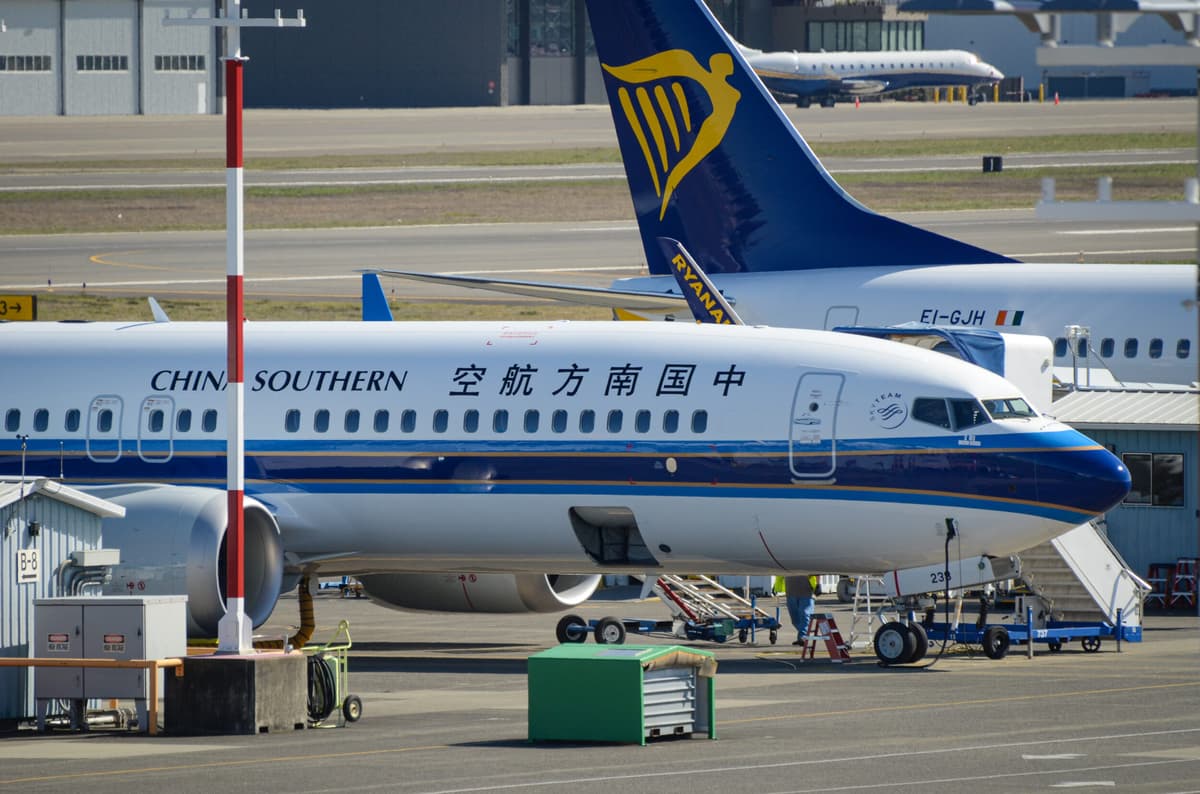
Boeing Ends a Nearly Decade-Long Sales Drought to China
Boeing announced it has broken a near‑decade sales drought in China with an initial commitment for 200 aircraft, a deal that could expand to as many as 750 jets. The announcement sent Boeing’s shares down more than 9.4% as investors...
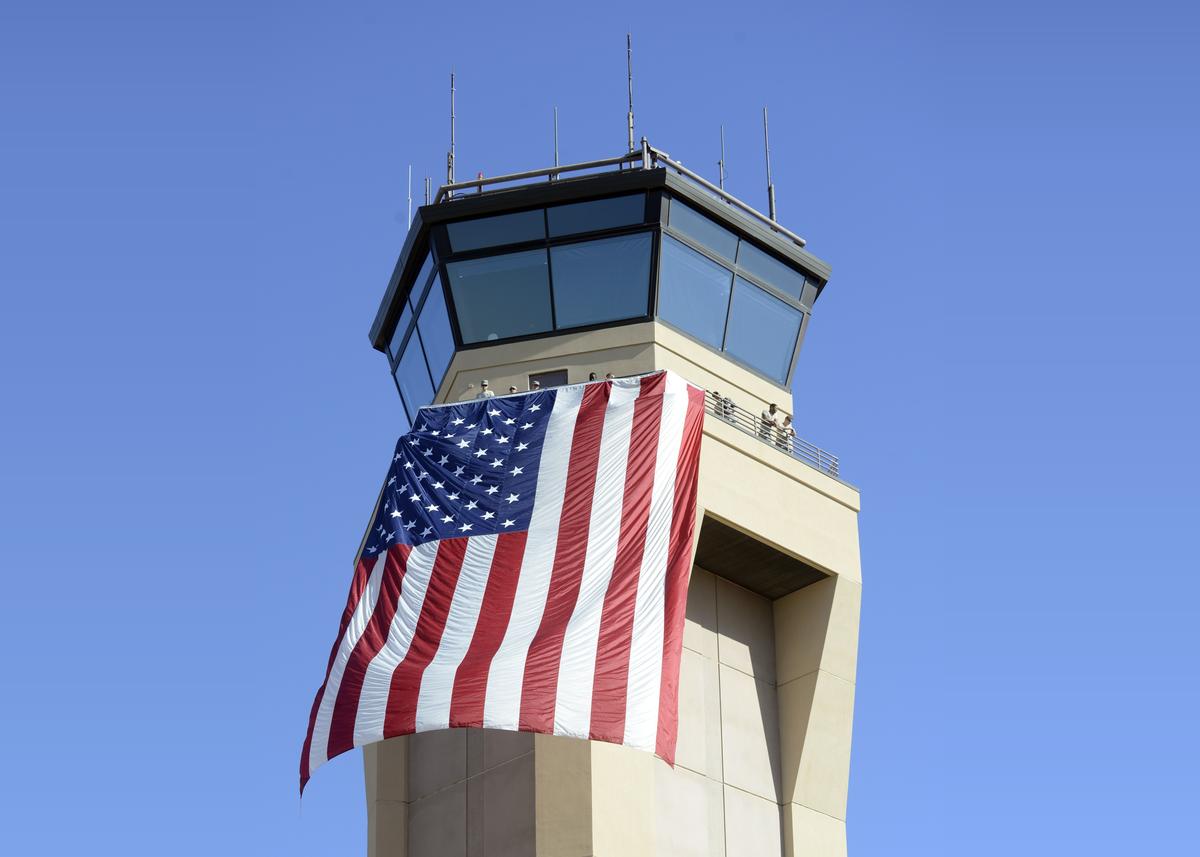
ATC Modernization Strains the Definition of ‘America First’
The Federal Aviation Administration has shortlisted European firms—Spain’s Indra, France’s Thales and Austria’s Frequentis—for its Brand New Air Traffic Control System (BNATCS) modernization, prompting U.S. contractors to argue the moves violate the Trump‑era “America first” stance. Companies such as RTX,...