
Bad Government Statistics Can Cost the Economy Billions
U.S. government surveys are losing respondents at an accelerating pace. The Current Population Survey’s monthly response rate has slipped from nearly 90% a decade ago to under 70% today, while the Consumer Expenditure Survey’s participation has fallen from about 70% to 40%. Researchers warn that these gaps erode the reliability of key economic indicators, potentially costing the economy billions in misinformed decisions. The study quantifies the fiscal value of accurate data and calls for urgent modernization.

Can Countries Grow Richer by Exporting People, Not Goods?
Kerala’s prosperity increasingly stems from its diaspora rather than traditional exports. About 1.7 million Keralites—roughly 5 % of the state’s population and 11 % of its workforce—are employed in Gulf nations. Their earnings, sent home as remittances, now constitute a sizable share of...

India’s Weak Currency Reflects Deeper Problems than the Iran War
The IMF’s April update shows India’s rupee lost roughly 10% against the dollar in the fiscal year ending March, pushing the country to sixth place in global GDP rankings, behind the United Kingdom. The currency slide reflects not just external...

How Kalshi Can Help the Federal Reserve
Kalshi and Polymarket saw trading volumes surge to $50 bn in 2025, up from $16 bn the year before, as they expand beyond sports betting into macroeconomic wagers. Economic contracts—covering GDP, payrolls and inflation—now make up about 1‑2% of activity, attracting the...
A Global Fight over Banking Rules Is Just Getting Started
Eighteen years after the 2008 crisis, the BIS’s liquidity‑risk principles gave rise to Basel III, which imposed stricter capital buffers on banks worldwide. Today, a nascent battle is emerging as the United States, Europe and emerging economies push divergent revisions to...

San Francisco, AI Capital of the World, Is an Economic Laggard
San Francisco hosts the world’s leading AI labs, OpenAI and Anthropic, together valued at roughly $2 trillion. The city is also home to 91 AI unicorns whose combined worth tops $600 billion, and a handful of AI‑generated billionaires. Despite this concentration of...

Will Kevin Warsh Trumpify the Federal Reserve?
Kevin Warsh, a former Federal Reserve governor and close Trump ally, is poised to join the Fed board as the new chair seeks a more aggressive stance on interest rates. Warsh has publicly echoed President Trump’s criticism of high rates...

Has the World Bank Performed a U-Turn on Industrial Policy?
The World Bank’s latest research paper suggests a marked shift toward endorsing selective industrial policies, a departure from its long‑standing free‑market orthodoxy. Historically, the Bank and IMF have conditioned assistance on liberal reforms, dismissing government‑directed winner‑taking as ineffective. The new...

Renewables Are Shining. The Iran War Amplifies Their Appeal
The Iran‑Gulf conflict is reshaping global energy dynamics, giving a surprising boost to renewable power, especially solar. While coal is touted as a short‑term winner, the potential closure of the Strait of Hormuz threatens LNG supplies, prompting governments to accelerate...
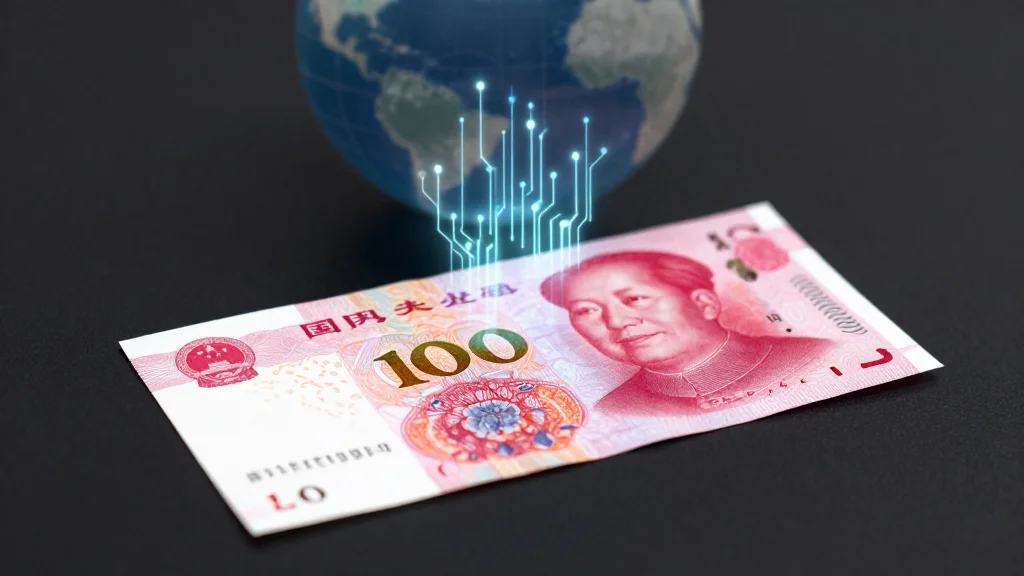
Xi Jinping Wants a Powerful Currency. America’s War Has Helped
Chinese President Xi Jinping is accelerating efforts to turn the yuan into a global reserve and payment currency, with the digital e‑CNY at the forefront of the strategy. The United States’ costly overseas conflicts have strained the dollar’s dominance, indirectly...

Chinamaxxing Is Starting to Catch on, in China
An American influencer’s bite of Rongchang braised goose went viral on Chinese and global platforms, turning a centuries‑old regional specialty into a nationwide craze. Within weeks, goose eateries across southwest China reported a surge in foot traffic, with many locations...

Global Energy Markets Are on the Verge of a Disaster
On April 17, Brent crude plunged 10% to $90 a barrel after Iran’s foreign minister announced the Strait of Hormuz was "completely open." Hours later Iran attacked an Indian tanker, prompting a modest 5% rebound the following day. Despite the...
The Stablecoin Market Has Got Too Stable
Stablecoin issuance, especially dollar‑backed tokens, surged through 2024 but has flat‑lined in 2025, prompting analysts to label the market “too stable.” While proponents tout stablecoins as a low‑volatility bridge between crypto and traditional finance, the recent stall reveals limited new...
American Corporate Profits Keep Shrugging Off Global Tumult
U.S. corporate profits remain robust, largely insulated from escalating geopolitical tensions. Despite the Iran‑U.S. standoff and volatile energy markets, earnings forecasts have surged, pushing the S&P 500 to an all‑time high on April 17 after a brief Hormuz traffic agreement. The index...

Hormuz Is (Apparently) Unblocked. Energy Markets Remain a Mess
Iran’s foreign minister announced that commercial traffic through the Strait of Hormuz is "completely open," a sentiment echoed by President Donald Trump. The news sent Brent crude futures tumbling more than 10% to $89 a barrel, their lowest level since...

Global Imbalances Are Back. Who’s to Blame?
Global imbalances are resurfacing, echoing the pre‑2008 “saving‑glut” era when Asian economies amassed massive dollar reserves while the United States ran a large current‑account deficit. Economists now observe that Asia’s trade surpluses remain in the multi‑trillion‑dollar range, keeping the dollar...
Pakistan’s Deft Diplomacy Is an Economic Blessing. And a Curse
Pakistan’s diplomatic tightrope between Washington and Tehran is delivering short‑term economic relief, as Gulf‑linked aid and lower oil costs ease inflation pressures. The country’s ability to act as a regional intermediary has attracted foreign assistance and trade concessions. However, this...
War Will Drain the Gulf’s $6trn Treasure Chest
Six Gulf Cooperation Council sovereign wealth funds now manage over $5 trn in assets, up from $3 trn in 2021, and have deployed more than $430 bn since 2021 across AI, private credit, sports and tech. The ongoing regional war threatens to erode...

How to Build a Portfolio when Bonds Fail to Buffer Stocks
The long‑standing hedge of bonds against equities is losing its effectiveness as rising interest rates and flattening yield curves push bond returns lower and push equity‑bond correlation to historic highs. Investors are seeing bonds provide little downside protection for stock...

The Tech Jobs Bust Is Real. Don’t Blame AI (Yet)
The tech sector is entering a pronounced hiring slowdown, with Oracle announcing thousands of layoffs, Block cutting over 4,000 roles—nearly half its workforce—and Amazon and Meta adding to the redundancy tally. From 2022 to 2025 the “magnificent seven” tech giants...

America’s Next Fed Chair Is Caught in a Vice
The Federal Reserve’s upcoming chair transition is unfolding under intense political pressure from President Donald Trump, who routinely attacks current Chair Jerome Powell on social media. Powell also faces a DOJ inquiry into the Fed’s headquarters renovation contract, adding a...

Can the Secondary Market Allay Private-Credit Fears?
Private‑credit funds are under pressure, with Blackstone and KKR shares down roughly a third this year and banks writing down collateral on loan‑backed assets. JPMorgan CEO Jamie Dimon warned that losses on leveraged private lending could exceed expectations, prompting investors...

The Latest Italian Banking Whodunnit Has It All
Monte dei Paschi di Siena (MPS), the world’s oldest bank, is heading into its April 15 shareholder meeting amid a dramatic internal crisis. An alleged conspiracy among senior executives, a sudden boardroom coup, and the discovery of a cadaver have thrust...
South Korea’s AI Industrial Policy Meets the Energy Shock
South Korea is confronting a new Middle‑Eastern oil shock while pushing an aggressive artificial‑intelligence industrial strategy first outlined in the mid‑1970s. President Park Chung‑hee’s historic pledge to modernise heavy‑machinery and chemicals sectors now intersects with today’s AI ambitions, creating a...

The Third Gulf War Will Scar Energy Markets for a Long Time Yet
The article warns that the third Gulf war, sparked by Iran’s blockade of the Strait of Hormuz, has trapped roughly 15% of global oil output and 20% of LNG supplies, sending energy markets into turmoil. A two‑week cease‑fire announced by...

How the Iran War Has Sowed Panic Among Farmers
The ongoing Iran‑Israel conflict has driven up global fertilizer and fuel costs, sparking panic among farmers worldwide. Prices for nitrogen‑based fertilizers have surged by more than 60%, while diesel rates have risen sharply due to disrupted shipping lanes in the...
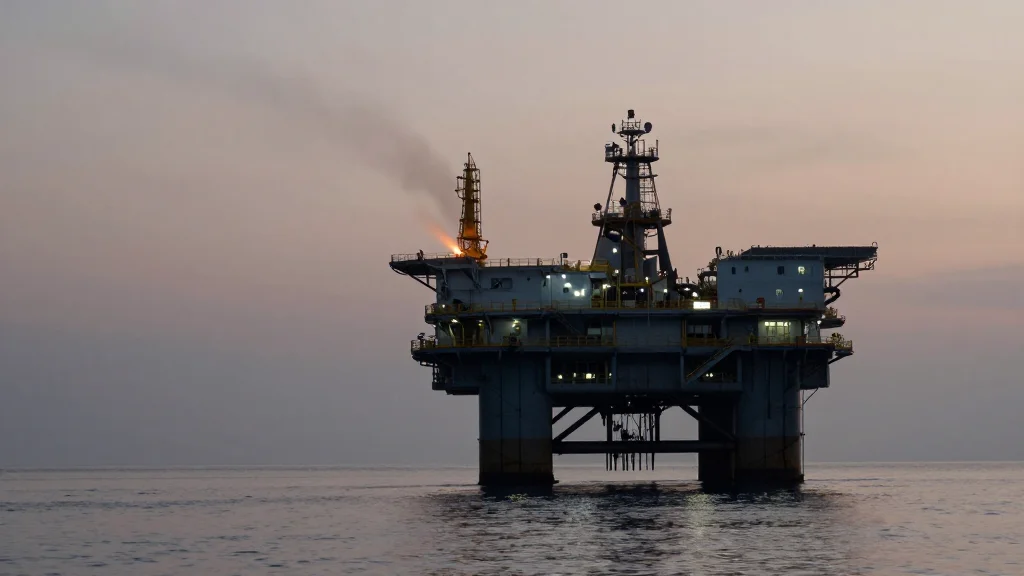
As Iran’s Civilian Economy Crumbles, Its Military Economy Grows Stronger
In the first month of the U.S.-Israel campaign against Iran, strikes have largely avoided civilian infrastructure, focusing instead on strategic energy assets such as Kharg Island and the South Pars gasfield. The sustained pressure of sanctions and war‑related disruptions is...

Inflation or Recession? The Tug of War in Bond Markets
The yield on the benchmark ten‑year U.S. Treasury bond has swung dramatically, dipping below 4% on Feb. 27, spiking above 4.4% by March 27, and then retreating again. The rapid movement reflects heightened market sensitivity to geopolitical shocks, notably the American‑Israeli war...

Can a Country Get Too Rich?
Norway’s new Edvard Munch Museum in Oslo, a 13‑storey slab of recycled aluminium and glass, opened in 2021 after a ten‑year delay and a $350 million price tag that ballooned by $200 million. The project, financed by the nation’s deep sovereign wealth...
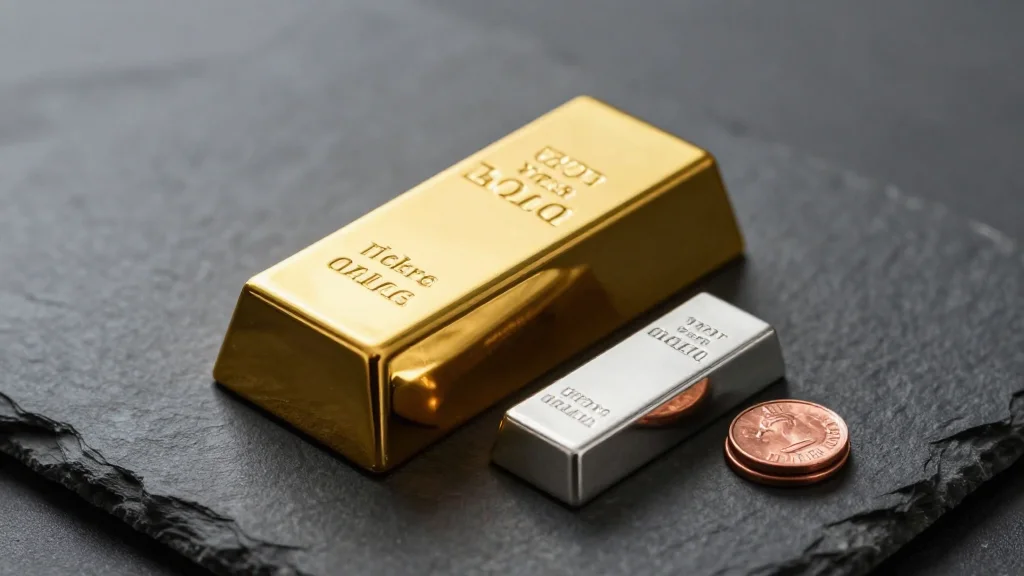
After Iran, Gold Is Looking Less Glittery
Gold’s allure as a safe‑haven asset is fading after recent geopolitical turbulence, notably the Iran situation, and a shift toward higher‑yielding investments. Unlike bonds or stocks, gold generates no cash flow, relying solely on price appreciation for returns. Rising real...

Which Country Is the Biggest Loser From the Energy Shock?
The article examines how the recent global energy shock is disproportionately harming South Asian economies. Nepal faces long queues and rationing for cooking gas, Sri Lanka has ordered Wednesday factory shutdowns, and Pakistan has closed schools and shifted universities online. The...

Will South Korea’s Epic Bull Market Survive the Energy Shock?
South Korea’s KOSPI index has exploded 138% in the past year, soaring past the 6,000 mark and outpacing global peers. The rally fulfills President Lee Jae Myung’s campaign promise of a 5,000‑point index, turning a bold pledge into reality within...
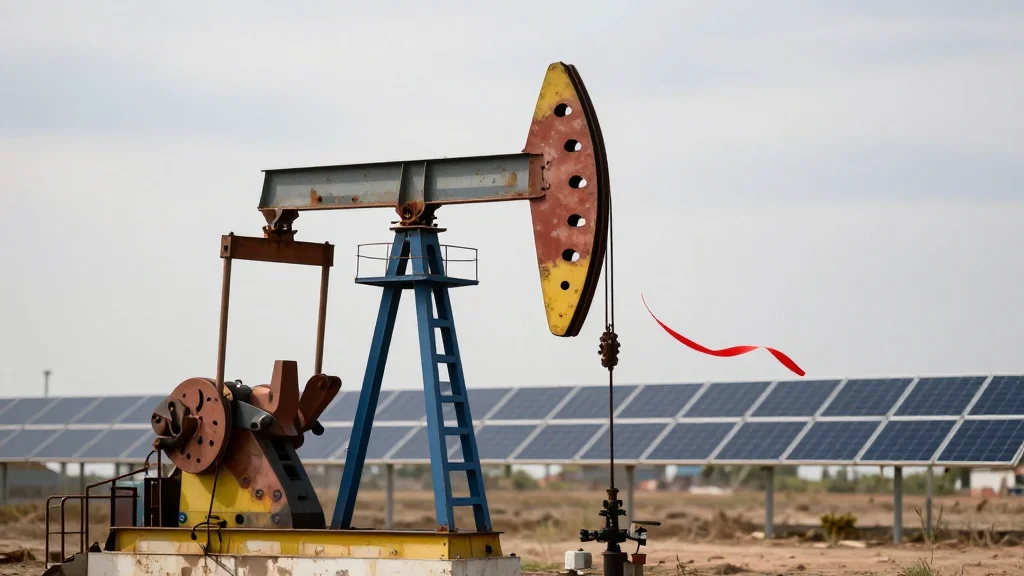
China Cannot Escape the Energy Shock
China is grappling with a global energy shock that has widened the price gap between its domestic fuel and the higher rates in neighboring Hong Kong. The disparity, driven by lingering subsidies and import dependence, prompts Hong Kong motorists to cross the...

The Iran War Is Roiling Commodities Far Beyond Oil
Since the third Gulf war erupted three weeks ago, the closure of the Strait of Hormuz has immobilized roughly 10‑15 % of global oil supply, pushing Brent crude above $106 a barrel. President Donald Trump has ordered the largest-ever strategic reserve...
Why Investors Won’t Know What to Make of AI for a While
Investors are struggling to price artificial‑intelligence companies because revenue models are still evolving and traditional valuation metrics lag behind rapid adoption. The article argues that AI’s impact is broader than past tech waves, but the market lacks reliable data on...
The Iran Energy Shock Reverberates Across Financial Markets
The outbreak of war involving Iran has triggered a sharp contraction in oil output and transit, pushing global energy prices up by over 15 percent. The surge in energy costs is reigniting inflation expectations worldwide, prompting traders to anticipate more...

Will Investing in Russia Really Bring America a $12trn Bonanza?
The Kremlin is making big promises to Donald Trump’s administration

Who Wrangled the Best Trade Deal From Donald Trump?
President Donald Trump recently secured trade agreements with Argentina and India, offering limited tariff reductions to facilitate U.S. exports. Both deals faced immediate domestic backlash: Indian farmer unions called the pact a “total surrender” and French officials described the EU‑U.S....

How to Hedge a Bubble, AI Edition
The piece warns that the AI sector may be entering a bubble, drawing a parallel to the 2000 dot‑com frenzy highlighted by Super Bowl ads. It points out that AI valuations have accelerated, and investors are now seeing high‑profile marketing...

Hong Kong Is Getting Its Financial Mojo Back
The hub is attracting more deals. And more Beijing-style politics

Untangling the Ideas of Donald Trump’s Fed Nominee
What is Warshonomics?
Why the Dollar May Have Much Further to Fall
The article argues that the U.S. dollar faces significant downside risk as domestic fiscal strain and a potentially dovish Federal Reserve erode international confidence. It highlights widening budget deficits, rising debt service costs, and slower economic growth as catalysts for...
Can Emerging Markets’ Stellar Run Continue?
There is a lot more going for them than “sell America”

AI Is Not the only Threat Menacing Big Tech
Big tech’s revenue engine—digital advertising—is losing its perceived recession‑proof status. While the AI boom dominates headlines, analysts warn that a future economic slowdown could sharply cut ad spend, exposing firms like Meta and Google to revenue volatility. The sector has...

Has America Hit “Peak Tariff”?
U.S. President Donald Trump’s aggressive tariff campaign has dominated the past year, targeting Europe, South Korea and other partners with a shifting array of duties and exemptions. Recent threats over Greenland and a perceived breach by South Korea have heightened...

The Fate of Japan’s $6trn Foreign Portfolio Rattles Global Markets
Japan’s financial institutions now own roughly $6 trillion in foreign securities, a stock that has doubled over the past two decades as low domestic rates and a weak yen pushed investors abroad. About 50% of this portfolio is invested in U.S....

The West and Ukraine Are Capsizing Russia’s Shadow Fleet
Western naval forces, aided by Ukrainian intelligence, are disrupting Russia's clandestine oil‑shipping network, known as the shadow fleet. On Jan 22, French helicopters boarded the tanker *Grinch* off Spain, discovering a false Comorian flag and 730,000 barrels of sanctioned Russian crude....

Why AI Won’t Wipe Out White-Collar Jobs
Since ChatGPT’s debut in late 2022, AI has sparked both excitement and anxiety among white‑collar professionals. While managers see cost‑cutting potential, many desk‑bound workers fear displacement. Analysts argue that AI will primarily expand the scope of these roles, automating routine...

The Ascent of India’s Economy
India’s economy is transitioning from the historically sluggish “Hindu rate of growth” to become the world’s fastest‑growing large economy, edging toward the fourth‑largest global ranking. Recent reforms—such as the Goods and Services Tax, streamlined foreign‑direct investment rules, and labor law...

American Decay versus American Dynamism
AkademikerPension, Denmark's university staff pension fund, announced the sale of its American government bond holdings. The decision was framed as a response to perceived excessive U.S. fiscal spending rather than any geopolitical tension over Greenland. Fund managers emphasized that the...