
How to Get an ADGM Crypto License in 2026
Abu Dhabi Global Market (ADGM) has positioned its Financial Services Regulatory Authority (FSRA) as a leading crypto licensing regime, treating digital‑asset firms like traditional financial institutions. The framework mandates comprehensive governance, AML, transaction monitoring, cybersecurity and risk controls before an application can succeed. Companies that build robust internal structures early benefit from smoother banking relationships and faster institutional onboarding. As institutional capital seeks stable, regulated hubs, ADGM is becoming a preferred gateway for crypto firms expanding into the Middle East.

Why Executive Mobility Is the Compliance Blind Spot Most Boards Ignore
Executive mobility has become a blind spot for most boards, as frequent cross‑border trips by CEOs and senior leaders generate hidden personal‑tax, payroll and corporate tax exposure. The risk stems from fragmented responsibility—travel teams handle logistics, HR tracks employment, finance...

Striking While the Iron Is Hot – How New Investors Can Approach Litigation Funding
Litigation funding in the UK has exploded, with assets climbing from roughly $252 million in 2011/12 to about $2.8 billion in 2022. The asset class offers 15‑20% IRR potential and is largely insulated from geopolitical shocks that sway equities and bonds. New...

BTCC Exchange Overview: Security, Market Access, and Fee Structures
BTCC Exchange, operating since 2011, positions itself as a security‑first crypto platform with multi‑signature cold‑wallet storage and a 1:1 asset‑to‑user ratio. The exchange holds MSB licenses in the United States and Canada and a Lithuanian crypto license, underscoring its regulatory...

DORA Compliance Is Not Resilience: Why Financial Services Need Continuous Validation
The EU’s Digital Operational Resilience Act (DORA) took effect in January 2025, obligating major financial firms to conduct a Threat‑Led Penetration Test (TLPT) at least every three years. Mark Kuhr argues that this three‑year cadence is out of step with a...

How Digital Assets Are Changing the Future of Payments
Digital‑asset platform Lydian is building infrastructure that lets stablecoins function as everyday payment methods, moving the $4 trillion crypto market from a store of value to a spendable medium. CEO Carl Grimstad says the key is a universal “translator” that links...

The Role of Zero-Knowledge Technology in Web2 Security
The article highlights how traditional Web2 security models, exemplified by the 2025 Salesforce OAuth token breach, expose massive data stores to attackers. It proposes zero‑knowledge (ZK) cryptography as a structural remedy, allowing verification without revealing raw data. Two ZK approaches...

Capital Is Moving From Balance Sheets to Algorithms. Are Financial Services Ready?
Capital is migrating from traditional balance‑sheet assets to algorithmic assets, making AI the core engine of productivity in financial services. While two‑thirds of EMEA enterprises report 20‑30% efficiency gains, many banks still classify AI as a cost centre, limiting its...

Bessent Says Inflation Could Ease Under New Fed Leadership
Scott Bessent, chief investment officer at a leading asset manager, said inflation pressures should ease in the coming months despite April’s sharp price spikes. He linked the recent surge primarily to energy supply shocks from the Iran conflict, which he...

US Equity Resilience to Geopolitics Shows that We Have Irreversibly Entered the Tech Age
U.S. equities have shrugged off the Iran‑related oil shock and broader geopolitical uncertainty, with the S&P 500 and Nasdaq reaching fresh all‑time highs. The market’s resilience stems not from traditional safe‑haven dynamics but from the dominance of technology firms, which now...

AI-Native Banking Is Forcing a Structural Reset in Banking Systems
AI is exposing the limits of fragmented banking architectures, prompting a shift toward AI‑native systems that enable continuous, system‑wide financial execution. Legacy platforms isolate data and rely on sequential, human‑centric workflows, preventing AI models from acting across the enterprise. Banks...

Why No Enterprise Can Afford a Static Approach to Third-Party Risk
Enterprises can no longer rely on static, point‑in‑time third‑party risk assessments because digital ecosystems evolve faster than questionnaires can capture. Continuous visibility is required to track vendor updates, API integrations, and subcontractor dependencies that shift risk profiles in real time....

Protecting and Growing Your Wealth: The Essentials You Can’t Ignore
The article outlines a step‑by‑step framework for protecting and growing personal wealth, beginning with a solid financial foundation of budgeting, emergency savings, and debt reduction. It then details preservation tactics such as legal structures, insurance, and tax‑efficient strategies, followed by...

Seven Ways Banks Break Their Own Compliance Software
Anandhan Kannan outlines seven common pitfalls that cause banks to undermine their own compliance software, from merely digitizing paper processes to storing policies in static documents. He shows how these missteps lead to continued manual work, fragmented systems, low user...
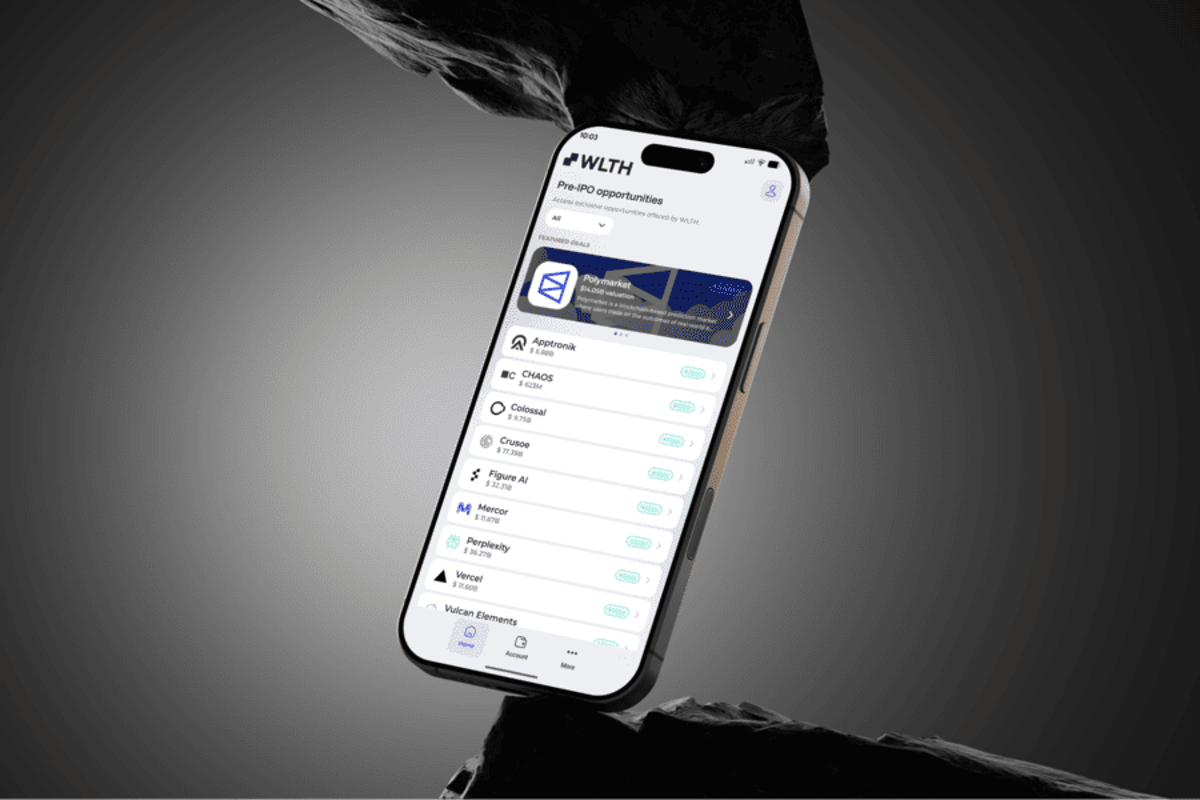
The New Frontier of Finance: How WLTH Is Turning Tokenisation Into Real Market Access
WLTH has launched a mobile app on Apple and Google stores that lets retail investors buy tokenised private‑market and IPO opportunities with as little as $20. By turning tokenisation into a usable tool, the platform fractionalises real‑world assets and eliminates...