
Inside El Orden Mundial’s YouTube Strategy
El Orden Mundial, a Spanish geopolitics outlet, grew its YouTube subscriber base from 29,000 to nearly 70,000 in a year by abandoning simple podcast uploads and producing platform‑native videos with tighter pacing, graphics and maps. The team split its long‑form podcast feed into a dedicated NFM Podcast channel and kept short explainers on the main channel, clarifying audience pathways. To support the shift they hired creators who understand both journalism and visual storytelling, brought editing in‑house, and integrated video discussions into editorial meetings. While YouTube now drives brand visibility, subscriptions remain the core revenue model.

How Il Post Built a Sustainable Subscription Model While Keeping Its Journalism Free
Italian digital outlet Il Post has built a sustainable subscription model without a paywall, keeping all news free while charging for exclusive podcasts and newsletters. In 2024, its 110,000 paying members contributed about 75% of its €9.4 million ($10.2 million) revenue, marking...

Podcasters Now Have to Do Double the Work
The Reuters Institute report confirms that podcasting is expanding, not being replaced, by video. New shows increasingly launch simultaneous video versions on YouTube, Spotify and Apple, while legacy audio‑only programs like The Daily retain strong listenership. This dual‑format strategy forces...

From SEO to GEO: 8 Tips for Publishers to Optimise Their Content for AI Discoverability
Publishers are transitioning from traditional SEO to Generative Engine Optimisation (GEO) as AI chatbots like ChatGPT become the first point of information for many users. The Spanish Fundación Luca de Tena released an 8‑tip guide that outlines how media outlets...
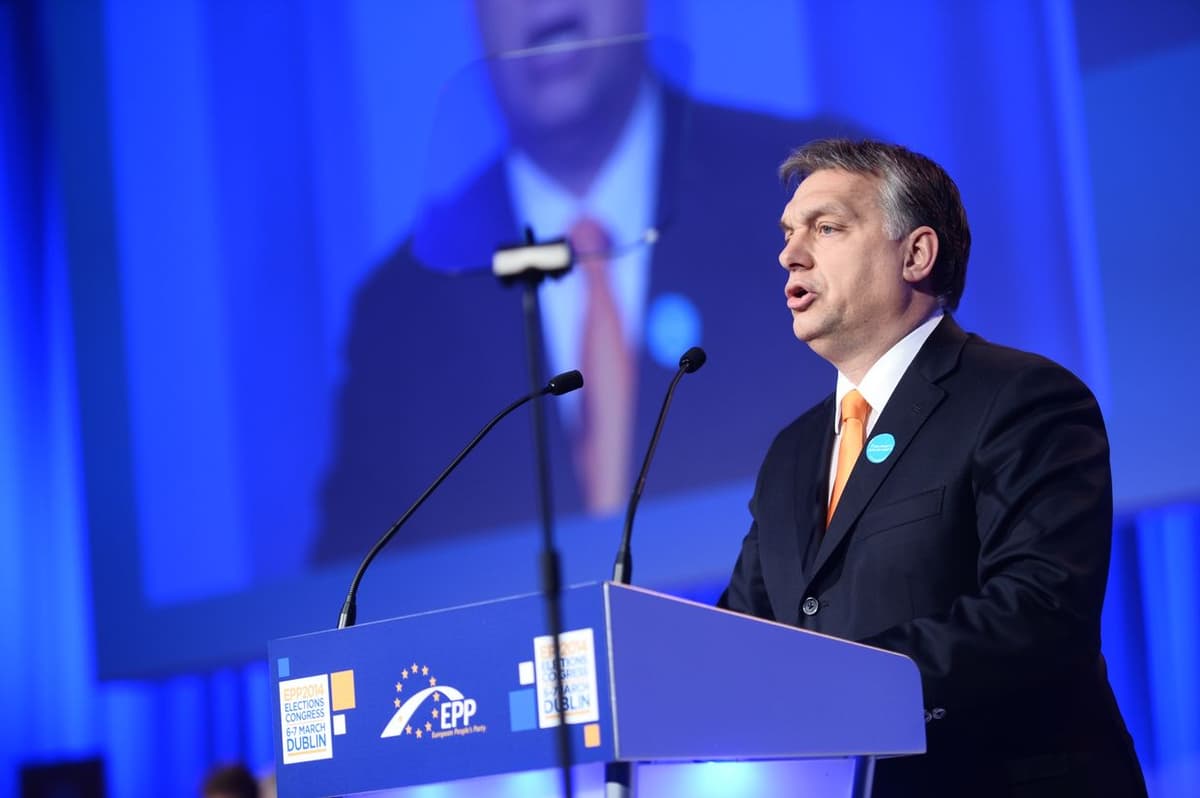
Five Independent Media Investigations that Helped Bring Down Orbán’s Regime
In the run‑up to Hungary’s 2025 election, a handful of independent outlets—444, Telex, Direkt36, Partizán and others—published a series of investigative reports that exposed high‑level corruption, child‑trafficking scandals, a staged false‑flag incident and secret‑service abuse. The stories forced the resignation...
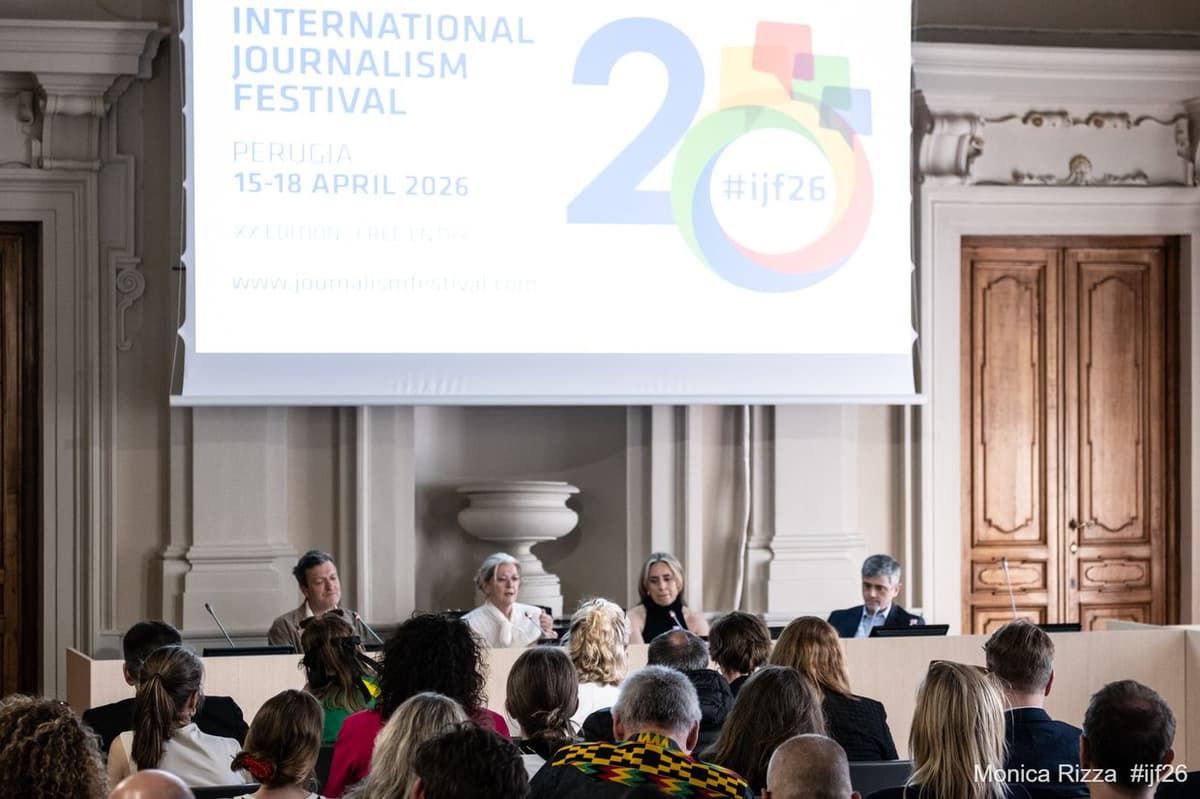
What We Heard in Perugia About AI Rewriting the Rules of Journalism
At the 2026 International Journalism Festival in Perugia, a panel warned newsrooms that AI agents are emerging as a new class of readers, forcing publishers to cater to machine‑scale demand. Speakers highlighted a market split between hyper‑premium brands like The...
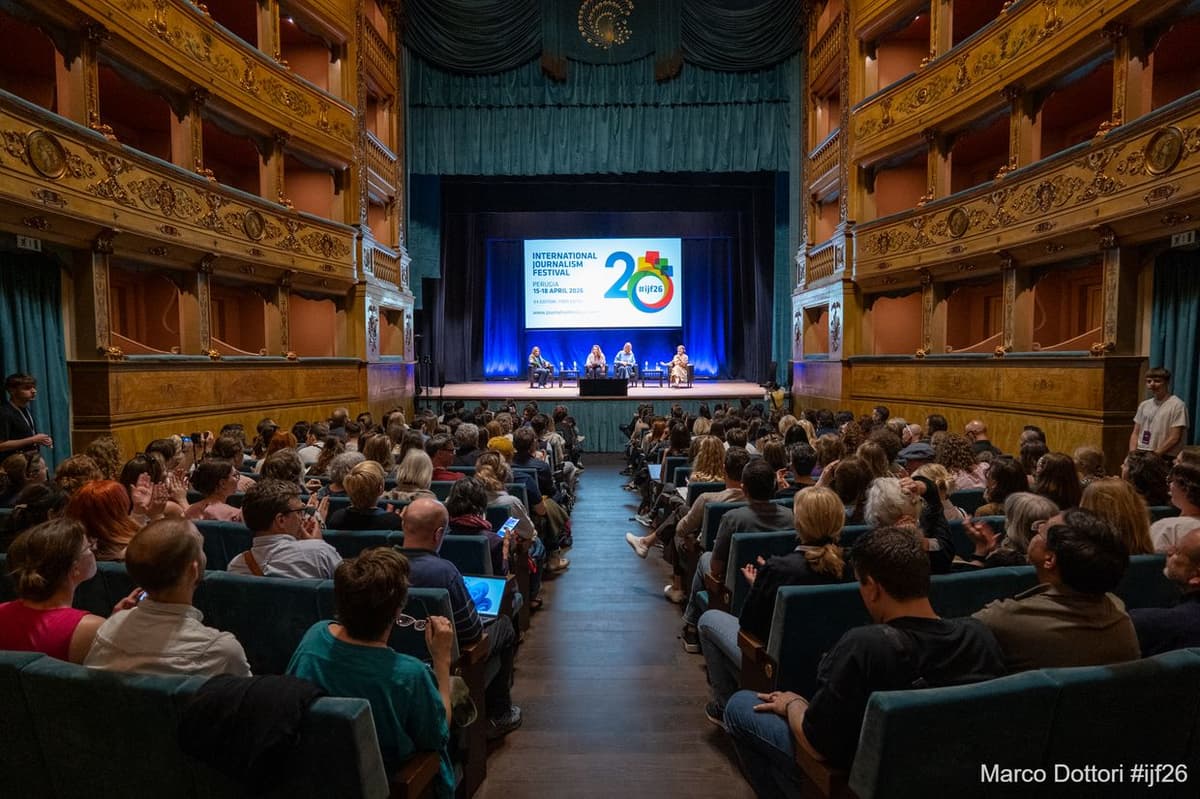
Notes From Perugia: Three Reflections for Media Leaders on Survival, Trust and the Business of Journalism
The International Journalism Festival in Perugia highlighted a collapsing funding floor for media, with only 11% of development organisations reporting sufficient resources and average budget cuts of 17% in 2025. A DW Akademie report warns that reliance on external subsidies is...

FixEd Podcast: The News SEO Playbook with Clara Soteras
In a FixEd podcast, Clara Soteras explains how AI is reshaping SEO for news publishers. She highlights that Google’s AI‑generated Overviews are siphoning traffic from niche and evergreen articles, especially tech sites. Soteras argues traditional metrics like page views are...
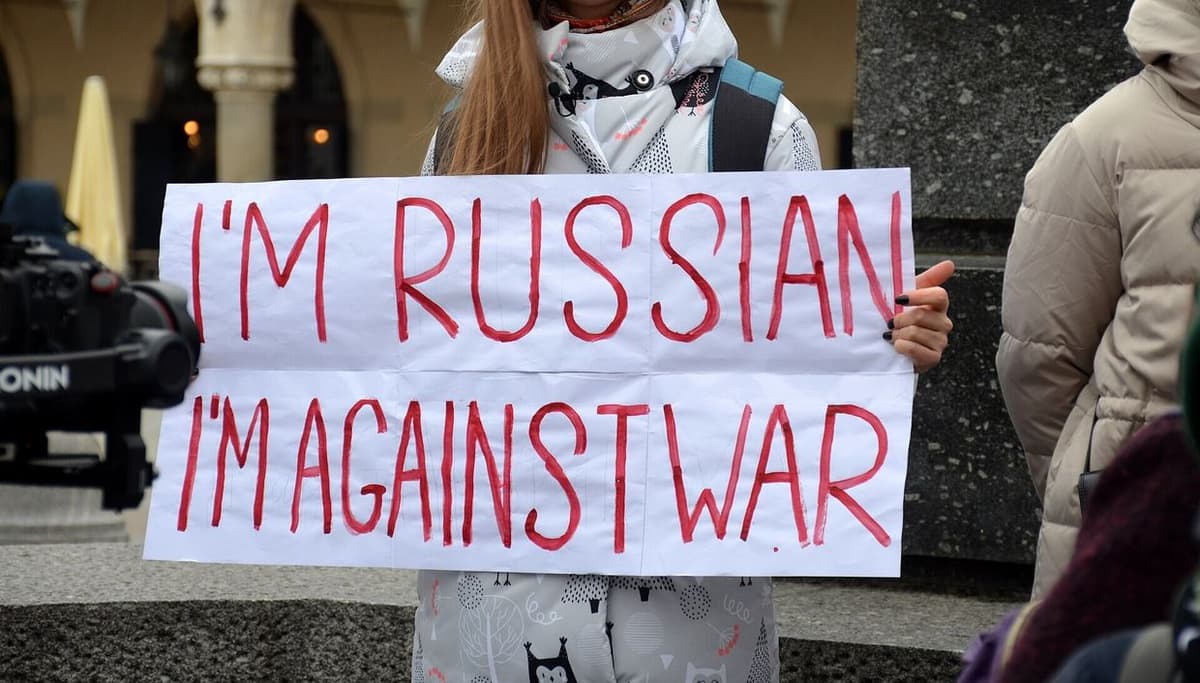
Novosti-26, the Independent Media Outlet Explaining War to Russian Teenagers
Novosti‑26, founded by author Linor Goralik, is an independent media outlet that explains Russia‑Ukraine war news in language Russian teenagers can understand. Launched voluntarily at the start of the 2022 invasion, it now runs a small newsroom, produces explainer videos,...
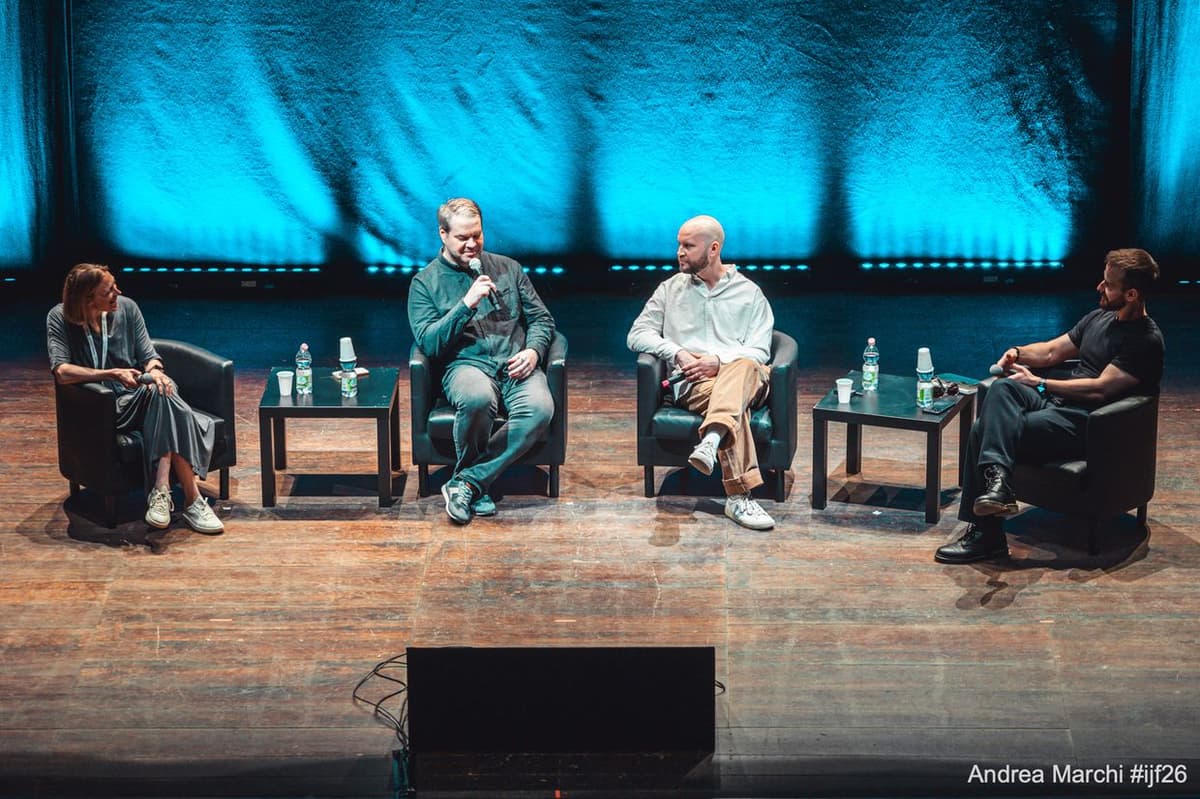
Four Publishers, One Growth Playbook: What The Guardian, Denník N, Uusi Juttu and Kyiv Independent Told Perugia About Reader Revenue
Four diverse publishers—The Guardian, Denník N, Uusi Juttu and the Kyiv Independent—shared a unified reader‑revenue playbook at the Perugia International Journalism Festival. Each relies on membership‑first models, with the Guardian generating roughly $125 million in digital reader revenue and 1.3 million supporters, while the...
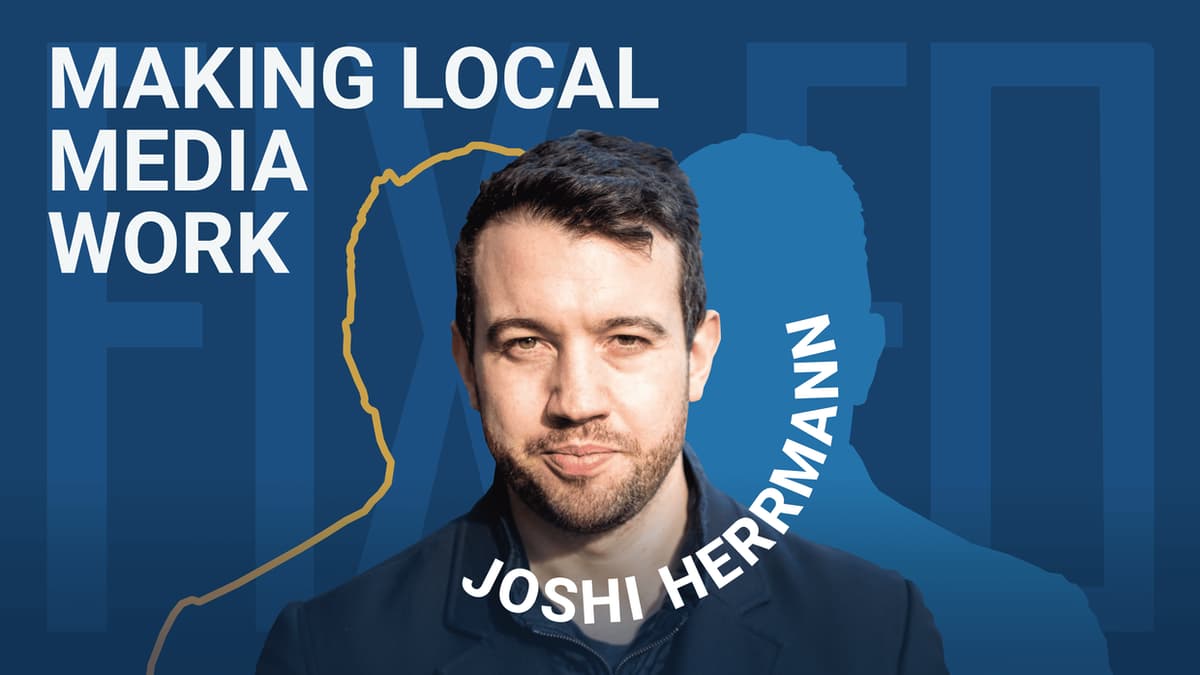
FixEd Podcast: Making Local Media Work, with Mill Media's Joshi Herrmann
Mill Media, a UK reader‑funded local news network, has scaled from a single Manchester newsletter to a six‑city operation employing 25 full‑time journalists. The company relies on a “publish less” strategy, sending only four curated emails per week per city...
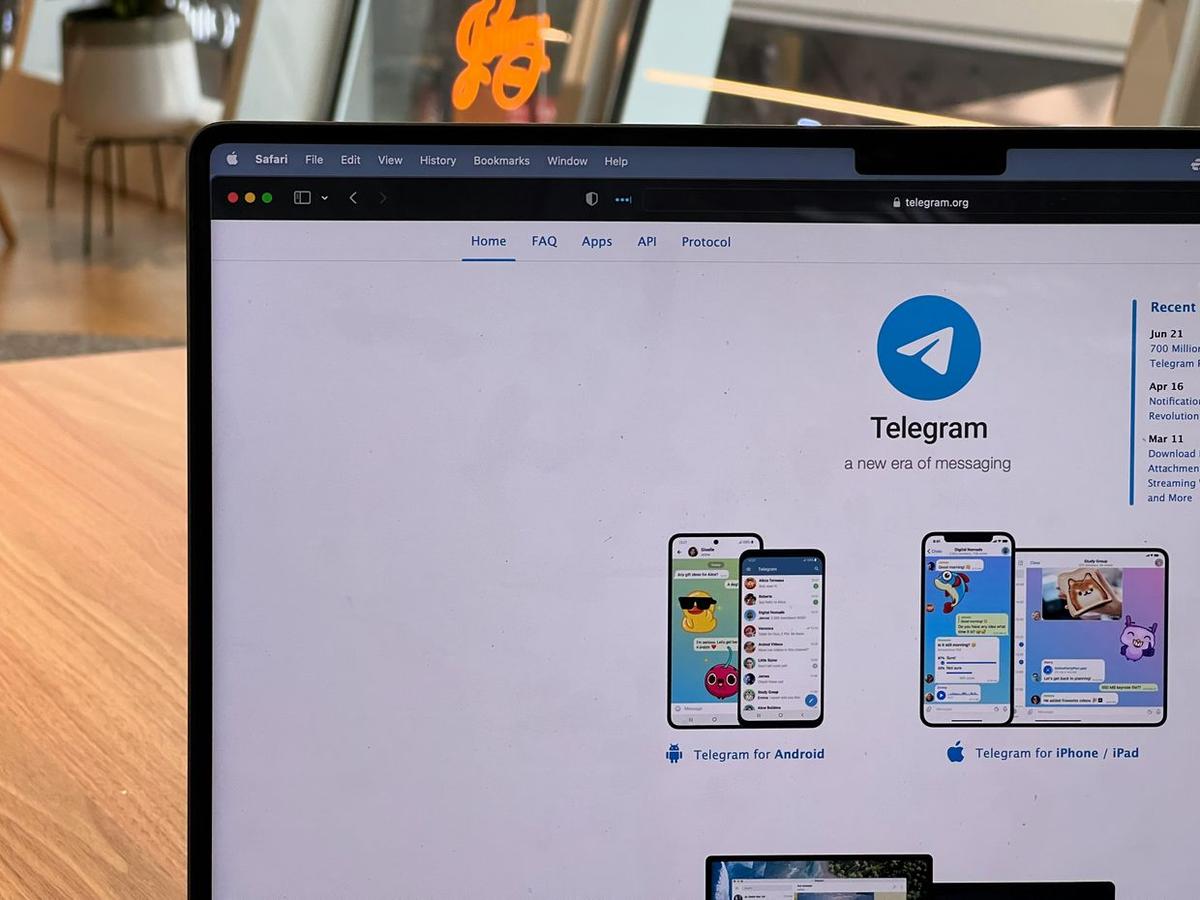
How Independent Media Builds Loyalty Amid Russia’s Telegram Blocking
In February 2026 Russia began blocking Telegram to force users onto the state‑run messenger MAX, crippling a platform that independent outlets rely on for audience reach. While the national‑level outlet ASTRA retained its 280,000‑strong subscriber base by already using bypass...

How Frontliner Built a Model for War Reporting in Ukraine
Frontliner, founded by veteran journalist Andrii Dubchak in 2020, now employs about 30 staff, including 15 dedicated war reporters, to deliver frontline, civilian‑impact and investigative coverage of Russia’s invasion. The outlet reaches 0.5‑3 million monthly users through English Instagram, Reddit and...

The Fix’s Take on Media Education: Inside the Simulation Game
The Fix has launched a simulation game that teaches media leadership through a gamified experience. The platform is embedded in its FixEd newsletter, delivering weekly challenges that mirror real‑world European media scenarios. Participants—journalists, editors and managers—navigate issues such as paywall...
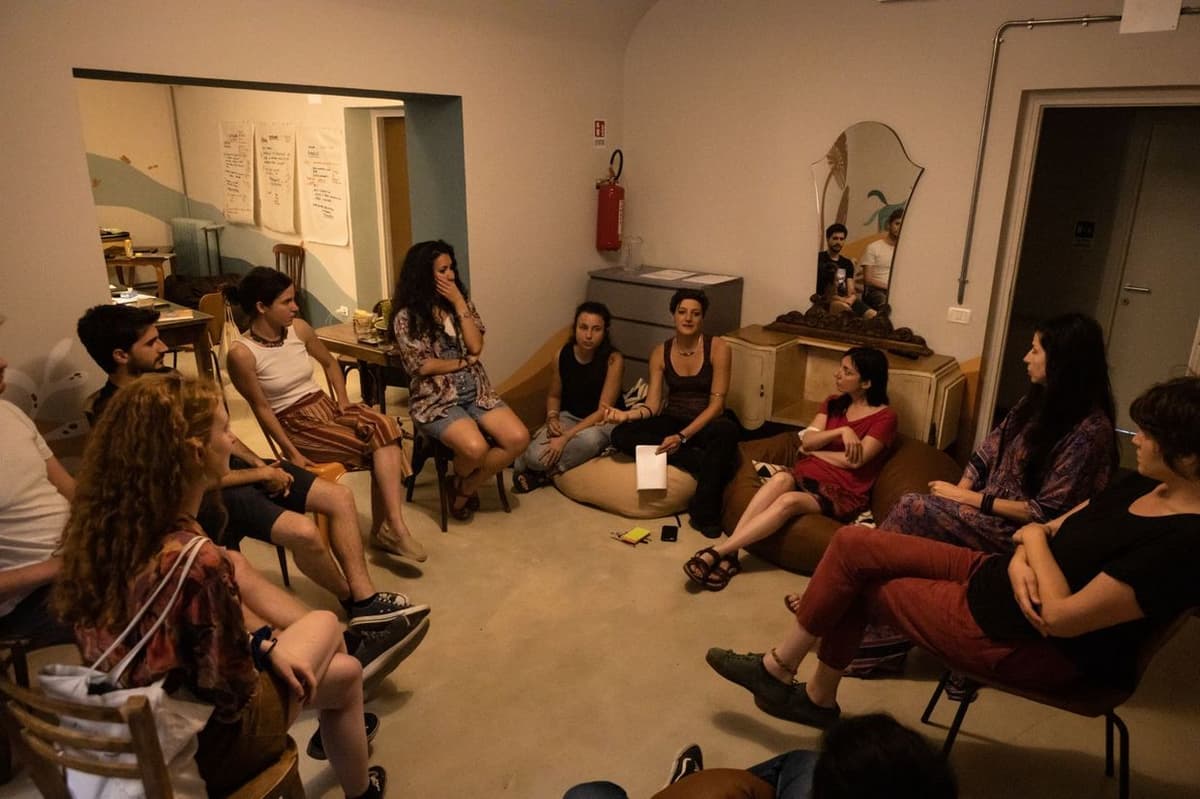
How the FADA Collective Is Pushing Back Against Italy’s Broken Freelance Media Model
The FADA collective, founded in 2019 by Italian freelance journalists, is building a solidarity‑based network to counter the country’s broken freelance media model. With more than 100 members, the group runs a Slack‑driven platform, monthly skill‑share sessions, and a shared...