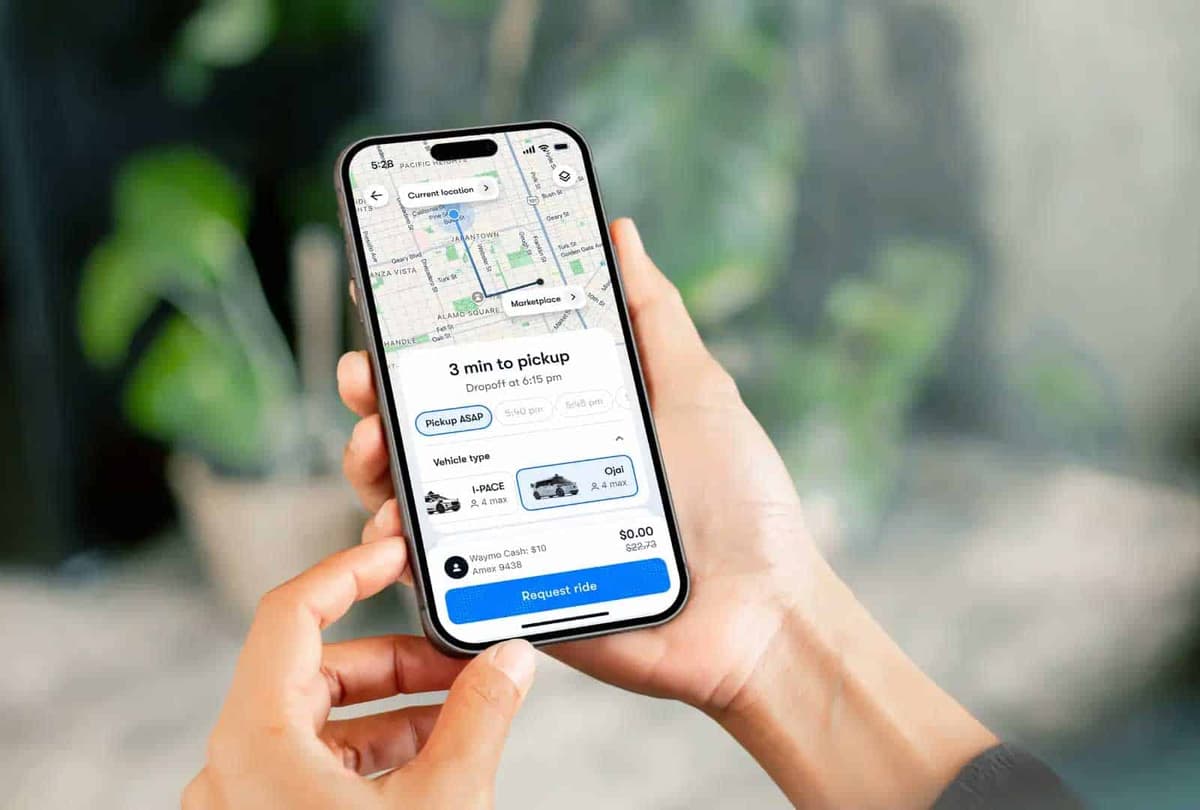
Is Waymo’s Lead Becoming Insurmountable?
Waymo is accelerating its robotaxi rollout by converting Chinese‑made Zeekr vehicles into the Ojai model for deployment in California and Arizona, targeting blue and purple states. Magna’s partnership now yields roughly 250 vehicles per month, putting Waymo on track to field 6,000 autonomous cars by year‑end, with the potential to add over 1,000 new units monthly once sensor costs fall. Texas introduced an Automated Motor Vehicle Lookup, giving the public real‑time data on AV fleet sizes and complaints. The episode also highlighted Wayve Labs’ launch and contrasted Zoox’s regulatory treatment.
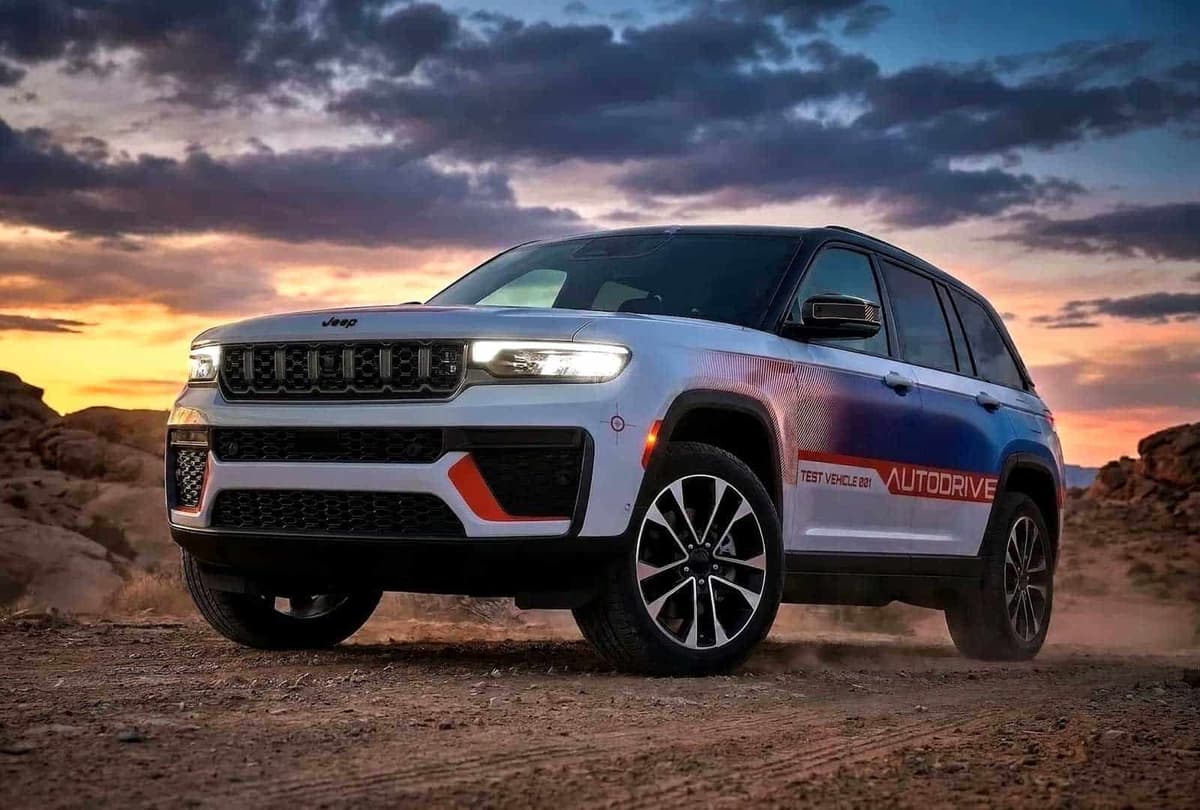
The Great Pivot to L2++
The bipartisan BUILD America 250 Act was introduced to establish the first unified federal framework for autonomous trucks, replacing a patchwork of state rules. Tesla’s Full Self‑Driving (FSD) subscriptions jumped 44% quarter‑over‑quarter, now generating roughly $47 million a month and a...
Waymo’s Lead and Autonomous Trucking’s Inflection Point
Waymo continues to hold the undisputed global lead in autonomous driving, despite a disruptive week that saw the company pause rides in several U.S. cities and temporarily close highway access. The pause reflects a safety‑first stance but does not alter...
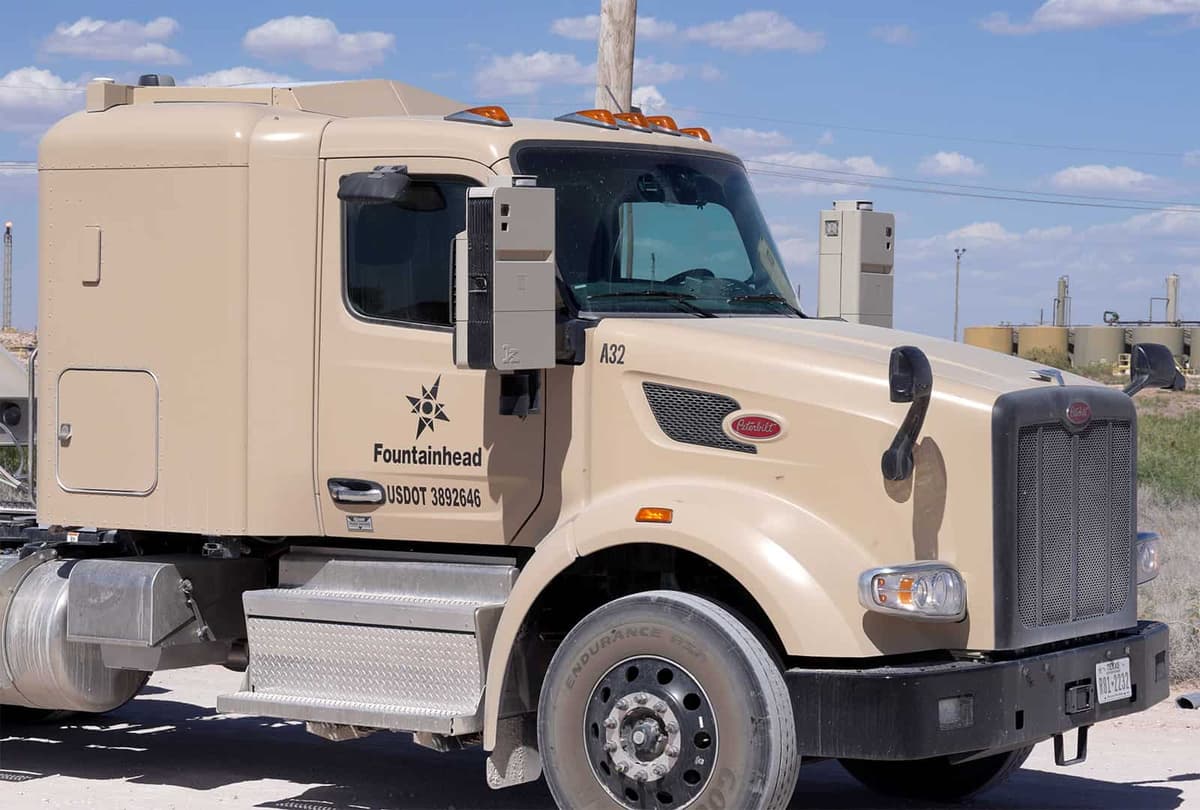
Inside Kodiak’s Autonomous Trucking Operation in the Permian Basin Field Report
Kodiak is running its Driver‑as‑a‑Service platform for Atlas Energy Solutions in the Permian Basin, where Atlas owns the autonomous Class 8 trucks and pays for the service. By the end of Q1 2026 the fleet grew to 28 driverless trucks, logging over...
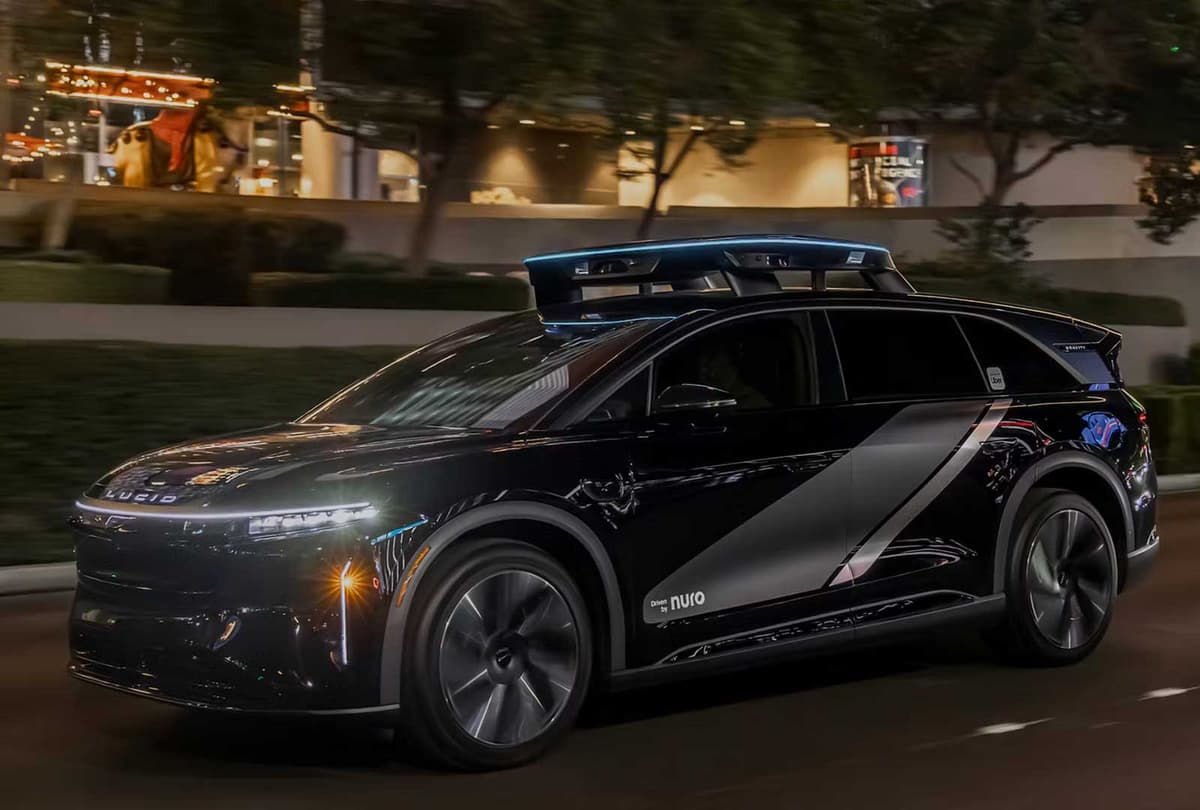
Forget the Waymo/Uber News, Focus on the Nuro and WeRide Partnerships
Waymo announced a 1,400‑square‑mile expansion into 11 U.S. cities ahead of the World Cup, while Uber’s public campaign against Waymo intensifies as their partnership unravels. The discussion on Autonomy Markets shifts focus to Uber’s remaining allies, highlighting Nuro’s new engineering...
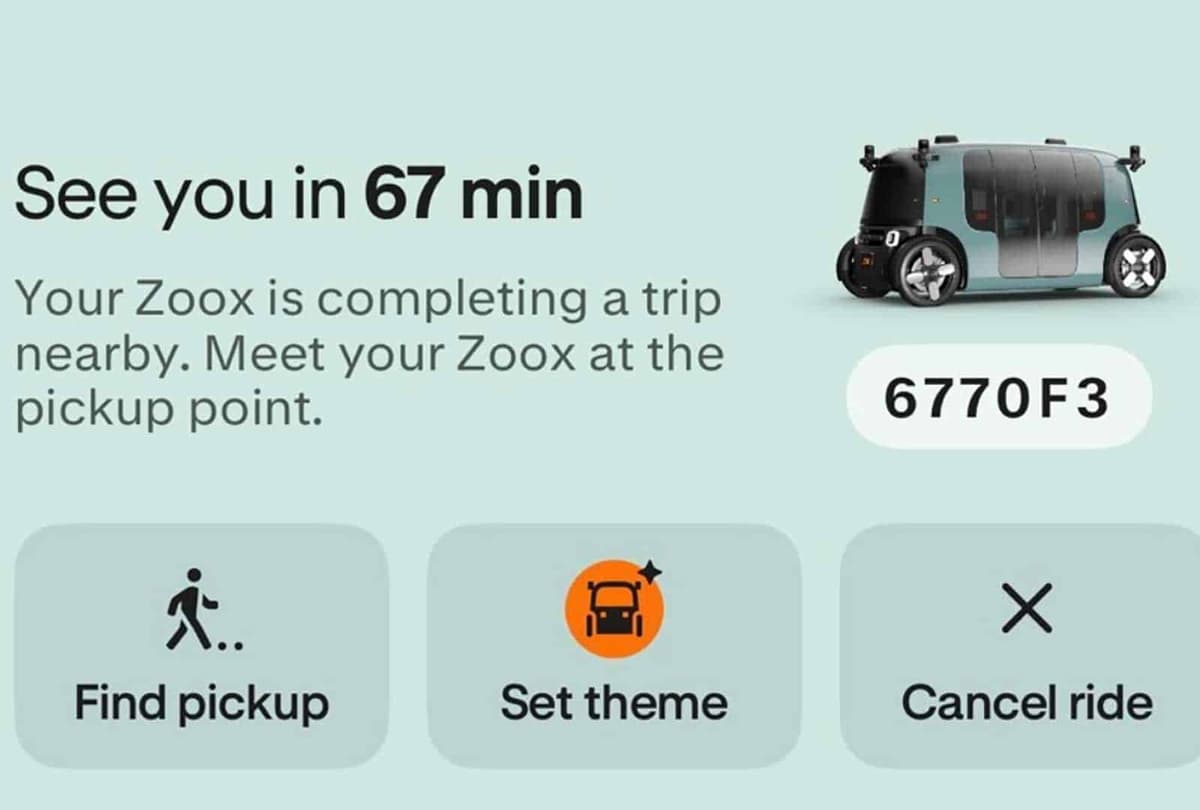
We Rode Zoox and Motional in Las Vegas. One Is Ready to Scale, One Is Not. Field Report
A field report from Las Vegas shows Zoox’s robotaxi service suffers from prohibitive wait times—averaging 48‑67 minutes—making it commercially unviable. In contrast, Motional runs a fleet of over 100 Hyundai‑based vehicles and is already conducting driver‑out testing, delivering smoother rides with...
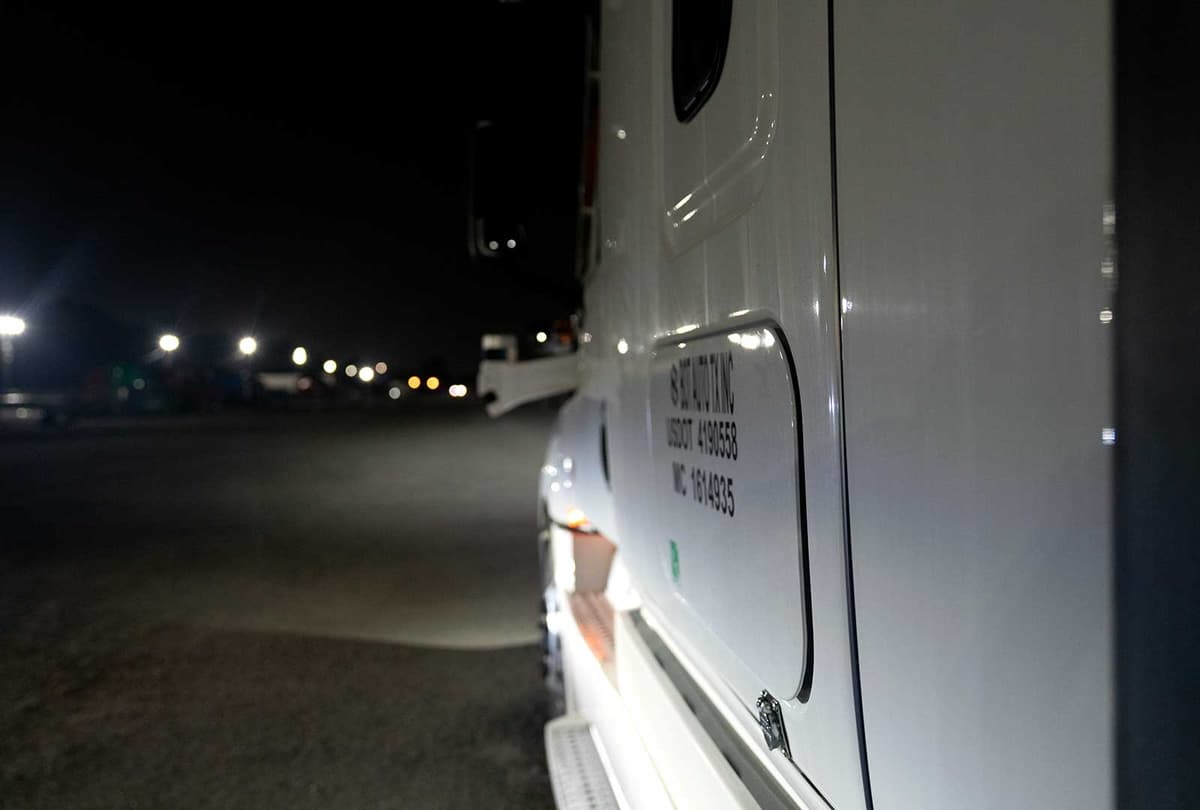
Inside Bot Auto’s Fully Autonomous Commercial Launch Field Report
Bot Auto launched a fully autonomous, revenue‑generating freight run on April 29, 2026, covering 231 miles from northeast Houston to Hutchins, Texas. The truck operated without a driver, safety attendant, or remote operator, making it the first carrier to earn...
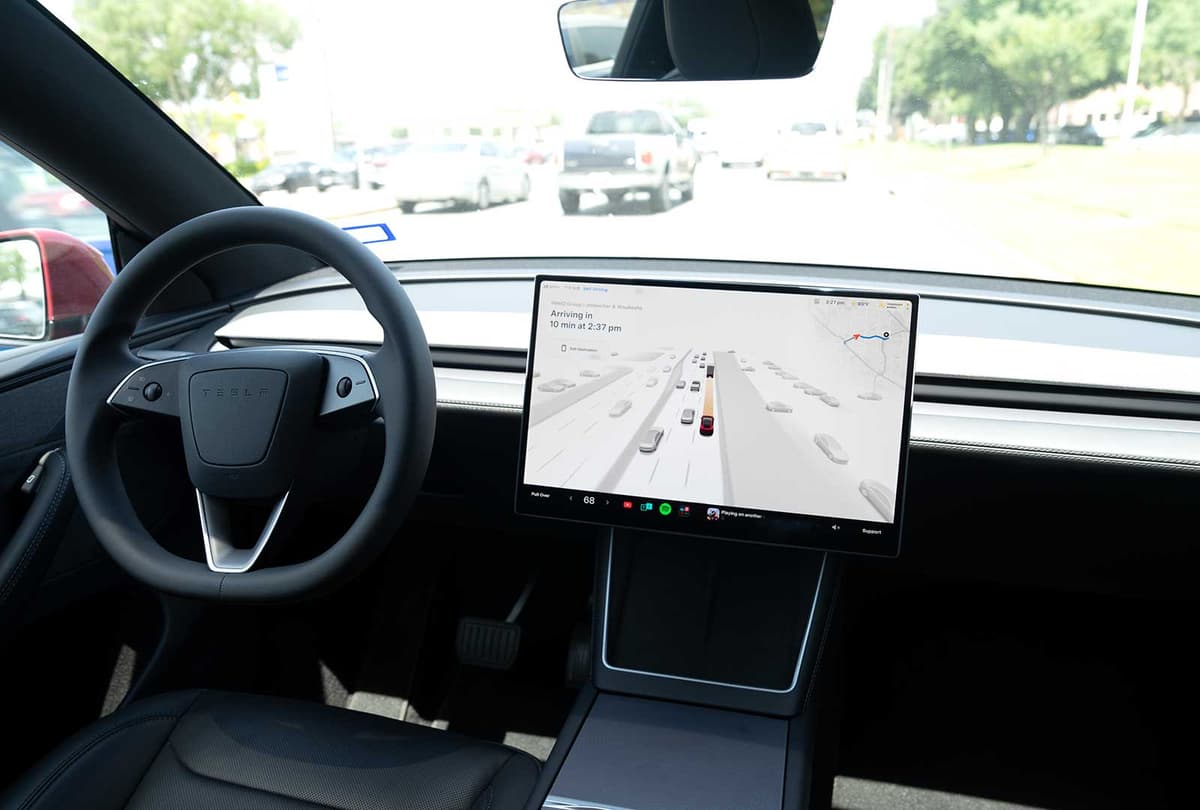
Supervised Is Not Autonomous, Autonomous Is Not Supervised
The UK’s May 7 local elections have shifted the political climate toward protectionism, putting Uber and Lyft’s planned deployment of Chinese‑made Baidu RT6 robotaxis in London at risk. Both firms have already shipped the RT6 units for mapping, but rising...
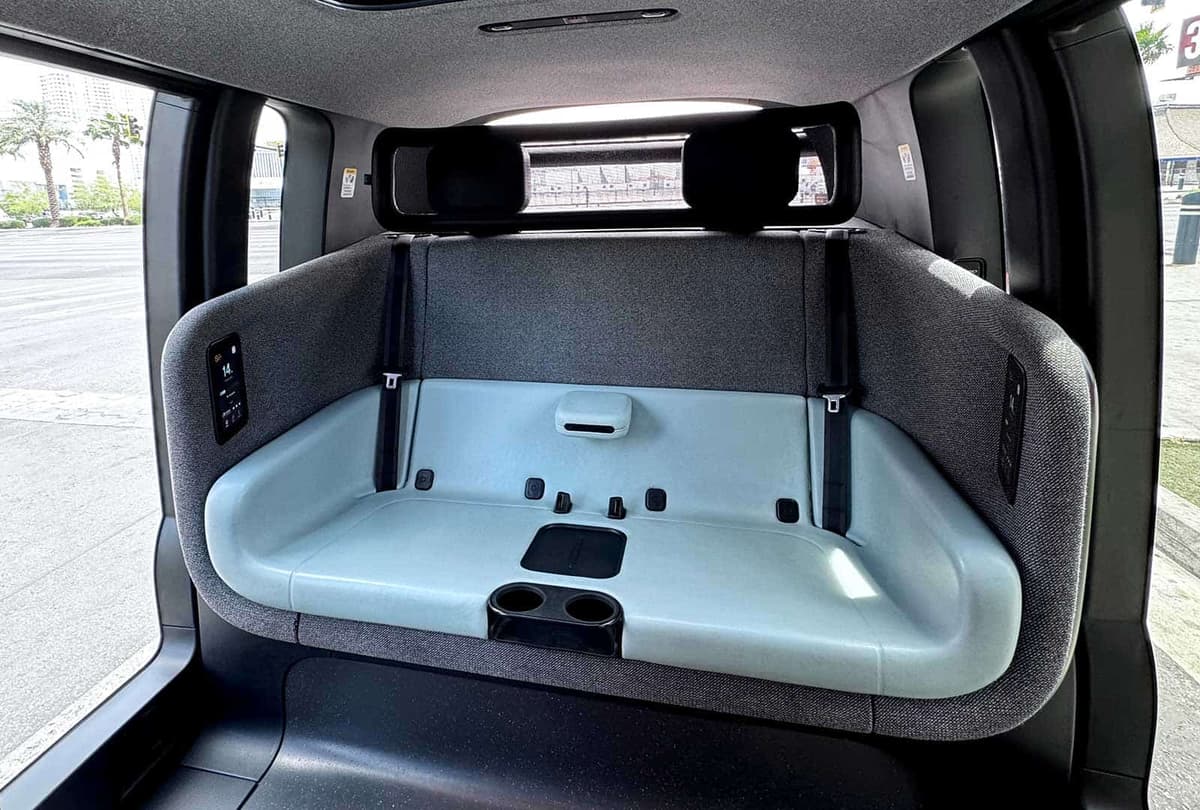
Vegas Field Report and Autonomous Trucking Earnings
Grayson Brulte’s Las Vegas field trip highlighted stark contrasts between robotaxi providers: a 67‑minute wait for a Zoox ride versus a sub‑five‑minute pairing with a Motional vehicle. At the Zoox depot he observed more Toyota Highlander test units than purpose‑built...
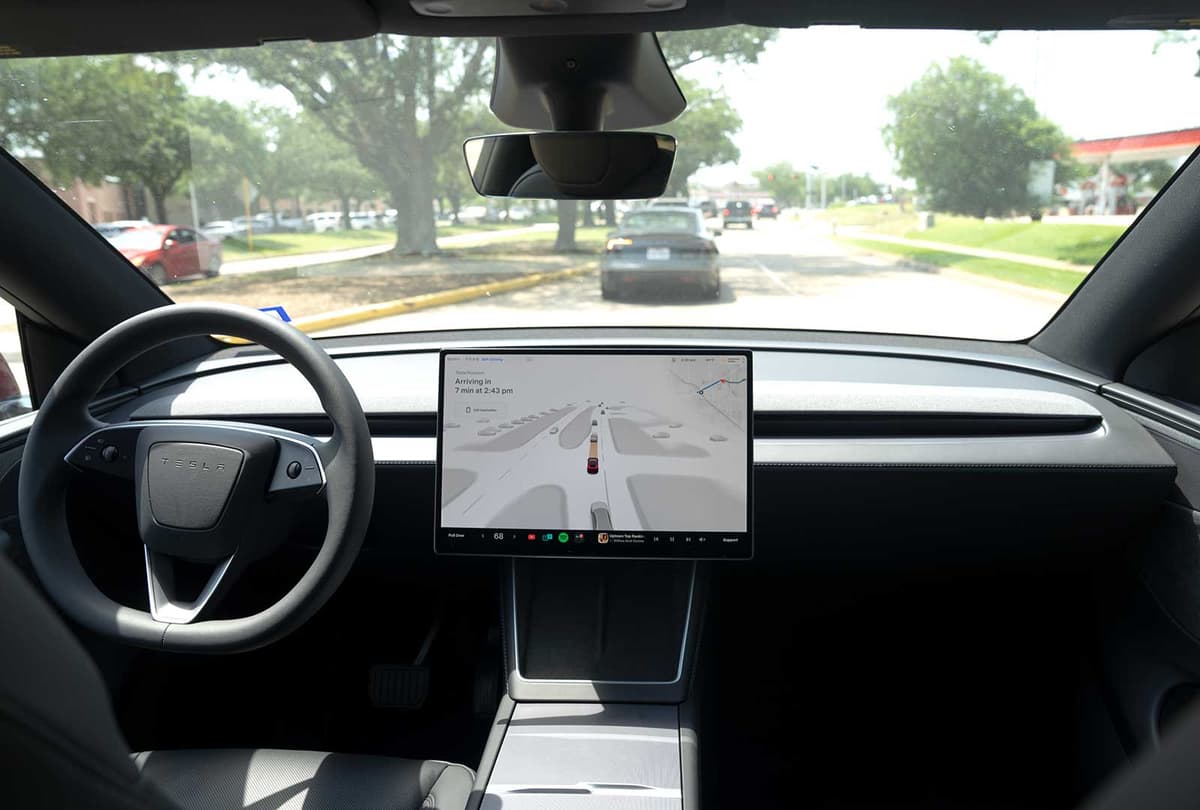
Tesla Scales Unsupervised Robotaxis, Wisk Doubles Fleet, Meta Aspires to Build the Android of Humanoids
Tesla has expanded its unsupervised robotaxi program to Dallas and Houston, bringing the fleet to over 36 vehicles across Austin, Dallas and Houston and eliminating chase cars. Wisk Aero doubled its Gen 6 eVTOL test fleet and completed the first uncrewed...
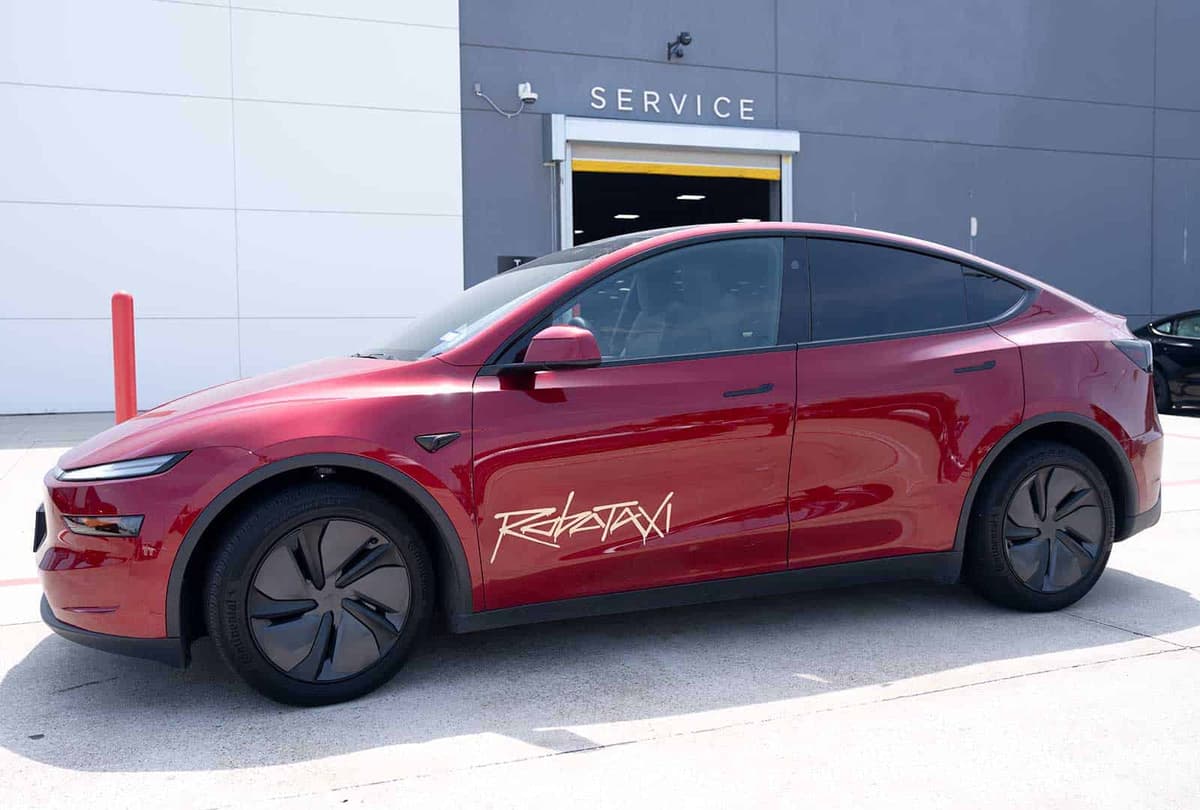
Tesla Unsupervised Robotaxi Houston Field Report
Tesla’s unsupervised robotaxi pilot in Houston revealed distinct operational traits compared with Austin. Keeping the Tesla app open dramatically increases the chance of being matched, while the vehicle adopts a more aggressive, “Houstonian” driving style. A navigation bug caused the...
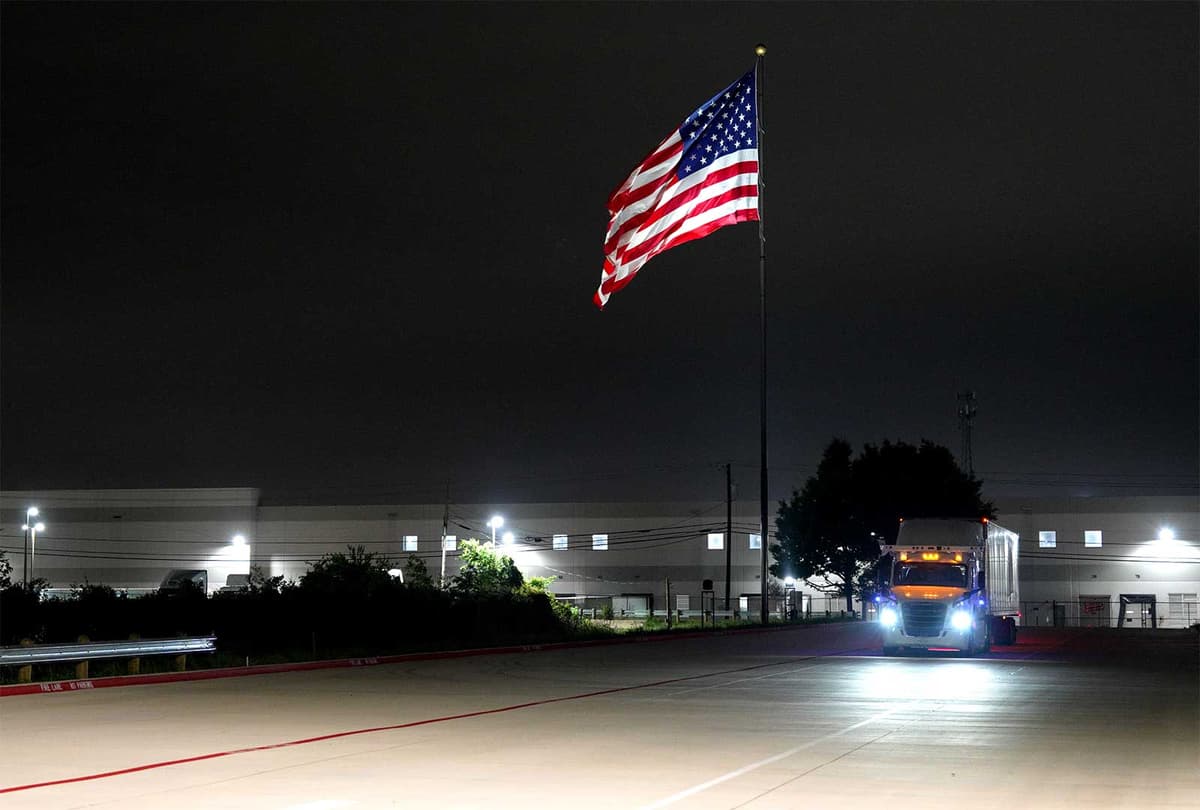
Big Week for U.S. Autonomous Trucks, While China Shuts Down Autonomy
Bot Auto successfully completed a 231‑mile fully driverless commercial haul between Houston and Dallas, marking the first paid run without a safety driver or observer. Aurora announced a non‑binding MOU for up to 500 trucks with carrier Hirschbach, covering roughly...
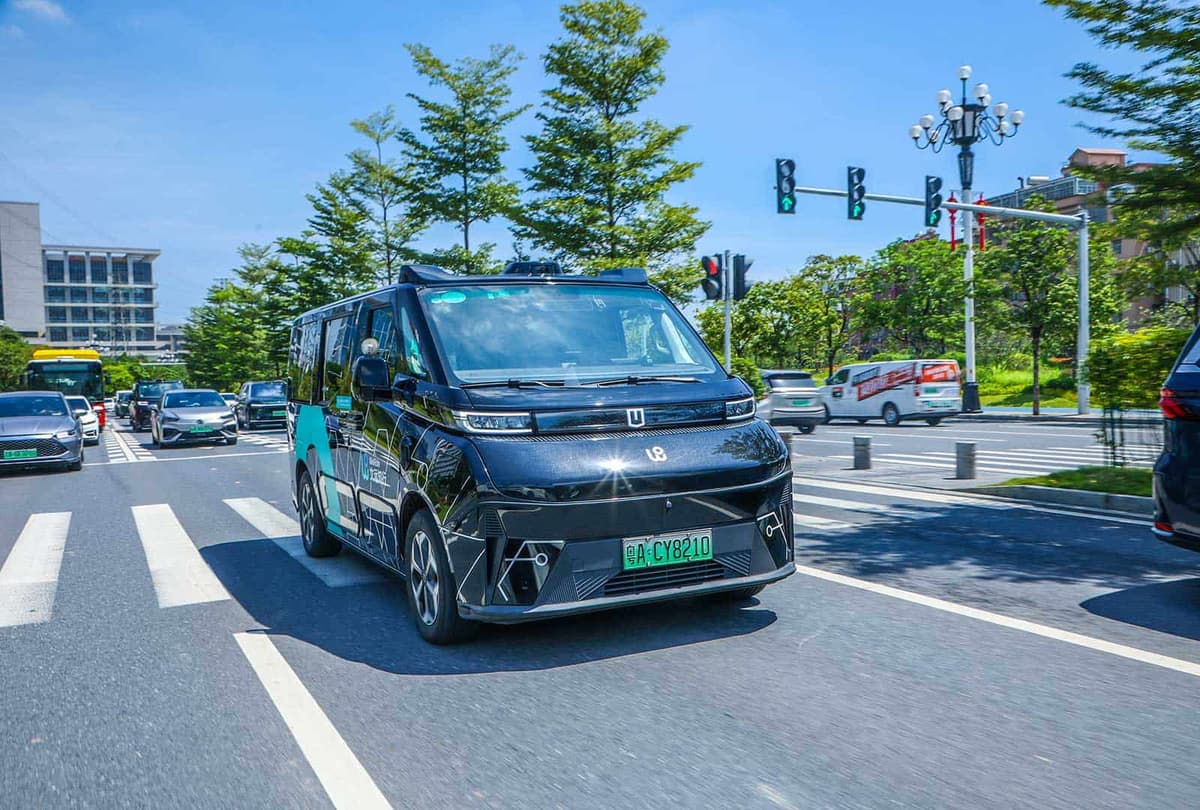
WeRide and Lenovo, Pronto Does a Deal, Bot Auto Goes Driver Out
WeRide and Lenovo announced a five‑year, non‑binding partnership to accelerate autonomous vehicle deployments, targeting 200,000 AVs—200 times its current fleet of 1,023—using Lenovo’s HPC 3.0 compute platform. The OMEGA algorithm estimates the fleet’s ownership cost between $10 billion and $20 billion, though no...

Capital Is King: How Wall Street Is Funding the Autonomy Economy
Wall Street is re‑investing billions into the emerging autonomy economy as the Physical AI tailwind redirects capital from pure software to hardware that interacts with the real world. Investors are favoring dual‑use startups that can monetize defense, mining or other...
Capital Is King: How Wall Street Is Funding the Autonomy Economy
In a recent Road to Autonomy podcast, TD Cowen’s technology investment banking director Taylor Brownstein explained how Wall Street is channeling capital into the autonomy economy. After a 2021‑2023 hype cycle, autonomous vehicle and truck markets are rebounding thanks to genuine...