
‘Slightly Unhinged’ Federal Autism Meeting Portends Unclear Research Priorities
Scientists criticized the April 28 Interagency Autism Coordinating Committee (IACC) meeting for sidestepping its legal mandate to develop a strategic autism‑research plan. Instead, the panel pushed three policy proposals on profound autism, medical comorbidities, and wandering, which critics say may breach the Autism CARES Act. Advocates noted the absence of a research roadmap, limited public input, and promotion of low‑evidence interventions such as facilitated communication and microbiome studies. The procedural lapses could trigger a funding gap for federal autism research.
Ehud Ahissar Offers a New Kind of Dualism for Neuroscience
Professor Ehud Ahissar of the Weizmann Institute proposes a "perceptual dualism" that splits human experience into two distinct processing streams. He argues that communication occurs via a non‑physical, digital symbolic layer, while perception of the external world relies on a...
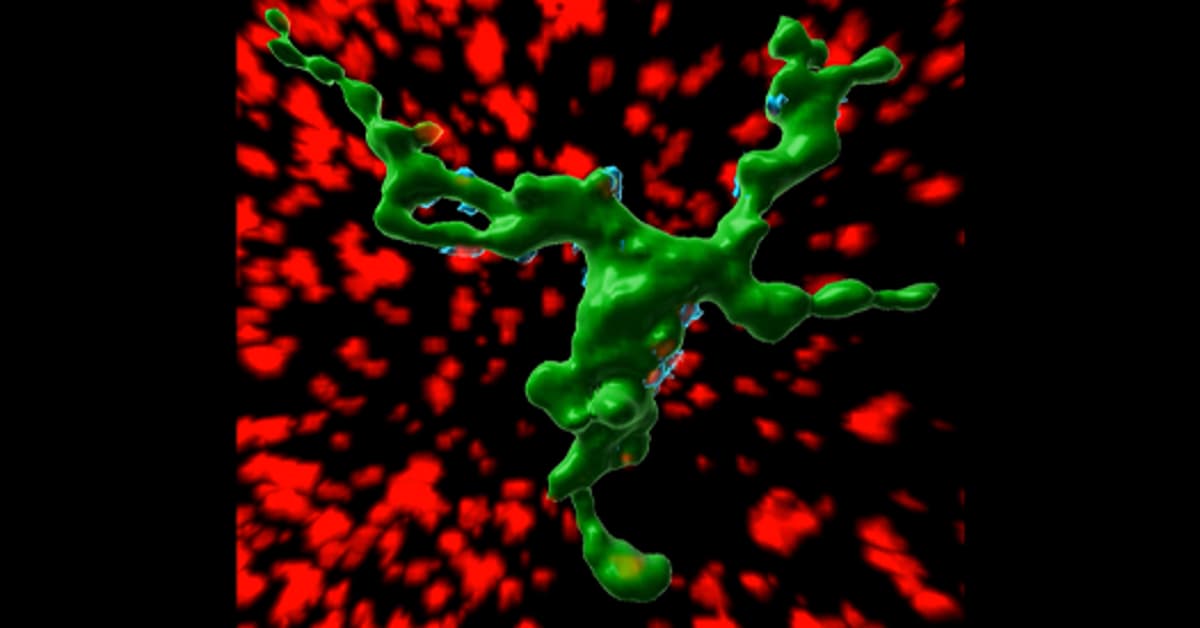
Microglia in Hypothalamus Help Kick-Start Puberty
Researchers have identified microglia in the hypothalamus as key regulators of the hypothalamic‑pituitary‑gonadal axis. The study, published in Science, shows that microglial expression of the protein RANK modulates GnRH neuron activity, and that loss of RANK reduces sex‑hormone levels and...
Advances in Genetic Medicine Took Center Stage at INSAR
At INSAR in Prague, researchers highlighted a surge of genetic‑medicine breakthroughs aimed at autism, focusing on rare variants such as SCN2A, SHANK3 and UBE3A. Techniques ranging from CRISPR gene editing to antisense oligonucleotides and epigenome editing demonstrated tangible symptom improvements,...

Processing Facial Emotions, and More
A new preprint demonstrates that generative modeling of magneto‑ and electroencephalogram recordings can decompose facial emotion processing into six distinct neural modes, including visual, sensorimotor and temporal pathways. The study sampled 5‑ to 40‑year‑old neurotypical participants, mapping how these networks...
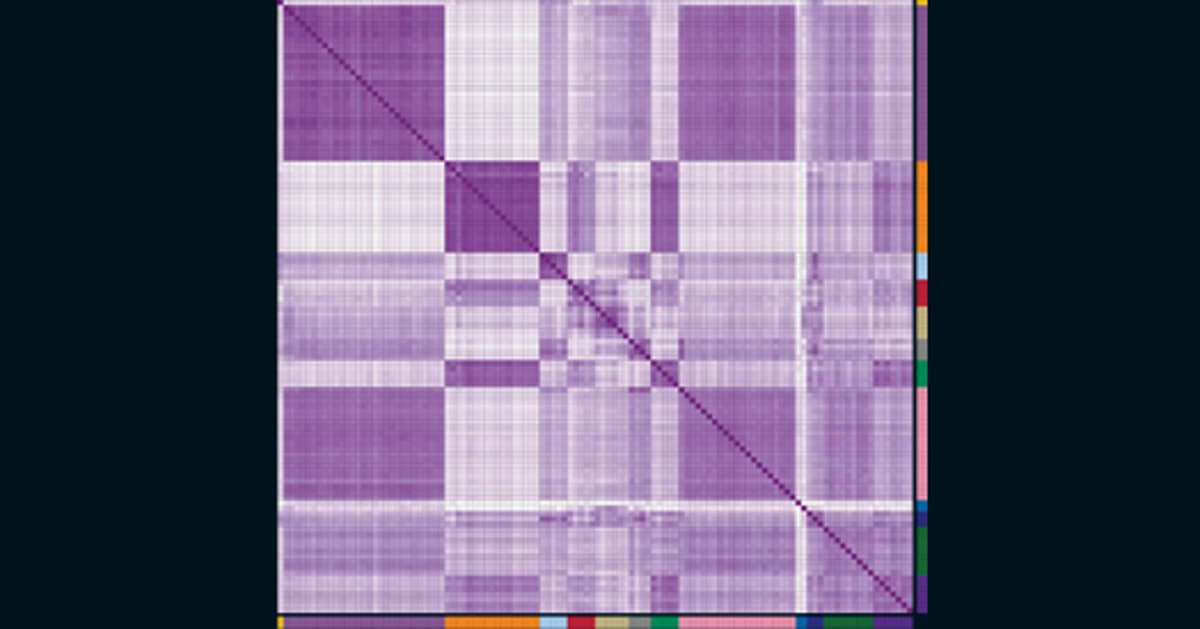
Gene Activity in Human Cortex Shows Striking Sex Differences
A single‑cell transcriptomics study of 30 post‑mortem human cortices identified more than 3,000 genes with sex‑biased expression, including 133 genes that consistently differ across six cortical regions. Most of these sex‑biased genes are autosomal, suggesting mechanisms beyond chromosome dosage. The...

Why Expertise Won’t Protect You From AI’s Influence
A growing body of research shows that expertise does not protect professionals from AI’s subtle influence on their thinking. Studies across law, medicine, real‑estate and other fields reveal that experts can be anchored by AI suggestions, experience reduced sensitivity, and...
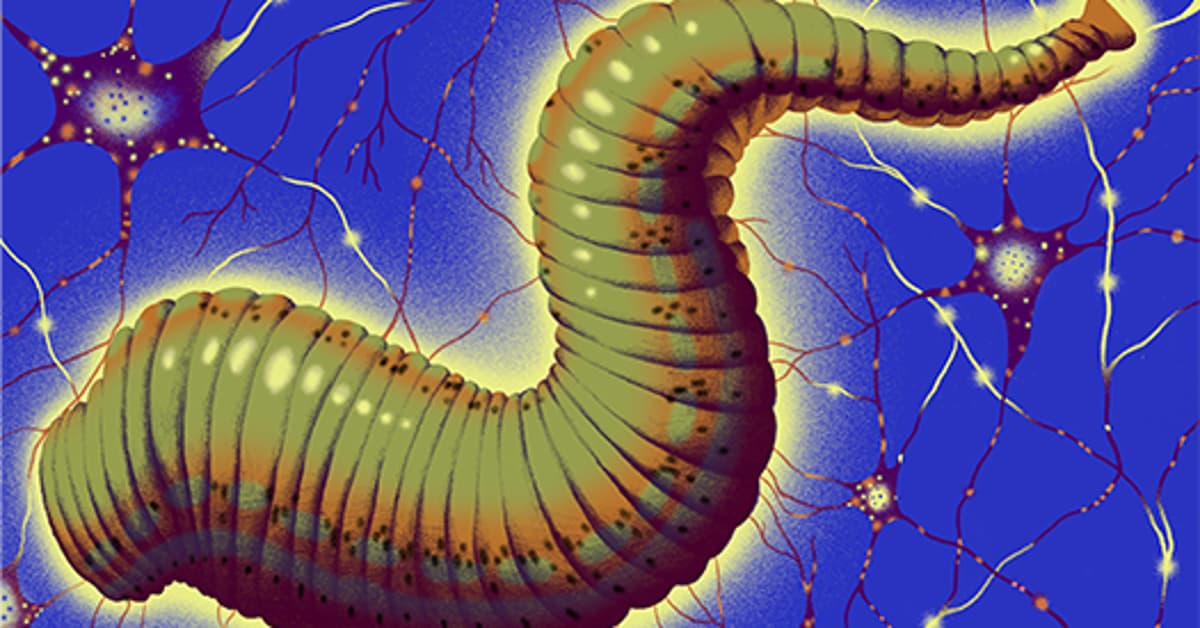
What Leeches Reveal About Movement
Professor Lidia Szczupak, after a failed toad‑muscle project, turned to the medicinal leech Hirudo verbana as a new model for locomotion research. Leeches possess 21 identical mid‑body ganglia with large, accessible neurons, allowing researchers to study motor patterns at the...

Novel Assembloid Illuminates Serotonin Changes Linked to 22q11.2 Deletion
Researchers have built the first neuromodulatory assembloid that fuses a serotonin‑producing midbrain‑hindbrain organoid with a cortical organoid, enabling direct observation of endogenous serotonin signaling. The fused system exhibits heightened network synchronization, a hallmark of serotonin’s maturational role, and reveals a...

Reporter’s Notebook: Highlights From INSAR 2026
The 25th International Society for Autism Research (INSAR) meeting in Prague drew over 2,200 participants and received 2,536 abstract submissions from 67 countries. Researchers presented advances in autism subtyping using MRI‑transcriptomics, large‑scale genetics linking early motor milestones to neurodevelopmental outcomes,...

New Study Questions Role of Persistent Gene Activity in Memory Maintenance
A new eNeuro study examined the sea slug Aplysia californica to test whether ongoing transcription is required for long‑term memory maintenance. Researchers found that after a sensitized withdrawal response faded, most gene expression returned to baseline, with only seven transcripts...
Tracking Health in Autistic Adults, and More
Two recent peer‑reviewed studies reveal that autistic adults experience markedly higher rates of type 2 diabetes, hypertension, obesity and inflammatory bowel disease, and that mortality is significantly greater for individuals diagnosed with autism in childhood compared with matched non‑autistic peers. The...
Can AI Do Neuroscience without Understanding?
Artificial intelligence is increasingly able to predict complex biological and physical phenomena without offering human‑readable explanations. AlphaFold’s protein‑structure predictions and transformer models of neural recordings illustrate this split between prediction and understanding. Researchers are launching a mechanistic interpretability movement to...

What Trump’s Psychedelics Executive Order Means for Basic Neuroscience
President Donald Trump issued an executive order to accelerate clinical research on psychedelic drugs, allocating at least $50 million for state‑run programs and directing the FDA to speed up drug reviews. The order also tasks the attorney general with reviewing the...

Switching Neural Code May Solve Ongoing Face-Recognition Debate
Neuroscientists recorded face‑patch neurons in macaques and discovered that these cells initially respond to broad visual features before rapidly switching—within roughly 100 ms—to a face‑specific code that encodes detailed attributes such as inter‑eye distance and hair color. This dynamic tuning transition,...
Liset De La Prida Explains How Neuron Subtypes May Control the Activity of Large Neural Populations, From Manifolds to Ripples
In a recent "Brain Inspired" interview, Liset de la Prida, director of the Centro de Neurociencias Cajal, revealed that distinct neuron subtypes in the hippocampus govern the formation and dynamics of neural manifolds and sharp‑wave ripples. Her work shows that...

At 25, INSAR Needs to Bring Autism Scientists Together More than Ever
The International Society for Autism Research (INSAR) marks its 25th anniversary with a meeting in Prague that draws more than 2,200 participants from 50 countries. Since its first 200‑person gathering in 2001, INSAR has become the premier global forum for...

To Understand Decision-Making, We Need to Truly Challenge Lab Animals
Neuroscientists are urging a shift from simple reward‑based tasks to richer, multi‑dimensional decision‑making paradigms for animal studies. While technologies like Neuropixels and optical imaging can record thousands of neurons, trivial tasks produce brief, ambiguous neural windows that mask the computations...

‘Overdue’ Debate Unfurls over Neuroimaging Method
A recent Nature Neuroscience paper criticized lesion network mapping (LNM), claiming it yields biased, overlapping networks across disorders. Harvard’s Shan Siddiqi and Michael Fox responded by re‑analyzing their data with additional statistical controls, posting a bioRxiv preprint that defended LNM’s...
What Neuroscientists Want From a New NINDS Director
NIH is seeking a new director for NINDS, with applications due April 27. The institute manages a $2.8 billion FY2026 budget and oversees roughly 1,300 staff, the Brain Initiative, and the NIH Blueprint for Neuroscience Research. Neuroscientists urge the incoming leader to...

Arousal Neurons’ Activity Explains Brain’s Blood Flow Dynamics in Mice
Researchers using Neuropixels recordings and functional ultrasound in mice identified two distinct neuronal populations—arousal‑plus and arousal‑minus—that drive blood volume changes during arousal states. These groups predict neurovascular coupling far more accurately than traditional bulk firing rates across wakefulness, sleep, and...

Autism-Linked Genes Alter Sleep Behavior, and More
Two recent Drosophila studies demonstrate that autism‑linked gene variants directly disrupt sleep. Flies carrying FOXP mutations exhibit severely fragmented and reduced sleep along with circadian rhythm disturbances. Separate work on NLGN3 variants shows altered sleep patterns, driven by either synaptic...
Why Neural Foundation Models Work, and What They Might—And Might Not—Teach Us About the Brain
Neural foundation models, akin to AI chatbots, are trained on massive neural datasets to predict activity, motor output, and sensory responses. Recent neuroscience shows that brain function is organized in collective activity patterns that are consistent across neurons, tasks, and...

Error Equation Predicts Brain’s Ability to Generalize
The study published in Nature Neuroscience proposes a single error equation that links the geometry of neural population activity to the brain’s capacity to generalize across tasks. By extracting four geometric metrics—task‑related correlation, dimensionality, signal‑to‑noise factorization and signal‑signal factorization—the authors...

Embrace Complexity to Improve the Translatability of Basic Neuroscience
Basic neuroscience researchers are urged to view heterogeneity as a feature, not a flaw, to boost translational relevance. The article outlines three practical steps—recognizing model limits, measuring variability, and probing mechanisms across scales—to embed complexity into experimental design. It highlights...
Romain Brette Reveals Fundamental Flaws in Commonly Assumed Neuroscience Concepts
Romain Brette, research director at the Institute of Intelligent Systems and Robotics, discusses fundamental flaws in the dominant neuroscience concepts of coding, information, representation, computation and prediction. In a recent "Brain Inspired" podcast, he argues these computer‑science metaphors cannot fully...
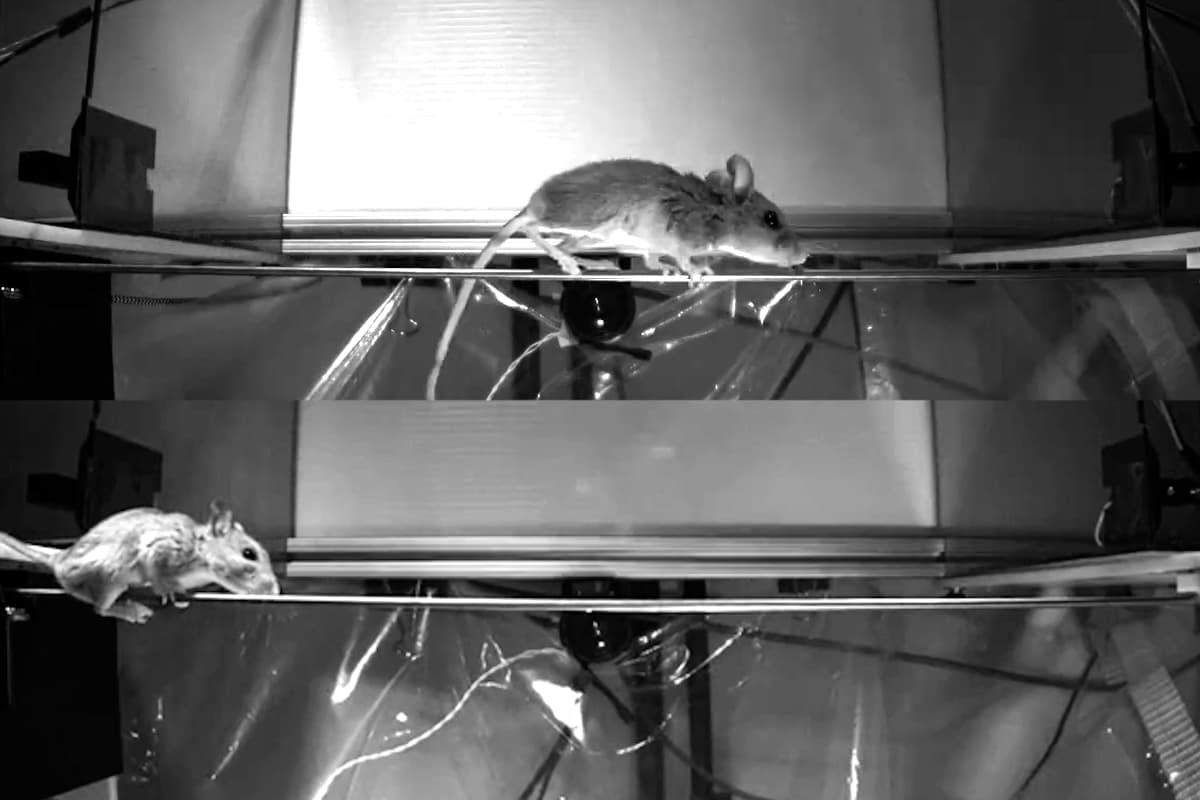
Arboreal Deer Mice Reveal Neural Roots of Dexterity
Researchers discovered that forest-dwelling deer mice possess twice as many corticospinal tract axons in the cervical spinal cord as their prairie counterparts, a difference linked to enhanced manual dexterity. Using selective staining, light‑sheet microscopy and behavioral training, the team showed...

‘The Brain, In Theory,’ an Excerpt
The excerpt argues that the brain cannot be considered a programmable computer because neither evolution nor synaptic plasticity provides arbitrary, user‑directed modifications of neural parameters. Evolution shapes brain structure indirectly through genetic constraints, not by encoding specific synaptic weights. Likewise,...
Single-Gene Systems-Level Effects, and More
A new preprint shows that SYNGAP1 haploinsufficiency in whole‑cortex mice creates two opposing cortical activity patterns, while disruption limited to excitatory neurons yields a single change. This dual effect points to systems‑level circuit maturation disruptions as a source of SYNGAP1‑related...
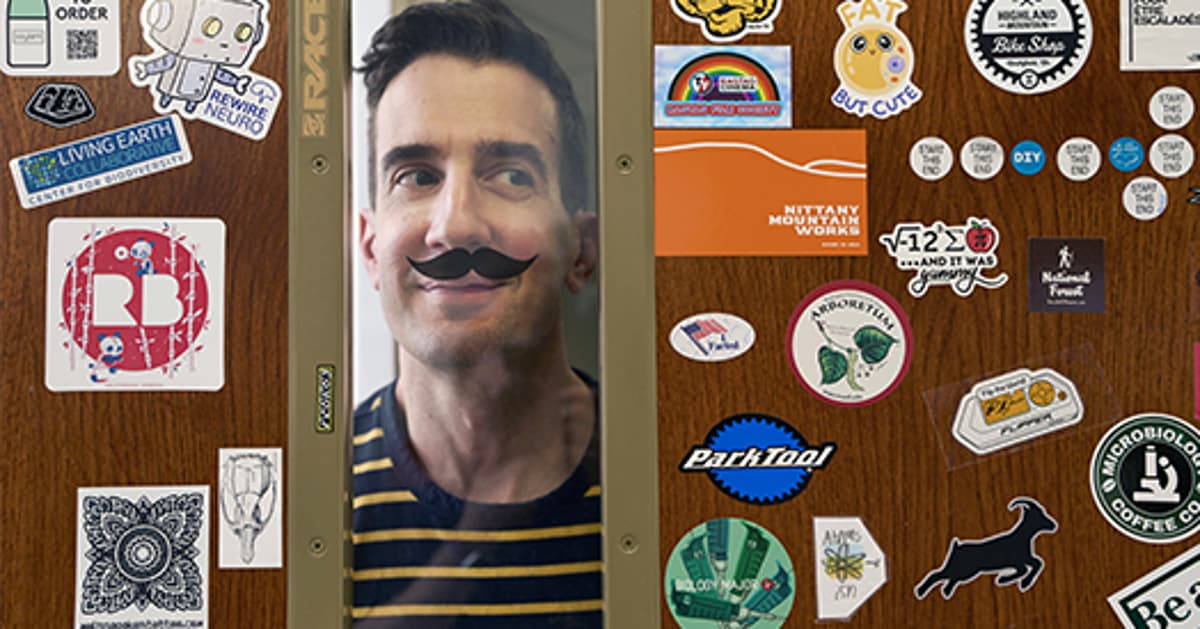
Computational Neuroscientist Keith Hengen Explains His Work Through Illustrations
Computational neuroscientist Keith Hengen, an associate professor at Washington University in St. Louis, has turned to hand‑crafted illustrations to make his research on neuronal networks more accessible. Using Adobe Illustrator and AI‑generated textures, he creates comic‑style visuals that precede the...
What a Bird’s-Eye View of Half a Million Papers Reveals About Neuroscience
Researchers led by Mario Senden used AI‑driven text embeddings to analyze nearly half a million neuroscience abstracts from 1999‑2023, revealing 175 distinct research clusters. The analysis shows strong integration, with hubs such as resting‑state fMRI dynamics and hippocampal plasticity linking...
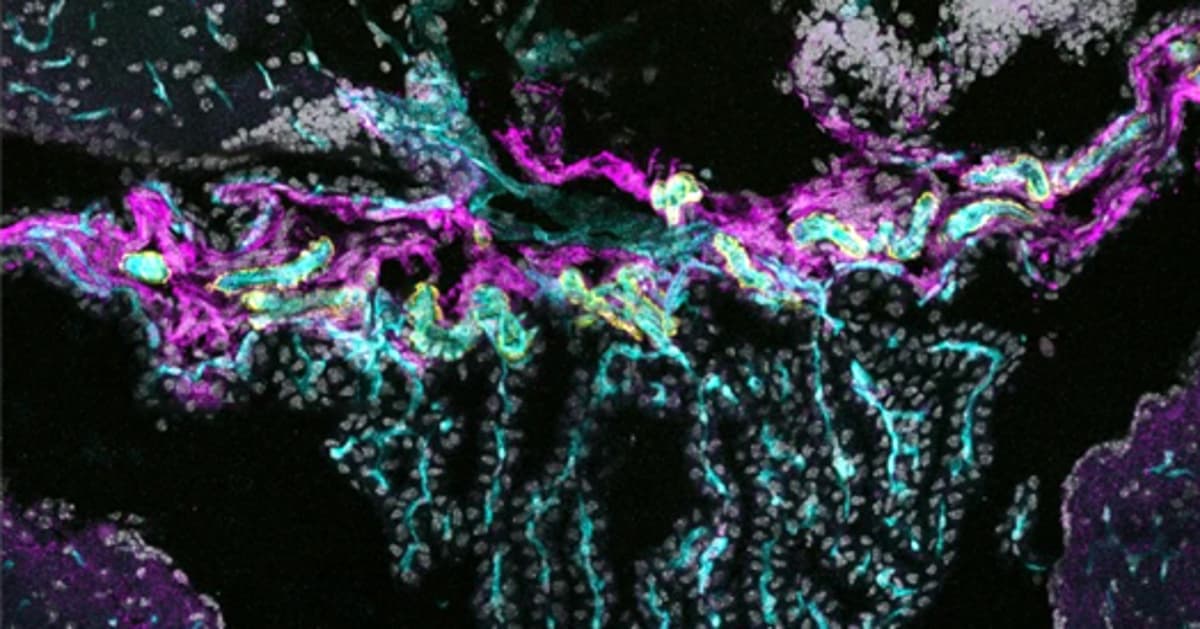
Newly Identified Barrier Cells Seal Off Choroid Plexus From CSF, Rest of Brain
Researchers have identified a previously unknown population of fibroblasts that create a tight‑junction barrier at the base of the choroid plexus, sealing it off from cerebrospinal fluid and the rest of the brain. The barrier, observed in both mouse models...

‘Digital Sphinx’ Raises Questions About Connectome Models
A preprint from Bing Wen Brunton's team demonstrates that a neural network built on the nematode *C. elegans* connectome can control a simulated fruit‑fly body, a system they dub the “digital sphinx.” The model learns to walk via deep reinforcement...

Taking a Closer Look at Astrocytes and Autism
Astrocytes, the brain's most abundant glial cells, are emerging as central players in autism research. Recent mouse studies reveal they encode emotional states, amplify oxytocin signaling, and stabilize adult neural circuits through protein secretion. Astrocyte networks span large brain regions,...

Neuro’s Ark: Sounding Out the Evolution of Hearing with Geckos
Catherine Carr’s team showed that tokay geckos sense low‑frequency vibrations (50‑200 Hz) through the saccule, a fluid‑filled inner‑ear organ traditionally linked to aquatic hearing. The saccular signals are routed via the vestibularis ovalis to higher‑order auditory brain regions, creating a parallel...
Cortical Evolution, ZBTB18, and More
A new study reveals that the transcription factor ZBTB18 governs the molecular diversity and connectivity of excitatory projection neurons in the mammalian cortex. Deleting ZBTB18 in mice reduces neuronal heterogeneity and produces wiring patterns reminiscent of primitive, non‑mammalian brains. The...

Letter Asks Congress for Nearly $500 Million to Sustain BRAIN Initiative
A coalition of 150 neuroscience organizations sent a letter to Congress requesting $468 million for the NIH BRAIN Initiative for the upcoming fiscal year, matching the 2022 funding level and averting a budget shortfall as the 21st Century Cures Act funding...

Juan Gallego Discusses How Manifolds Are Transforming Our Understanding of the Coordination of Neuronal Population Activity
Juan Gallego, principal investigator at the Be.Neural Lab, discussed how neural manifolds are reshaping our understanding of coordinated activity across large neuronal populations. He highlighted evidence that population firing patterns collapse onto low‑dimensional manifolds, especially in motor control and learning...

Astrocytes in Mouse Amygdala Encode Emotional State
A new Neuron study shows that astrocytes in the mouse basolateral amygdala, not neurons, encode anxiety‑like states. Calcium imaging revealed astrocytic activity spikes during exposure to open, threatening environments and closely mirrors freezing and hesitancy. A machine‑learning model using astrocyte...

Data Duplications Flagged in Highly Cited Gut-Brain Studies
Two high‑profile gut‑microbiome studies—one on Parkinson’s disease published in Cell in 2016 and another on anxiety published in Nature in 2022—have been flagged for duplicated mouse‑behavior data. The duplications were uncovered by a software engineer using a repository‑scanning tool and...

David Sussillo on Persistence, Luck and the Bonds Between Life and Work
David Sussillo’s memoir recounts how a chance email linked him to Larry Abbott, whose mentorship at Columbia’s Center for Theoretical Neuroscience led to the development of FORCE learning. The method trains chaotic recurrent neural networks by harnessing their intrinsic dynamics...

Leucovorin, Long-Read Sequencing, and More
Leucovorin prescriptions for autistic children jumped 71% after a White House briefing promoted the drug, yet the FDA only approved it for cerebral folate deficiency and withdrew any autism claim. A 2024 autism trial supporting leucovorin was retracted, casting doubt...

Large-Scale Neuroimaging Datasets Often Lack Information Specific to Women’s Health, Constraining AI’s Analysis Potential
Large‑scale neuroimaging studies largely omit women‑specific health information, limiting AI’s ability to model female brain dynamics. Only about 0.5 % of neuroscience papers address women’s health, and few datasets capture menstrual, pregnancy, or menopause data. Recent precision‑imaging work and the Women’s...

Remembering Annette Dolphin, Who Helped Explain Gabapentin’s Effects
Annette Dolphin, a pioneering neuropharmacologist at UCL, died on 27 January at 74 after a five‑decade career that reshaped voltage‑gated calcium‑channel research. Her 2005 discovery that α2δ subunits control channel trafficking clarified the molecular basis of neuropathic pain and revealed...

Portfolio of SCN2A Gene Variants, and More
A new preprint maps a broad portfolio of SCN2A gene variants onto the Nav1.2 sodium channel, revealing distinct functional impacts that correspond to neurodevelopmental outcomes. Loss‑of‑function mutations linked to non‑syndromic autism reduce channel activity, while co‑expression with wild‑type proteins produces...