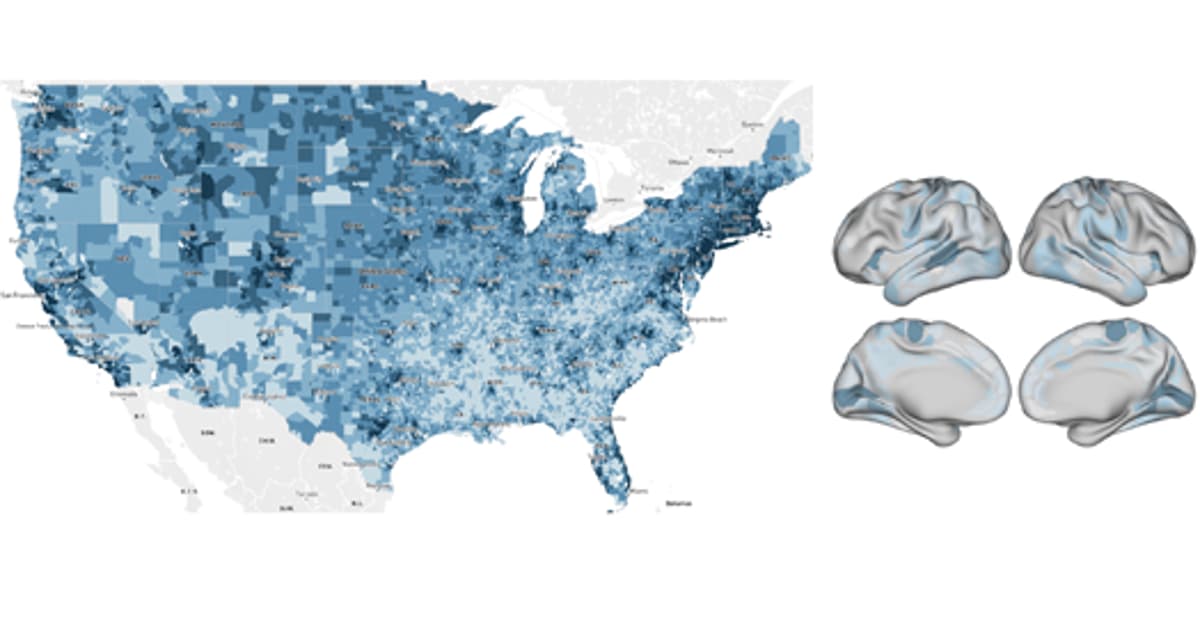
IQ’s Link to Brain Structure, Function in Children May Be a Mirage
A new study published in Science analyzed MRI scans and behavioral data from about 12,000 nine‑ to ten‑year‑olds in the ABCD cohort. It found that socioeconomic status (SES) accounts for roughly 16% of the variance in functional connectivity and 13% in cortical thickness, dwarfing the link between IQ and brain metrics. When SES is controlled, machine‑learning models lose their ability to predict IQ from brain scans, indicating that prior IQ‑brain correlations were largely driven by SES. The researchers argue that SES must be treated as a primary covariate in neuroimaging research.

Four Protein Synthesis Pioneers Win Kavli Prize in Neuroscience
Four neuroscientists—Christine Holt, Kelsey Martin, Erin Schuman and Oswald Steward—have been awarded the 2026 Kavli Prize in Neuroscience, sharing a $1 million prize. Their collective research overturned the long‑standing belief that protein synthesis occurs only in the neuronal soma, demonstrating active...

A New Atlas of Abstracts Visualizes the Field of Human Brain Mapping—Where Does Your Work Fit?
The Senseable Intelligence Group released the OHBM Abstract Atlas ahead of the 2026 Organization for Human Brain Mapping meeting in Bordeaux. The tool places every accepted abstract—over 3,000 submissions—onto a semantic map built from half‑a‑million PubMed papers spanning 1999‑2023. By...

Key Role of Interferon 1 in Maternal Immune Activation, and More
A new mouse study links maternal type I interferon (IFN‑1) to the heightened autism risk observed after maternal infection. Maternal immune activation increased IFN‑1 levels, which altered excitatory synapse function and reduced a microglial regulator in offspring. Pharmacological blockade of IFN‑1...
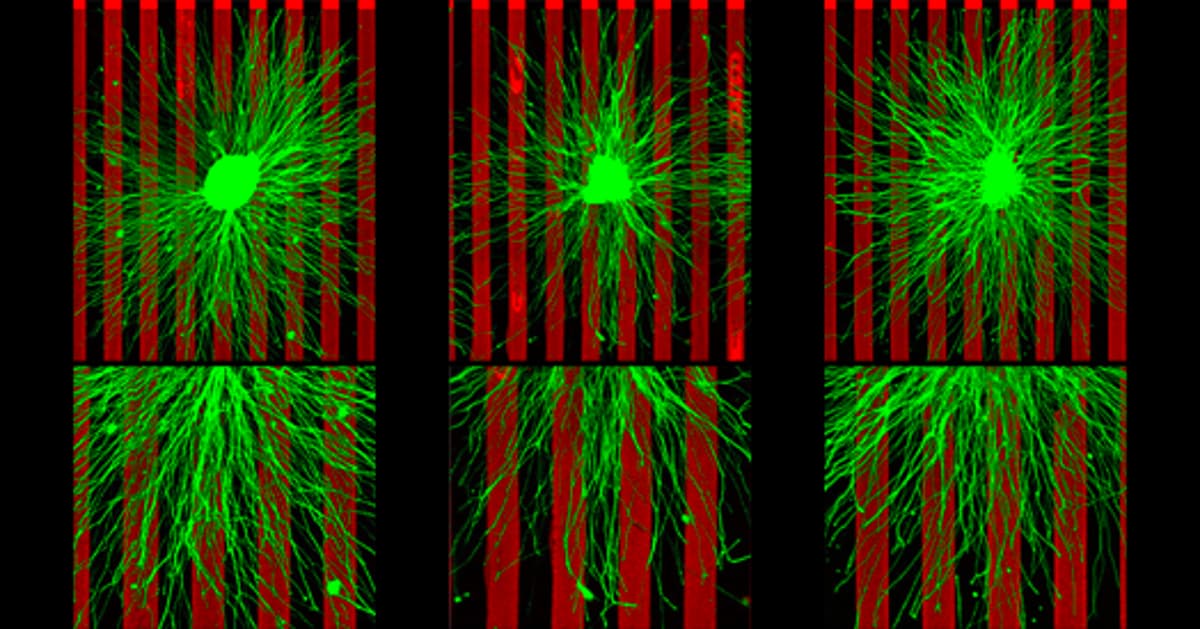
‘Push-Pull’ Recipe for Neural Wiring Used in Multiple Brain Regions
New research in mice reveals that two cell‑surface proteins, teneurin‑3 (TEN3) and latrophilin‑2 (LPHN2), act together as a "push‑pull" guidance system that steers axons toward their correct targets. The pair is reused across diverse brain regions—including the hippocampus, visual and...
Supported by a $40 Million NIH Grant, Yale Brain Shuttle Technology Raises Questions
Yale neuroscientists Yong‑Hui Jiang and Jiangbing Zhou secured a $40 million NIH grant to develop the Stimuli‑responsive Traceless Engineering Platform (STEP), a nanometer‑scale carrier intended to deliver CRISPR‑Cas9 ribonucleoproteins across the blood‑brain barrier. Early mouse studies reported brain‑wide editing, improved motor...
Allen Institute Sets Sights on Treatments for Five Brain Diseases
The Allen Institute has launched the Brain Health Accelerator, a 14‑year, $400 million effort to develop genetic medicines for five neurodegenerative diseases—Alzheimer’s, Huntington’s, Parkinson’s, Lewy body dementia and ALS. Leveraging its single‑cell atlases and viral‑vector technology, the program aims to test...
Autism-Linked Genes Expressed in Thalamus Make an Impact, and More
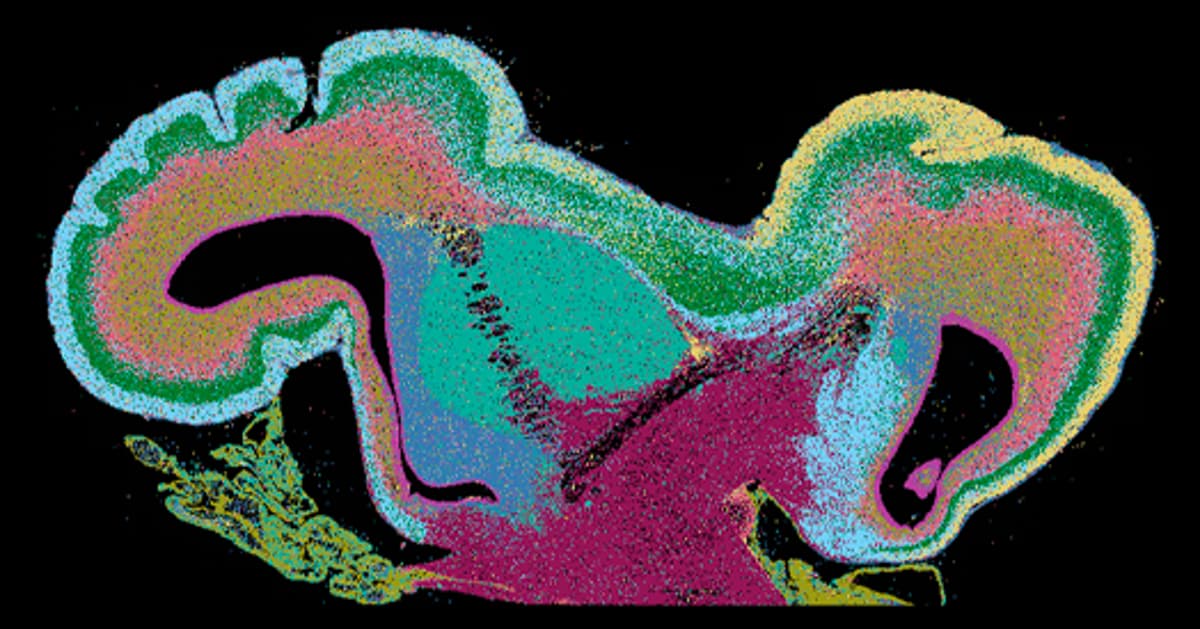
This week’s autism roundup spotlights a new analysis showing that most autism‑linked genes are highly expressed in the thalamus, deepening our understanding of the disorder’s neurobiological roots. Parallel studies identify EPAC2 as a promising therapeutic target in fragile‑X mouse models,...
‘Unbelievably Beautiful’ Evidence Extends Nobel Prize-Winning Model of Vision
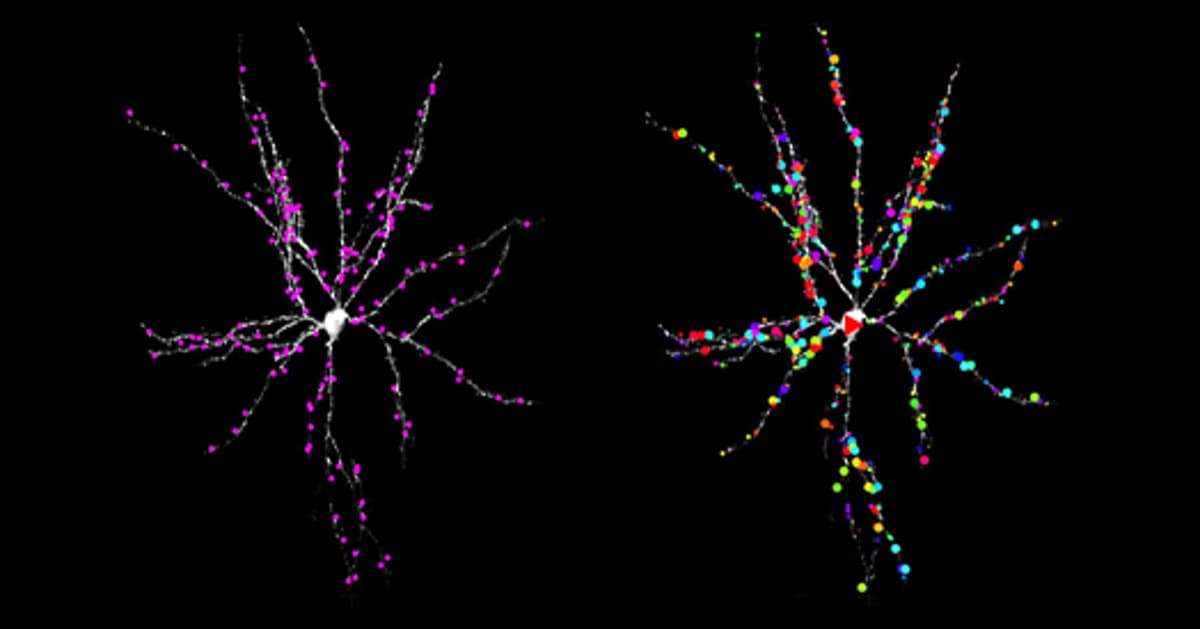
A new study using glutamate imaging and optogenetics mapped thalamic inputs to mouse primary visual cortex (V1) at the level of individual spines. The researchers found that thalamic synapses are not orientation‑tuned, while cortical inputs are, confirming Hubel and Wiesel’s...
Beyond Glucose: The Brain May Feed Itself
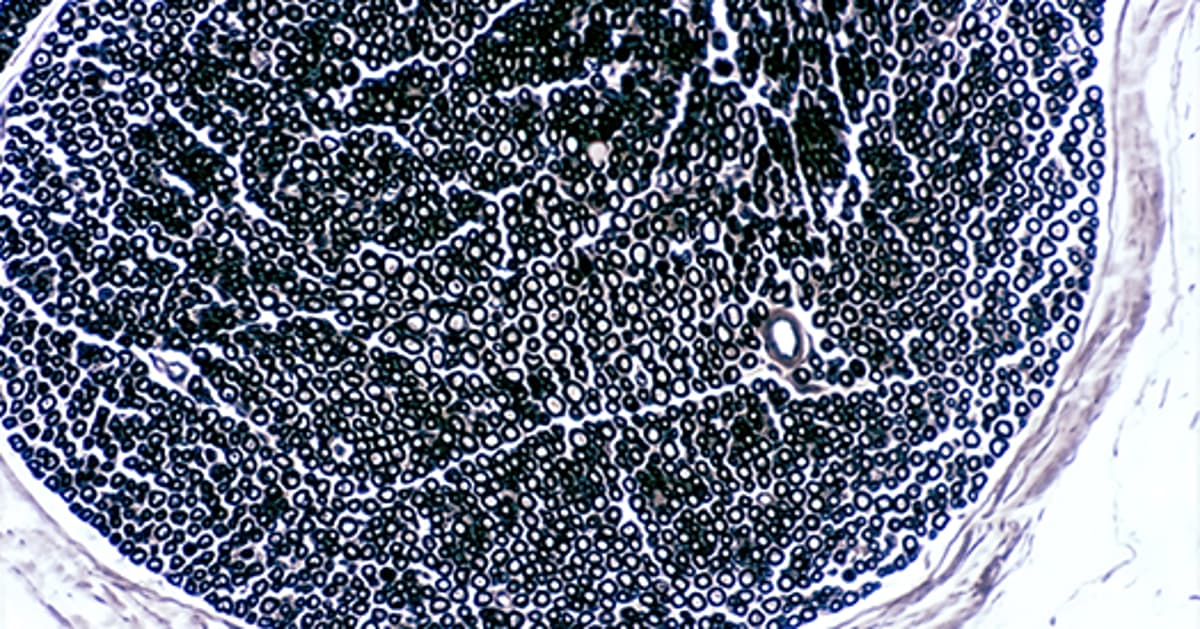
Traditional neuroscience taught that glucose alone powers the brain, but new research shows a far more collaborative energy system. Astrocytes convert glucose to lactate for neurons, while oligodendrocytes deliver lactate to axons, creating a metabolic shuttle across cell types. Recent...
SHANK3-Variant Effects in Primates, and More
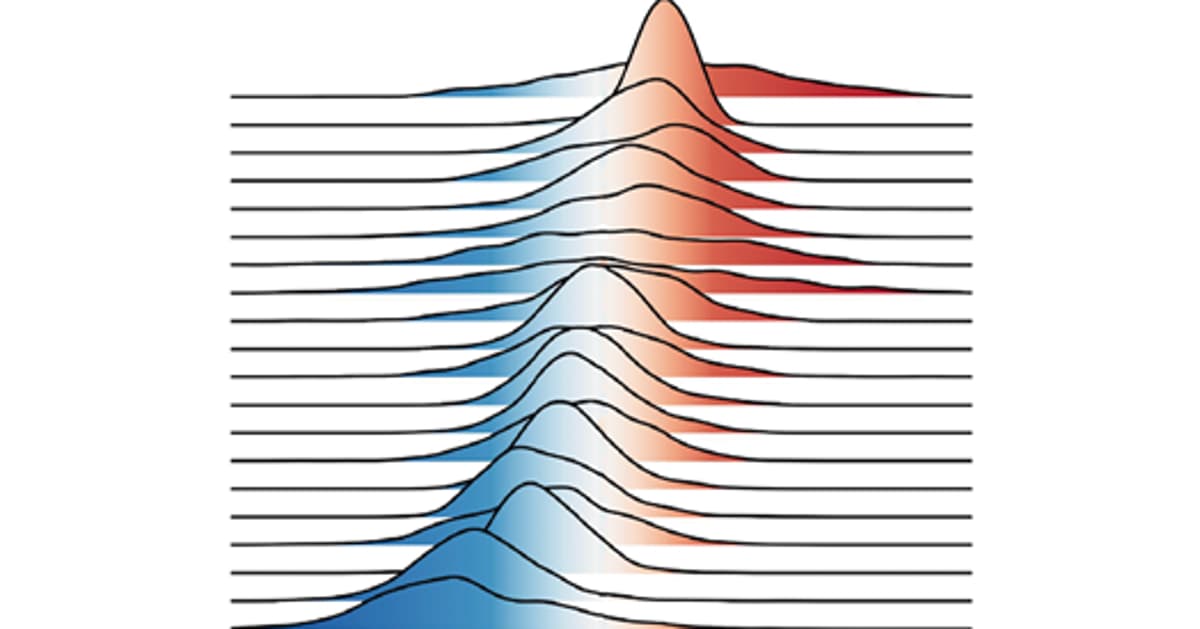
Researchers have engineered macaques that carry a single copy of a SHANK3 variant, creating a primate model of Phelan‑McDermid syndrome. Using deep‑learning video analysis, the study documented heightened repetitive behaviors, reduced sociability, poorer sleep, selective cognitive deficits, and altered functional...

What Can AI Teach Us About ‘Emotions’?
Anthropic’s latest report reveals that its large language model Claude exhibits functional emotion equivalents that go beyond simple pattern mimicry. Researchers identified activation patterns for 171 emotion concepts and showed these patterns influence Claude’s problem‑solving, sometimes improving efficiency and other...
The Silent Majority: How Astrocytes Shape the Brain Across Scales
A new Nature paper reveals that astrocytes form precise, brain‑wide networks linked by gap junctions, challenging the view of glia as mere support cells. Lead researcher Melissa Cooper engineered a molecular sensor that tags molecules crossing these junctions in awake...
Untangling Genetic Effects, and More
Researchers introduced a novel cousin‑pair design using Denmark’s national birth registry to untangle maternal genetic and environmental contributions to autism risk. The study found that direct genetic effects—such as epilepsy and personality disorders—are shared with both male and female siblings,...

‘Slightly Unhinged’ Federal Autism Meeting Portends Unclear Research Priorities
Scientists criticized the April 28 Interagency Autism Coordinating Committee (IACC) meeting for sidestepping its legal mandate to develop a strategic autism‑research plan. Instead, the panel pushed three policy proposals on profound autism, medical comorbidities, and wandering, which critics say may breach...