
B Cells Just Got a Workout
Researchers led by Mao et al. discovered that B cells secrete TGF‑β1 during exercise, which reprograms liver glutamine metabolism by up‑regulating GLS2 and SLC7A5. This hepatic shift boosts glutamate production, raising circulating and skeletal‑muscle glutamate levels. The excess glutamate sustains mitochondrial function, calcium signaling, and ATP generation, ultimately enhancing exercise capacity. The study reveals a non‑immune, metabolic role for B cells that directly links immune signaling to whole‑body performance.
Autoantibodies in Long COVID: A Mechanistic Foothold in a Heterogeneous Disease
Two independent studies published in *Cell* and *Cell Reports Medicine* provide the first direct evidence that autoantibodies can drive core long COVID symptoms such as fatigue, pain, and cognitive impairment. Researchers isolated IgG from affected patients and transferred it to...
Spatial Transcriptomics Redraws the Olfactory Map
Two Cell papers by Bintu et al. and Brann et al. use image‑based spatial transcriptomics to map olfactory receptor expression across the mouse nasal epithelium. Their data overturn the classic zonal model, showing receptors arranged along smooth, continuous gradients rather than discrete...

Scrambled Signals: Bacterial Viruses Engage in Information Warfare
Two independent Cell papers—Manley et al. and Gallego‑del‑Sol et al.—demonstrate that bacteriophages exchange molecular cues to coordinate lysis‑lysogeny decisions, effectively engaging in information warfare. The studies identify cross‑species peptide signals that can manipulate a rival phage’s fate, extending the previously described arbitrium...
Glyceroneogenesis Has a New PEP in Its Step(s)
Researchers led by Kajimura have identified SLC25A35 as the mitochondrial transporter that exports phosphoenolpyruvate (PEP). This discovery reveals a previously unknown mitochondrial contribution to glyceroneogenesis, the pathway that generates glycerol‑3‑phosphate for triglyceride synthesis. Experiments in adipose tissue and mouse models...
This Is IT: How Accelerated Intermittent Theta Burst Stimulation Relieves Depression Symptoms
Two Cell papers reveal that accelerated intermittent theta burst stimulation (iTBS) reshapes intratelencephalic neuronal projections to the anterior insula, producing rapid antidepressant effects. The studies pinpoint circuit‑specific plasticity as the biological substrate behind the treatment’s speed and efficacy. By targeting...

Navigating the Clinical Progress of Antibody-Drug Conjugates: Emerging Opportunities and Remaining Challenges
Antibody‑drug conjugates (ADCs) have become one of the fastest‑growing anticancer modalities, reaching 19 FDA‑approved products worldwide by the third quarter of 2025. The portfolio has expanded from hematologic indications to a broad array of solid tumors, driven by successful HER2‑targeted...

PLANeT: Understanding and Leveraging the Genome of Land Plants for a Sustainable Future
Land plants support ecosystems and human civilization, yet reference genomes exist for only a fraction of taxa—95% of genera, 70% of families and 51% of orders remain unsequenced. The PLANeT initiative proposes an international consortium of about 100 laboratories to...
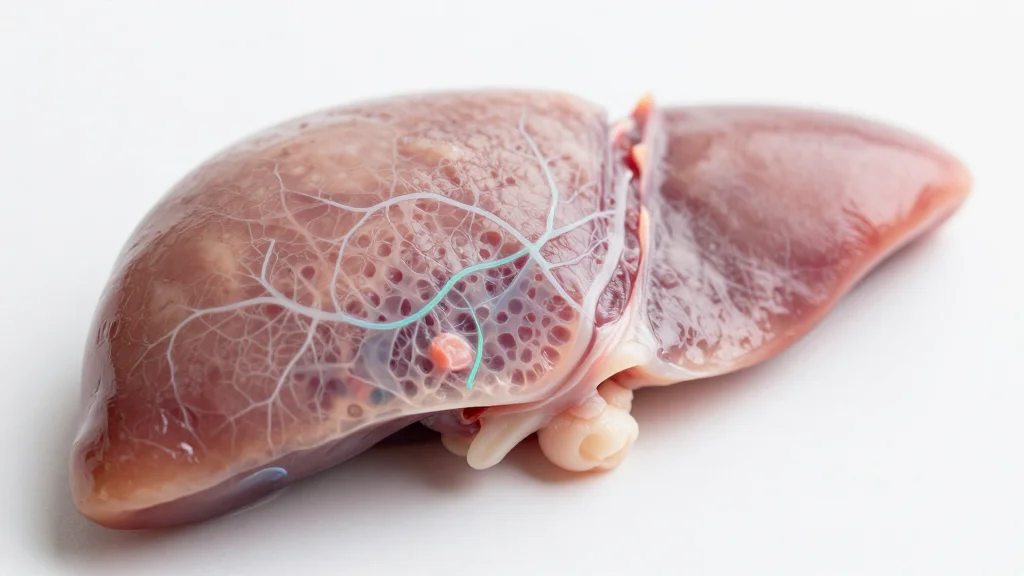
Angiocrine Signaling Drives Liver Fibrosis: From Mechanism to Early Clinical Translation
Researchers led by Hu et al. discovered that ROCK2 activity in liver sinusoidal endothelial cells is a pivotal driver of liver fibrosis. Single‑cell transcriptomics and knockout models revealed that ROCK2‑mediated cytoskeletal remodeling releases angiocrine factors that activate hepatic stellate cells. Early...

Improving Immunotherapy in Solid Tumors Using FMT
Recent phase 2 trials demonstrate that fecal microbiota transplantation (FMT) significantly improves the efficacy of first‑line immune checkpoint inhibitors in renal cell carcinoma, cutaneous melanoma, and non‑small cell lung cancer. The benefit is linked to functional remodeling of the gut...
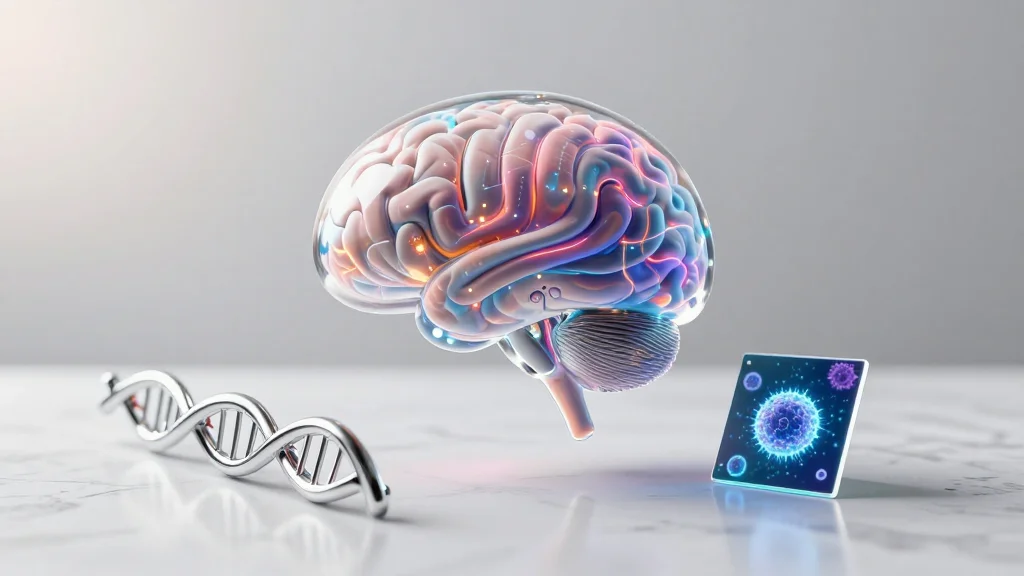
Tackling the Complexity of Cancer with Generative Models
The article proposes that generative AI models are the next‑generation tool to capture cancer’s multimodal, multiscale complexity, complementing the reductionist Hallmarks of Cancer framework. By learning from diverse biological data—genomics, imaging, histopathology, and clinical records—these models can generate hypotheses, simulate...
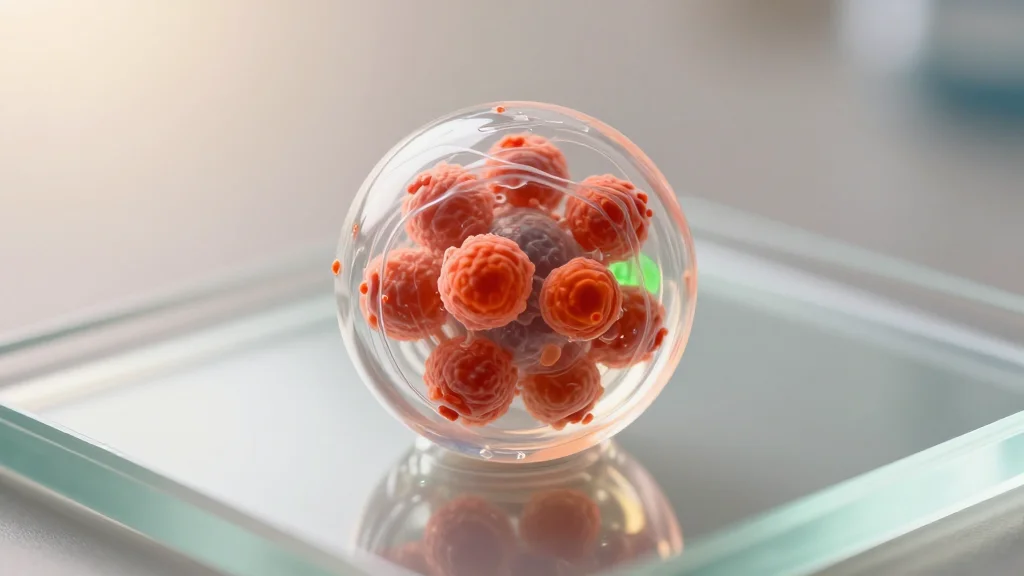
The Hallmarks of Cancer: 25 Years Guiding Discovery and Therapy
Twenty‑five years after the original six Hallmarks of Cancer were proposed, Douglas Hanahan updates the framework to incorporate new hallmarks such as deregulated metabolism, immune evasion, and the tumor microenvironment. Advances in genomics, single‑cell and spatial profiling have deepened insight...

Shared Leadership, Shared Responsibility
The Innovation for Translation Research Group at the University of Southampton merged two independent teams under a co‑leadership model that pairs a clinician with a scientist. This unconventional structure embeds patients, carers, and high‑performance coaching into daily operations, replacing the...

Targeting Genomic Instability in Cancer
Genomic instability fuels cancer evolution and simultaneously creates therapeutic vulnerabilities. Decades of genotoxic chemotherapy and radiation have given way to precision approaches that exploit DNA‑damage response (DDR) defects, most notably PARP inhibitors for BRCA‑mutated tumors. The pipeline now includes dozens...

Hallmarks of Cancer Research: Enabling Transformative Discovery Through Global Team Science
The article argues that cancer research has moved beyond isolated experiments to a complex, system‑level endeavor that requires global team science. Drawing on lessons from the Cancer Grand Challenges initiative, it highlights how coordinated, multinational collaborations can accelerate transformative discoveries....