
Africa’s Imitation Game in Competition Law
African competition agencies are importing EU‑style digital rules—such as gatekeeper provisions from the EU Digital Markets Act—while lacking the staff, expertise, and judicial capacity to enforce them. Nigeria’s FCCPC fined Meta and a Lagos court held the platform liable for a deep‑fake video, illustrating how poorly resourced institutions apply complex doctrines. South Africa’s Competition Commission, by contrast, has built multi‑year inquiries with economic expertise, showing a more viable model. The overall pattern is regulatory mimicry that risks empty enforcement and deters investment.

From Competition to Exclusion: Can Discounts Go Too Far?
The DOJ has sued Visa, alleging its debit‑card loyalty discounts force merchants to route over 90% of transactions through Visa to earn fee rebates, effectively creating de facto exclusivity. The complaint also claims Visa neutralizes potential rivals, such as Apple, by...

The Price of Watching Prices: Italy’s Slow Slide From Markets to Management
Italy introduced two emergency decrees – Decreto Carburanti and Decreto Bollette – to curb soaring energy costs. The fuel decree trims excise tax by €0.20 (≈$0.22) per litre and forces oil firms to publish daily prices, limiting changes to once...

No-Fly Zone: Why AI Doesn’t Need Helicopter Regulation
The White House’s AI Action Plan adopts a light‑touch stance, directing the FTC to prioritize innovation rather than impose sweeping rules. The DOJ’s recent settlement with RealPage demonstrates that algorithmic pricing is not automatically deemed illegal under antitrust law. Both...

The Last Mile Is a Paper Trail: Why Broadband Gets Stuck
Broadband providers face steep transaction costs, especially permitting, that delay upgrades needed for AI, AR and VR applications. The American Broadband Deployment Act (H.R. 2289) would impose shot‑clock deadlines, cost‑based fees, and streamline federal environmental and historic‑preservation reviews. The House...
The View From Singapore: A TOTM Q&A with Alvin Koh
Alvin Koh, chief executive of Singapore’s Competition and Consumer Commission (CCS), outlined a busy enforcement year, completing over 50 cases in FY2024 and rolling out the first streamlined sustainability‑collaboration guidance in early 2025. He highlighted high‑profile actions against bid‑rigging contractors...

AI’s Scientific Ethos and the Moat That Wouldn’t Hold
In 2017 Google researchers published the transformer paper, a breakthrough that underpins today’s generative‑AI models such as GPT, Gemini and Claude. The open‑access ethos of AI research turned the paper into a public blueprint, prompting a wave of startups and...

Too Much Order, Too Soon: The Case Against AI Term Sheets
Washington is edging toward a federal AI "term sheet," a non‑binding framework intended to shape industry expectations. The article argues that while such political coordination can influence investment and compliance planning, it risks creating the wrong kind of certainty in...

Brussels’ AI Squeeze: Regulating What It Leaves Standing
The European Commission issued a Supplementary Statement of Objections to Meta, seeking to restore third‑party AI assistants’ access to WhatsApp under pre‑October 2025 terms. Meta’s recent policy change excluded these assistants from its paid Business Platform, a move the Commission deems...

Schrödinger’s Quantum Market: Regulating What May or May Not Exist
In March 2026 the Italian Competition Authority (AGCM) launched a fact‑finding inquiry into the emerging quantum computing sector, citing risks such as lock‑in, technological pre‑emption and entry barriers. The probe reflects a broader EU shift toward regulating market design rather...

‘Market Power in Antitrust: Economic Analysis After Kodak,’ by Benjamin Klein
Benjamin Klein’s 1993 article argues that the Supreme Court’s Kodak decision conflated hold‑up with antitrust market power. While the Court correctly identified switching costs and lock‑in, it misapplied these concepts to prove monopoly power in the aftermarket. Klein contends that...

Rinse, Repeat, Reject: ‘Washing’ Claims in Antitrust
The article contends that fears of firms using “washing” tactics—greenwashing, privacy‑washing, or sovereignty‑washing—to shield anticompetitive conduct under EU competition law are exaggerated. Article 101(3) of the TFEU imposes strict, verifiable sustainability criteria, leaving little room for greenwashing defenses. Under Article...

Turning Down the Thinking: A Law & Economics Trilogue on AI Throttling
A viral GitHub issue claims Anthropic’s Claude Code model lost about 70% of its “thinking” depth during peak GPU‑load hours, prompting users to retry queries far more often. The slowdown appears tied to dynamic compute throttling rather than a change in...
C’est Presumé: France’s AI Copyright Shortcut
The French Senate has introduced a bill that creates a legal presumption that AI systems have used protected works whenever there is any plausible indication of such use. The proposal flips the evidentiary burden, forcing AI developers to prove they...

A Fistful of Discretion: The UK’s DMCC After Two Years
Two years after the UK Competition and Markets Authority began enforcing the Digital Markets, Competition and Consumers Act (DMCC), the regulator has shown a measured approach that contrasts sharply with the EU’s more aggressive Digital Markets Act. The CMA’s most...

The Nanny State Goes Shopping
The article argues that antitrust is drifting from its traditional consumer‑welfare focus—preventing price and output distortions—to a new “anti‑consumer” approach that seeks to reshape outcomes regulators deem preferable. It critiques Neo‑Brandeisian and populist proposals, such as the EU Digital Markets...

Opening Pandora’s Interface: AI Assistants and the DMA
The European Commission has launched DMA Article 6(7) proceedings to define Google’s obligations for AI‑assistant features on Android, targeting hot‑word detection, screen‑content access, and audio‑output monitoring. This follows earlier Apple cases where the EU forced openness for NFC, Wi‑Fi and Bluetooth,...

Cloudy Logic: The DMA’s Search for a Gatekeeper
The European Commission launched investigations into Amazon Web Services and Microsoft Azure under the Digital Markets Act (DMA) even after acknowledging that no cloud provider meets the law’s gatekeeper thresholds. The article argues that cloud computing is a B2B infrastructure,...

The Paramount Question Isn’t Paramount
Paramount Skydance Corp. agreed to acquire Warner Bros. Discovery for roughly $110 billion in cash, valuing the target at $31 per share. The deal has drawn political and regulatory attention, yet antitrust concerns appear muted because the combined entity faces strong...
California Dreamin’ or an Antitrust Nightmare?
California is poised to test a state‑level antitrust regime with two bills—Assembly Bill 1776 (the COMPETE Act) and Senate Bill 1074 (the BASED Act). Both proposals aim to break from established federal antitrust doctrine, granting California courts broader discretion to...

The Barriers Behind the Border
The 2026 National Trade Estimate Report identifies anti‑competitive market distortions (ACMDs) as the most consequential barriers to U.S. exports, foreign investment and e‑commerce. Applying Shanker Singham’s three‑pillar framework, the analysis ranks China as the largest systemic challenge, with Mexico’s energy...

Acquihires and Antitrust: When Buying the Team Isn’t Buying the Company
The FTC and DOJ are signaling heightened scrutiny of "acquihire" deals, fearing they may be used to sidestep Hart‑Scott‑Rodino merger reporting. Senators Warren and Blumenthal have called for investigations into "reverse acquihires" like Nvidia’s $20 billion licensing‑and‑hire arrangement with Groq. The...
The Fatal Conceit of Cheap Drugs
The U.S. Supreme Court granted certiorari in Hikma v. Amarin, a dispute over whether a generic maker can be liable for inducing patent infringement when it markets a “skinny‑label” version that omits a patented use. The case spotlights the broader...
A Cure Worse Than the Scroll
The App Store Accountability Act (ASAA) has cleared the House Energy and Commerce Committee and now heads to the full House. It would force Apple’s App Store and Google Play to verify every user’s age and block minors without parental...

Rethinking Competitor Collaboration in the AI Era
The FTC and DOJ have launched a joint public inquiry to reconsider antitrust guidance for competitor collaborations, with a focus on artificial‑intelligence markets. They argue that current rules risk over‑deterring joint research, infrastructure projects, standards work and privacy‑enhancing initiatives that...

The Hype Cycle Meets Malpractice Law: Why the Jobs Persist
Anthropic CEO Dario Amodei warned that half of entry‑level lawyers, consultants and finance professionals could disappear within five years as AI matures. The article counters that while large language models can draft memos and build models, liability and professional judgment...
Crisis Opportunism: Germany’s Turn to Antitrust Without Limits
Germany’s Bundestag approved the Fuel Market Intervention Package within nine days, bypassing consultations and impact assessments. The bill amends Section 32f of the Act Against Restraints of Competition, eliminating the conduct‑nexus filter and extending the Federal Cartel Office’s remedial powers to...

The Myth of the Unwanted Internet
The article argues that today’s internet is the result of market‑driven trust solutions, not a failed, government‑mandated design. It chronicles how entrepreneurs introduced SSL, eBay’s rating system, PayPal, CAPTCHA and Cloudflare tools to fill gaps in online security and reputation....
17 Million Pairings, Zero Proof
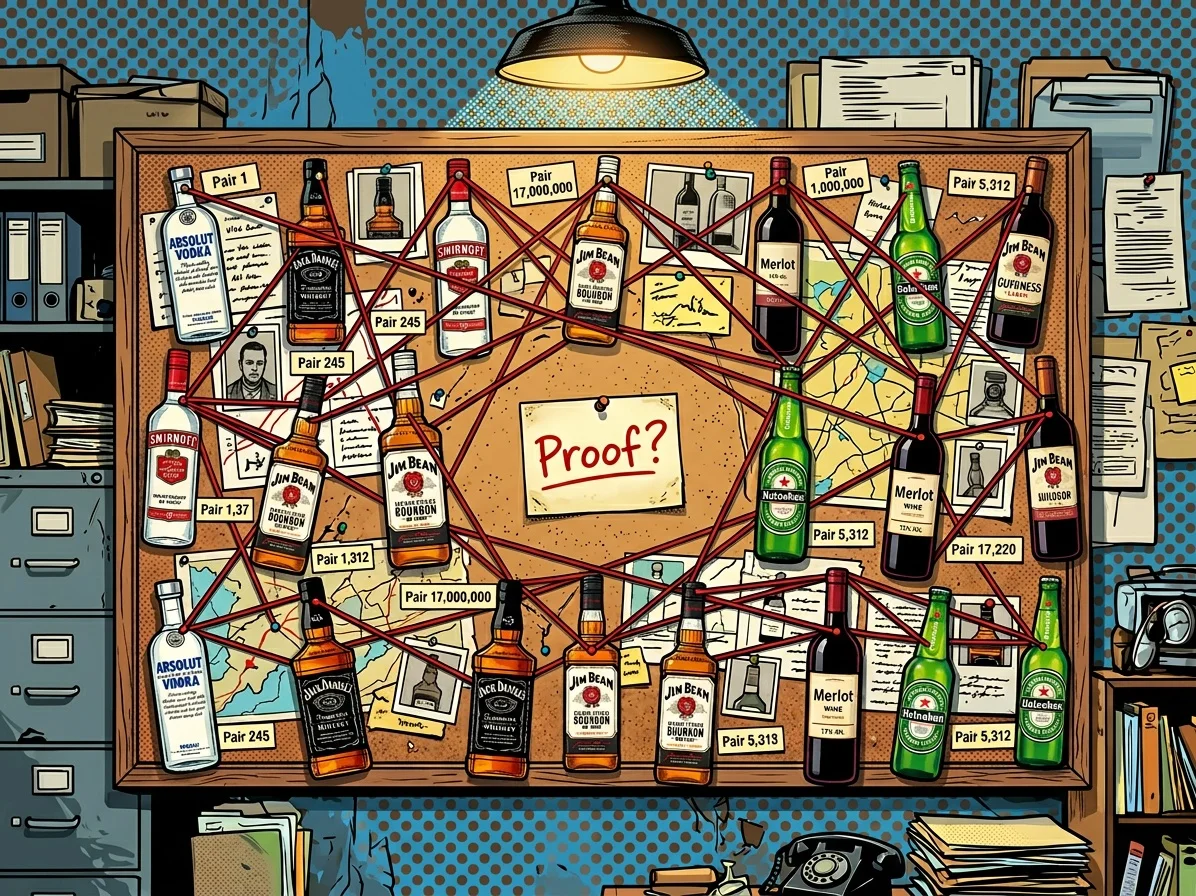
The FTC has sued Southern Glazer’s Wine & Spirits, alleging Robinson‑Patman violations based on 17 million paired price transactions. Southern Glazer’s counters that the agency cannot point to a single unlawful sale or a retailer harmed by price discrimination. The FTC’s...
When Antitrust Meets National Security and Gets It Right
The U.S. Department of Justice approved the Hewlett Packard Enterprise‑Juniper Networks merger, citing modest antitrust risk and clear national‑security benefits. Critics argue the consent decree was politically motivated, but the Tunney Act hearing highlights pro‑competitive remedies such as divestitures and...
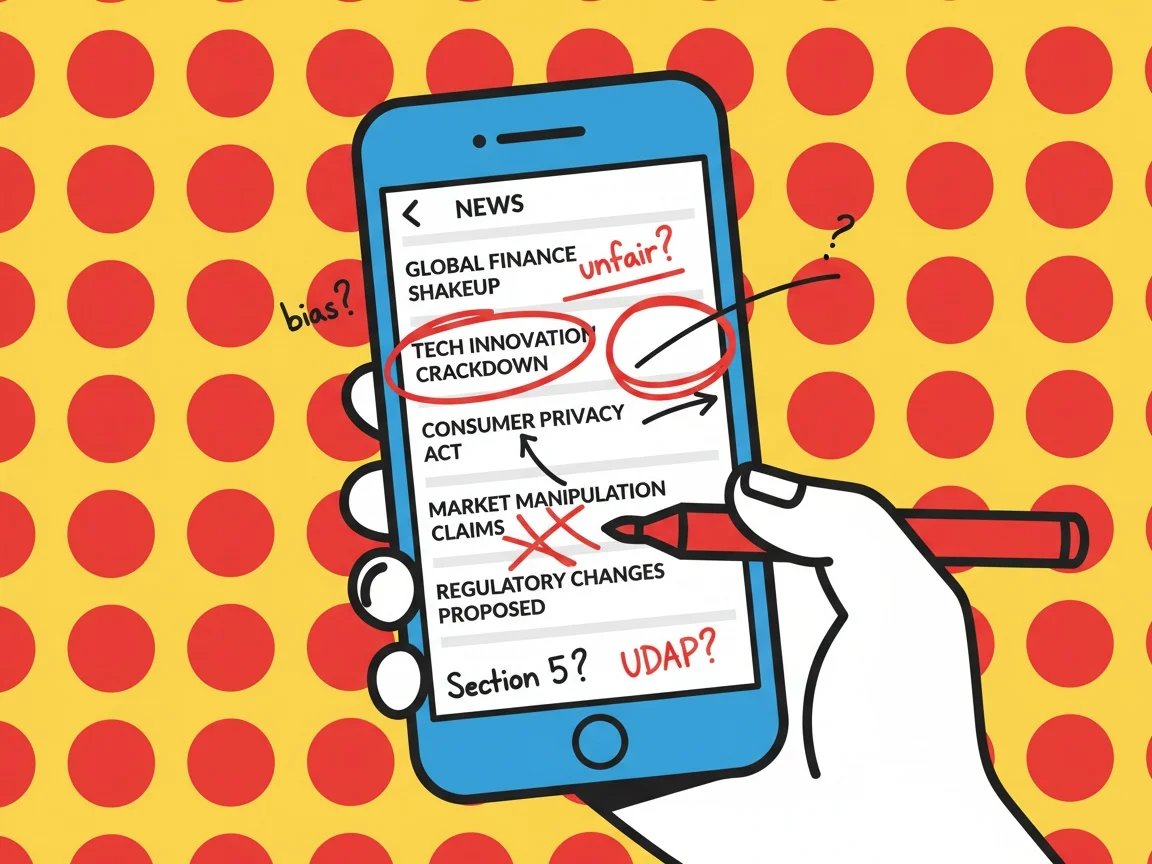
Speech, Section 5, and Some Curious Scribbling: A First Amendment Story
The FTC sent a warning letter to Apple CEO Tim Cook alleging that Apple News may favor left‑leaning outlets and suppress conservative sources, raising possible Section 5 violations under the FTC Act. The move comes as critics push to repeal the...
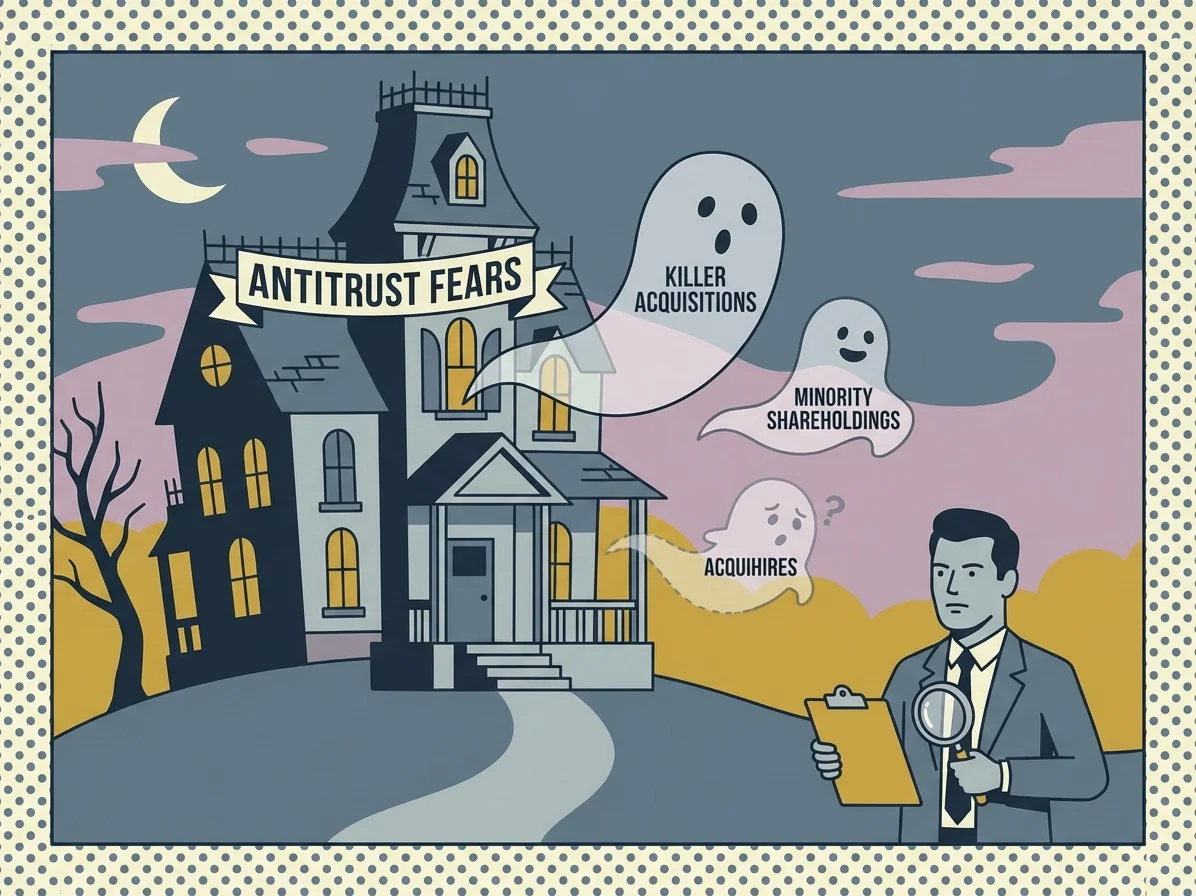
Acquihires and Other Antitrust Ghost Stories
The article argues that acquihires—transactions focused on acquiring a startup’s workforce rather than its products—are attracting heightened antitrust scrutiny, especially in the AI sector, but they are not inherently anti‑competitive. It cites recent high‑profile deals such as Microsoft’s hiring of...

Opening the Walled Garden: Global Regulation and the Unbundling of Apple’s Ecosystem
Regulators across Japan, the EU, South Korea and other jurisdictions are compelling Apple to loosen its tightly‑controlled iOS ecosystem through ex‑ante unbundling rules such as Japan’s Mobile Software Competition Act and the EU’s Digital Markets Act. These measures challenge Apple’s...

Subsidizing Obsolescence: How FCC Rules Keep Copper Alive
The FCC’s new notice of proposed rulemaking seeks to eliminate the remaining intercarrier compensation (ICC) fees and phase out the Connect America Fund ICC subsidy, completing the shift to a bill‑and‑keep model for IP‑based fiber networks. Legacy carriers still receive...

Keeping Titans in Quarantine
The article revisits the 1956 AT&T antitrust decree that barred the telecom giant from entering unrelated industries, a remedy known as “quarantine.” It argues that contemporary enforcement—through self‑preferencing mandates on platforms like Google and privacy rules on Apple, as well...
When a Blue Checkmark Becomes a €120 Million Problem
The European Commission fined X €120 million for breaching the Digital Services Act, citing a deceptive blue verification badge, inadequate advertising‑transparency tools, and restricted researcher data access. The DSA classifies platforms with over 45 million EU users as very large online platforms...
COMESA, WhatsApp Business, and Antitrust in Search of a Theory
Meta’s October 2025 amendment to WhatsApp Business API barred third‑party AI providers while favoring Meta AI, prompting antitrust probes by the EU, Italy and now COMESA. COMESA’s investigation invokes Regulation 36 but mistakenly applies the substantial‑lessening‑of‑competition (SLC) merger test rather...
Canada’s Merger Guidelines: Size on Trial
Canada’s Competition Bureau has released draft merger enforcement guidelines that embed structural presumptions, mirroring the 2023 U.S. thresholds of a post‑transaction HHI above 1,800 and a combined market share over 30 percent. The draft also eliminates the statutory efficiencies defence...