
The Case of the Vanishing Competitor
The U.S. Justice Department blocked JetBlue's acquisition of Spirit Airlines in early 2024, citing antitrust concerns that the merger would raise fares on overlapping routes. Spirit subsequently entered bankruptcy, ceased operations, and eliminated roughly 17,000 jobs, turning the case into a test of how antitrust law treats distressed competitors. The collapse highlights the difficulty of applying a static, route‑by‑route analysis when the target firm may not survive independently. Regulators now face pressure to rethink merger review, airport‑slot allocation, and collaborative alternatives in the airline industry.
The Future of News and Its Frenemies
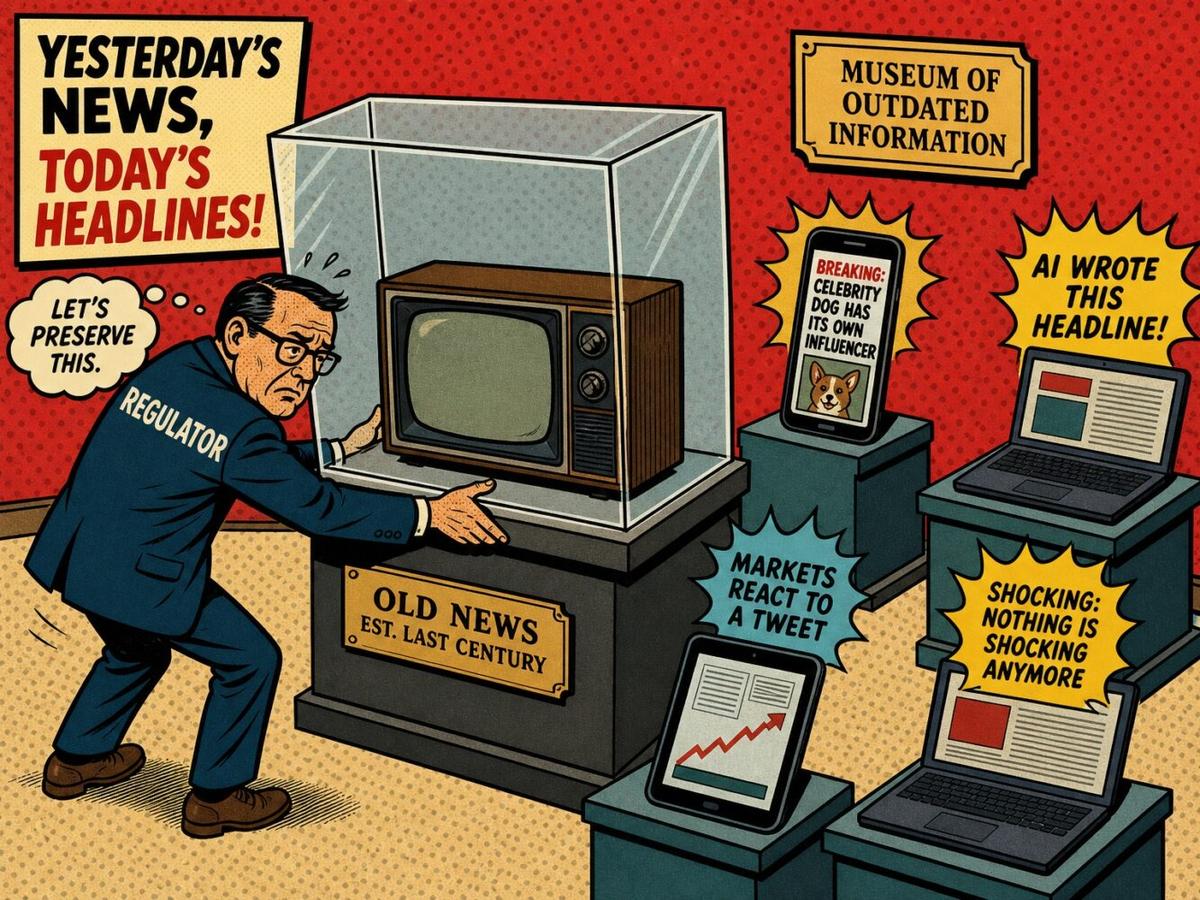
The article argues that local news is not dying but mutating from legacy broadcast models to digital platforms. Television viewership and ad revenue have fallen sharply, while digital news hours and online subscriptions have risen. Policymakers’ attempts to protect traditional...

The Blind Spot Is the Point: Meta’s Incognito Chat and the Future of Private AI
Meta launched Incognito Chat, an AI assistant for WhatsApp and the Meta AI app that runs inside a hardware‑isolated trusted execution environment (TEE). The design encrypts the AI workload, uses stateless processing, anonymous routing via Fastly, and publishes code hashes...

‘Punitive Damages as Societal Damages,’ by Catherine M. Sharkey
Catherine M. Sharkey’s Yale Law Journal article argues that punitive damages blend two distinct functions—punishment and compensation for broader social harms—and should be split accordingly. She labels the former “anti‑social penalties” and the latter “societal damages,” proposing a remedial architecture...

Addicted to Vagueness: Lawmakers Can’t Regulate Social Media by Vibes
A wave of lawsuits challenges state attempts to curb "addictive" social‑media features such as infinite scroll, autoplay and push notifications. Courts are split on whether these design elements constitute conduct subject to negligence and unfair‑trade‑practice claims, or protected editorial activity...

With Gilead’s Reasonableness Standard, Side Effects May Vary
The California Supreme Court heard oral arguments in the Gilead Tenofovir case, where plaintiffs seek to impose a novel “duty to commercialize a safer alternative” on drug makers. The proposed duty would require manufacturers to act reasonably in bringing a...

False Positives, Real Casualties: The High Price of Populist Antitrust
The article critiques the growing “error‑cost” doctrine that favors antitrust caution, arguing that recent high‑profile merger challenges have produced false‑positive outcomes. Blocking JetBlue’s $3.8 billion acquisition of Spirit preceded Spirit’s bankruptcy and the loss of roughly 15,000 jobs. Similar overreach in...

The Lifeline Program’s Afterlife Problem
The FCC’s Lifeline subsidy, intended to keep low‑income households connected, is plagued by fraud involving deceased subscribers. An OIG audit revealed providers collected nearly $5 million for over 116,000 dead enrollees, with about 40 % dying before ever joining. As the Universal...

Competitiveness Without the Cronyism
Antitrust enforcement is increasingly framed as a tool for national competitiveness, blurring the line between genuine consumer‑welfare analysis and protectionist politics. The article argues that true competitiveness should be measured by firms' ability to innovate, achieve efficiencies, and serve customers,...
AI Risk and the Very Large Hammer
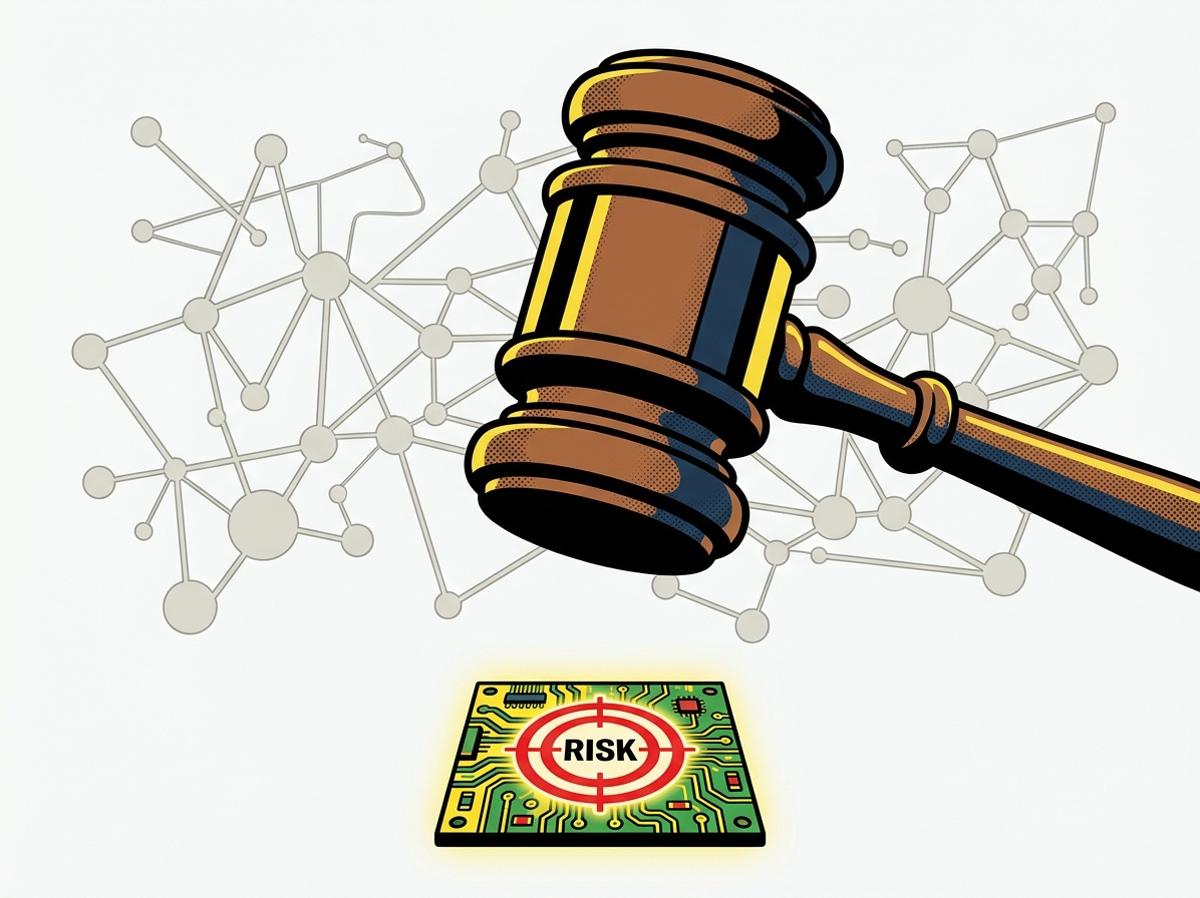
The article argues that AI risk is undeniable but policy should target the specific capabilities where misuse occurs, not blanket regulation. It critiques the emerging independent verification organization (IVO) model, noting its reliance on state‑backed enforcement and potential conflicts of...

Reverse Patent Pools and Other TTBER Tall Tales
The European Commission’s 2026 Technology Transfer Block Exemption Regulation (TTBER) initially proposed a soft antitrust safe harbor for licensing negotiation groups (LNGs), allowing implementers to bargain collectively with SEP holders. After criticism, the final Guidelines dropped the safe harbor but...

Merger Guidelines for the Industrial Policy Curious
The European Commission released a draft of its merger‑guidelines, expanding the analytical framework to treat non‑price factors such as resilience, sustainability and innovation as independent competition parameters. The text introduces an “innovation shield” for small startups while excluding large gatekeepers,...

Before Brazil Scrubs In: The Case Against Digital-Market Surgery
Brazil’s Bill 4,675/2025 would create a Digital Markets Superintendency within CADE and grant the agency power to designate firms as systemically important for up to ten years, imposing tailor‑made ex‑ante obligations. The proposal mirrors aspects of the EU Digital Markets...

The DMA’s AI Dilemma: Too Soon, Too Late, or Both?
The European Commission’s first review of the Digital Markets Act (DMA) concludes the law remains fit for purpose, but warns it could age rapidly as AI reshapes digital intermediation. AI embedded in existing gatekeepers can be regulated under current DMA...

AI, Antitrust, and the Mirage of Data Dominance
The article contends that data alone is not a durable barrier to entry in generative AI and warns that premature antitrust or regulatory action could cement incumbent dominance. It emphasizes that data quality, context and substitutes matter more than sheer...