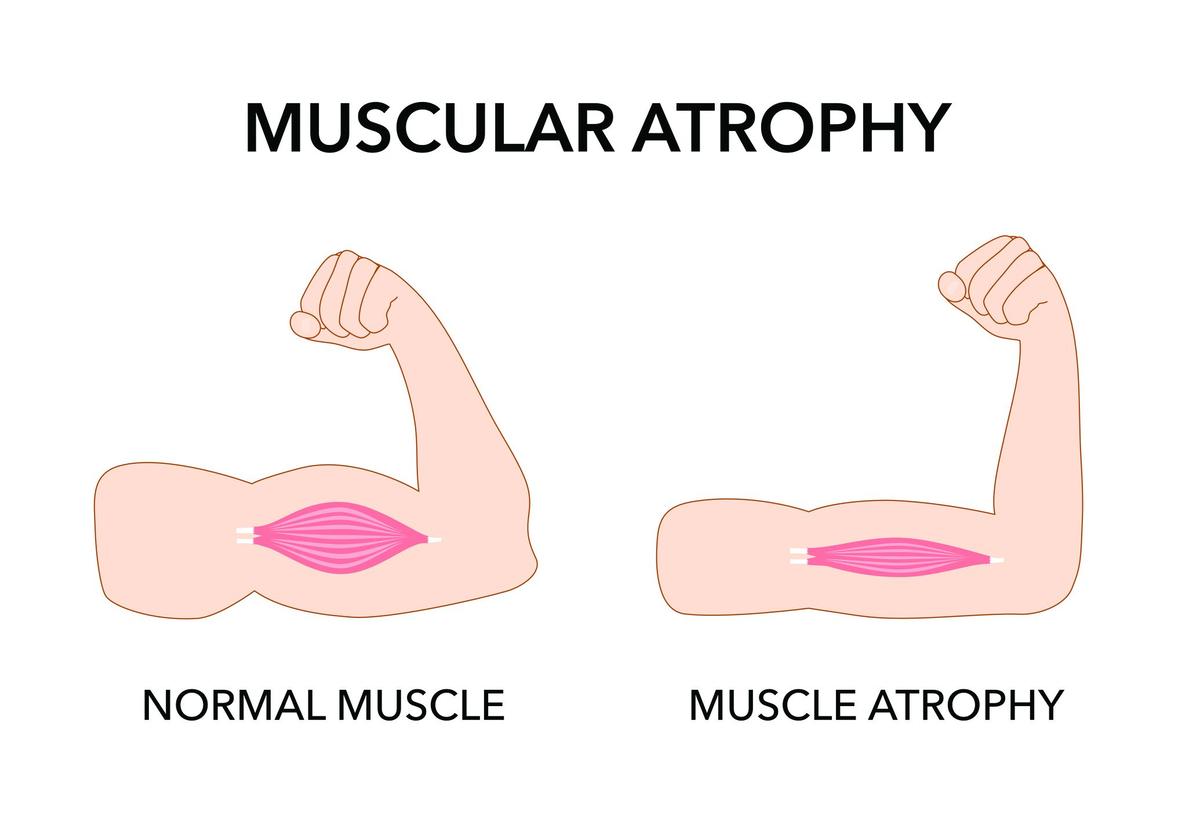
Extra Protein Does Not Preserve Muscle Size or Function with Age
A randomized, placebo‑controlled trial published in May 2026 in The American Journal of Clinical Nutrition examined whether higher protein intake, potassium bicarbonate supplementation, or their combination could slow age‑related muscle loss in healthy older adults. The study found that extra dietary protein did not preserve muscle size or improve functional performance, and neither potassium bicarbonate nor the combined regimen offered any benefit. These findings suggest that simply increasing protein consumption is insufficient to counteract sarcopenia in this population.
Doing “Gluten-Free” Right
The surge of gluten‑free products offers essential options for people with celiac disease and gluten sensitivities, but the label alone does not guarantee nutritional quality. Many processed gluten‑free items are high in refined starches, sugars, and unhealthy fats, while lacking...

RSV Vaccines Work to Prevent Hospitalization
Recent clinical data show that newly approved respiratory syncytial virus (RSV) vaccines dramatically cut hospital admissions. In infants, the vaccine lowered hospitalization risk by roughly 70%, while older adults experienced a 50% reduction in severe cases. The FDA has accelerated...

Arterial Plaque Impacts Women Differently From Men
A new analysis of the PROMISE trial shows that while women develop coronary plaque less frequently than men, they experience serious cardiac events with a lower plaque burden. The study compared imaging data from thousands of chest‑pain patients and found...

Choosing the Right Healthcare Provider
Choosing the right healthcare provider is a critical skill that influences health outcomes, costs, and patient satisfaction. The article emphasizes that navigating a fragmented system—ranging from preventive care to chronic disease management—requires understanding provider specialties, training, and care models. It...

Healthy Microwave Cooking
Microwave ovens, a staple in most kitchens, can do more than reheat leftovers. Recent insights show they efficiently cook whole foods while preserving nutrients, cutting prep time dramatically. The technology also offers energy savings and minimal cleanup, making it a...
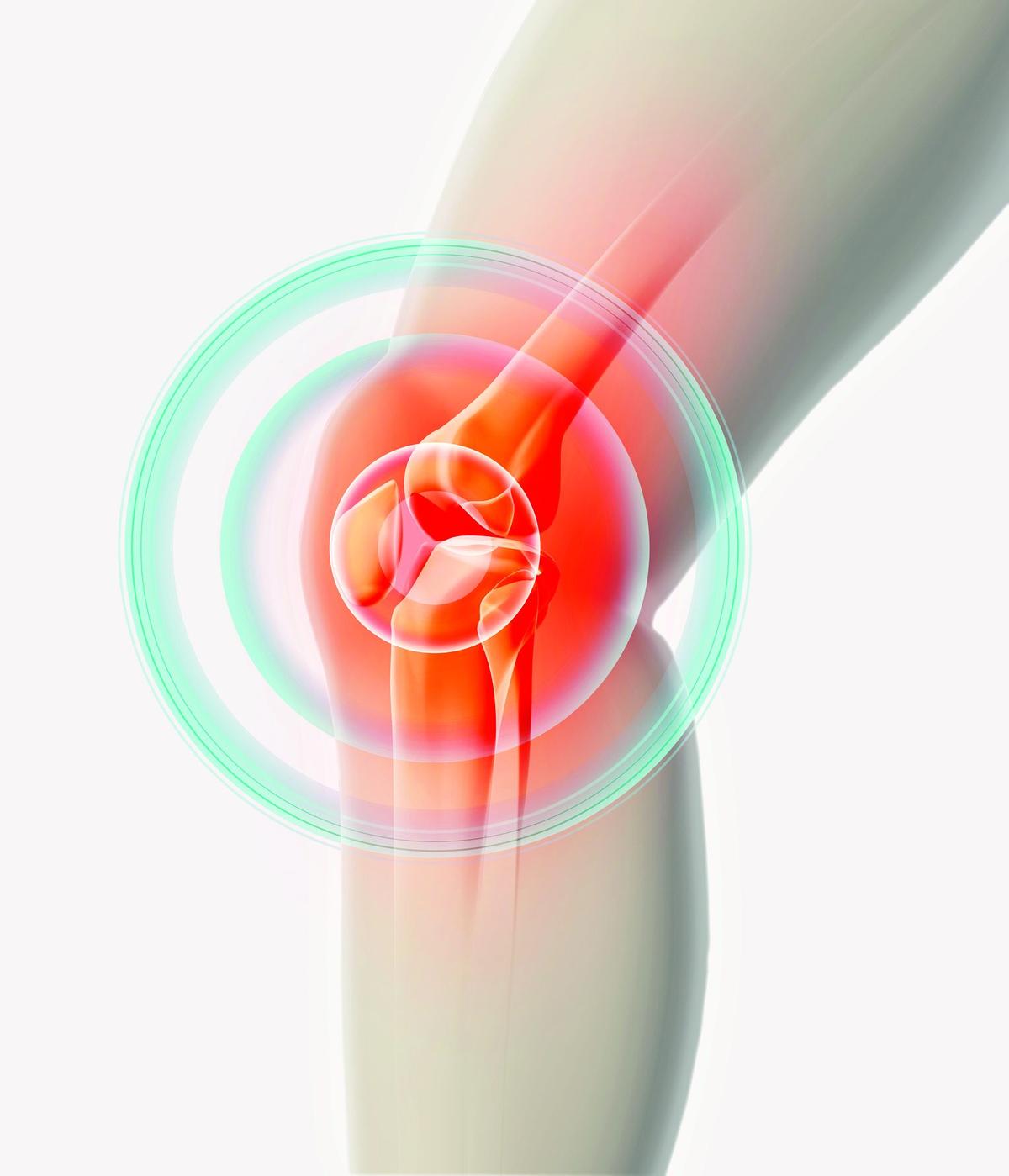
Aerobic Activity Is Best for Knee Osteoarthritis
X‑rays reveal that roughly 30% of adults over age 45 show signs of knee osteoarthritis, and half of those individuals already experience pain. Recent research highlighted in Tufts Health & Nutrition indicates aerobic activity, such as brisk walking or cycling,...
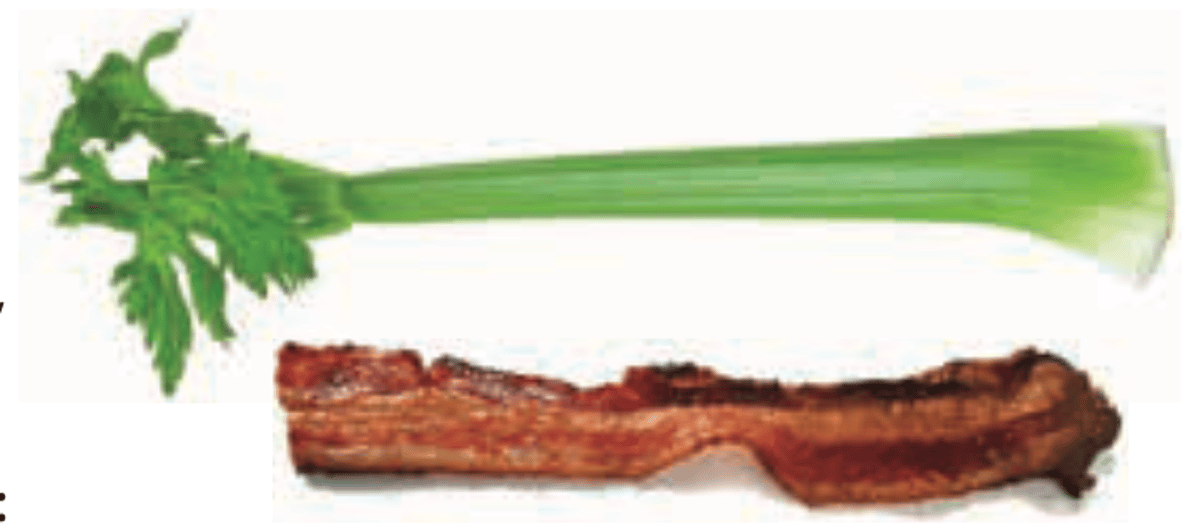
Nitrates in Veggies Vs. Processed Meats
Nitrates found naturally in vegetables such as beets, spinach, and lettuce are converted by the body into nitric oxide, a molecule that supports blood vessel dilation and cardiovascular health. In contrast, nitrates added to processed meats like bacon and hot...
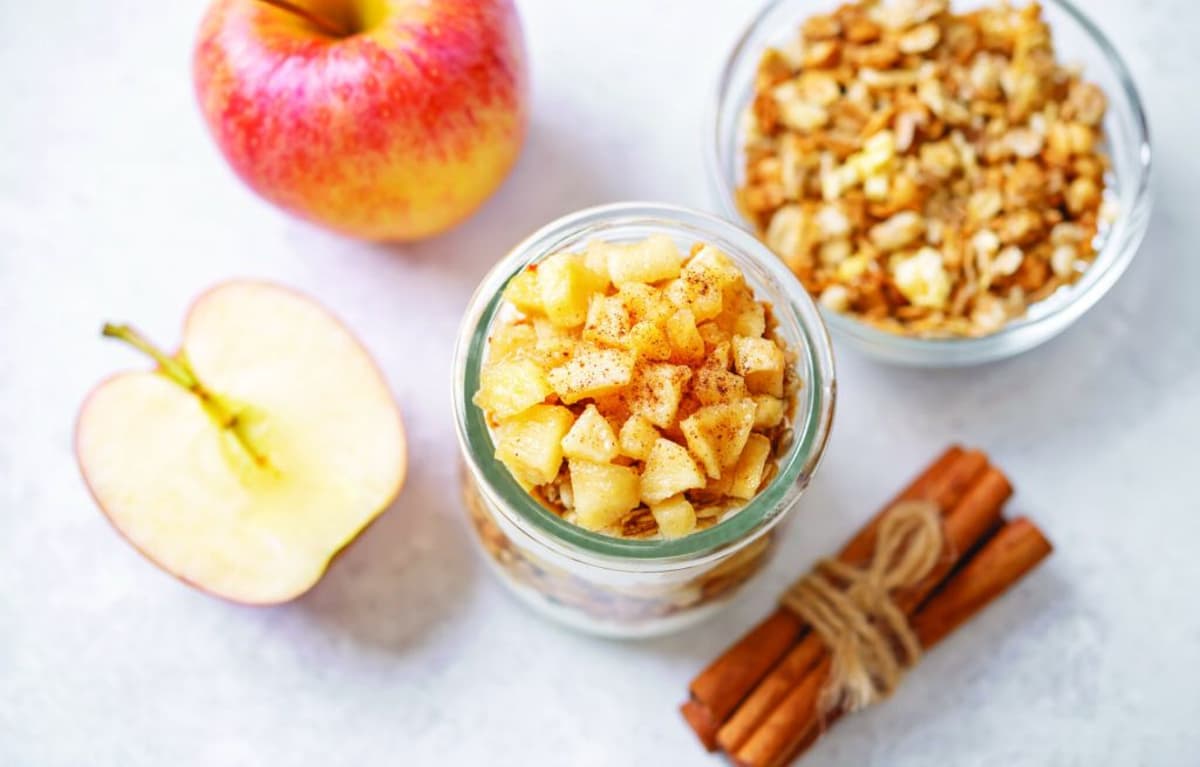
Microwave Apple Crisp
Tufts Health & Nutrition Letter released a microwave apple crisp recipe, targeting readers who want a quick, low‑effort dessert. The article is gated behind a subscription, with a promotional rate of $18 for a year, a 36% discount off the...

Osteoporosis Screening Recommended for All Women over 6
USPSTF now recommends routine osteoporosis screening for all women aged 65 and older, and for younger postmenopausal women with specific risk factors. The guidance is based on systematic review evidence that early detection via DEXA scans can lower fracture incidence....

Grass-Fed and Grain-Fed Beef Have Similar Effects on Inflammation
A recent Tufts Health & Nutrition study compared the inflammatory response to grass‑fed versus grain‑fed beef. Although grass‑fed beef contains higher levels of omega‑3 fatty acids, the research found no measurable difference in key inflammation markers after consumption of either...
At Risk for Heart Disease? Lower Your Saturated Fat Intake
A meta‑analysis of 17 randomized controlled trials involving more than 66,000 participants found that reducing saturated fat intake lowers the risk of heart attack and stroke. The risk reduction was most pronounced among individuals already at elevated cardiovascular risk. The...

New Dietary Guidelines for Americans
The U.S. Departments of Agriculture and Health and Human Services have issued the 2025–2030 Dietary Guidelines for Americans, the latest iteration of a five‑yearly series that began in 1980. The guidelines shape federal nutrition programs such as school meals, Meals...