Extra Protein Does Not Preserve Muscle Size or Function with Age
Why It Matters
The results call into question current nutrition guidelines that advocate higher protein for seniors, potentially reshaping supplement marketing and clinical advice. Understanding the limited impact of protein alone underscores the need for integrated approaches, such as resistance training, to maintain muscle health.
Key Takeaways
- •Extra protein intake failed to preserve muscle mass in seniors
- •Potassium bicarbonate supplementation showed no functional benefit
- •Combined protein and bicarbonate also did not improve outcomes
- •Results challenge higher protein recommendations for healthy older adults
- •Emphasis shifts to resistance exercise over dietary supplementation
Pulse Analysis
Sarcopenia, the progressive loss of muscle mass and strength, affects up to 15 percent of adults over 65 and is linked to falls, disability, and higher healthcare costs. For years, nutrition experts have promoted increased protein intake—often 1.2 to 1.5 grams per kilogram of body weight—as a low‑risk strategy to blunt this decline. The supplement industry has capitalized on this narrative, launching protein powders, fortified beverages, and “anti‑aging” formulas targeting older consumers. However, the scientific consensus on the dose‑response relationship remains unsettled, prompting large‑scale trials to test the hypothesis directly.
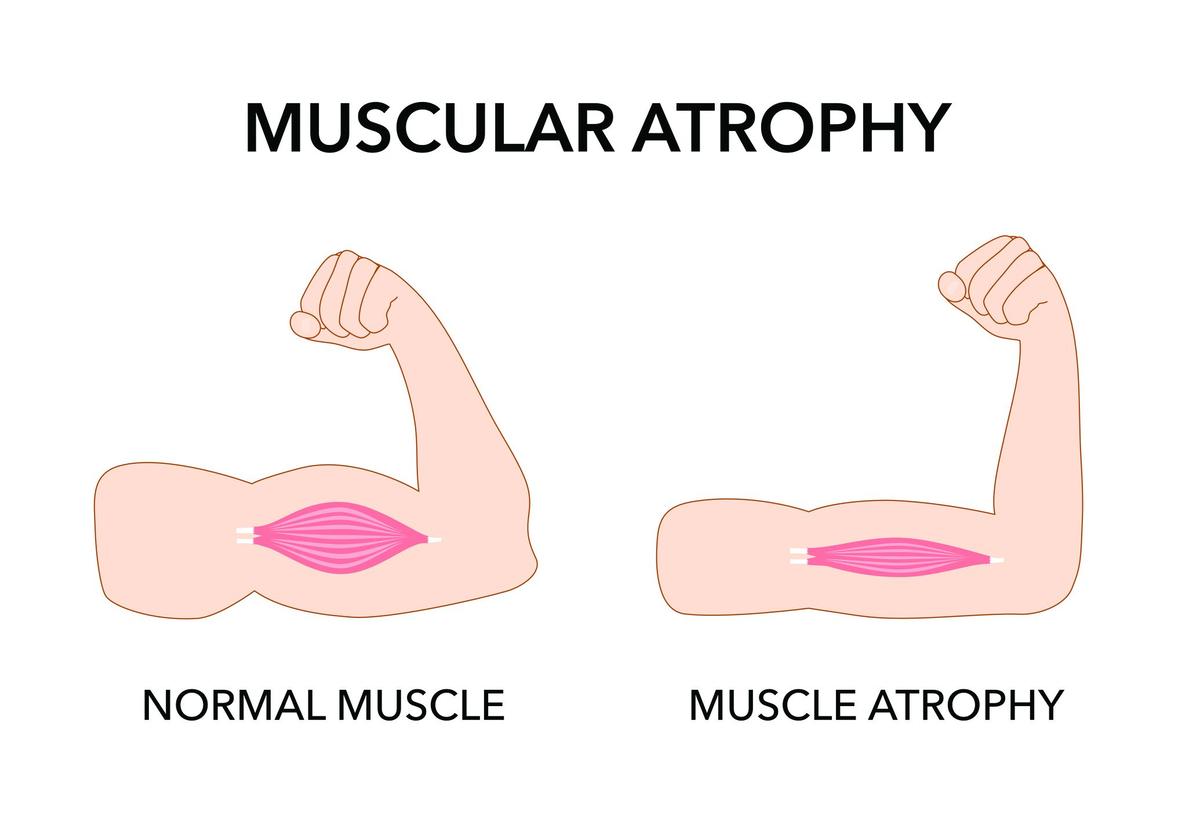
In May 2026, researchers published a double‑blind, randomized, placebo‑controlled trial in The American Journal of Clinical Nutrition that enrolled healthy adults aged 65 to 80. Participants were assigned to one of four groups: standard protein intake, elevated protein (approximately 1.5 g/kg), potassium bicarbonate supplementation, or a combination of extra protein and bicarbonate, each for 12 months. Primary outcomes included changes in thigh muscle cross‑sectional area measured by MRI and functional performance on gait speed and chair‑rise tests. The data revealed no statistically significant differences between any intervention and the placebo, indicating that neither extra protein nor alkalinizing agents halted muscle atrophy or improved function.
These findings have immediate ramifications for dietary guidelines, clinical practice, and a multibillion‑dollar supplement market. Health authorities may need to temper protein‑centric recommendations and instead emphasize resistance training, adequate vitamin D, and overall lifestyle interventions. For manufacturers, the study underscores the risk of overpromising benefits of protein‑only products to older adults, potentially prompting a pivot toward integrated wellness solutions. Future research will likely explore synergistic effects of nutrition combined with structured exercise programs to develop evidence‑based strategies for preserving muscle health in an aging population.
Extra Protein Does Not Preserve Muscle Size or Function with Age
Comments
Want to join the conversation?
Loading comments...