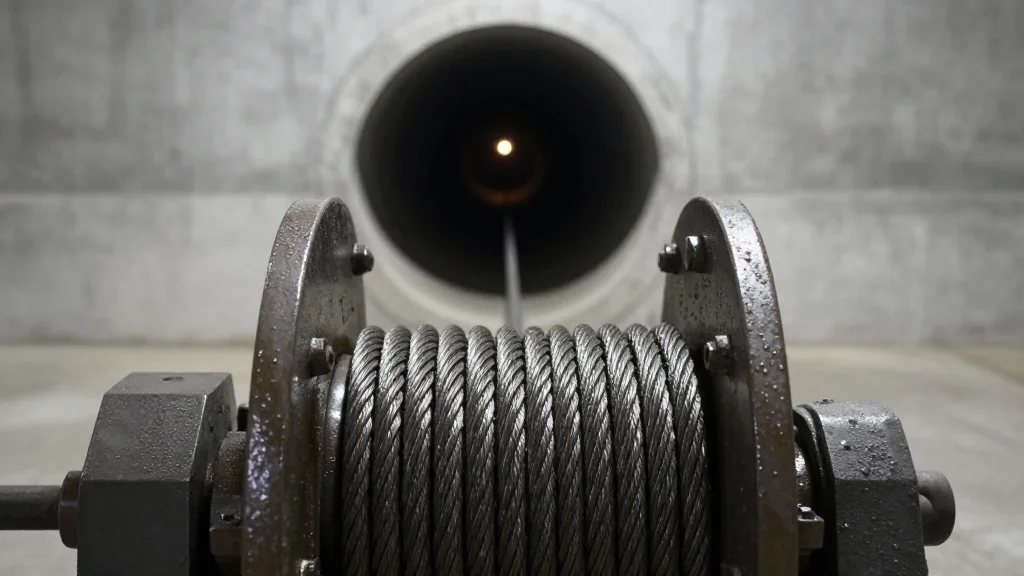
What Lies Beneath: Unearthing Advanced Compressed Air Energy Storage
Advanced Compressed Air Energy Storage (A‑CAES) uses deep rock caverns to store electricity, offering grid‑scale capacity comparable to a 500 MW, eight‑hour plant that can power a city the size of Boston on less than 100 acres. The technology leverages hard‑rock geology—about one‑third of global landmass—to locate sites near demand centers, avoiding the land and water intensity of pumped‑hydro and the critical‑mineral dependence of batteries. Construction costs allocate 25‑30% to subsurface work, which is de‑risked through multiple borehole verifications. A‑CAES operates at modest 75 bar pressure and promises a 50‑plus‑year service life.
How Utilities Can Add Capacity in Months, Not Years
Utilities are turning mid‑size commercial buildings into virtual power plants using Edo’s AI‑driven platform. By linking modern building management systems to the grid, the solution can pre‑configure and automatically execute demand‑response events without on‑site staff. This approach unlocks the "missing...
Entergy’s Gas Projects Are One-Third of MISO’s Fast-Track Interconnection Process
Entergy’s gas‑fired projects comprise roughly one‑third of the Midcontinent Independent System Operator’s (MISO) fast‑track interconnection queue, totaling about 9 GW of the 28 GW under review. Approximately 70% of the capacity is earmarked for new data‑center complexes in Louisiana, Mississippi and Texas....
Once You Secure SPARK Funds for Transmission Development, What Comes Next?
The DOE’s SPARK program is funneling capital into fast‑track transmission projects, but utilities soon discover a hidden bottleneck between award and construction. Disconnected design workflows cause data drift between models, bills of materials and field records, leading to procurement delays...
New Mexico Has the Nation’s Best DER Interconnection Policy: Report
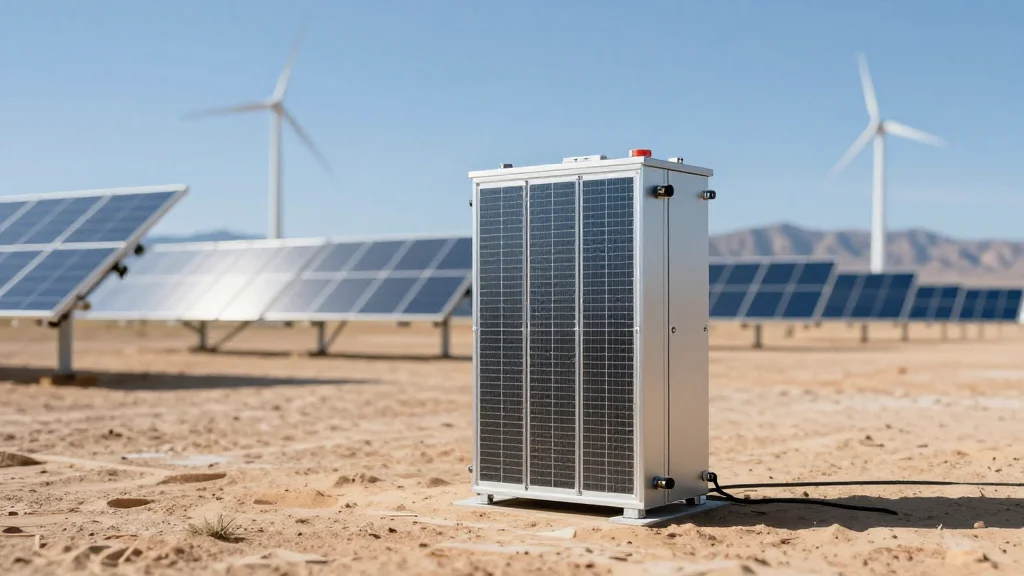
New Mexico received the nation’s only “A” grade for distributed energy resource (DER) interconnection in Vote Solar and IREC’s updated “Freeing the Grid” report, which evaluates state policies against more than 50 best‑practice criteria. Eight other states earned “B” grades,...
Hyperscalers Didn’t Set Out to Be Power Companies. The Grid Left Them No Choice.
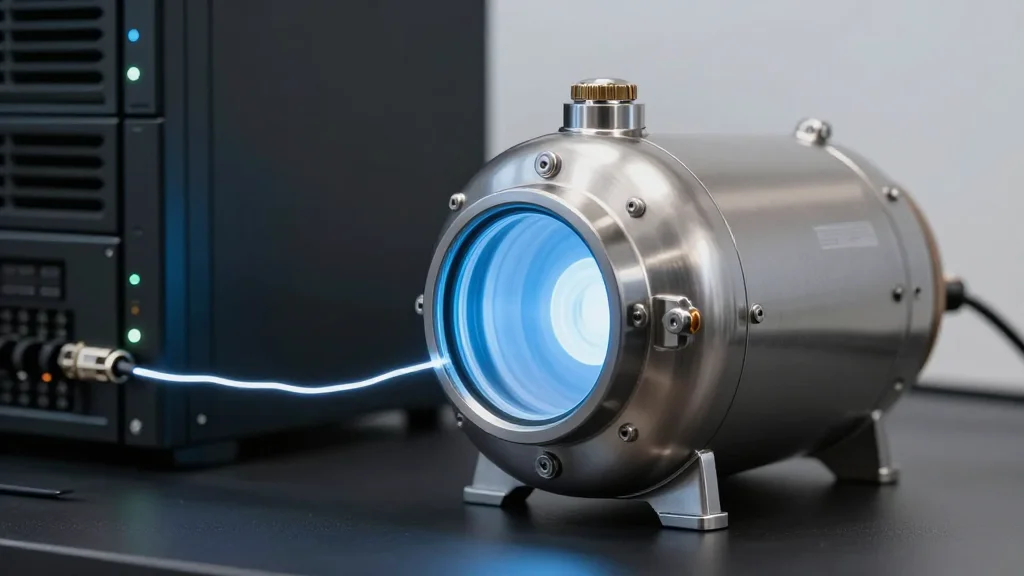
AI hyperscalers such as Microsoft, Meta, Amazon and Google are rapidly becoming power generators, securing more than 20 GW of nuclear and small‑modular reactor capacity to meet exploding data‑center electricity needs. Global data‑center consumption is projected to hit about 1,050 TWh, driven...
Virginia Senator Suggests SCC Judge Recuse Herself From NextEra-Dominion Merger
Virginia Senator Russet Perry has asked State Corporation Commission (SCC) Chair Kelsey Bagot to recuse herself from reviewing NextEra Energy’s proposed merger with Dominion Energy. Bagot, a former NextEra attorney, previously stepped aside from a related 2023 proposal, reinforcing concerns...
MISO Pushes Back on Utility Complaint over Competitive Transmission Bidding
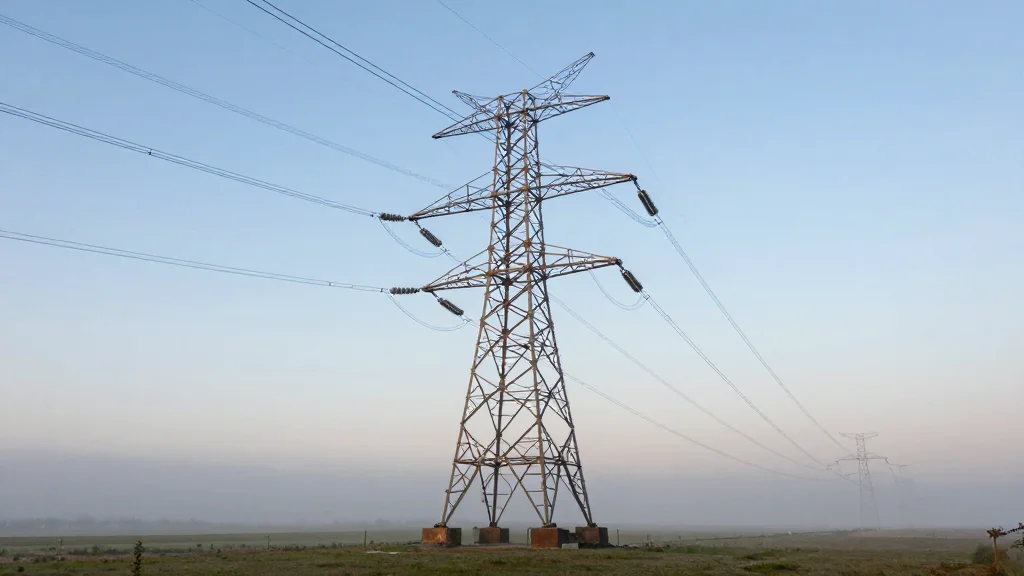
The Midcontinent Independent System Operator (MISO) told FERC that utilities have overstated the delay caused by competitive transmission bidding, rejecting the 16‑20‑month slowdown claimed in a complaint filed by Entergy, Xcel Energy and others. MISO cites its own experience and...
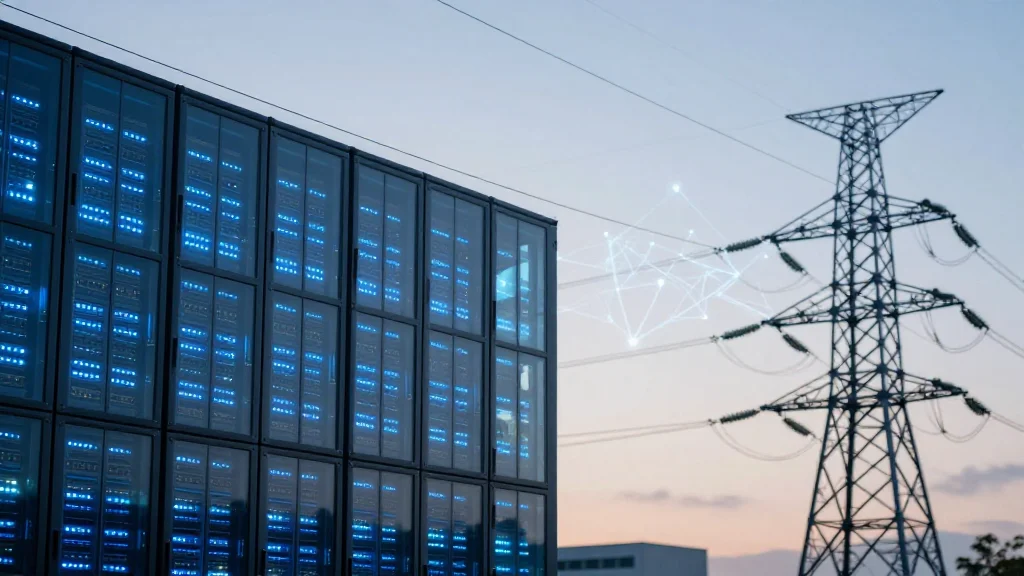
What the Streaming Wars Can Teach Utilities About the AI Data Center Boom
Utilities are confronting a surge in AI‑driven data‑center load that could triple electricity demand by 2030, echoing the disruption of the streaming wars in media. The article warns that treating each interconnection as a standalone project risks cost shifts to...
Data Center Firm DigitalBridge in $1.1B Deal to Buy ArcLight
DigitalBridge Group announced a $1.05 billion acquisition of ArcLight Capital Partners, a private power‑plant operator with 20.8 GW of assets and a 15 GW project pipeline. The deal creates an alternative‑asset platform valued at over $150 billion, linking power generation with AI‑driven digital infrastructure....
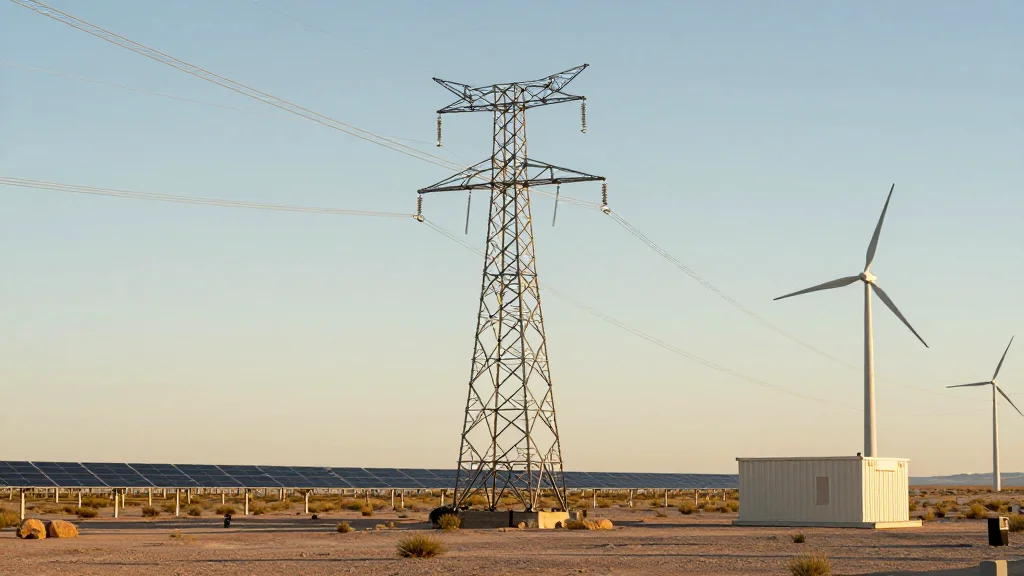
New Mexico Regulators Approve SPS’ $9B, Gas-Heavy Resource Plan
New Mexico’s Public Regulation Commission approved Southwestern Public Service’s $9.38 billion resource plan, adding about 3.8 GW of new utility‑owned generation. The portfolio is led by 2,088 MW of gas‑fired capacity, complemented by 1,100 MW of wind, 189 MW of solar and 472 MW of battery...
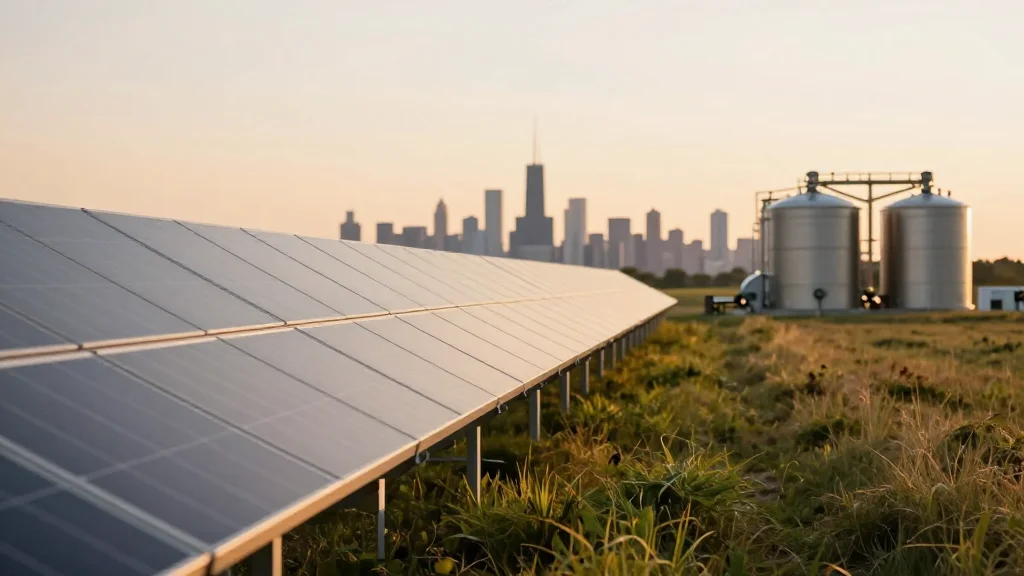
How Illinois’ Energy Policy Blueprint Can Address Affordability, Reliability
Illinois enacted the Clean and Reliable Grid Affordability (CRGA) Act six months ago, pivoting from new gas‑plant and nuclear proposals to fast‑deploying local solar, storage, and virtual power plants. The legislation mandates 3 GW of utility‑scale battery storage by 2030 and...
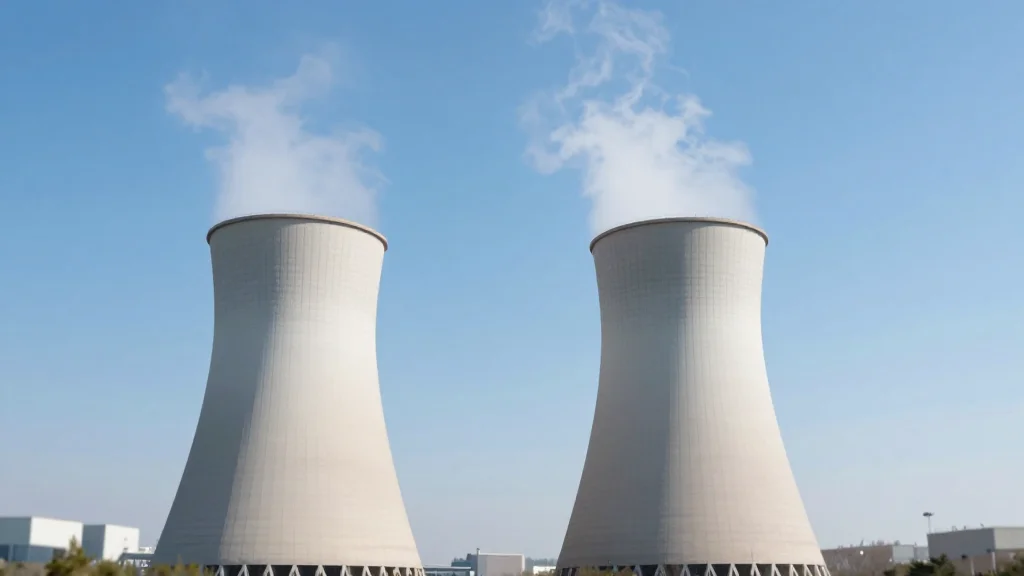
Net Electricity Generation Jumped 4.5% in March as the West Baked Under Record Heat
U.S. net electricity generation rose 4.5% year‑over‑year in March, driven by an unprecedented heat wave across the West, from Texas to California. The March 2026 temperature record, 9.4 °F above the 20th‑century average, spurred higher cooling demand and pushed retail electricity...
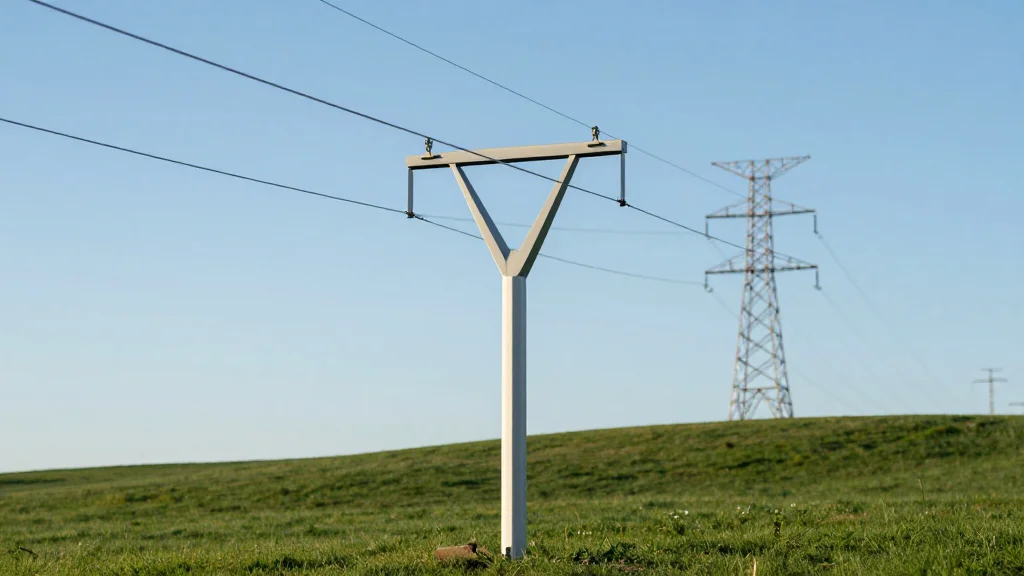
Competitive Transmission Projects Come Online Faster than Incumbent Projects in 4 Regions: R Street
A new R Street Institute report finds that competitive transmission projects are completed more quickly than incumbent utility builds in four major grid regions—CAISO, ISO‑NE, MISO and the Southwest Power Pool. In those regions, competitive lines finish 20‑30% faster and...
Building an Affordable Energy Future
Utilities are confronting a dual challenge: massive infrastructure upgrades and mounting pressure on customer bills. Rising demand from electrification, aging grids, and volatile energy markets are driving capital costs, while inflation and reduced federal aid strain household budgets. Industry leaders...