TransAlta Seeks $19.9M for Centralia Plant’s First DOE ‘Emergency’ Order
TransAlta is asking the Federal Energy Regulatory Commission to recover $19.9 million from ratepayers for keeping its 730‑MW Centralia coal plant on standby under a U.S. Department of Energy emergency order. The plant generated no power during the first 90‑day order and would need an additional $23 million for repairs if further orders are issued. Startup costs total $577,377 per activation, with the first start at $201,627, while operating costs climb from $83.44/MWh to $113.49/MWh after 150,866 MWh. Washington’s attorney general and environmental groups are challenging the DOE’s authority, citing a state law that mandates shutdown by the end of 2025.

Offshore Wind Lease Buyouts Create Troubling Precedent, Say Former DOI Officials
The U.S. Interior Department has agreed to reimburse developers of four offshore wind leases—about 8.6 GW of potential capacity—with $1.8 billion, provided the companies invest an equal amount in U.S. oil, gas or LNG projects. Former DOI officials argue the arrangement lacks...
Congress Should Fix the Nuclear Investment Tax Credit
Bipartisan Representatives Pat Harrigan and Jimmy Panetta introduced HR 8482, the Nuclear Rate Stabilization Act, to let regulated utilities claim the full nuclear investment tax credit upfront instead of spreading it over a plant’s operational life. The current credit, worth 30‑50%...
Senators Vow to Block Permitting Reform over Trump’s Renewables Obstruction
Senators on the Energy and Natural Resources Committee warned Interior Secretary Doug Burgum that they will block bipartisan permitting reform unless the department stops "slow‑walking" renewable energy permits. The threat follows a federal judge’s preliminary injunction halting Interior’s pause on...
FirstEnergy Opposes Key Part of PJM Data Center Backstop Procurement Plan
FirstEnergy publicly opposed PJM Interconnection’s proposed Reliability Backstop Procurement auction, arguing that the two‑phase process places PJM and distribution companies as unnecessary intermediaries between data‑center developers and end‑use customers. The utility wants any network upgrades serving large loads to be...
CAISO Expects ‘Solid Launch’ for EDAM, First Western Day-Ahead Market
The California Independent System Operator (CAISO) announced a "very solid launch" of its Extended Day‑Ahead Market (EDAM) on May 1, marking the first day‑ahead market in the Western United States. After 90 days of parallel operations that simulated real‑time trading, CAISO...
MISO Capacity Prices Fall as New Supply Outpaces Demand Growth
MISO’s latest Planning Resource Auction saw capacity offerings rise 3.4% to 141 GW, driven largely by 5.6 GW of new accredited resources, more than half of which were solar. Prices plunged across the region, with annualized capacity prices dropping to $116‑$126 per...
Capacity Cost Explosion: What PJM’s $80B Bill Means for the AI Buildout
The PJM Interconnection’s 2025 financial report shows capacity costs exploding from $2.69 billion to $10.39 billion—a 285% increase—while total market settlements rose 56% to $80.5 billion. Energy, congestion, and reserve expenses all surged, reflecting a grid strained by AI data‑center demand and broader...
Industrial Loads Boost Consumers Energy’s Sales as Coal Plant Emergency Order Costs Rise
Consumers Energy’s electric sales rose 5.9% YoY in Q1 2026, driven by strong industrial load growth that lifted total revenue 5.3% to $1.37 billion. The utility expects new data‑center and industrial projects, including a $1.2 billion fertilizer plant, to sustain 2‑3% annual sales...
Americans Deserve Facts, Not Fearmongering, About Their Electric Bills
President Todd Snitchler of the Electric Power Supply Association warns that recent PJM capacity auction results are being misused to push a return to vertically integrated utility monopolies. He argues that competitive wholesale electricity markets have historically lowered costs, spurred...
Extended Heat Wave Could Cripple New York’s Grid This Summer: NYISO
The New York Independent System Operator (NYISO) warns that summer reliability margins will be the lowest in recent history, with only 417 MW of spare capacity under normal conditions. Forecasts show the margin could plunge to –1,679 MW during a three‑day 95 °F...

Cities Sue EPA for Failing to Uphold Soot Standard
A coalition of ten states, the District of Columbia, Harris County, Texas, and New York City filed a lawsuit against the EPA for failing to implement the 2024 Clean Air Act rule that tightens the fine‑particulate (soot) standard from 12 µg to...
NextEra Contracted 4 GW of New Generation Projects in Q1
NextEra Energy Resources announced a record 4 GW of new generation contracts in Q1 2026, comprising 2.2 GW of solar, 1.3 GW of battery storage and 0.5 GW of wind. The utility aims to expand its portfolio to 41.5 GW of solar and 43 GW of...
PJM Market Monitor Opposes 1.3-GW Gas Plant Deal Between Hull Street, Rockland Capital
The PJM market monitor, Monitoring Analytics, has asked FERC to reject Hull Street Energy’s proposed purchase of two peaking power plants totaling 1,267 MW from Rockland Capital. The deal could allow Hull Street to divert the Lee County, Illinois and Tait,...

EPRI: Local AI for Energy Research
EPRI has deployed Dell’s Pro Max workstation equipped with NVIDIA’s Grace Blackwell GB10 superchip to run custom AI workloads entirely on‑premises. The system supports up to 200 billion‑parameter models, 128 GB of unified memory, and delivers roughly 1 petaFLOP of AI performance, enabling...

Grid Modernization’s Overlooked Constraint: From Data Gaps to Data Advantage
Investor‑owned utilities face accelerating load growth, DER proliferation, and tighter interconnection timelines. While many invest in advanced metering and DER management, European utilities have found that the real bottleneck is data quality, not technology. Deploying an Intelligent Grid Platform (IGP)...
What Load Growth Demands of Resource Planning
Utilities and grid operators are confronting load growth that would have seemed impossible five years ago, with ERCOT projecting an additional 142 GW of peak demand by 2030 and national data‑center demand expected to hit 134 GW, triple current levels. This surge...
Average US Electricity Prices Rose 9% Year over Year in February: EIA
The U.S. Energy Information Administration reported that average electricity revenue per kilowatt‑hour rose 9% in February 2026 compared with February 2025, reaching 14.36 cents/kWh. Price spikes were most pronounced in Virginia (26.3%), Ohio (21.9%) and Pennsylvania (19.5%). All four market segments—residential,...

AI Data Centers Are Upending Utility Load Planning
AI‑driven data centers are creating a new class of electricity demand that could represent 9%‑17% of U.S. power consumption by 2030, up from roughly 3%‑4% today. Their high‑density compute clusters cause 40%‑50% load swings over short periods, a pattern utilities’...
Economic Development Group Pushes Congress on Permitting Reform
A coalition of local, state and regional business groups, led by the Chambers for Innovation and Clean Energy (CICE), is lobbying Congress for federal permitting reform ahead of the November midterms. They argue that predictable permitting will unlock investment in...
In New Jersey, We’re Leading by Example, Tackling Energy Affordability Head-On
New Jersey’s Board of Public Utilities (BPU) is confronting the nation’s steepest electricity price jump—a 16.9% rise, roughly $260 per household—by deploying a three‑pronged strategy. The plan expands bill‑assistance to 3.9 million accounts, accelerates storage and solar projects (355 MW Tranche 1 and...

PJM Market Monitor Opposes Waivers for Constellation’s Three Mile Island Nuclear Restart
The PJM Interconnection market monitor has rejected Constellation Energy’s request for waivers that would let it transfer Capacity Interconnection Rights from retiring fossil‑fuel plants to the 835‑MW Crane nuclear unit, formerly Three Mile Island Unit 1. Constellation aims to restart Crane...
CenterPoint to Energize 8 GW of Data Center Load by 2029
CenterPoint Energy announced it will have 8 GW of data‑center load energized by 2029, with an additional 4.2 GW slated thereafter, marking a 60% increase from last year. The utility already has 3.5 GW under construction and expects to tap 10 GW of existing...
Base Power Partnership to Mitigate Price Spikes, Load Peaks for South Texas Co-Op, CEO Says
Guadalupe Valley Electric Cooperative (GVEC) is expanding its residential battery program with Base Power, adding 50 MW of distributed storage across its 3,500‑square‑mile service area. The partnership builds on a 2‑MW pilot and targets 20 MW of capacity by the end of...
Alaska’s Energy Challenges Require a National Response
Alaska’s power system is dominated by more than 200 isolated microgrids that must generate electricity locally, driving costs several times higher than the national average. The state’s primary population corridor, the Railbelt, faces a tightening natural‑gas supply from Cook Inlet and...
What Does Trump’s Wartime Powers Flex Mean for Transformers and Other Grid Equipment Shortages?
President Donald Trump issued five Defense Production Act (DPA) determinations aimed at expanding domestic production of power‑grid equipment and fossil‑fuel infrastructure. The memo highlights severe shortages of transformers, high‑voltage components and other critical hardware, with backlogs now exceeding a year....
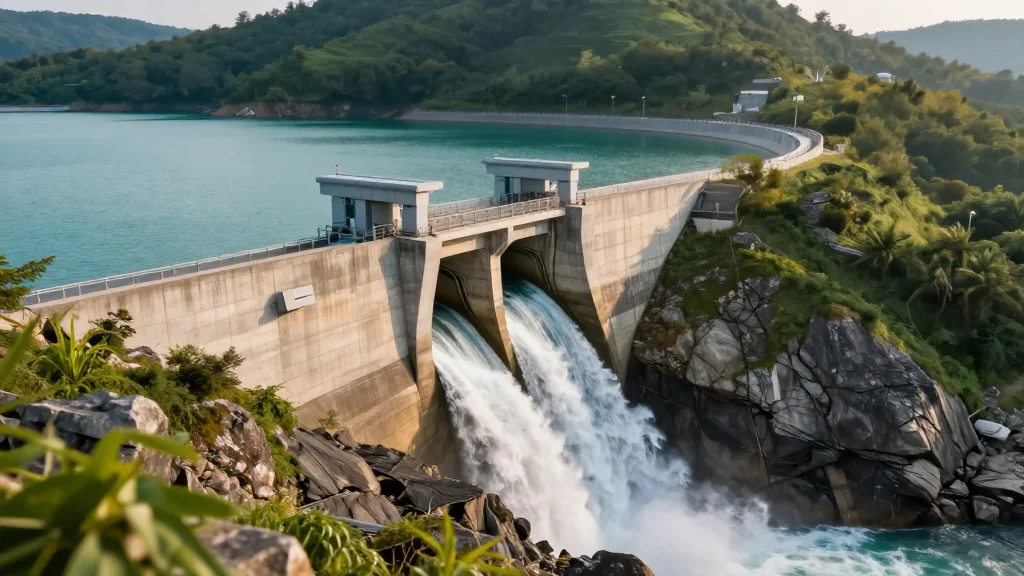
Kentucky Utilities Eye 266-MW Pumped Storage Project as Demand Drives Renewed Interest
Louisville Gas & Electric and Kentucky Utilities are assessing a $1.3 billion, 266‑MW pumped‑storage project in southeast Kentucky, the first of its kind for the state. The Lewis Ridge facility would generate up to 60 GWh per month and could be operational...
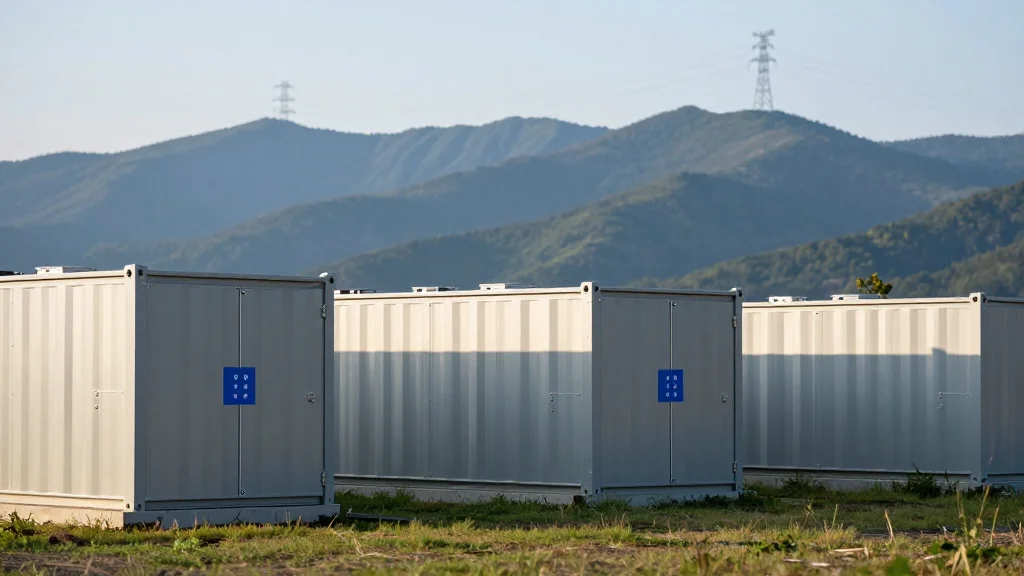
Virginia Public Power Providers Embrace Megawatt-Scale, Distribution-Connected Batteries
Virginia’s Blue Ridge Power Agency and Lightshift Energy announced a plan to install roughly 25 MW of distribution‑connected battery storage across five sites owned by three member utilities. Each 5‑MW system is slated to be operational this year, charging during off‑peak...
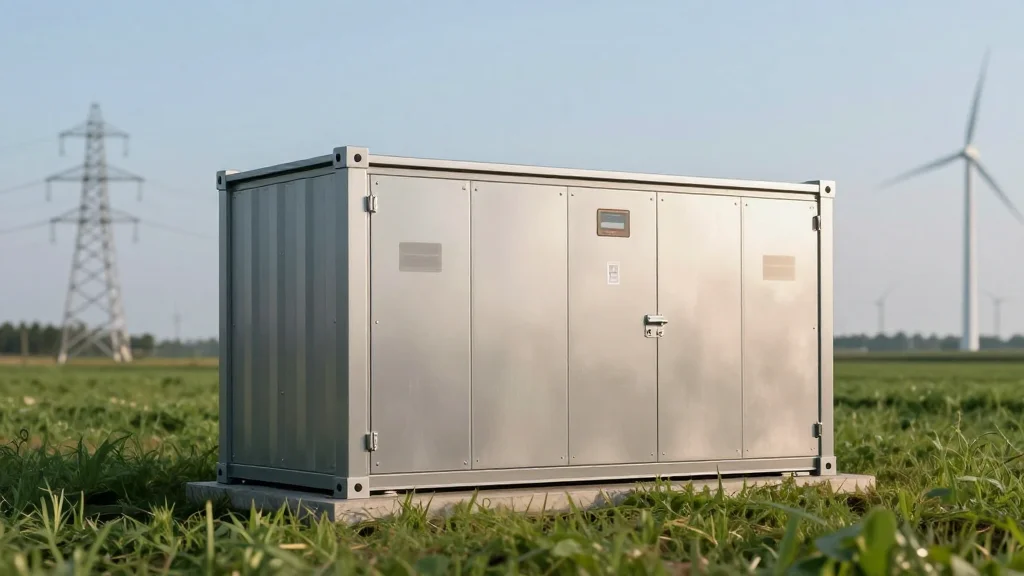
Minnesota Got One Thing Right on Distributed Storage — but It Missed the Bigger Opportunity
Minnesota’s Public Utilities Commission approved Xcel Energy’s Capacity*Connect program, allowing the utility to own and deploy up to 200 MW of front‑of‑meter battery storage funded by a $430 million ratepayer budget. The approval marks a regulatory acknowledgment that distributed storage can bolster...
New England States Urge FERC to Advance $1.5B in Ratepayer Refunds
New England governors and utility regulators asked FERC to reject a stay request by Eversource and Avangrid that would postpone roughly $1.5 billion in ratepayer refunds. The refunds arise from FERC’s decision to lower the allowed return on equity for transmission...
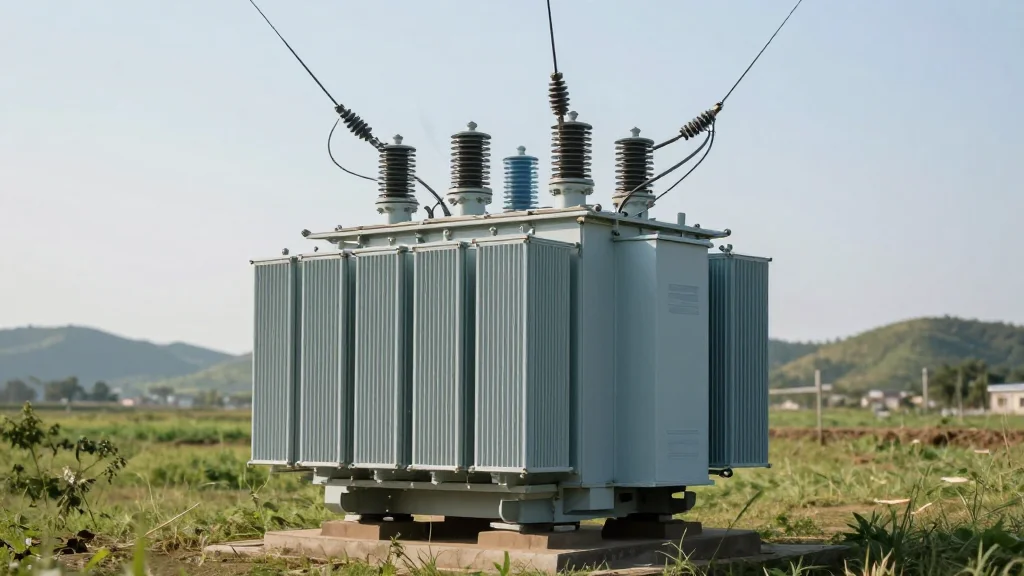
Sudden Data Center Load Losses Prompt NERC Alert, Recommendations
The North American Electric Reliability Corp. (NERC) is set to issue a Level 3 essential‑actions alert on May 4, targeting large computational loads such as AI data centers and crypto mining facilities. The alert follows a series of unexpected load‑loss events since...
La Plata Electric CEO: Why Western Utilities Are Moving Toward Regional Markets
On April 1, La Plata Electric Association (LPEA) joined the Southwest Power Pool, extending its reach into the Western Interconnection. The move reflects a broader shift among Western utilities from isolated balancing authorities toward coordinated regional markets. Organized markets allow system...
MISO Expects Load to Jump 35% by 2035 on Data Center Growth
The Midcontinent Independent System Operator (MISO) projects its peak electricity load to rise to about 163 GW by 2035, a 35% jump from the 2025 peak of 121 GW, driven primarily by rapid data‑center expansion. Electric vehicles, manufacturing, and residential demand also...
How Do You Know Your Power Market and Grid Data Is Reliable? 9 Questions to Ask
Yes Energy’s sponsored guide stresses that utilities and traders need reliable power‑market and grid data to make short‑term and long‑term decisions. It outlines nine critical questions across three data quality dimensions—completeness, freshness, and lineage—to evaluate data providers. The guide highlights...
The Grid Is Under Pressure From Two Directions. Your Customers Own the Answer.
U.S. utilities face a dual grid squeeze: AI‑driven data centers are pushing peak load forecasts up sevenfold since 2022, while rapid EV adoption threatens local transformer capacity. Traditional "build more" responses are hampered by long interconnection queues, regulatory pressure, and...
The Single-Platform Utility: A Competitive Advantage in the Age of AI
Utilities are confronting rising cost pressures, regulatory demands and workforce shortages just as AI moves from pilot to production. The article argues that a single, integrated platform linking operational technology, front‑office and back‑office systems is essential to unlock AI’s potential...
PECO Withdraws $510M in Rate Hike Proposals over Affordability Concerns
PECO Energy withdrew a combined $510 million rate increase request for its electric and gas operations after two weeks of public and regulator pushback over affordability. The original filing sought a 12.5% boost for electricity ($429 million) and an 11.4% rise for...
Congress Presses DOE’s Wright on Energy Star, Permitting Reform
Energy Secretary Chris Wright testified before the House Energy and Commerce Committee, where lawmakers questioned the Department of Energy’s handling of the Energy Star program after its transfer from the EPA. Rep. Paul Tonko highlighted the program’s historic $35 million annual cost...

FERC Tees up June Decision on Data Center Interconnection Reform
The Federal Energy Regulatory Commission announced it will issue a decision in June on the Department of Energy’s proposed reforms for interconnecting data centers and other large loads to the transmission grid. The commission emphasized a swift, efficient, and legally...
US Power Purchase Agreements Reach Record Prices: LevelTen
North American renewable power purchase agreements hit record highs in Q1 2026, with wind contracts averaging $79.40 per megawatt‑hour and solar at $64.49. Prices have risen 13% for solar and 24% for wind compared with a year ago, driven primarily by...

After 2 Years, Ratepayer Pain and Political Fallout From Georgia’s Nuclear Plant Vogtle
Georgia Power finished the Vogtle nuclear expansion in April 2024, but the project delivered a near‑25% rate increase for customers due to $36 billion cost overruns. Regulators allowed the overruns to be passed directly to ratepayers without a full prudency review,...

Suniva Announces 4.5-GW Solar Cell Facility in South Carolina
Suniva announced a $350 million investment to build a 4.5‑GW solar‑cell plant in Laurens, South Carolina, slated for operation in Q2 2027. The new facility will raise Suniva’s U.S. capacity to over 5.5 GW, making it the largest merchant solar‑cell manufacturer in the...
ERCOT Says Texas Demand Could Quadruple but Cautions Forecast May Be Inflated
ERCOT’s preliminary long‑term load forecast projects Texas peak electricity demand could soar to 367,790 MW by 2032, roughly four times the 2023 record of 85,508 MW. The surge is attributed to expanding data centers, cryptocurrency mining, and other large‑load industrial customers. Current...

Why Reforming Rooftop Solar and Battery Permitting Belongs on Every State Affordability Agenda
American families face soaring electricity bills, yet state permitting rules for rooftop solar and home batteries remain a costly bottleneck. A new Environment America scorecard shows 48 states receive D or F grades, with only California and Texas earning B...

FERC Orders American Efficient to Pay $1.1B for ‘Brazen Fraud’
The Federal Energy Regulatory Commission (FERC) ordered American Efficient, its parent Modern Energy Group, and affiliated firms to pay roughly $1.1 billion for a massive fraud that spanned more than a decade. The agency said the company sold energy‑efficiency capacity it...
Maryland Regulators Weigh Investor-Owned Utilities’ Flexible Load Proposals
Maryland’s investor‑owned utilities have filed proposals to aggregate up to 440 MW of flexible‑load resources, including thermostats, batteries and bidirectional EV charging, to support virtual power plants and demand‑side management pilots. The DRIVE Act, signed in 2024, requires utilities to develop...
An Outdated FERC Policy Is Undermining the White House’s Ratepayer Protection Pledge
Data‑center developers pledged to the White House to pay for all new power‑delivery infrastructure, but utilities are rolling billions of dollars of transmission upgrades into rates that all customers share. The practice relies on FERC’s 1994 transmission pricing policy, which...
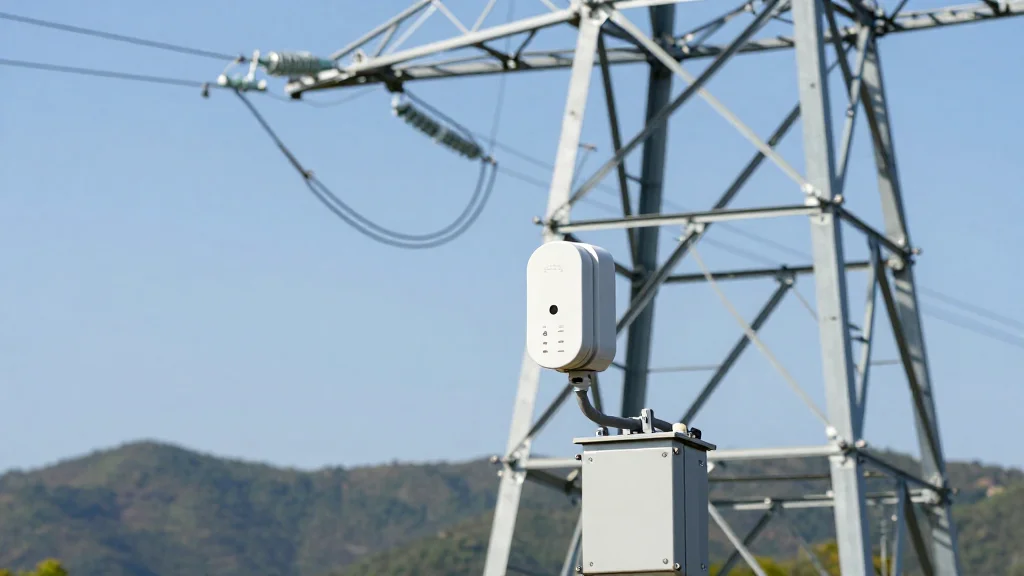
Colorado Legislature Sends ‘Advanced Transmission Technology’ Bill to Governor
Colorado lawmakers approved the Grid Optimization Act (HB 1081), directing the state public utilities commission to require Xcel’s Public Service Co., Black Hills Energy and Tri‑State to evaluate advanced transmission technologies in their biennial 10‑year transmission plans. The legislation defines...
Utility Investment Plans Jump 21%, Further Threatening Affordability: PowerLines
Investor‑owned utilities have lifted five‑year capital spending plans by roughly 21%, targeting $1.4 trillion through 2030, up from $1.1 trillion last year. The Southeast alone accounts for $572 billion of that spend, more than double any other U.S. region. Rate‑increase requests surged to...

Distributed Batteries Get Legislative, Utility Lift in California
California lawmakers are advancing SB 913 to count aggregated residential batteries and electric vehicles as resource‑adequacy capacity, leveling them with traditional generators. Ava Community Energy has launched an $11.25 million SmartHome Battery incentive, offering $500/kWh rebates for low‑income households and $90/kWh for...