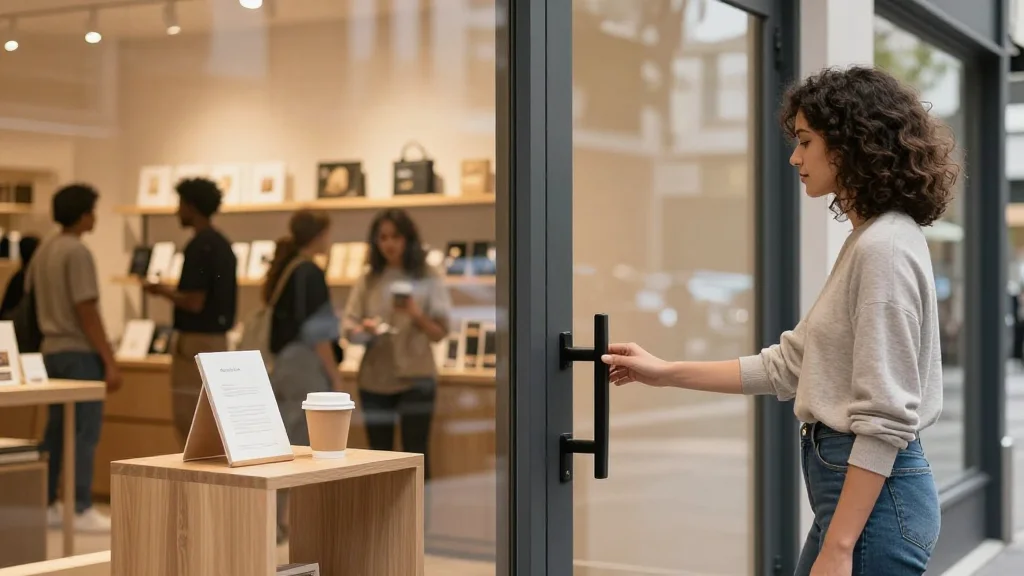
Experts Forecast Brick‑and‑Mortar Retail Revival Fueled by Experiential and Community Trends

Companies Mentioned
Why It Matters
The resurgence of brick‑and‑mortar retail reshapes the competitive landscape between physical stores and e‑commerce platforms. By leveraging experiential and community‑centric strategies, retailers can differentiate themselves, drive higher foot traffic, and capture richer consumer data, which in turn fuels more effective marketing and inventory decisions. This shift also influences commercial real estate demand, as malls and shopping centers adapt to host experience‑focused tenants. For investors, the trend signals new growth opportunities in store‑renovation services, retail technology providers, and data analytics firms that specialize in in‑store insights. Companies that can deliver integrated solutions—combining AR, mobile engagement, and community programming—are likely to see heightened demand as retailers accelerate their transformation plans.
Key Takeaways
- •85% of consumers prefer experiential retail over material purchases (ICSC study).
- •83% say community‑driven interactions influence shopping decisions (Retail Feedback Group).
- •75% of shoppers plan in‑store holiday purchases; 62% seek a full sensory experience (NRF).
- •Karen Hertzberg (ICSC) emphasizes the need for storytelling and community in stores.
- •David Cheesman (Nielsen) highlights data collection benefits of experiential retail.
Pulse Analysis
The current wave of brick‑and‑mortar revival reflects a broader consumer desire for hybrid experiences that blend digital convenience with physical authenticity. Historically, retail cycles have swung between catalog, mall, and online dominance; this iteration leverages technology to augment, rather than replace, the tactile environment. Retailers that treat stores as data collection hubs can close the feedback loop faster than pure e‑commerce players, translating real‑time insights into inventory adjustments and targeted promotions.
From a competitive standpoint, the revival narrows the gap between legacy department stores and niche specialty brands. While giants like Walmart and Target have long invested in omnichannel capabilities, smaller chains can now compete by offering curated experiences and community events that larger formats cannot easily replicate. This democratization of experiential retail could spur a wave of boutique‑scale innovations, especially in suburban and secondary markets where foot traffic has traditionally lagged.
Looking forward, the sustainability of the revival hinges on scalability and ROI. Retailers must balance the cost of immersive installations against measurable lift in sales and loyalty metrics. As AI and sensor technologies mature, the ability to quantify the impact of experience‑driven initiatives will improve, allowing capital to be allocated more efficiently. Companies that can provide end‑to‑end solutions—design, technology integration, and analytics—are poised to become the new infrastructure backbone of the physical retail renaissance.
Experts Forecast Brick‑and‑Mortar Retail Revival Fueled by Experiential and Community Trends
Comments
Want to join the conversation?
Loading comments...