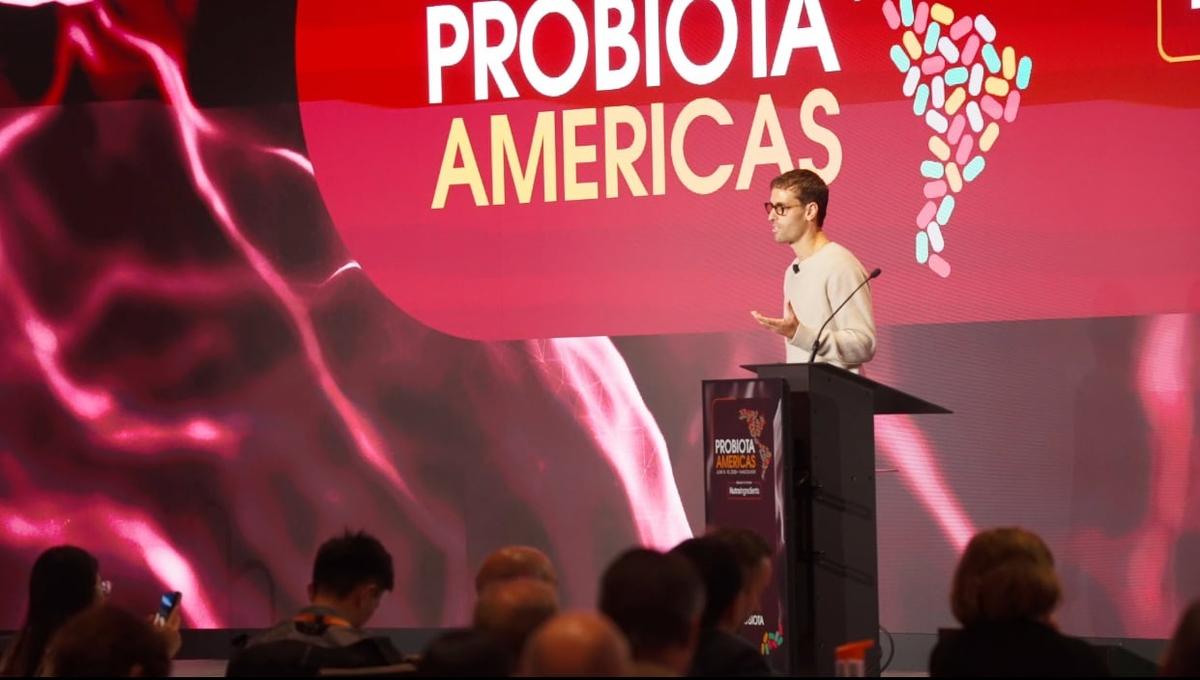
How Cross Border E-Comm and Social Platforms Power China’s Booming Supplement Market
Companies Mentioned

Why It Matters
The rapid growth of China’s online supplement sector and its preference for foreign products create a lucrative entry point for multinational brands, while platform concentration demands localized digital strategies.
Key Takeaways
- •China’s online nutraceutical market reaches $17 B in 2025
- •Cross‑border e‑commerce for supplements grew 20% to $566 M
- •Tmall (42.2%) and Douyin (40.9%) dominate supplement sales
- •54% of Chinese supplement spend favors foreign brands
- •Probiotic SKUs on Tmall average >10 B CFUs, nine‑plus strains
Pulse Analysis
China’s e‑commerce ecosystem is unlike any Western market. With Facebook, Google and Amazon blocked, domestic giants such as Alibaba’s Tmall, JD.com, WeChat and ByteDance’s Douyin command consumer attention and wallet share. This platform lock‑in pushes brands to adopt a China‑first digital playbook, leveraging social commerce tools, livestreaming, and localized content to capture the 51% of spending that now happens online. The shift also means that traditional offline distribution channels play a secondary role, accelerating the need for agile, data‑driven marketing tactics.
The nutraceutical segment illustrates the scale of opportunity. Forecasts put the Chinese online health‑supplement market at $17 billion for 2025, a 14% increase from the previous year, making it the world’s second‑largest after the United States. Probiotics sit just behind fish oil, calcium and multivitamins, with 90% of gut‑health products on Tmall offering high‑dose formulations exceeding 10 billion CFUs and typically containing nine or more strains. Cross‑border e‑commerce alone generated $566 million in 2025, growing 20% YoY, and the market is split almost evenly between Tmall (42.2%) and Douyin (40.9%). These figures underscore the power of social‑shopping experiences and the premium consumers place on scientifically backed, high‑potency products.
Foreign brands are uniquely positioned to capture this demand. More than 54% of supplement spend comes from imported products, with Australian and American manufacturers leading the charge. Success hinges on a granular SKU strategy—right dosage, price point, and consumer persona—paired with end‑to‑end operational support. Agencies like WPIC handle everything from customs clearance and warehousing to localized marketing and translation, enabling brands to focus on product‑market fit. As post‑COVID health consciousness fuels continued growth, companies that master China’s platform‑centric, social‑commerce landscape will secure a lasting foothold in the world’s fastest‑expanding supplement market.
How cross border e-comm and social platforms power China’s booming supplement market
Comments
Want to join the conversation?
Loading comments...