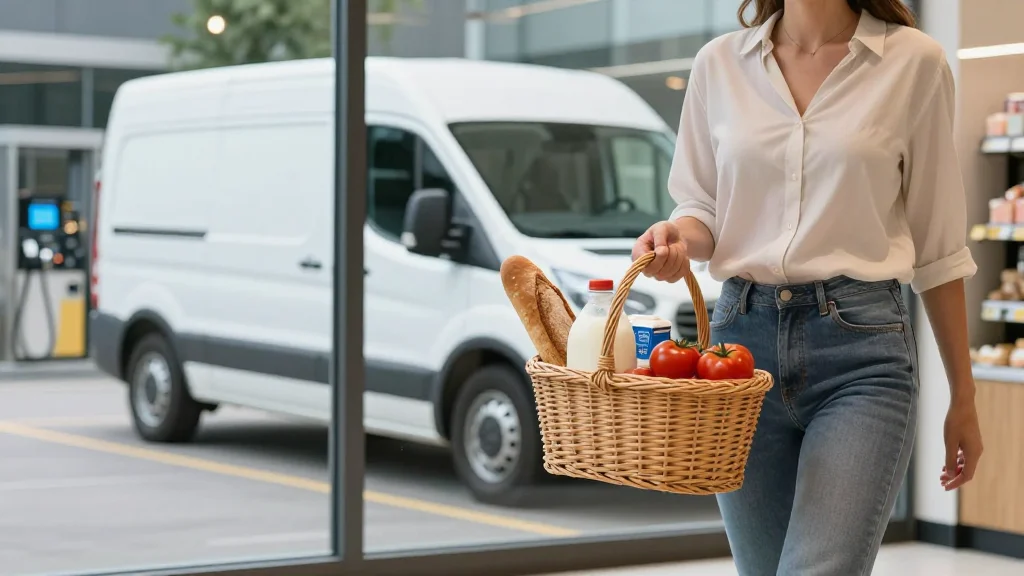
Inflation and Fuel Costs Drive Grocery Shoppers to E‑commerce, Data Shows

Companies Mentioned
Why It Matters
The shift toward more frequent, smaller store visits combined with rapid e‑commerce growth forces grocery retailers to rethink supply chain and merchandising tactics. Companies that can seamlessly blend online and offline experiences stand to capture a larger share of a budget‑constrained consumer base. Conversely, retailers that lag in digital capability risk losing relevance as shoppers prioritize convenience and price transparency. The broader macro environment—persistent inflation, volatile fuel prices, and lingering geopolitical uncertainty—means that the current shopping patterns may evolve quickly. Understanding these dynamics now equips retailers to adapt pricing, promotion, and inventory strategies before consumer sentiment hardens into longer‑term habits.
Key Takeaways
- •Online grocery sales are posting double‑digit growth across food and non‑food categories in 2026.
- •Shoppers are visiting stores more often but buying fewer items per trip, per Placer.ai data.
- •Food price growth remains below 2% YoY, while non‑food items rise 2%‑3% YoY.
- •74.1% of consumers report noticing higher retail prices, with half switching to cheaper brands.
- •Unit sales for food are in negative territory; non‑food categories see steeper declines, according to Circana.
Pulse Analysis
The data signal a pivotal moment for grocery retailers, where the traditional reliance on in‑store traffic is eroding under the weight of macro‑economic pressures. Historically, grocery chains have leveraged footfall to drive impulse purchases; the current pattern of more visits but smaller baskets undermines that model. Retailers that can convert these frequent, intent‑driven trips into digital engagements will likely capture higher basket values through cross‑selling and personalized promotions.
From a competitive standpoint, the double‑digit e‑commerce growth narrows the advantage of legacy brick‑and‑mortar players. Pure‑play online grocers and hybrid models that integrate rapid delivery or curbside pickup are poised to capitalize on the heightened price sensitivity, offering transparent pricing and easy price‑comparison tools. Traditional chains must accelerate digital investments, perhaps through partnerships with technology providers, to avoid being sidelined.
Looking forward, the interplay between fuel costs and shopping frequency could create a feedback loop. If gasoline prices spike, consumers may revert to consolidating trips, potentially dampening the current e‑commerce surge. Retailers should therefore adopt flexible fulfillment strategies—such as micro‑fulfillment centers and dynamic delivery windows—to stay resilient regardless of how external cost pressures evolve.
Inflation and Fuel Costs Drive Grocery Shoppers to E‑commerce, Data Shows
Comments
Want to join the conversation?
Loading comments...