Legacy Retailers Like Party City and Staples Are Increasingly Teaming up on Shop-in-Shops in a Bid for Relevance
Companies Mentioned

Why It Matters
The approach lets retailers tap instant brand recognition and shared real‑estate to boost sales, signaling a pragmatic shift in how physical stores stay relevant amid e‑commerce pressure.
Key Takeaways
- •Staples will host Party City shop‑in‑shops at 700 locations this summer
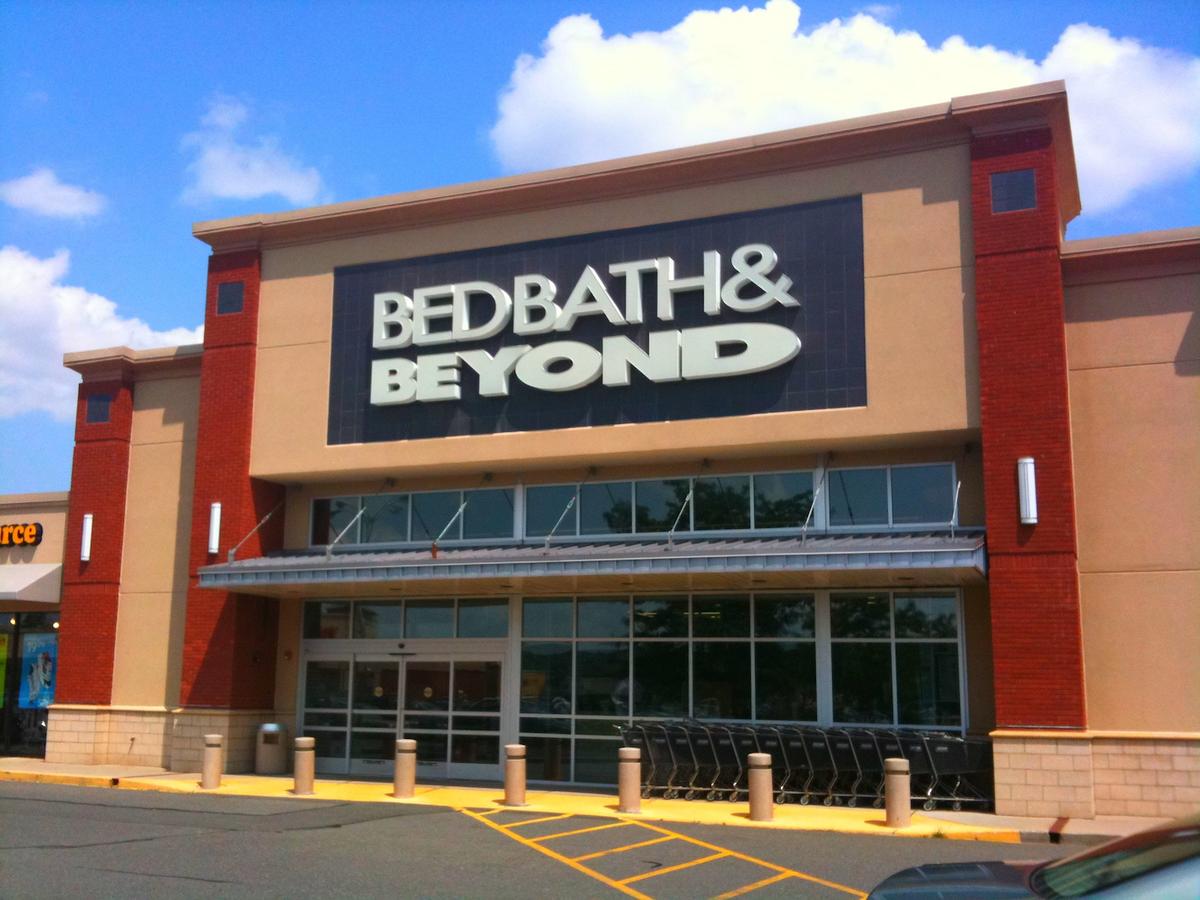
- •Bed Bath & Beyond’s $150 M purchase rebrands 98 Container Store sites
- •Legacy retailers use nostalgia to attract customers and reduce brand‑building costs
- •Experts warn revived brands must evolve beyond nostalgia to stay profitable
Pulse Analysis
The shop‑in‑shop model is gaining traction as traditional retailers scramble to justify large footprints in an increasingly digital world. By embedding Party City within Staples, the office‑supply chain instantly expands its product mix to include balloons, décor and party essentials, turning a single visit into a one‑stop celebration hub. Similarly, Bed Bath & Beyond’s $150 million acquisition of The Container Store creates a hybrid destination that blends home organization with broader home‑goods offerings, leveraging existing store leases and customer bases to accelerate revenue recovery after years of declining foot traffic.
Strategically, these collaborations capitalize on the latent value of well‑known brand names. Consumers already associate Party City with party planning and The Container Store with premium storage solutions, so the partnership reduces the marketing spend required to build trust from the ground up. Retailers also mitigate operational risk by sharing inventory, staffing and real‑estate costs, allowing them to test new assortments without a full‑scale rollout. This model aligns with investors’ appetite for quicker, lower‑cost growth pathways, especially as customer acquisition costs rise and loyalty becomes harder to earn in a crowded marketplace.
However, nostalgia alone cannot sustain long‑term profitability. Experts caution that revived brands must innovate beyond their legacy image, integrating omnichannel experiences and data‑driven merchandising to meet modern shopper expectations. Failure to evolve could repeat past bankruptcies, turning shop‑in‑shops into fleeting curiosities rather than durable revenue streams. As more retailers eye distressed IP assets, the next wave will likely focus on blending nostalgic appeal with technology‑enabled personalization, ensuring these legacy names remain relevant in a post‑pandemic retail landscape.
Legacy retailers like Party City and Staples are increasingly teaming up on shop-in-shops in a bid for relevance
Comments
Want to join the conversation?
Loading comments...