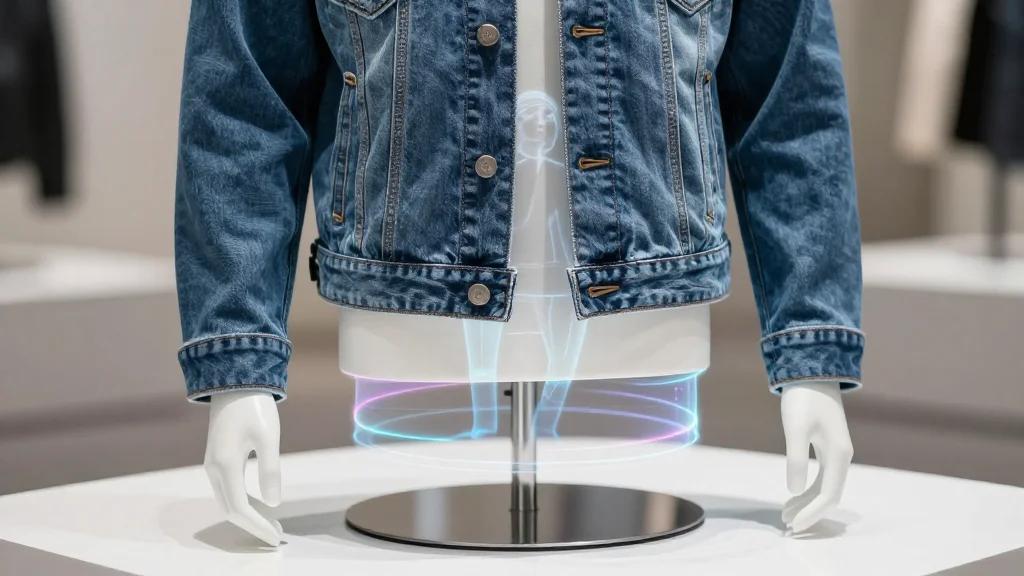
OTB Group and Google Cloud Deploy AI‑Powered Virtual Try‑On for Hyper‑Personalized Shopping

Companies Mentioned

Why It Matters
The OTB‑Google Cloud partnership illustrates how AI is moving from back‑office automation to front‑line customer engagement in fashion retail. By delivering hyper‑realistic virtual try‑on experiences, brands can close the gap between online discovery and in‑store conversion, a persistent challenge for luxury retailers. The initiative also highlights the strategic importance of cloud AI platforms as enablers of differentiated, brand‑specific experiences, potentially reshaping how client advisors sell high‑margin apparel. If the technology drives measurable lifts in conversion and average spend, it could accelerate the broader industry’s investment in AI‑driven clienteling, prompting a wave of similar collaborations. Conversely, any shortcomings—such as latency, inaccurate fit predictions, or privacy concerns—could temper enthusiasm and reinforce the need for rigorous testing before large‑scale deployment.
Key Takeaways
- •OTB Group and Google Cloud launch AI‑powered Virtual Try‑On for Diesel and Jil Sander in US and Europe.
- •Solution uses Google Cloud's Gemini Enterprise Agent Platform, Nano Banana image editing, and Veo video creation.
- •Initial rollout targets premium client advisors, with expansion to Marni, Maison Margiela and other markets planned.
- •No financial terms disclosed, but partnership signals major AI investment in luxury retail personalization.
- •Industry competitors like Amazon Fashion and Meta are also pursuing generative AI try‑on tools.
Pulse Analysis
The OTB‑Google Cloud deal is a textbook example of how legacy fashion houses are leveraging cloud AI to reinvent the sales funnel. Historically, luxury retailers have relied on tactile experiences and personal relationships; this collaboration injects a digital layer that preserves the personal touch while scaling it through generative visuals. By anchoring the technology in Google’s Gemini suite, OTB gains access to a continuously improving AI stack, reducing the risk of obsolescence that plagued earlier, proprietary virtual fitting solutions.
From a market perspective, the partnership could act as a catalyst for a broader AI arms race in fashion. Brands that can seamlessly blend AI‑generated imagery with human advisory services may capture higher spend from digitally native consumers who expect instant, personalized visualizations. However, the rollout also raises operational questions: integrating AI tools into existing POS systems, training advisors to interpret AI outputs, and ensuring data privacy for user‑generated images. Success will hinge on OTB’s ability to turn these technical capabilities into measurable sales uplift.
Looking forward, the next frontier will likely involve real‑time AR overlays and immersive metaverse showrooms, where the line between virtual and physical retail blurs further. OTB’s early adoption positions it to iterate quickly, but the true test will be whether the AI experience can consistently replicate the nuanced fit and feel that high‑end shoppers demand. If it does, the model could become a template for other multi‑brand conglomerates seeking to modernize clienteling without sacrificing brand heritage.
OTB Group and Google Cloud Deploy AI‑Powered Virtual Try‑On for Hyper‑Personalized Shopping
Comments
Want to join the conversation?
Loading comments...