Piggly Wiggly Bay View Unveils Multimillion‑Dollar Redesign to Lure Younger Shoppers

Companies Mentioned
Why It Matters
The Bay View renovation illustrates how mid‑size regional chains are re‑engineering physical stores to meet the expectations of younger, higher‑spending consumers. By adding organic produce, expanding culturally specific bakery offerings, and reinstating curbside pickup, Piggly Wiggly is addressing both product and service gaps that have traditionally driven shoppers to larger competitors. If the redesign drives measurable traffic and sales growth, it could trigger a wave of similar investments across the chain, reshaping the competitive dynamics of the Midwest grocery sector. Furthermore, the removal of self‑checkout stations signals a shift away from automation in favor of labor‑intensive service models that prioritize loss prevention and personal interaction. This move may influence other regional grocers to reassess the balance between technology and staffing, especially in markets where theft and customer service expectations are evolving.
Key Takeaways
- •Multimillion‑dollar, two‑month renovation completed June 5 at Bay View Piggly Wiggly
- •Store surveyed >100 residents within a 5‑mile radius to guide changes
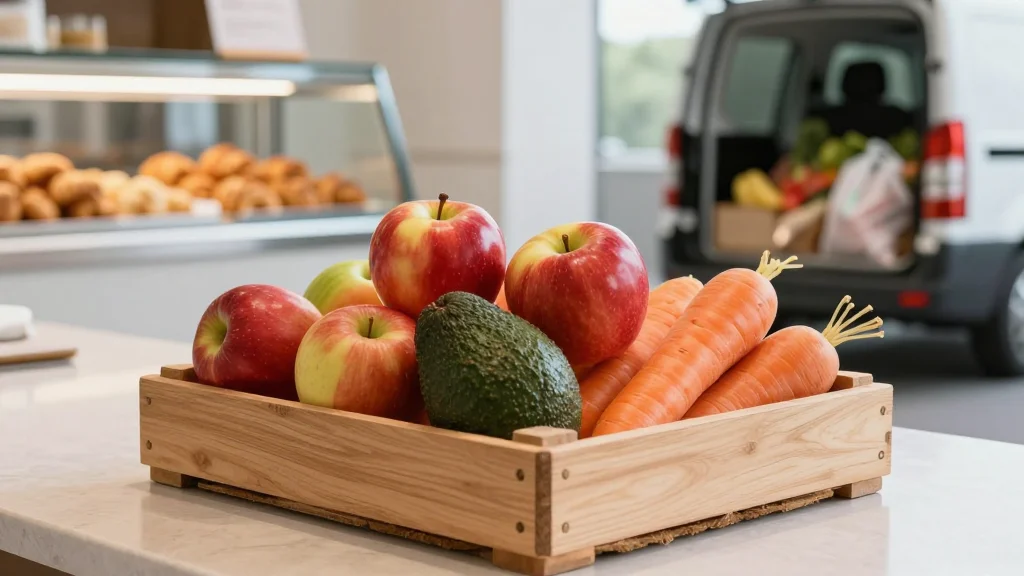
- •Added organic produce for nearly every item and expanded gluten‑free options
- •Azteca Bakery gained 300 sq ft, boosting Hispanic bakery offerings
- •Self‑checkout kiosks removed; curbside pickup reinstated after pandemic scaling back
Pulse Analysis
Piggly Wiggly’s Bay View overhaul is a textbook case of hyper‑localization in retail. By leveraging granular consumer feedback, the chain identified three core levers—product assortment, service convenience, and cultural relevance—to re‑engage a demographic that has largely migrated to national chains. The organic expansion taps into a $20 billion U.S. organic market that continues to outpace overall grocery growth, while the enlarged Hispanic bakery aligns with demographic data showing a 30 % increase in Hispanic households in the Bay View zip code over the past five years.
The decision to eliminate self‑checkout counters, contrary to the industry’s broader automation narrative, reflects a nuanced risk‑reward calculus. Theft losses in self‑service lanes have risen 12 % nationally, and the labor cost premium for cashiers is increasingly offset by higher basket sizes when shoppers receive personalized service. Piggly Wiggly’s move may prompt other regional players to reconsider the blanket rollout of self‑checkout technology, especially in markets where community ties and cultural offerings are competitive differentiators.
Looking ahead, the real test will be whether the capital outlay translates into sustainable sales lift and market share gains. If the Bay View store reports a double‑digit increase in same‑store sales within the next quarter, it could accelerate a rollout plan that would see similar multimillion‑dollar upgrades at three to five additional Wisconsin locations. Conversely, a muted response would caution against heavy capex in an era where e‑commerce continues to erode foot traffic. Either outcome will provide a valuable data point for the broader grocery sector as it navigates the post‑pandemic consumer landscape.
Piggly Wiggly Bay View Unveils Multimillion‑Dollar Redesign to Lure Younger Shoppers
Comments
Want to join the conversation?
Loading comments...