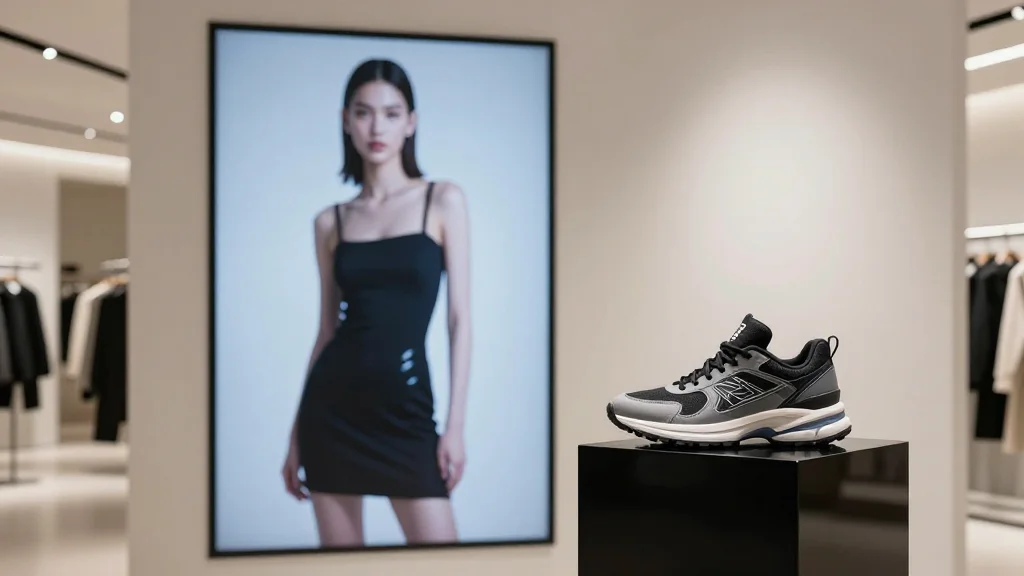
Puma Launches AI Concierge ‘Dylan’ in Las Vegas Store to Boost Growth

Companies Mentioned
Why It Matters
The launch of Dylan illustrates how legacy apparel brands are turning to generative AI to re‑engineer the brick‑and‑mortar experience, a space that has seen foot‑traffic decline across the sector. By offering real‑time inventory checks and multilingual assistance, Puma hopes to boost conversion rates, increase average basket size and rebuild brand relevance among digitally native consumers. If successful, the initiative could pressure competitors such as Nike and Adidas to accelerate their own AI deployments, reshaping the retail technology arms race. Moreover, the investment signals a strategic shift from pure product innovation to experience innovation. As Puma battles a €643.6 million ($695 million) loss, technology becomes a lever to improve sales quality and brand heat, potentially accelerating the company’s path to its Top 3 sports‑brand ambition.
Key Takeaways
- •Puma unveiled the AI digital concierge “Dylan” on a 7‑foot screen at its Las Vegas flagship on April 13.
- •Dylan can speak 100+ languages, pull live inventory data and recommend products across running, lifestyle and basketball categories.
- •The project was built with Nvidia and LiveX after a year of development and three months of internal testing.
- •Puma reported a €643.6 million ($695 million) loss for 2025, down from a €280.7 million ($303 million) profit in 2024.
- •CEO Arthur Hoeld aims to place Puma among the world’s Top 3 sports brands and restore above‑industry growth.
Pulse Analysis
Puma’s AI concierge is more than a novelty; it is a tactical response to the erosion of traditional retail footfall and the brand’s recent financial distress. By embedding AI at the point of sale, Puma can collect granular interaction data—language preferences, product queries, size requests—that can feed back into inventory planning and personalized marketing. This data loop, if leveraged effectively, could narrow the gap between online personalization and in‑store service, a differentiation that Nike and Adidas have struggled to replicate at scale.
Historically, apparel retailers have relied on seasonal drops and celebrity endorsements to drive traffic. The shift toward AI‑driven assistance reflects a broader industry pivot toward experience‑centric growth, where technology becomes a core product attribute rather than a peripheral tool. Puma’s partnership with Nvidia, a leader in GPU‑accelerated AI, suggests the company is betting on high‑performance models that can handle real‑time language translation and inventory queries without latency—a critical factor for shopper satisfaction.
The real test will be whether Dylan can translate engagement into measurable sales uplift. Early pilot feedback is positive, but the “challenge” of getting “everybody going in the same direction with AI” hints at internal adoption hurdles and potential consumer pushback. If Puma can scale the concierge across its global footprint while maintaining a seamless experience, it could set a new benchmark for AI integration in apparel retail, forcing rivals to accelerate their own digital concierge initiatives or risk falling further behind in the race for the next generation of shoppers.
Puma Launches AI Concierge ‘Dylan’ in Las Vegas Store to Boost Growth
Comments
Want to join the conversation?
Loading comments...