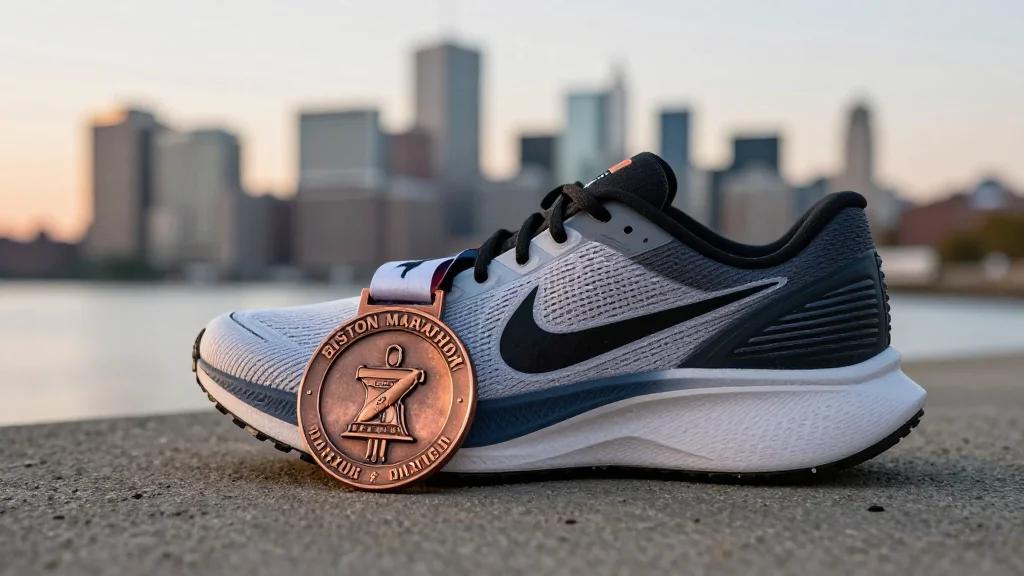
The Scoop: Nike Admits Misstep, Replaces Running Ad After Boston Marathon Backlash
Why It Matters
The incident underscores how brand language can alienate key consumer segments and spark viral criticism, threatening reputation during high‑visibility events. It also shows the speed at which competitors can capitalize on such PR lapses.
Key Takeaways
- •Nike’s “walkers tolerated” sign sparked nationwide social media backlash
- •Company apologized, removed sign, and posted inclusive replacement message
- •Asics responded with “Runners. Walkers. All welcome” ad, gaining goodwill
- •Incident highlights need for inclusive messaging during major sporting events
- •Rapid digital amplification can turn a single sign into a brand crisis
Pulse Analysis
The Boston Marathon is more than a race; it’s a cultural touchstone that celebrates perseverance across ages and abilities. When Nike installed a storefront sign that read “Runners welcome. Walkers tolerated,” the message collided with the event’s inclusive ethos, prompting immediate outrage from elite runners, adaptive athletes, and casual participants. Social platforms amplified the criticism, with thousands of shares and comments labeling the wording dismissive. In a market where brand equity is tightly linked to community support, such a misstep can quickly erode goodwill.
Nike’s response was swift: the sign was taken down within 48 hours, a public apology was issued, and a new banner proclaiming “Boston will always remind you, movement is what matters” replaced the original. The promptness helped contain the fallout, but the episode serves as a cautionary tale about tone‑deaf messaging in high‑visibility moments. Asics seized the opportunity, rolling out a counter‑campaign that explicitly welcomed both runners and walkers, thereby positioning itself as the more inclusive alternative and gaining positive media coverage.
The incident illustrates how digital amplification can turn a localized marketing asset into a national crisis. Brands must vet copy through diverse lenses, especially when targeting events that attract a broad demographic. Real‑time monitoring tools, inclusive focus groups, and pre‑approval protocols can mitigate risk. Moreover, turning a mistake into a learning moment—by publicly acknowledging the error and outlining corrective steps—can preserve trust. As consumers increasingly demand authenticity, companies that embed inclusivity into their core messaging will be better equipped to navigate the rapid feedback loops of today’s media landscape.
The Scoop: Nike admits misstep, replaces running ad after Boston Marathon backlash
Comments
Want to join the conversation?
Loading comments...