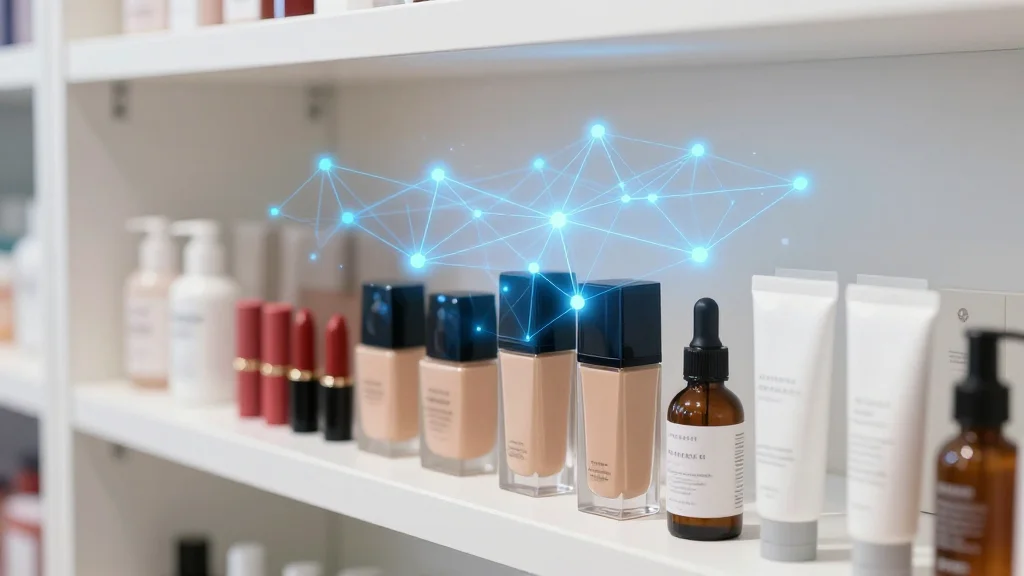
Walmart Launches AI‑powered Beauty Tools to Personalize Product Discovery

Companies Mentioned
Why It Matters
The launch marks a concrete step in the retail sector’s transition from static product catalogs to dynamic, AI‑curated shopping experiences. By reducing the time shoppers spend searching and increasing confidence in product fit, Walmart aims to boost conversion rates and average order values in a category where personalization is a key driver of loyalty. Moreover, the initiative puts pressure on competitors to accelerate their own AI deployments, potentially reshaping the competitive dynamics of beauty retail. For suppliers, the AI tools create a new data pipeline that can inform product development and inventory planning. Real‑time insights into consumer preferences may lead to faster SKU turnover and more efficient supply chains, benefitting both manufacturers and the retailer’s bottom line.
Key Takeaways
- •Walmart rolled out AI‑powered beauty tools in late April 2026 for online and in‑store shoppers.
- •The system matches products to skin tone, hair type, budget and other user‑specified criteria.
- •AI models analyze past purchases, browsing behavior and stated preferences to generate recommendations.
- •Walmart says the tools will evolve based on customer feedback, integrating educational content alongside product listings.
- •The launch is part of a broader AI strategy that will later expand to health, home and other high‑margin categories.
Pulse Analysis
Walmart’s AI beauty suite is a strategic response to the friction points that have long plagued online cosmetics retail. Historically, shoppers struggled with limited product information and the inability to test items virtually, leading to high return rates and abandoned carts. By introducing natural‑language search and real‑time personalization, Walmart not only addresses these pain points but also gathers granular data on consumer preferences that can be monetized across its ecosystem.
The timing aligns with a wave of generative AI adoption across retail, where large players are betting on AI to differentiate the shopper journey. Walmart’s scale gives it a distinct advantage: the retailer can train models on a massive dataset of purchase histories, accelerating the learning curve compared with niche competitors. However, the success of the initiative will hinge on execution—accurate recommendations must be delivered consistently, and privacy concerns around data usage will need careful management.
Looking ahead, the AI tools could become a platform for ancillary services, such as virtual try‑ons, subscription boxes, or AI‑curated beauty bundles. If Walmart can demonstrate measurable lifts in conversion and basket size, the model may be replicated across other categories, reinforcing the retailer’s position as a technology‑forward omnichannel leader.
Walmart launches AI‑powered beauty tools to personalize product discovery
Comments
Want to join the conversation?
Loading comments...