The CPG Guys
Phygital Commerce Media with Liquid Death's Benoit Vatere
Why It Matters
Understanding Liquid Death's media strategy offers a roadmap for CPG brands seeking to break through a crowded digital landscape by turning product utility into entertainment. As AI‑powered shopping assistants become the new search frontier, the episode highlights why brands must proactively feed their catalogs to these agents to stay top‑of‑mind in the consumer decision journey.
Key Takeaways
- •Liquid Death treats water as entertainment, not just beverage.
- •Unexpected, edgy ads drive attention and cult loyalty.
- •Retail media focus: increase shelf space before AI integration.
- •Expanding into healthy sparkling, tea, energy while staying sugar‑free.
- •Brand statement fuels AI agent visibility and new search relevance.
Pulse Analysis
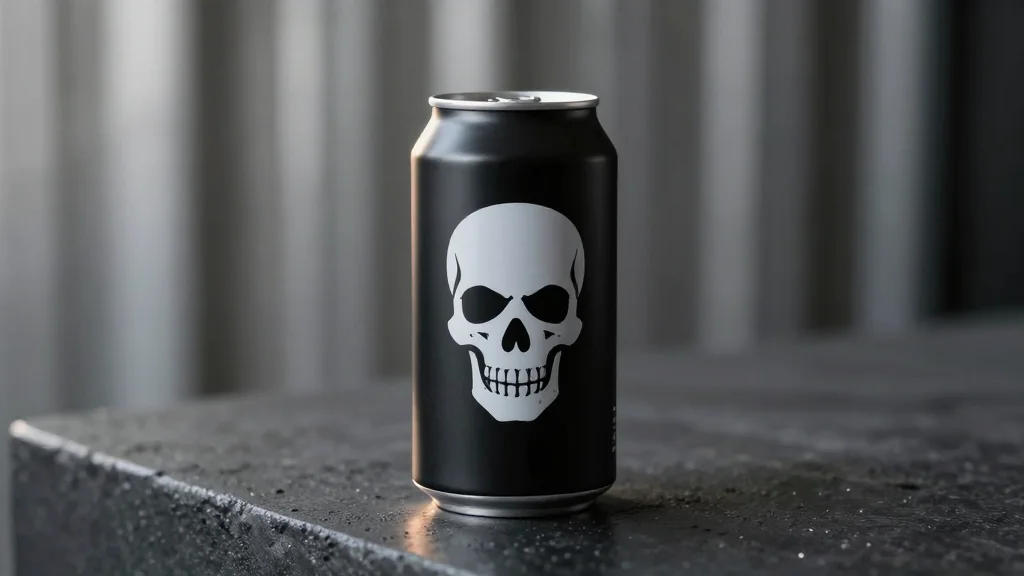
Liquid Death has redefined a simple commodity by positioning itself as an entertainment brand. By embracing humor, shocking visuals, and a rebellious tone, the company captures scrolling consumers’ attention in a feed‑driven world. This "entertainment lane" fuels viral moments, transforms water into a cultural statement, and builds a community that proudly displays the logo on tattoos and merch. The approach illustrates how CPG brands can break traditional playbooks and generate mental availability that feels more like pop culture than product placement.
The conversation then shifted to retail media and the physical‑digital (phygital) commerce mix. Benoit explained that expanding shelf presence remains the top priority, with aggressive retail‑media buys designed to secure more doors, SKUs, and velocity before AI tools become central. While AI is on the horizon, the brand prefers human‑crafted voice interactions, fearing that automated messaging could dilute its unique tone. This strategy underscores how emerging CPGs balance immediate distribution goals with future AI‑driven commerce, ensuring they remain visible in both store aisles and emerging agent platforms.
Looking ahead, Liquid Death is leveraging its cult status to enter adjacent healthy‑beverage categories—sparkling water, low‑sugar tea, and clean‑energy drinks—while preserving its sugar‑free, “better‑for‑you” ethos. By framing each launch as an extension of the brand’s statement, the company aims to dominate new search and AI‑agent recommendations, turning brand loyalty into a default choice for consumers planning events or seeking healthier alternatives. This expansion demonstrates how a bold, entertainment‑first identity can translate into sustainable growth across multiple beverage segments, reinforcing loyalty in a post‑COVID market where price and visibility drive purchase decisions.
Episode Description
The CPG Guys are joined in the episode by Benoit Vatere, Chief Media Officer for Liquid Death. As one of the fastest growing non-alcoholic beverage brands, Liquid Death uses comedy and entertainment to make health and sustainability 50 times more fun. We take low-calorie beverages and package them into infinitely recyclable cans that compete with the fun marketing of unhealthy brands across beer and junk food.
This episode was record in Las Vegas at Shoptalk 2026.
Follow Benoit on LinkedIn at: https://www.linkedin.com/in/benoitvatere
Follow Liquid Death on LinkedIn at: https://www.linkedin.com/company/liquid-death
Benoit answers these questions:
Benoit, you’ve famously said Liquid Death is an entertainment company that happens to sell water. How do you maintain that "unfiltered" creative edge while managing the rigid P&L and distribution requirements of a global CPG?
You have a "Country Club" of fans who literally tattoo your logo on their bodies. In an AI world where algorithms try to predict loyalty, how do you protect and scale the "irrational" human connection your brand has built?
You’ve built a massive brand by doing the opposite of "best practices." What is one "traditional" CPG marketing rule that you think is officially dead in 2026?
Most brands use Retail Media for lower-funnel "search" (buying keywords). Liquid Death is a lifestyle brand that wins at the shelf. How are you using Retail Media Networks (RMNs) to drive discovery rather than just capturing existing demand?
Does Liquid Death focus strictly on the "Big 3" (Amazon, Walmart, Instacart), or are you finding unique value in the smaller, niche retail networks?
How is Liquid Death structured to ensure the "vibe" isn't lost in the math of an ad-stack?
How does a brand as visually loud as Liquid Death plan to win the journey from the living room sofa to the kitchen fridge?
How does a brand built on impulse and rebellion stay relevant when a literal robot is making the household grocery list?
Are you using GenAI to scale your content production, or do you find that AI currently lacks the "edge" or "danger" required for your brand voice?
How does Liquid Death sync its DTC data with physical retail signals to create a 360-degree view of your "Country Club" members?
CPG Guys Website: http://CPGguys.com
FMCG Guys Website: http://FMCGguys.com
SheCOMMERCE Website: https://shecommercepodcast.com/
Rhea Raj’s Website: http://rhearaj.com
Lara Raj in Katseye: https://www.katseye.world/
DISCLAIMER: The content in this podcast episode is provided for general informational purposes only. By listening to our episode, you understand that no information contained in this episode should be construed as advice from CPGGUYS, LLC or the individual author, hosts, or guests, nor is it intended to be a substitute for research on any subject matter. Reference to any specific product or entity does not constitute an endorsement or recommendation by CPGGUYS, LLC. The views expressed by guests are their own and their appearance on the program does not imply an endorsement of them or any entity they represent.
CPGGUYS LLC expressly disclaims any and all liability or responsibility for any direct, indirect, incidental, special, consequential or other damages arising out of any individual’s use of, reference to, or inability to use this podcast or the information we presented in this podcast.
Comments
Want to join the conversation?
Loading comments...