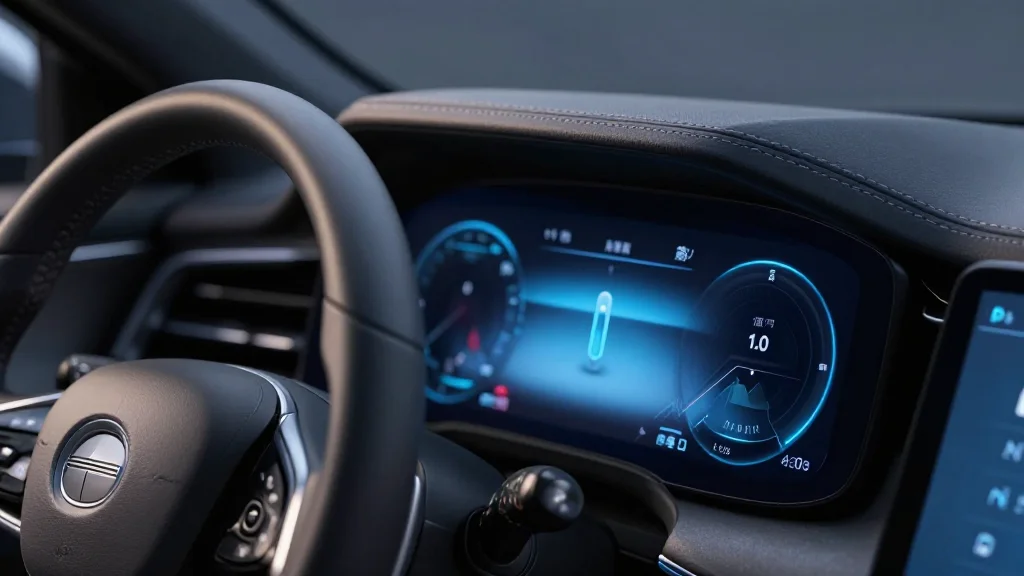
Chinese Car Makers Turn to SaaS Subscriptions to Challenge European Luxury Brands

Companies Mentioned
Why It Matters
The migration of SaaS models into the automotive sector signals a broader transformation of how value is captured from physical products. By converting hardware features into software services, manufacturers can generate steady, predictable revenue streams, improve margins, and deepen customer relationships through ongoing updates. For investors, the shift offers a new lever for growth beyond traditional vehicle sales, while for consumers it promises greater flexibility and lower upfront costs. For European prestige brands, the rise of Chinese SaaS‑enabled vehicles presents a strategic threat that could erode their pricing power and brand differentiation. If they fail to match the subscription cadence, they risk losing tech‑savvy buyers who prioritize continuous feature upgrades over static, high‑priced options. The outcome will likely influence capital allocation, R&D focus, and partnership strategies across the global auto industry.
Key Takeaways
- •Chinese automakers launch subscription tiers for driver‑assist and infotainment upgrades.
- •Extreme reported SaaS ARR of $236 million in Q3 2026, up 29% YoY.
- •Subscription and support revenue now 36% of Extreme’s total revenue.
- •Extreme claims >30% total‑cost‑of‑ownership savings versus leading competitors.
- •Analysts project automotive SaaS could represent 15% of vehicle lifetime revenue by 2030.
Pulse Analysis
The convergence of high‑growth SaaS economics and the automotive industry's need for new revenue sources creates a perfect storm for Chinese manufacturers. Extreme's robust ARR growth demonstrates that subscription models can deliver double‑digit margin expansion, a compelling proof point for carmakers grappling with thinning vehicle profit pools. By packaging software as a service, Chinese firms turn a once‑static product into a living platform, enabling continuous monetization and rapid iteration.
European luxury brands have historically relied on brand cachet and bespoke hardware options to command premium prices. However, the subscription model erodes that advantage by offering similar—or superior—features on a pay‑as‑you‑go basis, often at a lower total cost. The 30% TCO advantage cited by Extreme suggests that Chinese firms could undercut European pricing while delivering comparable performance, a proposition that resonates with cost‑conscious consumers in both emerging and mature markets.
Looking forward, the key battleground will be data ownership and regulatory compliance. As vehicles become software platforms, the handling of driver data, OTA update security, and cross‑border data flows will attract scrutiny from regulators worldwide. Companies that build robust, compliant SaaS ecosystems will not only capture recurring revenue but also gain a strategic moat against rivals. In the short term, we can expect a flurry of announcements from European OEMs attempting to close the gap, but the early mover advantage appears firmly in the hands of Chinese manufacturers who have already aligned their product roadmaps with a subscription mindset.
Chinese Car Makers Turn to SaaS Subscriptions to Challenge European Luxury Brands
Comments
Want to join the conversation?
Loading comments...