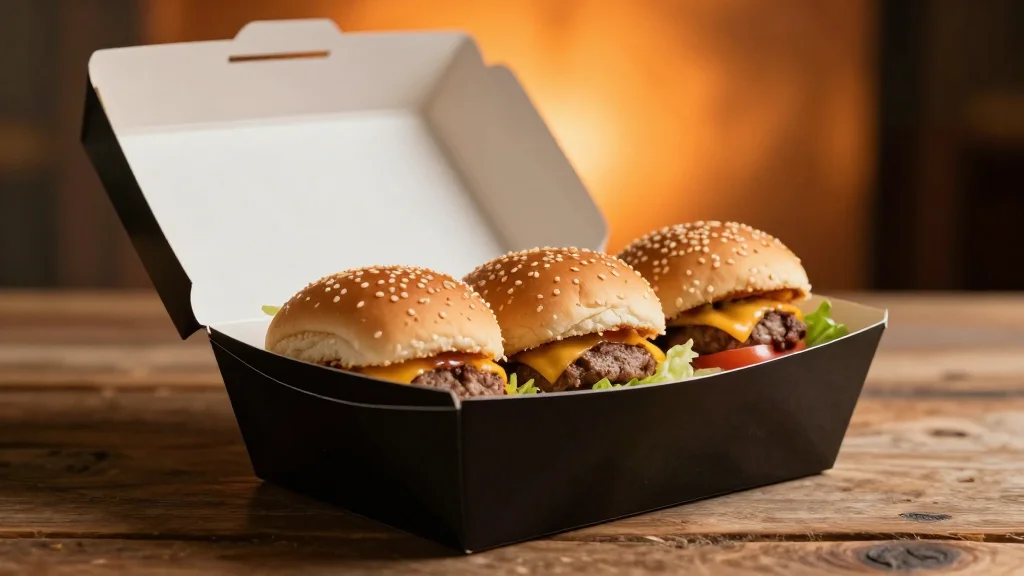
Burger King Tests King Size Sliders in Ohio, Oregon as $400 Million Sales Push

Companies Mentioned

Why It Matters
The slider test underscores how fast‑food chains are turning to product experimentation to combat stagnant sales and shifting consumer expectations. By investing $400 million in menu innovation and restaurant upgrades, Burger King is betting that fresh, flexible offerings can close the value gap that has eroded foot traffic across the sector. Success could validate limited‑time, multi‑flavor bundles as a scalable growth lever, prompting rivals to accelerate their own LTO programs. Moreover, the initiative highlights the importance of data‑driven rollouts. Real‑time feedback from test markets will shape pricing, supply‑chain decisions, and marketing spend, illustrating a more agile approach to menu development that could become a new standard in the highly competitive quick‑service restaurant (QSR) landscape.
Key Takeaways
- •Burger King begins testing King Size Sliders Box in Columbus, Ohio, and Portland, Oregon (April 14‑May 4).
- •$400 million “Reclaim the Flame” plan funds $150 million in advertising and $250 million in restaurant upgrades.
- •Three slider flavors: Deluxe, Steakhouse Bacon, and Bacon & Cheese, each on a buttery slider bun.
- •Price for the new sliders has not been disclosed; national rollout hinges on test results.
- •Move aims to counter a perceived value gap and compete with McDonald’s $3‑plus‑value items.
Pulse Analysis
Burger King’s slider experiment reflects a broader shift in QSR strategy from static menu extensions to dynamic, data‑centric product testing. Historically, fast‑food chains relied on flagship items—think the Whopper or Big Mac—to anchor brand identity. Today, the pressure of inflation‑squeezed consumers forces brands to innovate at the margin, offering modular, snack‑style options that can be priced flexibly and marketed as limited‑time excitement. The King Size Sliders Box, with its three distinct flavor profiles, taps into the growing consumer appetite for variety without the commitment of a full‑size sandwich, potentially increasing basket size while keeping the perceived spend low.
The $400 million investment signals that Burger King is not merely tweaking a menu but retooling its entire operating model. The “Royal Reset” component—upgrading kitchen equipment and digital ordering platforms—creates a foundation for rapid iteration, allowing the chain to test, learn, and scale new items faster than competitors still tied to legacy infrastructure. If the Ohio and Oregon pilots deliver a measurable lift in same‑store sales and positive sentiment, the rollout could set a template for future LTOs, encouraging other chains to allocate similar capital toward agile, technology‑enabled menu development.
However, the strategy carries risk. Limited‑time offers can cannibalize core menu sales if not carefully positioned, and the cost of scaling new items—especially with premium buns and specialty sauces—could compress margins. Success will depend on the chain’s ability to balance the novelty premium with price sensitivity, a tightrope walk that will be closely watched by investors and rivals alike. In the next quarter, the market will gauge whether Burger King’s gamble pays off, potentially reshaping how fast‑food brands approach sales growth in a constrained economic environment.
Burger King tests King Size Sliders in Ohio, Oregon as $400 Million sales push
Comments
Want to join the conversation?
Loading comments...