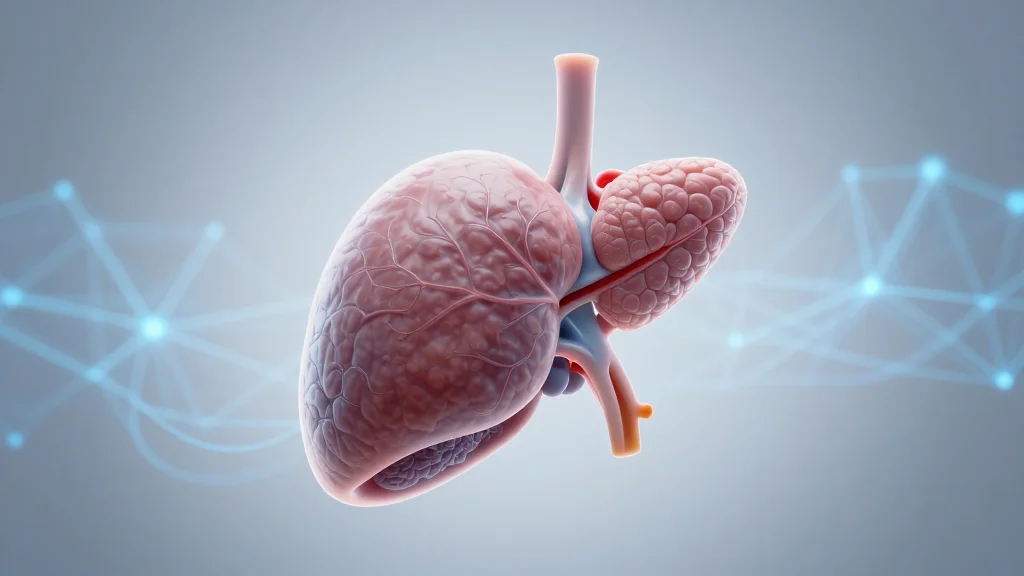
Don’t Bury The Lead – AI Assisted Measures of Thymic Health Point to a “Fountain of Youth.”
Key Takeaways
- •AI deep learning quantifies thymic health from CT scans.
- •Study links higher thymic health to lower cardiovascular and cancer risk.
- •Women retain better thymic function than men, declining with age.
- •Lifestyle factors like smoking and obesity negatively impact thymic health.
- •Thymic health correlates with reduced inflammatory cytokines IL‑6, IL‑18.
Pulse Analysis
The thymus, long dismissed as a vestigial organ after adolescence, is reemerging as a pivotal regulator of immune aging. Leveraging a deep‑learning algorithm trained on over 5,600 CT scans, researchers can now assign a quantitative thymic health score, turning a previously qualitative assessment into a reproducible metric. This technological leap aligns with a broader trend of AI‑driven phenotyping, where imaging data are mined for hidden physiological signals that inform disease risk and therapeutic targeting.
Beyond the novelty of measurement, the study uncovers robust associations between thymic health and major health outcomes. Participants with higher scores exhibited markedly lower incidence of cardiovascular events and lung cancer, alongside reduced systemic inflammation marked by lower IL‑6 and IL‑18 levels. The data also highlight gender disparities—women maintain superior thymic function longer than men—and underscore the impact of modifiable lifestyle factors such as smoking and obesity. These insights suggest that interventions aimed at preserving or restoring thymic activity could become a new pillar of preventive medicine, complementing existing strategies focused on metabolic health and inflammation control.
Looking ahead, the integration of AI‑derived thymic metrics into longitudinal cohorts and clinical trials could accelerate the development of regenerative therapies and personalized longevity programs. Pharmaceutical firms and biotech startups are likely to explore thymus‑targeted drugs, while digital health platforms may incorporate thymic health scores into risk‑assessment dashboards. As the field matures, regulatory pathways and reimbursement models will need to adapt, positioning AI‑enabled organ health monitoring as a mainstream component of precision health ecosystems.
Don’t Bury The Lead – AI Assisted Measures of Thymic Health Point to a “Fountain of Youth.”
Comments
Want to join the conversation?