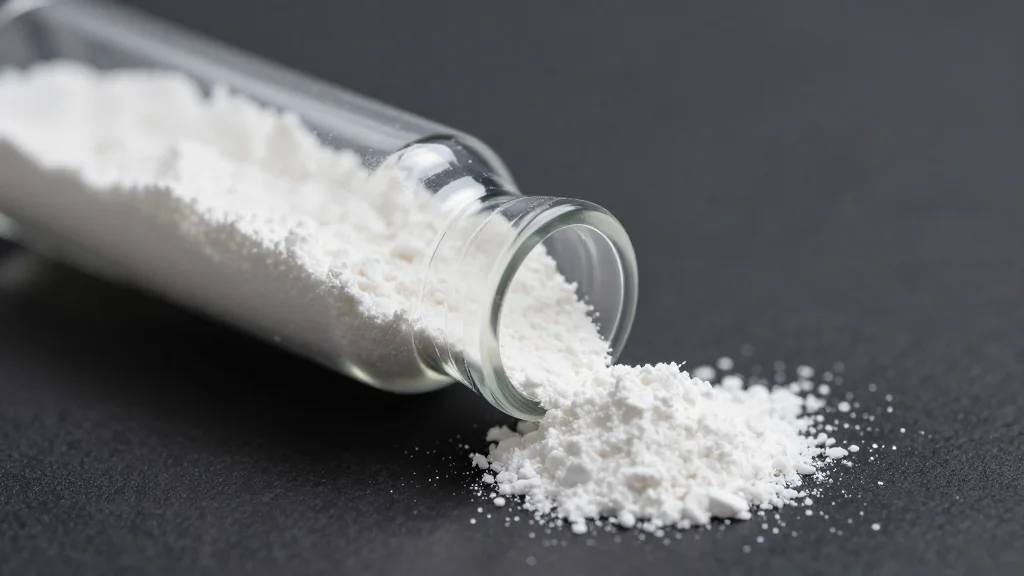
How Dried mRNA Vaccines Could Bypass Cold Chain Storage Requirements
Key Takeaways
- •Polymer-to-mRNA ratio ≥320:1 preserves LNP structure during drying.
- •Insufficient polymer (32:1) causes nanoparticle fusion and cholesterol crystallization.
- •Higher N/P ionizable lipid ratio improves LNP robustness in dry patches.
- •Single‑dry‑cycle microneedle patches boost protein expression tenfold vs. two‑cycle.
Pulse Analysis
Cold‑chain storage has been the Achilles’ heel of mRNA therapeutics since the COVID‑19 pandemic, inflating logistics costs and limiting rollout in regions without ultra‑low freezers. Traditional mRNA vaccines require temperatures as low as –90 °C, creating a fragile supply chain that hampers rapid response to emerging health threats. The prospect of a room‑temperature formulation therefore represents a strategic shift, promising to democratize access and reduce the financial burden on public‑health programs worldwide.
The breakthrough reported in Advanced Functional Materials hinges on embedding mRNA‑lipid nanoparticles in a polyvinylpyrrolidone‑polyvinyl alcohol (PVP‑PVA) matrix and fine‑tuning two critical ratios. A polymer‑to‑mRNA ratio of at least 320:1 preserves the particles’ partial inverse hexagonal phase, preventing the lipid envelope from collapsing and cholesterol from crystallizing during drying. Simultaneously, raising the ionizable lipid‑to‑mRNA (N/P) ratio yields a surplus of empty particles that absorb drying‑induced stress, safeguarding the mRNA‑laden vesicles. The resulting microneedle patches, fabricated in a single drying cycle, achieve protein expression up to 100 times higher than sub‑optimal formulations and elicit antibody titers on par with conventional intramuscular shots.
For the biotech industry, this technology could unlock new distribution models and expand the therapeutic horizon of mRNA beyond infectious diseases. Ambient‑stable patches eliminate the need for cold‑chain infrastructure, enabling point‑of‑care delivery by minimally trained personnel and opening markets in low‑income regions. Moreover, the platform’s compatibility with next‑generation ionizable lipids that form inverse cubic phases suggests even greater intracellular delivery efficiency. Investors and manufacturers are likely to accelerate R&D pipelines toward dry‑state mRNA products, anticipating regulatory pathways that recognize the safety and efficacy demonstrated in preclinical studies. The convergence of polymer science and lipid engineering thus positions dry mRNA patches as a catalyst for the next wave of accessible, scalable vaccine and therapy deployment.
How dried mRNA vaccines could bypass cold chain storage requirements
Comments
Want to join the conversation?