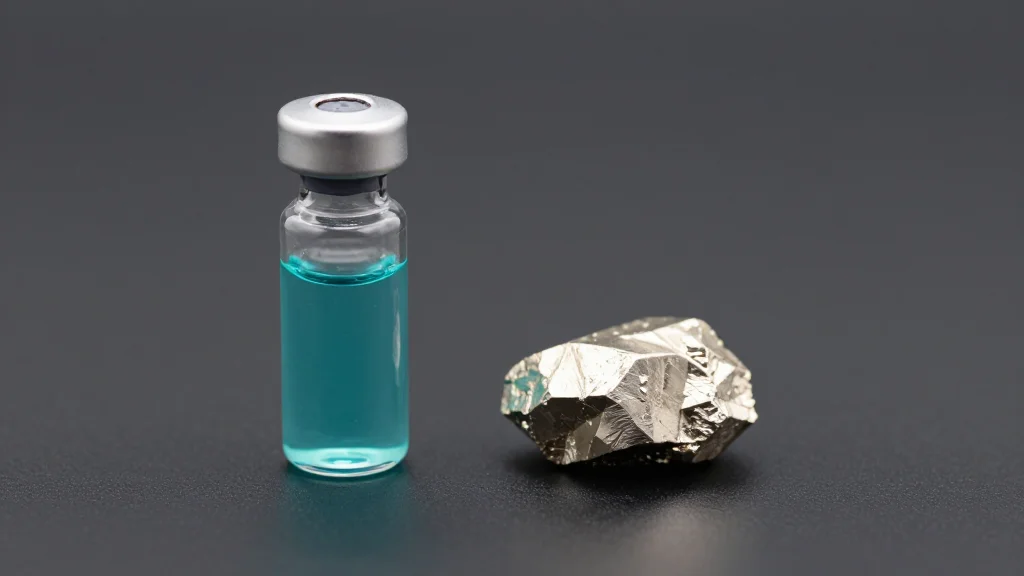
How Rare Earths Enabled MRI Contrast Agents to Advance Medical Imaging
Key Takeaways
- •Gadolinium, a rare earth, powers most MRI contrast agents.
- •Macrocyclic chelates reduce gadolinium retention compared with linear agents.
- •Midstream rare‑earth separation is the main bottleneck for contrast supply.
- •Kidney screening cuts NSF risk, making contrast use safer today.
- •Emerging non‑gadolinium agents aim to diversify MRI contrast portfolio.
Pulse Analysis
Gadolinium’s unique paramagnetic properties make it ideal for shortening T1 relaxation times, producing the bright signal enhancements radiologists rely on. The evolution from toxic metallic gadolinium to stable chelated complexes—especially macrocyclic agents—has been a cornerstone of safety, reducing the likelihood of metal release and long‑term tissue retention. This chemistry not only boosts diagnostic confidence in neuro, oncologic, and cardiovascular imaging but also drives a market that now exceeds billions of dollars annually, underscoring its economic significance.
The journey from ore to injectable product is intricate. Rare‑earth mining concentrates mixed REE ores, which then undergo energy‑intensive separation to isolate high‑purity gadolinium oxide. Midstream refining, dominated by a few facilities in China and a handful elsewhere, creates a supply choke point that can ripple through pharmaceutical manufacturing. Strict GMP standards for medical‑grade gadolinium add further complexity, limiting the number of qualified producers and prompting industry interest in recycling and diversified refining to mitigate geopolitical risk.
Looking ahead, demand for contrast‑enhanced MRI will rise with aging populations and precision oncology, but clinicians are also exploring dose‑reduction protocols and alternative agents such as iron‑based or manganese‑based compounds. Regulatory bodies are tightening labeling requirements around gadolinium retention, prompting manufacturers to prioritize macrocyclic formulations and transparent patient communication. Companies that secure resilient rare‑earth sourcing, invest in next‑generation chelation chemistry, and align with evolving safety guidelines will capture the growing market while safeguarding patient outcomes.
How Rare Earths Enabled MRI Contrast Agents to Advance Medical Imaging
Comments
Want to join the conversation?