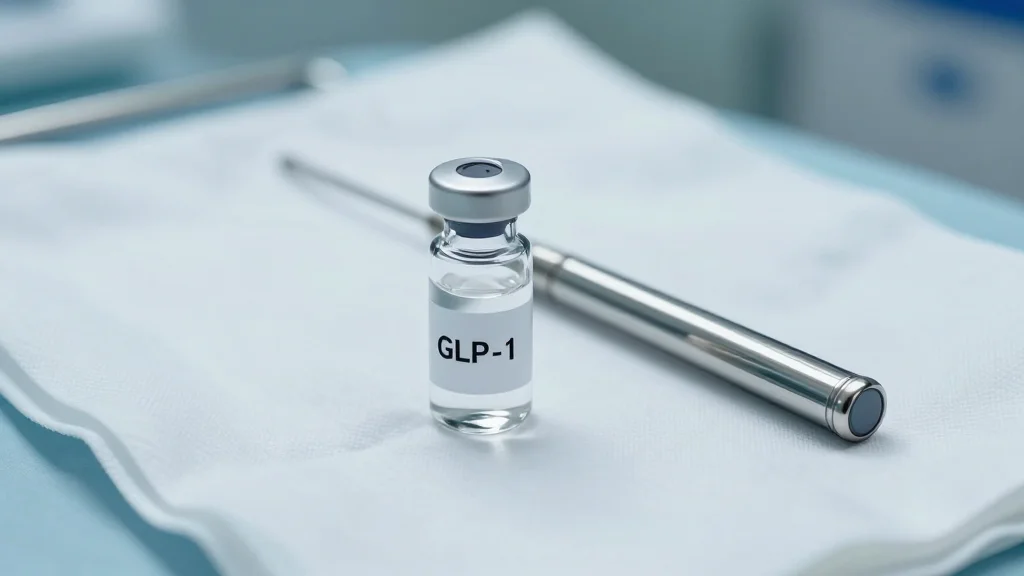
HSS Studies Contribute Early Evidence to Help Guide Emerging Perioperative Considerations for Patients Using GLP‑1 Medications
Key Takeaways
- •Study of 354 patients showed no significant full‑stomach difference with GLP‑1s.
- •GLP‑1 users fasted longer (average 23.7 h solids) but not statistically significant.
- •GLP‑1 use among arthroplasty patients rose to 12.8% by 2024.
- •Semaglutide and tirzepatide accounted for 88% of GLP‑1 prescriptions in 2024.
Pulse Analysis
Glucagon‑like peptide‑1 (GLP‑1) agonists have moved beyond diabetes and obesity treatment, becoming popular for weight loss and cardiovascular risk reduction. Their expanding use means more patients present for surgery while on these drugs, raising questions about gastric emptying, aspiration risk, and optimal fasting strategies. Anesthesiologists and surgeons must therefore understand how GLP‑1 physiology intersects with peri‑operative care, especially as guidelines have yet to catch up with the rapid market adoption of agents like semaglutide and tirzepatide.
The HSS cross‑sectional ultrasound study examined 354 patients scheduled for elective procedures and compared gastric content in those taking weekly GLP‑1 injections versus controls. Despite longer solid‑food fasting intervals—averaging 23.7 hours for the GLP‑1 cohort—the incidence of a full stomach was statistically indistinguishable from non‑users. This contrasts with earlier pharmacologic data suggesting delayed gastric emptying, hinting that real‑world fasting behaviors may mitigate theoretical risks. Nonetheless, the modest sample size and observational design leave room for further investigation, particularly regarding whether a 24‑hour solid‑food fast or temporary drug hold could improve safety.
The second HSS analysis tracked GLP‑1 usage among 45,537 hip and knee arthroplasty patients from 2021‑2024, revealing a three‑fold increase to 12.8% of cases. Semaglutide and tirzepatide dominated, reflecting their market share in weight‑loss therapy. Higher adoption was noted in patients with hypertension, heart failure, and among Black individuals, suggesting broader therapeutic indications beyond glycemic control. These trends signal that orthopedic surgeons will increasingly encounter GLP‑1‑treated patients, reinforcing the urgency for multidisciplinary protocols that balance drug benefits with peri‑operative safety. Future research should explore drug‑holding strategies, optimal fasting durations, and outcomes such as aspiration events and postoperative recovery.
HSS Studies Contribute Early Evidence to Help Guide Emerging Perioperative Considerations for Patients Using GLP‑1 Medications
Comments
Want to join the conversation?