Immune System Aging Is a Major Contribution to Neurodegeneration

Key Takeaways
- •Inflammaging drives chronic brain inflammation via mislocalized DNA.
- •Immunosenescence reduces microglial support for synaptic maintenance.
- •Lack of biomarkers hampers early detection of immune-driven neurodegeneration.
- •Late-stage trials miss therapeutic windows for immune-modulating interventions.
- •Bridging immunology and neurobiology is essential for disease-modifying therapies.
Pulse Analysis
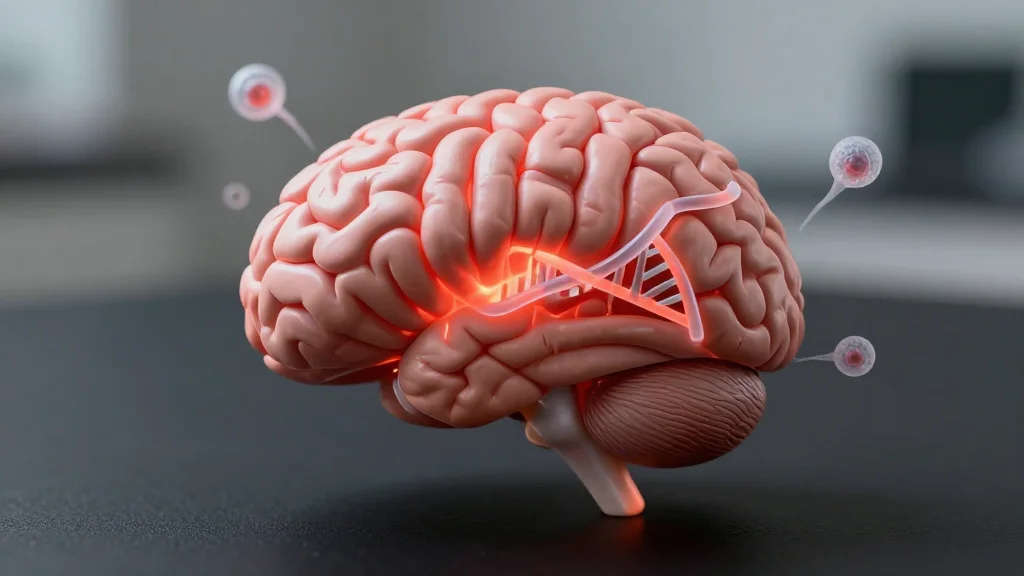
The aging immune system walks a tightrope between hyper‑activity and exhaustion. Inflammaging, sparked by persistent cues such as misplaced mitochondrial DNA, keeps innate sensors like cGAS‑STING permanently lit, flooding the central nervous system with cytokines that erode neuronal homeostasis. At the same time, immunosenescence trims the repertoire of functional T cells and skews microglial phenotypes toward a pro‑inflammatory, less phagocytic state, undermining synaptic pruning and blood‑brain barrier repair. Together, these forces create a self‑reinforcing loop that accelerates the loss of neurons seen in Alzheimer’s, Parkinson’s, and related disorders.
Researchers now recognize that immune aging is not merely a downstream effect of neurodegeneration but a primary catalyst. Systemic changes—such as reduced lymphoid tissue output and altered metabolic signaling—spill over into the brain, disrupting neuroimmune crosstalk and amplifying glial dysfunction. However, the field suffers from a dearth of robust, disease‑specific biomarkers that can capture the multidimensional nature of immunosenescence and inflammaging in patients. Without reliable readouts, clinical trials often enroll participants after irreversible neuroinflammatory cascades have taken hold, explaining the modest outcomes of many immune‑modulating drugs.
The path forward demands a translational bridge between basic immunology and neurobiology. Early‑stage interventions that recalibrate immune tone—through senolytics, metabolic reprogramming, or targeted cytokine blockade—must be paired with precise patient stratification based on immune‑aging phenotypes. Developing blood‑based and cerebrospinal fluid biomarkers, alongside imaging signatures of microglial activity, will enable trials to hit the therapeutic window before chronic inflammation entrenches neuronal loss. Such a coordinated strategy could unlock the long‑sought disease‑modifying treatments for the growing elderly population.
Immune System Aging is a Major Contribution to Neurodegeneration
Comments
Want to join the conversation?