VGLL3 as an Example of a Gene Exhibiting Antagonist Pleiotropy

Key Takeaways
- •vgll3 disruption speeds male growth and maturity in killifish
- •Accelerated maturation triggers increased stem‑cell proliferation and DNA damage
- •Mutant fish develop melanoma‑like tumors and die earlier
- •Findings provide a rare causal example of antagonistic pleiotropy
Pulse Analysis
Antagonistic pleiotropy has long been a cornerstone of evolutionary theories of aging, yet empirical demonstrations at the molecular level remain scarce. VGLL3 first entered the spotlight through genome‑wide association studies that linked its variants to age at maturity in humans and Atlantic salmon. By situating the gene within a vertebrate model that ages rapidly, researchers could probe its functional role across the entire lifespan, bridging a gap between population genetics and mechanistic biology.
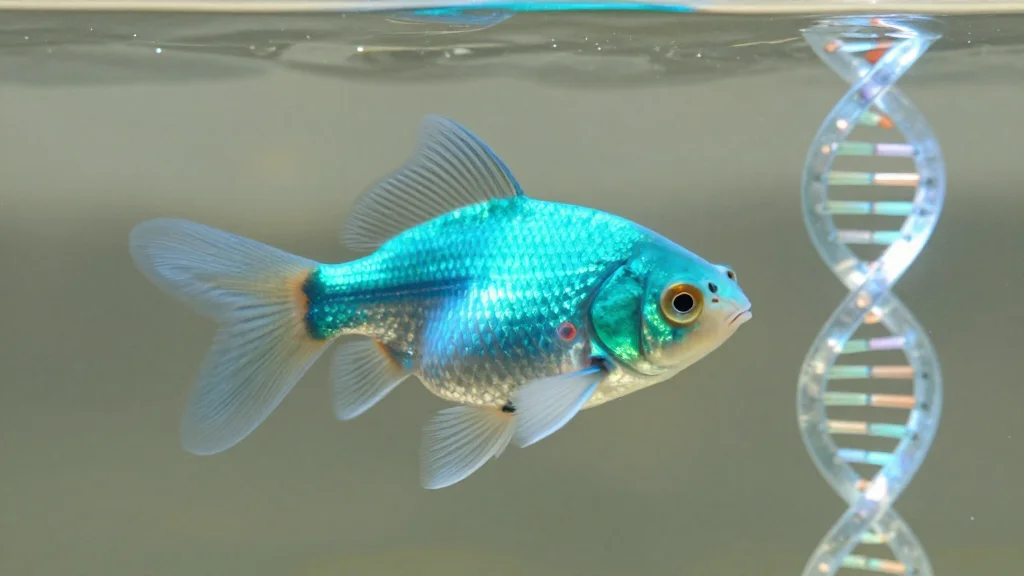
In the turquoise killifish, CRISPR‑mediated knock‑out of specific vgll3 isoforms produced a dose‑dependent surge in male growth rates and earlier sexual maturation. Transcriptomic profiling revealed up‑regulated pathways governing cell‑cycle progression and stem‑cell activity in both germline and intestinal tissues. These molecular signatures translated into observable phenotypes: larger body size, earlier spawning, and heightened proliferative capacity, confirming VGLL3’s role as a growth‑promoting regulator during early life stages.
The benefits, however, came at a steep cost. As the fish aged, disrupted vgll3 mutants exhibited compromised DNA‑damage response pathways, culminating in melanoma‑like tumor formation and a markedly shortened lifespan. This trade‑off mirrors the classic antagonistic pleiotropy model, where genes advantageous for reproductive success become liabilities in later life. The findings not only validate a long‑standing hypothesis but also suggest that modulating VGLL3 activity could influence age‑related disease risk, offering a potential avenue for translational research in human aging and oncology.
VGLL3 as an Example of a Gene Exhibiting Antagonist Pleiotropy
Comments
Want to join the conversation?