Why Do Eusocial Species Tend Towards Greater Longevity?

Key Takeaways
- •Queens face lower external mortality, driving selection for slower aging
- •Single‑female reproduction creates “queen effect” that favors longer lifespans
- •Modeling shows Gompertz risk increase is primary selection target
- •Insights could guide biotech approaches to extend human healthspan
Pulse Analysis
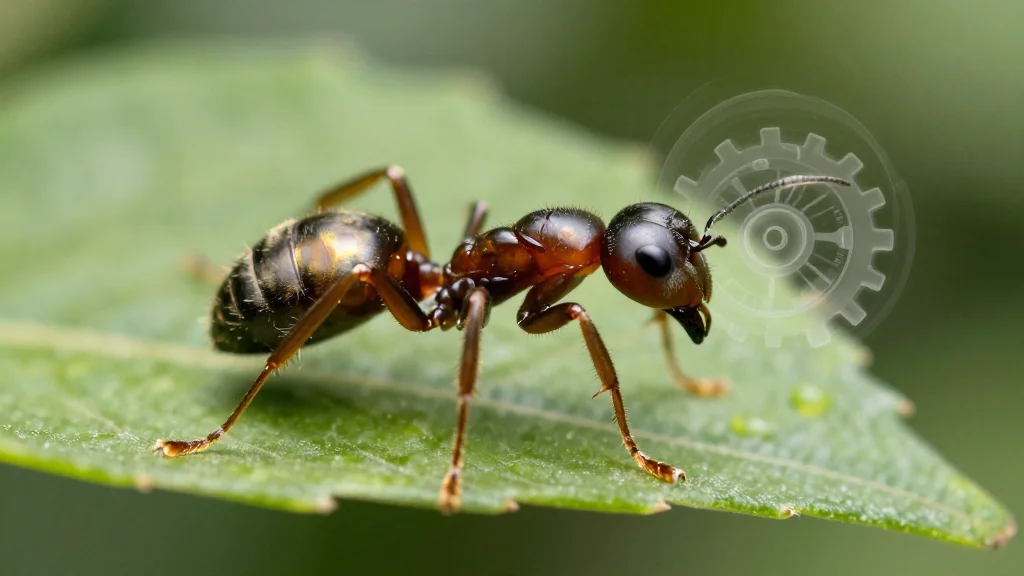
Eusociality—characterized by cooperative brood care, overlapping generations, and a single reproductive queen—appears in insects like ants, bees, termites, as well as the mammalian naked mole‑rat. Across these disparate lineages, queens and colony members routinely outlive comparable solitary species, sometimes by several fold. Traditional explanations focus on the queen’s physical protection from predators and environmental hazards, but this view leaves a gap: many eusocial animals also enjoy extended lifespans in relatively safe laboratory settings. The pattern suggests an intrinsic biological mechanism tied to the colony’s reproductive organization.
The new study applies the Gompertz‑Makeham mortality framework to model how a queen‑centric reproductive system reshapes selective pressures. By concentrating all offspring production in one individual, the colony reduces baseline mortality risk for the queen while amplifying the evolutionary cost of a steep age‑related increase in death probability. The authors term this the “queen effect,” showing mathematically that selection favors a slower rise in mortality rather than merely lowering the initial hazard. Consequently, queens evolve physiological traits—enhanced DNA repair, reduced oxidative stress, and altered hormone signaling—that extend their functional lifespan.
Beyond insects and rodents, the model implies that any system channeling reproduction through a limited number of individuals could generate similar longevity pressures, offering a fresh lens for human aging research. If the underlying pathways—such as enhanced proteostasis and attenuated senescence—can be decoupled from social context, they become attractive targets for biotech firms developing senolytics or gene‑editing therapies. Future work will need to validate the queen effect in wild populations and explore whether artificial manipulation of reproductive hierarchies can safely extend healthspan in mammals.
Why Do Eusocial Species Tend Towards Greater Longevity?
Comments
Want to join the conversation?