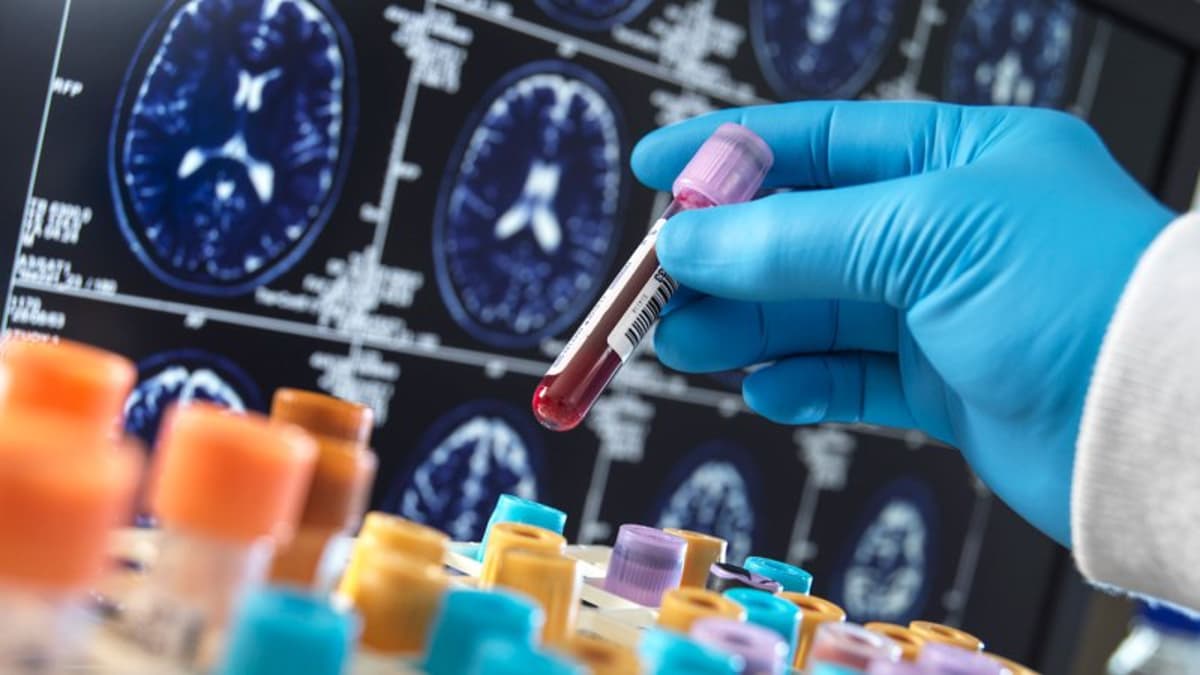
A Blood Test for Dementia May Tell You if You Have More than One Type

Why It Matters
Accurate, multi‑disease blood diagnostics could transform dementia care by enabling earlier, personalized treatment strategies and reducing reliance on invasive procedures. The technology also opens new avenues for drug development targeting mixed pathology patients.
Key Takeaways
- •Blood test detects Alzheimer’s, Parkinson’s, FT dementia, Lewy body dementia
- •15-protein panel predicts multiple diseases with 92.3% accuracy
- •AI narrowed 123 proteins to 15 key biomarkers
- •Validated against autopsy data from Banner Sun Health Institute
- •Pharma discussions start; FDA approval pathway being explored
Pulse Analysis
The emergence of a blood‑based assay capable of distinguishing among several neurodegenerative disorders marks a pivotal shift in dementia diagnostics. Traditional approaches have relied on imaging or cerebrospinal fluid analysis, both costly and invasive, limiting widespread screening. By quantifying a concise panel of 15 proteins, the GPND‑AI test offers a scalable, minimally invasive alternative that aligns with the broader trend toward liquid‑biopsy technologies in neurology. Its 92.3% accuracy in identifying mixed pathologies addresses a critical blind spot, as many patients exhibit overlapping disease mechanisms that influence prognosis and therapeutic response.
Underlying the test’s performance is a sophisticated artificial‑intelligence model that sifted through 123 candidate proteins to isolate the most informative biomarkers, including the well‑studied p‑tau217. This data‑driven reduction not only streamlines the assay but also highlights the growing role of machine learning in biomarker discovery. Validation against autopsy‑verified cases provides a robust gold‑standard comparison, bolstering confidence among clinicians and regulators. As the field moves toward precision medicine, such multi‑disease profiling could enable clinicians to tailor interventions—whether disease‑modifying drugs or lifestyle modifications—to the specific pathological mix present in each patient.
Commercialization prospects appear promising, with pharmaceutical firms already expressing interest in integrating the test into clinical trial enrollment and therapeutic monitoring. The pending FDA approval pathway will likely hinge on larger, more diverse cohort studies, but the current data suggest a near‑term impact on both patient care and drug development pipelines. If successful, GPND‑AI could set a new benchmark for blood‑based neurodegenerative diagnostics, encouraging further investment in AI‑enhanced biomarker platforms across the broader spectrum of age‑related diseases.
A blood test for dementia may tell you if you have more than one type
Comments
Want to join the conversation?
Loading comments...